Normal Word Problems Worksheets for Ages 5-8 - Page 2
45 filtered results
-
From - To
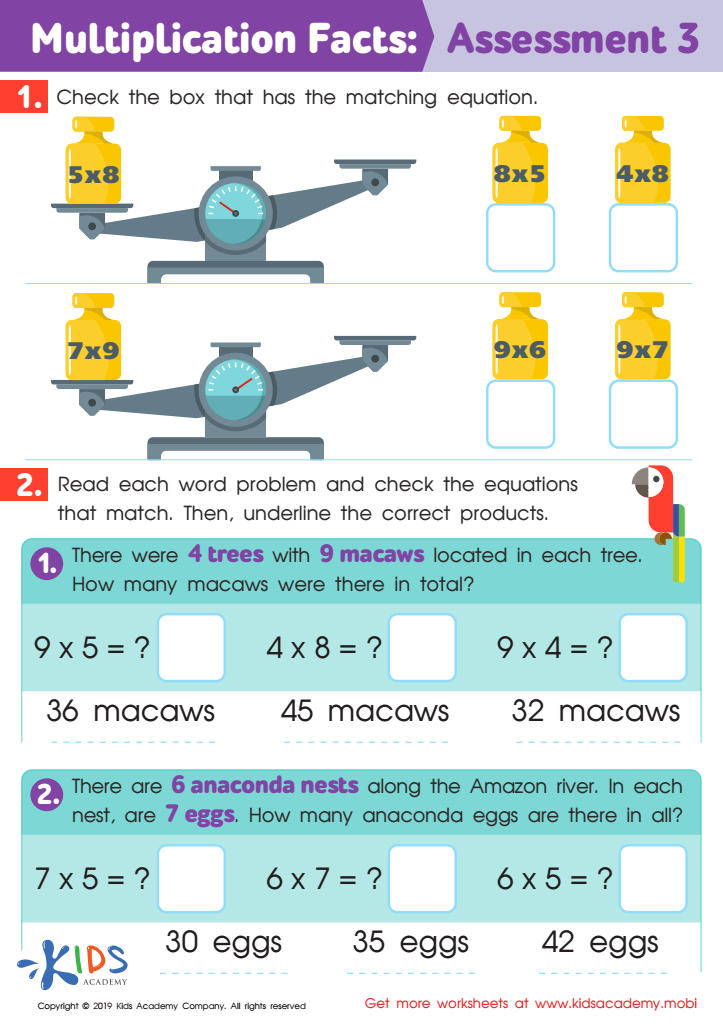
Multiplication Facts: Assessment 3 Worksheet
 Assign to My Students
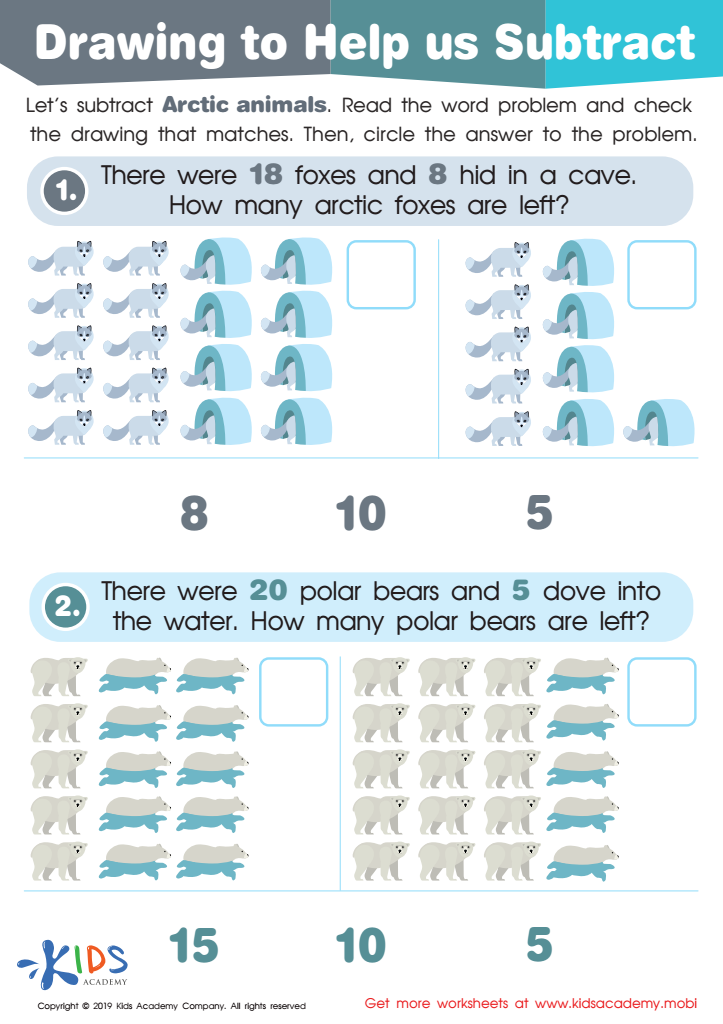
Drawing to Help Us Subtract Worksheet
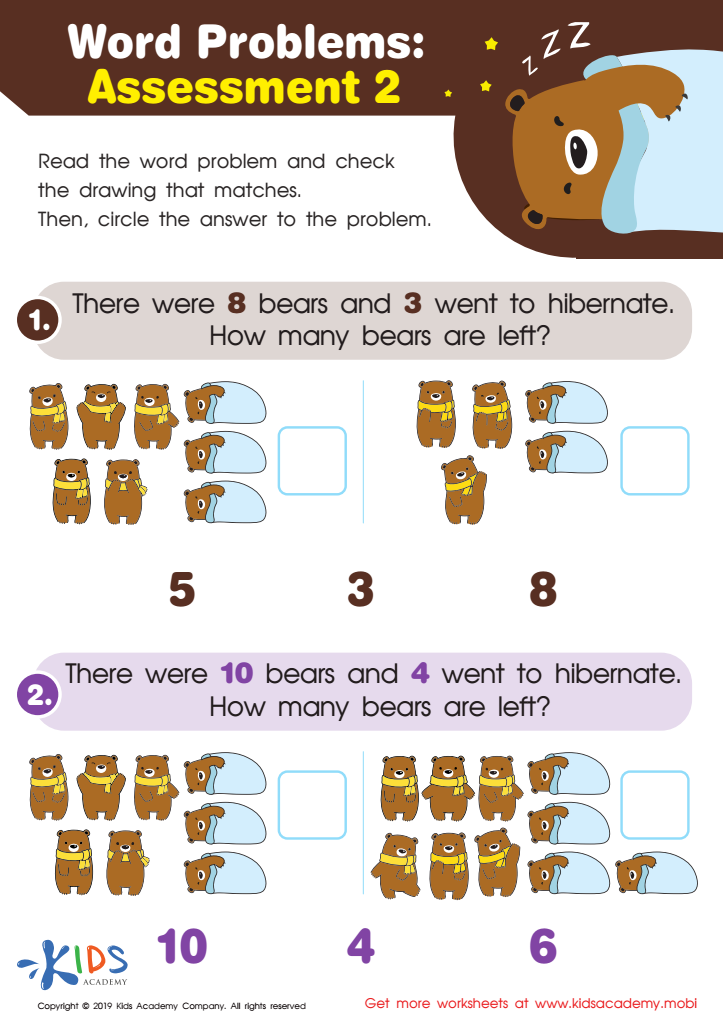
Word Problems: Assessment 2 Worksheet
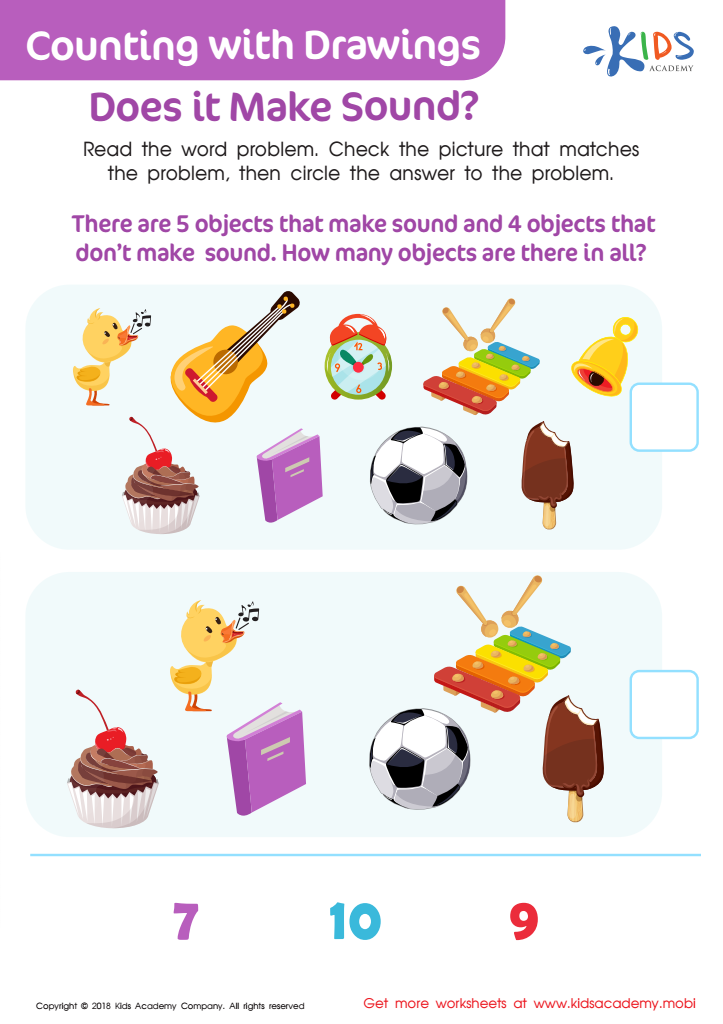
Counting With Drawings. Does It Make Sound? Worksheet
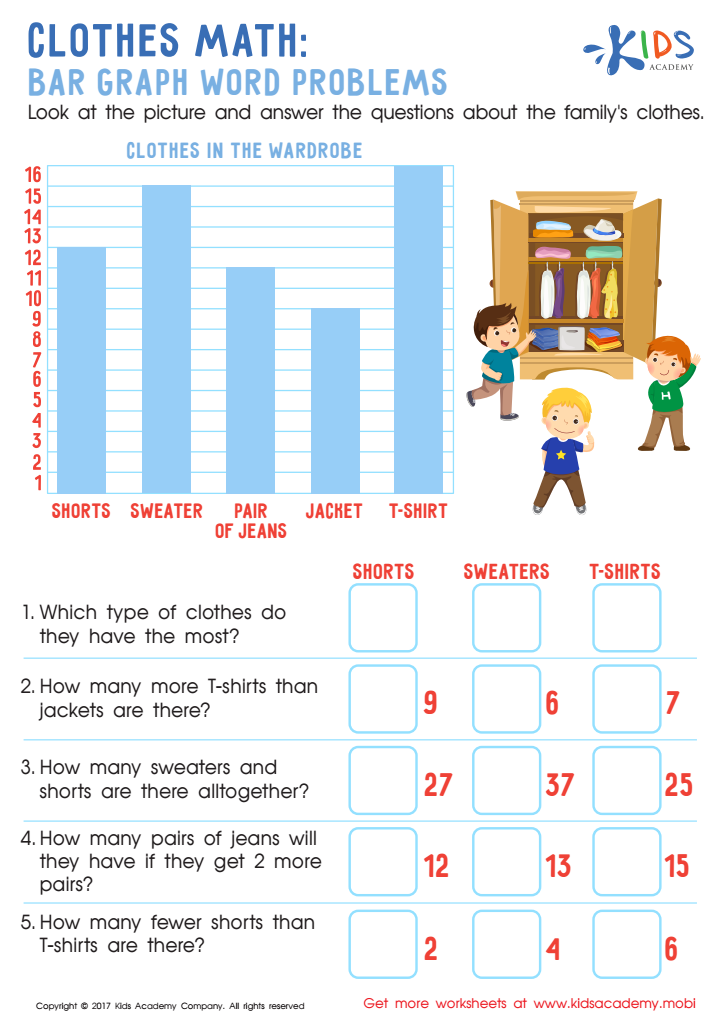
Clothes Math: Bar Graph Word Problems Worksheet
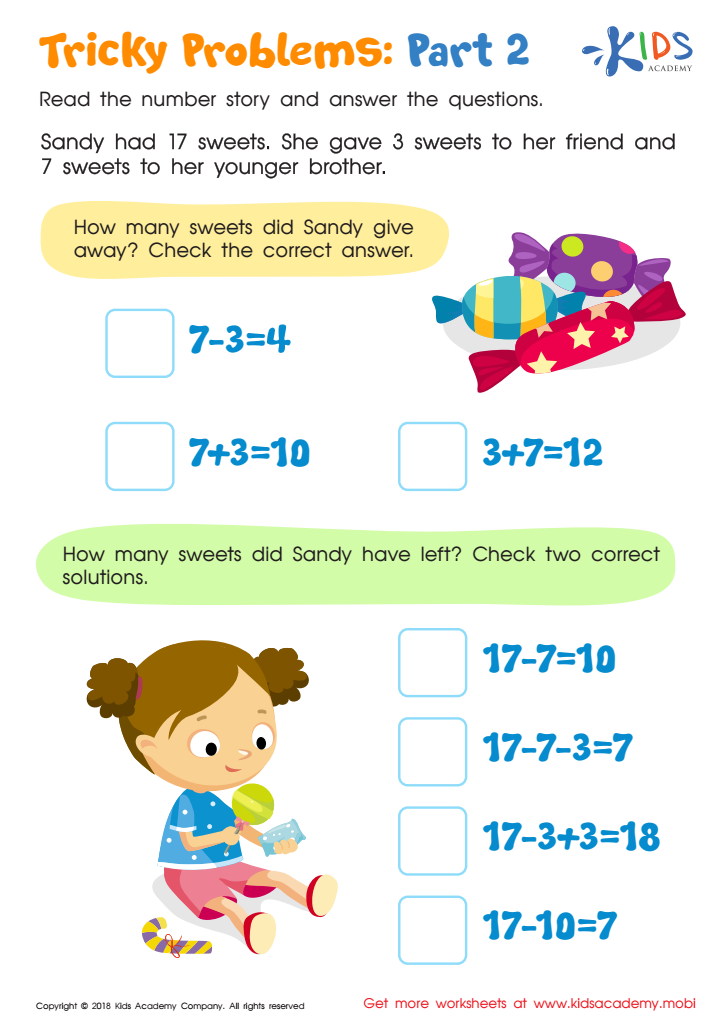
Tricky Problems Worksheet: Part 2
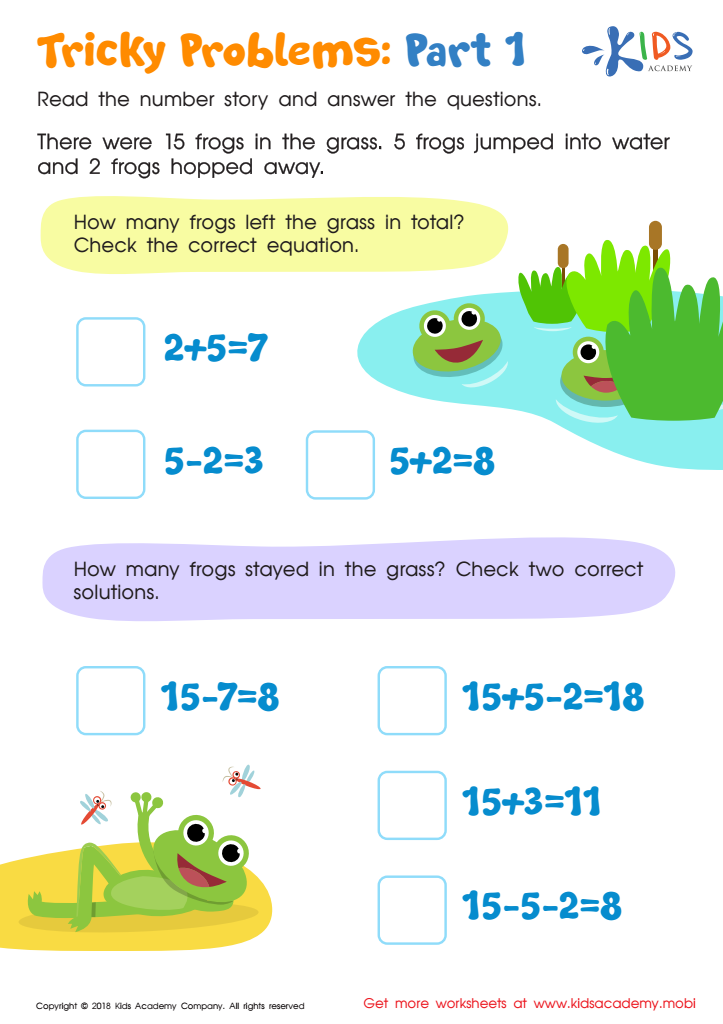
Tricky Problems Worksheet: Part 1
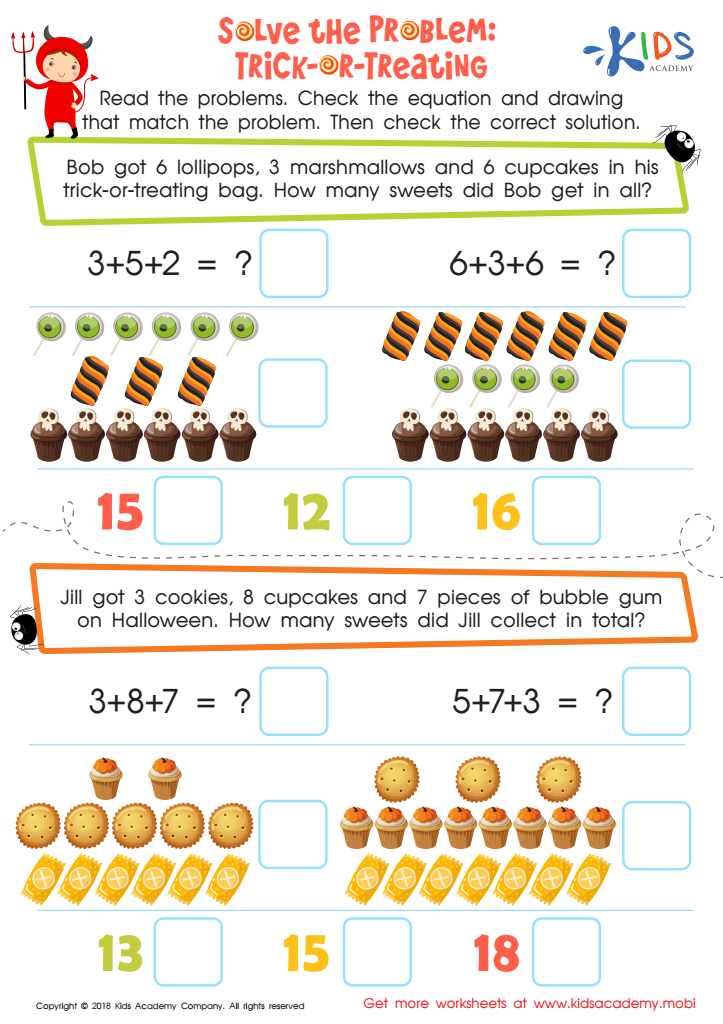
Solve the Problem: Trick–or–treating Worksheet
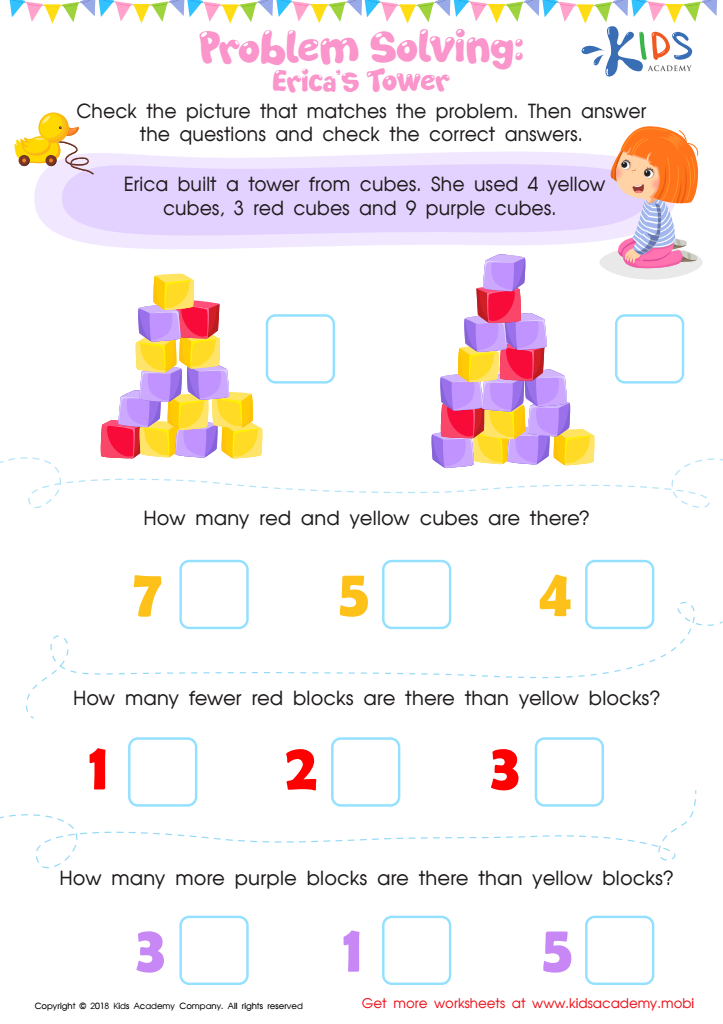
Problem Solving: Erica's Tower Worksheet
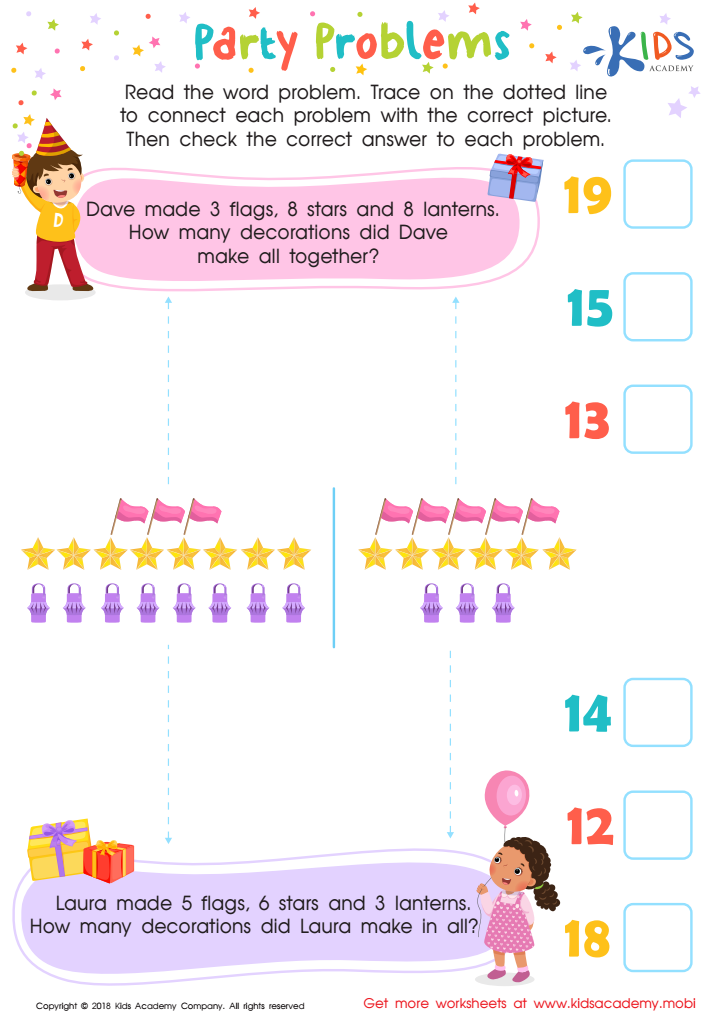
Party Problems Worksheet
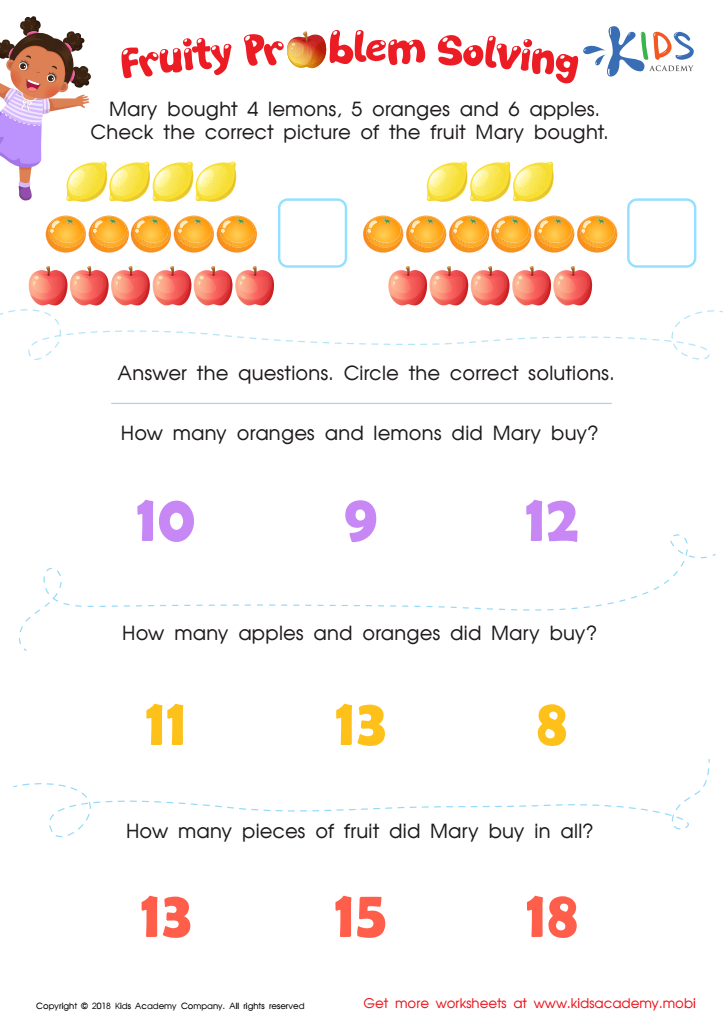
Fruity Problem Solving Worksheet
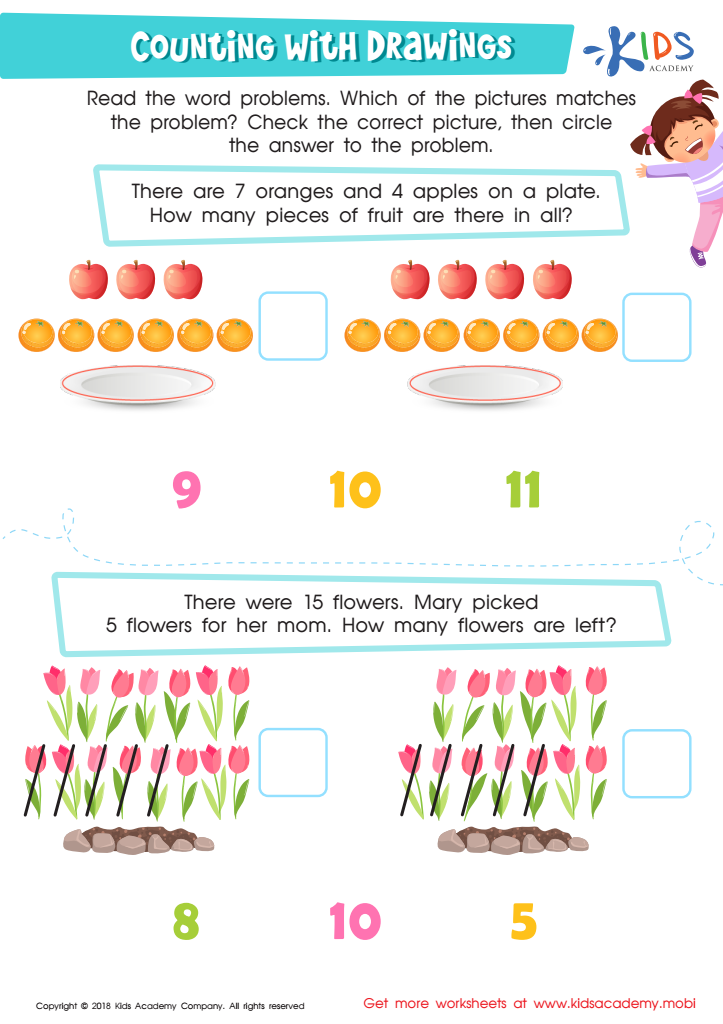
Counting with Drawings: Fruits & Chocolates Worksheet
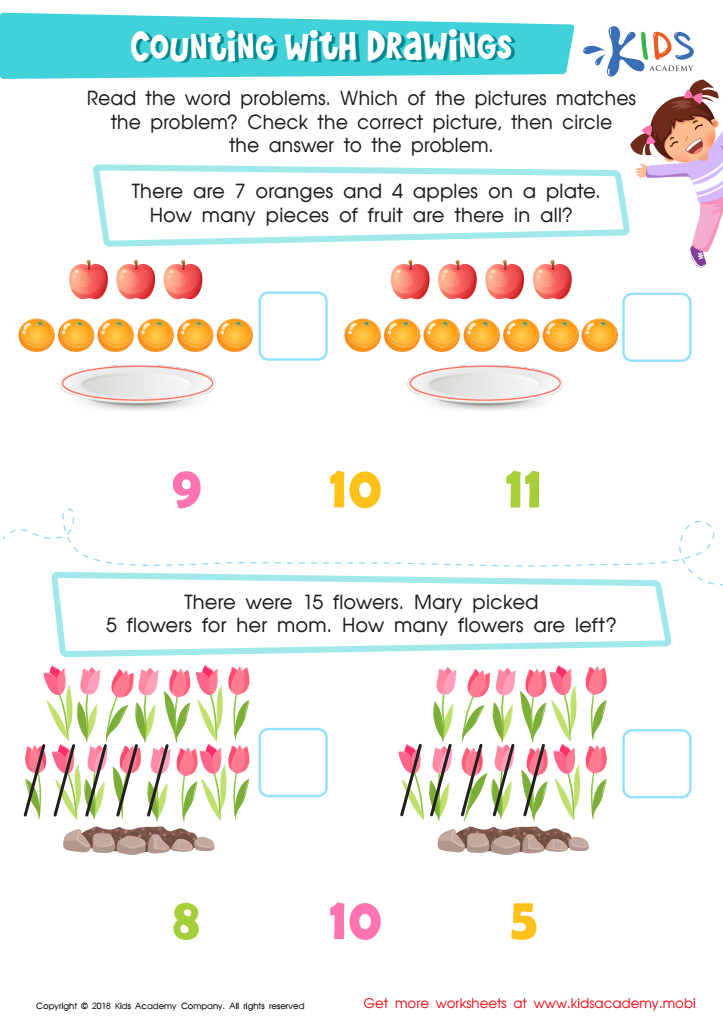
Counting with Drawings:Fruits & Flowers Worksheet
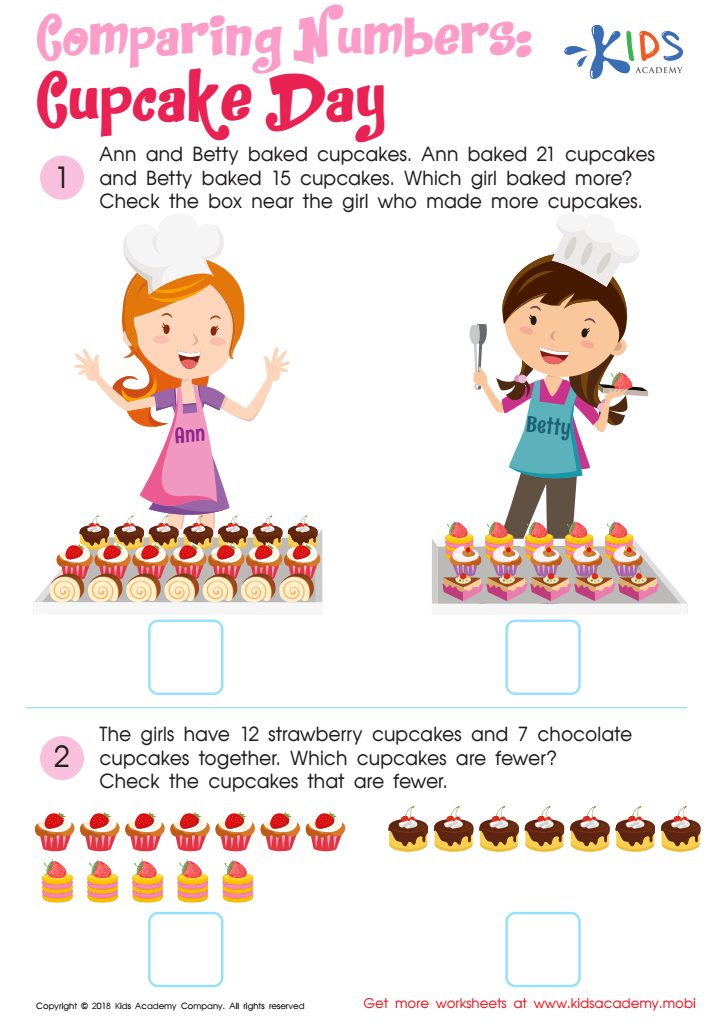
Cupcake Day Worksheet
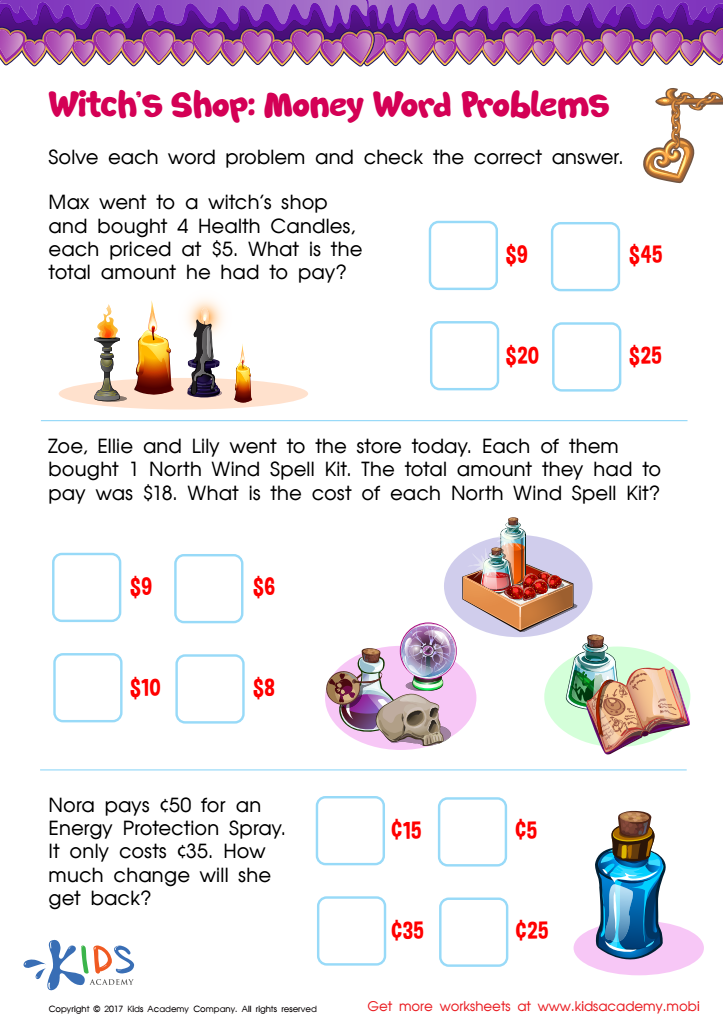
Money Word Problems Printable
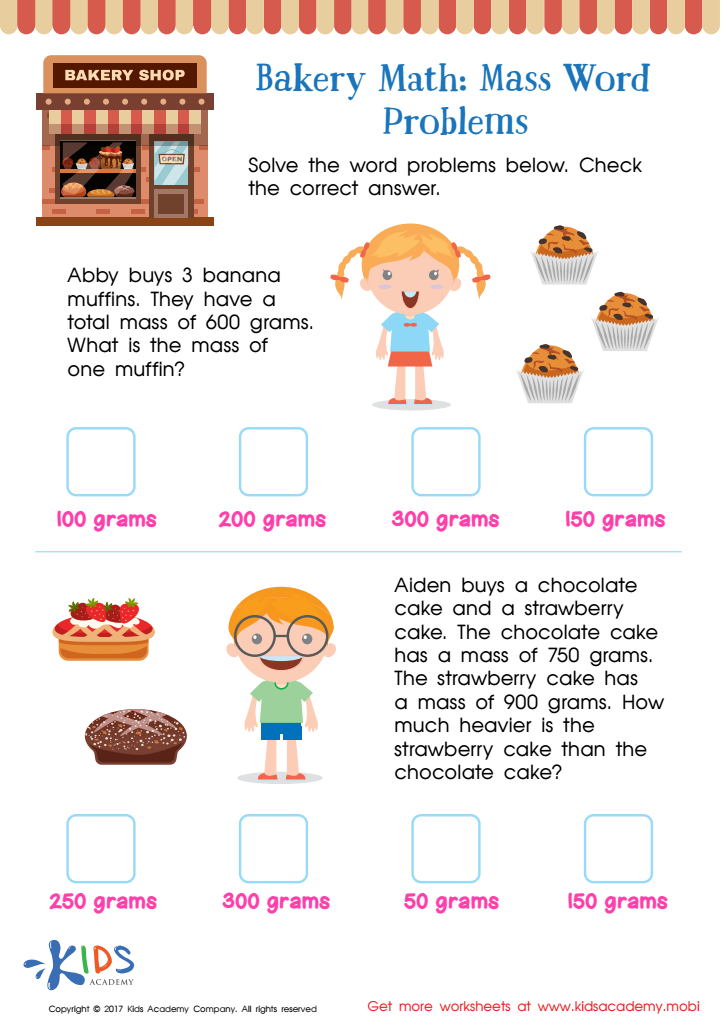
Mass Word Problems Worksheet
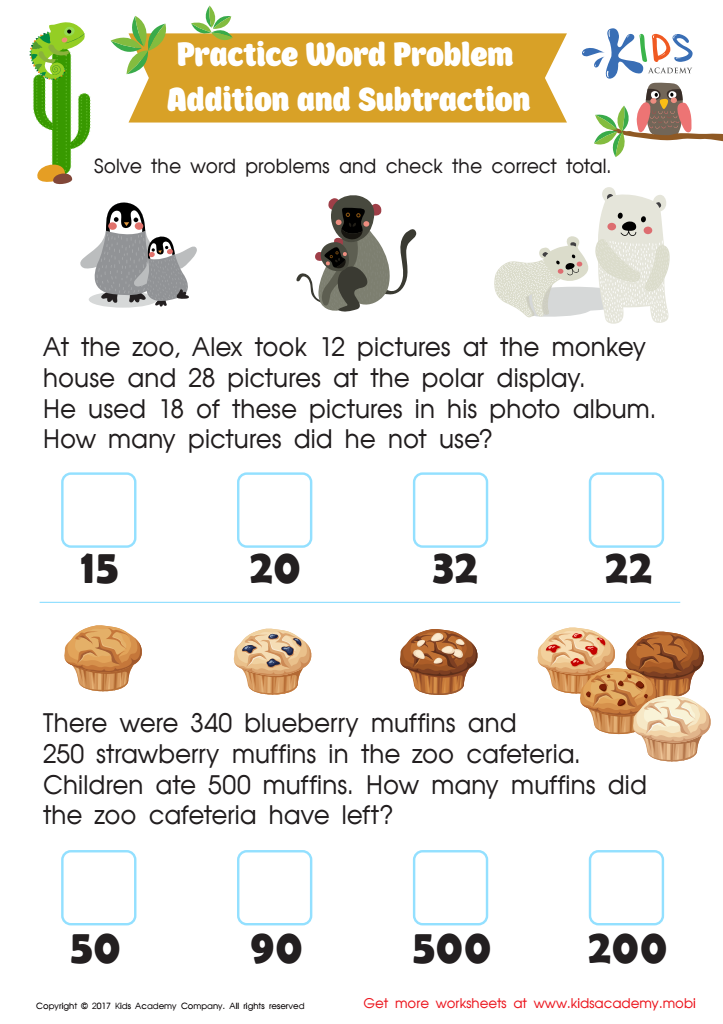
Addition and Subtraction: Word Problems Worksheet
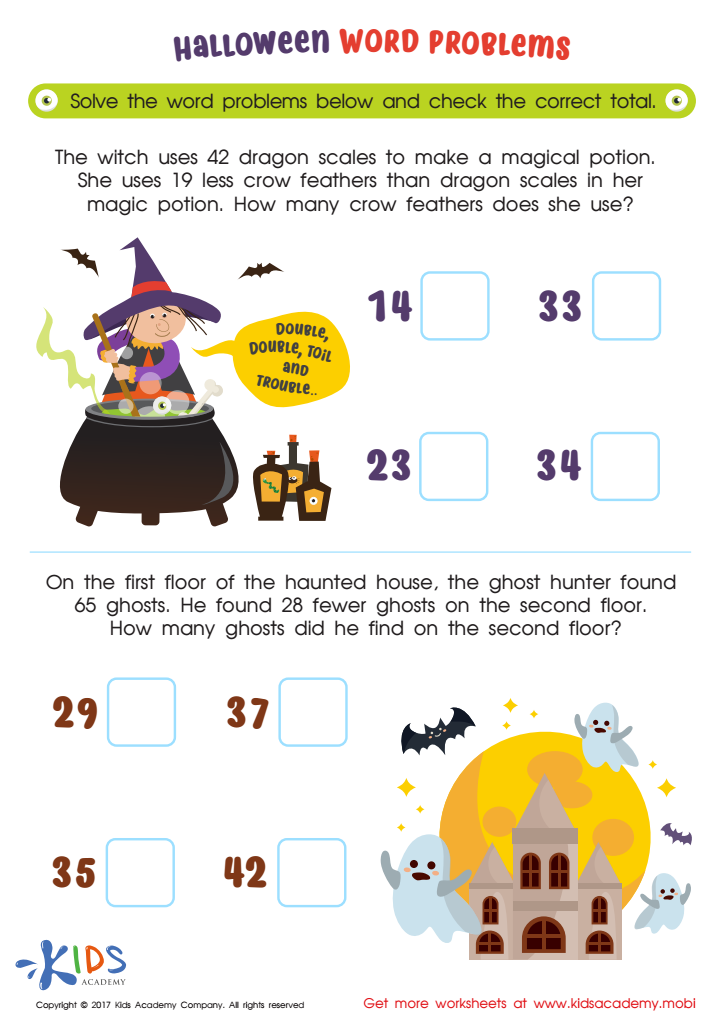
Halloween Word Problems Printable
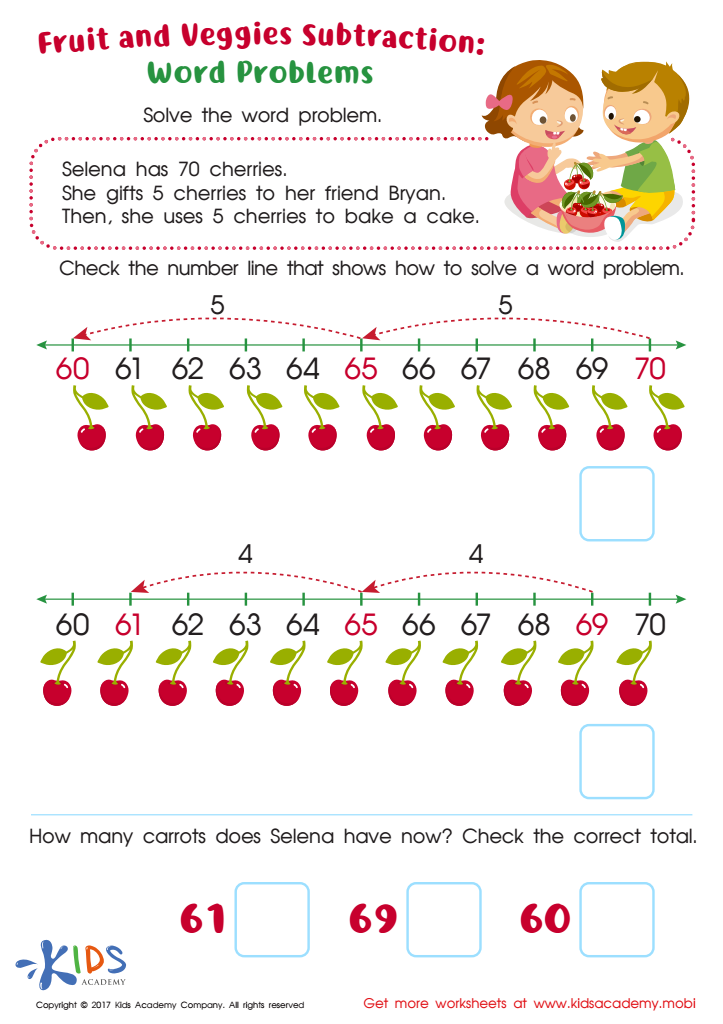
Subtraction Word Problems Free Printable
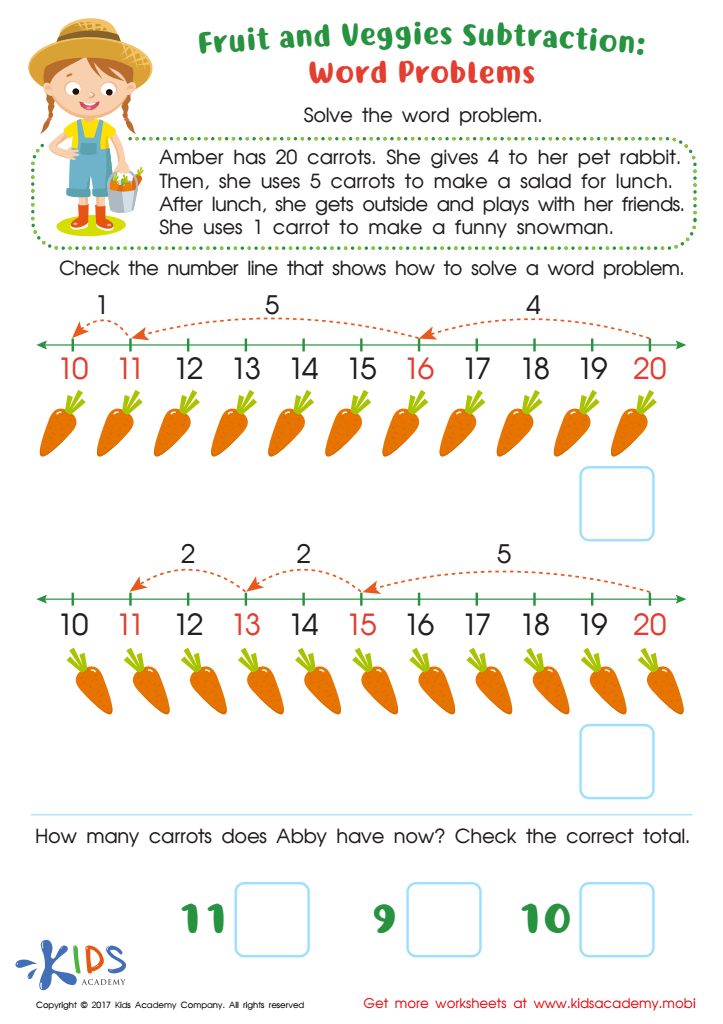
Subtraction Word Problems Printable
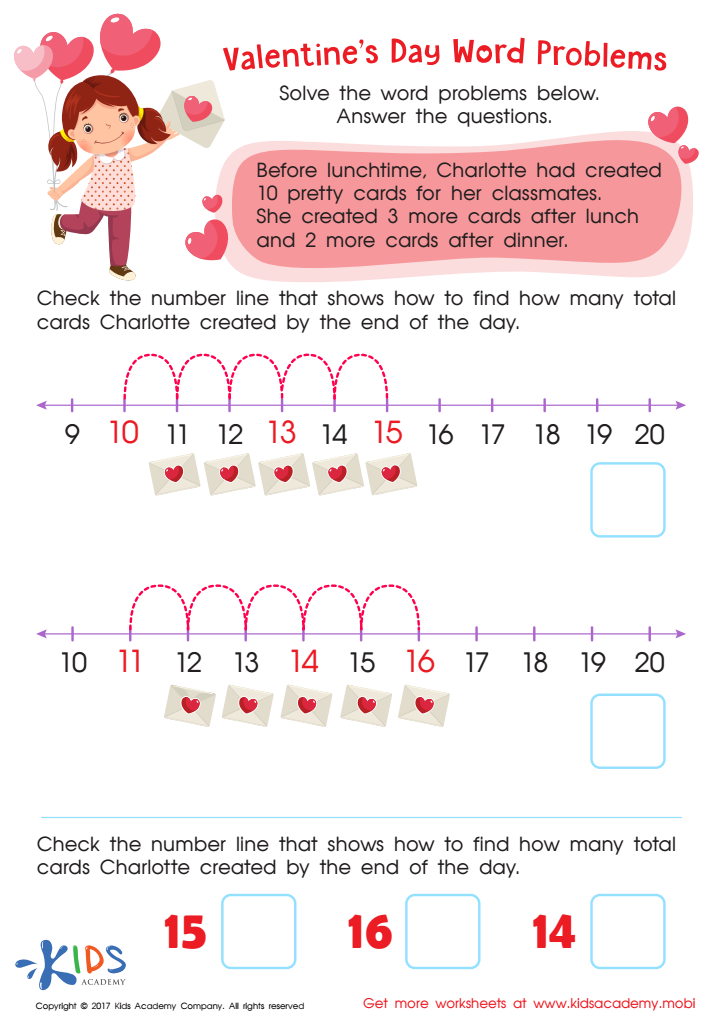
Valentines Day Word Problem Worksheet








Normal word problems are essential for children aged 5-8 as they bridge the gap between mathematical concepts and real-world applications. During these formative years, children develop critical thinking and problem-solving skills that serve as the foundation for their future education. Engaging with word problems encourages students to apply their learned mathematical operations—like addition, subtraction, multiplication, and division—in practical scenarios, making math feel relevant and relatable.
Moreover, word problems promote language development as children learn to interpret and articulate the scenarios presented. This dual-focus on both math and literacy skills nurtures a well-rounded learner. By engaging with diverse contexts—such as shopping, sharing, or measuring—kids also enhance their cognitive flexibility, learning to approach problems from multiple perspectives.
Parents and teachers should care about these problems not only for their academic value but also for fostering a positive attitude towards math. When children see math as a tool for everyday life rather than a vague set of rules, they develop confidence and a growth mindset. Encouraging practice with normal word problems not only prepares students for standardized testing but cultivates a lifelong appreciation for mathematics and its role in solving everyday challenges.








