Normal Measurement Worksheets for Ages 5-9 - Page 2
36 filtered results
-
From - To
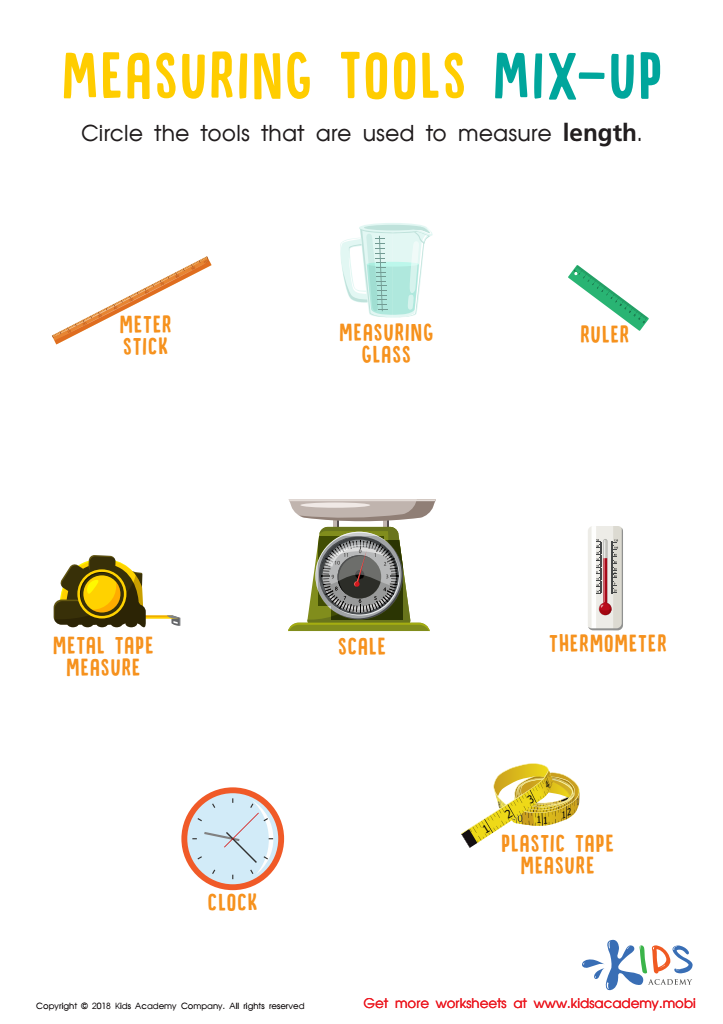
Measuring Tools Mix–up Worksheet
 Assign to My Students
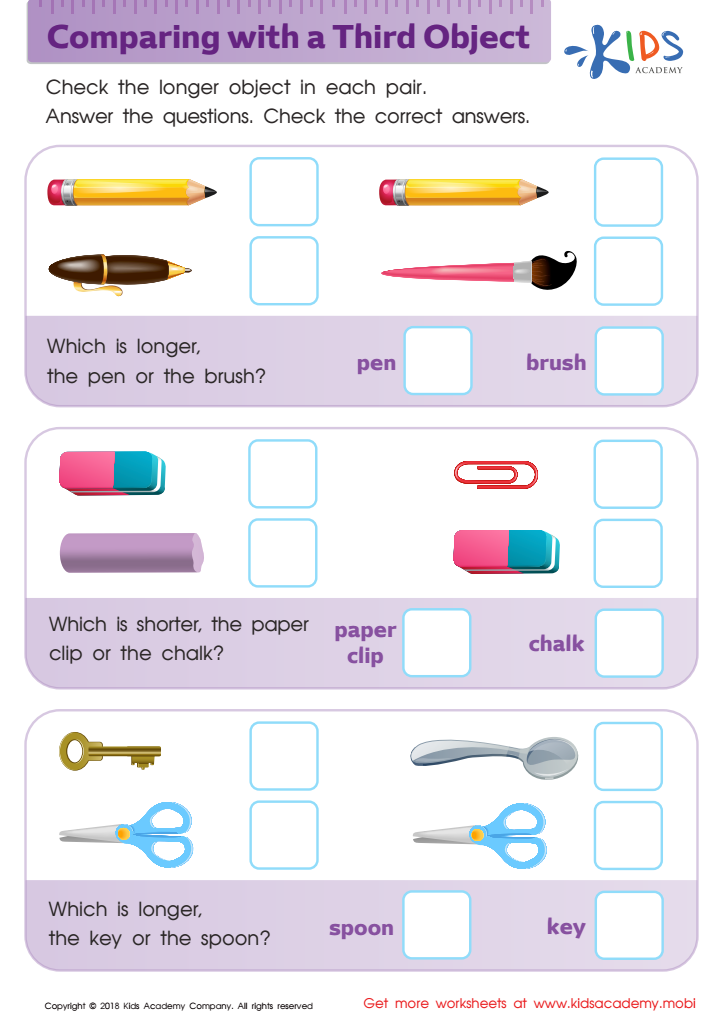
Comparing with a Third Object Worksheet
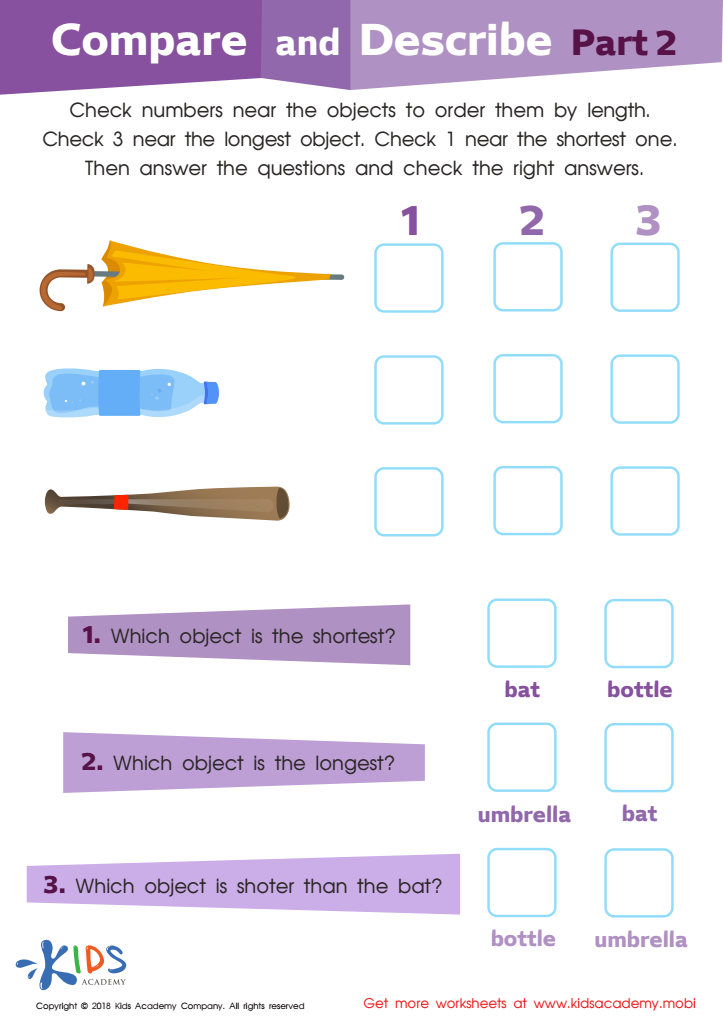
Compare and Describe: Part 2 Worksheet
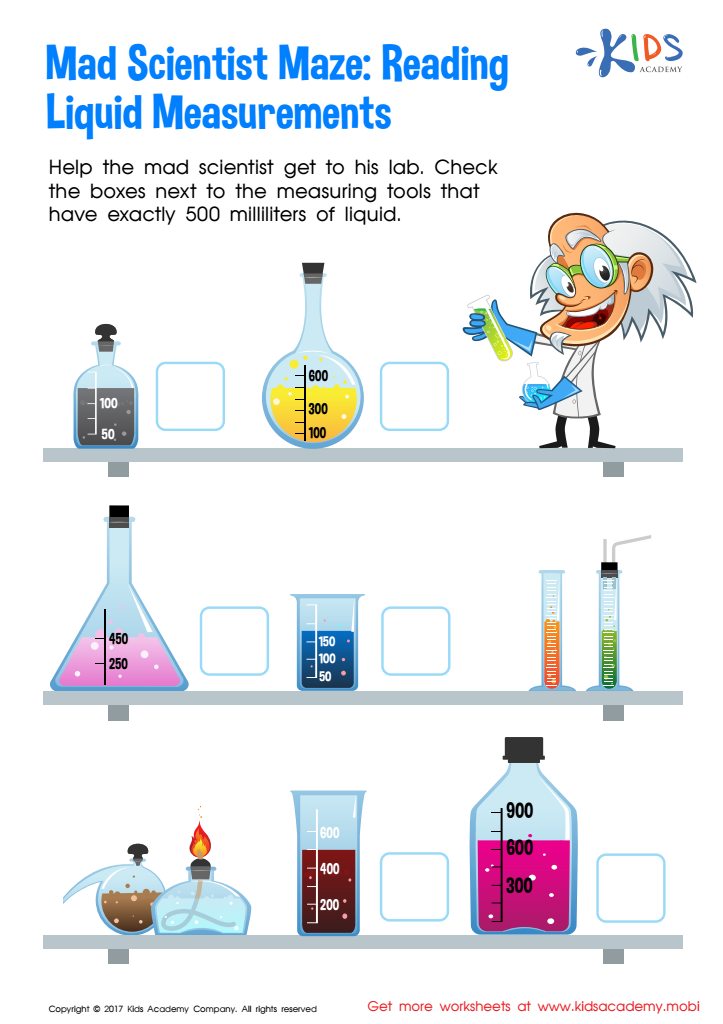
Reading Liquid Measurement Worksheet
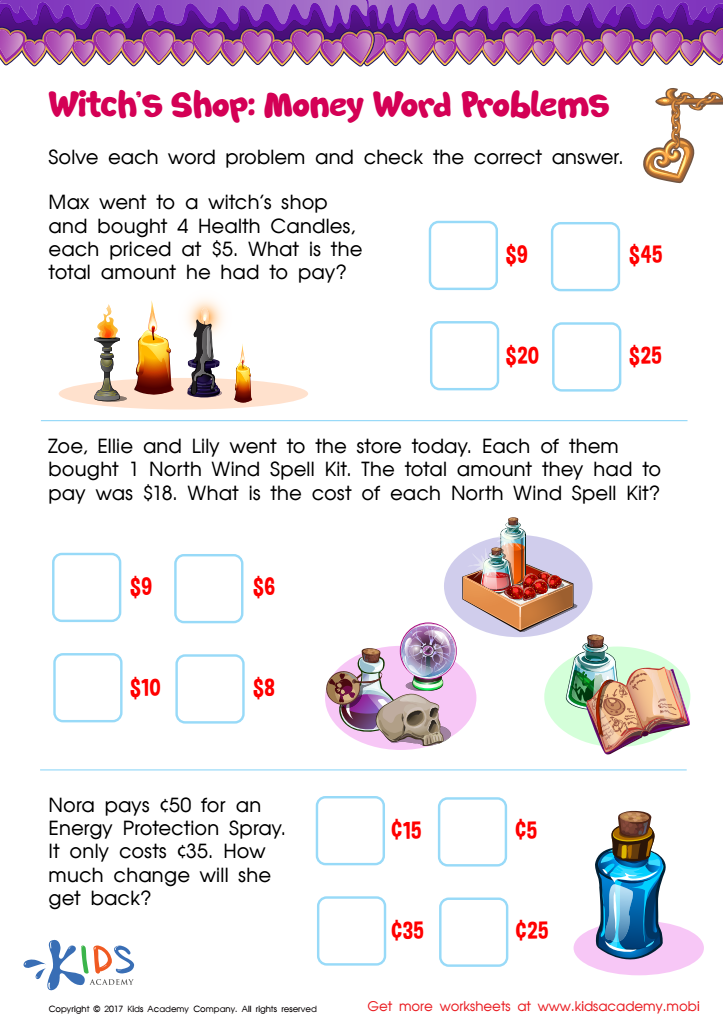
Money Word Problems Printable
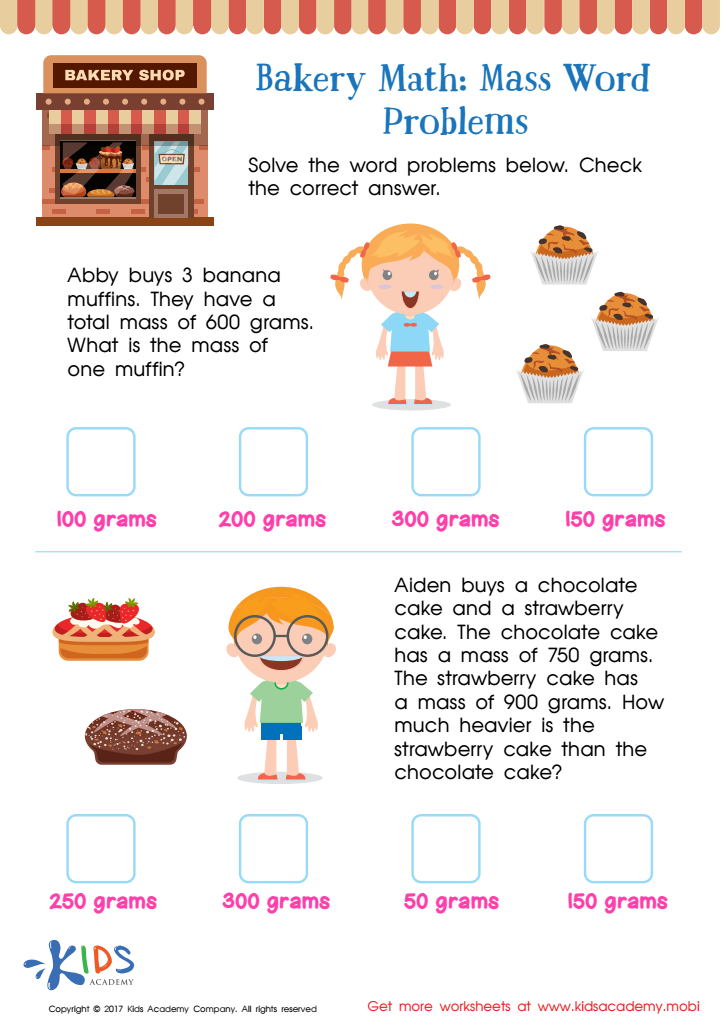
Mass Word Problems Worksheet
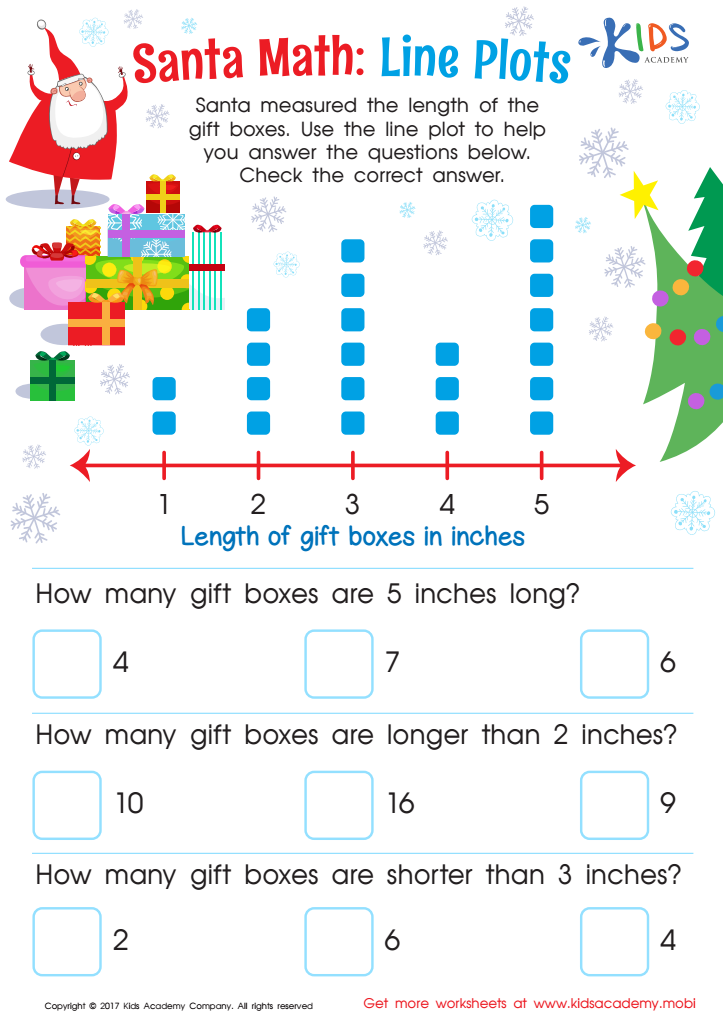
Line Plot Worksheet
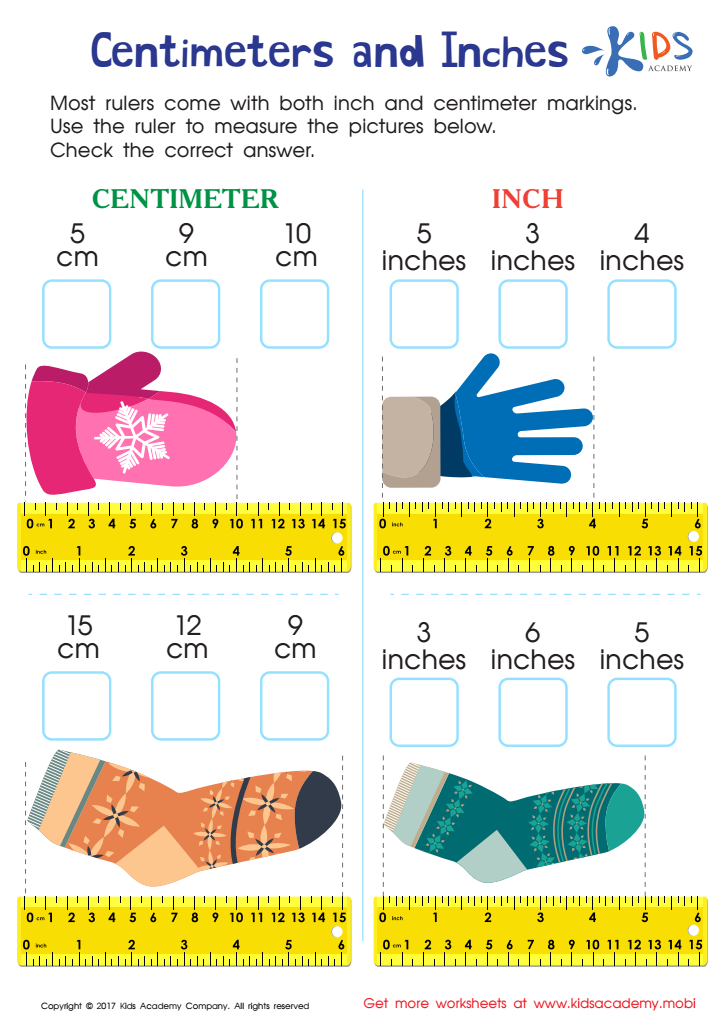
Centimeters and Inches Worksheet
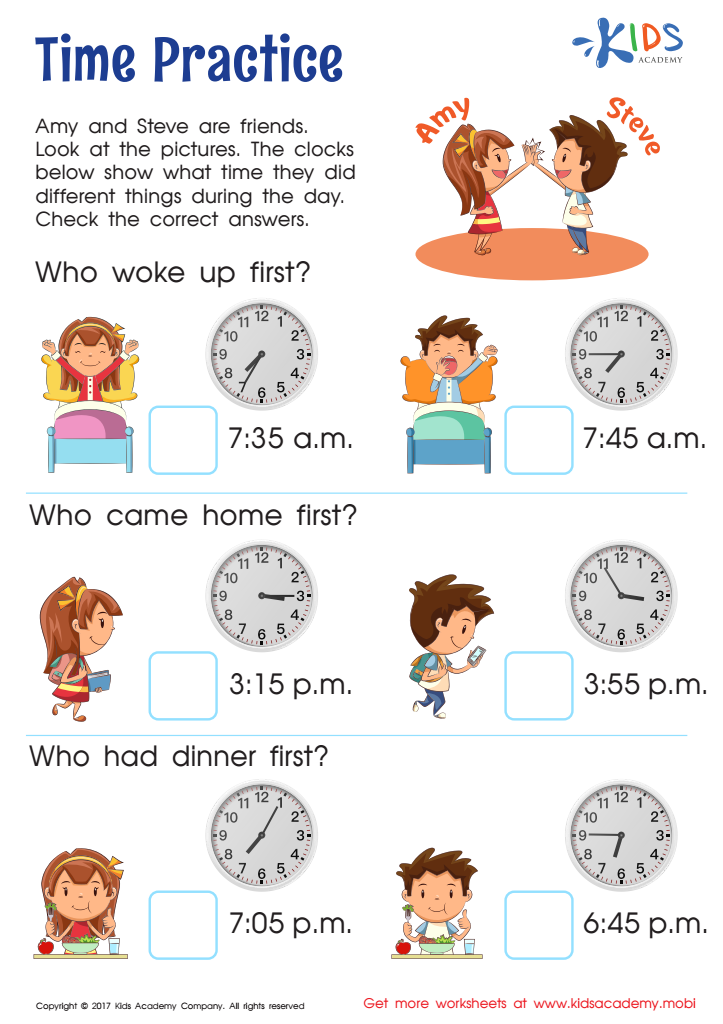
Time Practice Worksheet
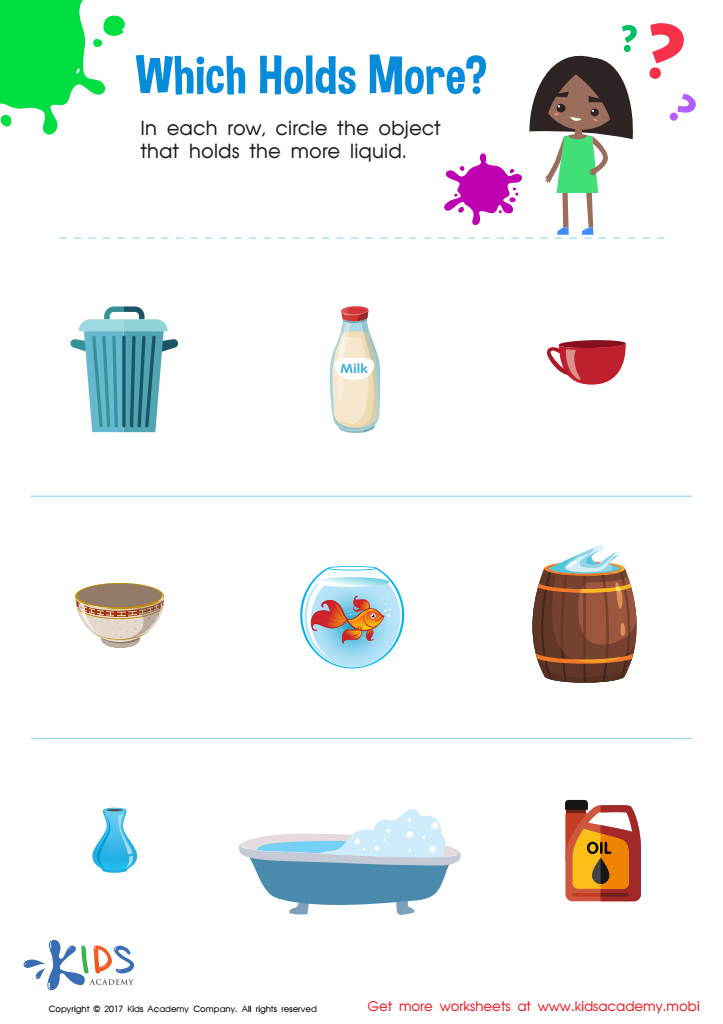
Which Holds More: Capacity Worksheet
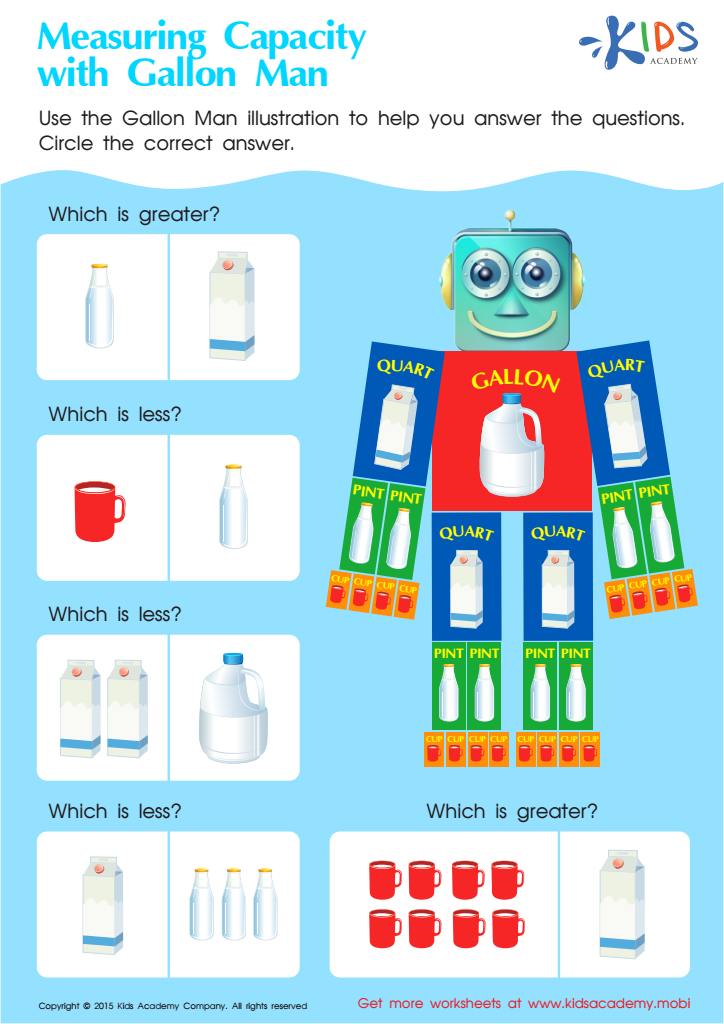
Measurement: Measuring Capacity with Gallon Man Worksheet
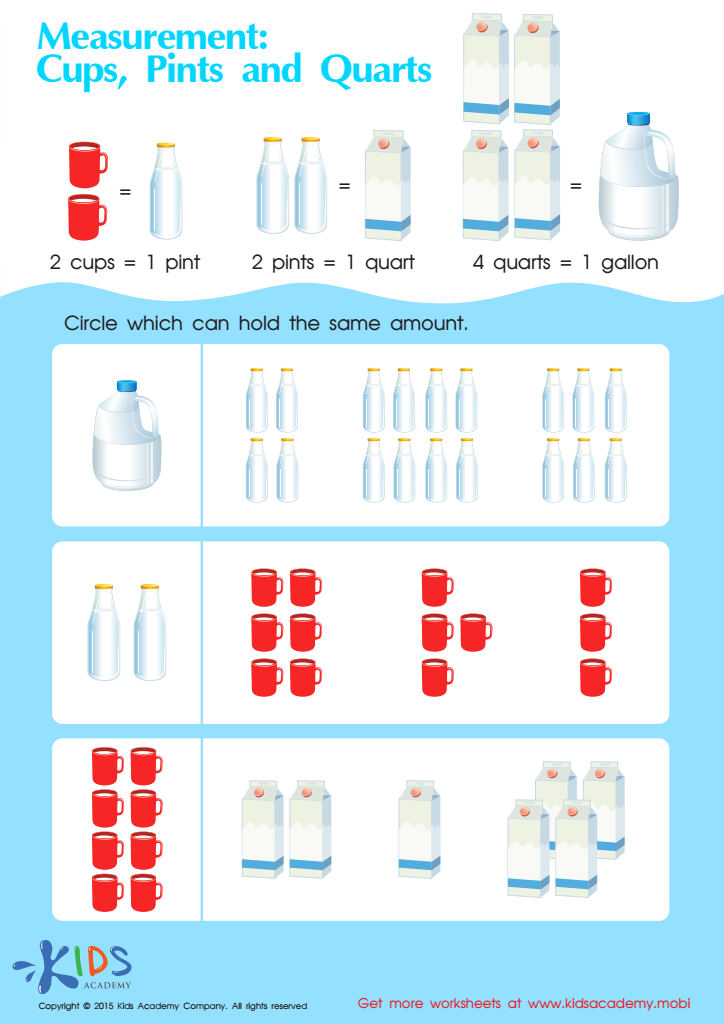
Cups, Pints and Quarts 2 Worksheet








Normal measurement, which involves understanding and using units to describe the dimensions and properties of objects, is a critical skill for children ages 5-9. Teaching this concept lays the foundation for mathematical reasoning, enhancing a child’s ability to compare, classify, and organize information. For parents and teachers, emphasizing normal measurement helps cultivate essential life skills.
At this developmental stage, children are naturally curious and eager to explore their environments. Engaging them in activities that involve measuring, like cooking or building projects, not only makes learning interactive but also enhances their comprehension of practical applications. Discovery through measurement fosters problem-solving abilities and encourages logical thinking, important traits for future academic success.
Moreover, understanding measurement is crucial for various everyday tasks— from understanding their height growth, to playing games, to crafting simple projects— it integrates into numerous life aspects. Encouraging measurement in fun and diverse ways promotes confidence in mathematical skills and makes the learning process enjoyable. Parents and teachers should care about normal measurement as it crucially supports cognitive development, laying a strong foundation for lifelong mathematical literacy. Ultimately, investment in these skills sets children up for success in school and beyond.








