Normal Word Problems Worksheets for Ages 5-9 - Page 2
45 filtered results
-
From - To
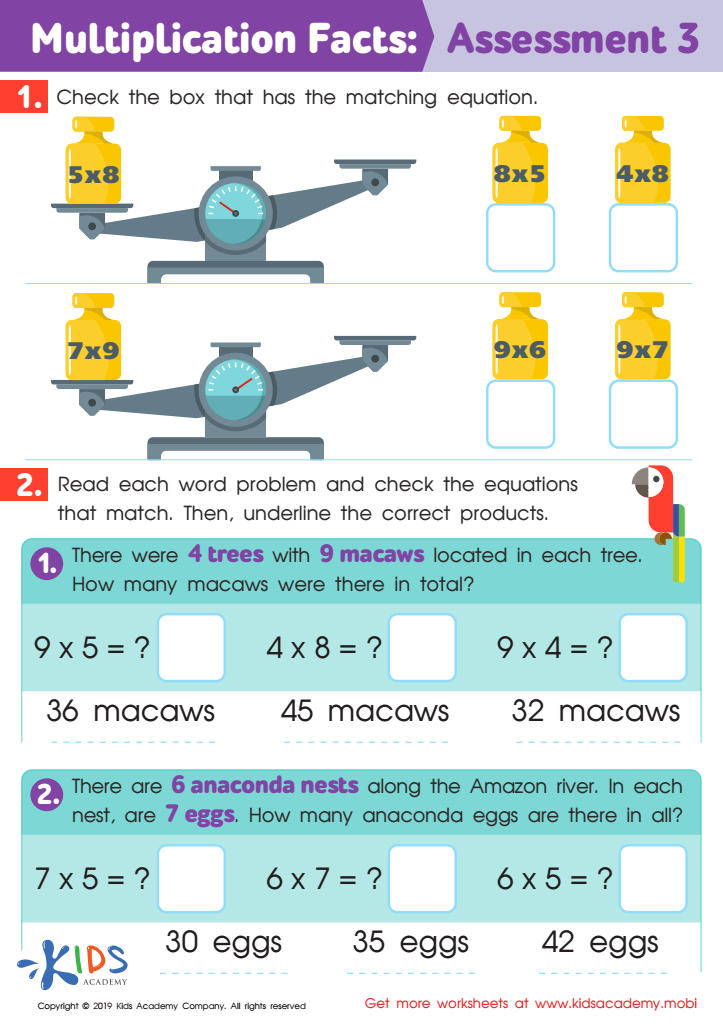
Multiplication Facts: Assessment 3 Worksheet
 Assign to My Students
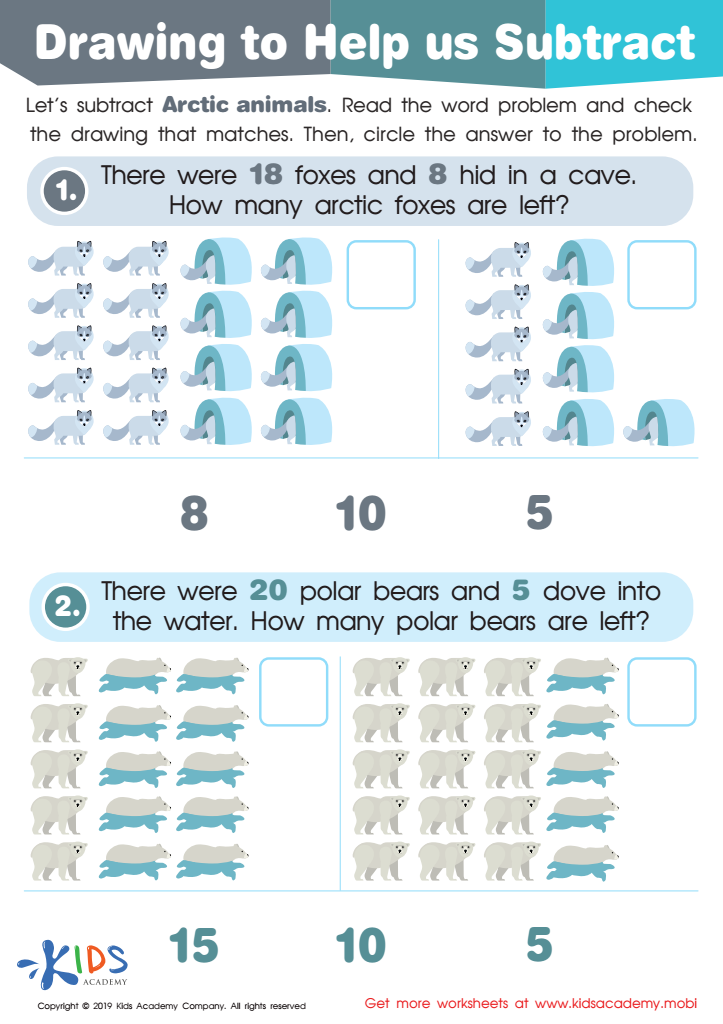
Drawing to Help Us Subtract Worksheet
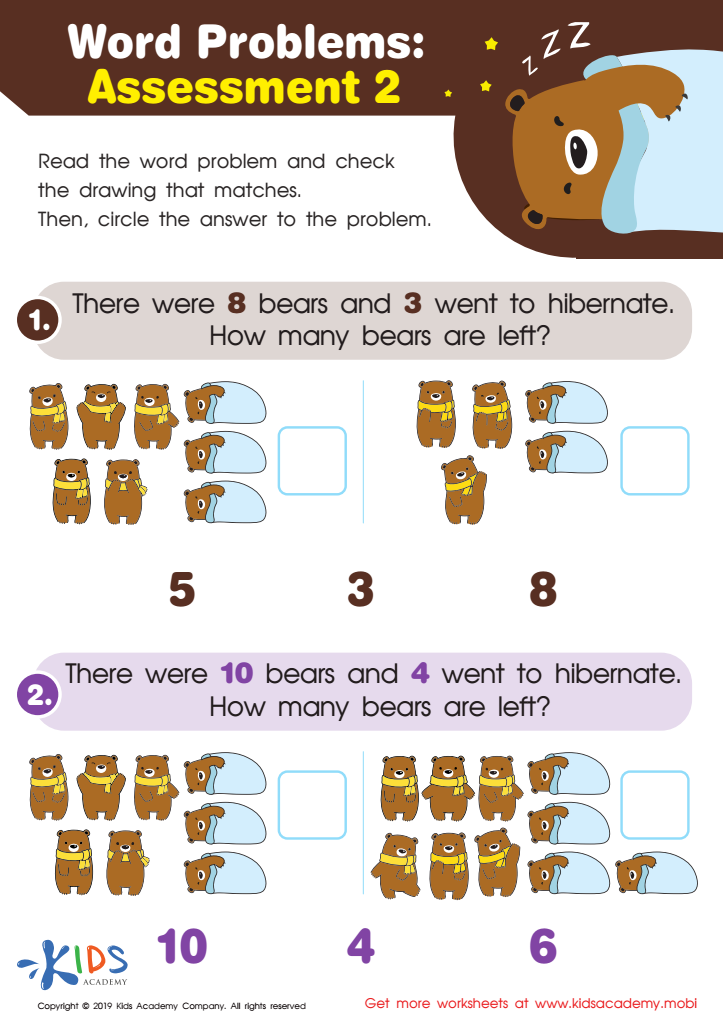
Word Problems: Assessment 2 Worksheet
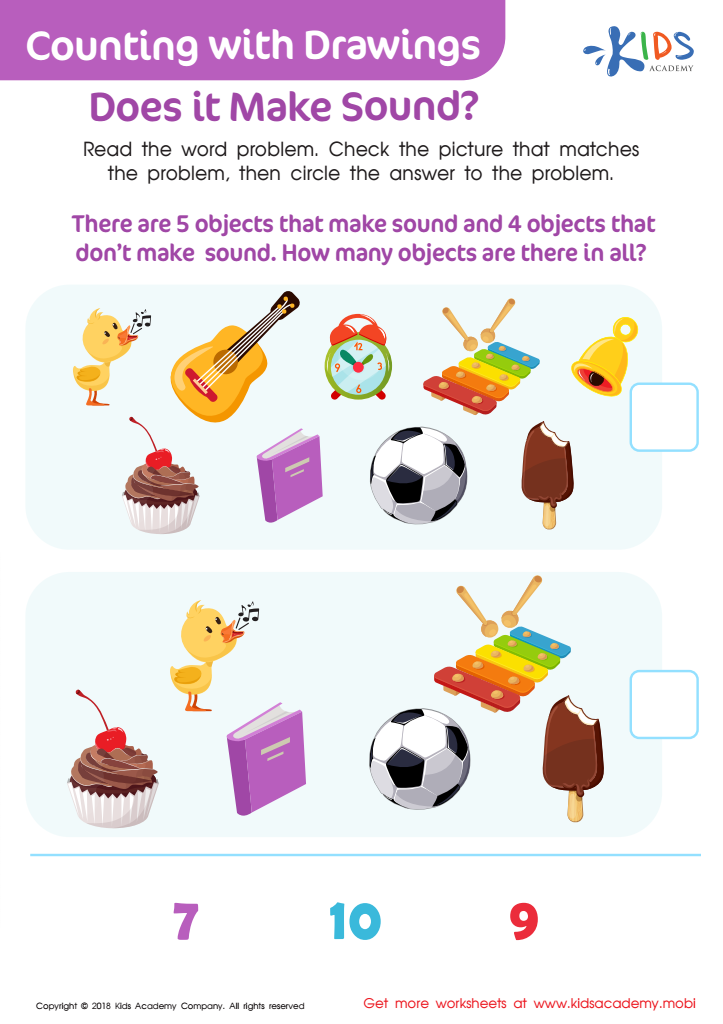
Counting With Drawings. Does It Make Sound? Worksheet
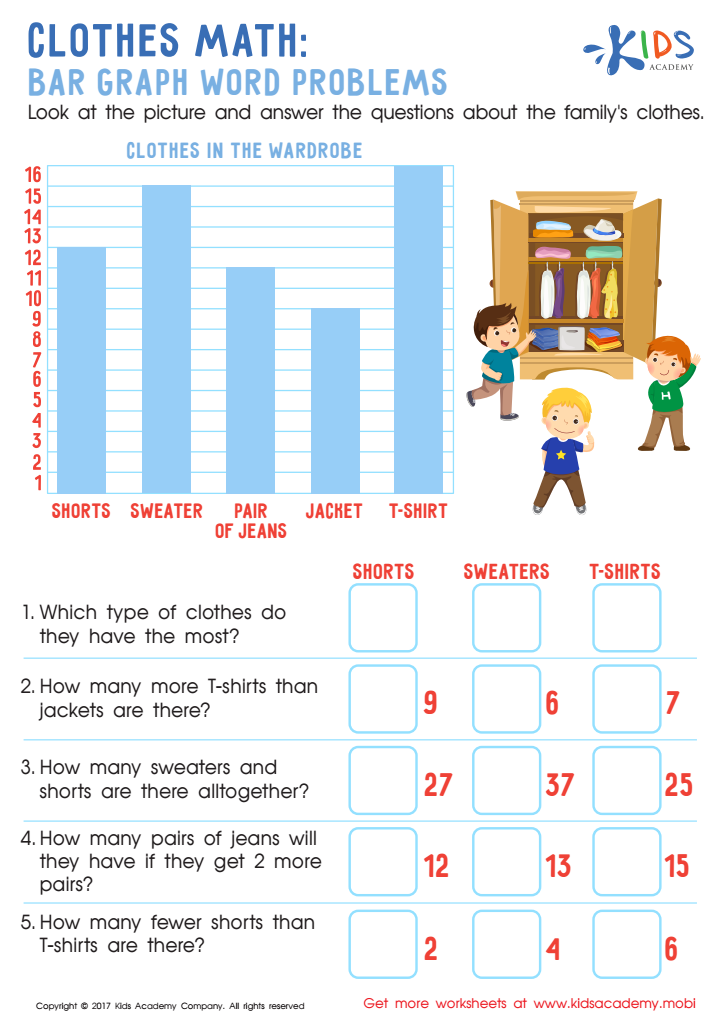
Clothes Math: Bar Graph Word Problems Worksheet
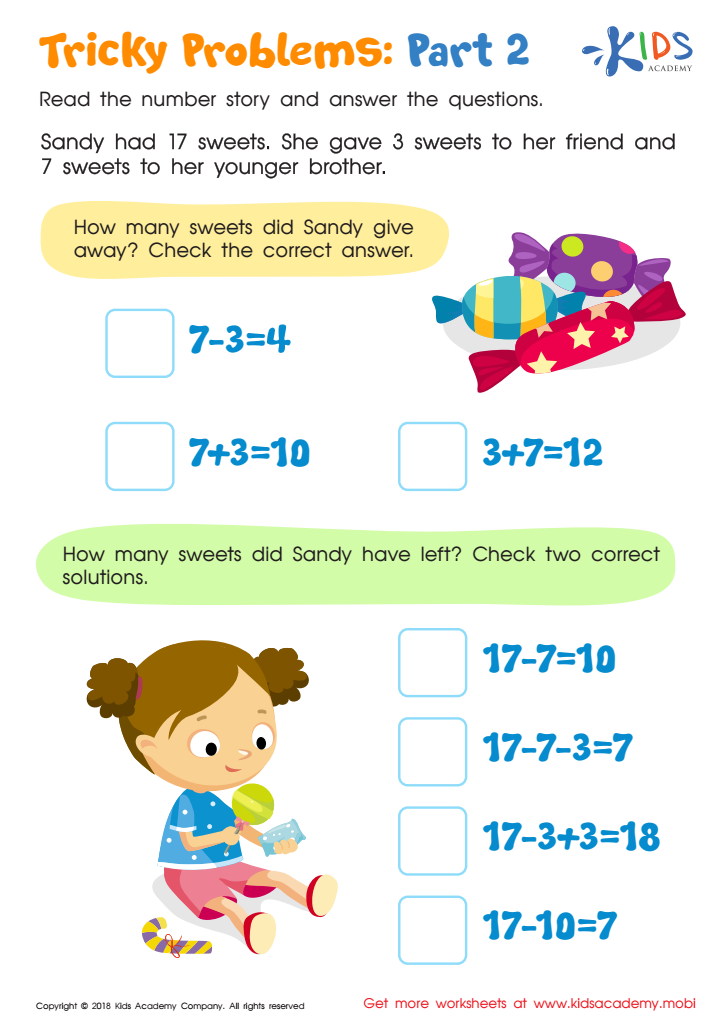
Tricky Problems Worksheet: Part 2
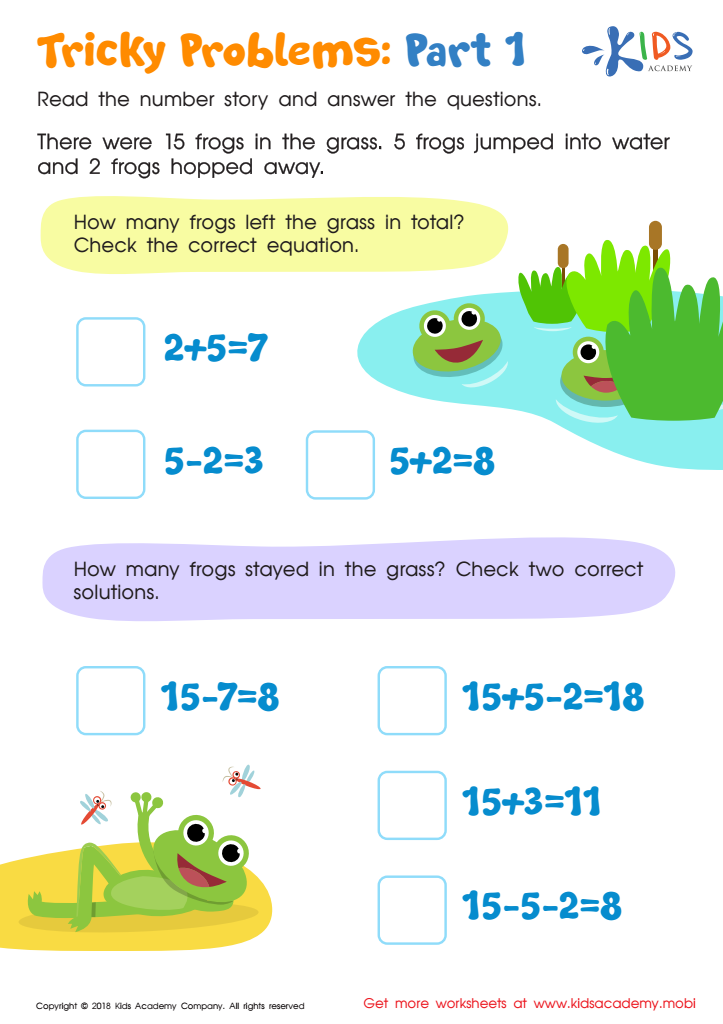
Tricky Problems Worksheet: Part 1
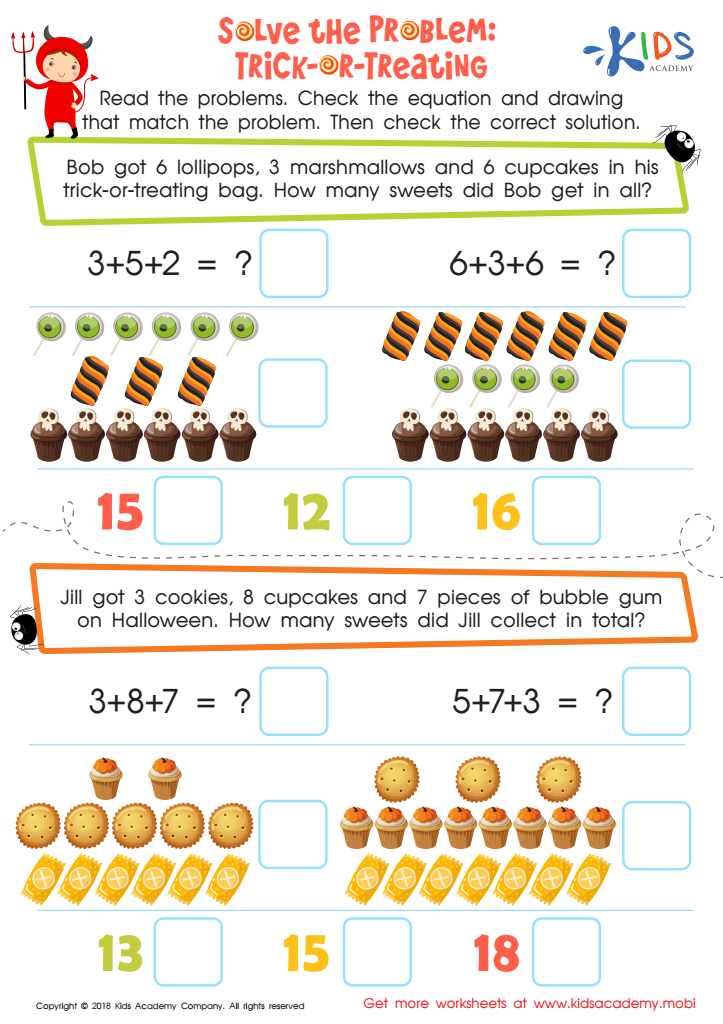
Solve the Problem: Trick–or–treating Worksheet
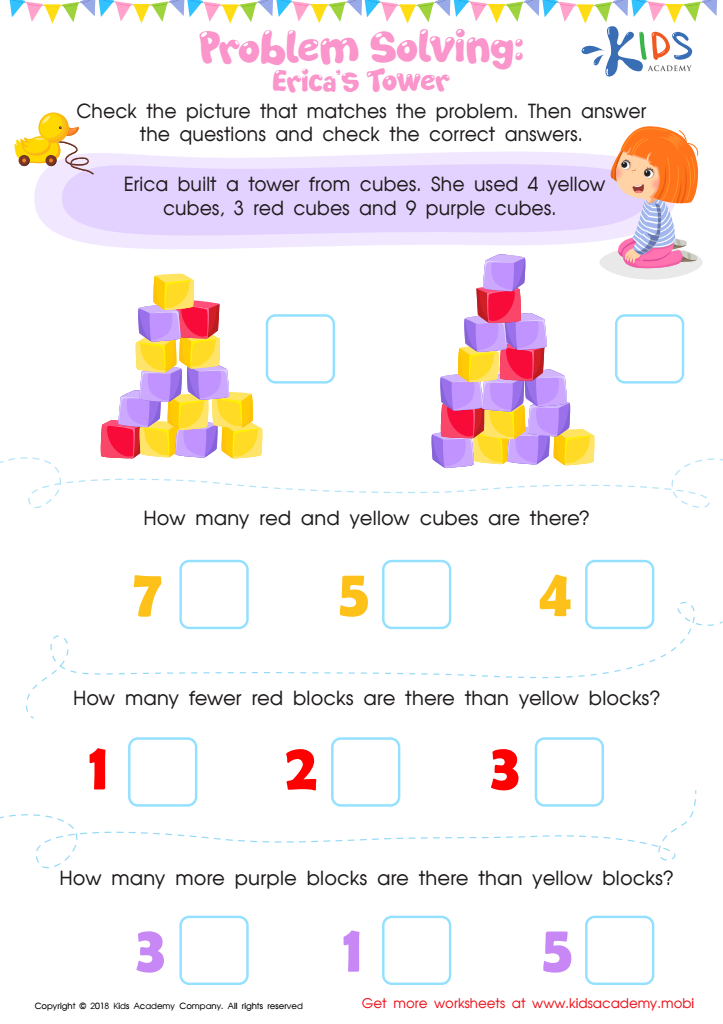
Problem Solving: Erica's Tower Worksheet
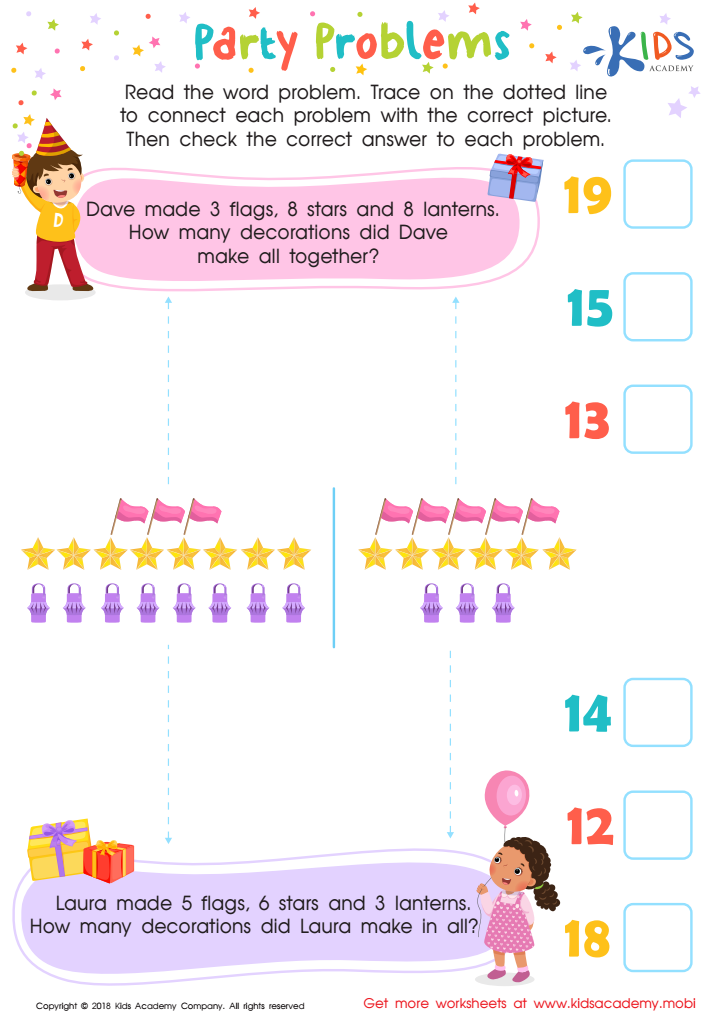
Party Problems Worksheet
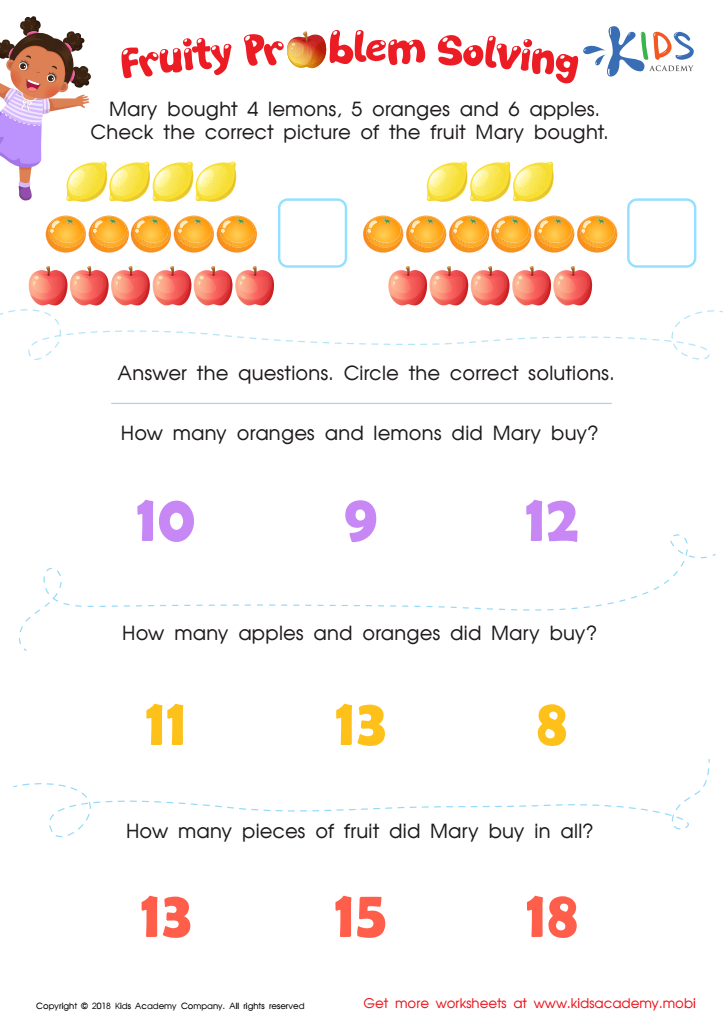
Fruity Problem Solving Worksheet
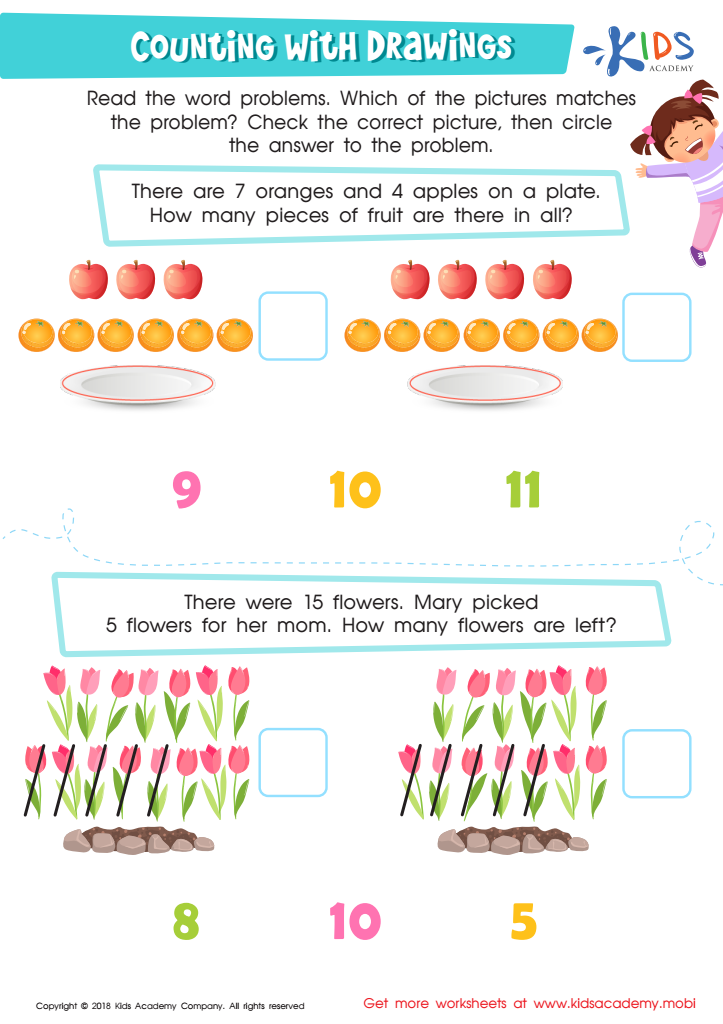
Counting with Drawings: Fruits & Chocolates Worksheet
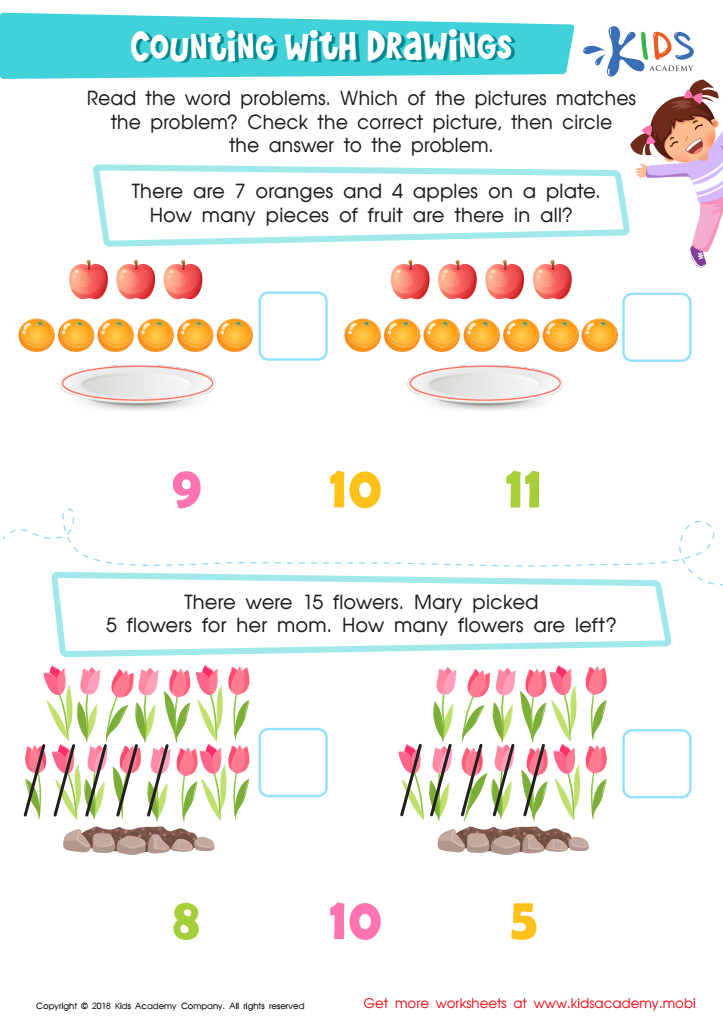
Counting with Drawings:Fruits & Flowers Worksheet
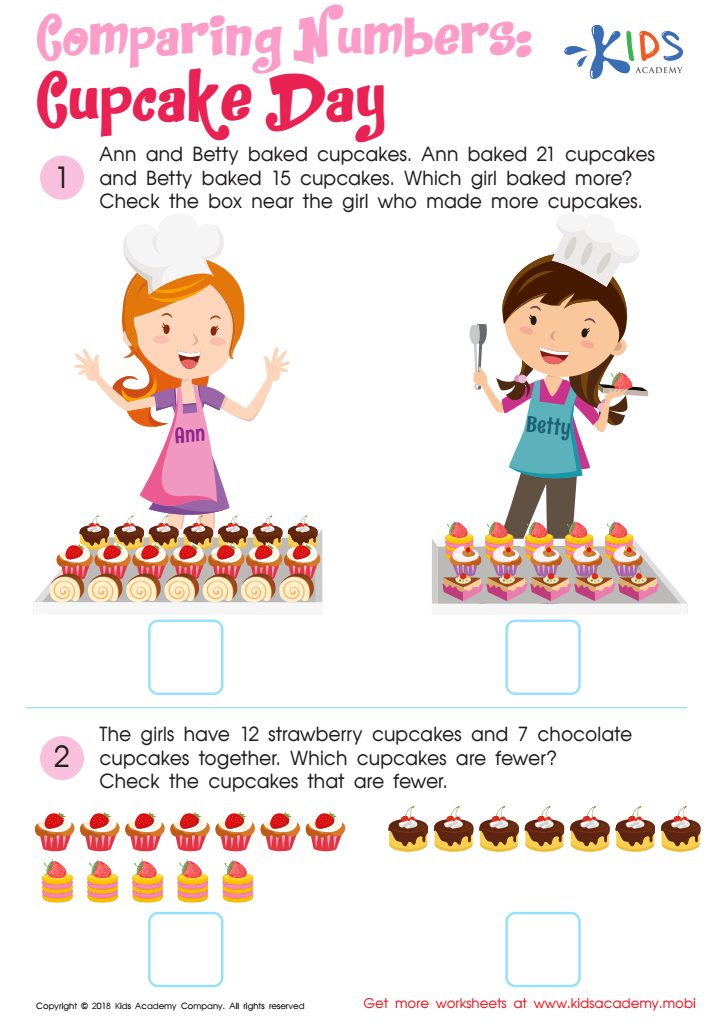
Cupcake Day Worksheet
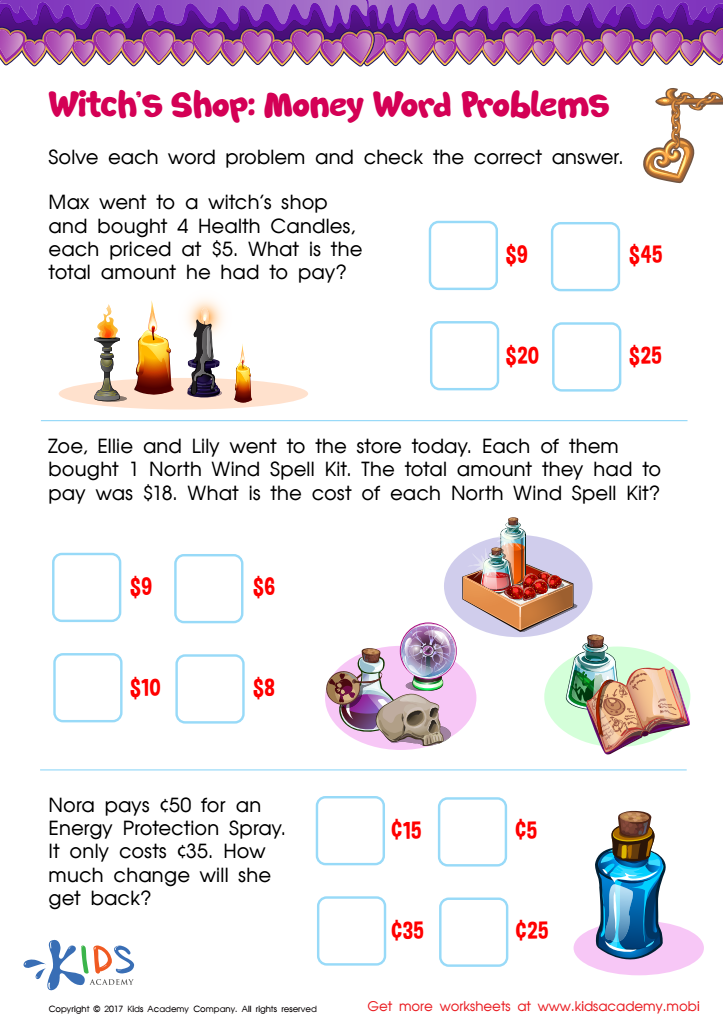
Money Word Problems Printable
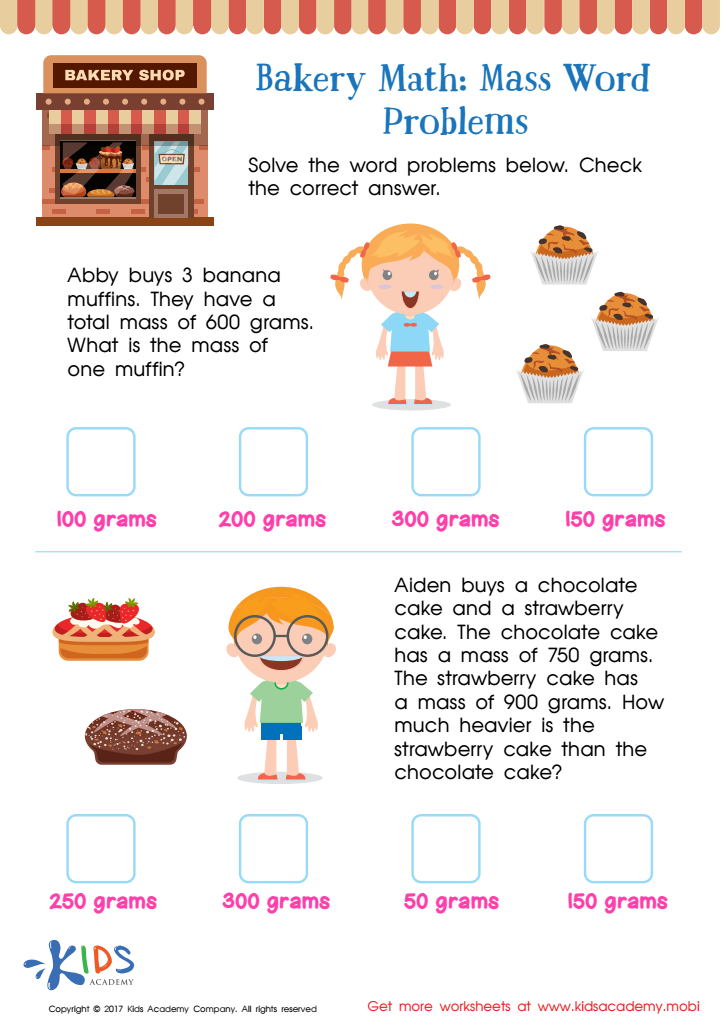
Mass Word Problems Worksheet
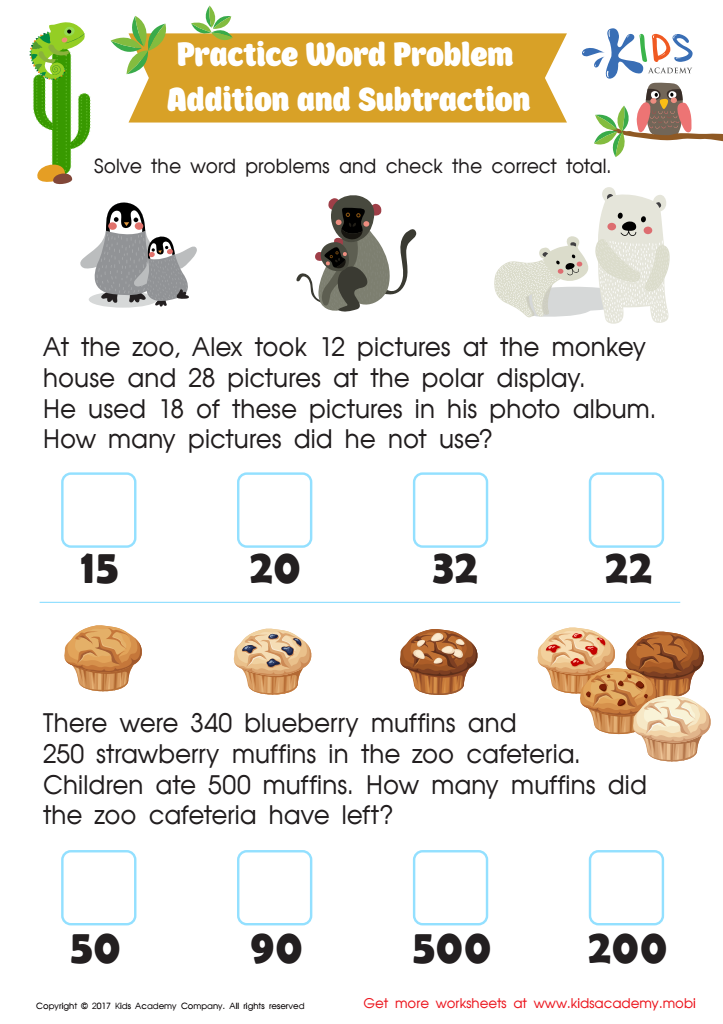
Addition and Subtraction: Word Problems Worksheet
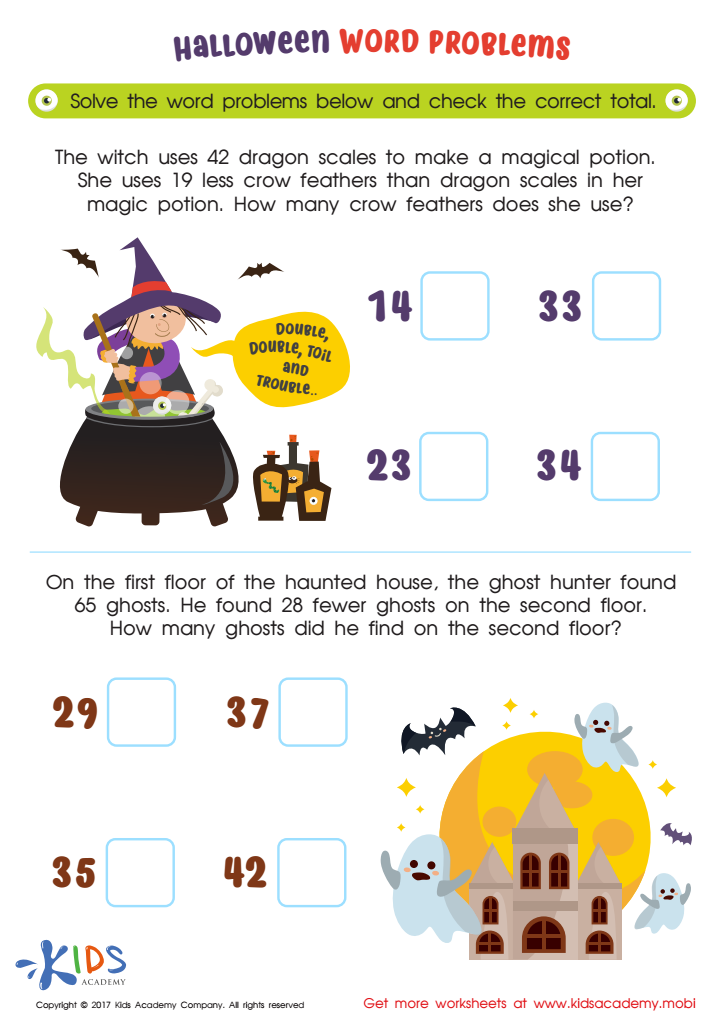
Halloween Word Problems Printable
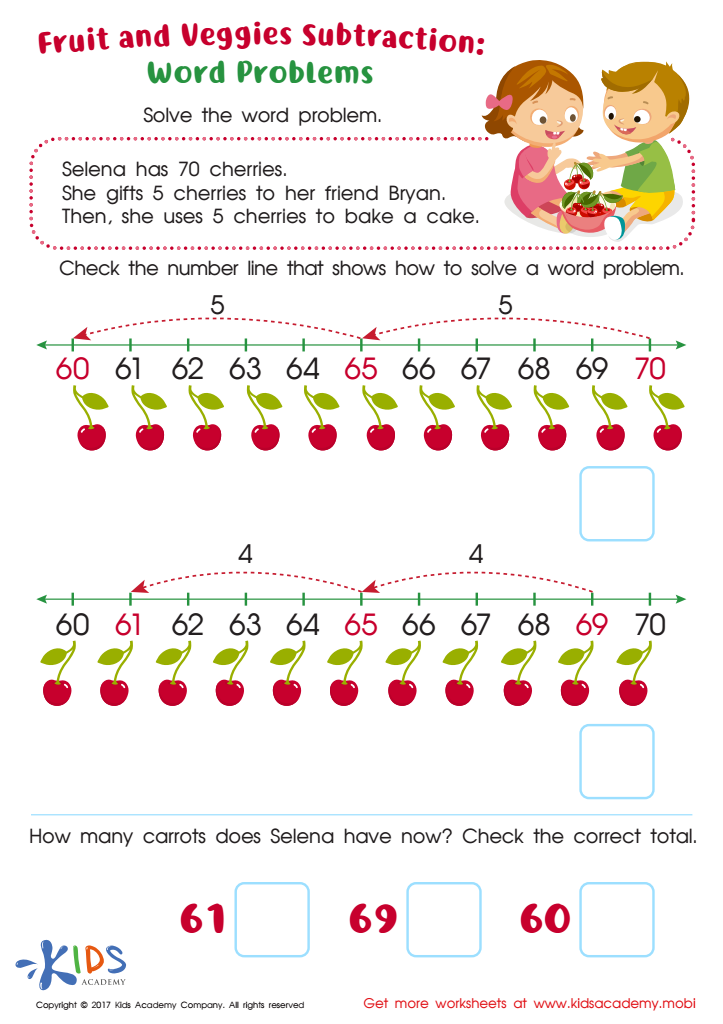
Subtraction Word Problems Free Printable
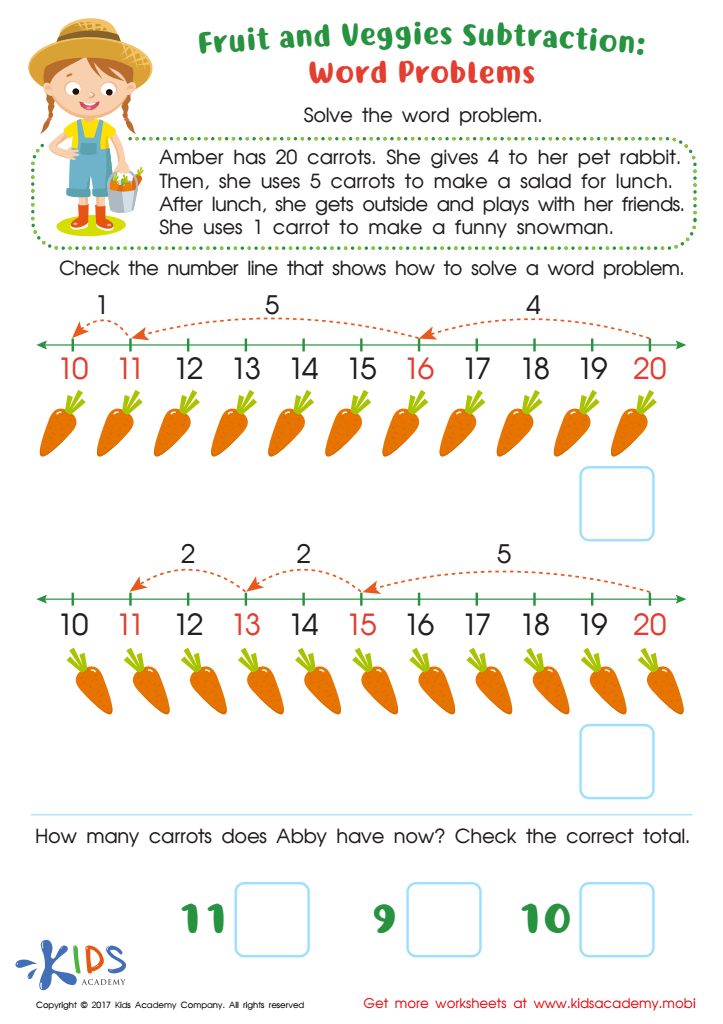
Subtraction Word Problems Printable
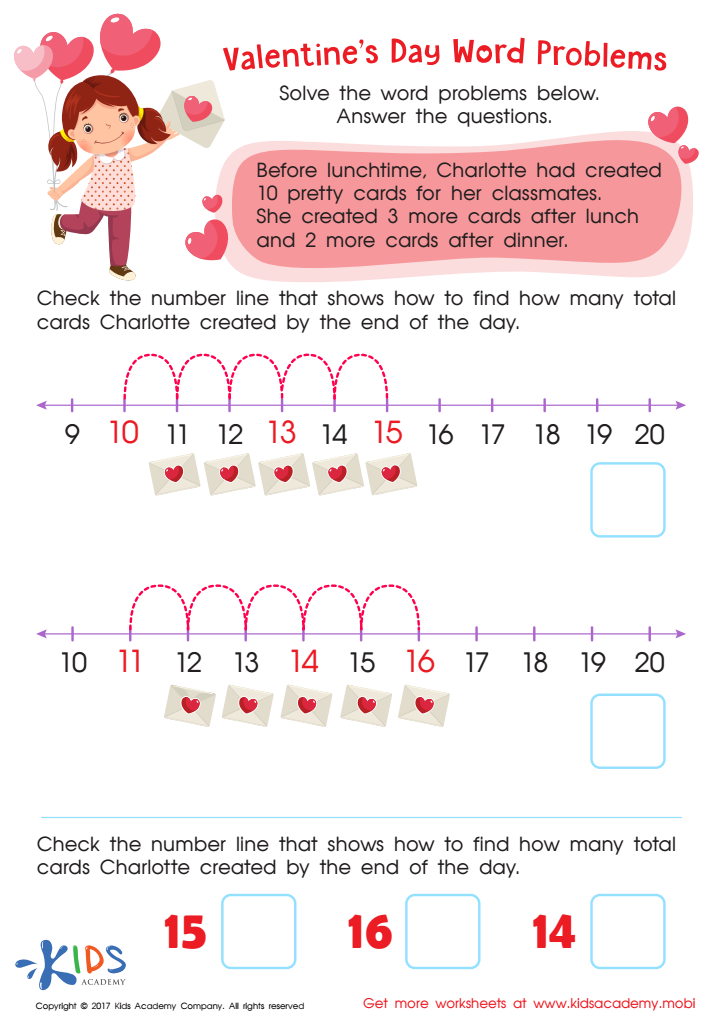
Valentines Day Word Problem Worksheet








Normal word problems are crucial for children ages 5-9 because they bridge the gap between abstract mathematical concepts and real-world application. Here are several reasons why parents and teachers should care about them.
Firstly, normal word problems help develop critical thinking and problem-solving skills. When children read a word problem, they must identify pertinent information, discard irrelevant details, and decide which mathematical operations to use.
Secondly, such problems enhance reading comprehension. Word problems require students to read and understand the question text, which promotes vocabulary expansion and better grammar.
Thirdly, they foster numerical literacy by applying math concepts in everyday situations like sharing toys or dividing snacks. This understanding makes math feel more relevant and less intimidating.
Moreover, word problems often come with a context children can relate to, making learning more engaging and enjoyable. Discussing characters like animals, toys, or food items can make math appeal to their imagination and personal experiences.
Finally, word problems encourage collaborative learning if tackled in group settings, promoting social skills along with cognitive ones.
In sum, incorporating normal word problems in early education nurtures necessary life skills like critical thinking, reading comprehension, mathematics application, and social interaction, creating a well-rounded learning experience for young minds.








