Normal Social Studies Worksheets for Ages 5-9 - Page 6
223 filtered results
-
From - To
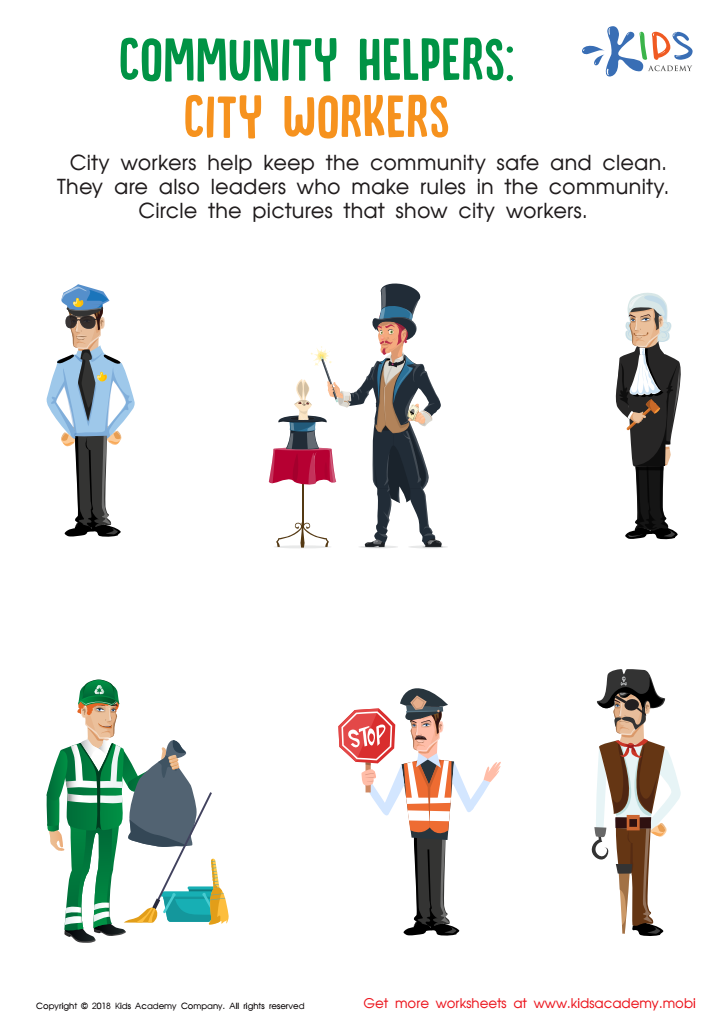
City Workers Community Helpers Worksheet
 Assign to My Students
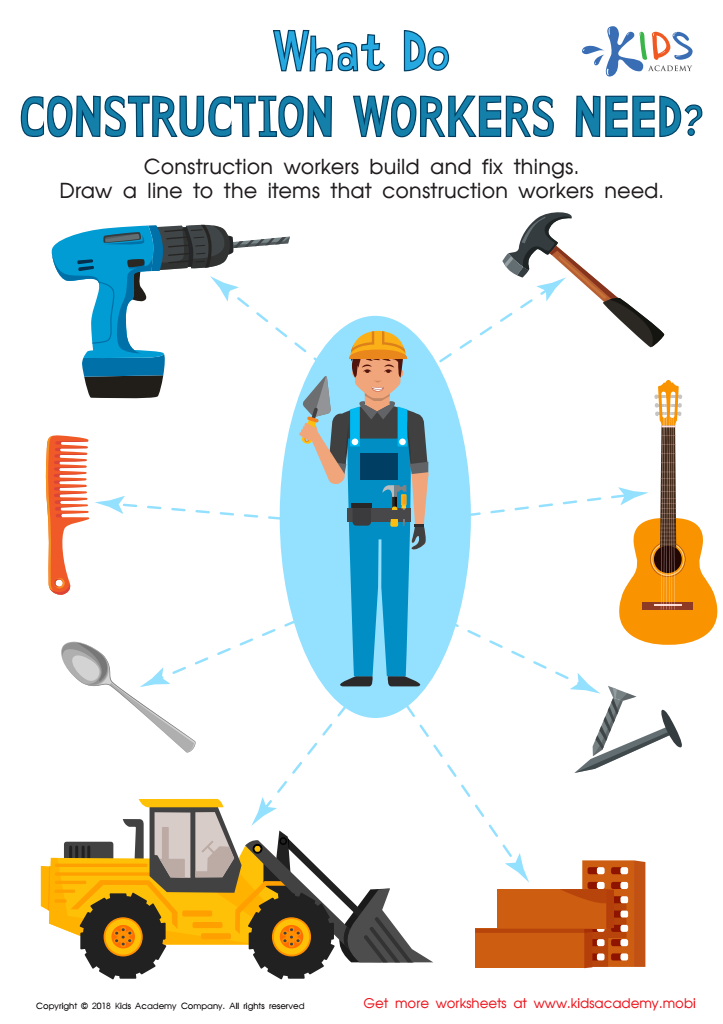
What Do Construction Workers Need? Worksheet
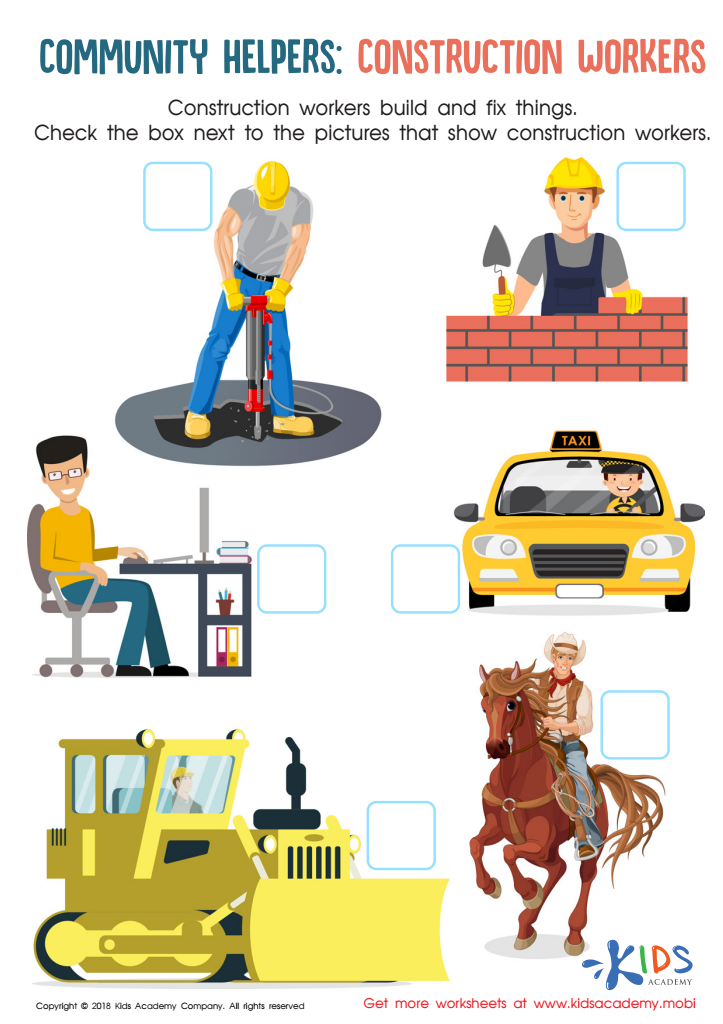
Construction Workers Community Helpers Worksheet
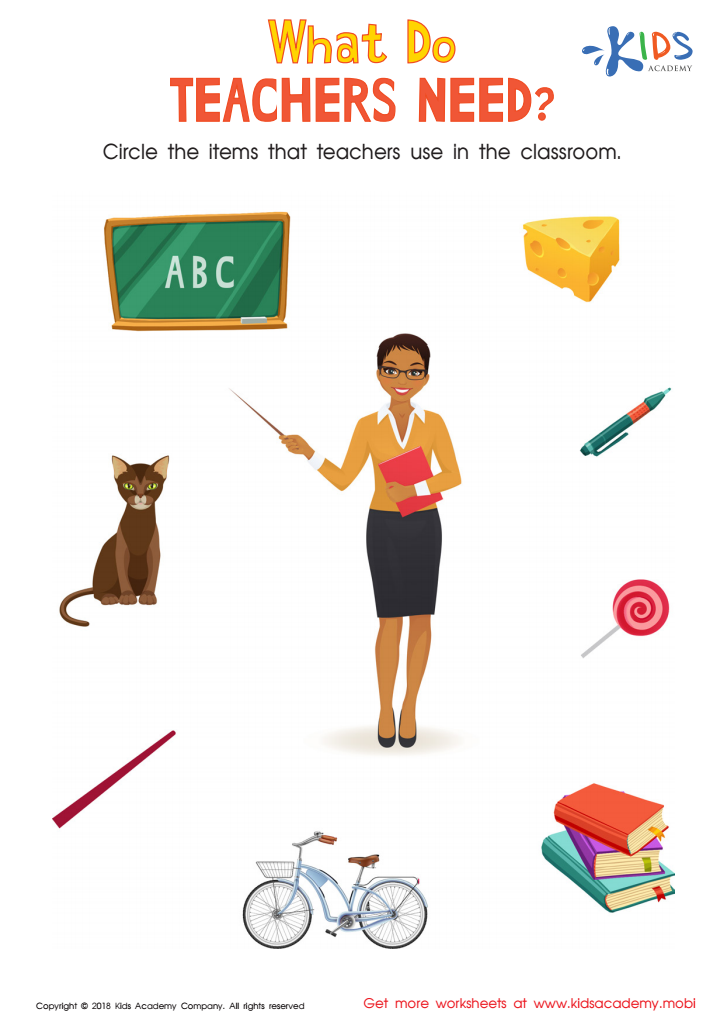
What Do Teachers Need Worksheet
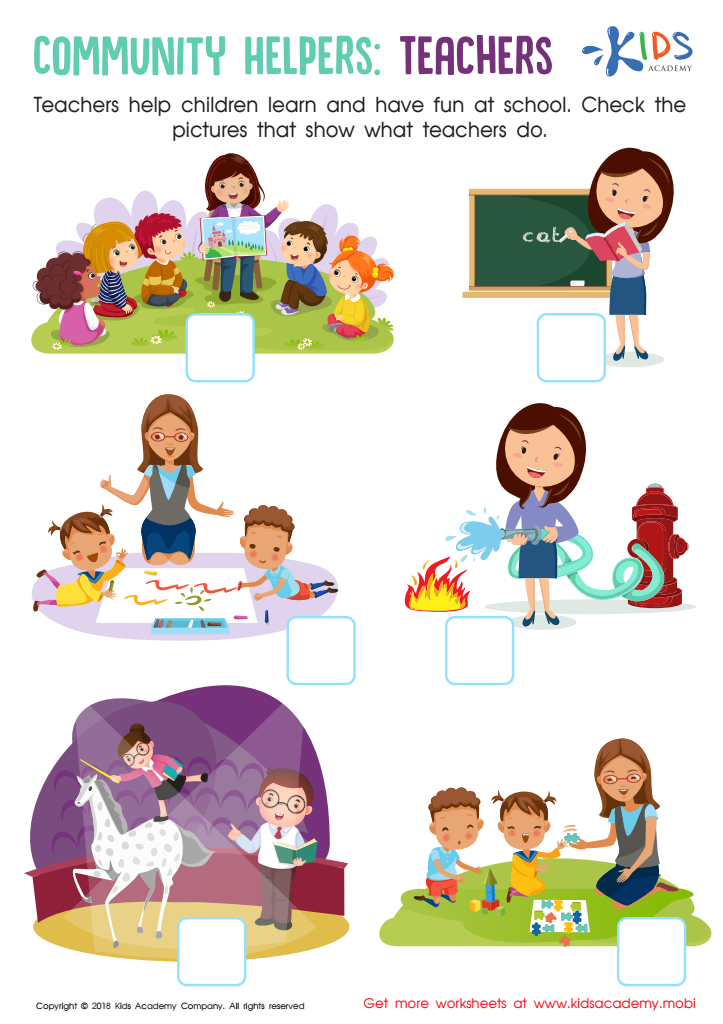
Teachers Community Helpers Worksheet
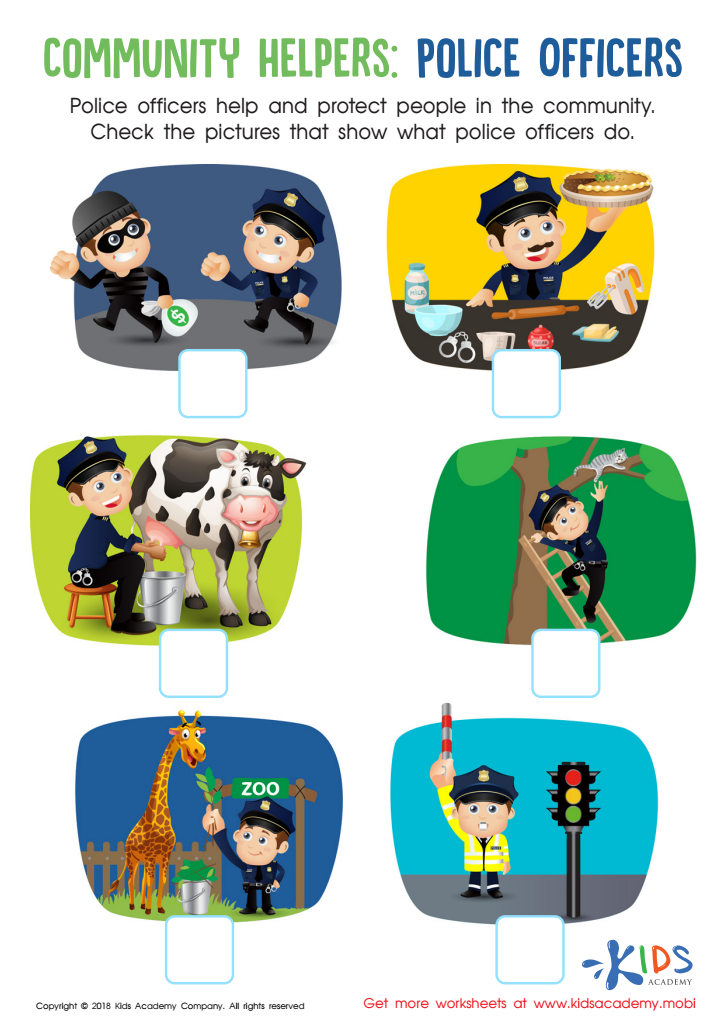
Police Officers Community Helpers Worksheet
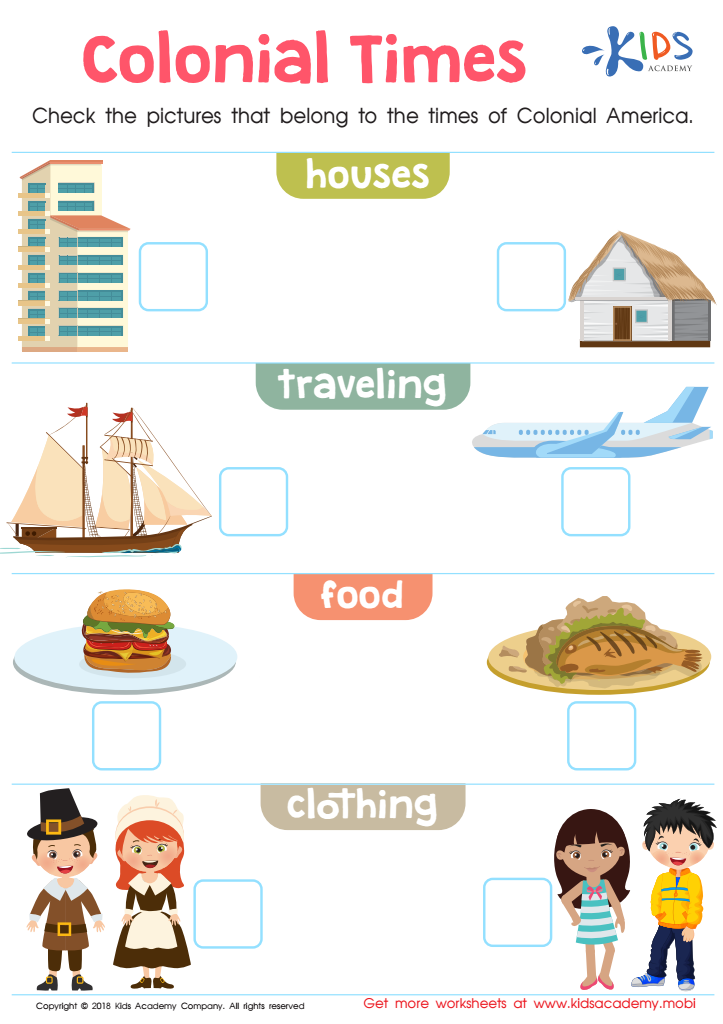
Colonial Times Worksheet
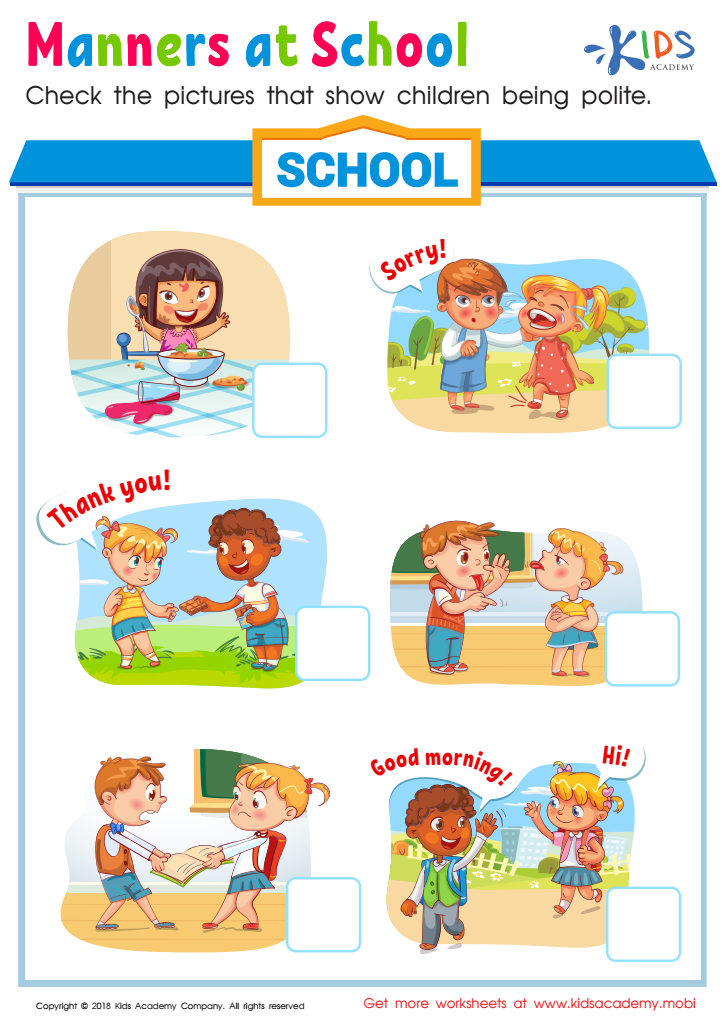
Manners at School Worksheet
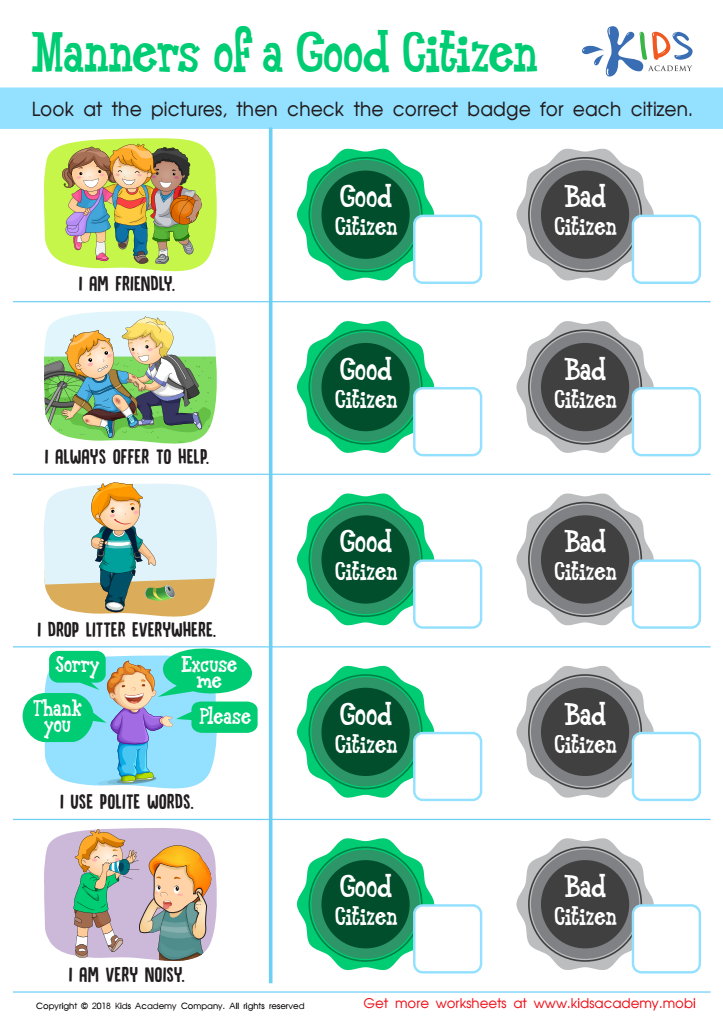
Manners of a Good Citizen Worksheet
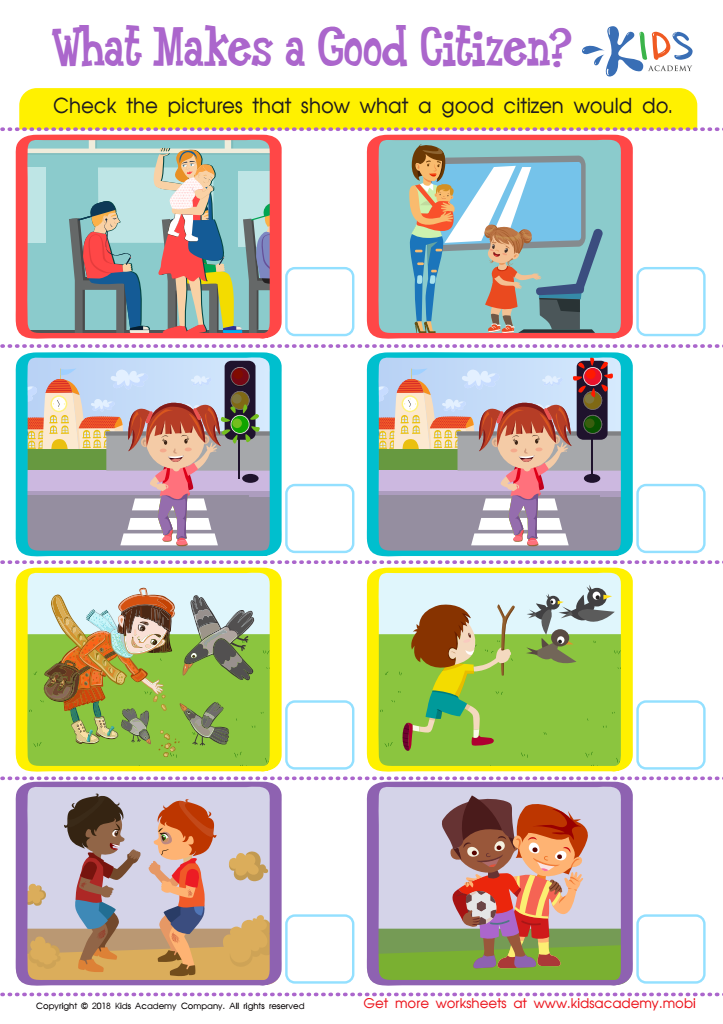
What Makes a Good Citizen? Worksheet
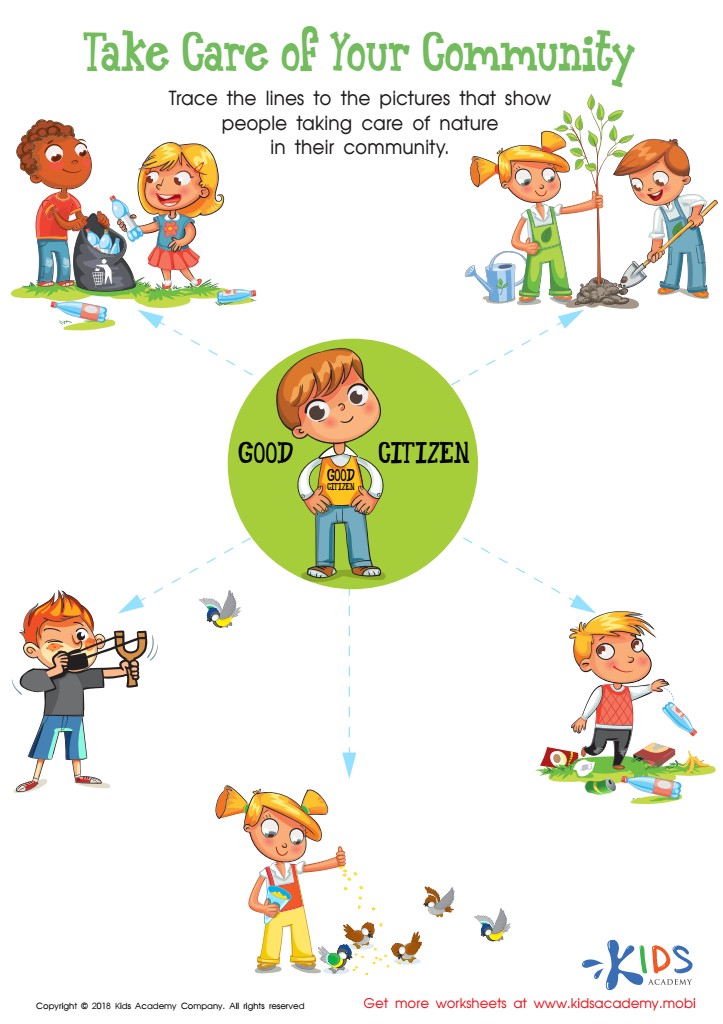
Take Care of your Community Worksheet
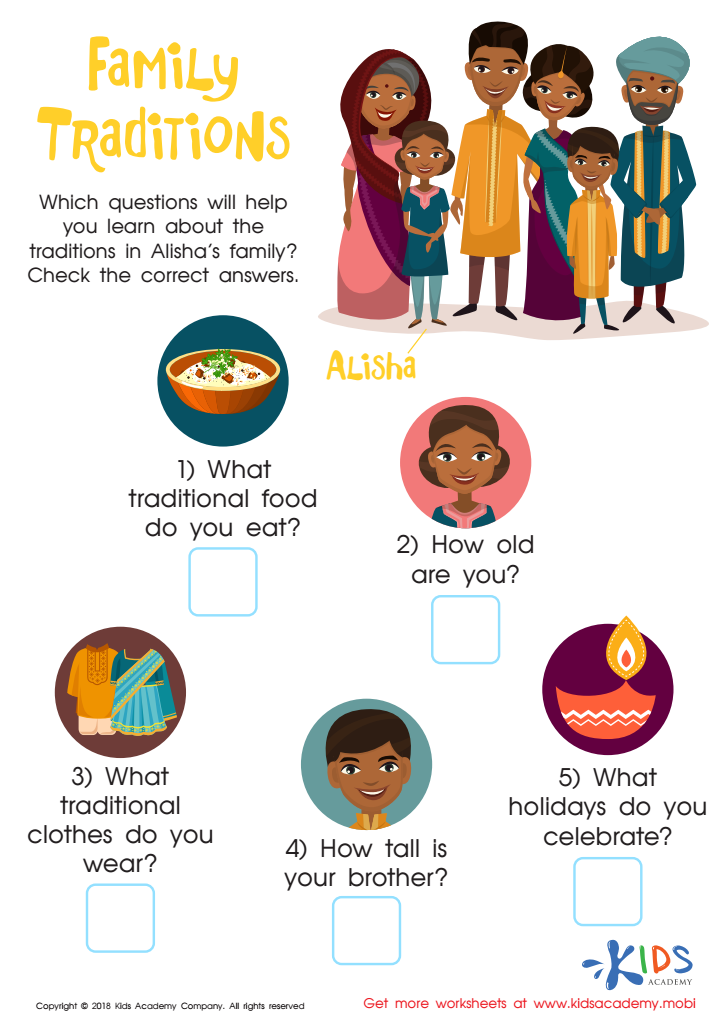
Family Traditions Worksheet
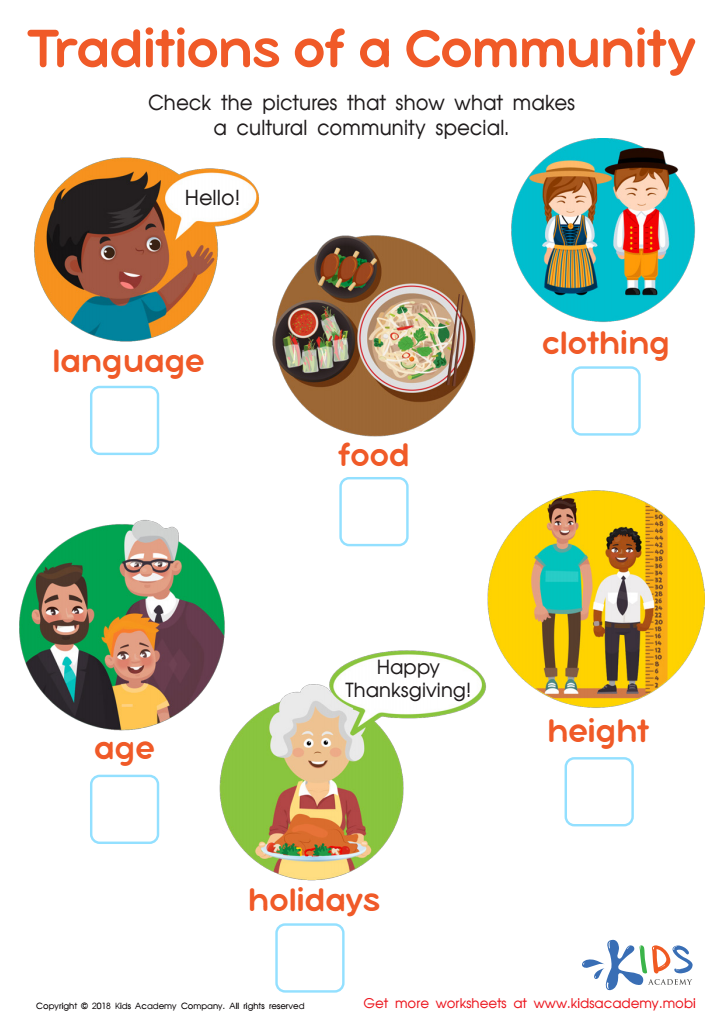
Traditions of a Community Worksheet
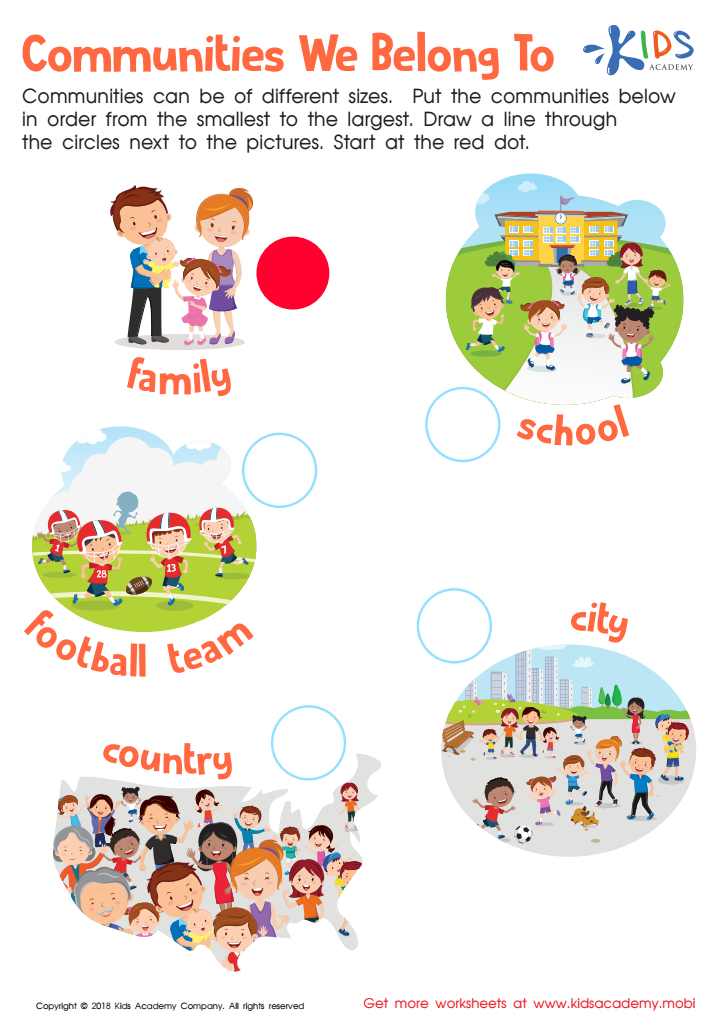
Communities We Belong to Worksheet
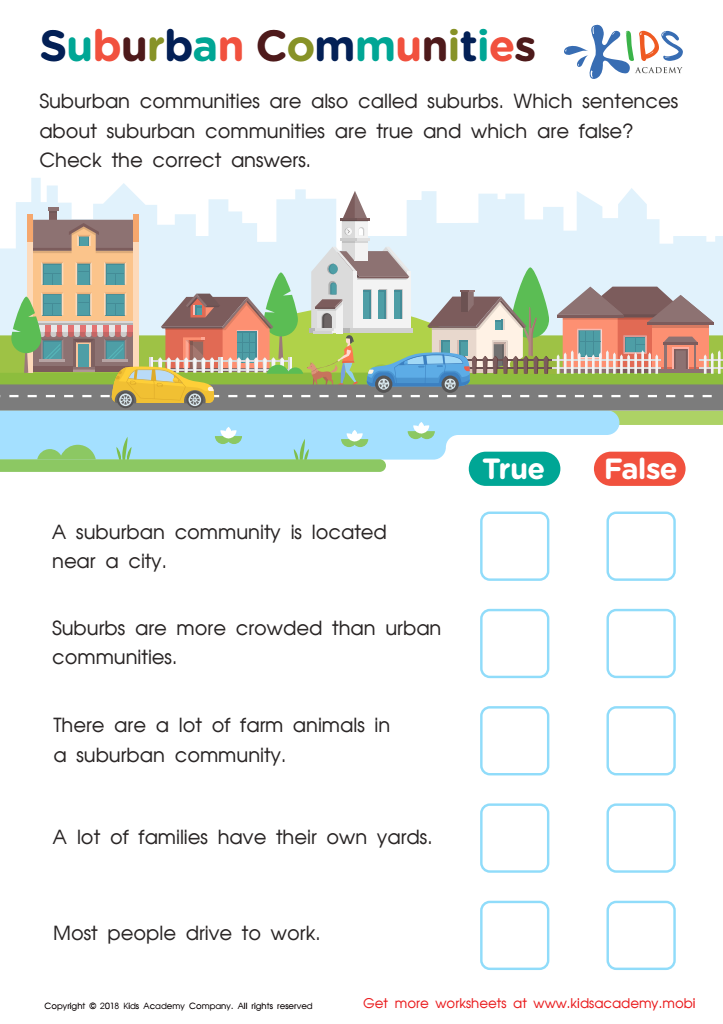
Suburban Communities Worksheet
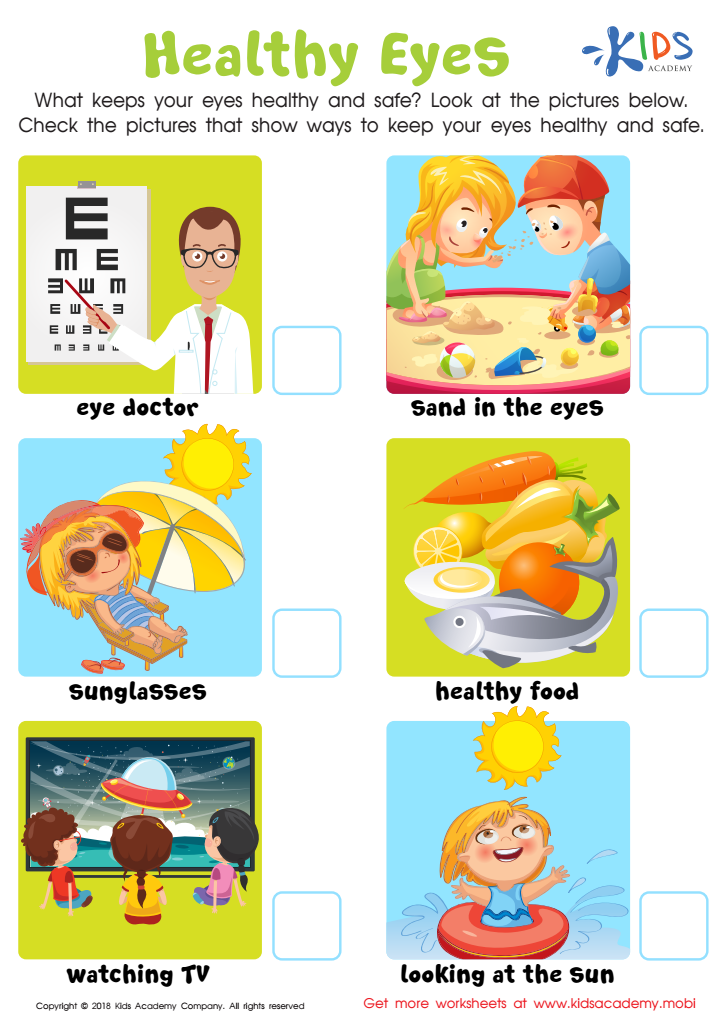
Healthy Eyes Worksheet

At the Market Worksheet

National Parks Word Search Worksheet
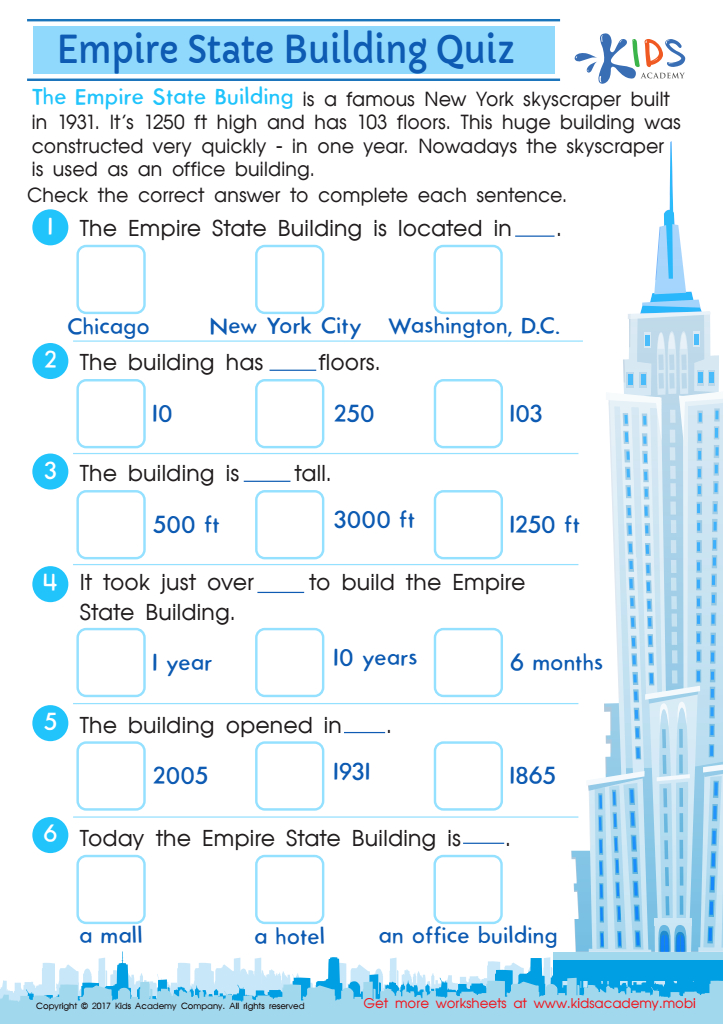
Empire State Building Printable Worksheet

Declaration of Independence Worksheet
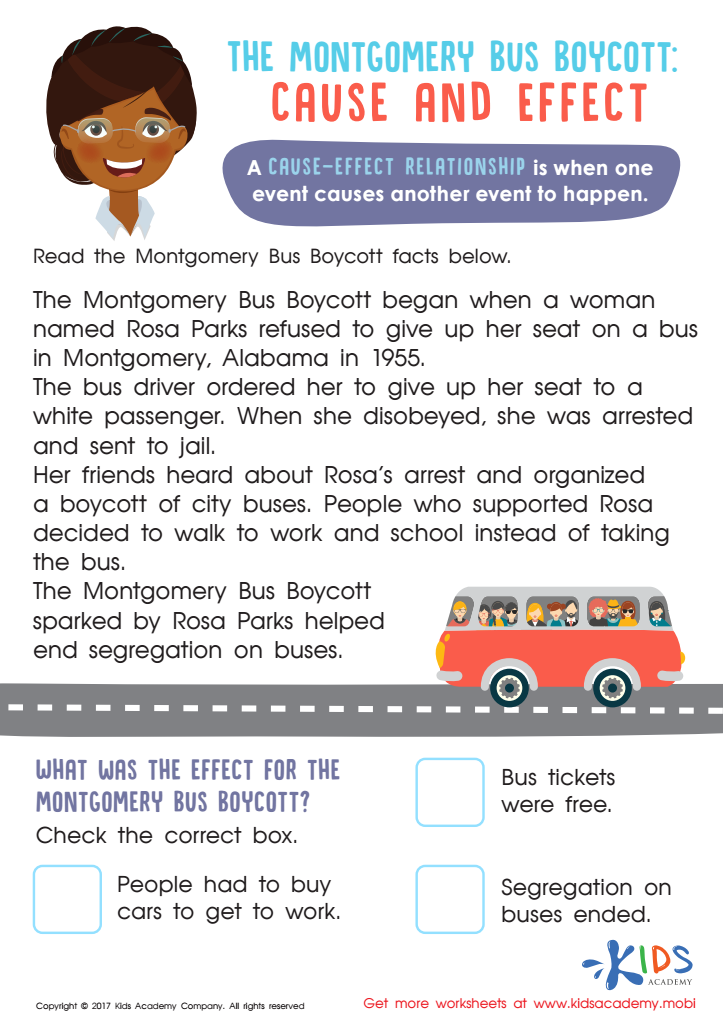
The Montgomery Bus Boycott Cause and Effect Worksheet
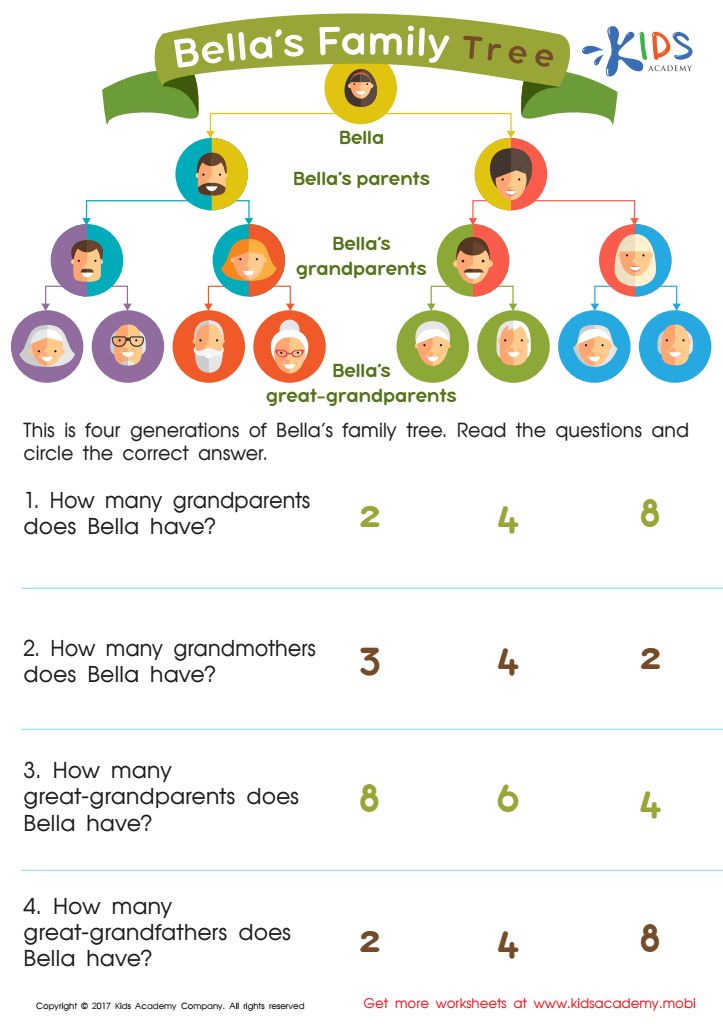
Bella's Family Tree Worksheet
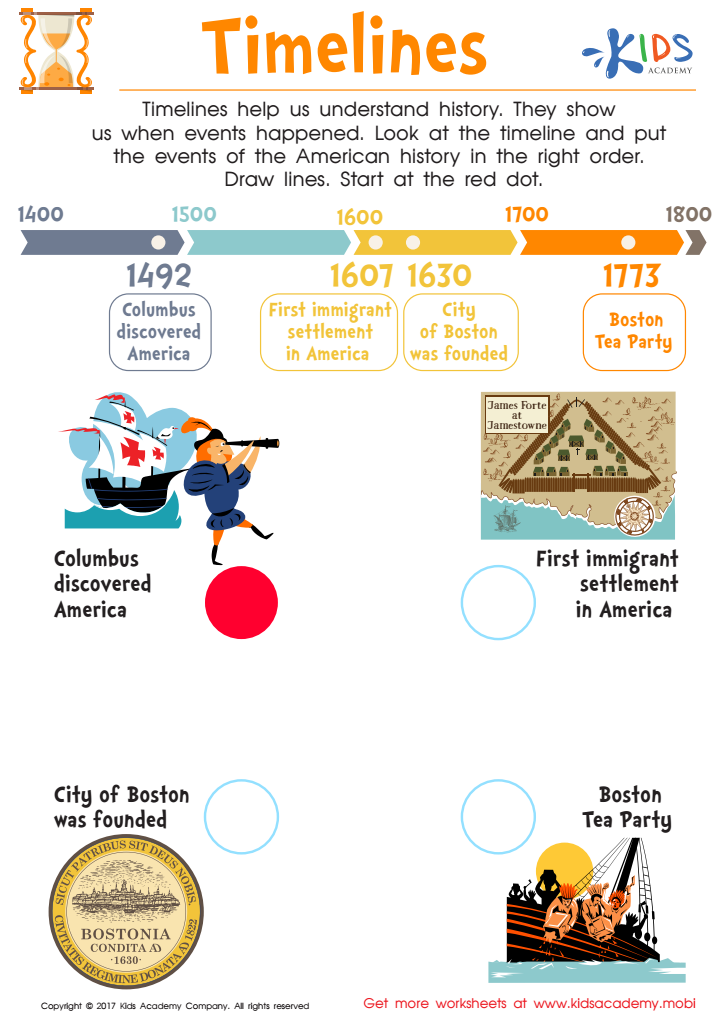
American History Timeline Worksheet
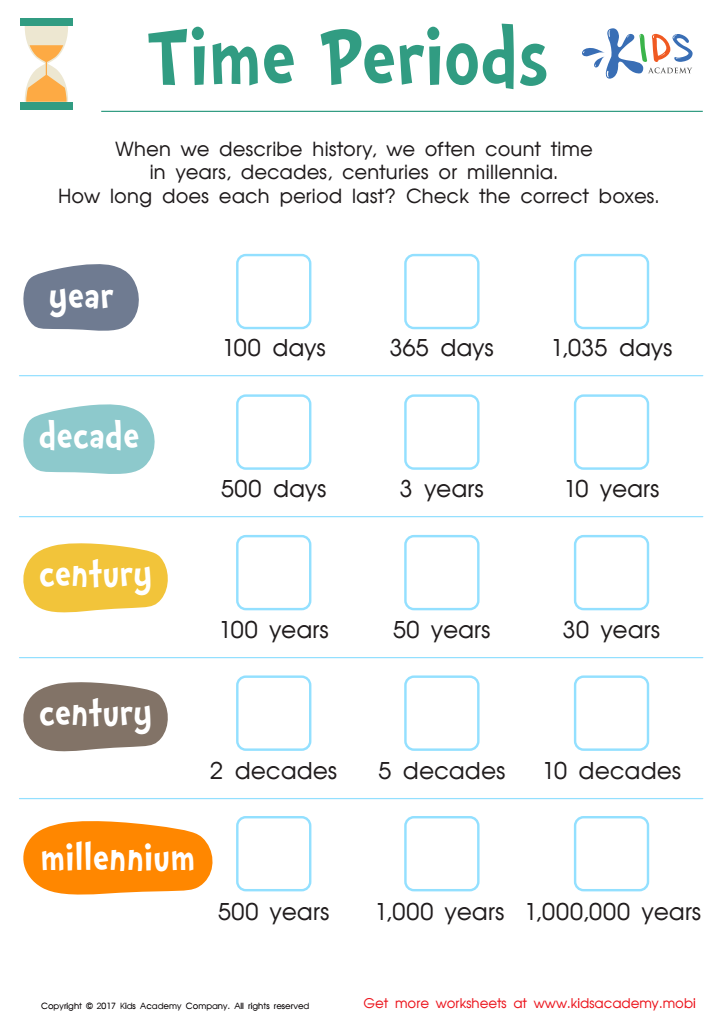
Time Periods Worksheet







Parents and teachers should care deeply about normal social studies education for children ages 5-9 because it lays a crucial foundation for their understanding of the world and their place within it. During these formative years, kids develop vital social and cognitive skills, and social studies curricula introduce them to concepts of community, citizenship, culture, and geography. By learning about their own communities and the wider world, children begin to understand diversity, empathy, and the importance of civic engagement.
Social studies for this age group also fosters critical thinking and problem-solving abilities. Teaching kids about history, traditions, and the functions of different institutions encourages them to ask questions, make connections, and consider different perspectives. These skills are essential for their overall academic growth and personal development.
Moreover, incorporating social studies early helps instill a sense of belonging and responsibility. Children learn how they can contribute positively to their families, classrooms, communities, and ultimately the world. Parents and teachers who prioritize social studies give children the tools to become informed and active citizens, laying the groundwork for a more inclusive, knowledgeable, and compassionate society. This early exposure is invaluable, shaping not only the academic trajectory of children but also their roles as conscious, responsible human beings.








