Normal Upper & Lowercase Letters Worksheets for Ages 6-8 - Page 2
43 filtered results
-
From - To
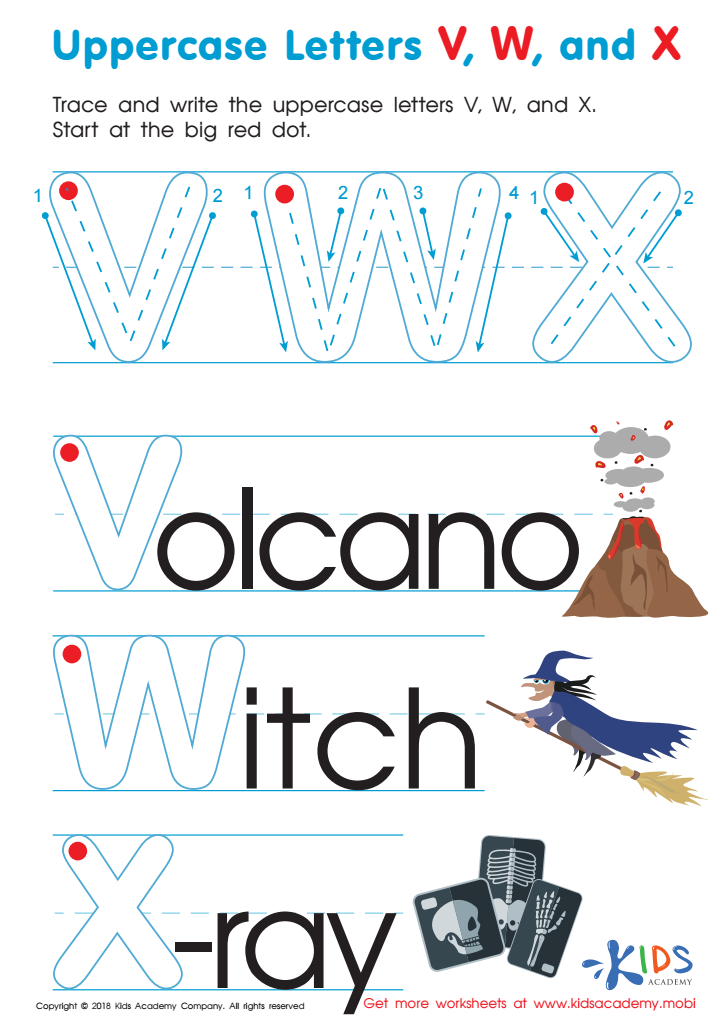
Uppercase Letters V, W, and X Worksheet
 Assign to My Students

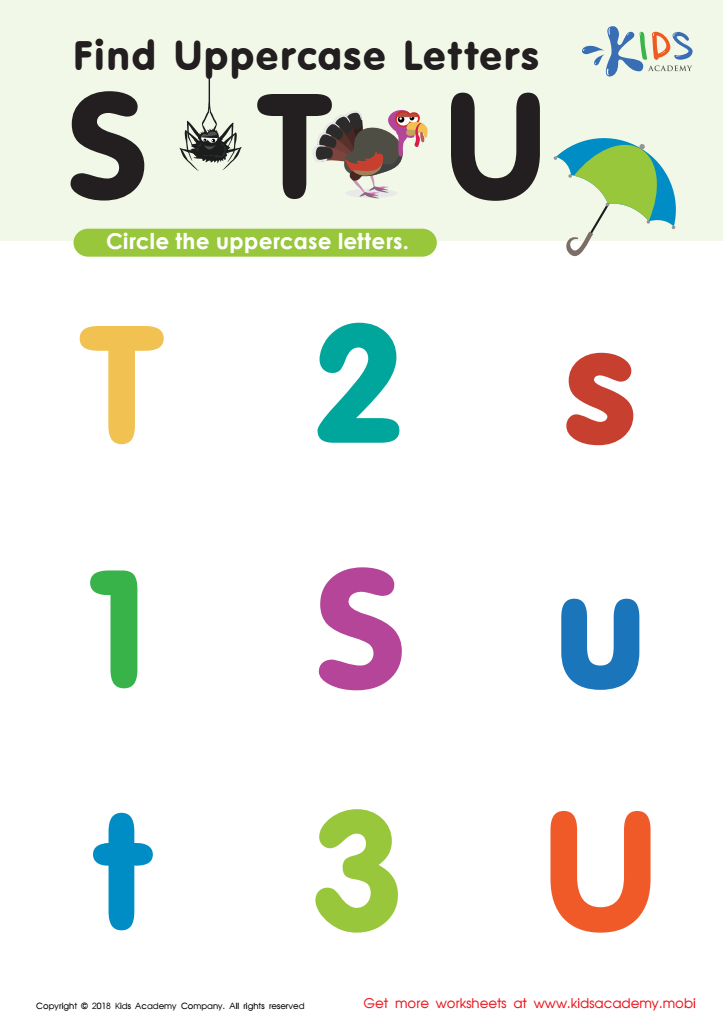
Find Uppercase Letters Worksheet
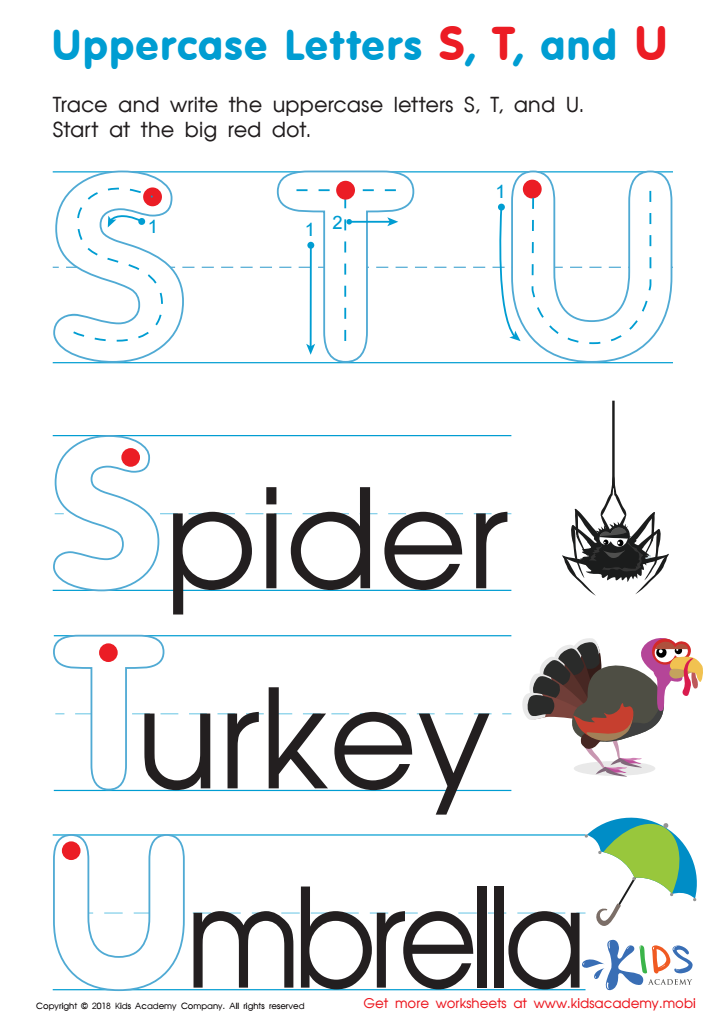
Uppercase Letters S, T, and U Worksheet
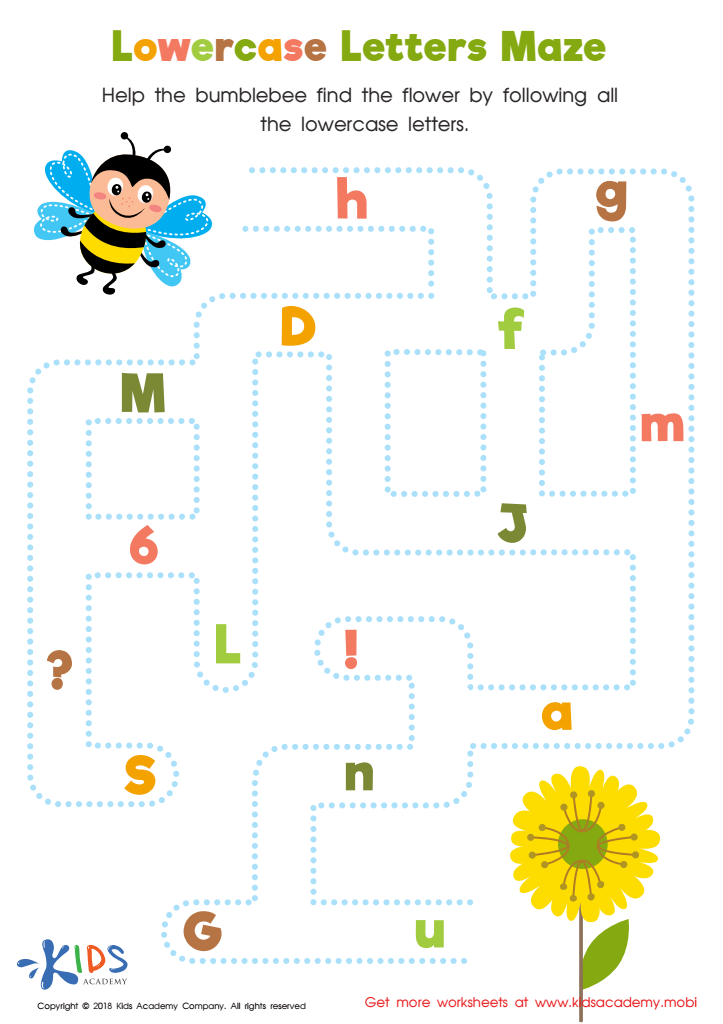
Lowercase Letters Maze Worksheet
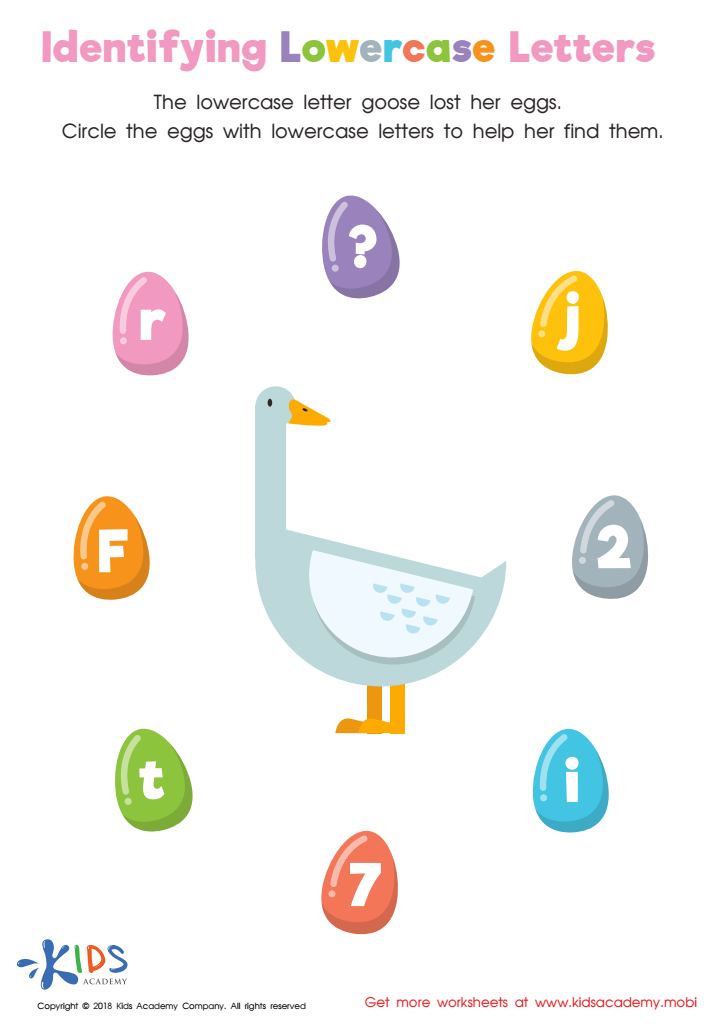
Identifying Lowercase Letters Worksheet
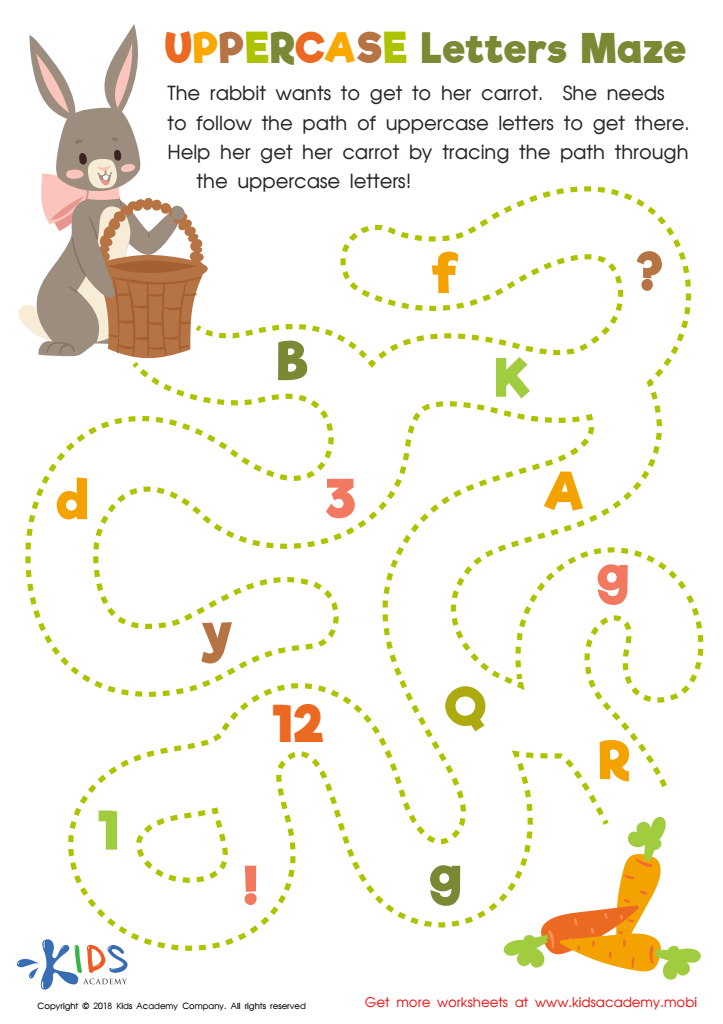
Uppercase Letters Maze Worksheet
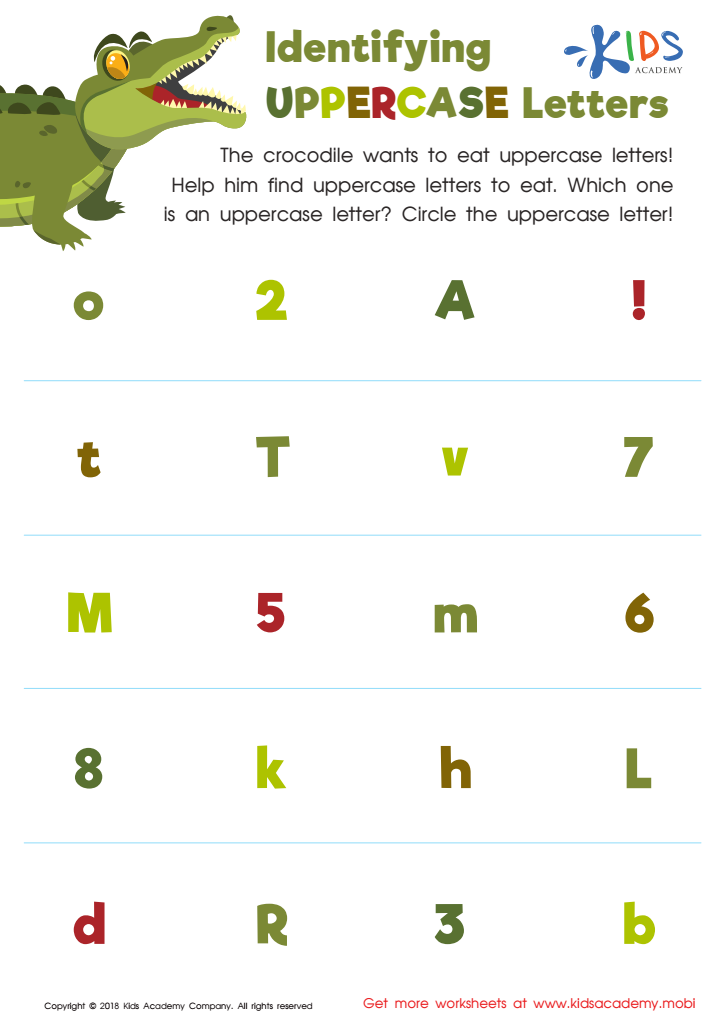
Identifying Uppercase Letters Worksheet
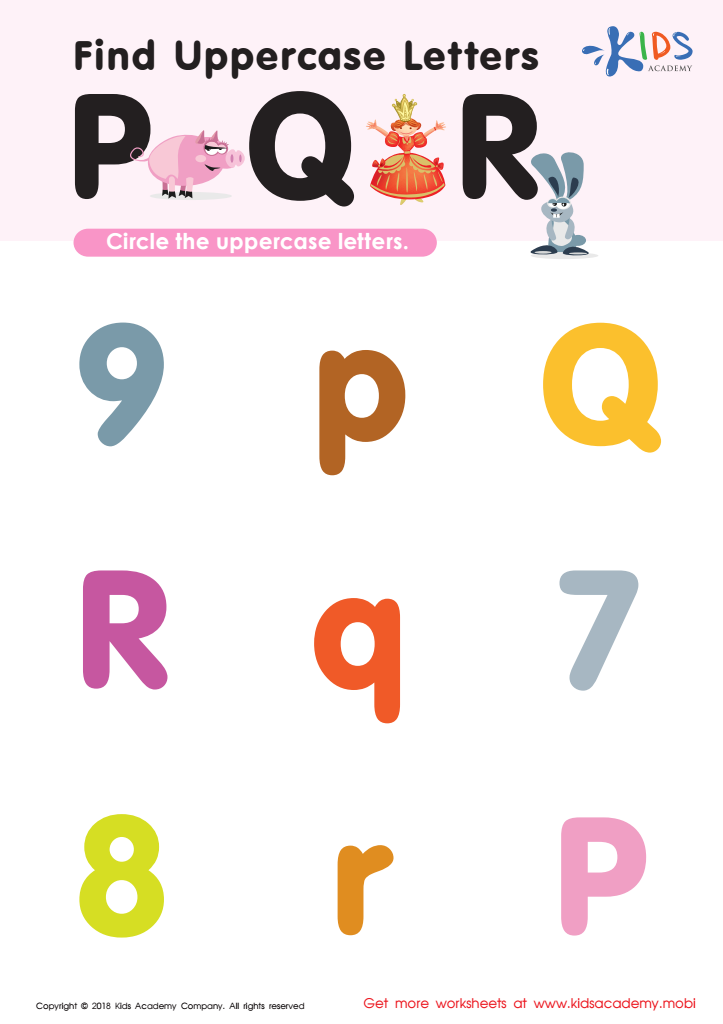
Find Uppercase Letters P, Q, and R Worksheet
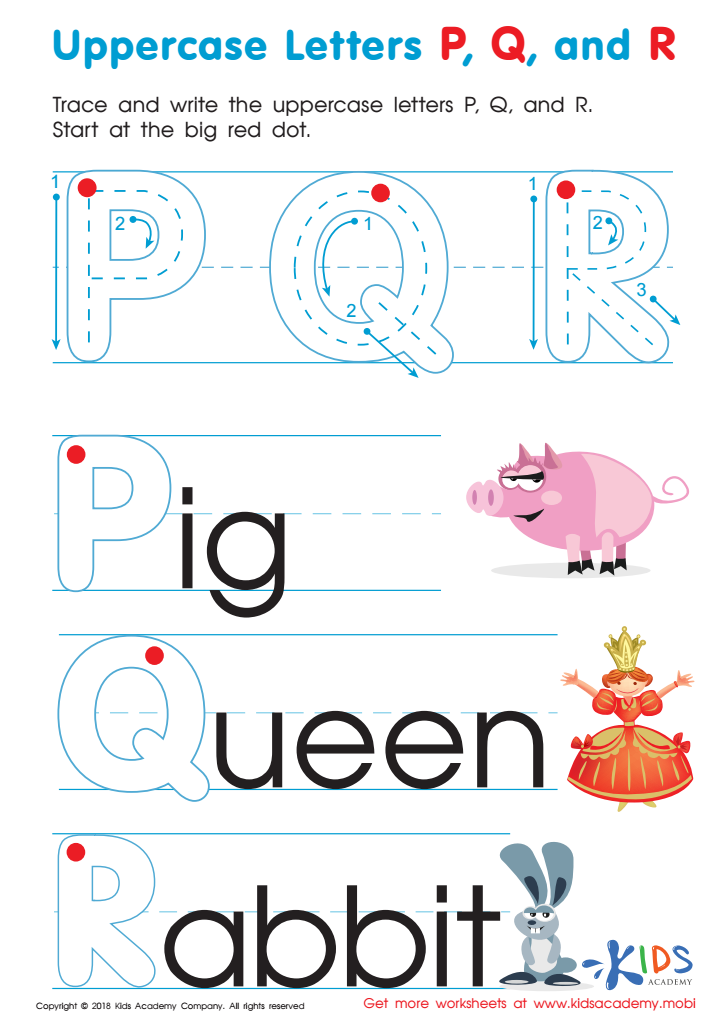
Uppercase Letters P, Q, and R Worksheet
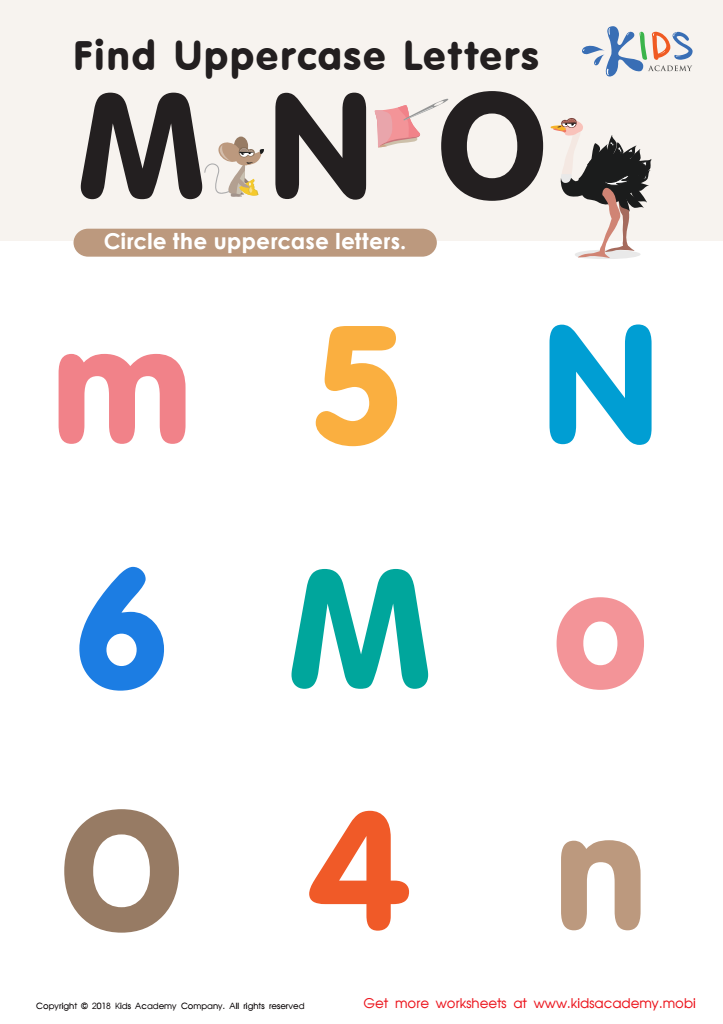
Find Uppercase Letters M, N, and O Worksheet
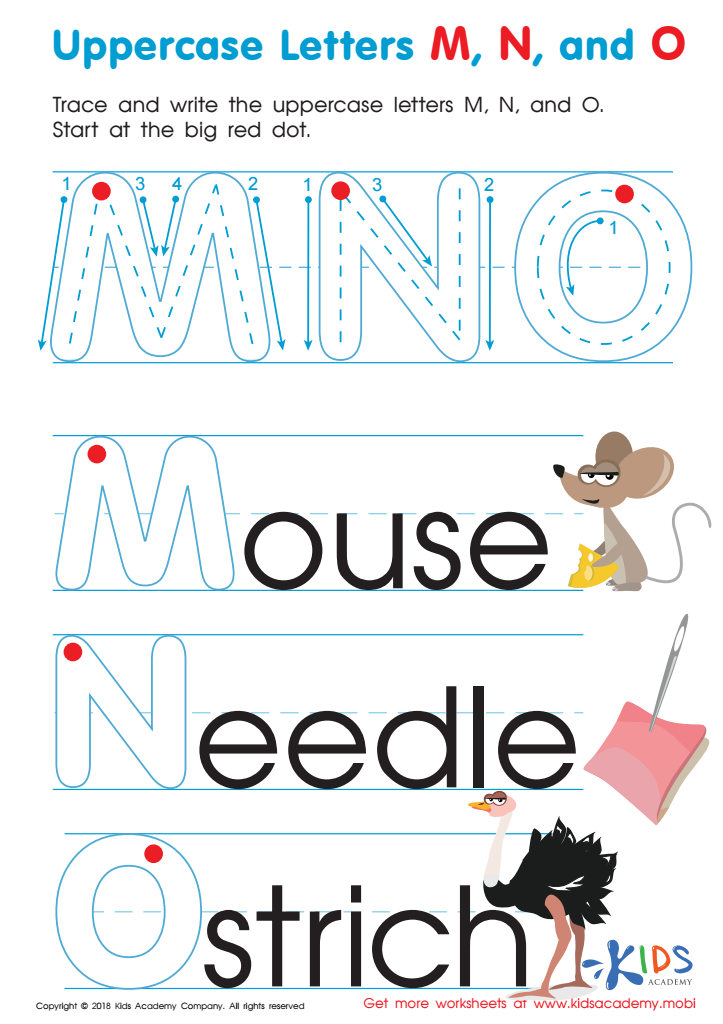
Uppercase Letters M, N, and O Worksheet
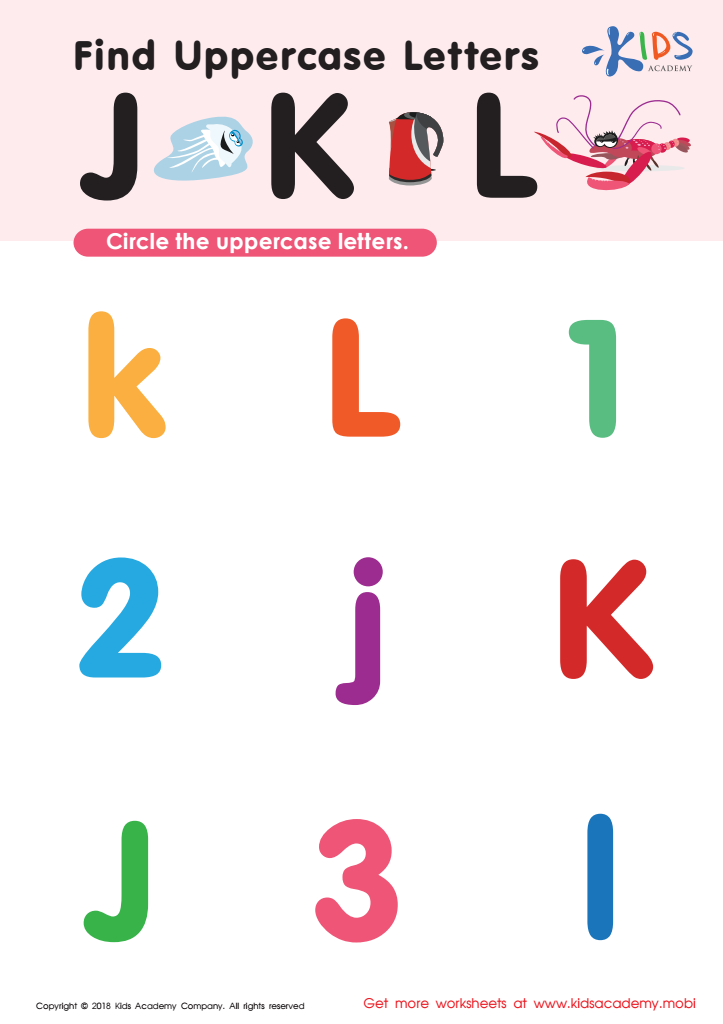
Find Uppercase Letters J, K, and L Worksheet
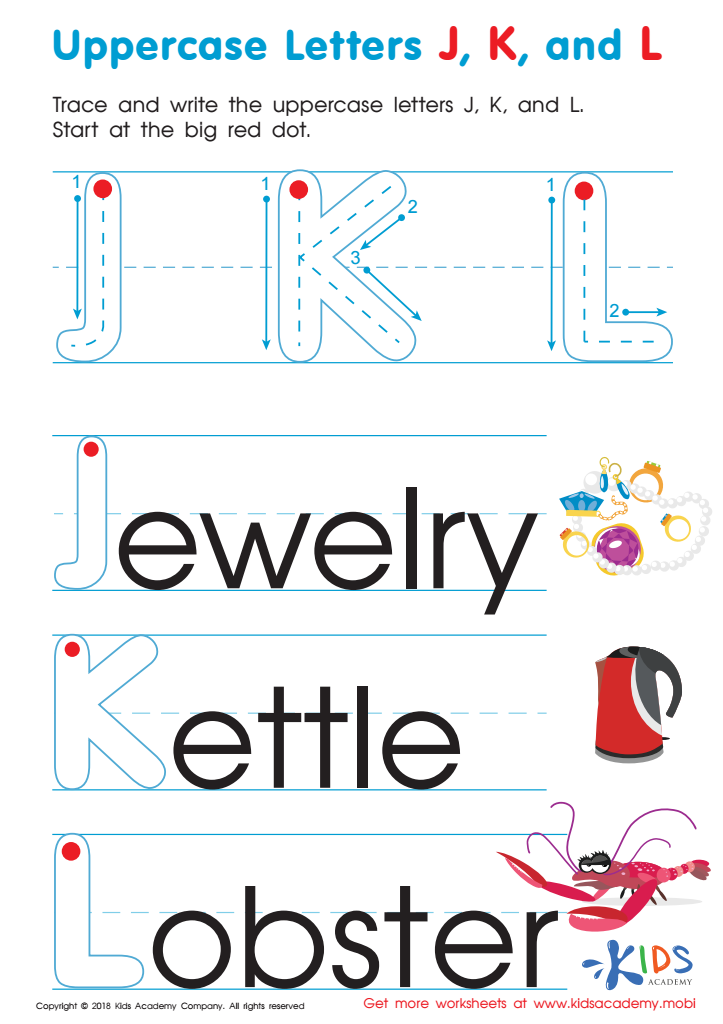
Uppercase Letters J, K, and L Worksheet
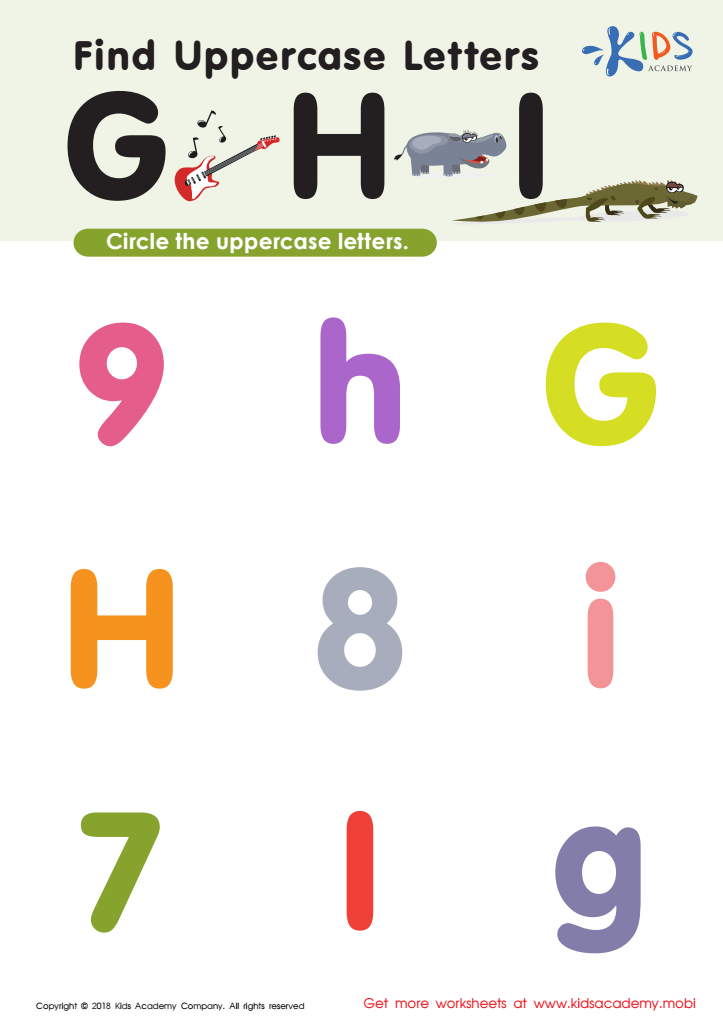
Find Uppercase Letters G, H, and I Worksheet
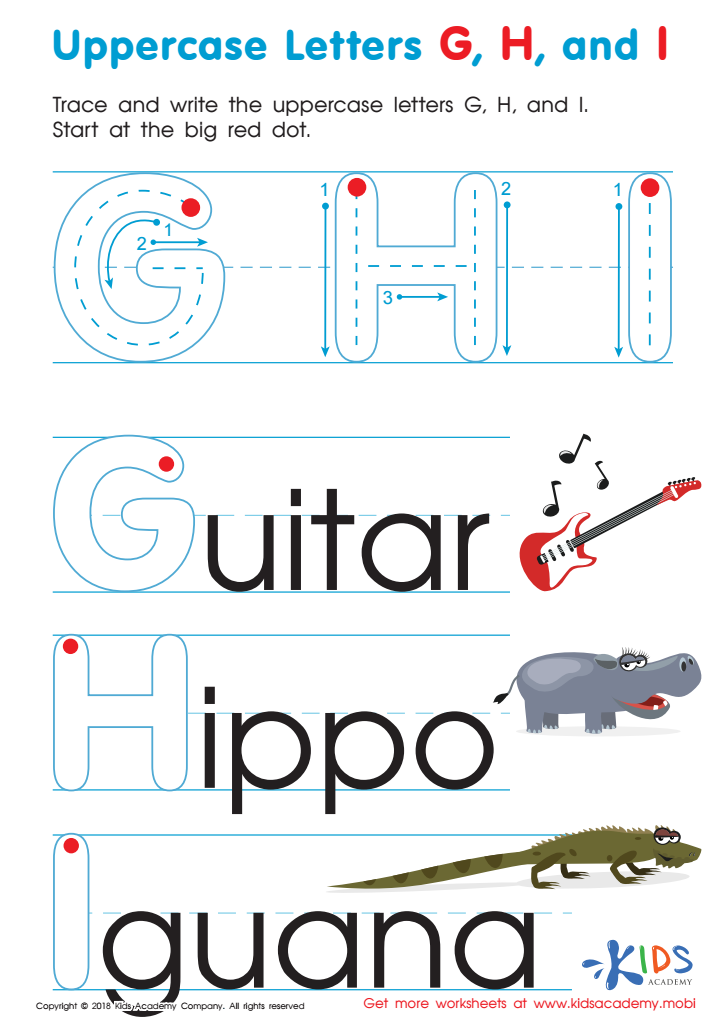
Uppercase Letters G, H, and I Worksheet
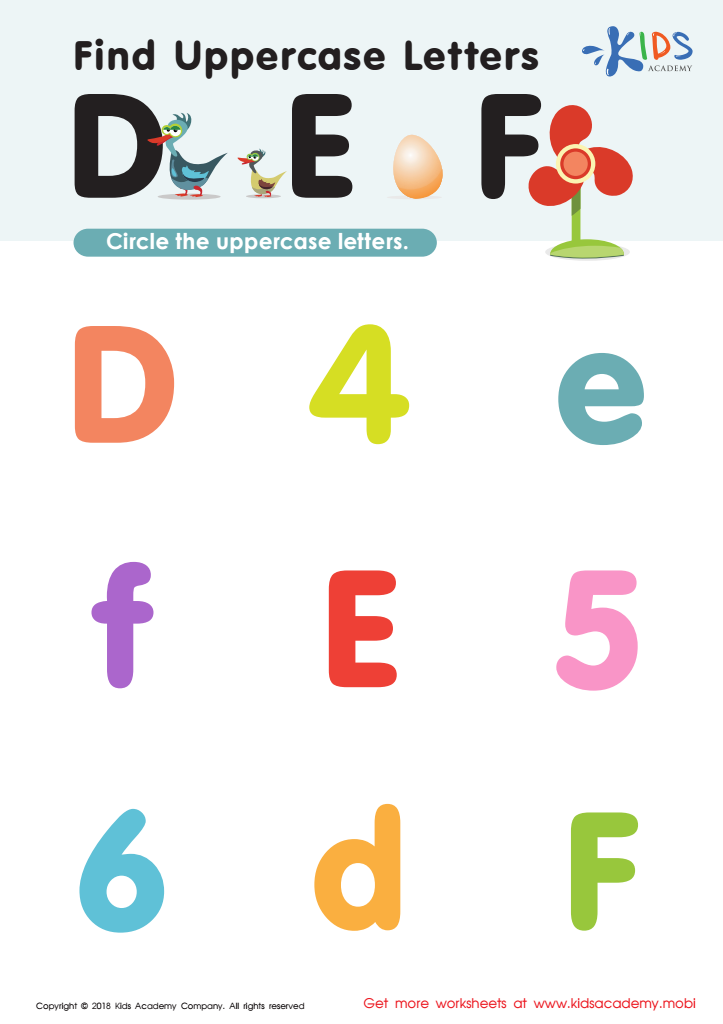
Find Uppercase Letters D, E, and F Worksheet
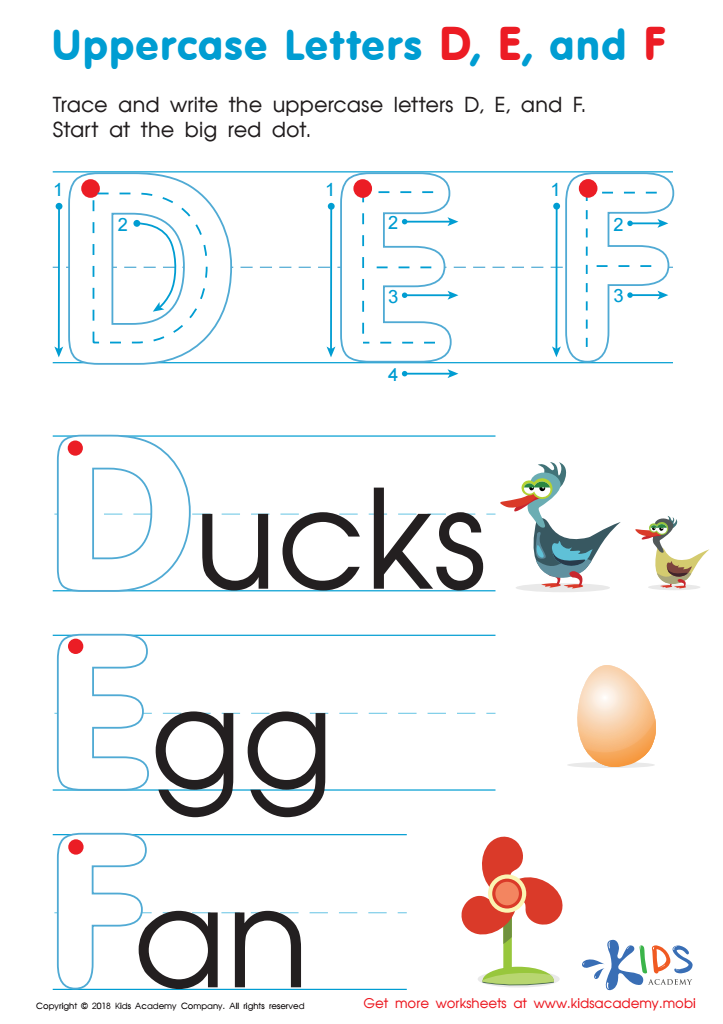
Uppercase Letters D, E, and F Worksheet
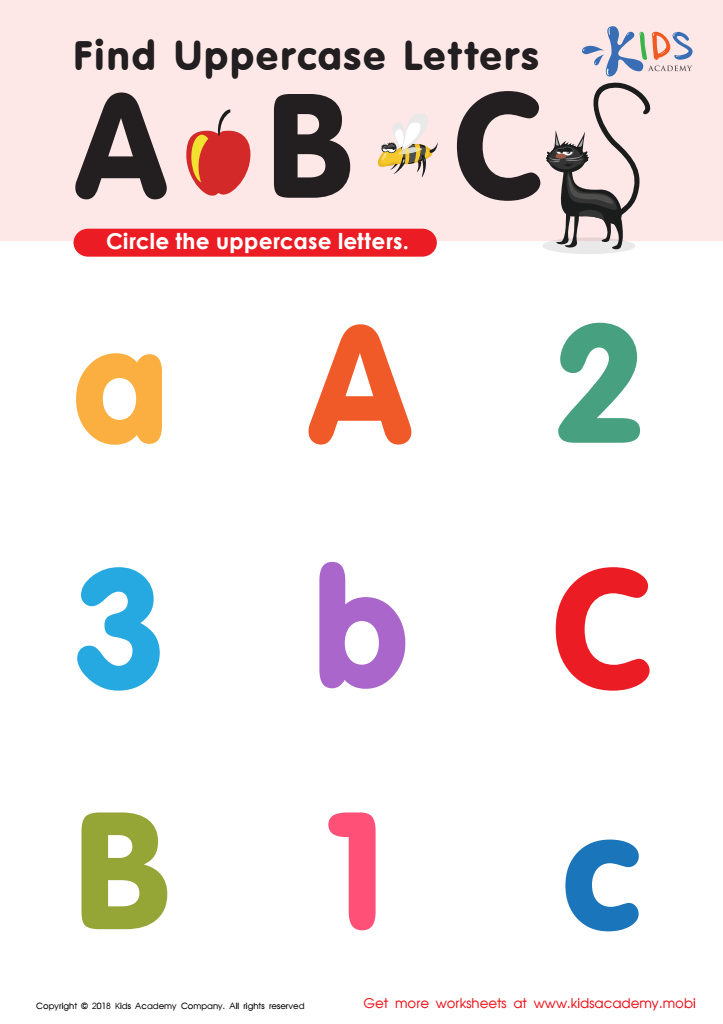
Find Uppercase Letters A, B, and C Worksheet
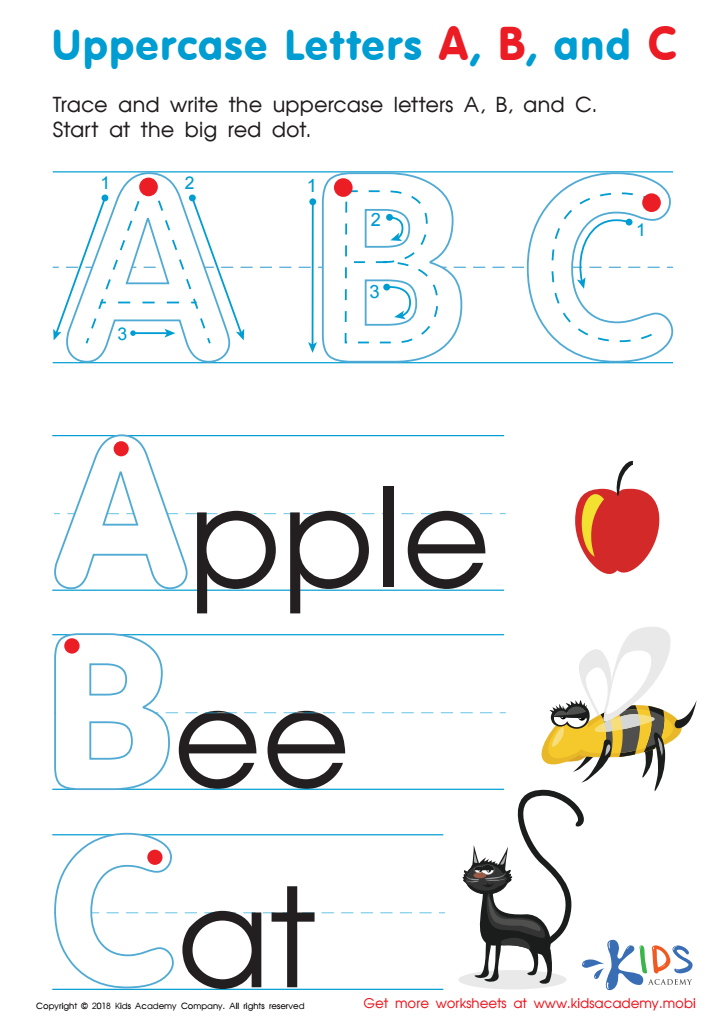
Uppercase Letters A, B, and C Worksheet






Understanding normal upper and lowercase letters is crucial for children aged 6-8, as these foundational skills significantly impact literacy development. At this age, children are typically transitioning from early reading and writing into more fluent literacy practices, and mastering letter recognition is essential for various reasons.
Firstly, uppercase letters are often used to signify the beginning of sentences and proper nouns, which aids children in grasping grammar and syntax. Familiarity with lowercase letters is equally important, as most written text utilizes these forms. A strong command of both letter cases enhances a child’s reading comprehension and writing skills, making it easier for them to decode words and express their thoughts effectively.
Furthermore, practicing upper and lowercase letters fosters fine motor skills and hand-eye coordination through writing exercises. It promotes cognitive development by helping children recognize patterns and variations in shapes, which are key components of phonemic awareness.
Additionally, children often express themselves through creative writing, and their ability to use both forms of letters contributes to the clarity and impact of their writing. Thus, recognizing and mastering normal upper and lowercase letters sets a solid groundwork for academic success and overall communication skills in their later years.







