Normal Phonics Worksheets for Ages 6-9 - Page 6
156 filtered results
-
From - To
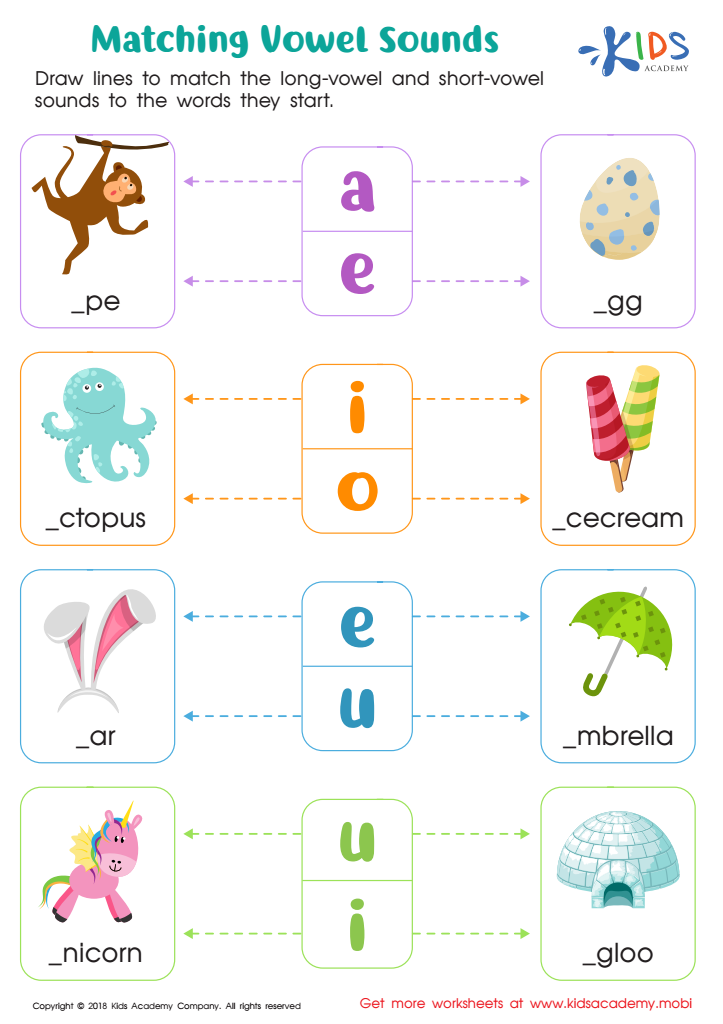
Matching Vowel Sounds Worksheet
 Assign to My Students
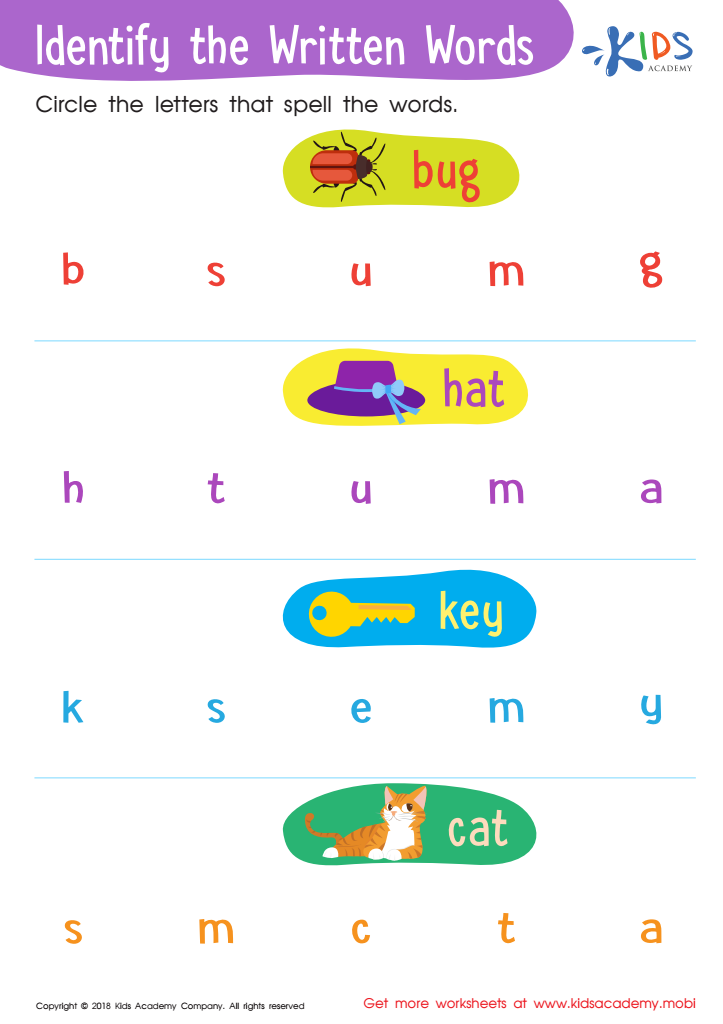
Identify the Written Words Worksheet
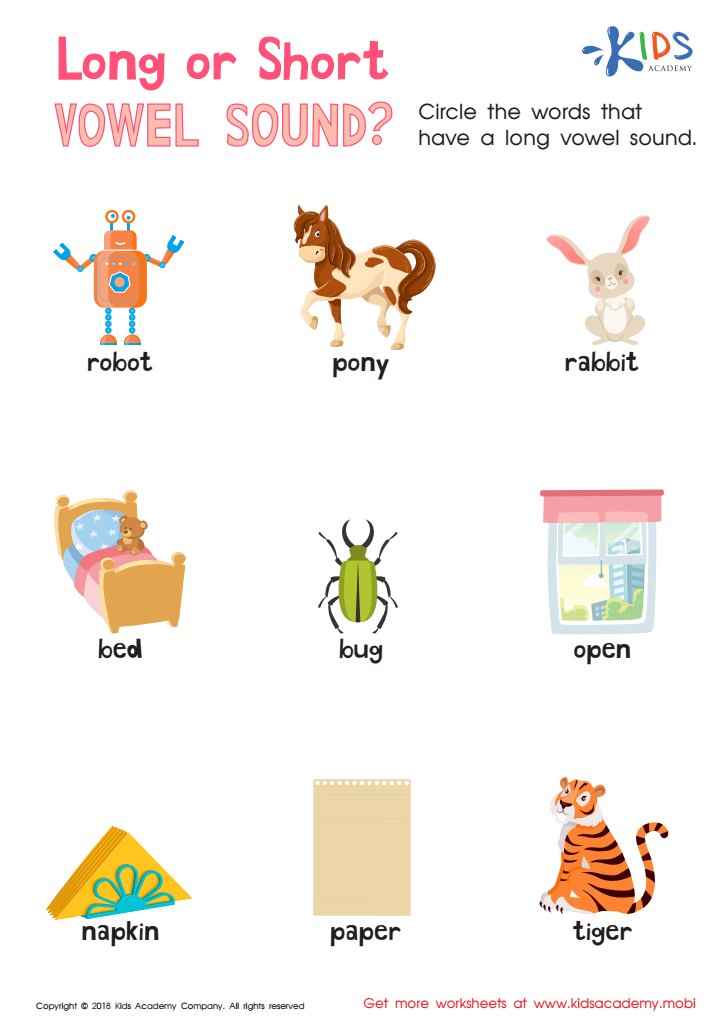
Long or Short Vowel Sound? Worksheet
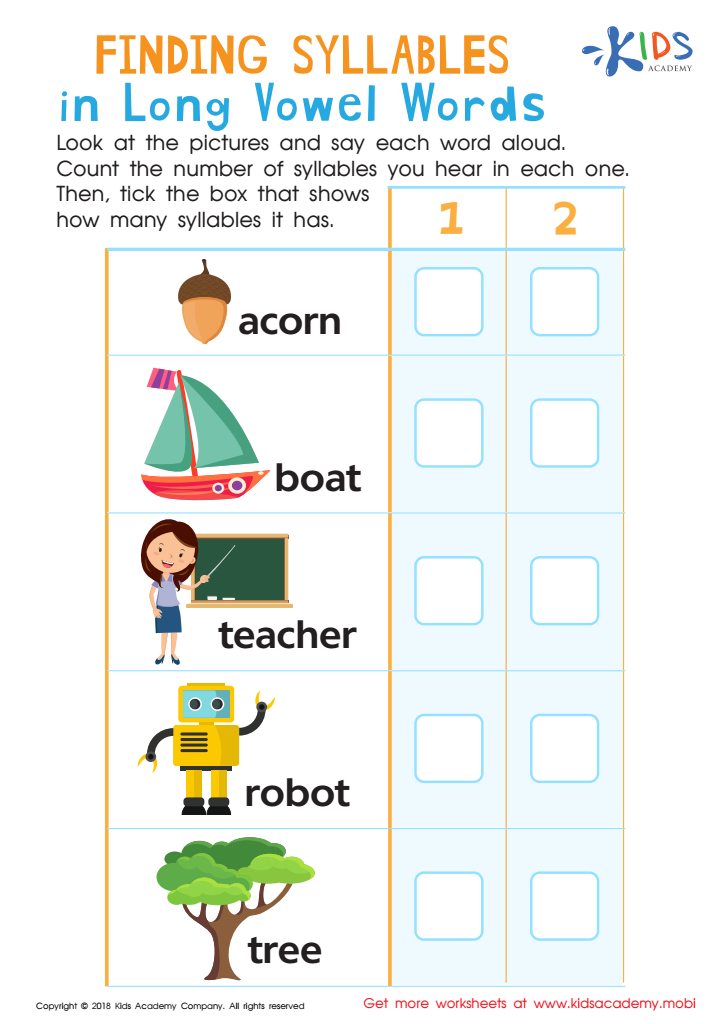
Finding Syllables in Long Vowel Words Worksheet
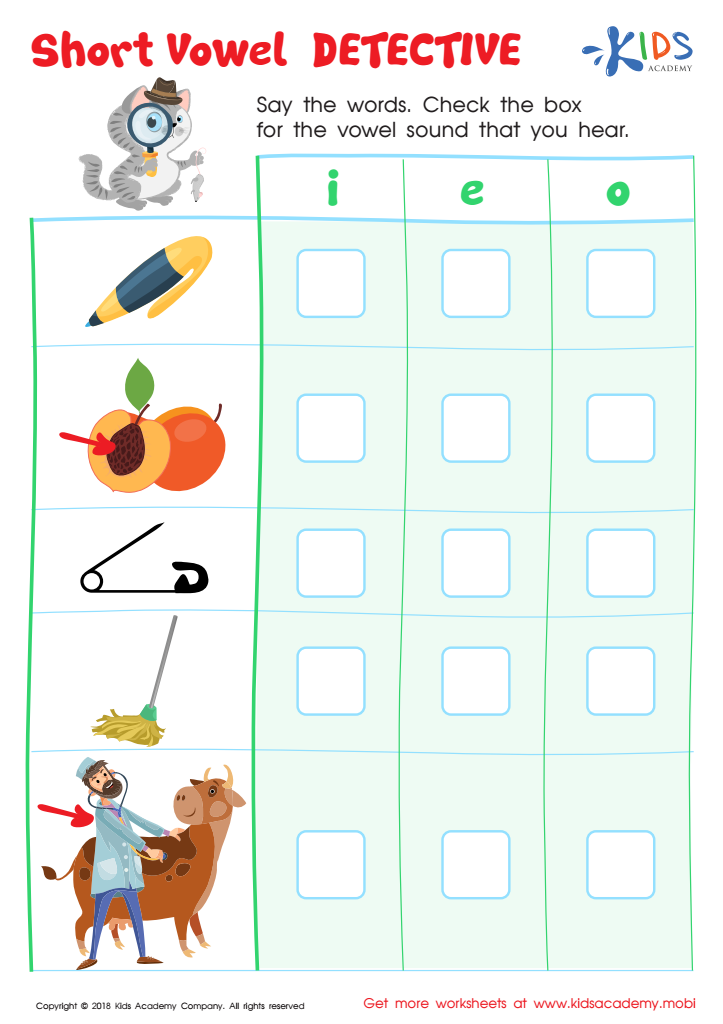
Short Vowel Detective Worksheet
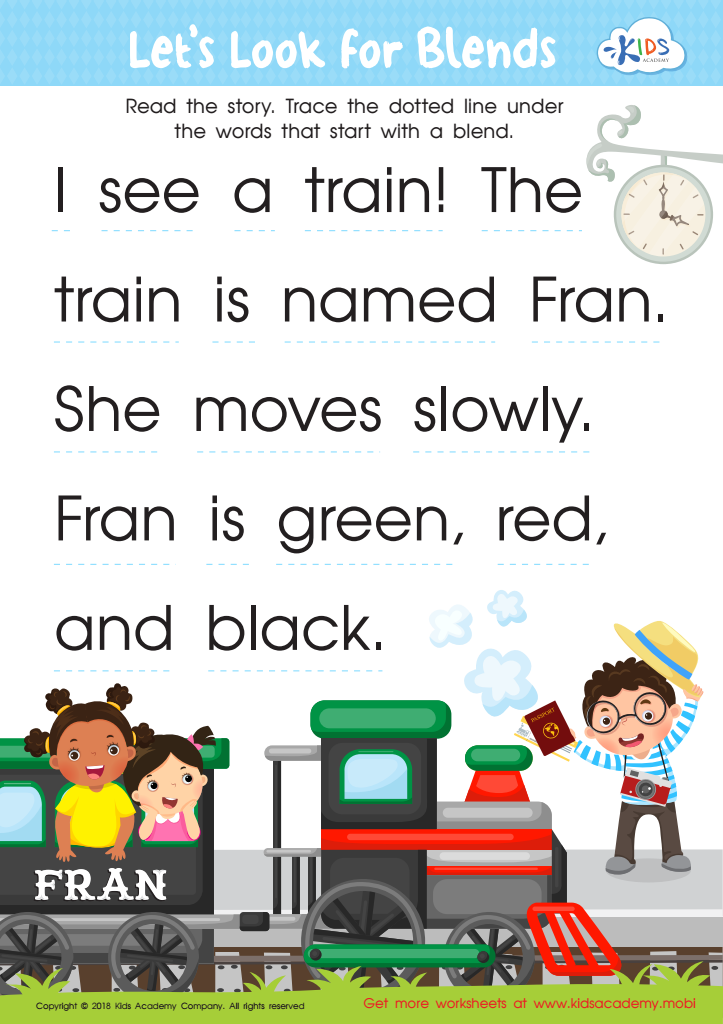
Let's Look for Blends Worksheet
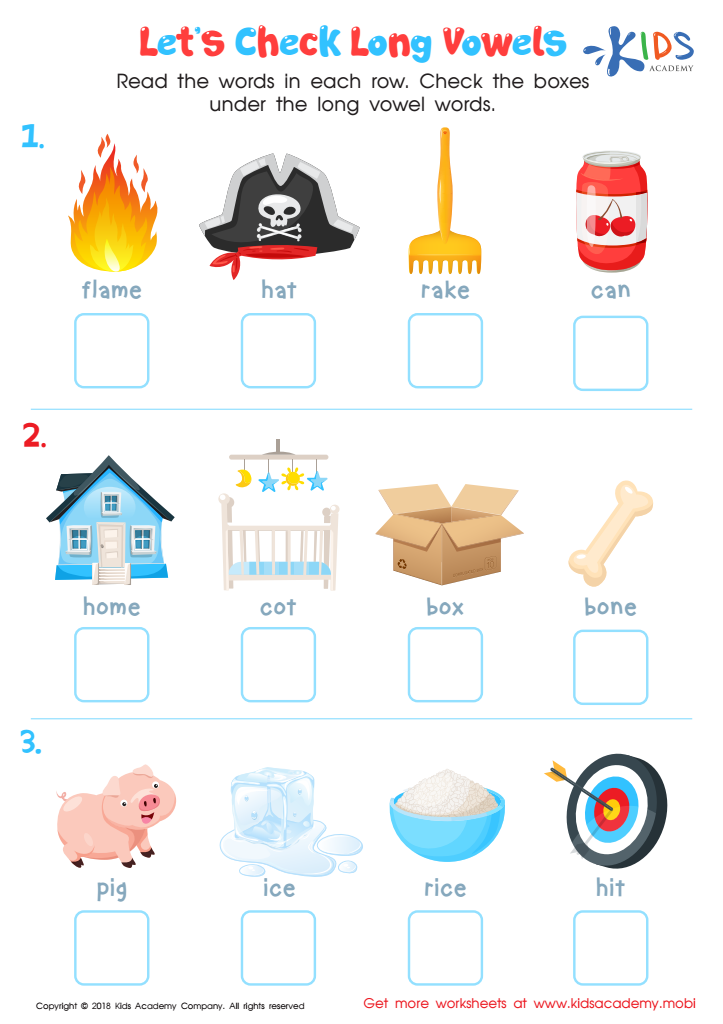
Let's Check Long Vowels: Assessment Worksheet
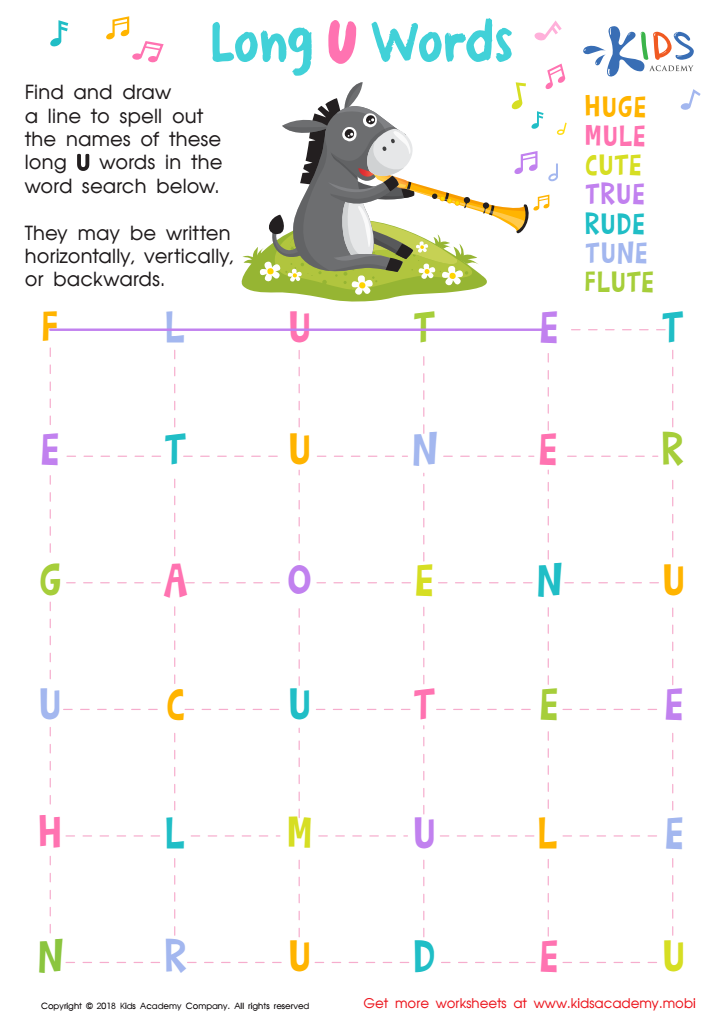
Long /u/ Words Worksheet
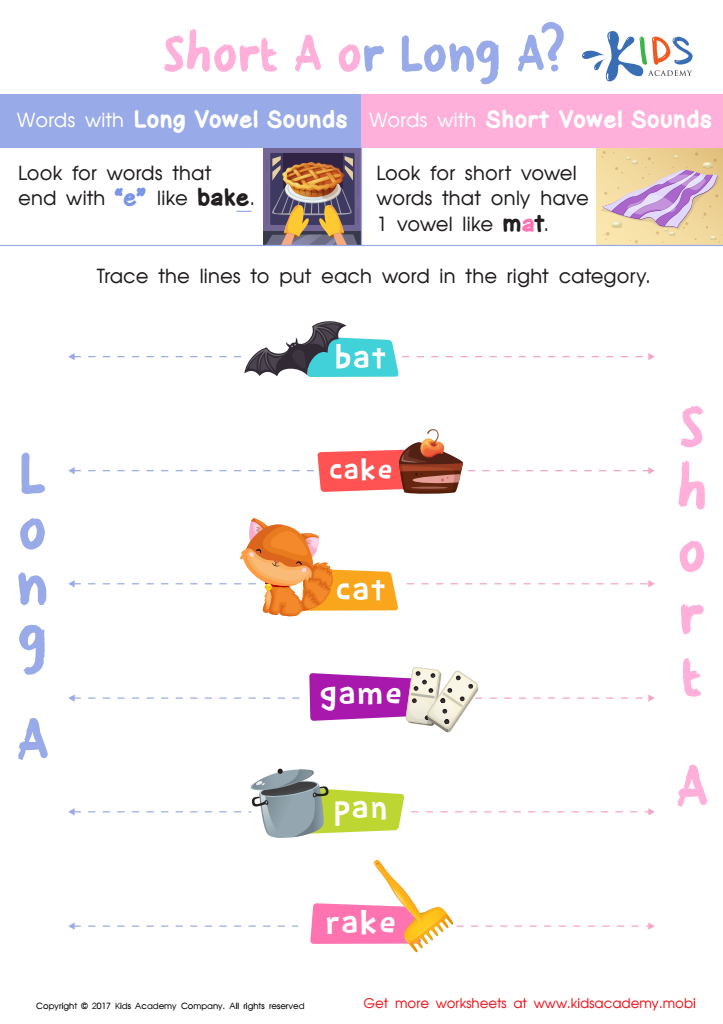
Short /a/ or Long /a/? Worksheet
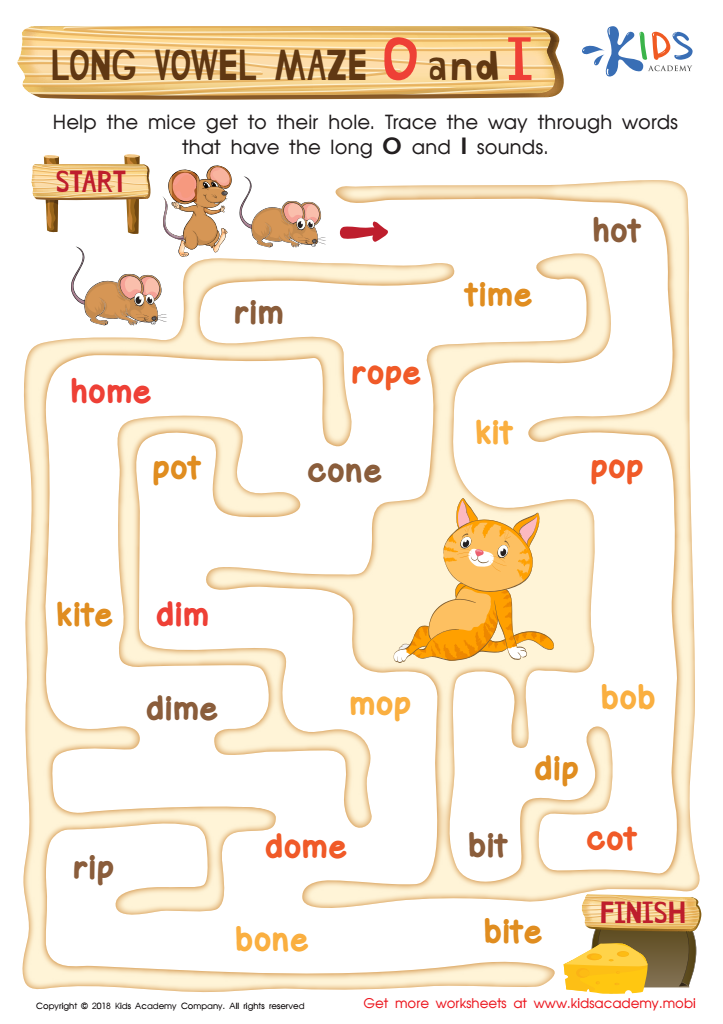
Long Vowel Maze /o/ and /i/ Worksheet
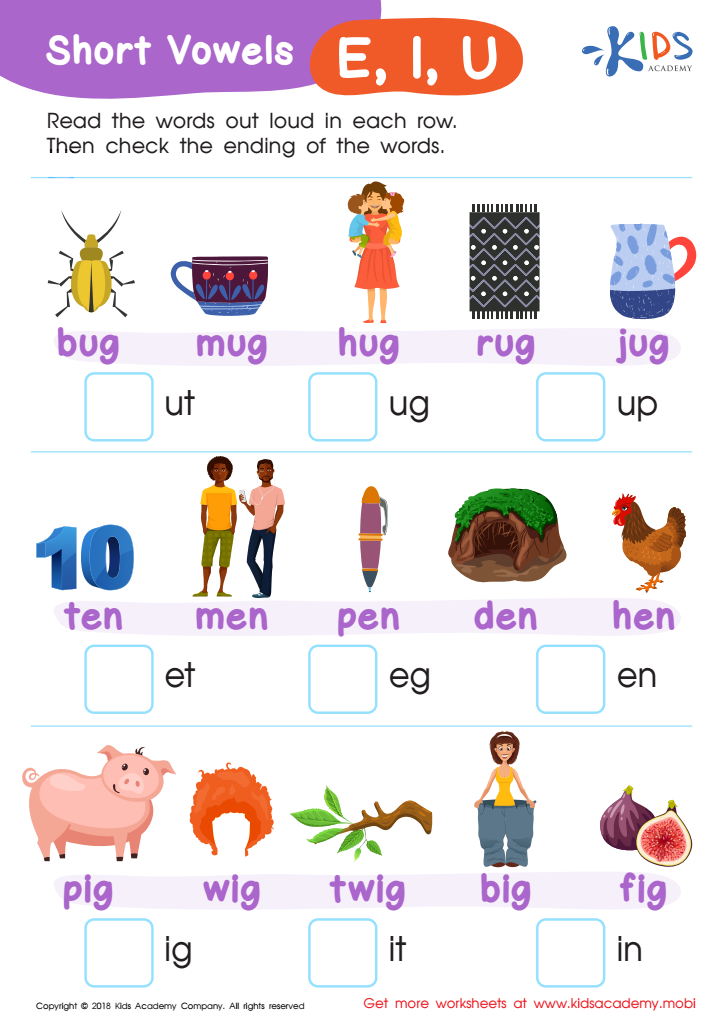
Short Vowels /e/, /i/, and /u/ Worksheet
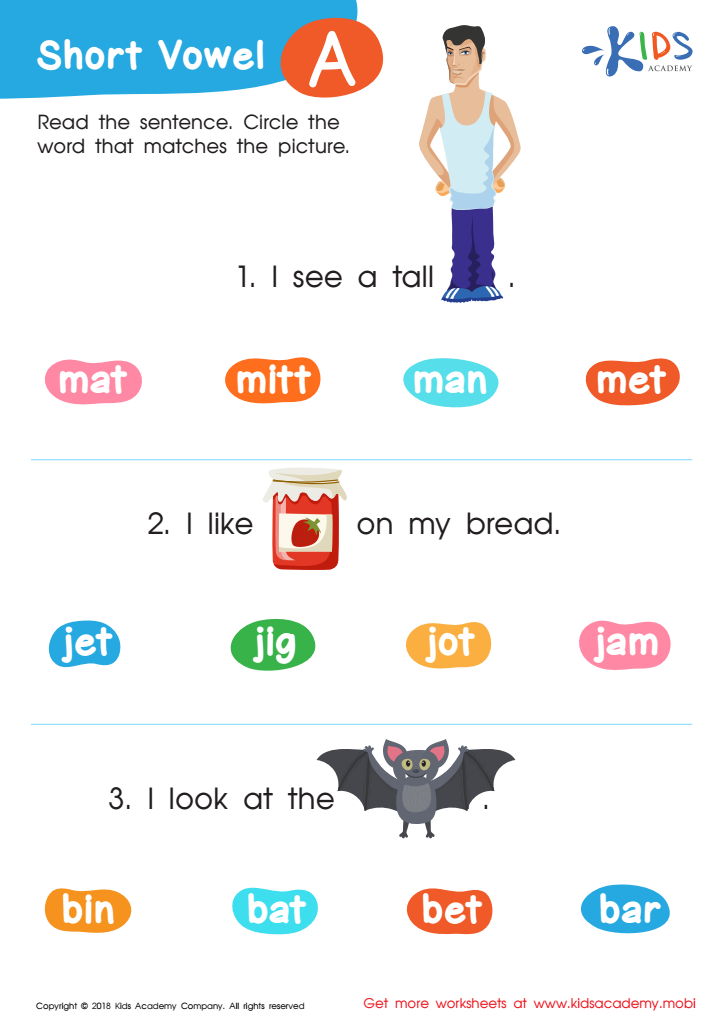
Short Vowel /a/ Worksheet
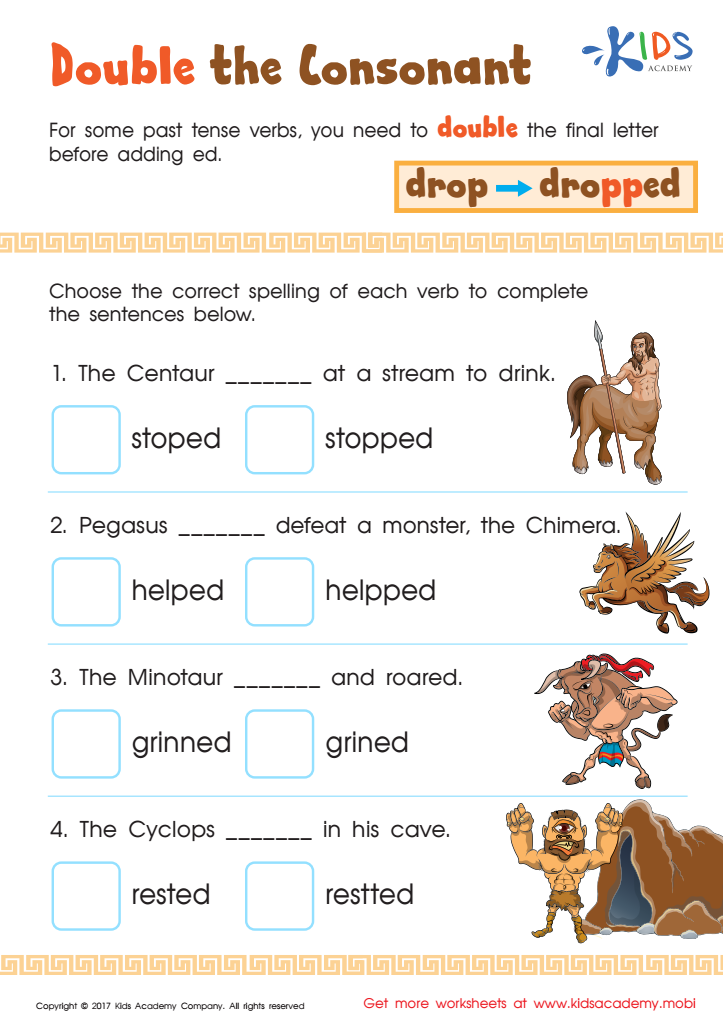
Double Consonant Spelling Worksheet
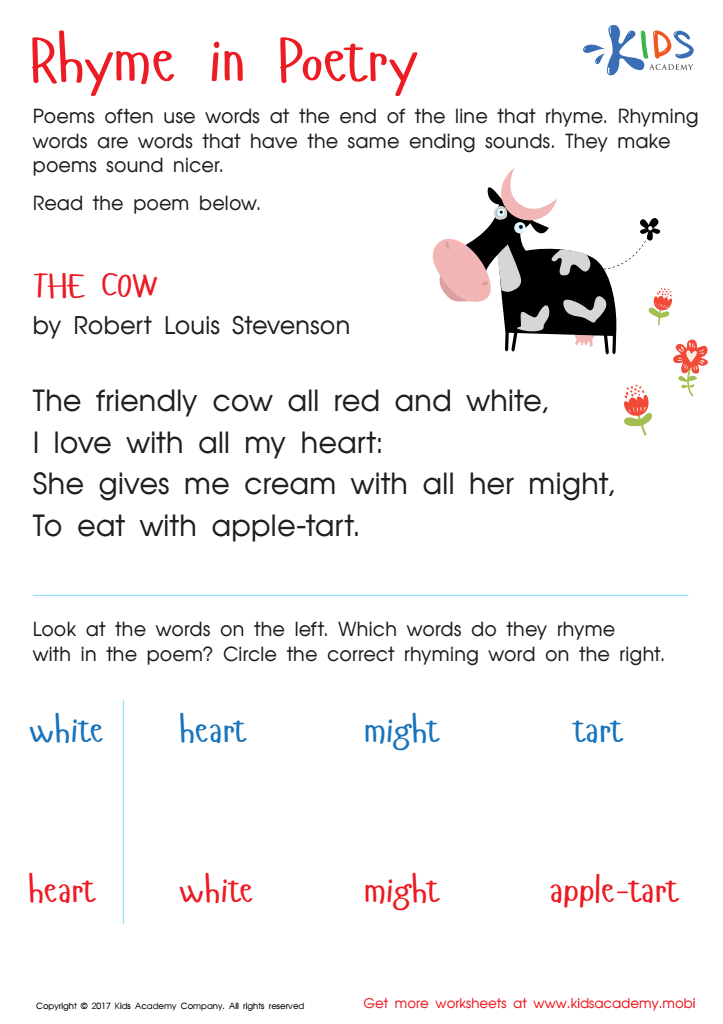
Rhyme In Poetry Worksheet
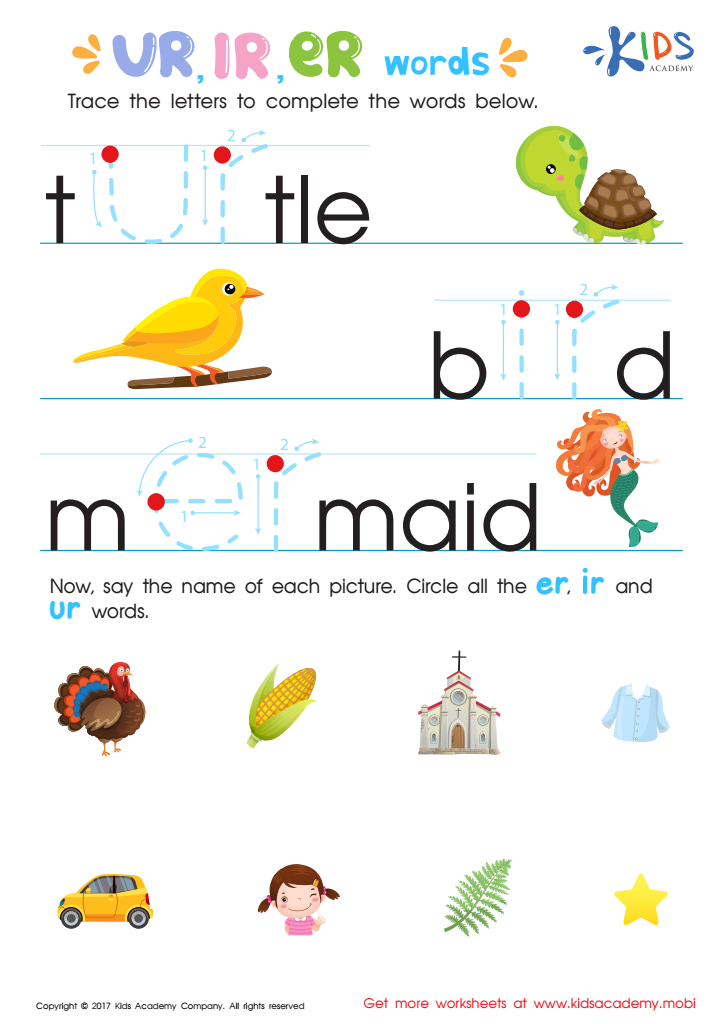
IR UR ER Words Worksheet
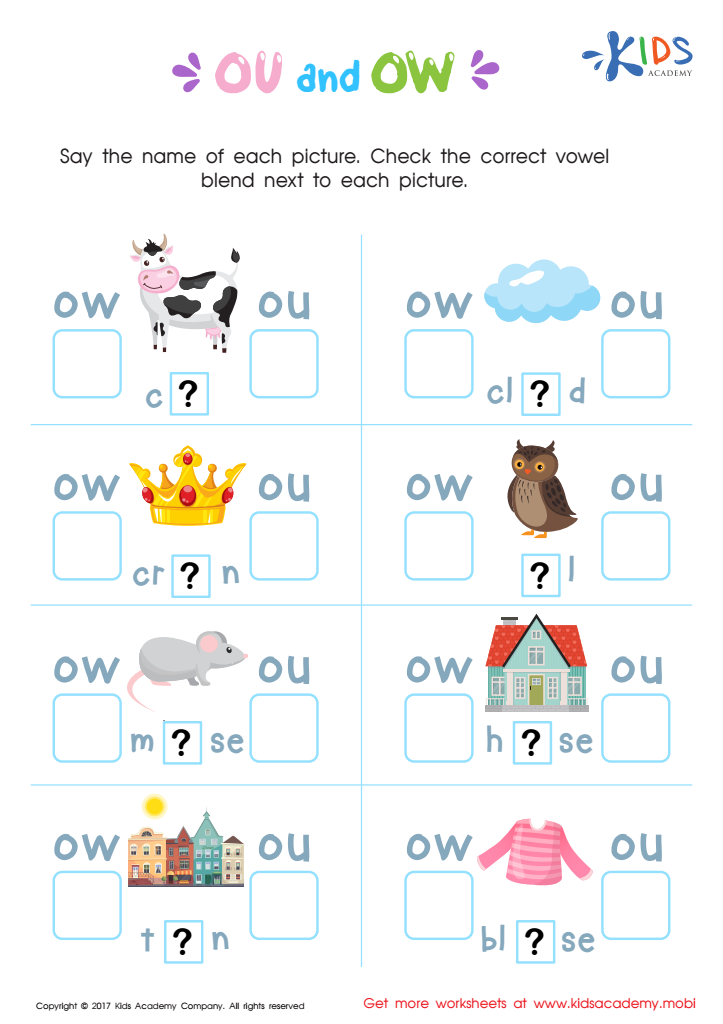
OU and OW Words Worksheet
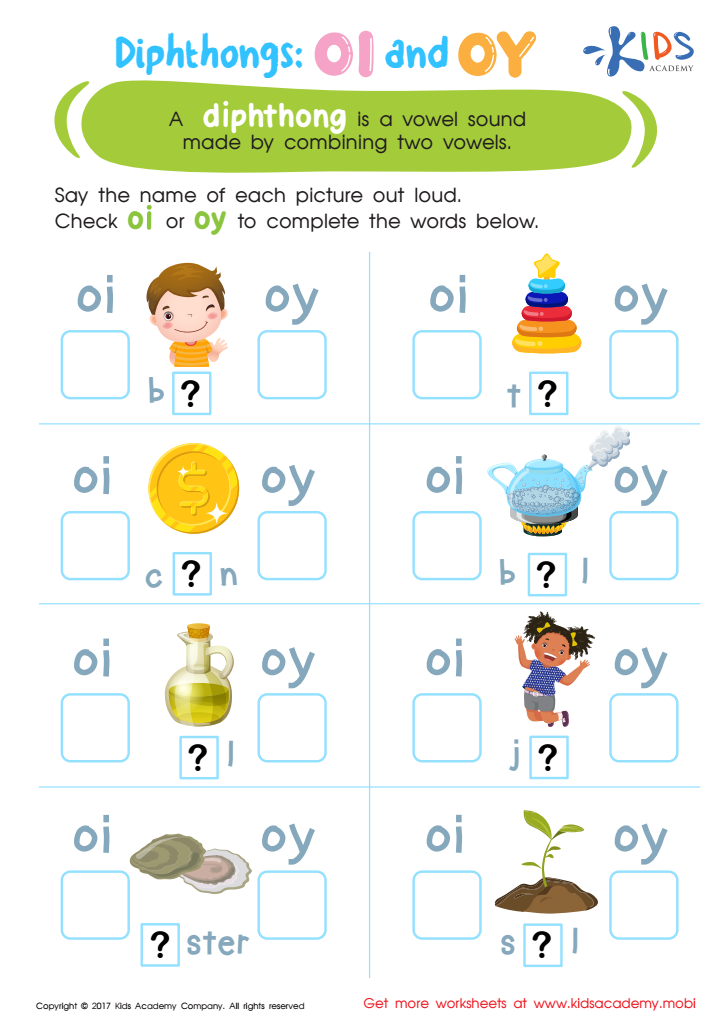
Vowel Diphthongs OI OY Worksheet
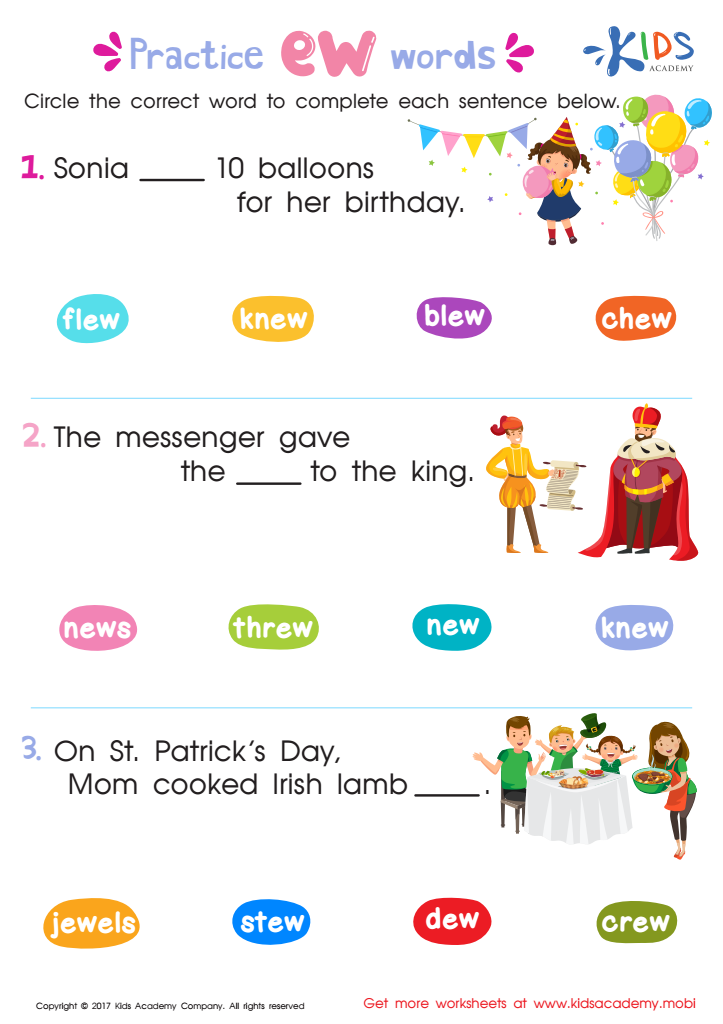
EW Words Worksheet
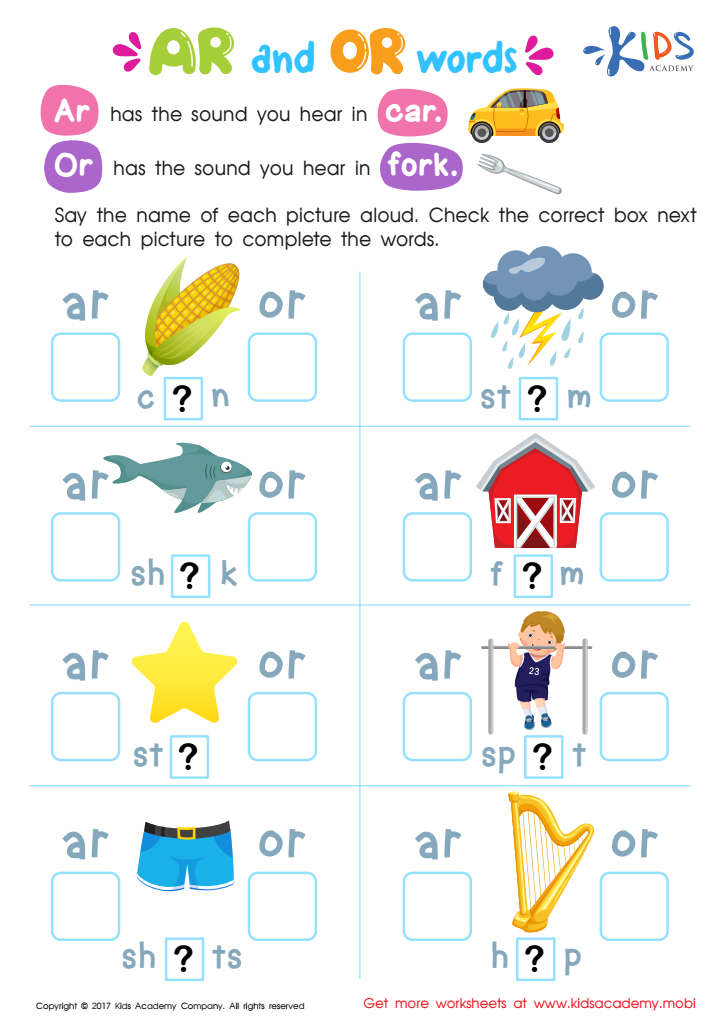
Ar and Or Words Phonics Worksheet
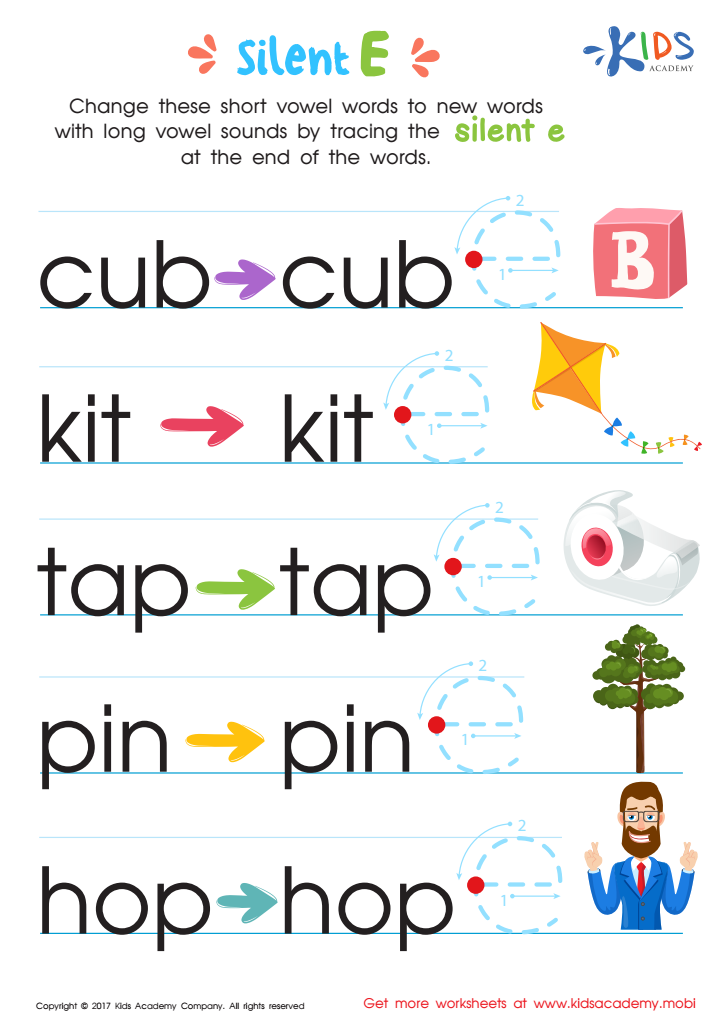
Silent E Words Worksheet
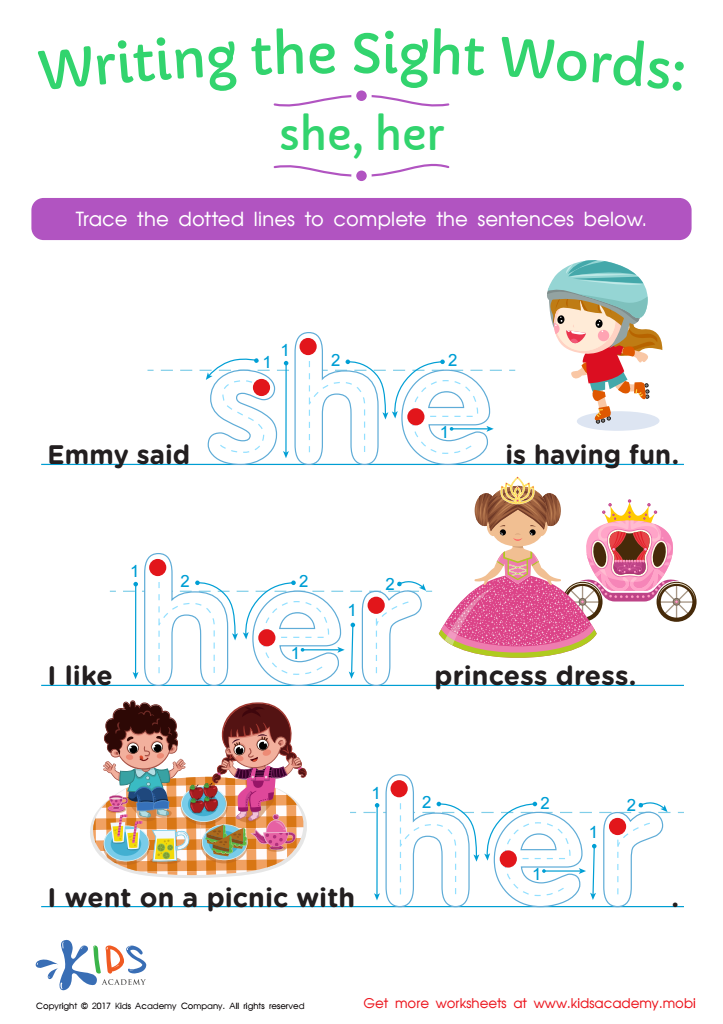
She, Her Printable Sight Words Worksheet
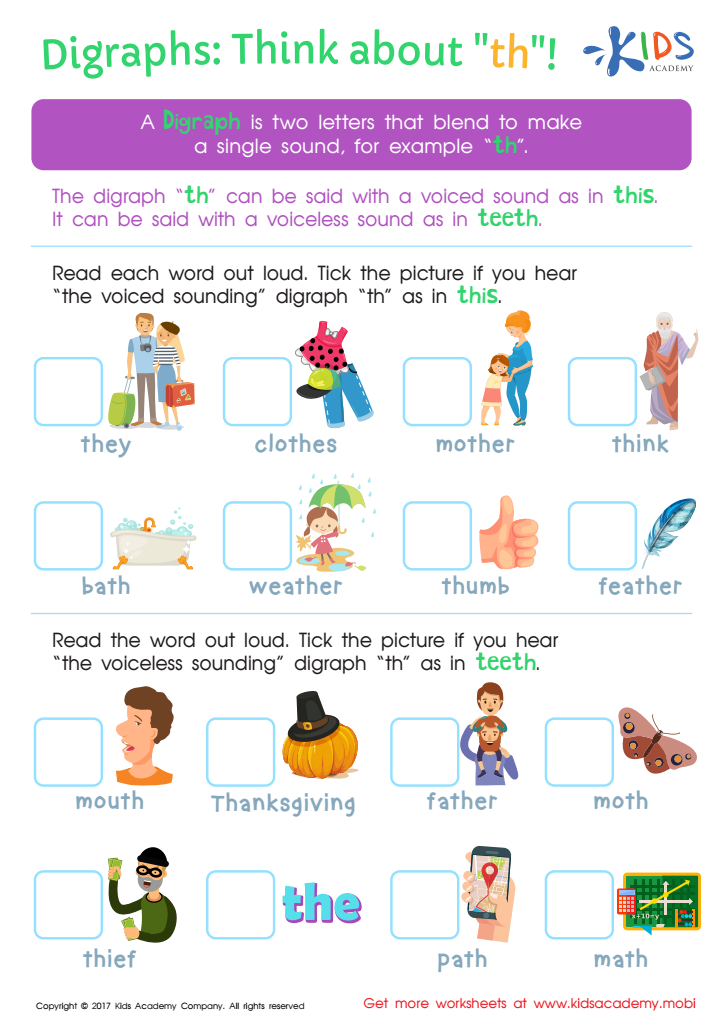
Digraphs: Think About "th" Worksheet
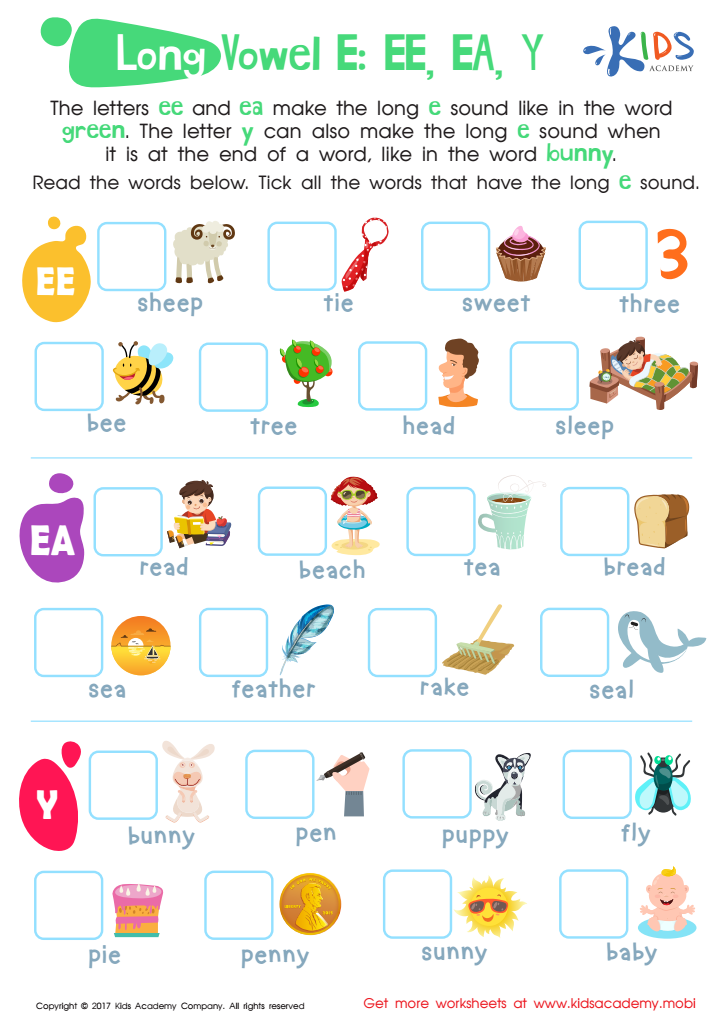
Long Vowel E Printable
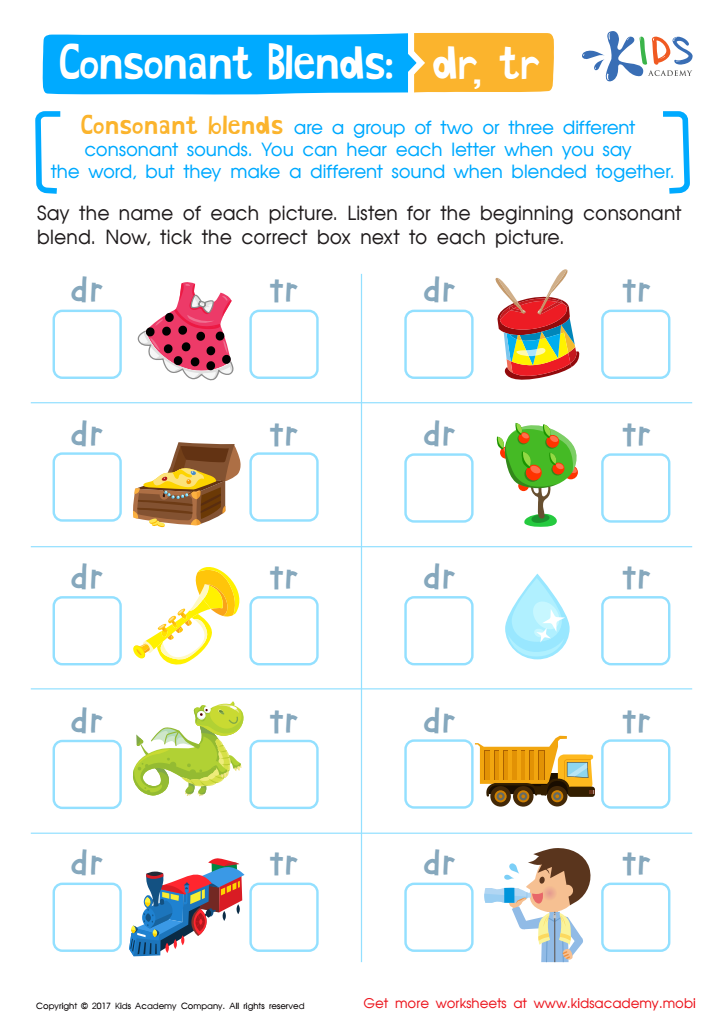
Consonant Blends: "Dr" and "Tr" Printable








Parents and teachers should care about normal phonics for children aged 6-9 because it supports crucial literacy development during a pivotal learning window. Phonics instruction helps children understand the relationship between letters and sounds, which is fundamental for reading and writing proficiency. When children decode words through phonics, they can read independently, boosting their confidence and fostering a love for reading.
Developmental milestones for ages 6-9 emphasize transitioning from learning to read to reading to learn. Early phonics instruction is essential for this shift, ensuring that children develop strong foundational skills. It helps children recognize familiar word patterns, which enhances their ability to spell and improves overall language comprehension.
Additionally, research shows that early phonics instruction reduces the risk of reading difficulties later in life. By mastering phonics, children can tackle more complex texts as they progress through school, which is crucial for academic success across subjects.
Engaged parents and teachers play a vital role in reinforcing phonics skills through consistent practice and encouragement. Their involvement can supplement classroom learning with practical reading activities, making learning enjoyable and effective. For these reasons, normal phonics for children aged 6-9 is an essential component of early education, shaping proficient, confident, and lifelong readers.







