Normal History Worksheets for Ages 6-9 - Page 3
59 filtered results
-
From - To
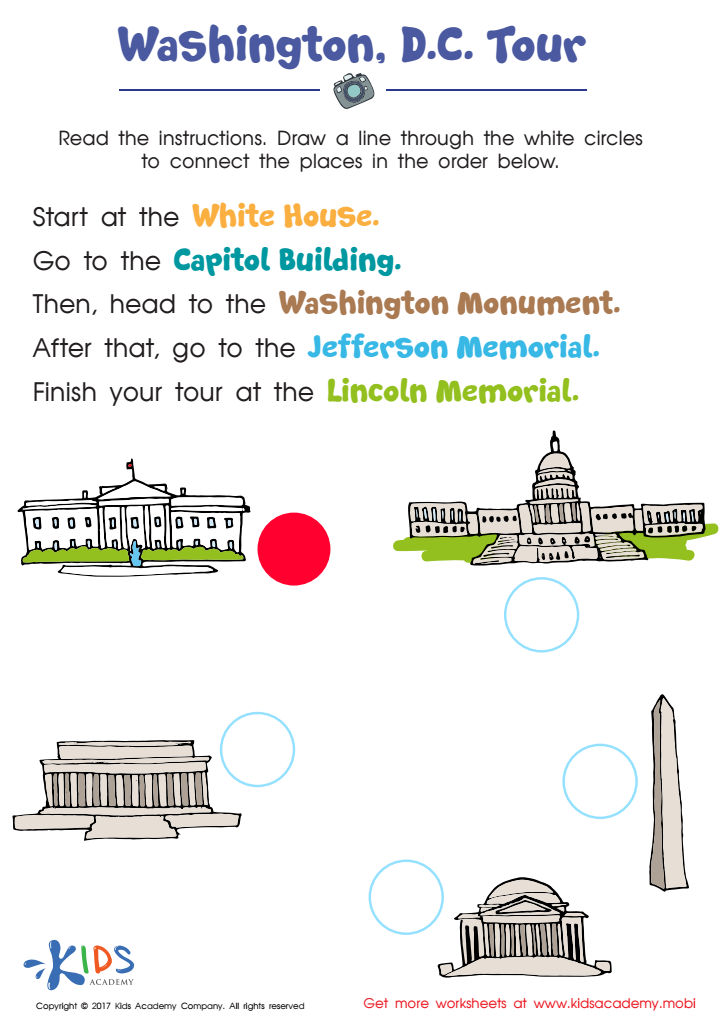
Washington, D.C. Symbols Worksheet
 Assign to My Students
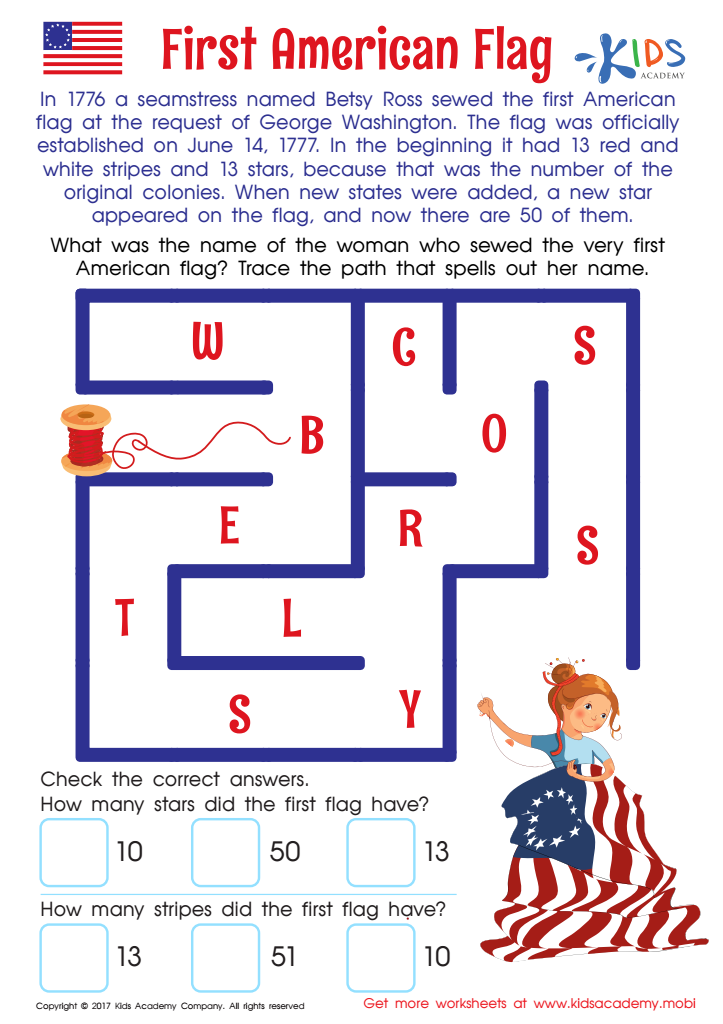
First American Flag Worksheet
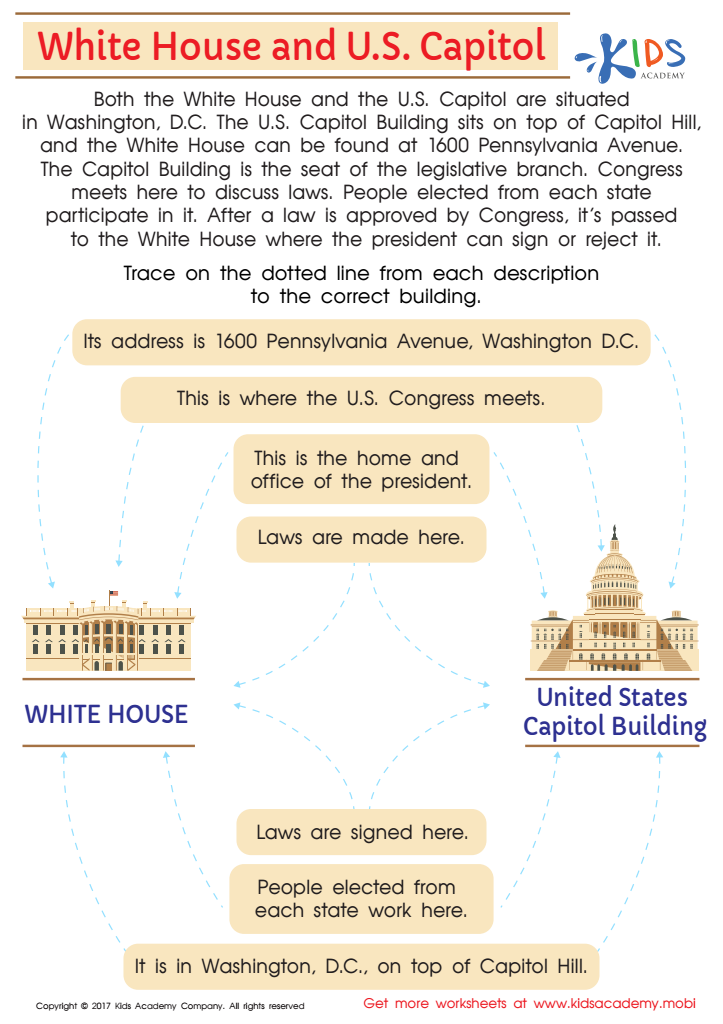
White House and US Capitol Worksheet
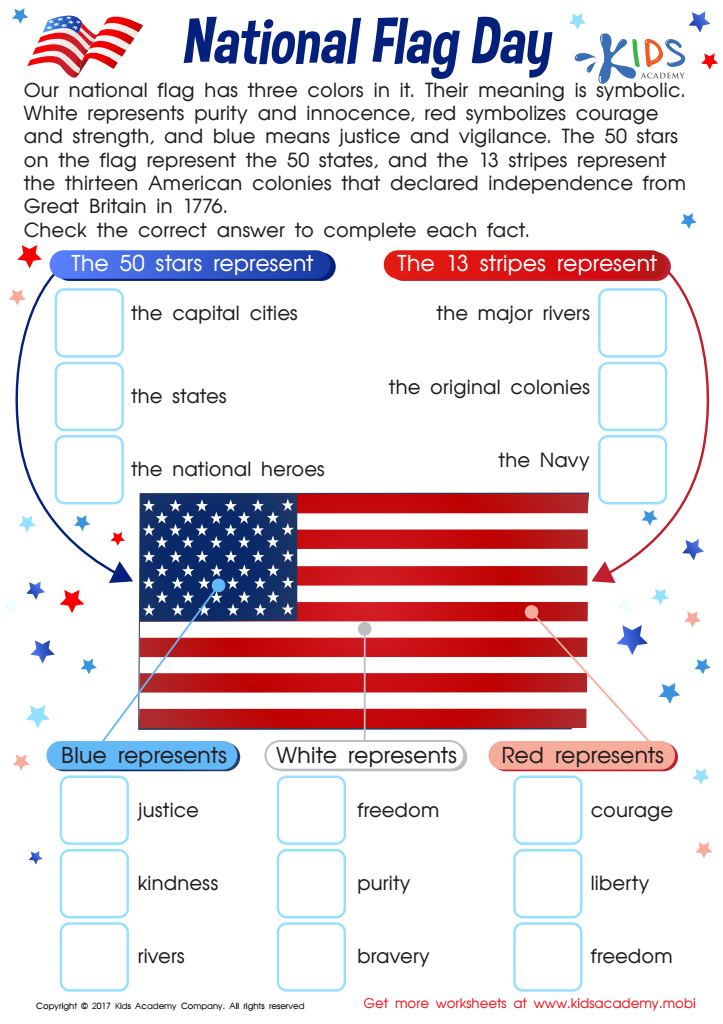
US National Flag Day Worksheet
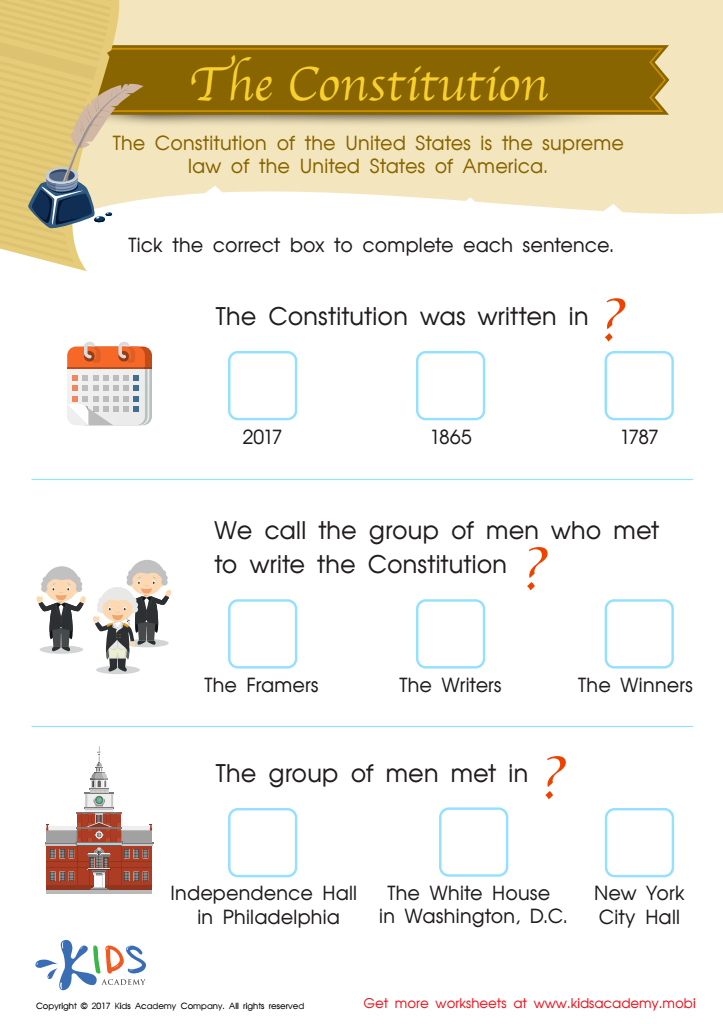
The Constitution Worksheet
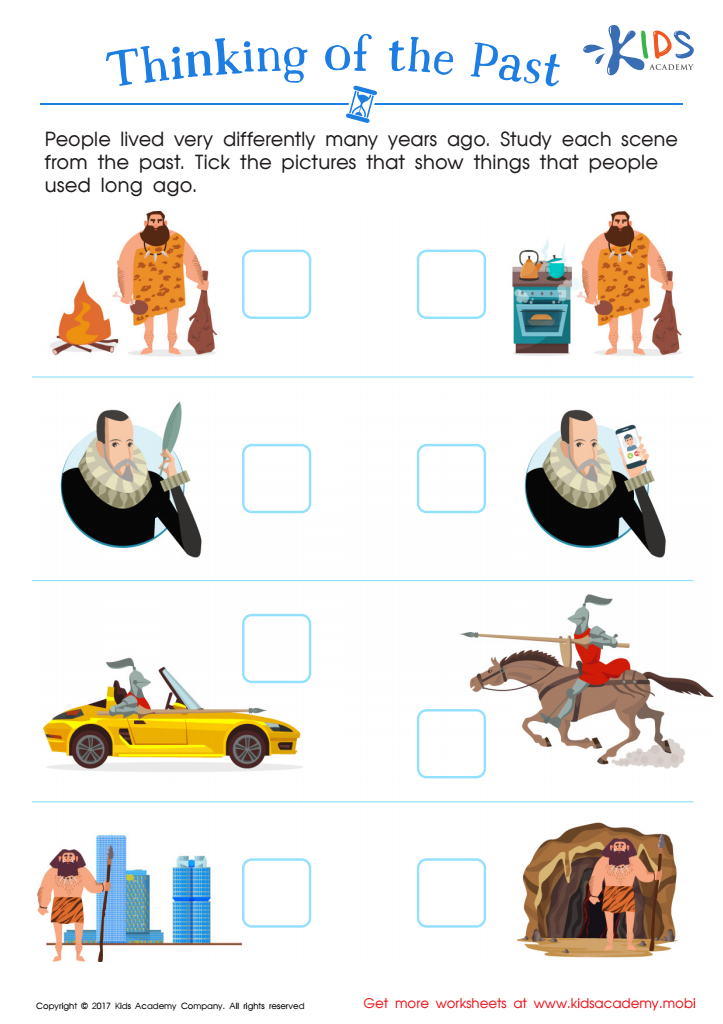
Thinking Past Printable
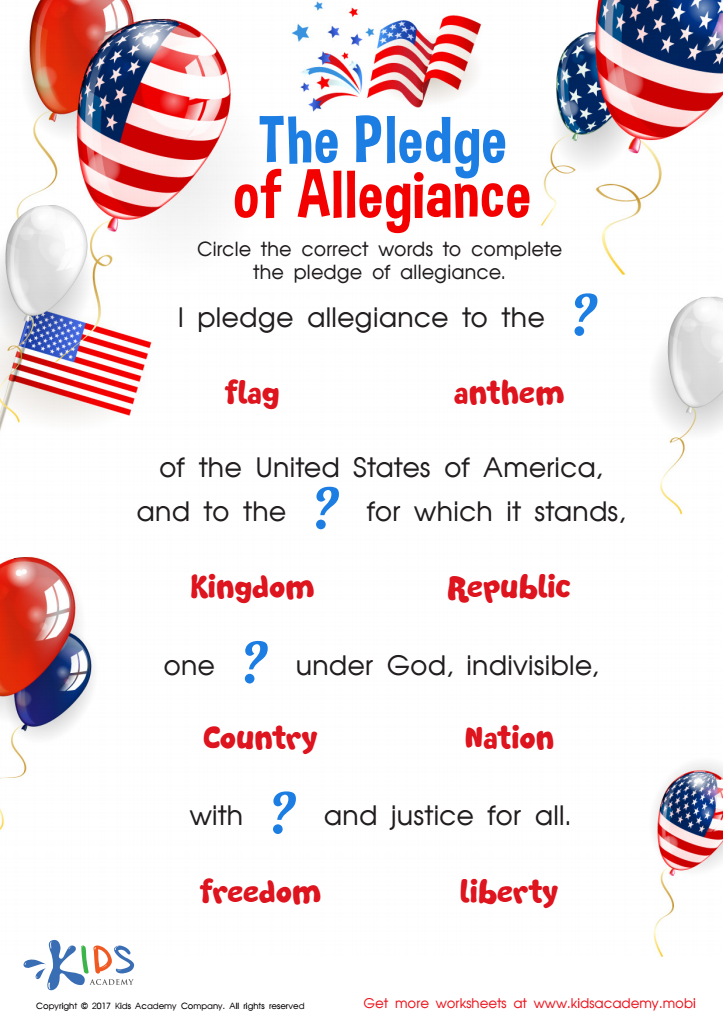
The Pledge of Allegiance Worksheet
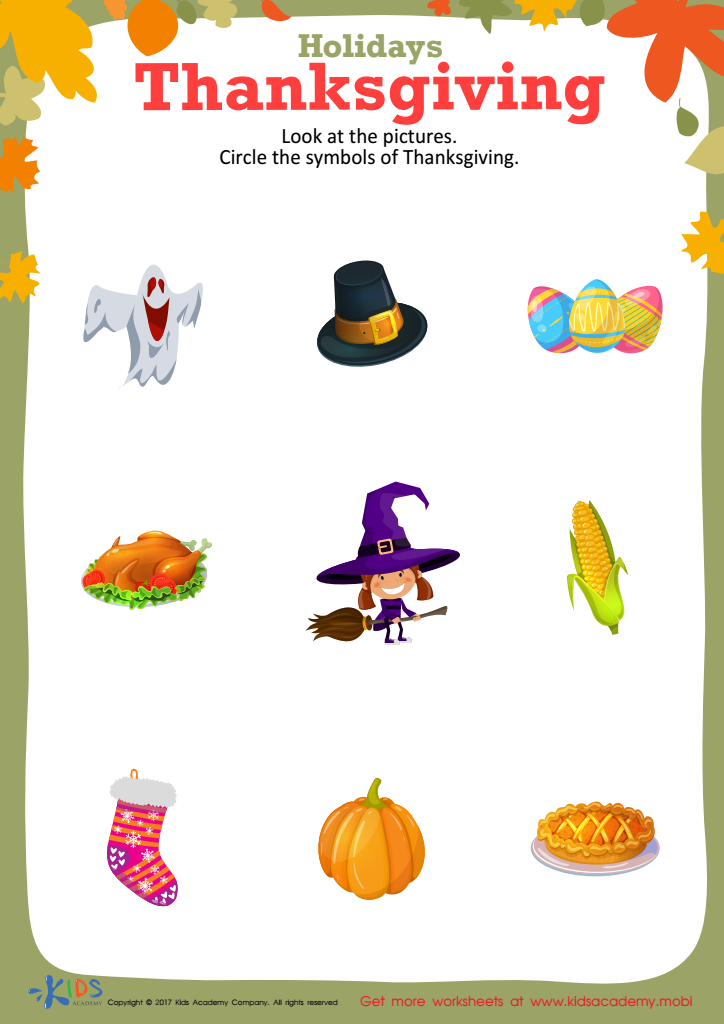
Thanksgiving Holiday Printable
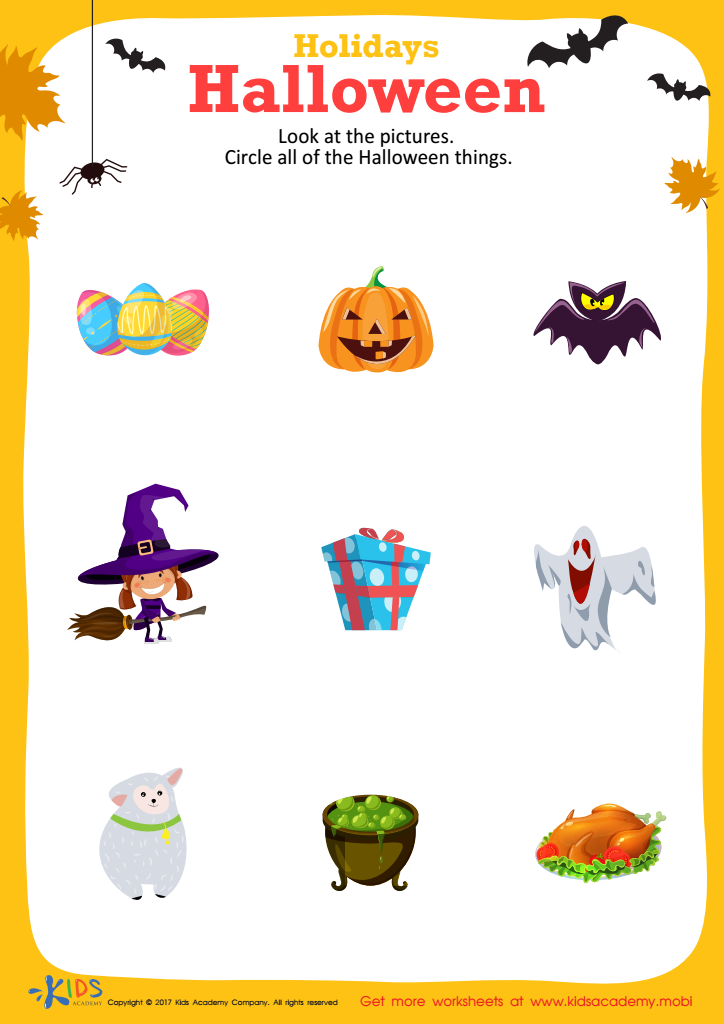
Halloween Holiday Worksheet
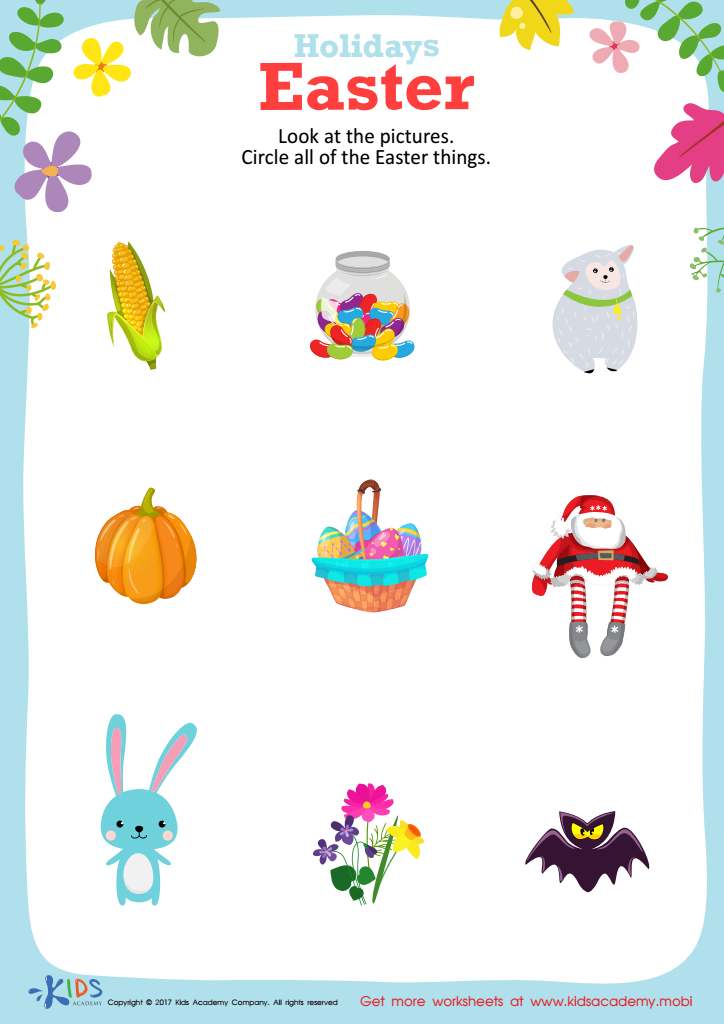
Easter Holiday Printable
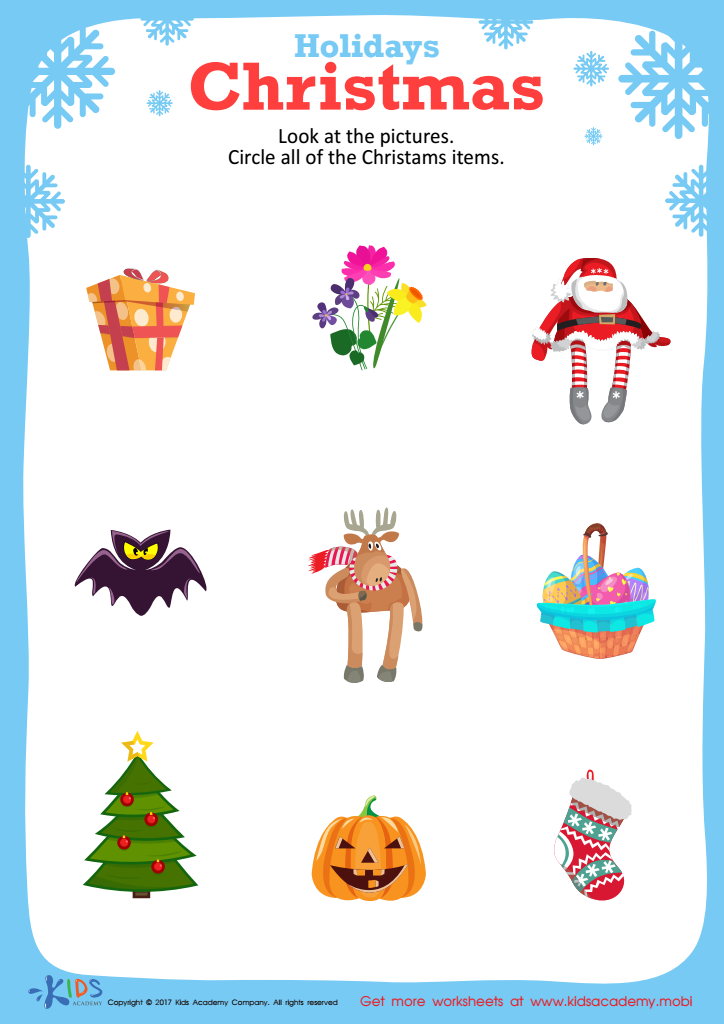
Christmas Holiday Worksheet








Normal History for Ages 6-9 is an essential foundation for young learners, as it nurtures curiosity about the world, instills values, and helps develop critical-thinking skills. At this formative stage, children begin to form a sense of identity and understanding of their place within a broader context. By engaging with history, they learn about different cultures, significant events, and influential figures, fostering an appreciation for diversity and the interconnectedness of human experiences.
Parents and teachers should care about Normal History because it encourages children to ask questions, debate perspectives, and form their opinions, cultivating essential analytical skills. Additionally, understanding history promotes empathy as children learn about the struggles and achievements of others, making them more compassionate individuals.
Moreover, history builds a sense of belonging and morality, allowing children to comprehend their hopes, dreams, and responsibilities within society. Engaging with history through storytelling, roleplay, and hands-on activities can make learning enjoyable and memorable. This engagement is vital for instilling a love for learning and the foundation for later academic pursuits. Overall, Normal History is key in shaping well-rounded, informed, and empathetic future citizens.








