Normal World Around Us Worksheets for Ages 6-9 - Page 3
60 filtered results
-
From - To
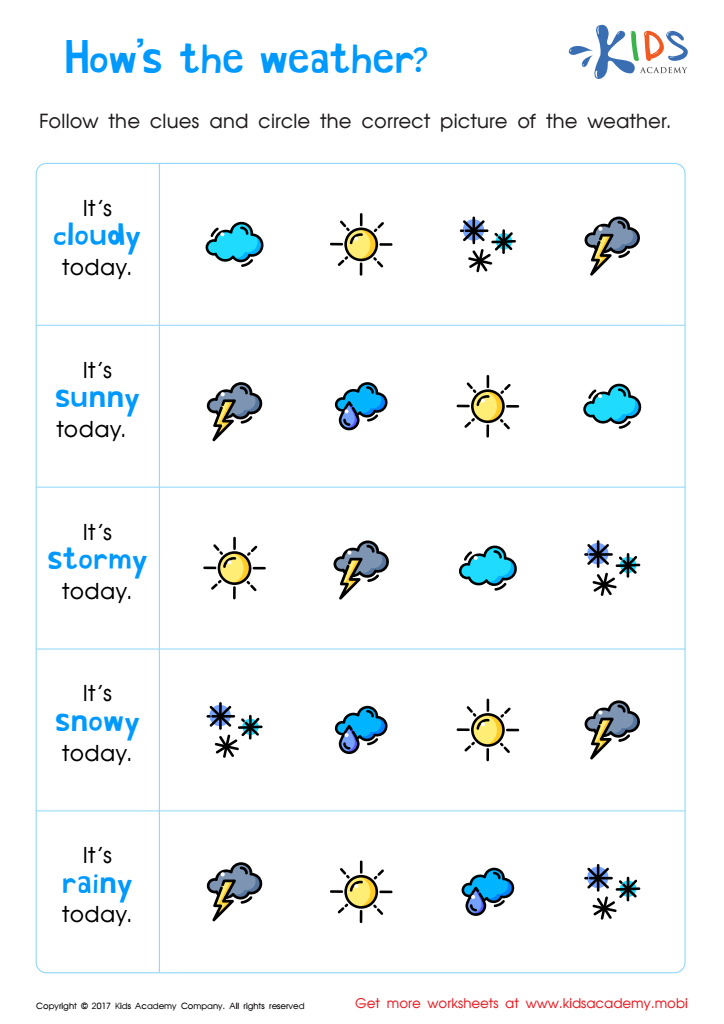
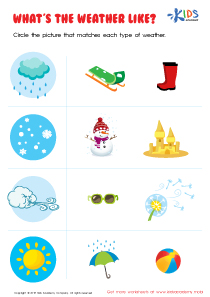
Hows the Weather Worksheet
 Assign to My Students
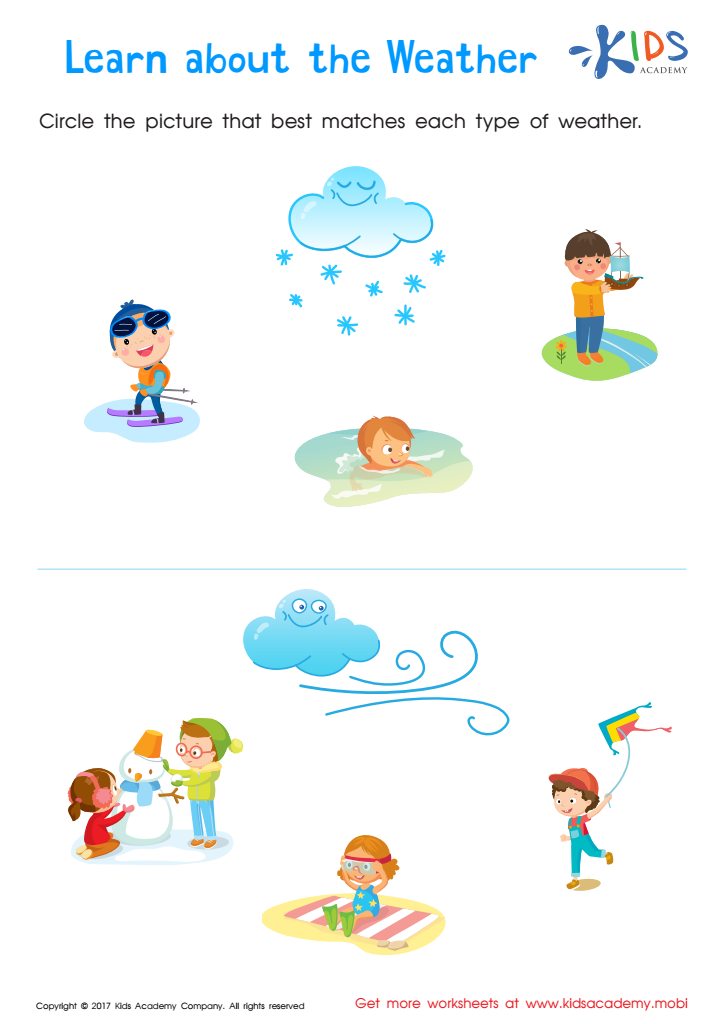
About the Weather Printable
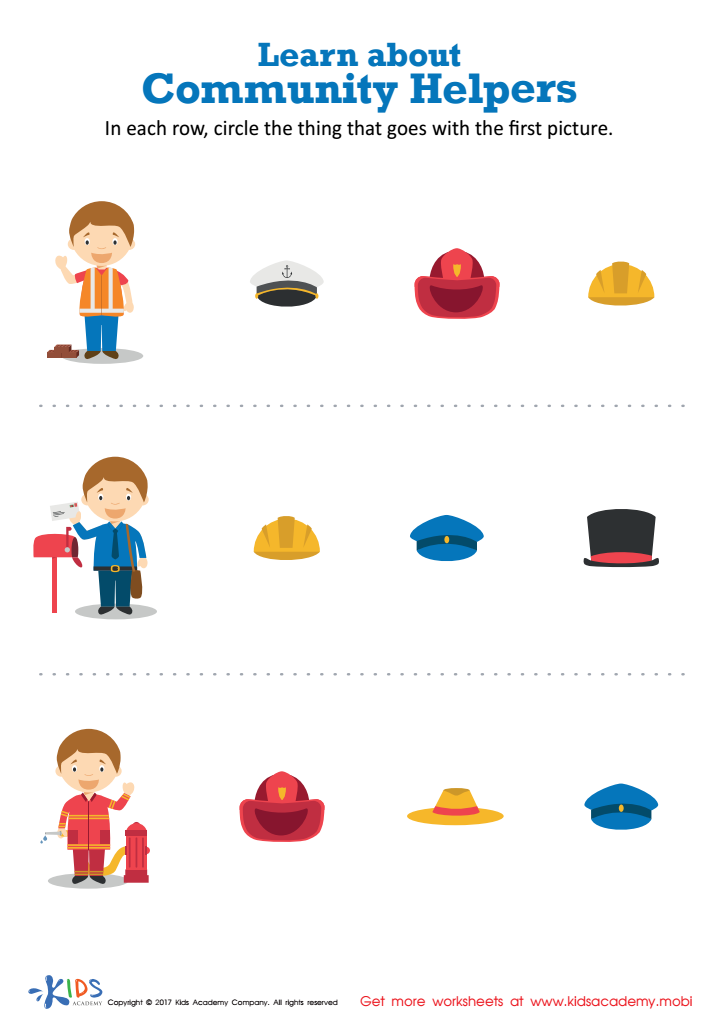
Learn about Community Helpers Printable
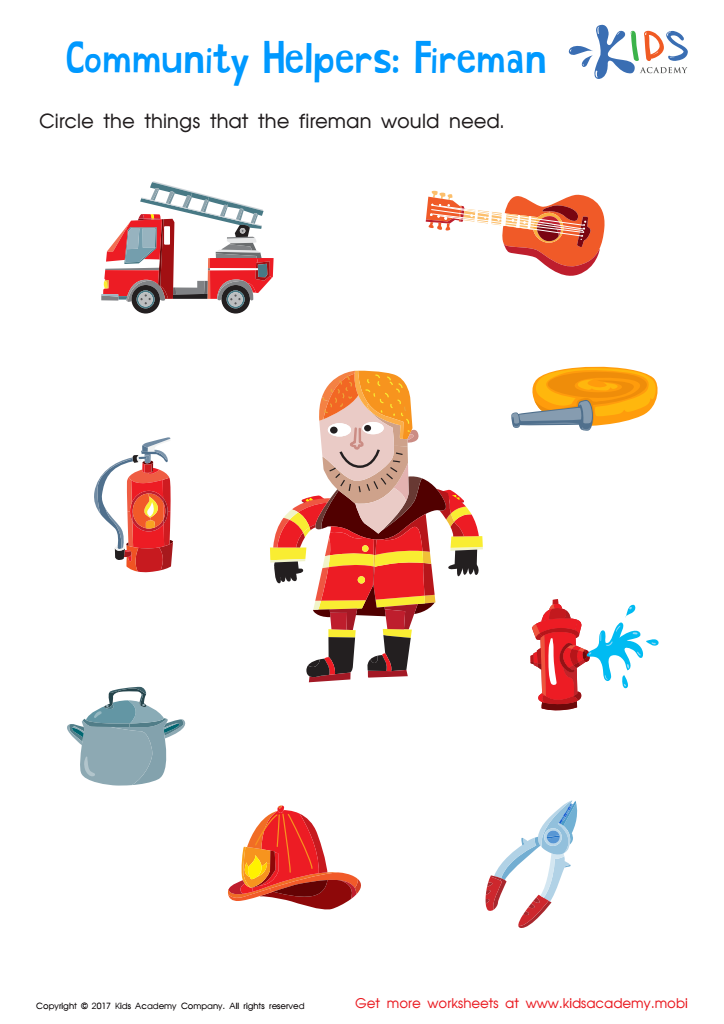
Fireman Worksheet
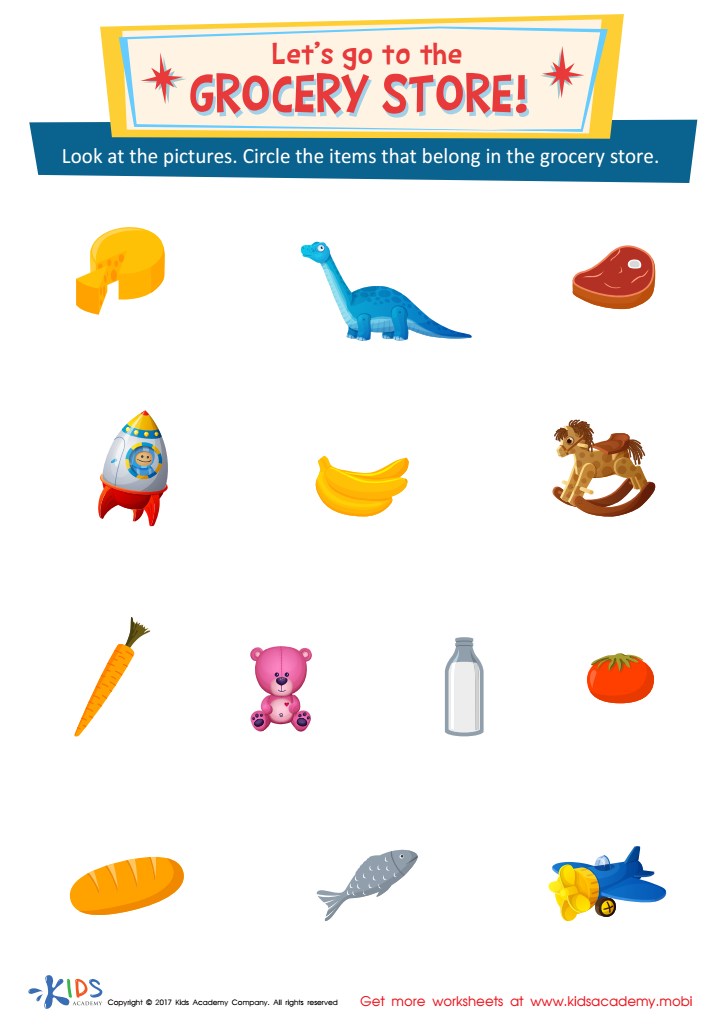
Grocery Store Worksheet
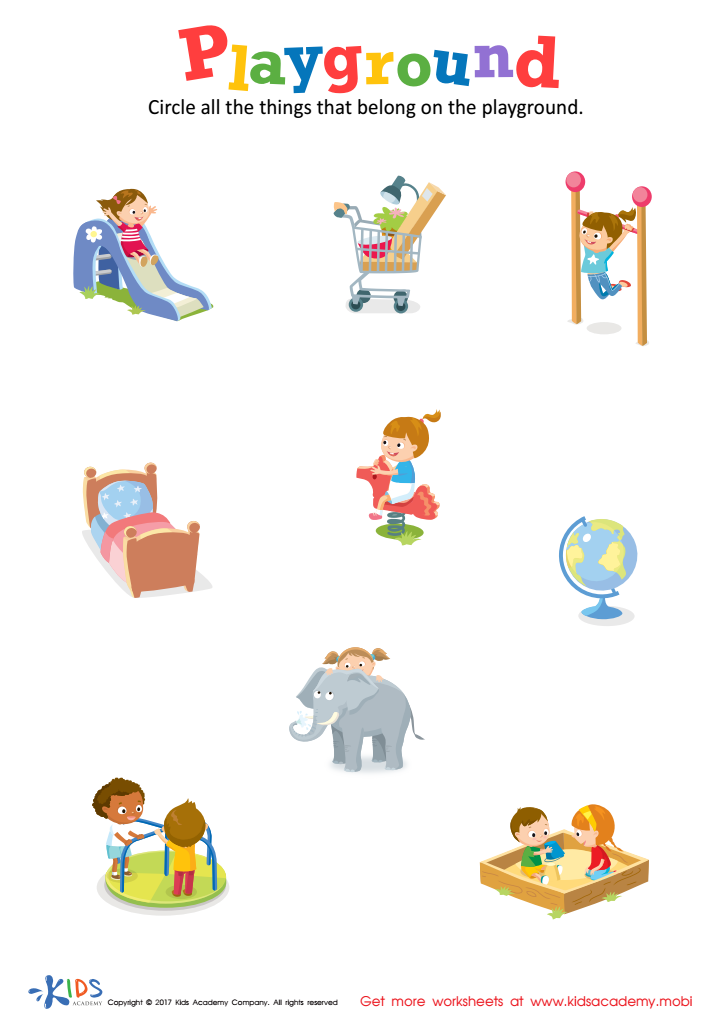
Playground Worksheet
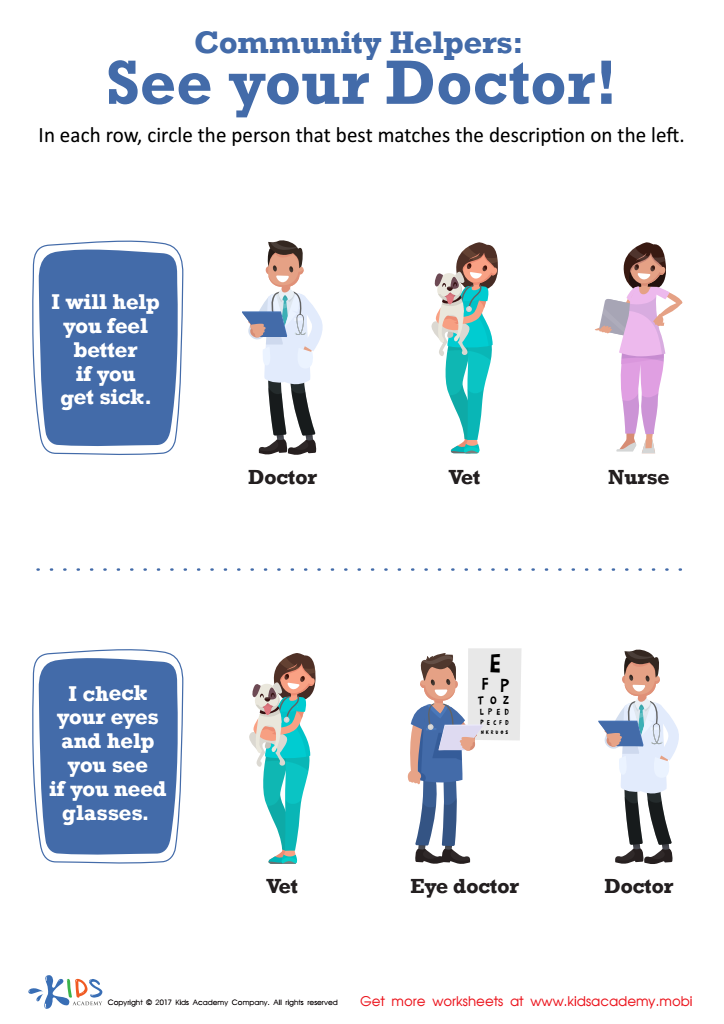
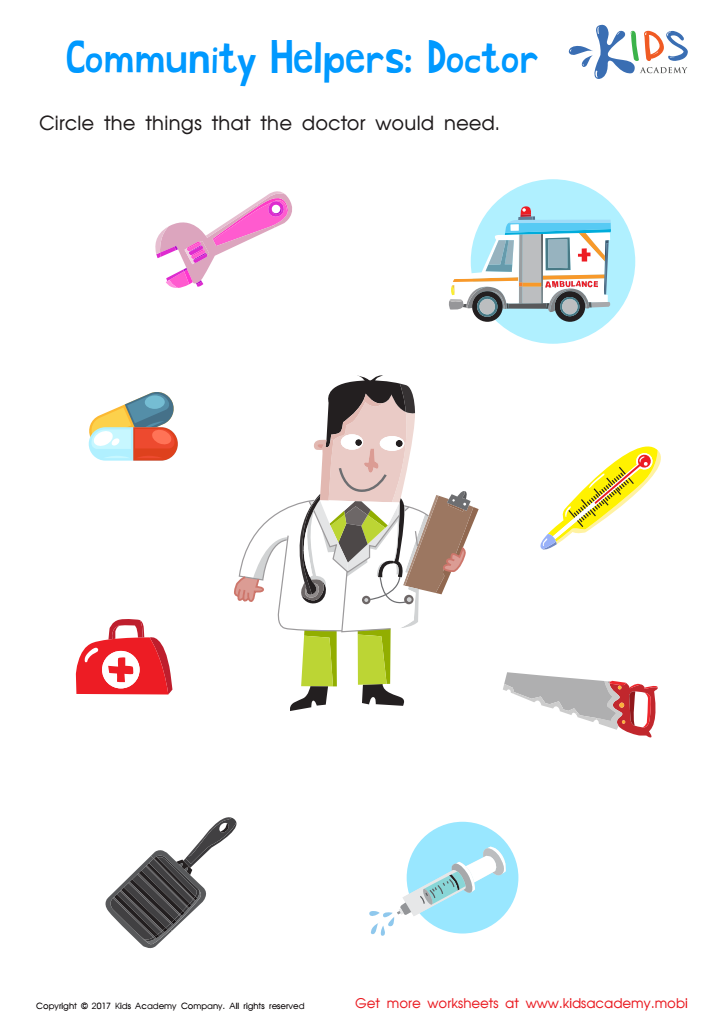
See Your Doctor (Part 1) Printable
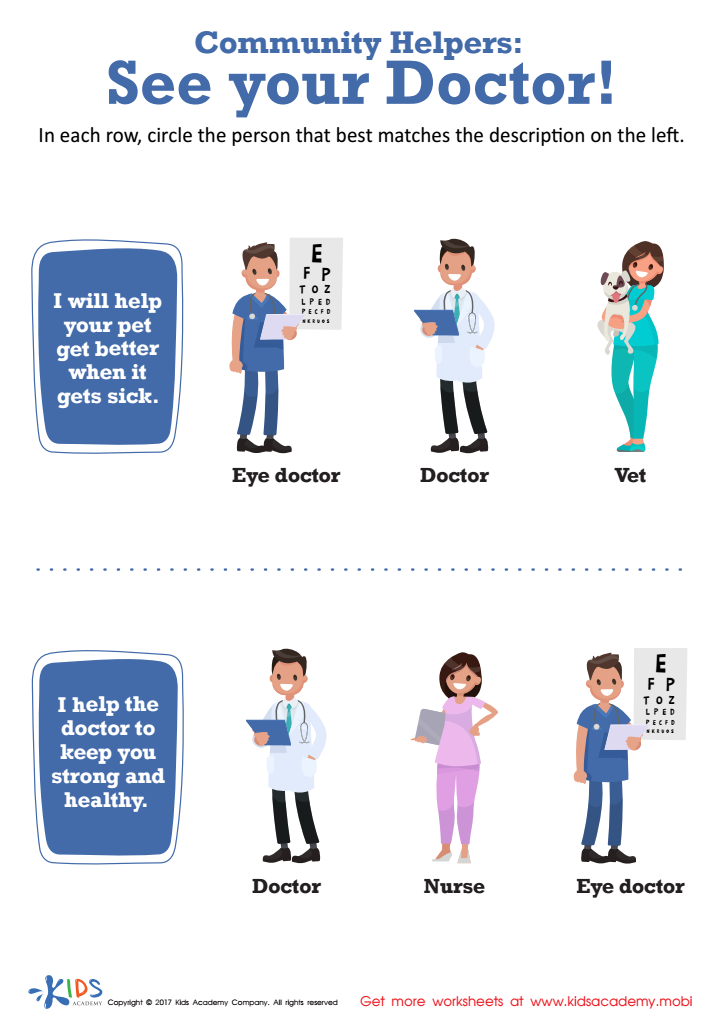
See Your Doctor (Part 2) Printable
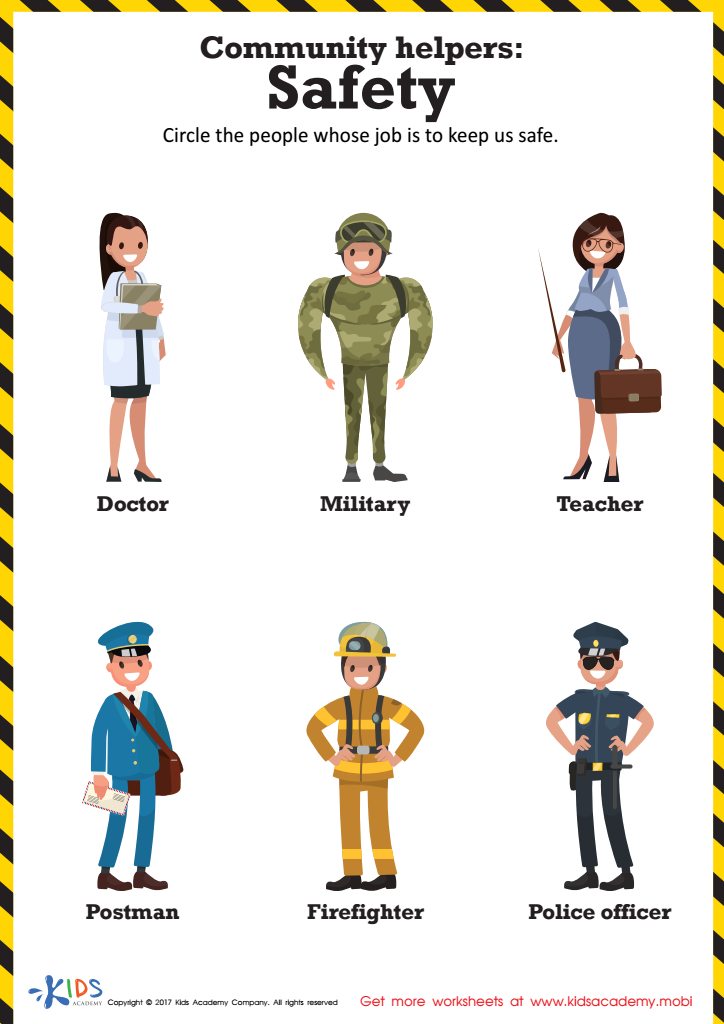
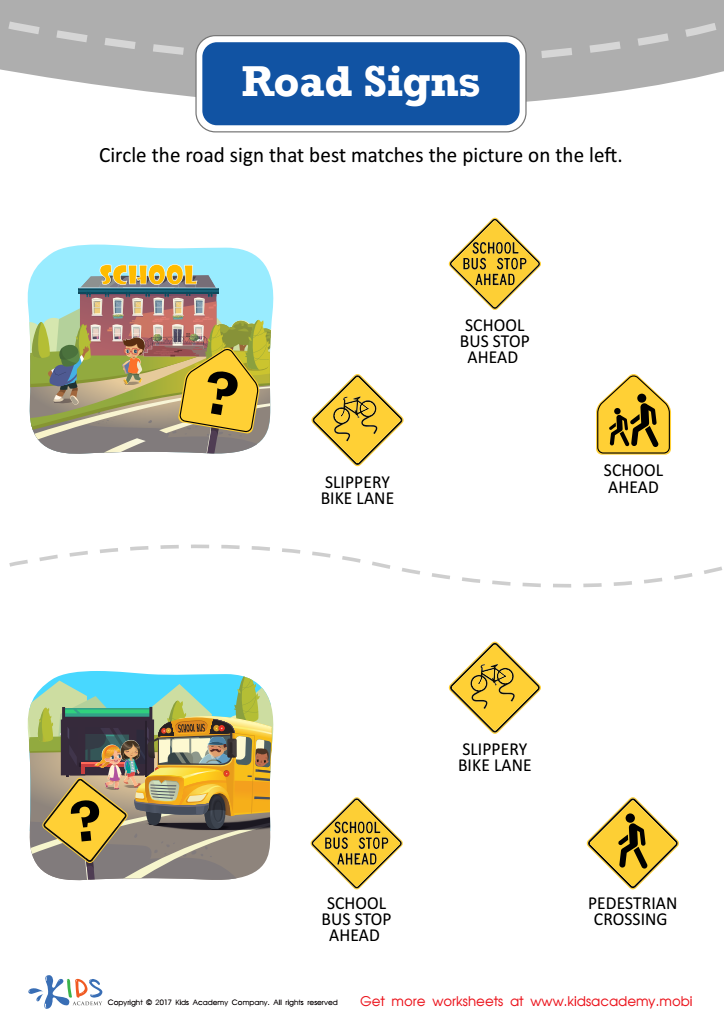
Road Signs (Part 1) Worksheet








Understanding the normal world around us is crucial for children aged 6-9, as it shapes their curiosity and foundational knowledge about their environment. During this developmental stage, children become more aware of the world and start to ask questions about it. Parents and teachers play a pivotal role in fostering this inquisitiveness by introducing concepts of nature, community, and everyday life.
By exploring subjects such as weather, wildlife, seasons, and the human impact on the environment, children develop a sense of their place in the world. This knowledge ignites a love for learning and encourages empathy towards living things around them. Interactive engagement, such as nature walks or community activities, makes learning relatable and fun.
Additionally, equipping kids with an understanding of their surroundings enhances critical thinking and observational skills. It helps them make sense of unfamiliar situations, promoting problem-solving abilities and resilience. In a rapidly changing world, teaching children to recognize the normalcy of their environment is essential for cultivating independence and environmental stewardship. Ultimately, teaching kids about the normal world empowers them to navigate life confidently, establishing a strong foundation for responsible citizenship and sustainable living. Parents and teachers should prioritize these explorations to support children’s holistic development.