Normal Tracing Words Worksheets for Ages 6-9 - Page 2
34 filtered results
-
From - To
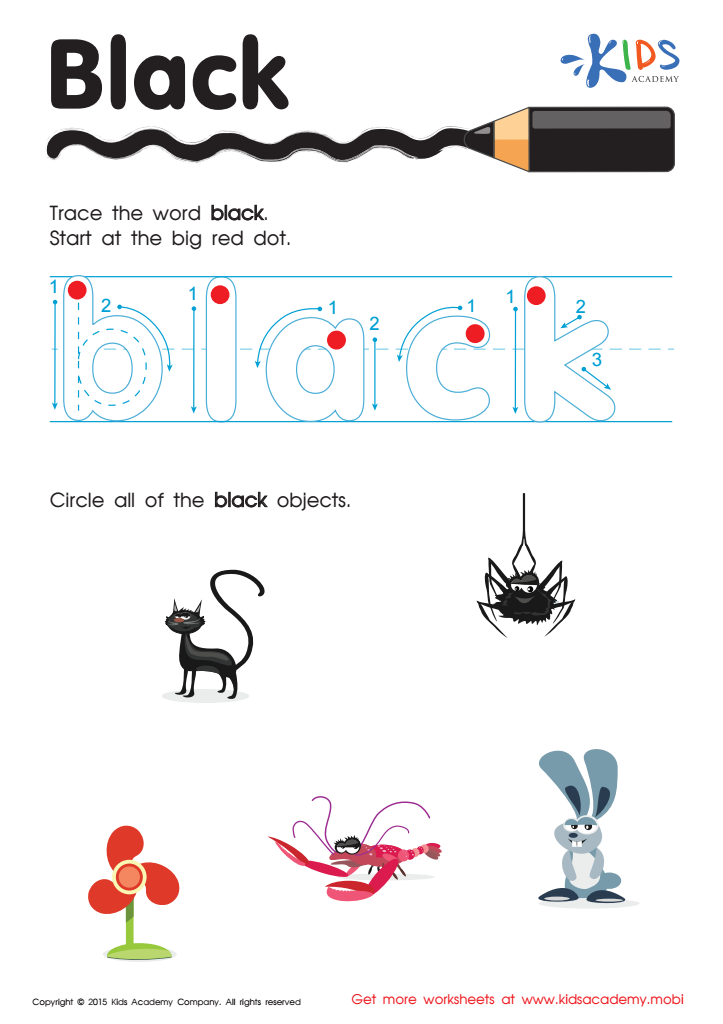
Black Tracing Color Words Printable
 Assign to My Students
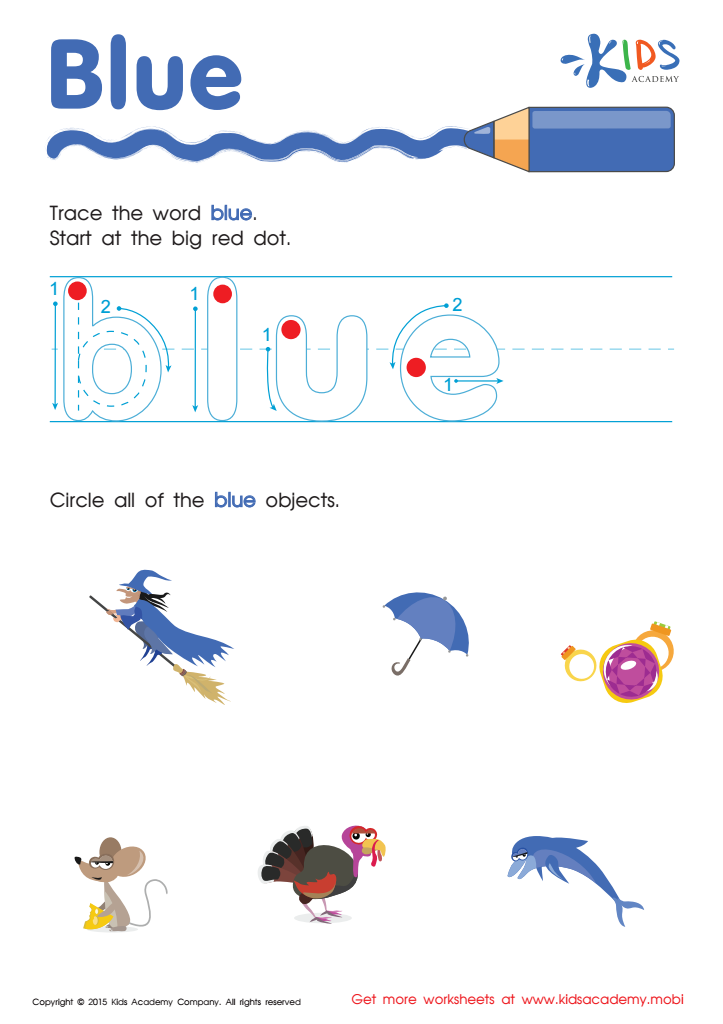
Blue Tracing Color Words Printable
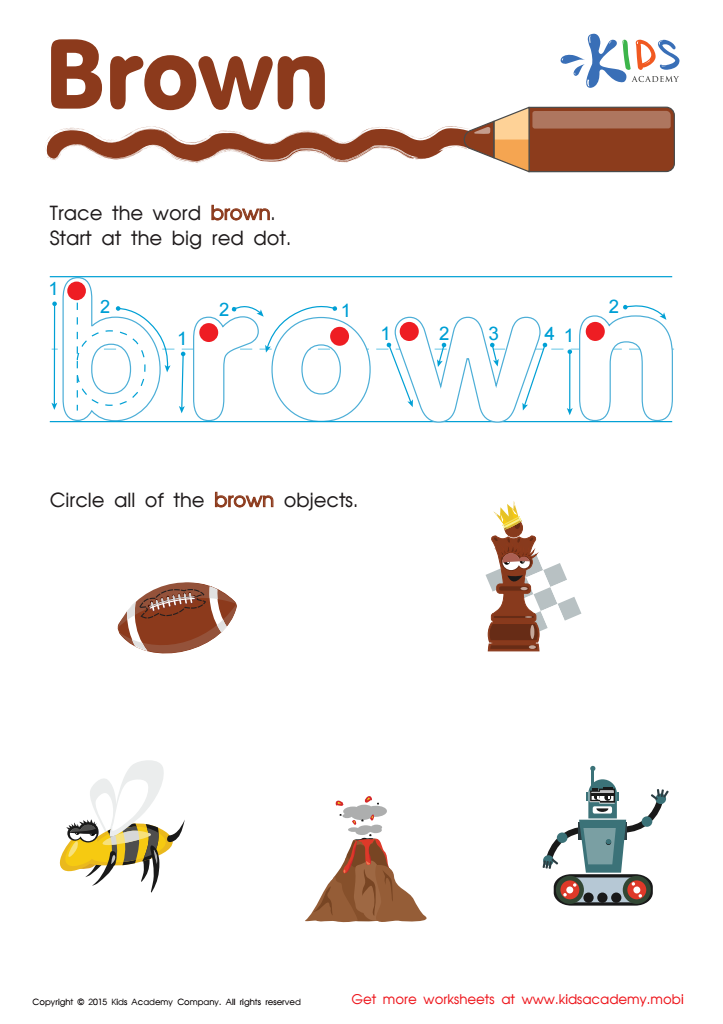
Brown Tracing Color Words Worksheet
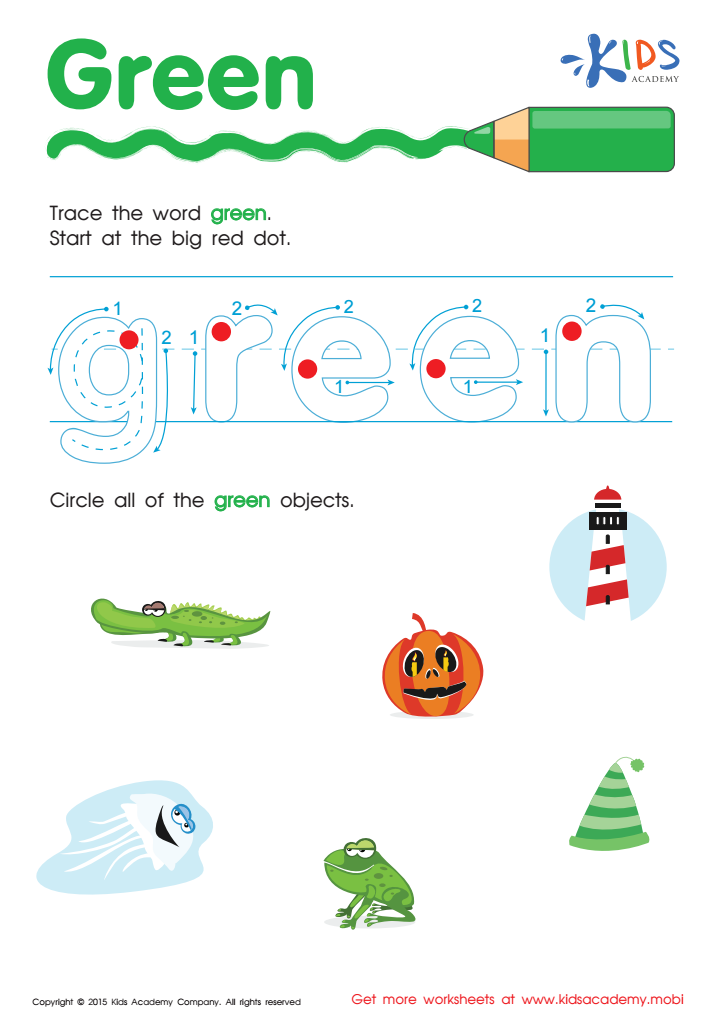
Green Tracing Color Words Worksheet
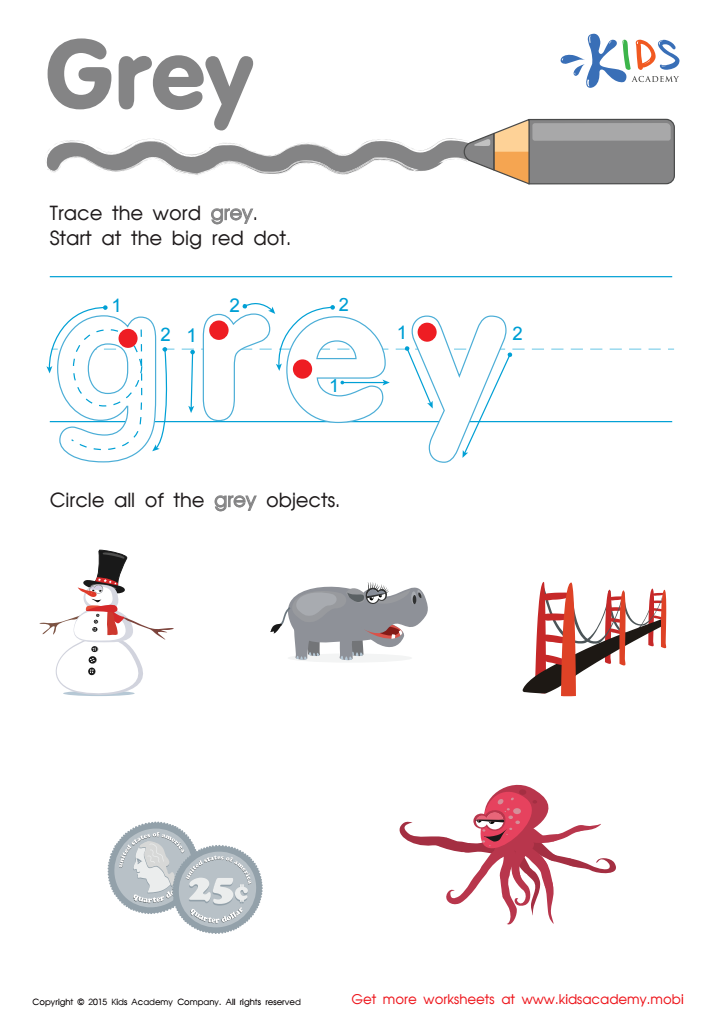
Grey Tracing Color Words Worksheet
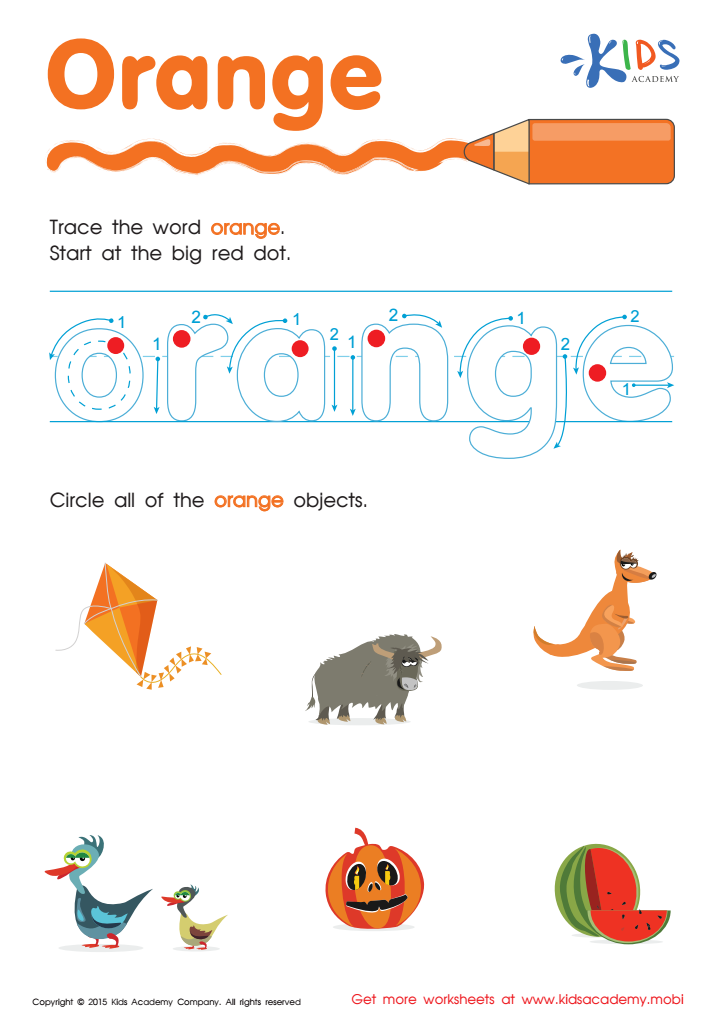
Orange Tracing Color Words Worksheet
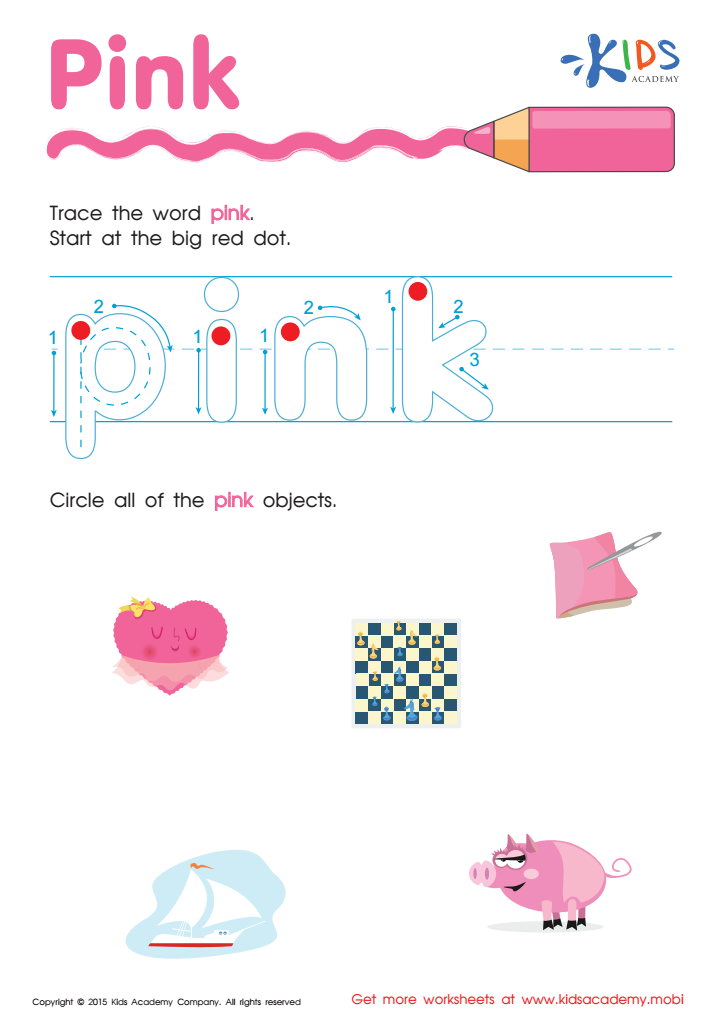
Pink Tracing Color Words Worksheet
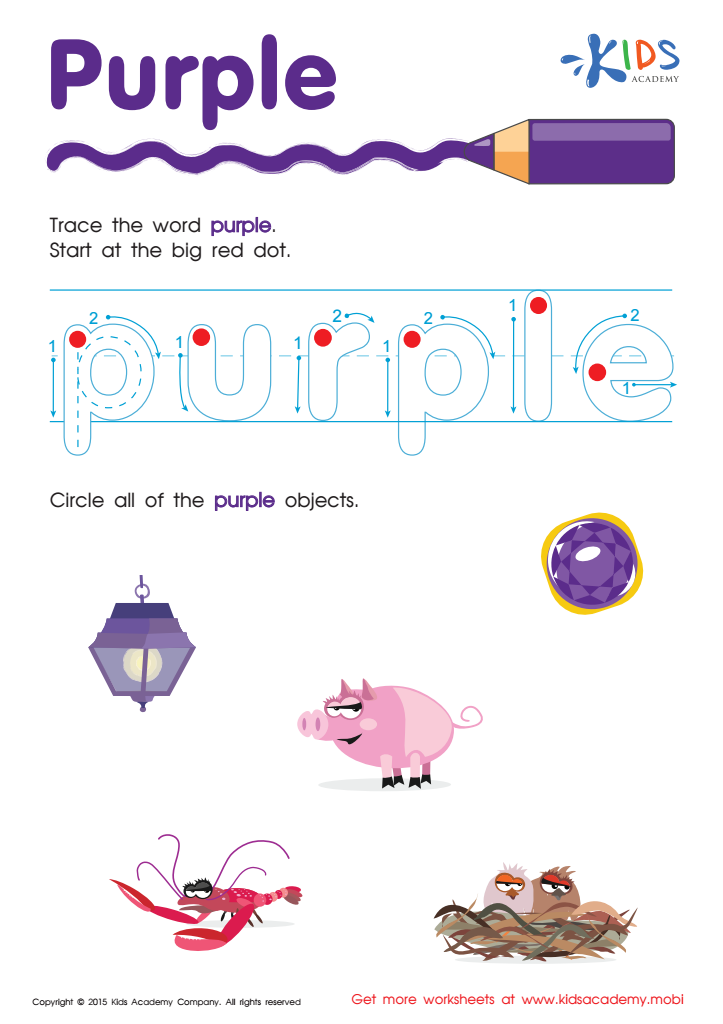
Purple Tracing Color Words Worksheet
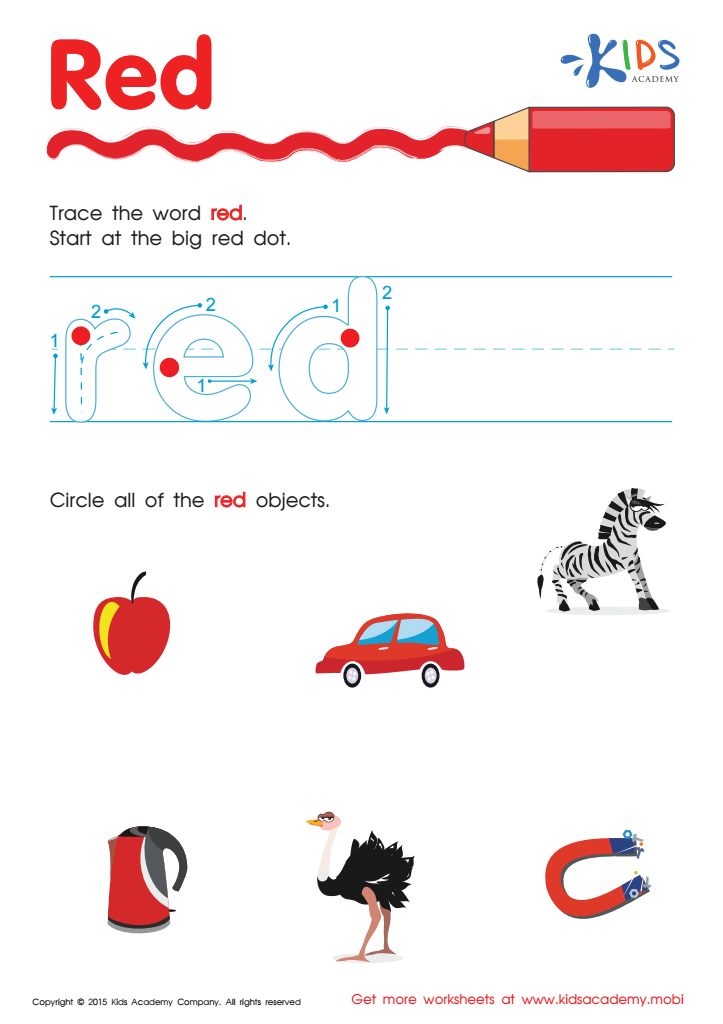
Red Tracing Color Words Printable
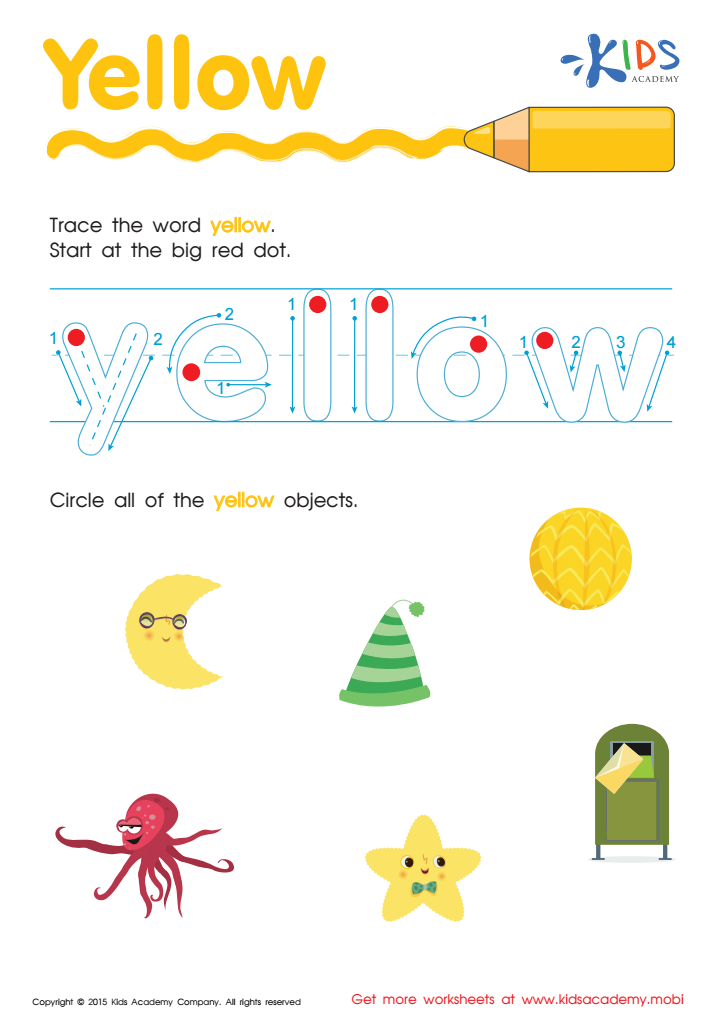
Yellow Tracing Color Words Worksheet








Parents and teachers should prioritize normal tracing words for children ages 6-9 because this formative activity underpins essential literacy skills. At these ages, children are transitioning from learning to read to reading to learn, making it a critical period for solidifying foundational language abilities. Tracing words helps kids develop fine motor skills, which are necessary for proper pencil grip and handwriting coordination. It simultaneously reinforces letter recognition and familiarizes children with the shapes and sounds of letters and words, driving home the connection between spoken and written language.
Moreover, tracing offers an engaging, multisensory way to learn. This can make literacy experiences more enjoyable and less intimidating for young learners, fostering a positive attitude towards reading and writing. Repetition inherent in tracing builds muscle memory and reinforces neural pathways associated with language, improving recall and fluency.
In addition, tracing exercises often include vocabulary that promotes word familiarity and usage. This early practice helps expand a child's lexicon, enhancing both comprehension and expression. Finally, the structured nature of tracing activities can give children a sense of accomplishment and boost confidence in their academic capabilities, laying a strong foundation for future educational success. By investing in this simple yet powerful tool, parents and teachers can significantly influence a child's literacy trajectory.