Normal Math Worksheets for Ages 7-9 - Page 13
382 filtered results
-
From - To
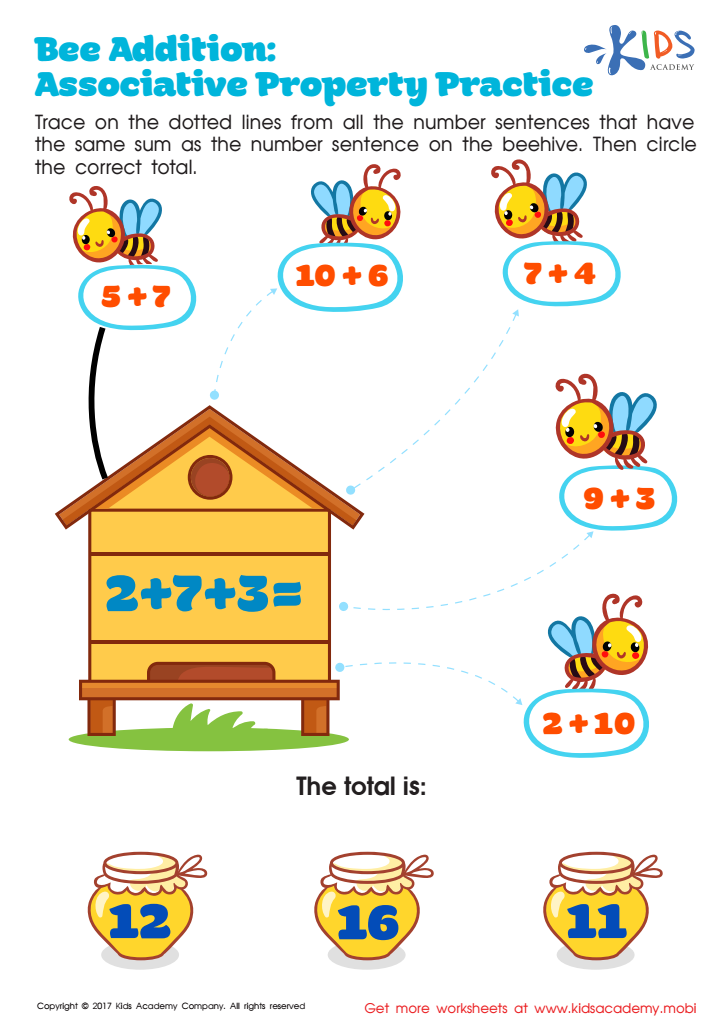
Bee Addition: Associative Property Practice Worksheet
 Assign to My Students
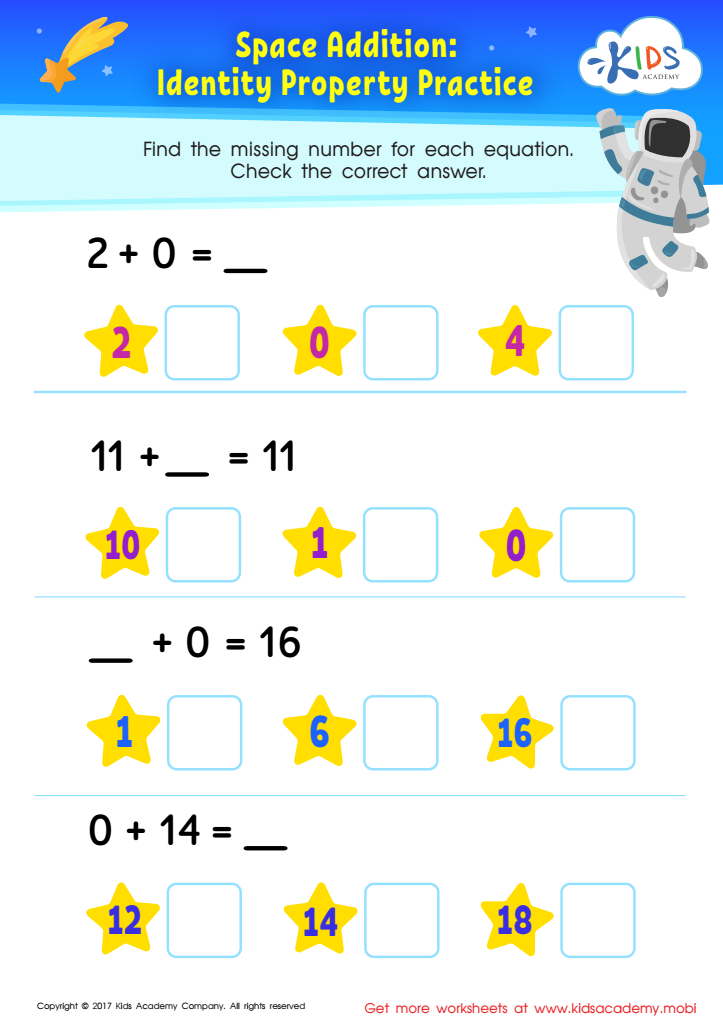
Space Addition: Identity Property Practice Worksheet
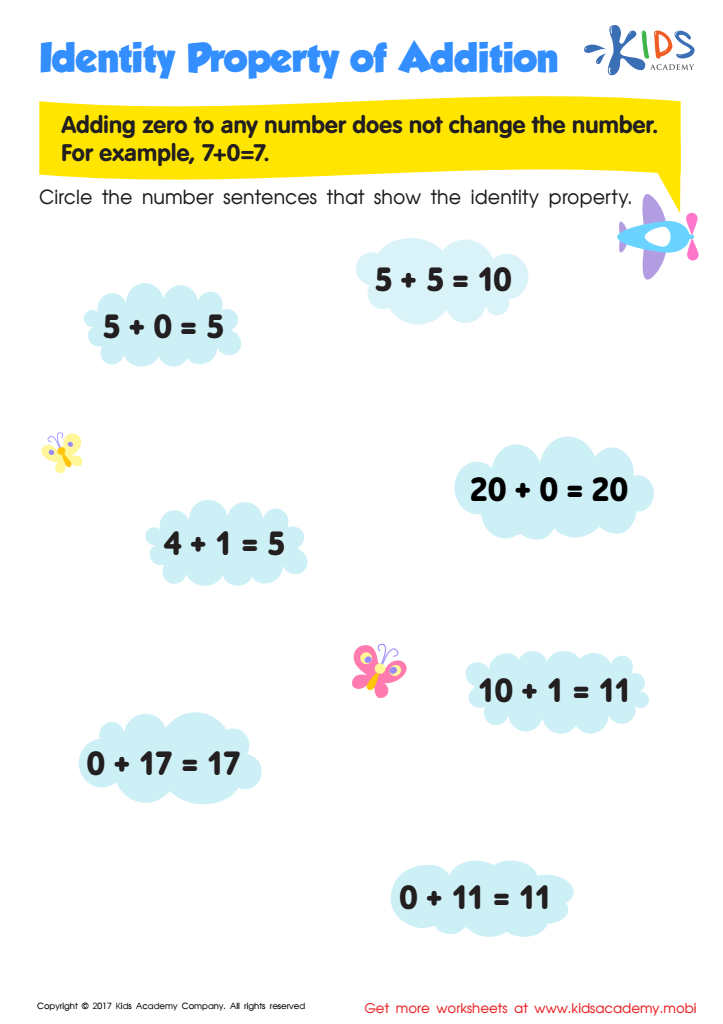
Identity Property of Addition Worksheet
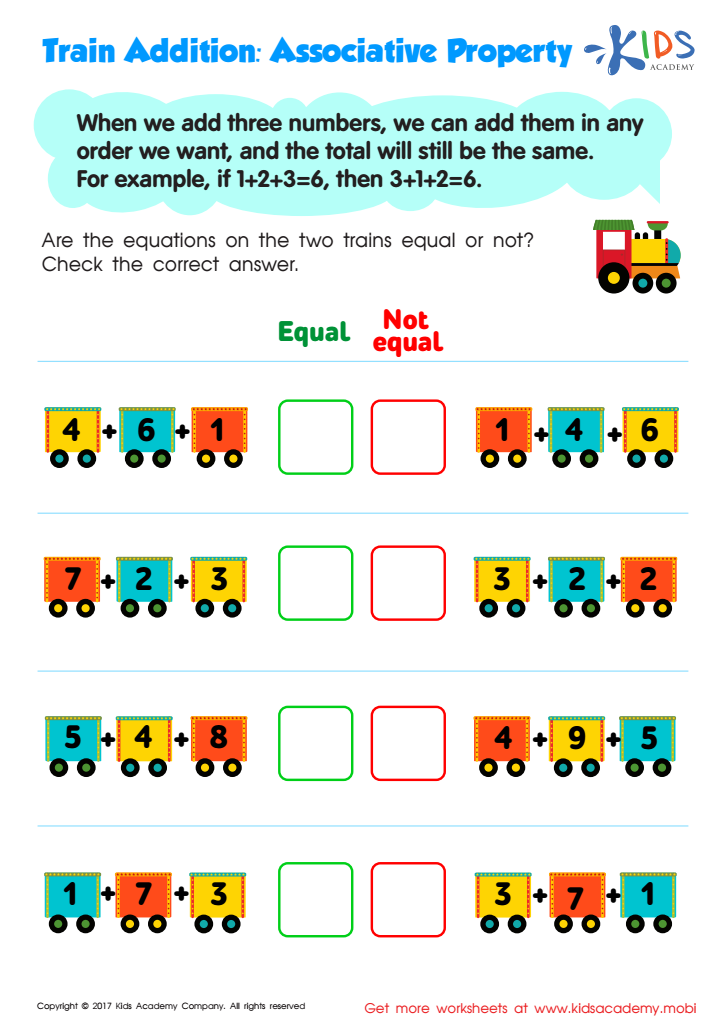
Train Addition: Associative Property Worksheet
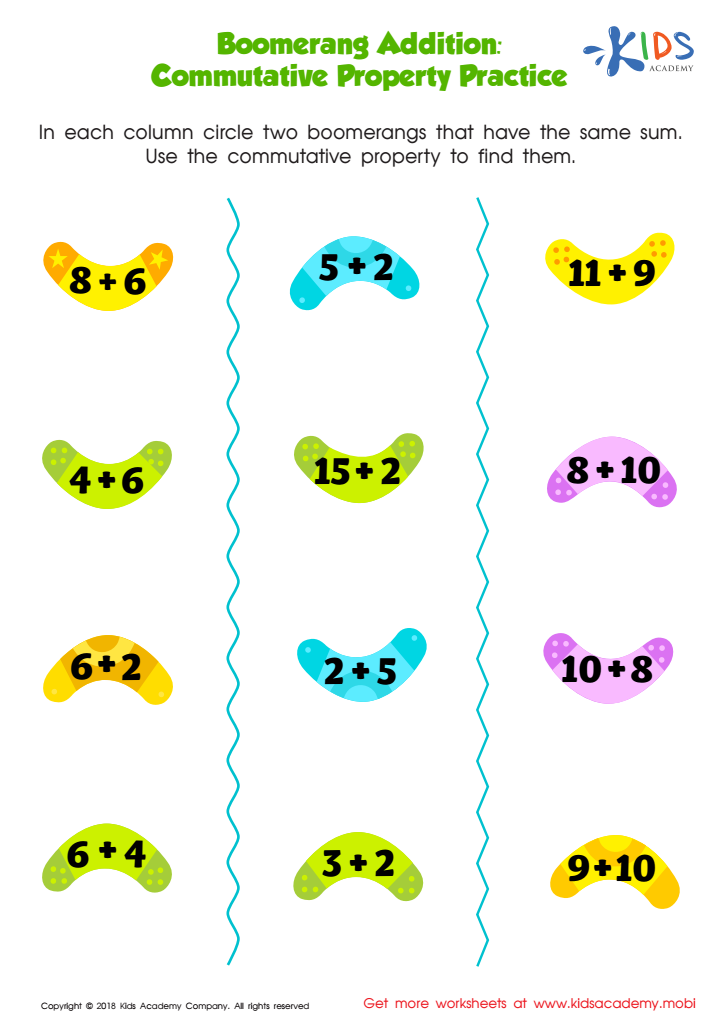
Boomerang Addition Worksheet
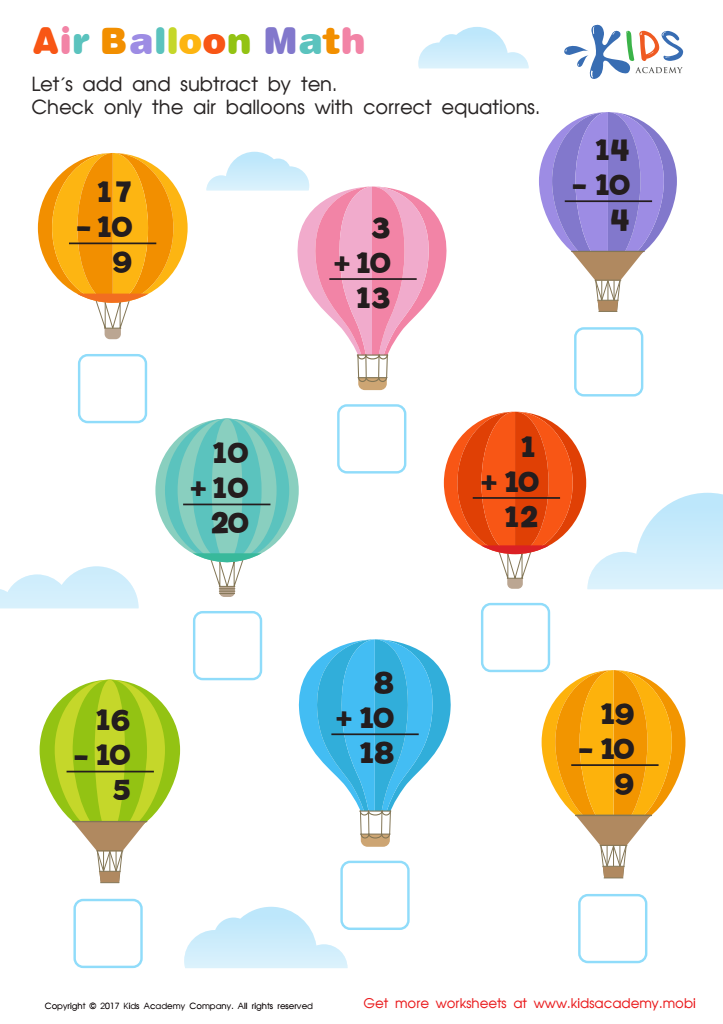
Air Balloon Math Worksheet
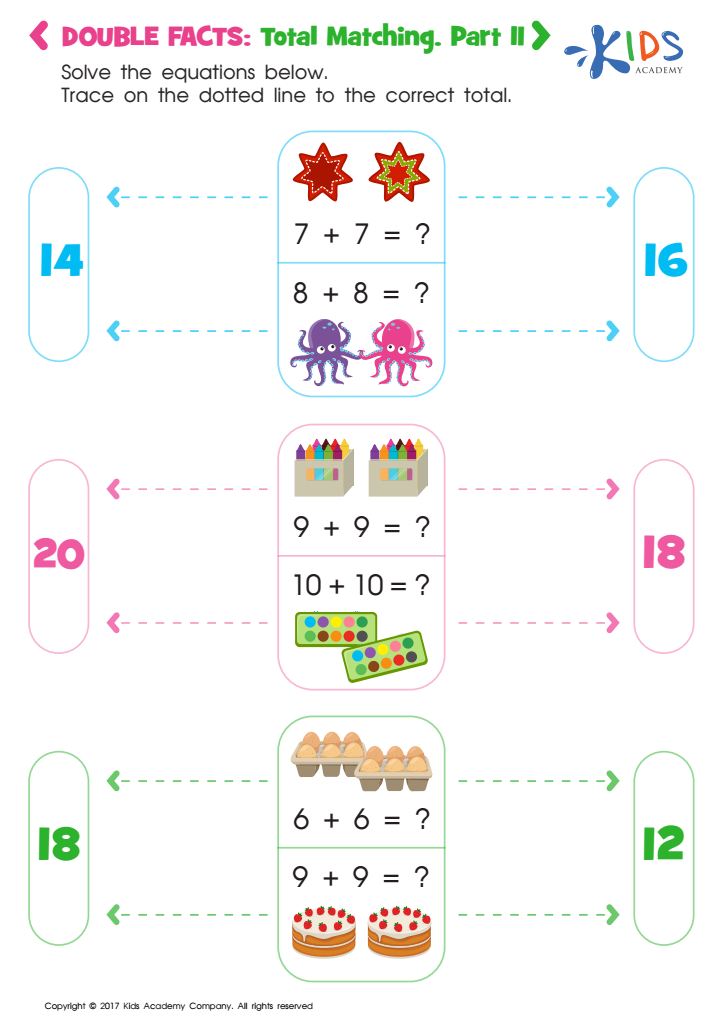
Double Facts: Total Matching 2 Worksheet
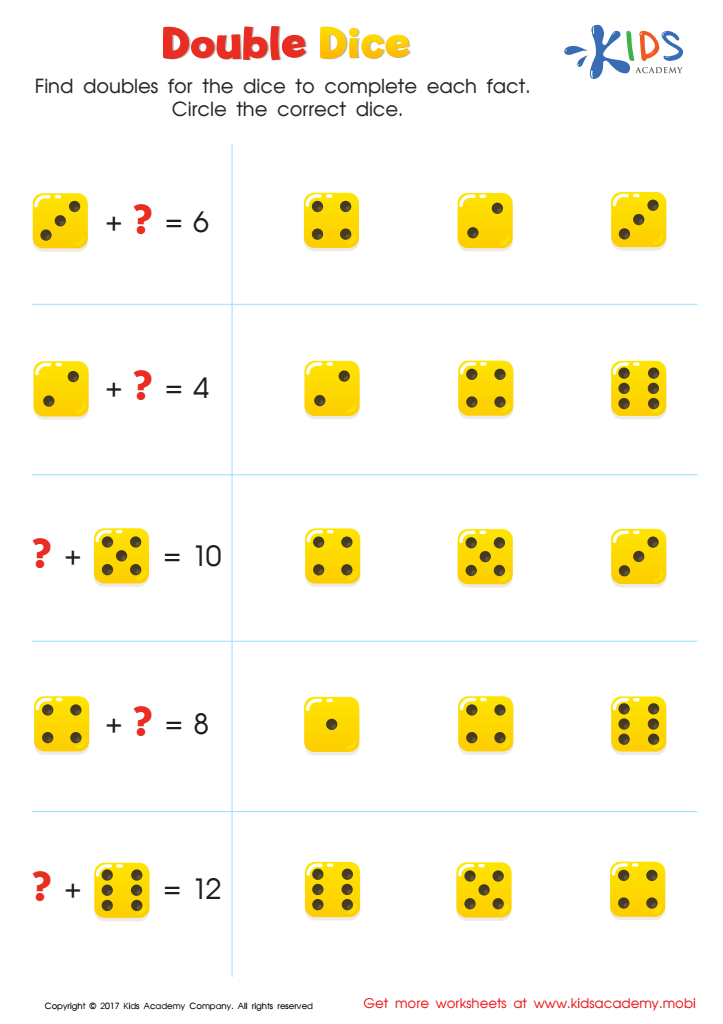
Addition Facts: Double Dice Worksheet
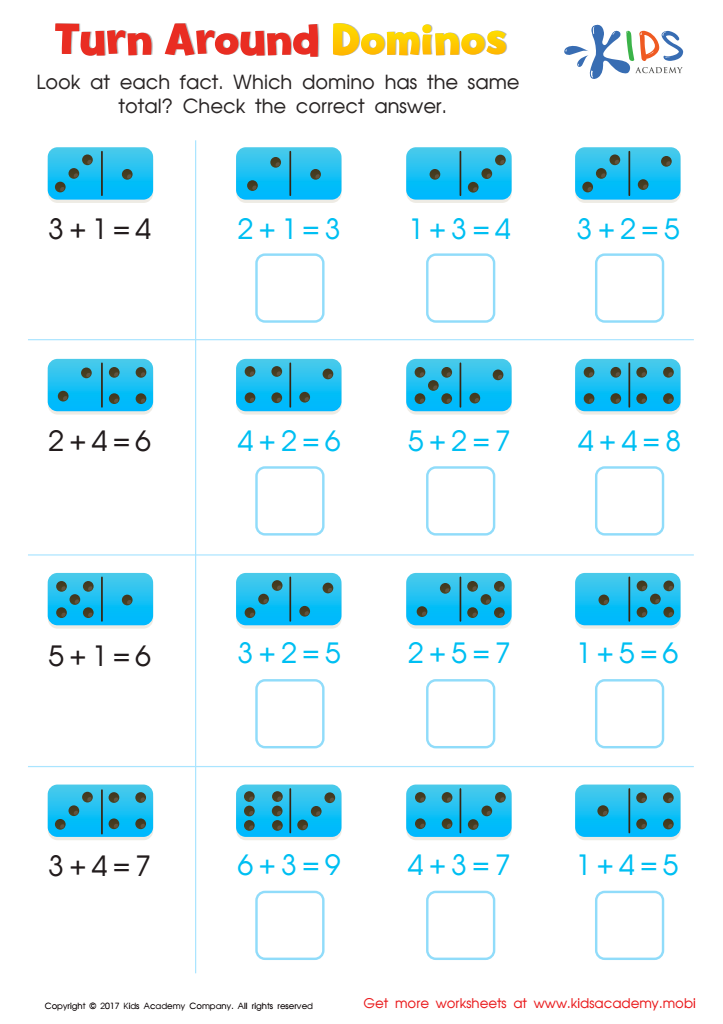
Turn Around Dominos Worksheet
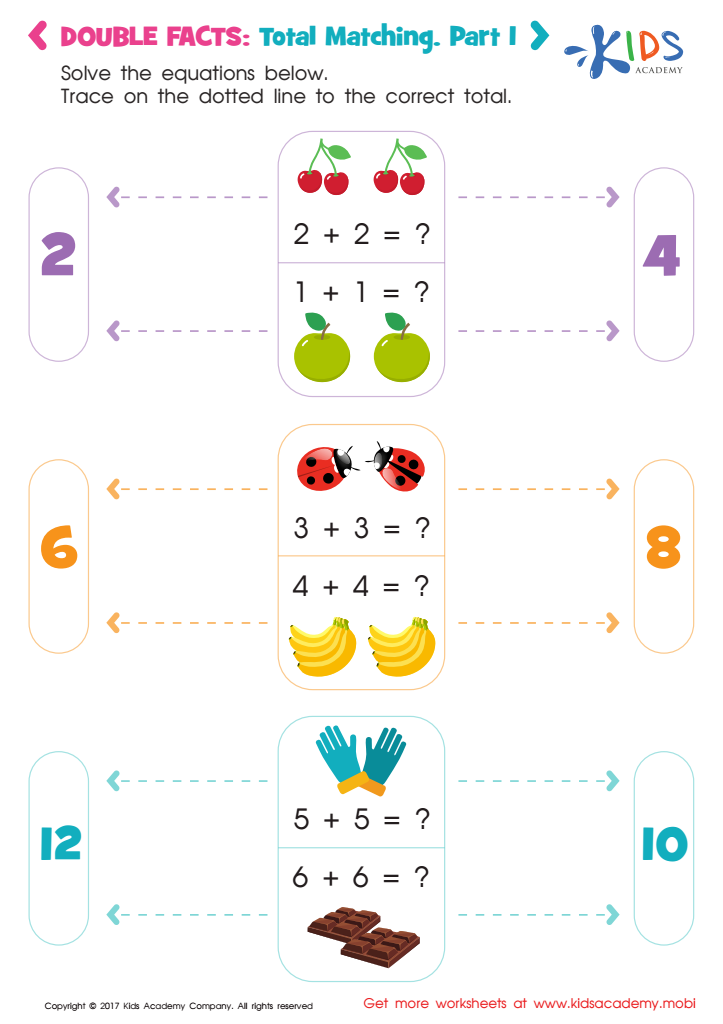
Double Facts: Total Matching Worksheet: Part 1
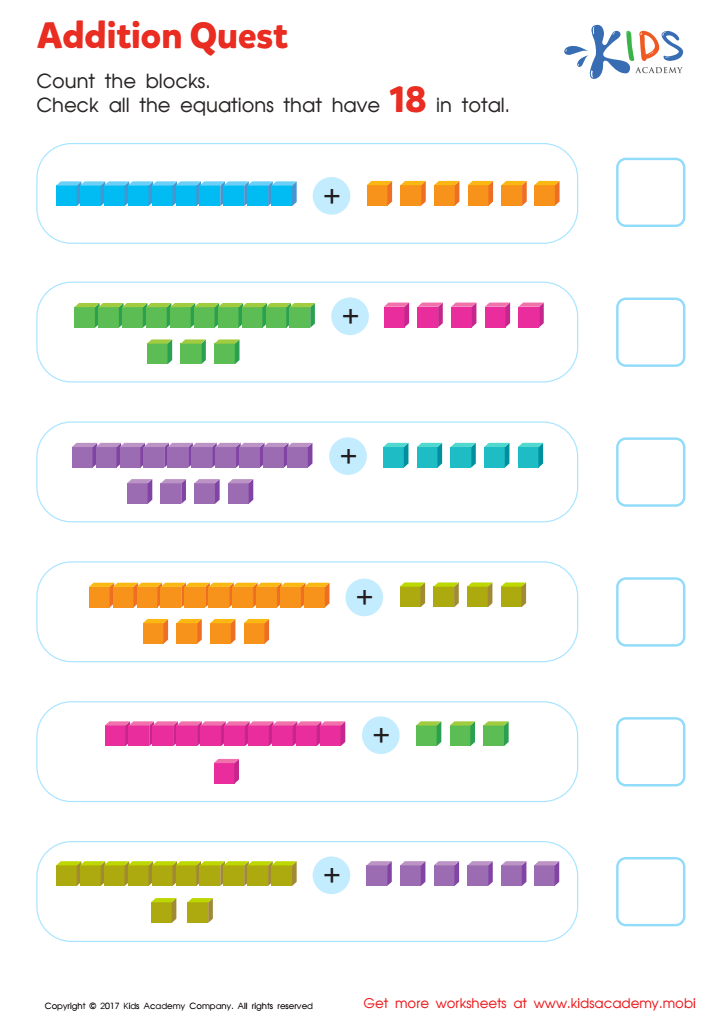
Addition Quest Worksheet: Part 2
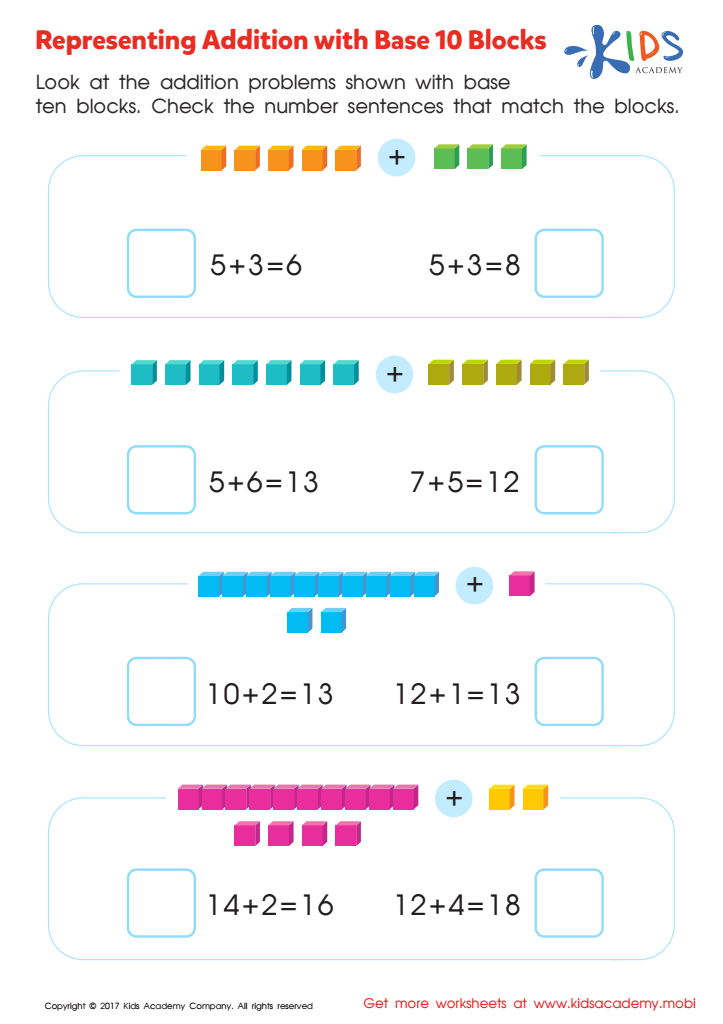
Representing Addition with Base 10 Blocks Worksheet
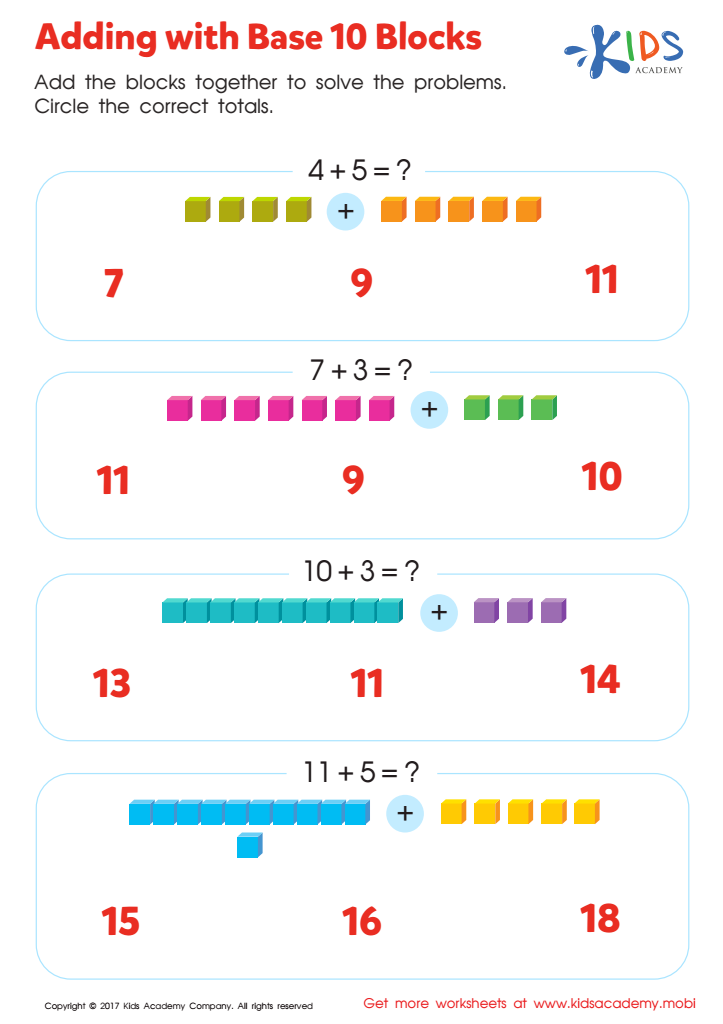
Adding with Base Ten Blocks Worksheet
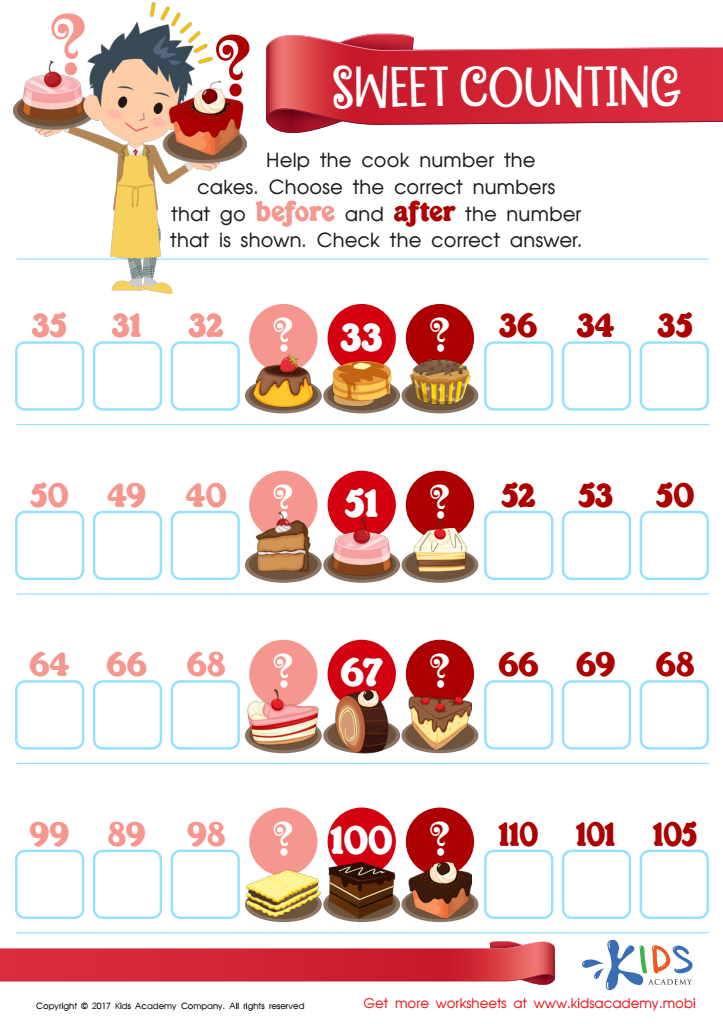
Sweet Counting - Part 1 Worksheet
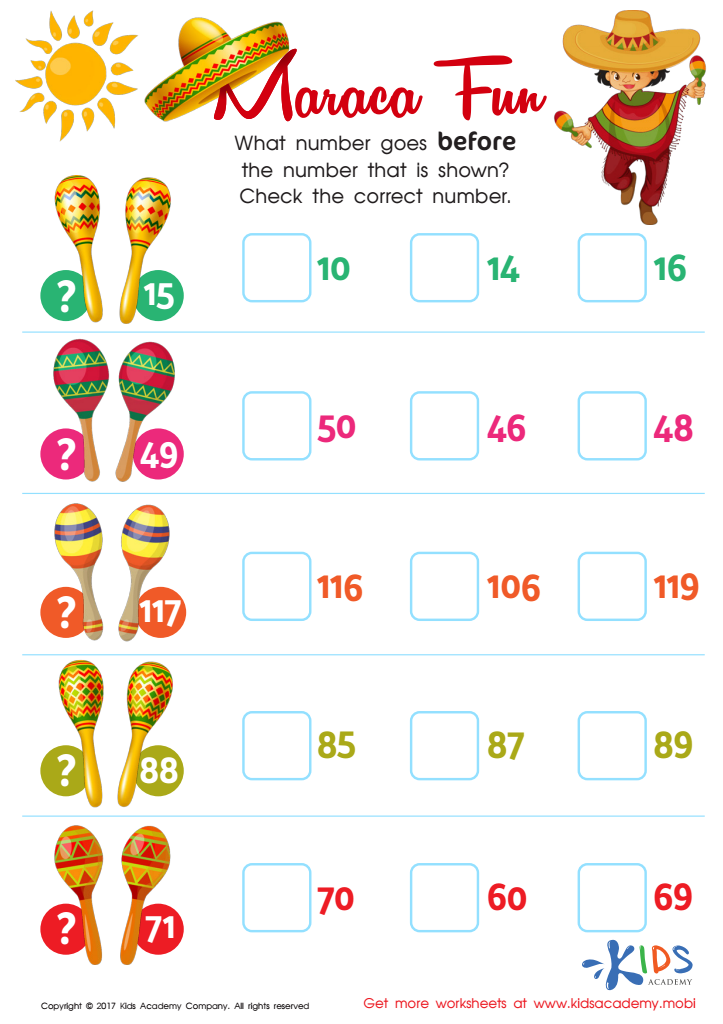
Counting: Maraca Fun Worksheet
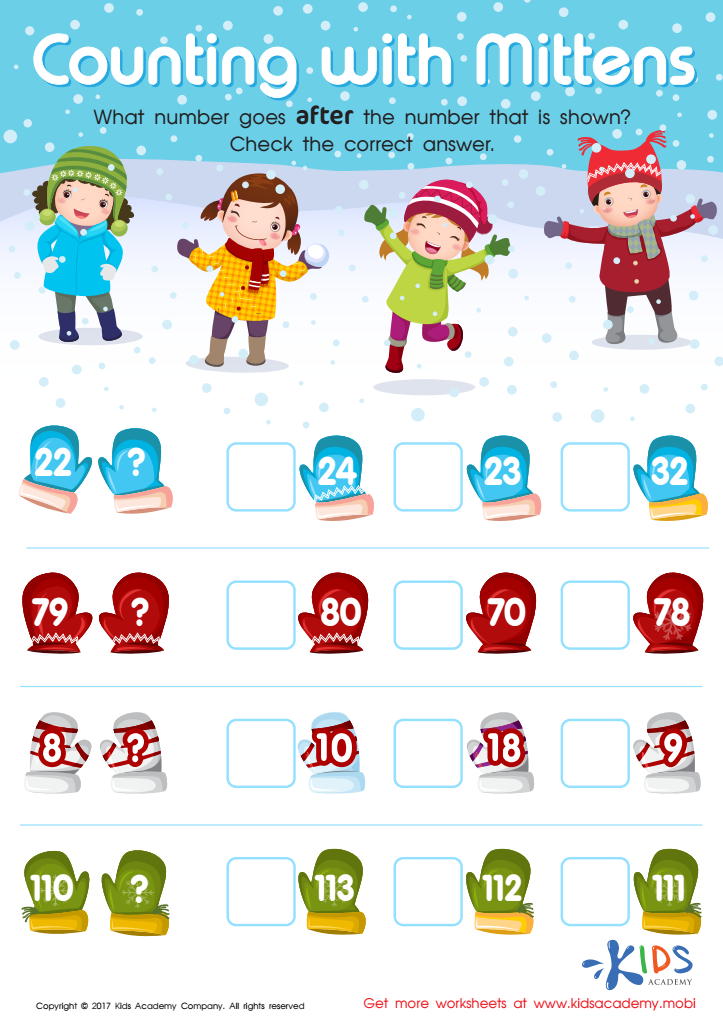
Counting with Mittens Worksheet
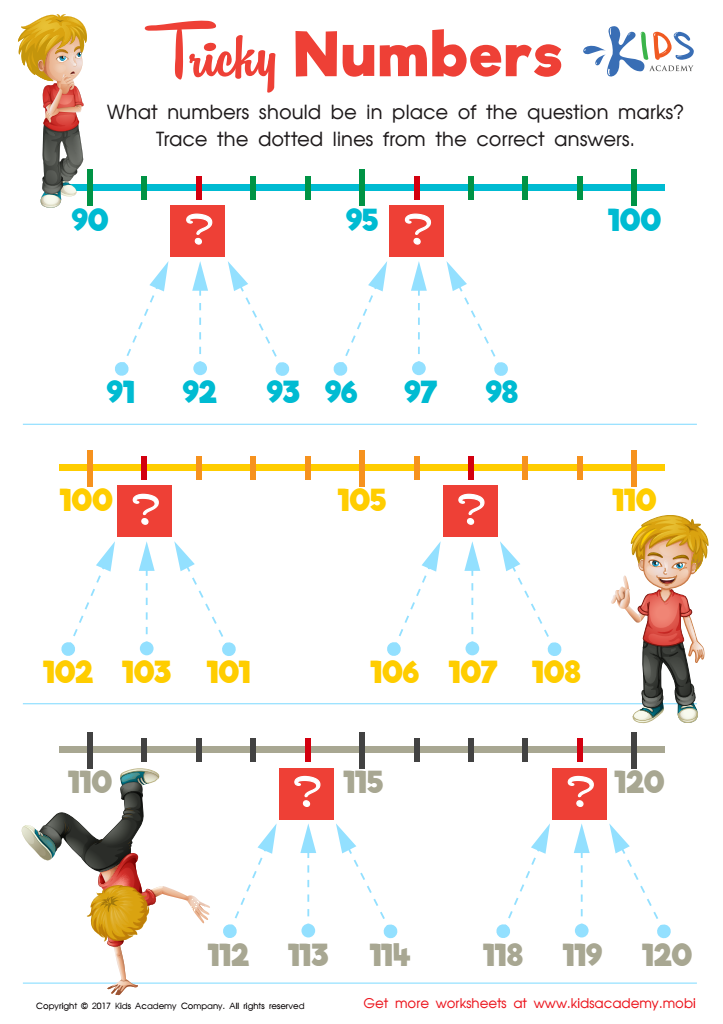
Tricky Numbers Worksheet
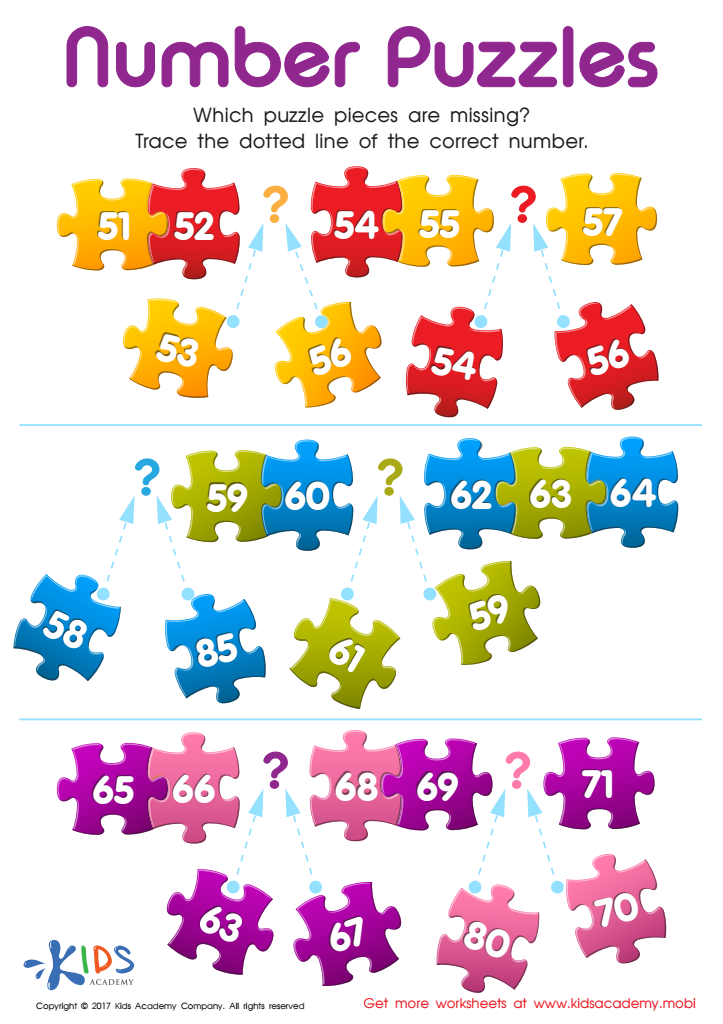
Number Puzzles Worksheet
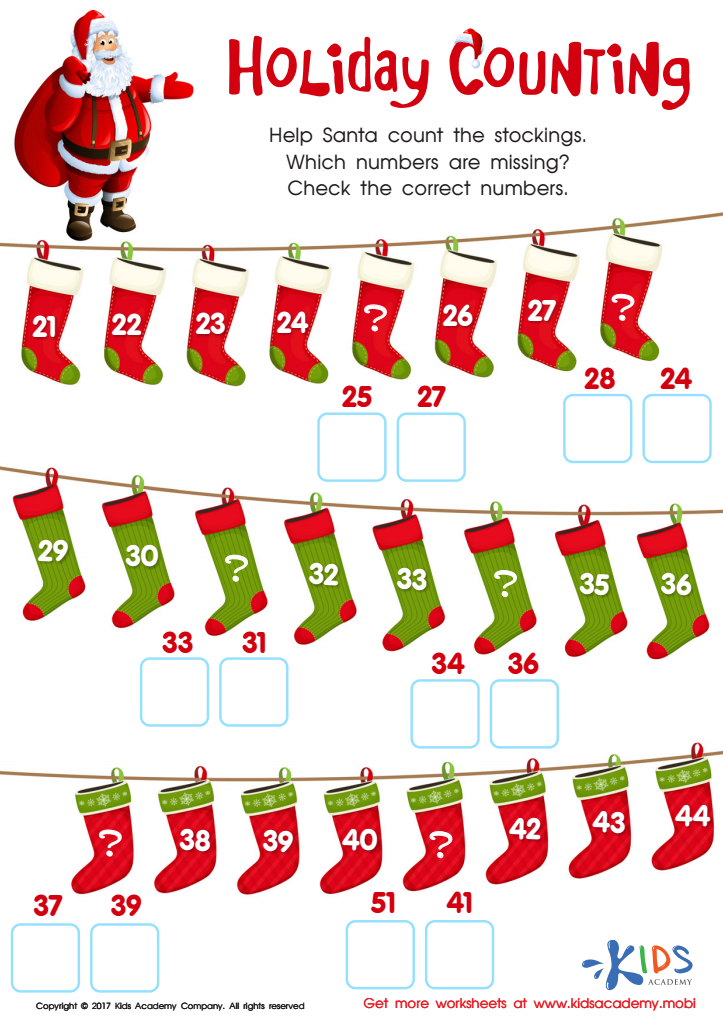
Holiday Counting Worksheet
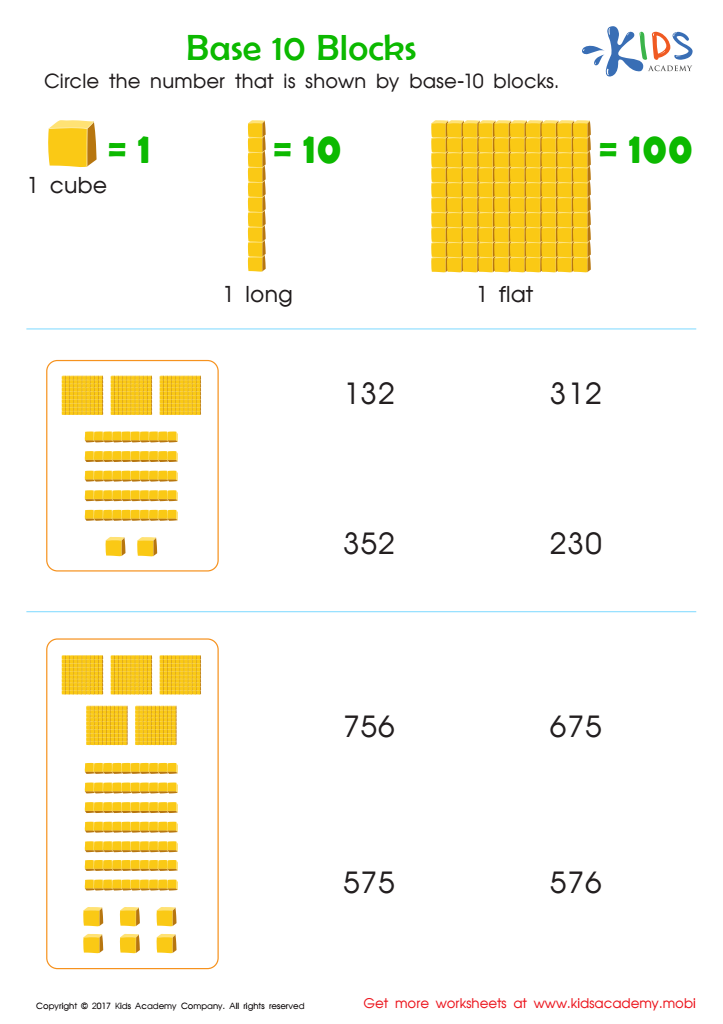
Base Ten Blocks Worksheet
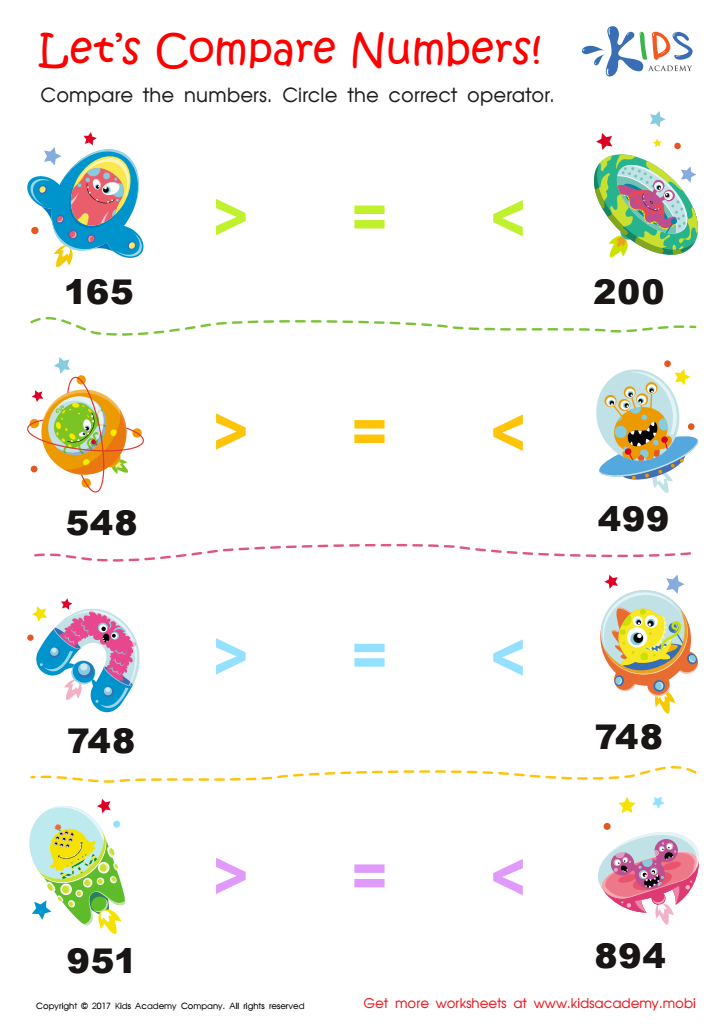
Comparing Numbers Worksheet for 2nd Grade
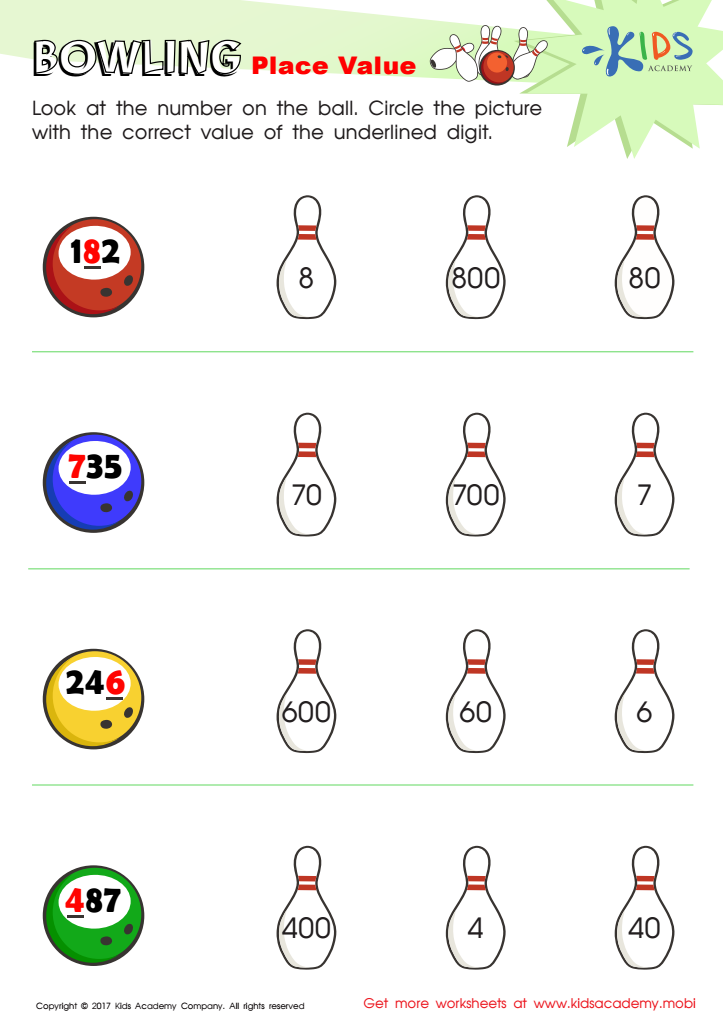
Place Value Worksheet
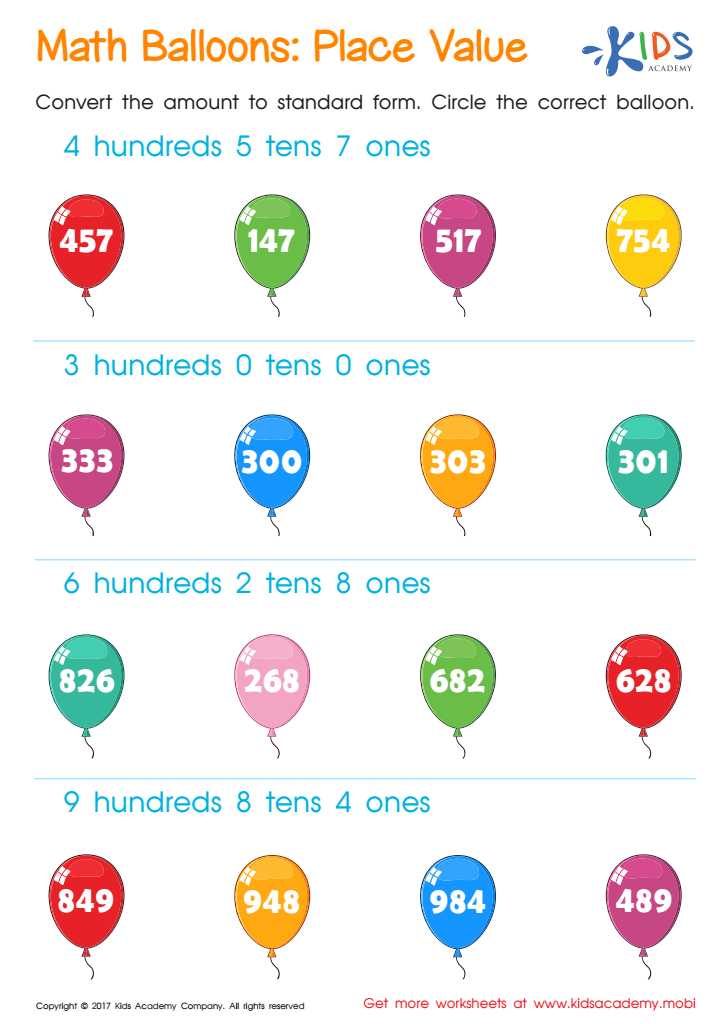
Place Value Printable Worksheet
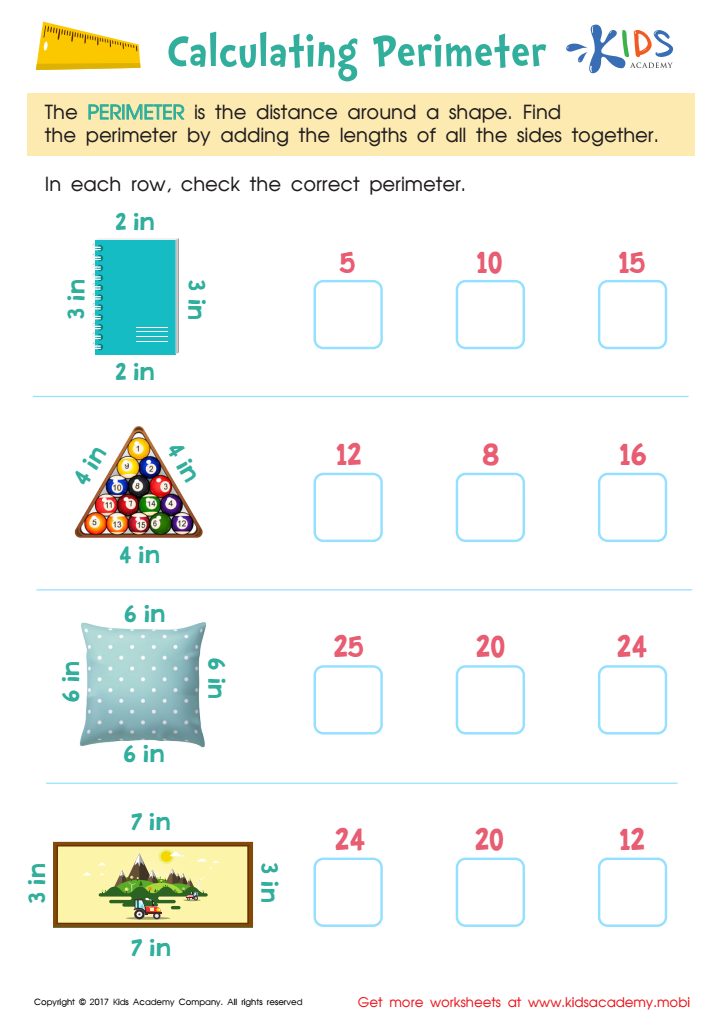
Calculating Perimeter Worksheet







.jpg)
Parents and teachers should care about normal math for children aged 7-9 because it forms the critical foundation for future learning and cognitive development. At this age, children begin to grasp key mathematical concepts such as addition, subtraction, multiplication, and division. Understanding these basics is crucial for building proficiency in more advanced subjects like algebra, geometry, and statistics.
Early math skills are also strongly linked to overall academic success. Research has shown that children who are proficient in math at an early age are more likely to excel in other academic areas, including reading and science. This is due to the development of logical thinking, problem-solving, and analytical skills that are fostered through early math education.
Furthermore, math isn’t just about numbers; it teaches life skills such as time management, budgeting, and logical reasoning. When parents and teachers prioritize math education, they provide children with the tools to navigate everyday challenges, boosting their confidence and independence.
Early engagement with math can also spark a lifelong interest in STEM (Science, Technology, Engineering, and Mathematics) fields, increasing future career opportunities. By ensuring that children receive a strong grounding in math from ages 7-9, we help set them on a path to long-term academic and personal success.








