Normal Reading Worksheets for Ages 7-9 - Page 6
270 filtered results
-
From - To
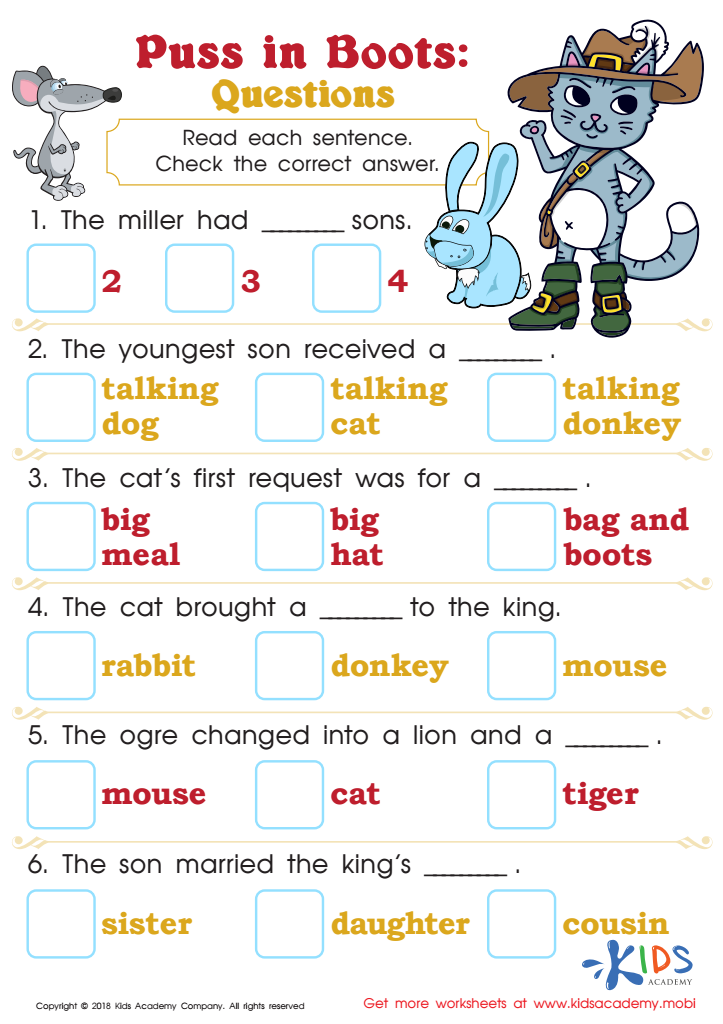
Puss in Boots: Questions Worksheet
 Assign to My Students
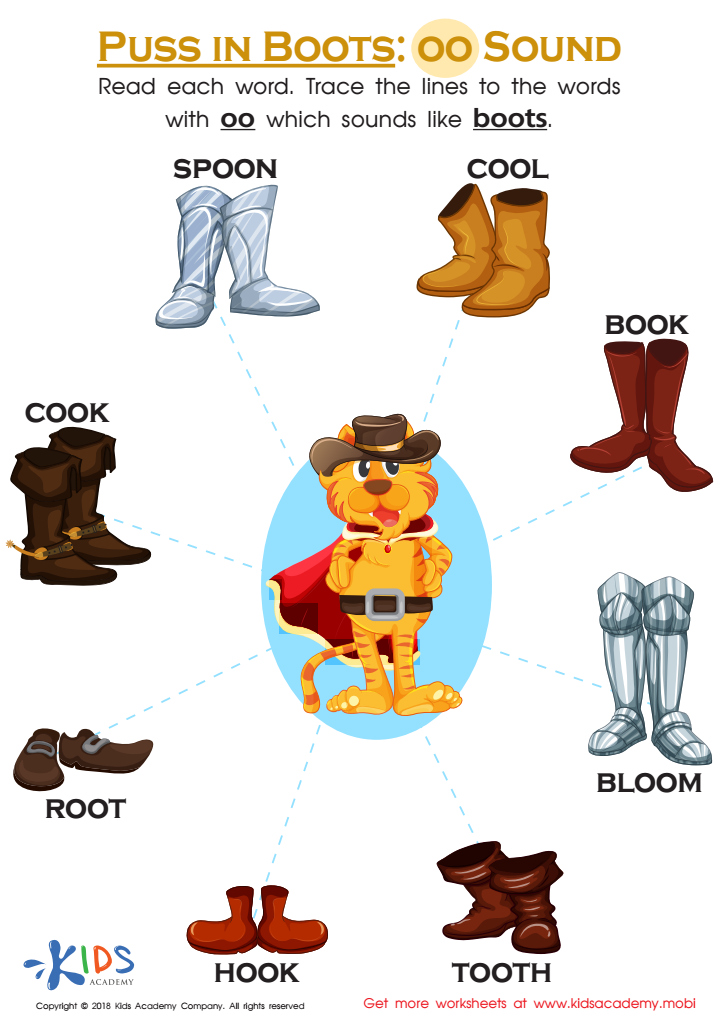
Puss in Boots: OO Sound Worksheet
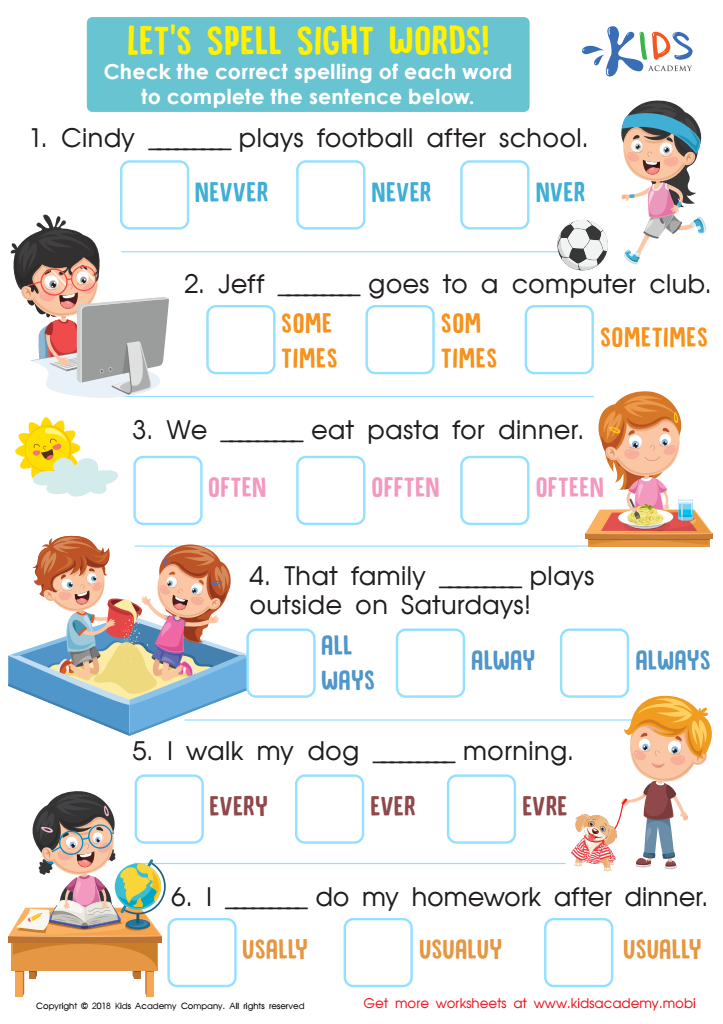
Let's Spell Sight Words Worksheet
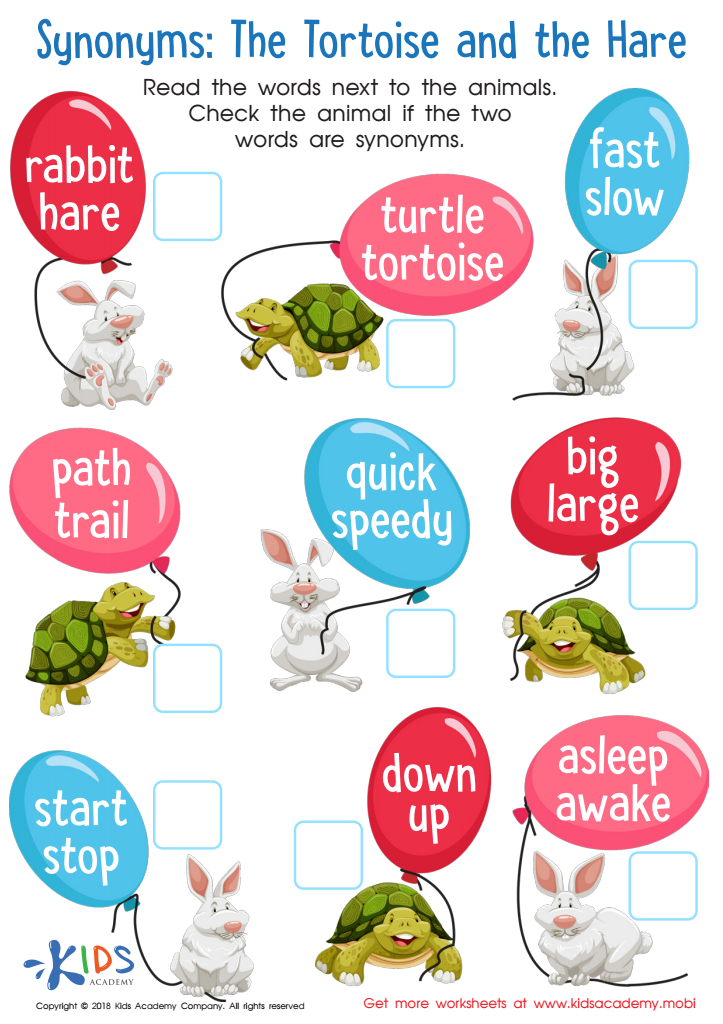
Synonyms: The Tortoise and Hare Worksheet
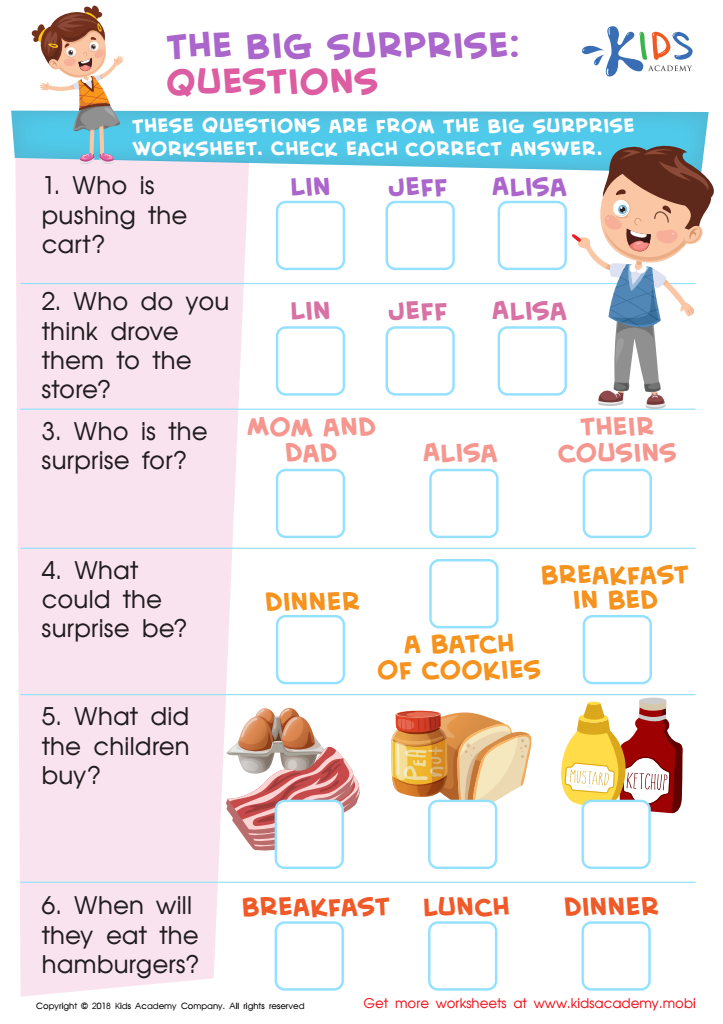
The Big Surprise: Questions Worksheet
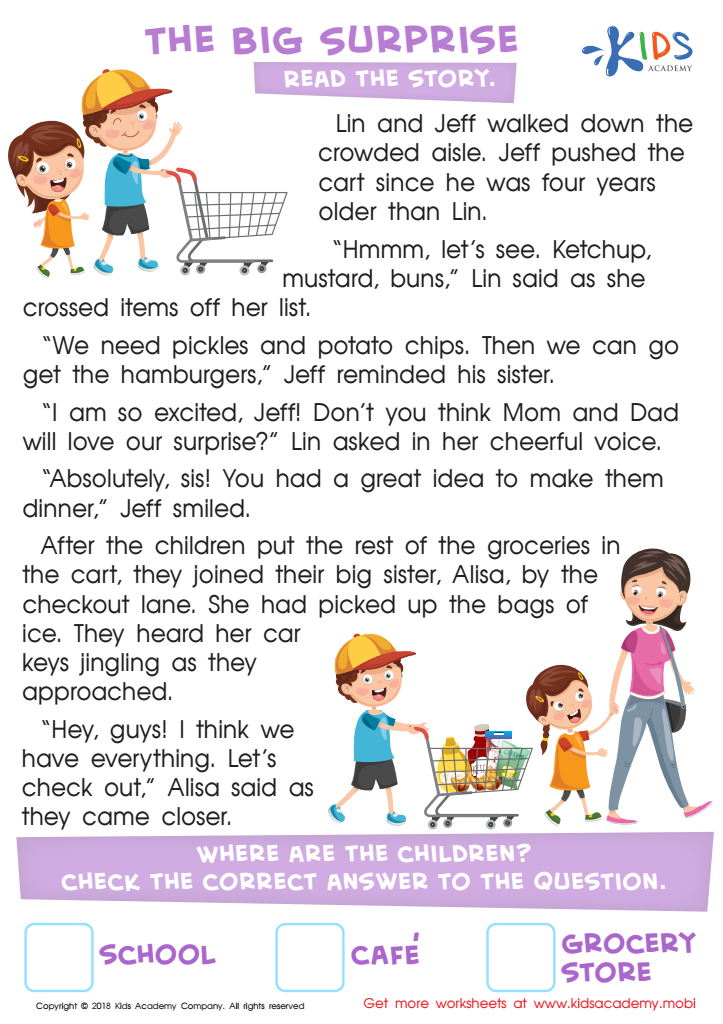
The Big Surprise Worksheet
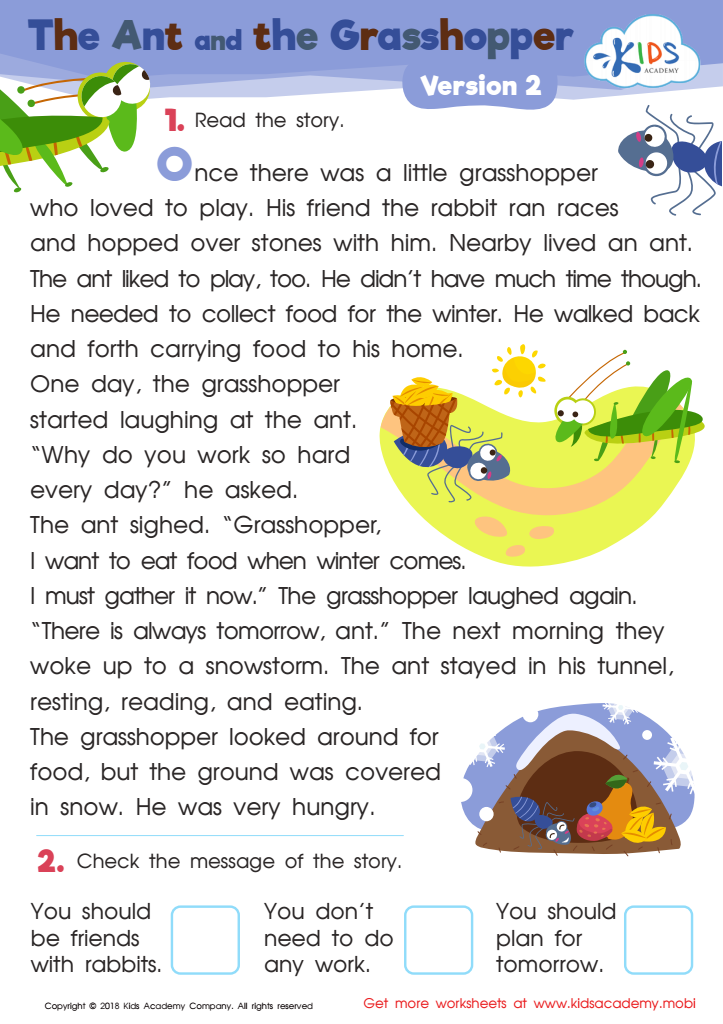
The Ant and The Grasshopper Version 2 Worksheet
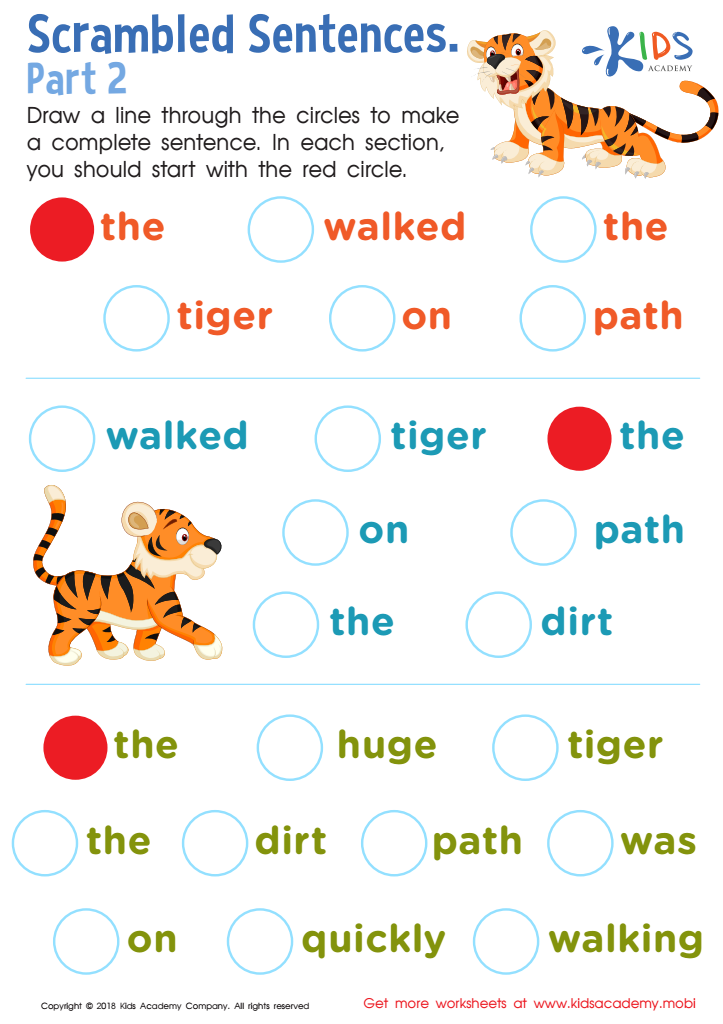
Scrambled Sentences Part 2 Worksheet
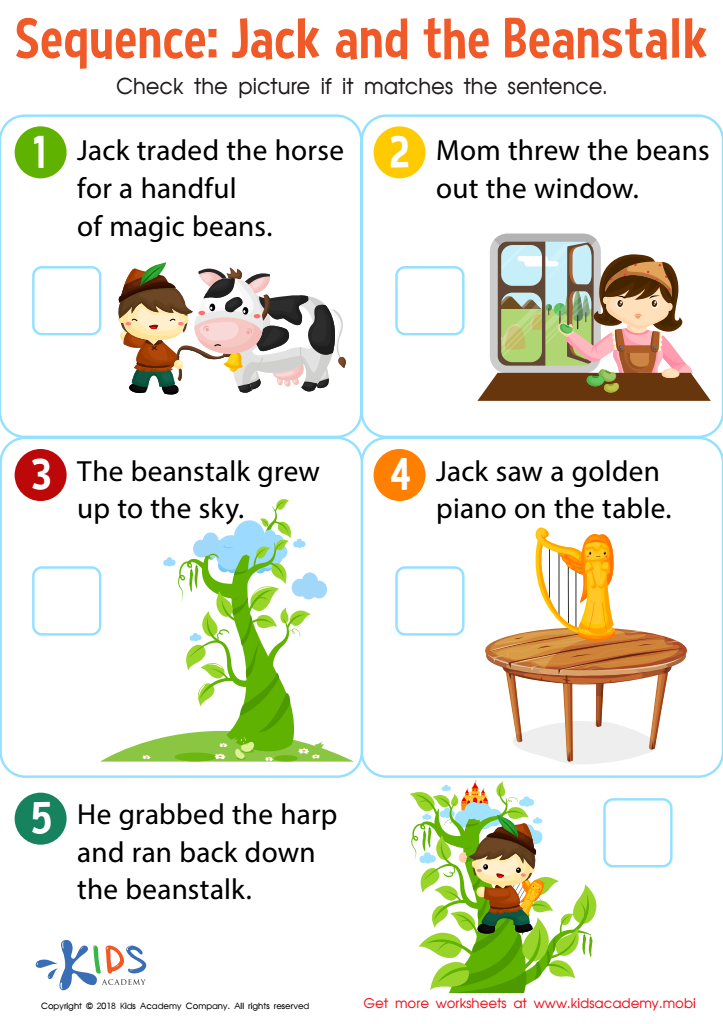
Sequence: Jack and The Beanstalk Worksheet
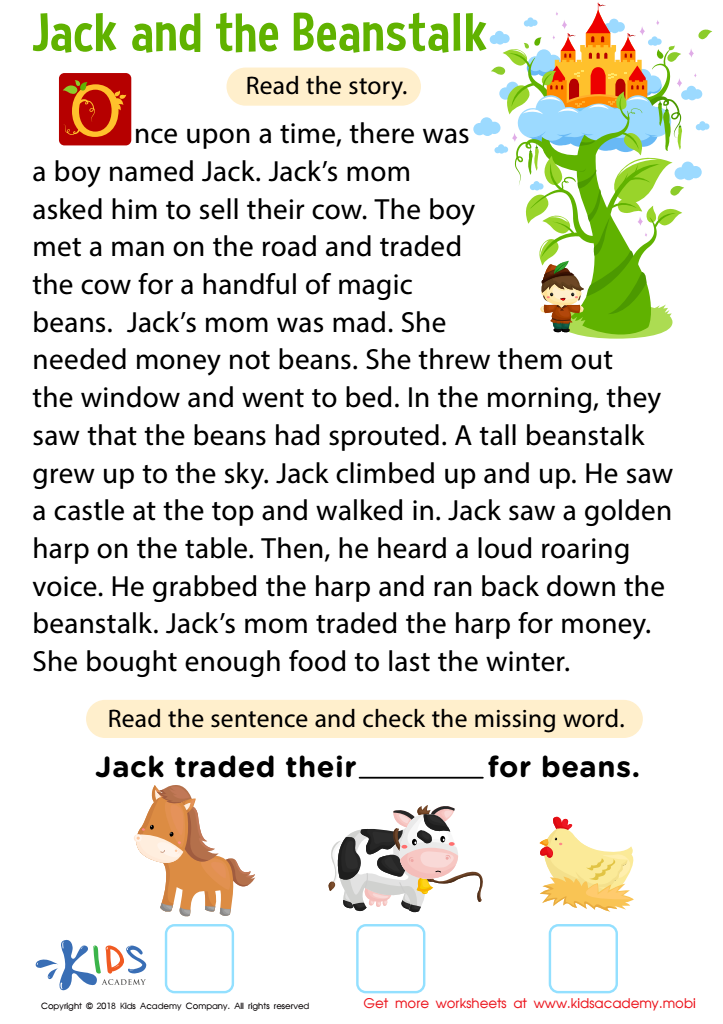
Jack and Beanstalk Worksheet
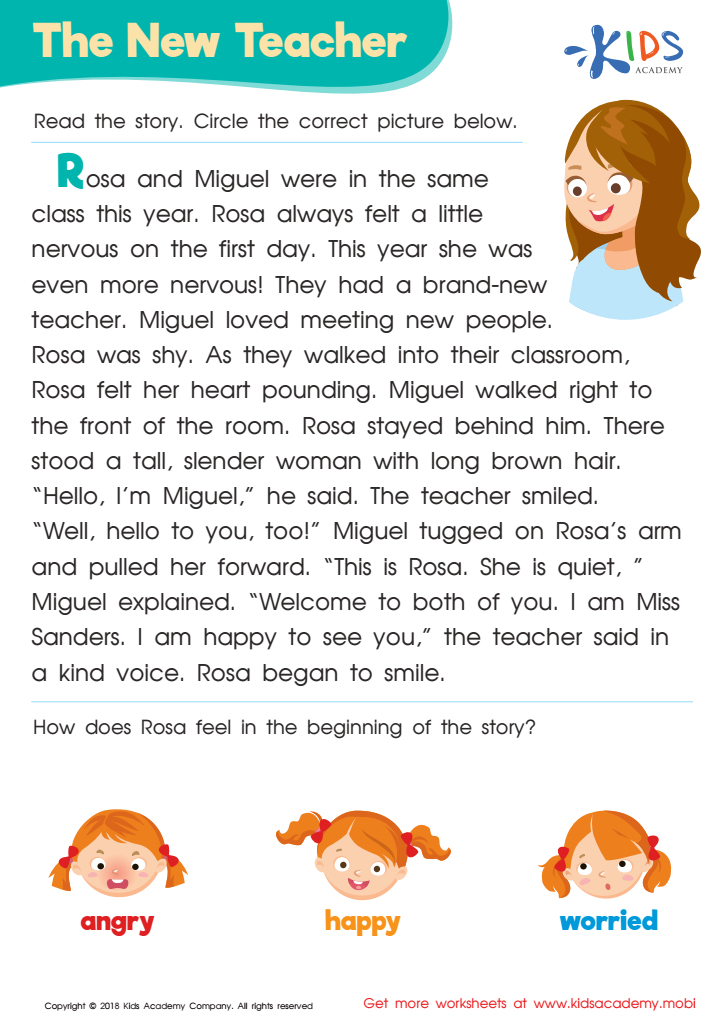
The New Teacher Worksheet
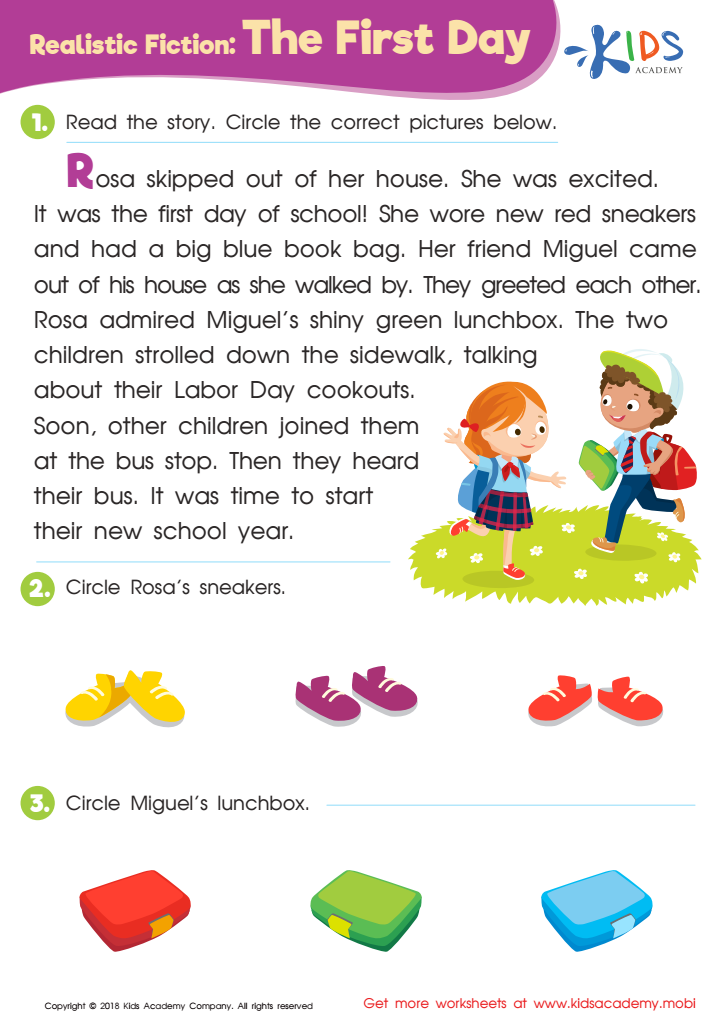
Realistic Fiction: The First Day Worksheet
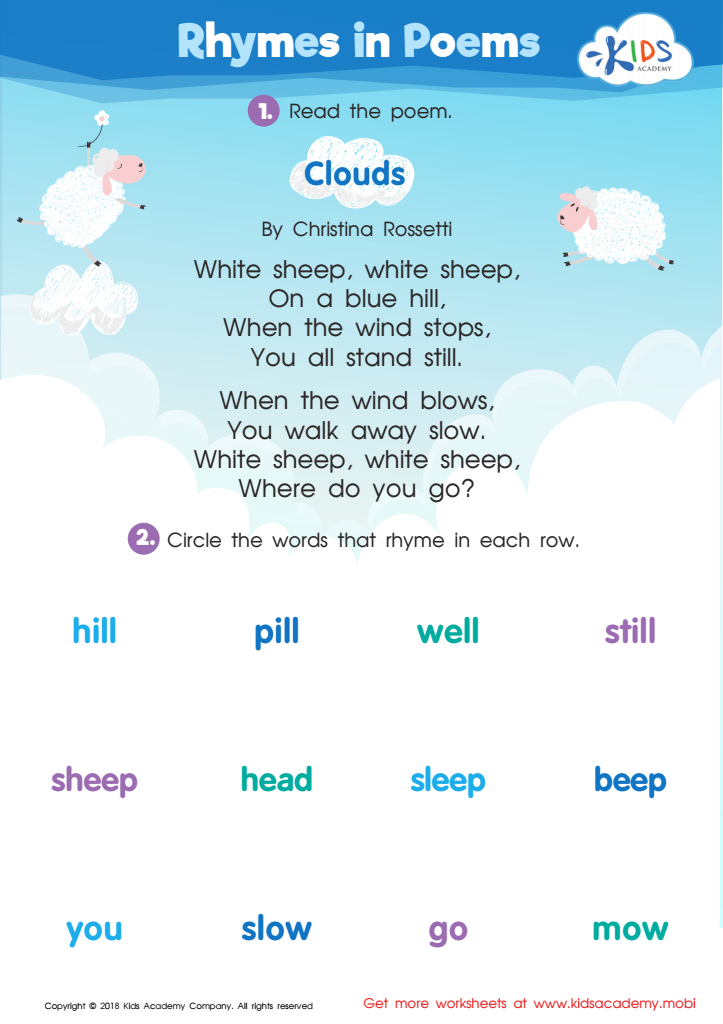
Rhymes in Poems Worksheet
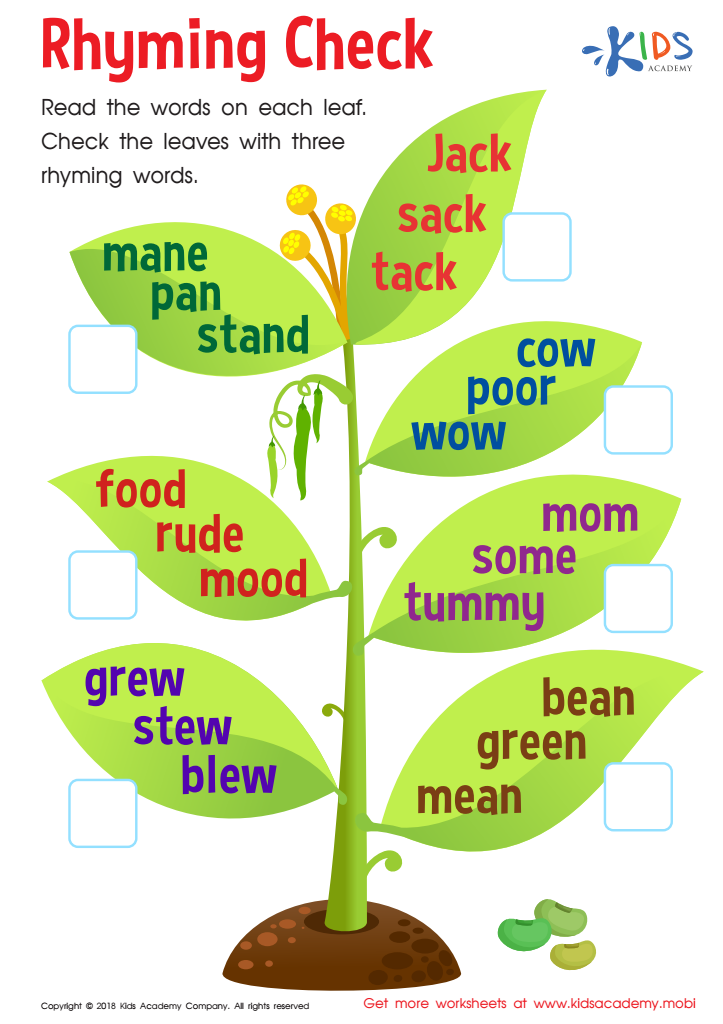
Rhyming Check Worksheet
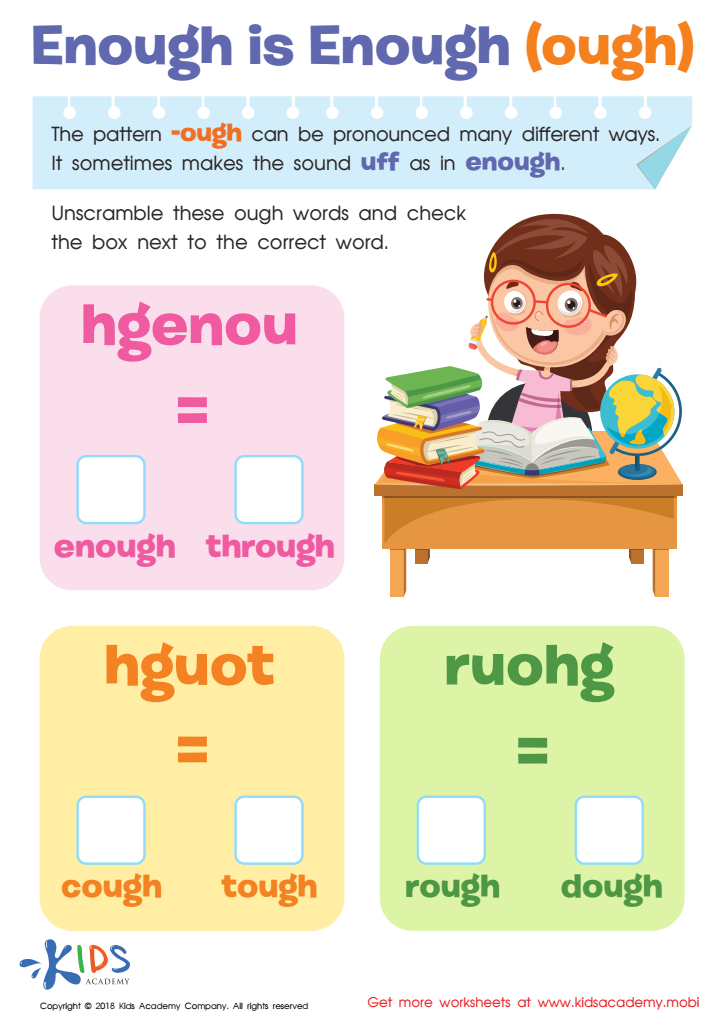
Enough Is Enough (ough) Worksheet
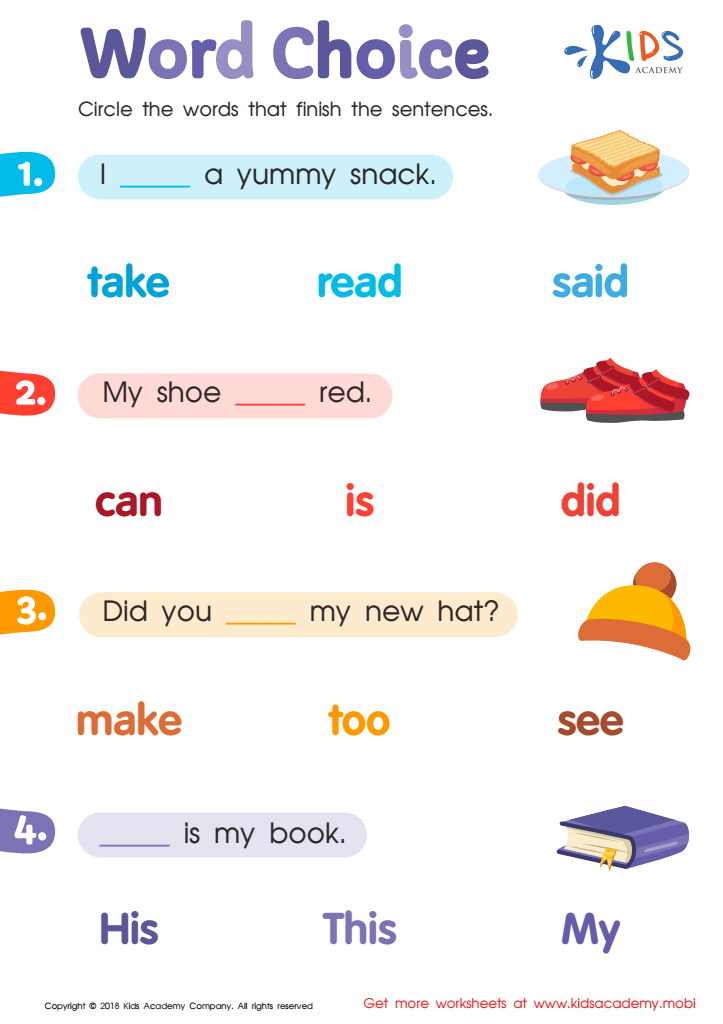
Word Choice Worksheet
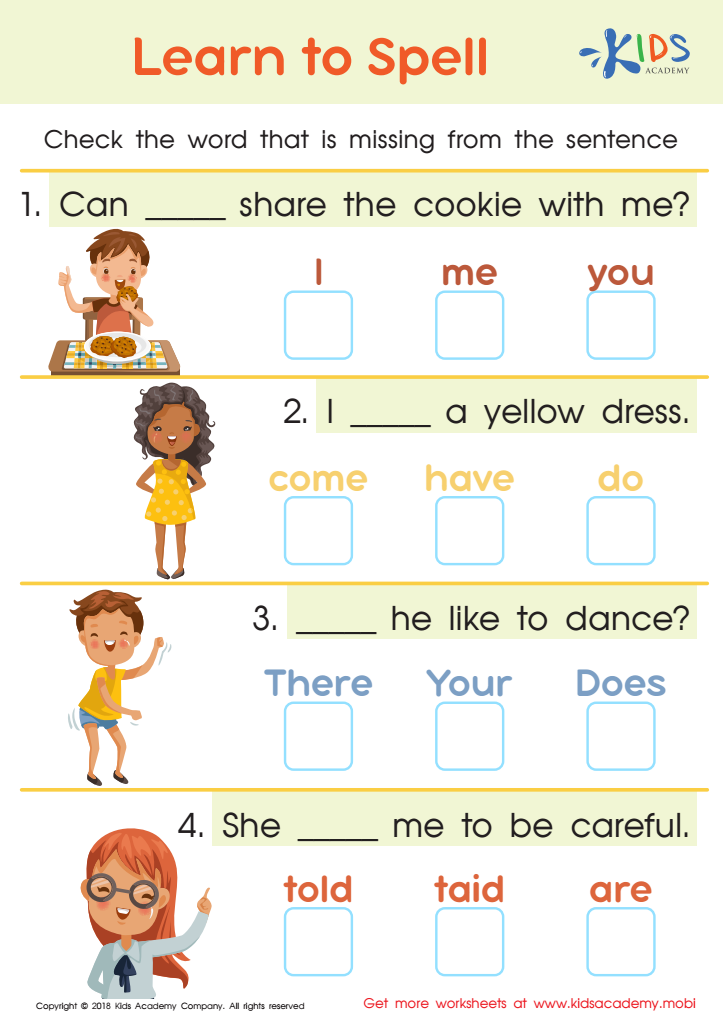
Learn to Spell Worksheet
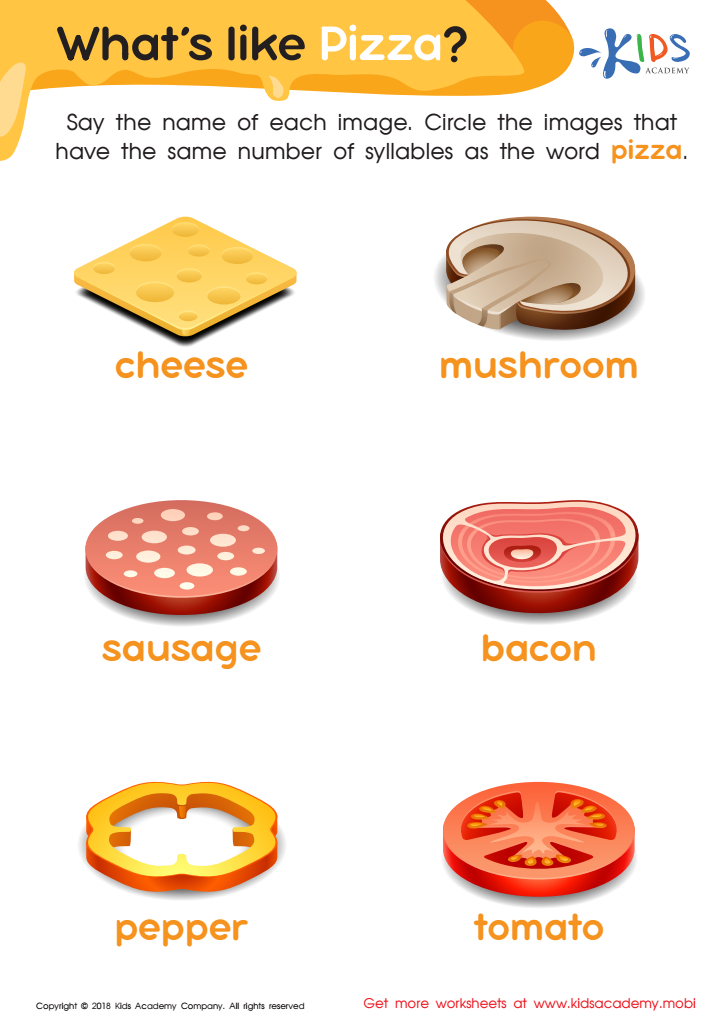
What's Like Pizza? Worksheet
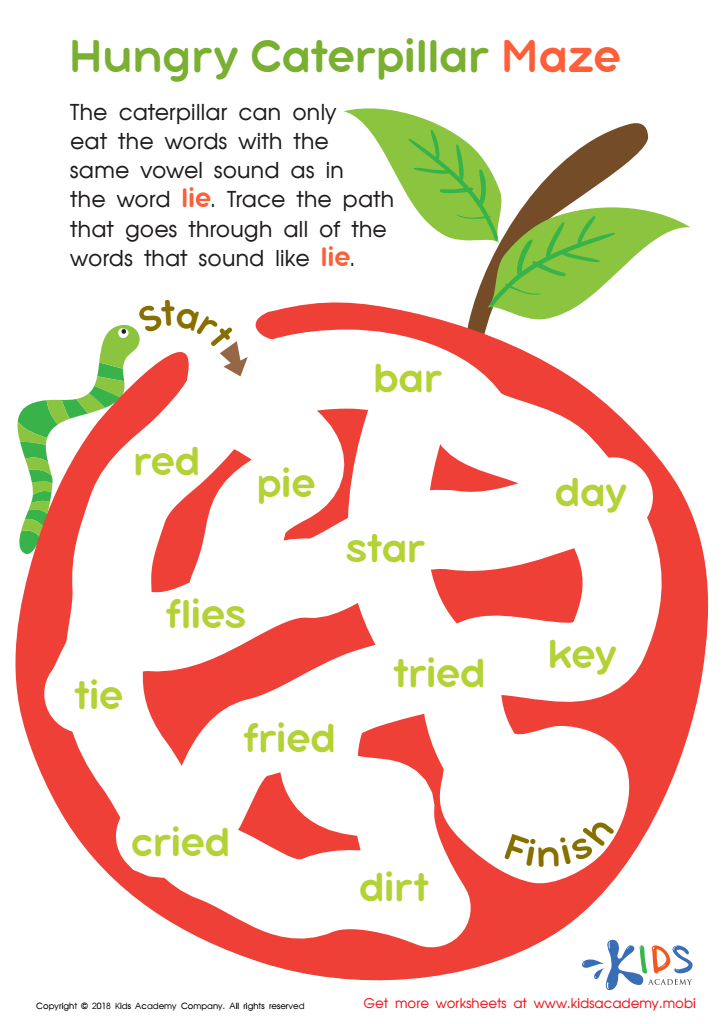
Hungry Caterpillar Maze Worksheet
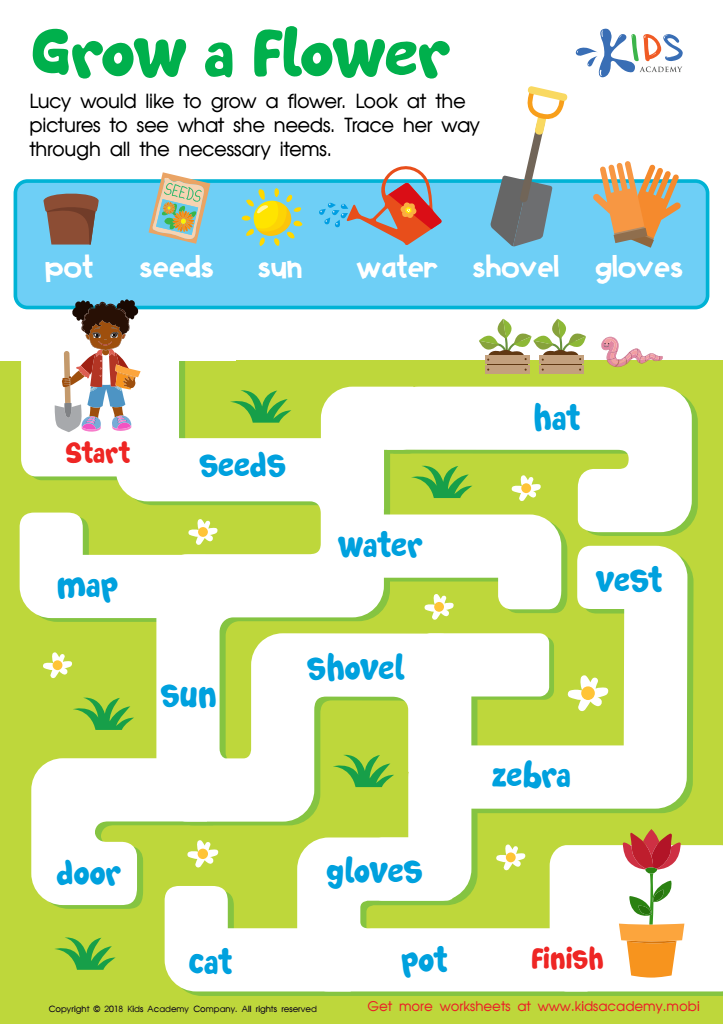
Grow a Flower Worksheet
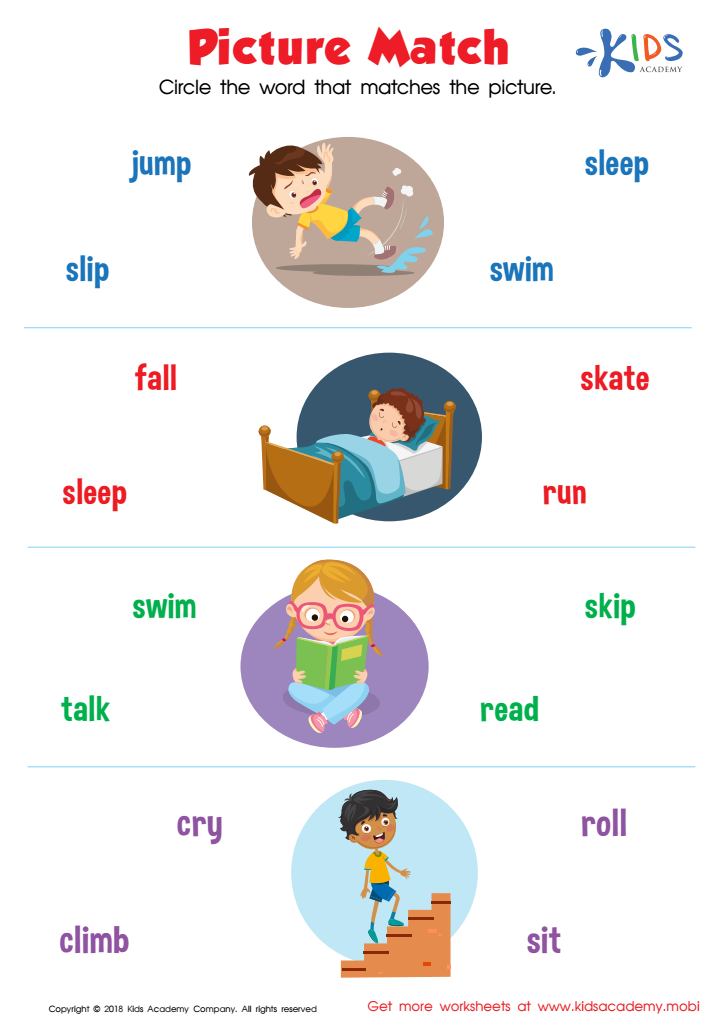
Picture Match Worksheet
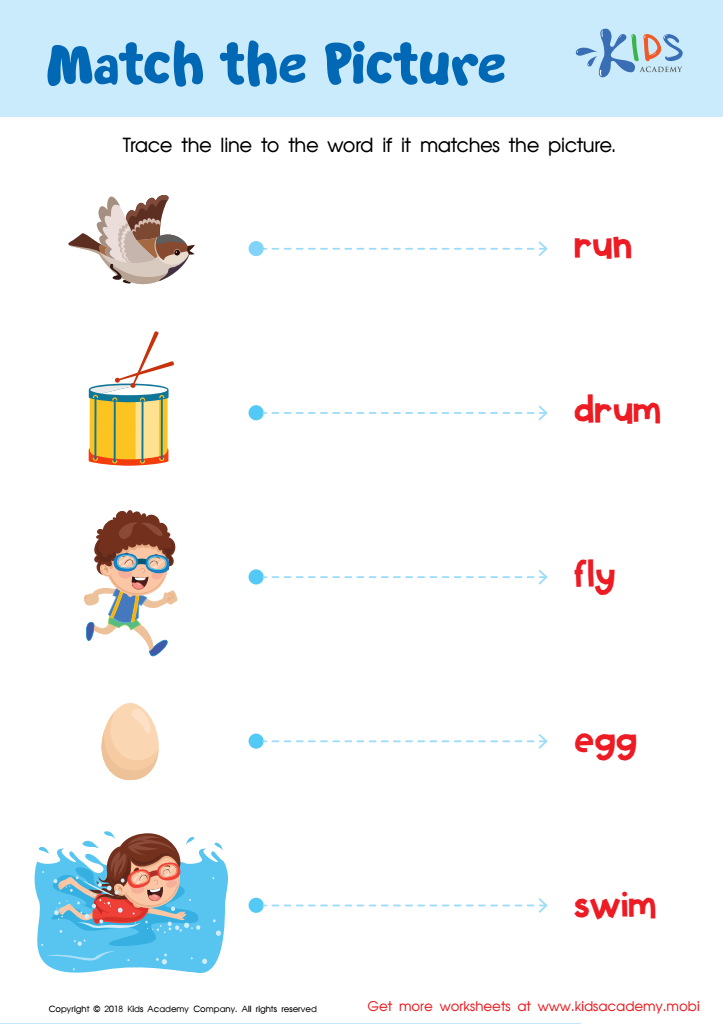
Match the Picture Worksheet
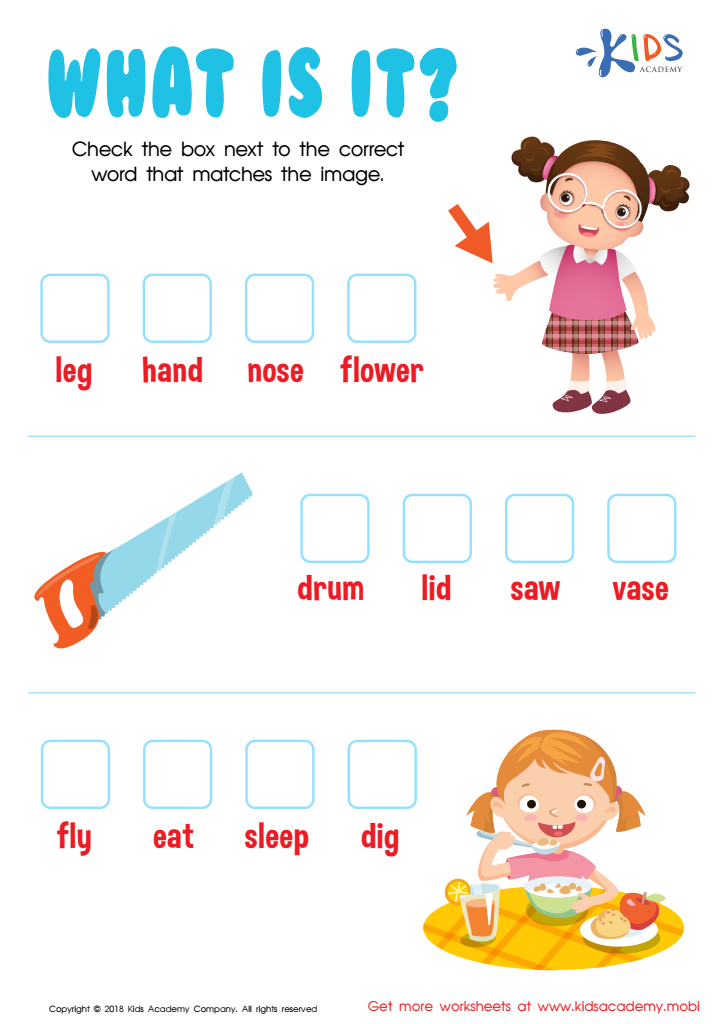
What Is It? Worksheet
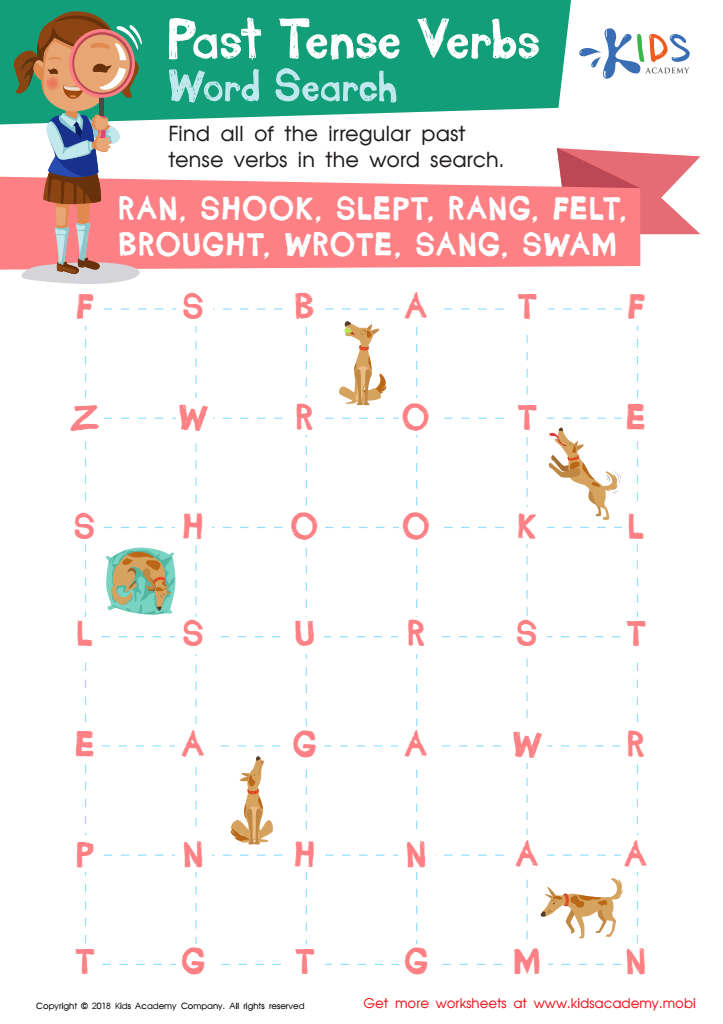
Past Tense Verbs Word Search Worksheet








Parents and teachers should care about normal reading development for ages 7-9 because this stage is crucial for building strong literacy skills that form the foundation for future academic success. During these years, children transition from learning to read to reading to learn, making it essential for them to develop fluency, comprehension, and critical thinking abilities.
At this age, children encounter a wider variety of texts, including biographies, fiction, and informational texts. Engaging with diverse literature not only enhances their vocabulary but also fosters a love for reading, encouraging lifelong learning. If children struggle during this phase, it could result in challenges that affect their performance in other subjects, leading to a cycle of frustration and disengagement.
Moreover, normal reading skills help bolster self-esteem and confidence. When children experience success in reading, they are more likely to participate actively in discussions and express their ideas clearly. Educators and parents can track progress through assessments, while catering to individual needs with tailored strategies or resources, promoting a supportive atmosphere conducive to growth. By prioritizing reading development in this critical age group, caregivers can empower children with the skills they need to thrive academically and socially throughout their lives.








