Vocabulary expansion Reading Worksheets - Page 3
88 filtered results
-
From - To
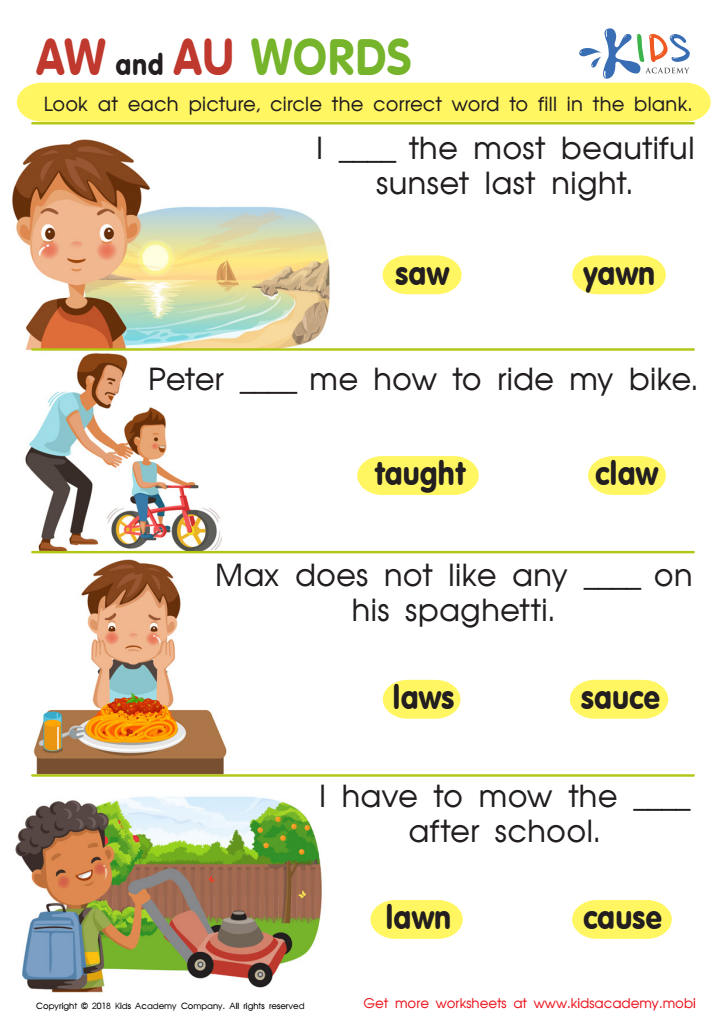
Reading: AW and AU Words Worksheet
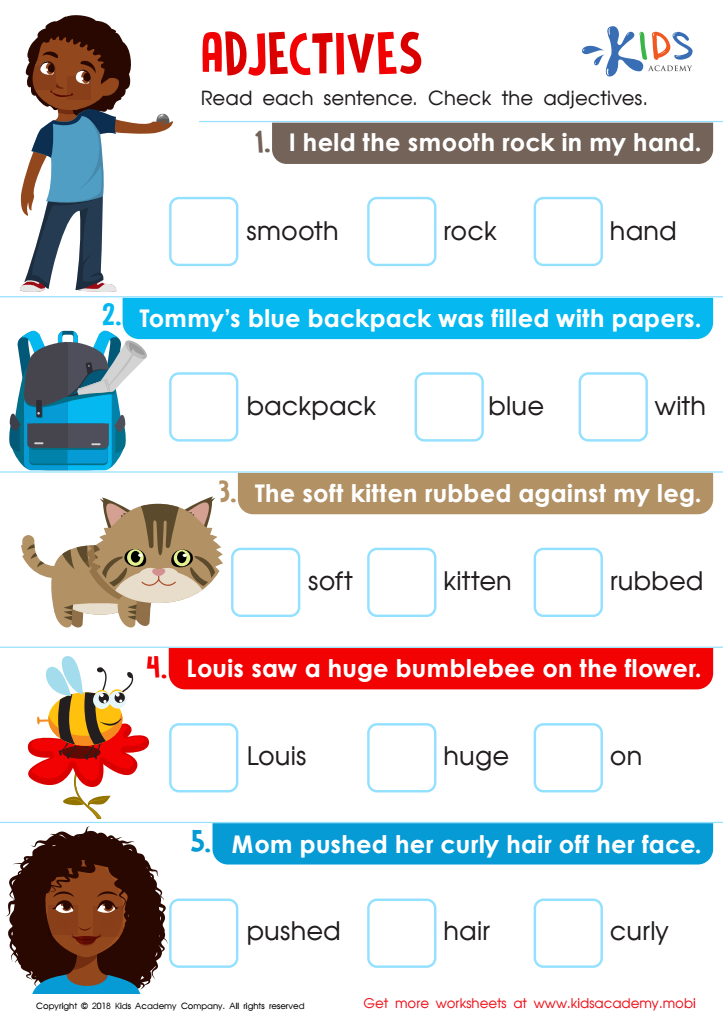
Adjectives Worksheet
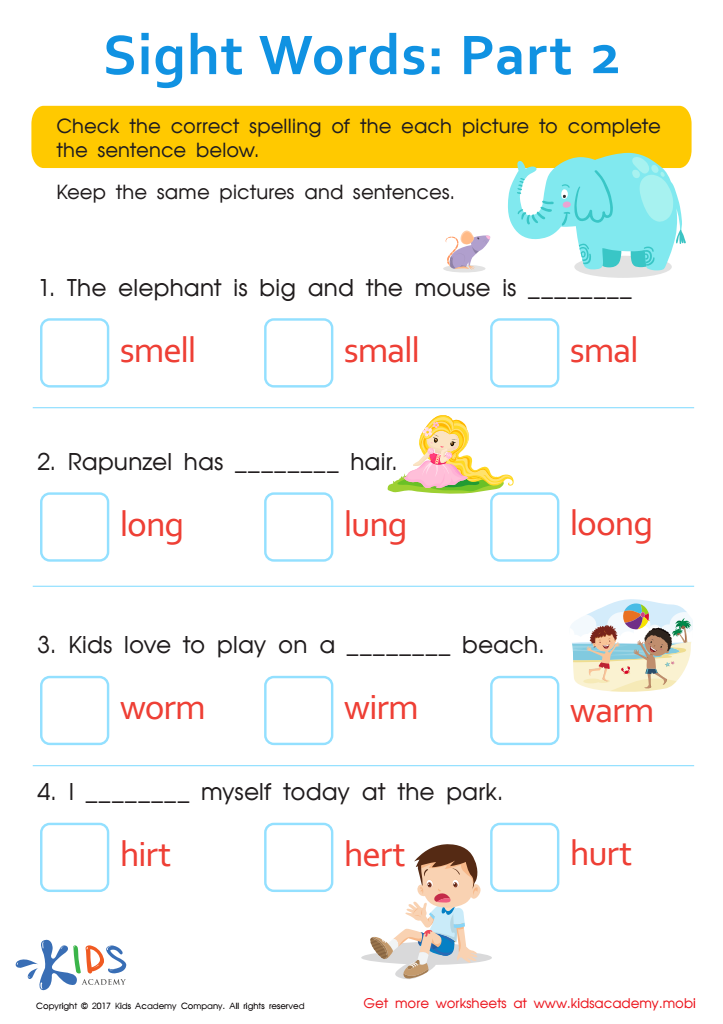
Sight Words Worksheet
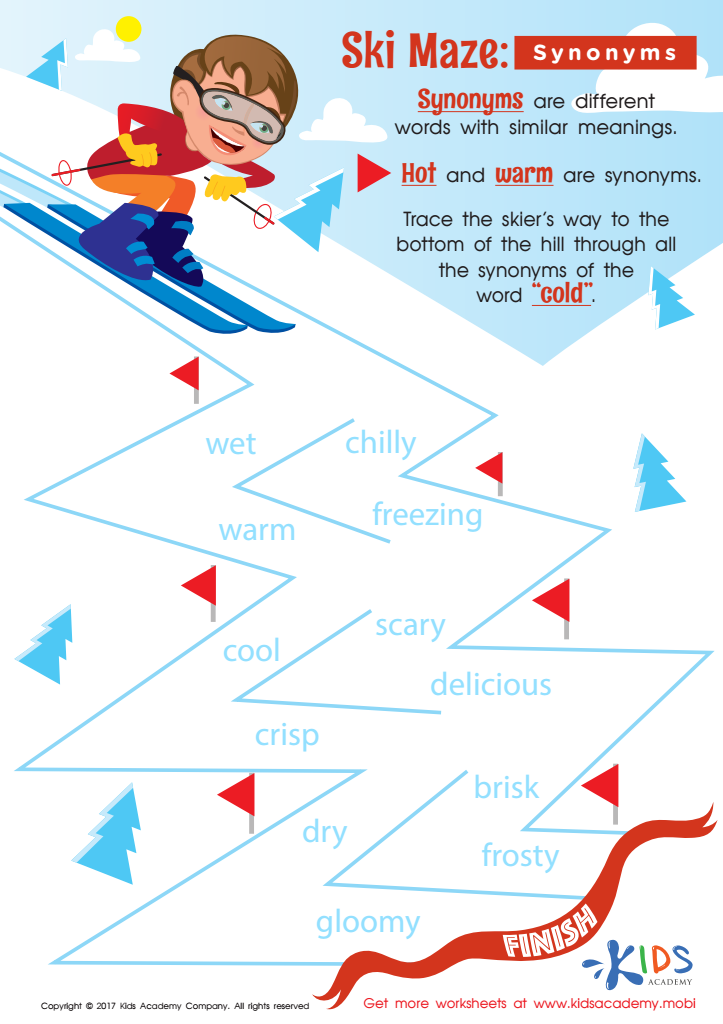
Free Printable Synonym Worksheet
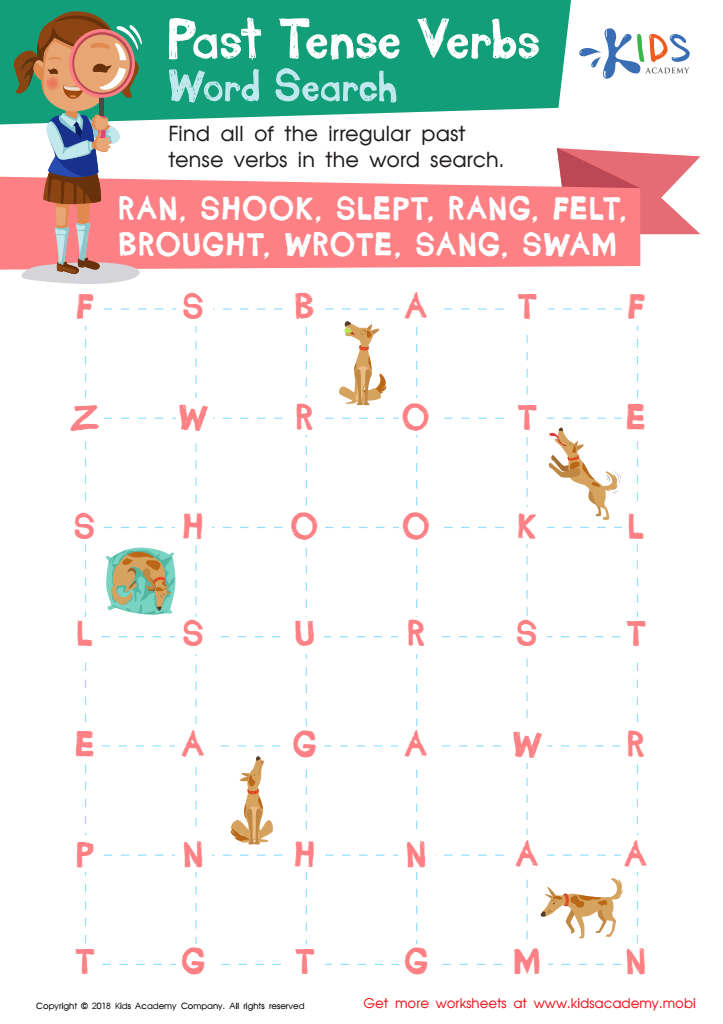
Past Tense Verbs Word Search Worksheet
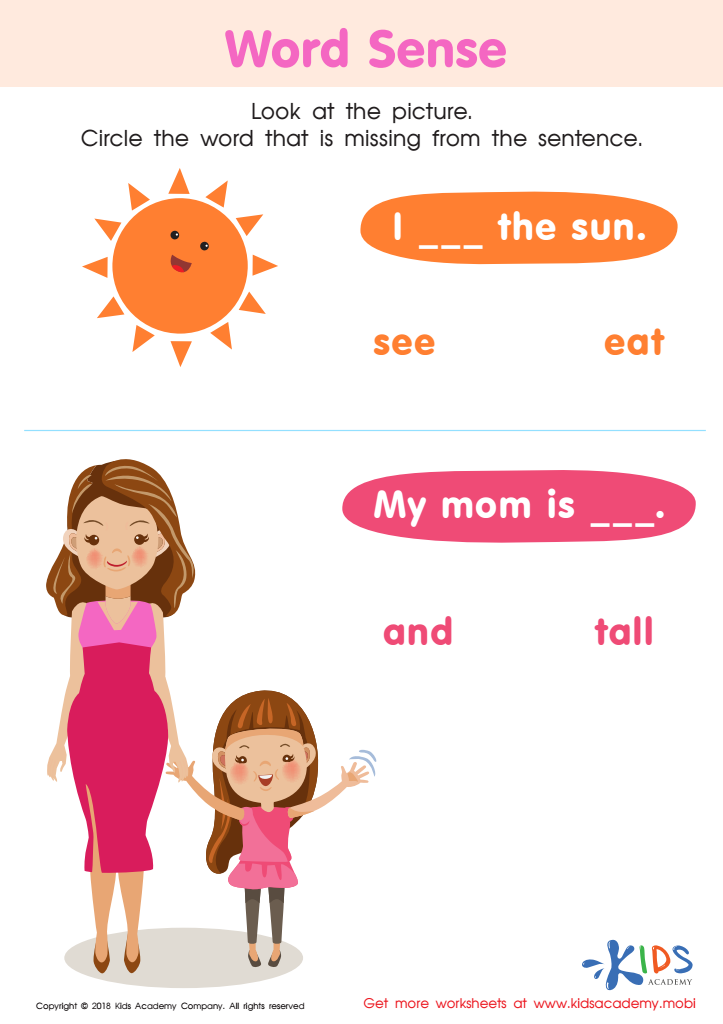
Word Sense Worksheet
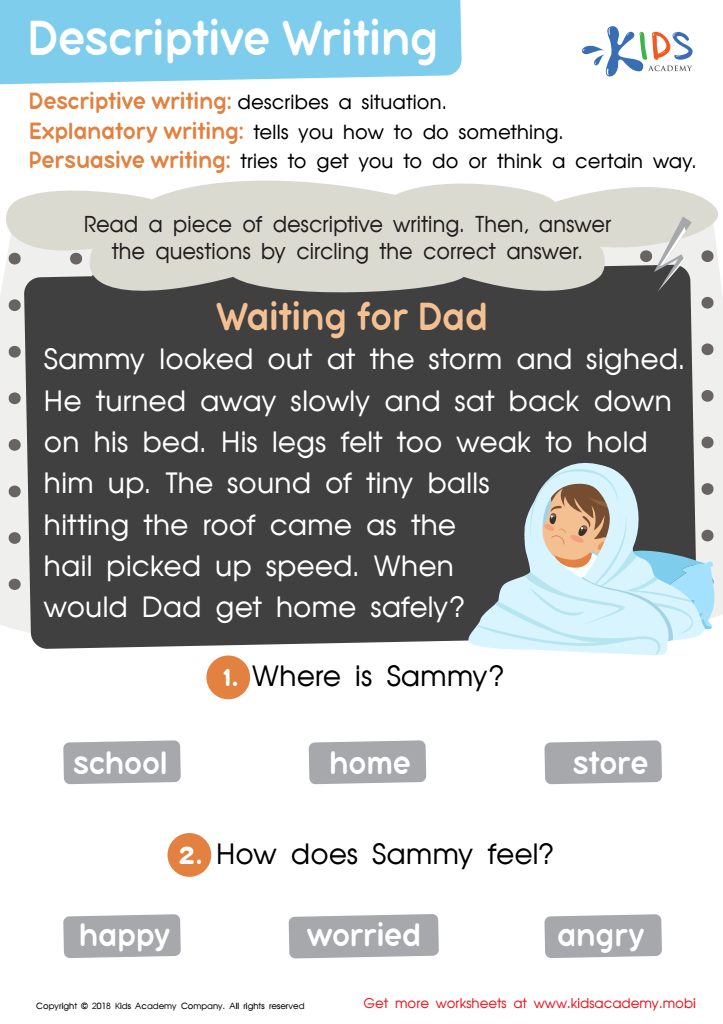
Descriptive Writing Worksheet: Part 2
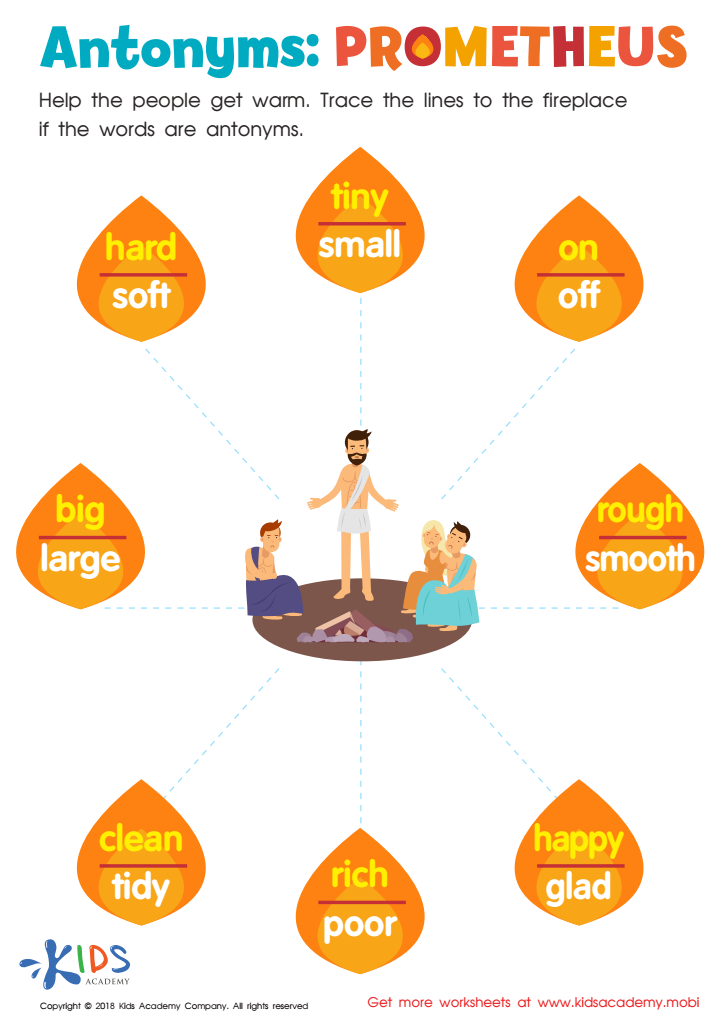
Antonyms: Prometheus Worksheet
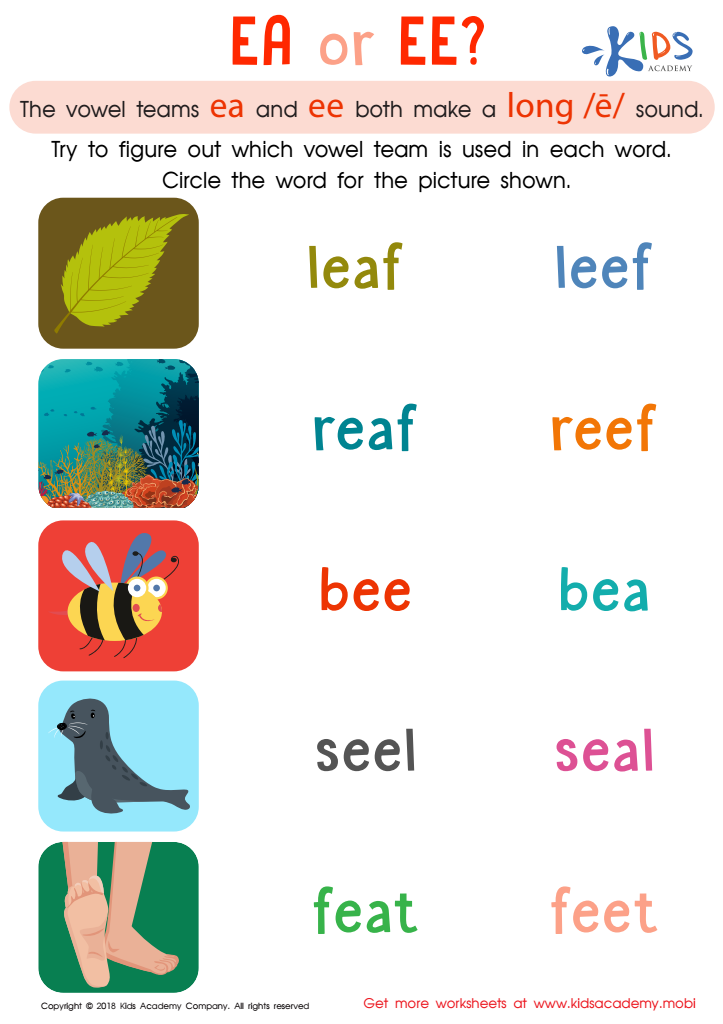
Reading: EA and EE Worksheet
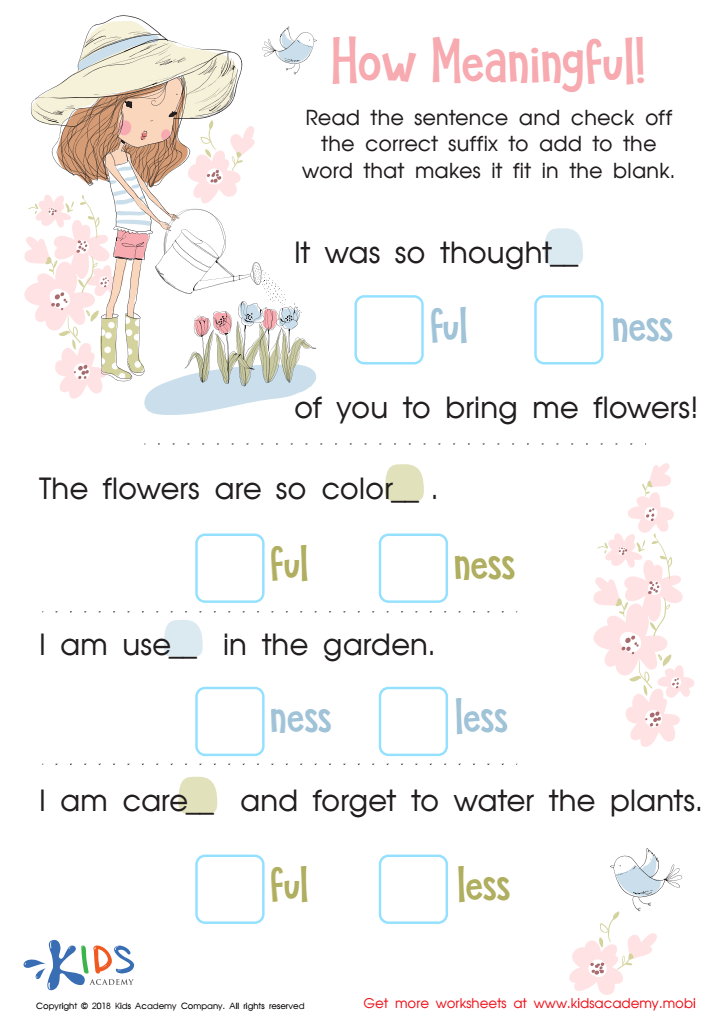
How Meaningful! Worksheet
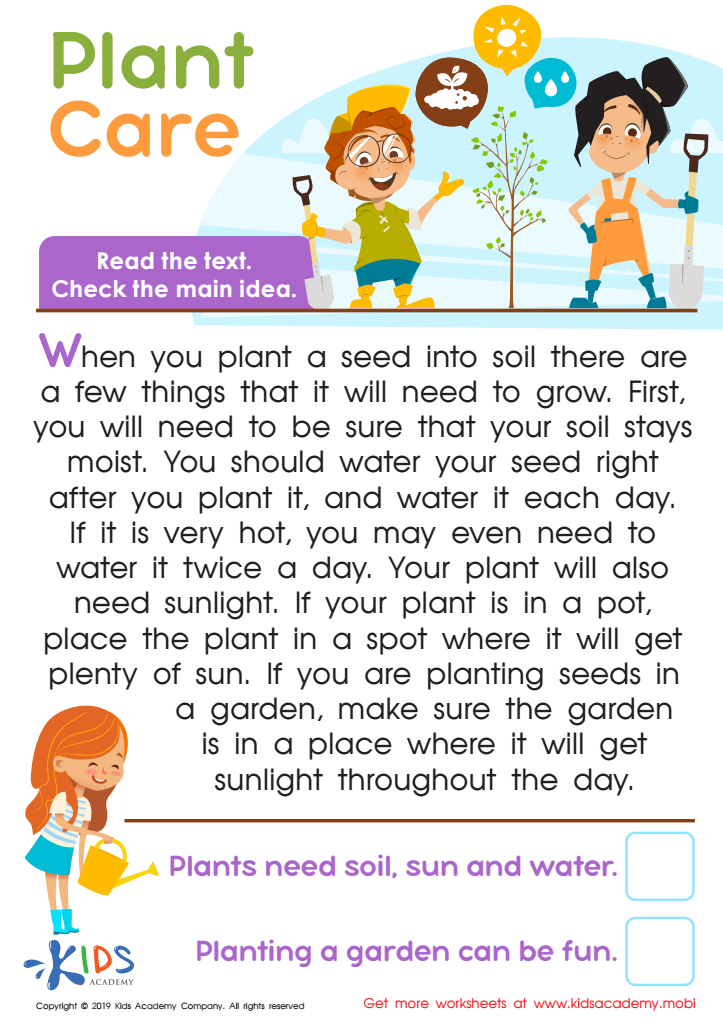
Plant Care Worksheet
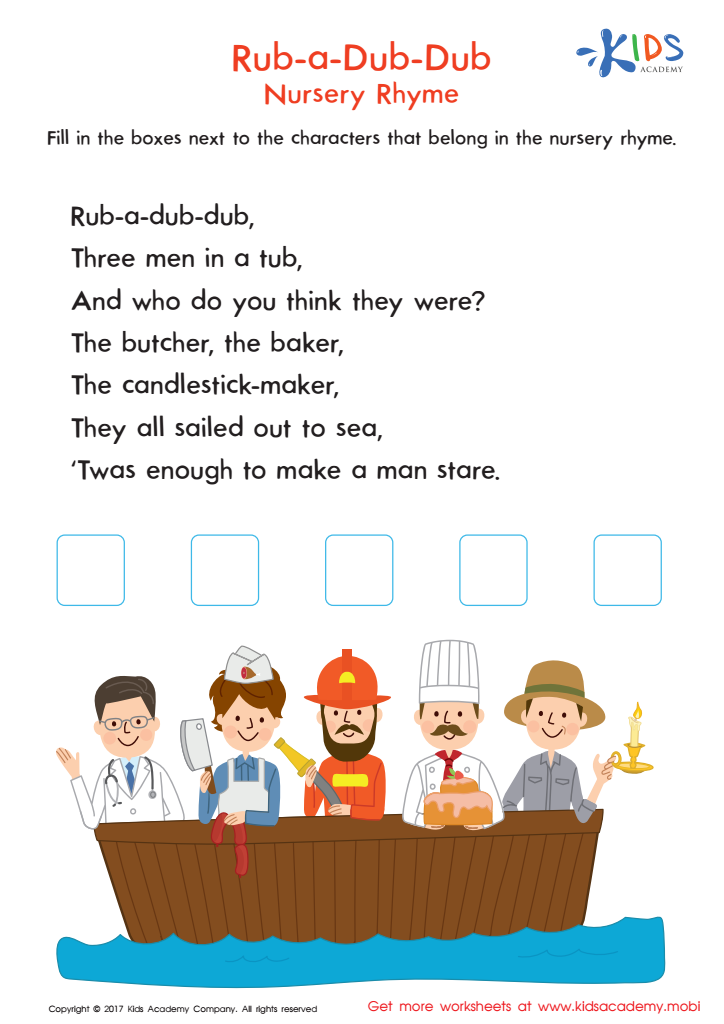
Rub a Dub Dub Printable
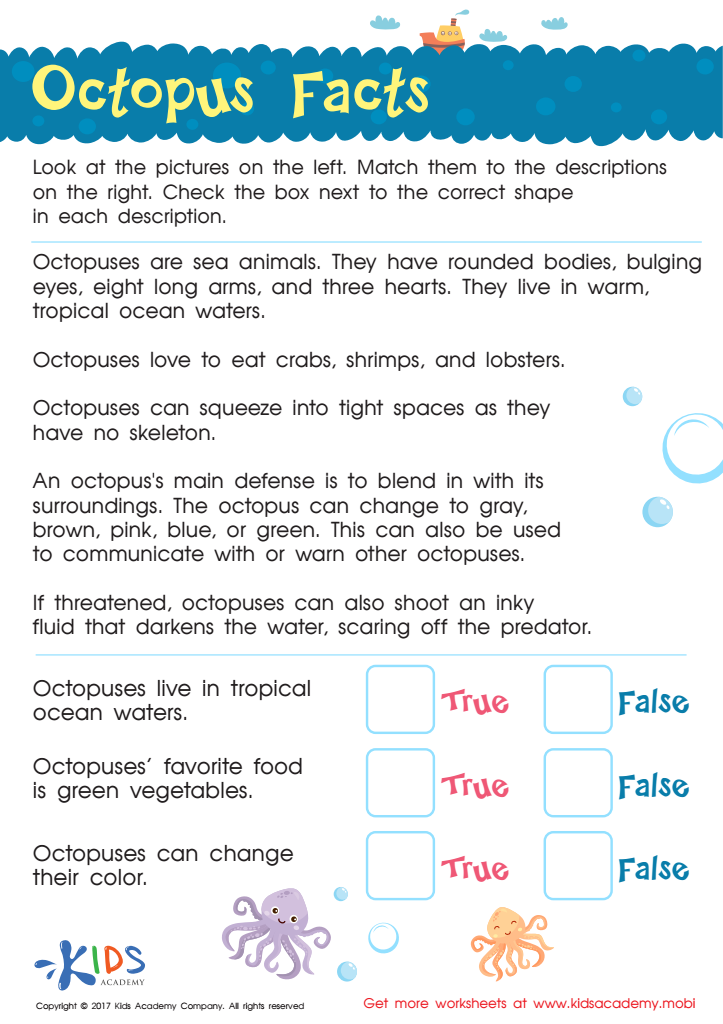
Octopus Facts Worksheet For Kids
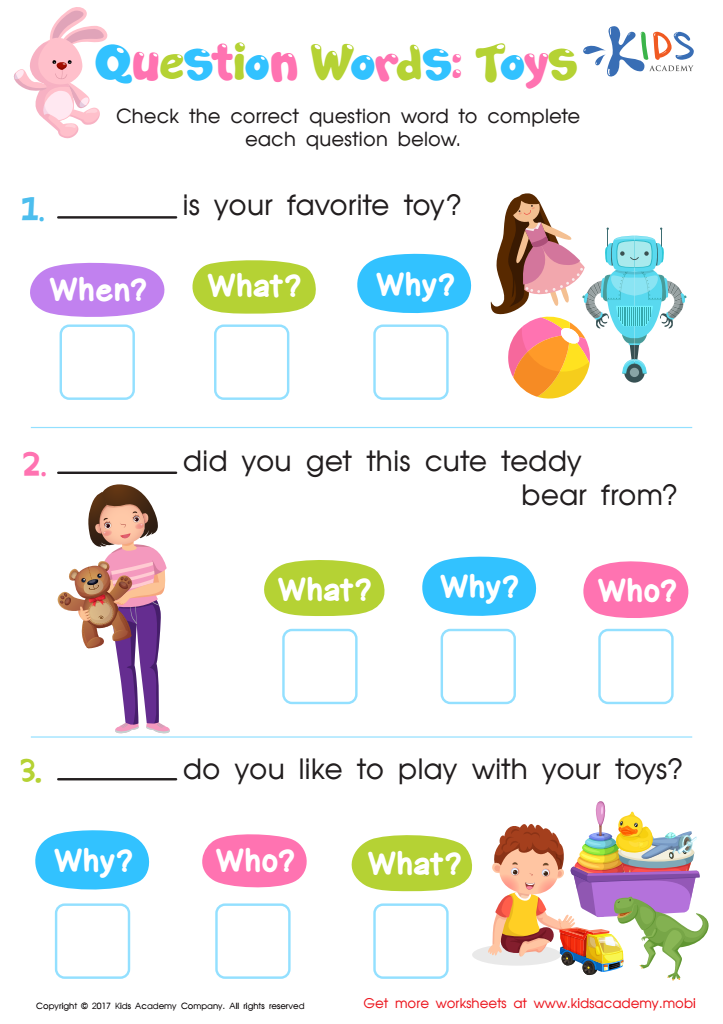
Question Words: Toys Worksheet
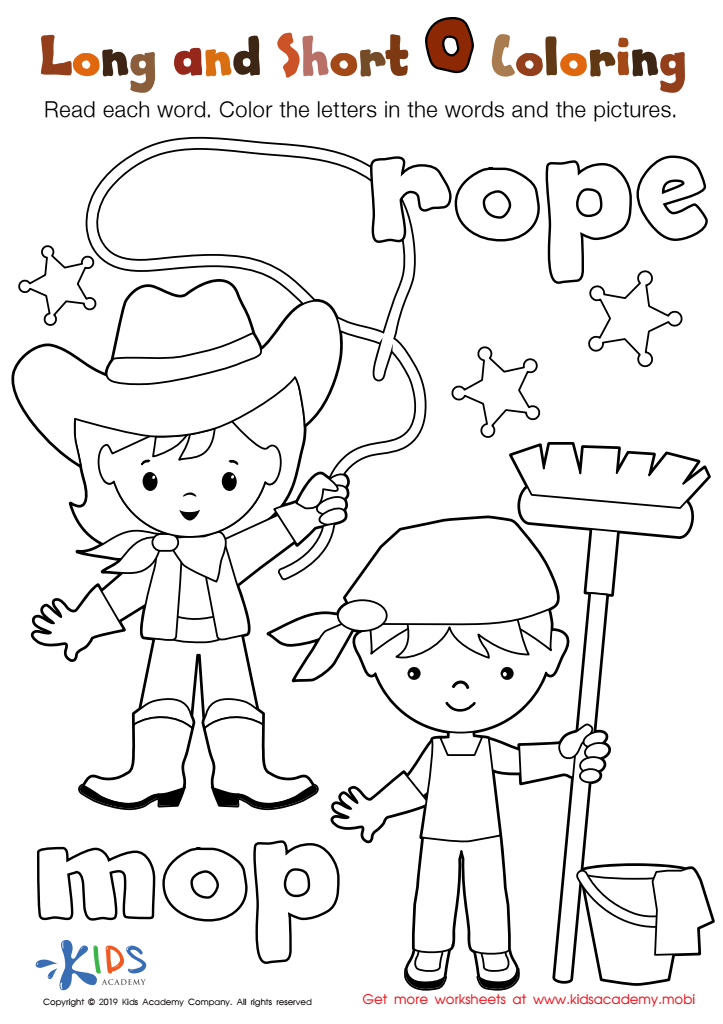
Long and Short O Worksheet
 Assign to My Students
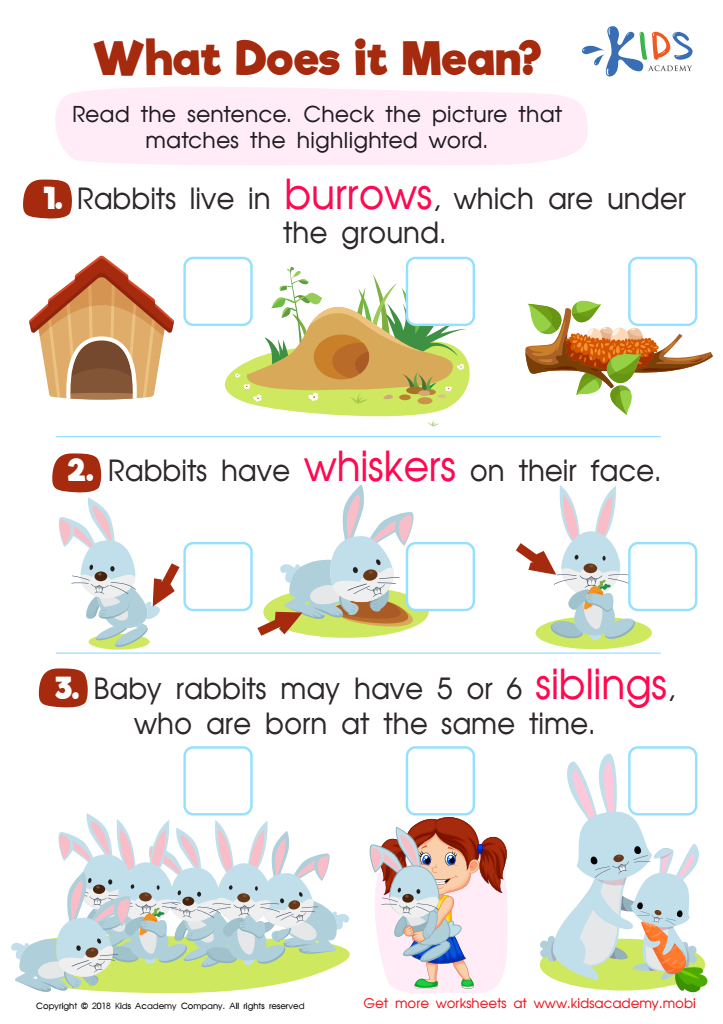
What Does It Mean? Worksheet
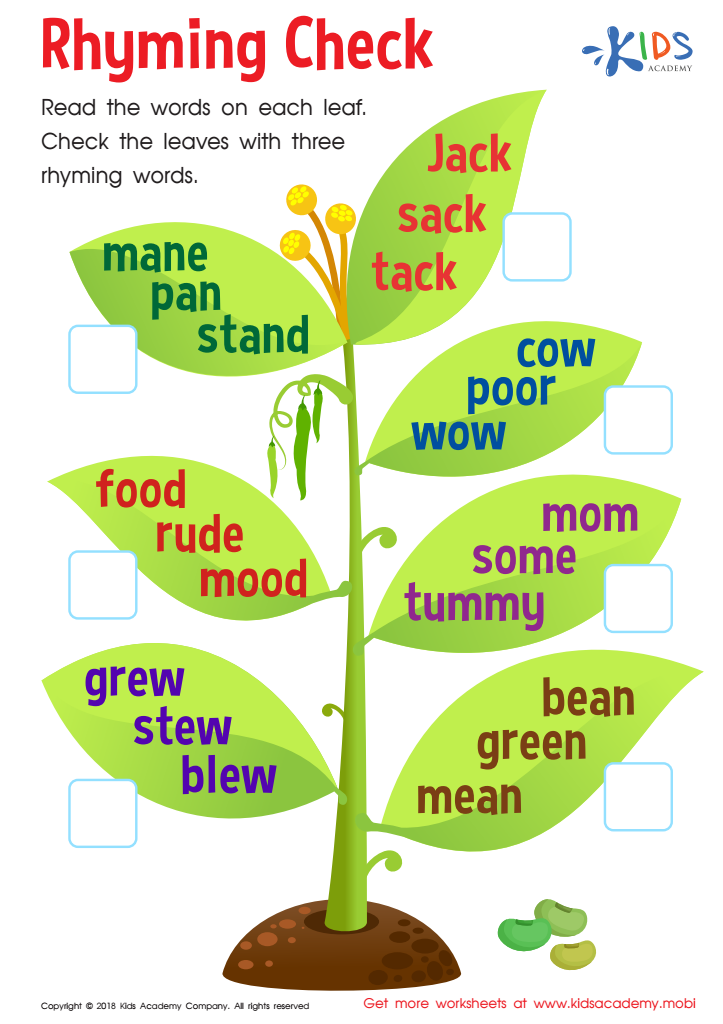
Rhyming Check Worksheet
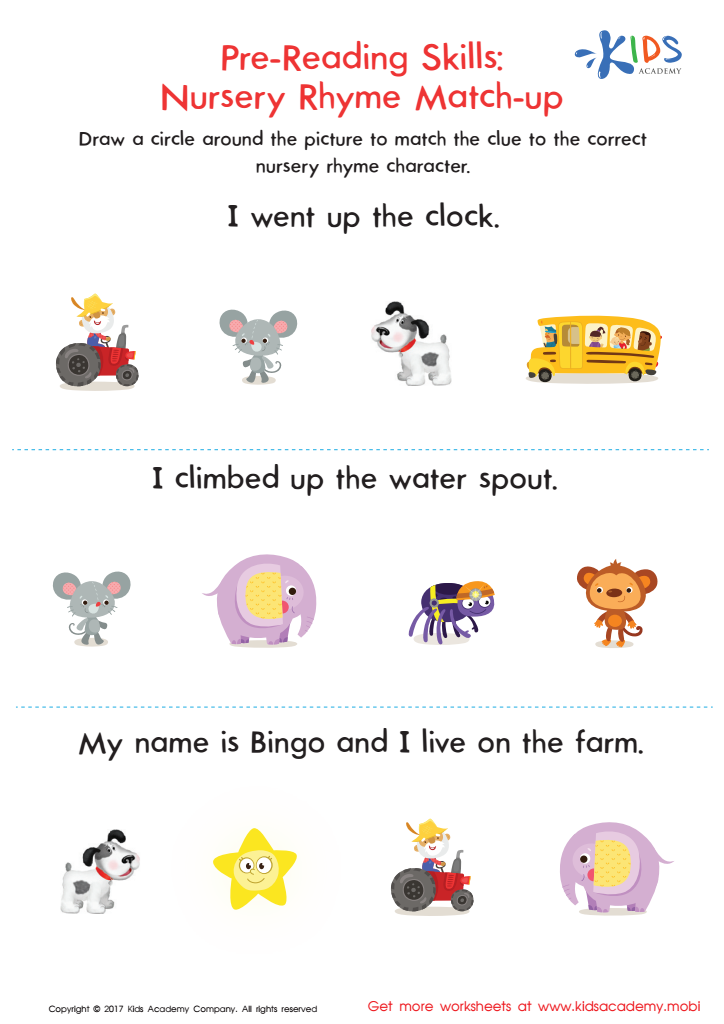
Nursery Rhyme Match–Up Worksheet
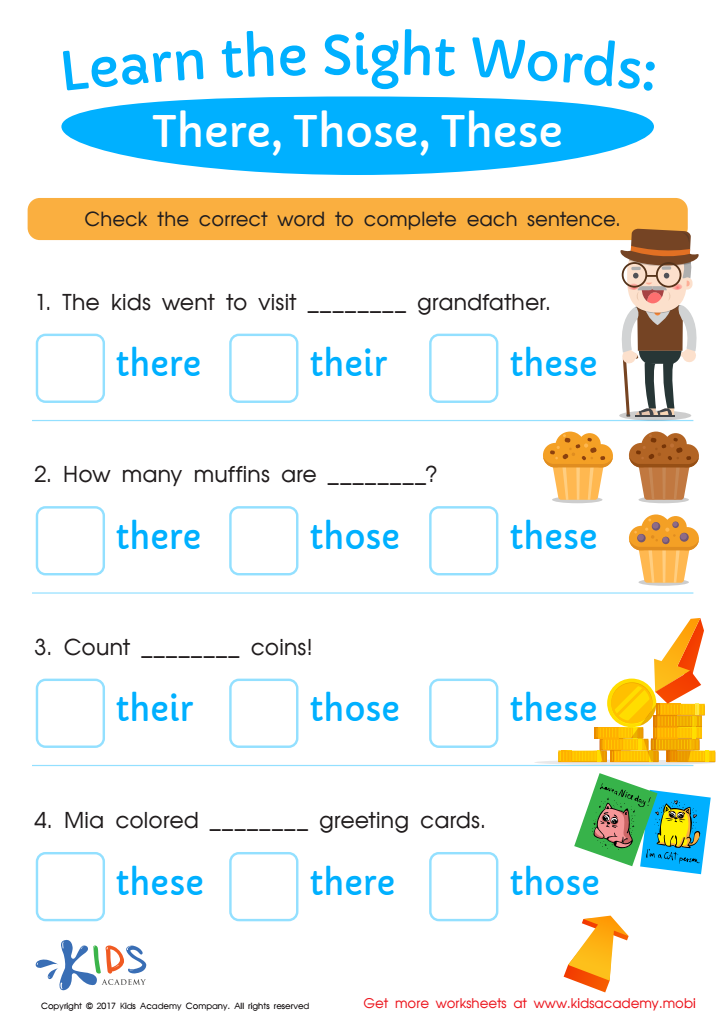
There, Those and These Sight Words Worksheet
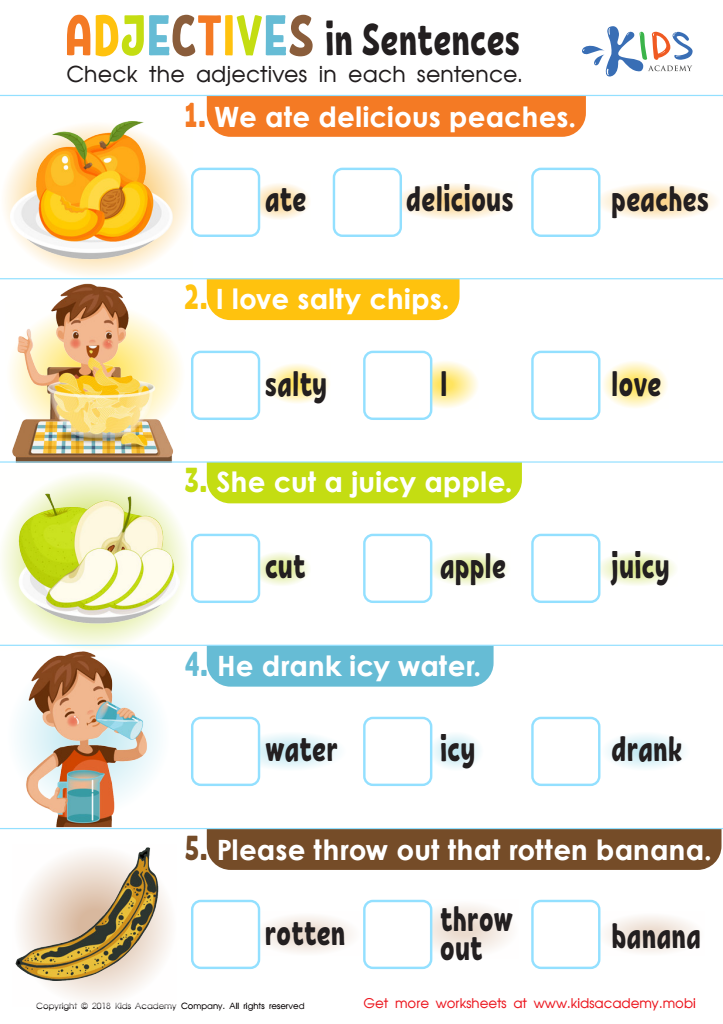
Adjectives in Sentences Worksheet
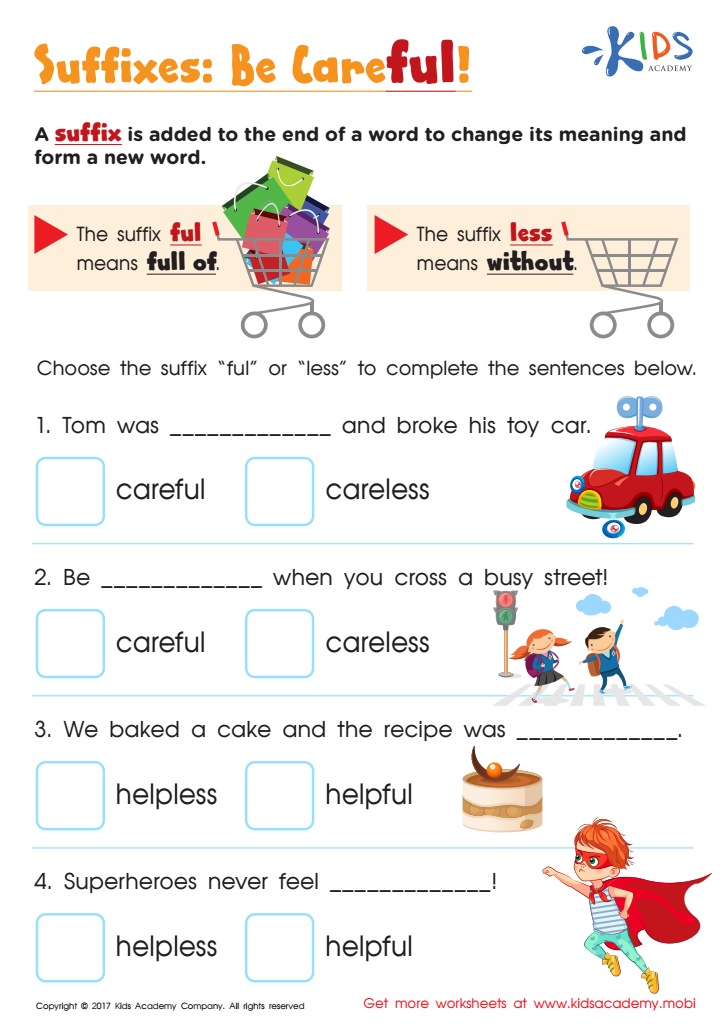
Suffixes Ful and Less Worksheet
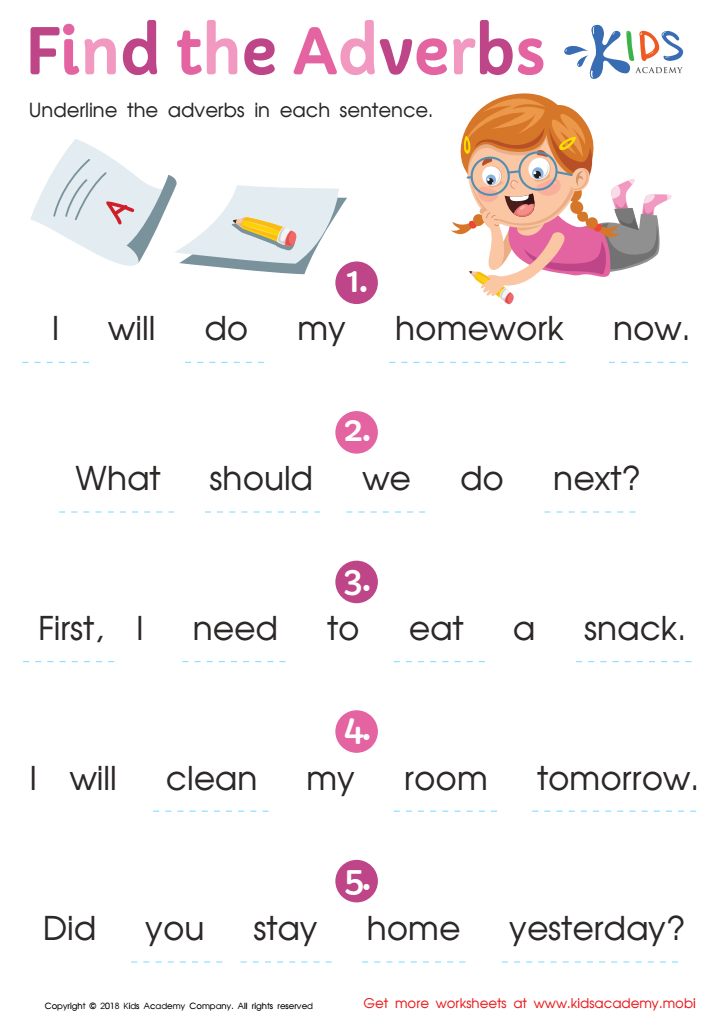
Finding the Adverbs Worksheet
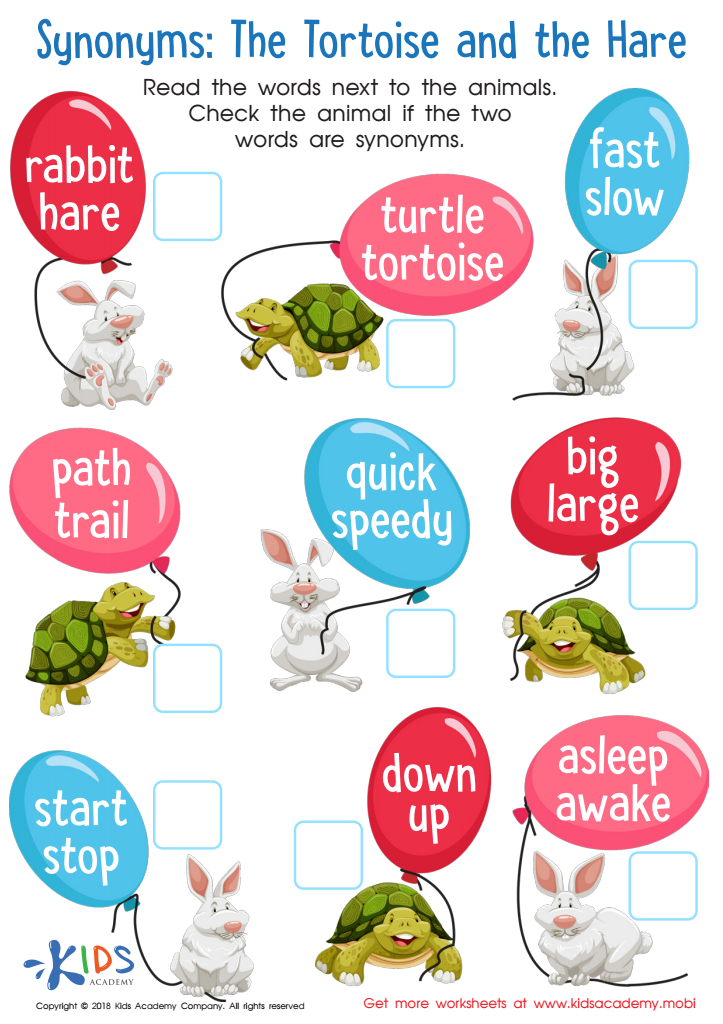
Synonyms: The Tortoise and Hare Worksheet
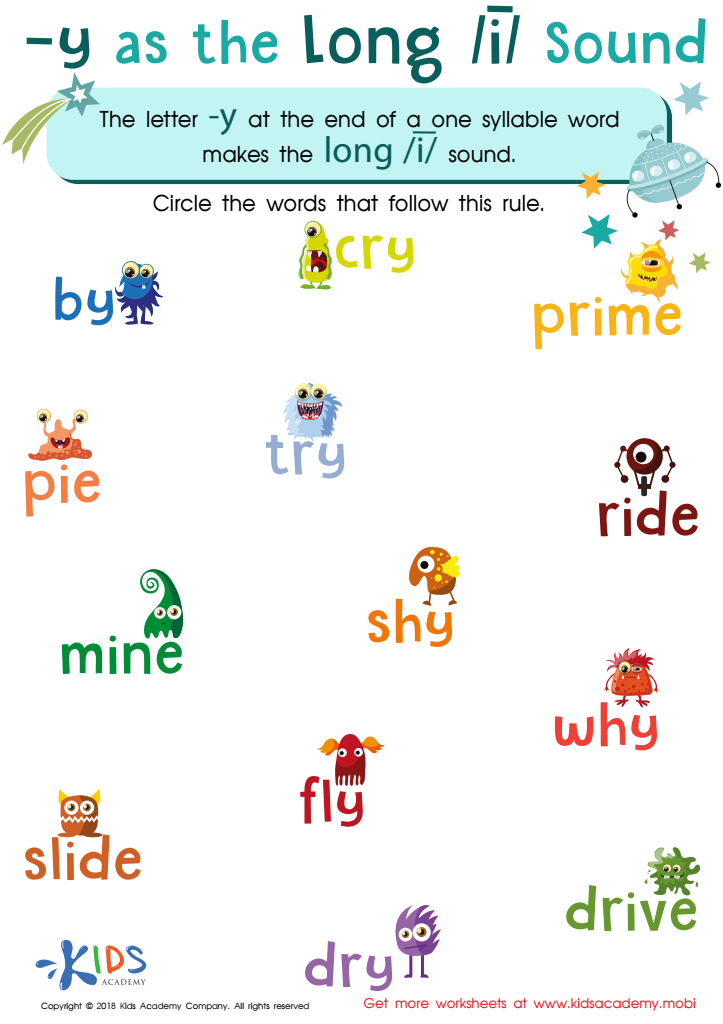
Reading: Y as Long I Worksheet





Parents and teachers should prioritize vocabulary expansion in early reading because it lays the cornerstone for effective communication, academic success, and lifelong learning. A robust vocabulary dramatically enhances a child's ability to understand and express ideas, participate in discussions, and grasp complex concepts across various subjects. When children are equipped with a rich repertoire of words, they find it easier to decode new texts, infer meanings, and enjoy reading—turning it into a pleasurable and rewarding activity rather than a daunting task.
Beyond improving reading and language skills, a well-developed vocabulary serves as a tool for critical thinking. It empowers children to describe their thoughts and emotions more accurately, engage in meaningful dialogues, and cultivate problem-solving abilities. Such skills are crucial not only academically but socially and emotionally, facilitating better peer interactions and higher self-esteem.
Research underscores that early vocabulary development is a predictor of long-term success. Children with strong vocabularies are more likely to excel in school, pursue higher education, and seize better career opportunities. In essence, by investing in vocabulary expansion, parents and teachers are not just enhancing reading abilities—they are shaping confident, articulate, and successful individuals ready to navigate diverse life experiences.








