Fine Motor Skills Plants and Animals Worksheets
5 filtered results
-
From - To
Discover engaging Fine Motor Skills Plants and Animals Worksheets designed to enhance young learners' dexterity and coordination! Our thoughtfully crafted worksheets encourage hands-on activities that connect children with the natural world. Through tracing, cutting, and coloring tasks featuring vibrant plants and animals, kids will develop essential fine motor abilities while exploring important scientific concepts. Perfect for preschool and early elementary students, these worksheets provide a fun way to learn about biodiversity and the environment. Foster creativity and critical thinking skills while ensuring children gain confidence in their hand-eye coordination. Explore our worksheets today and promote fine motor development in an enjoyable way!
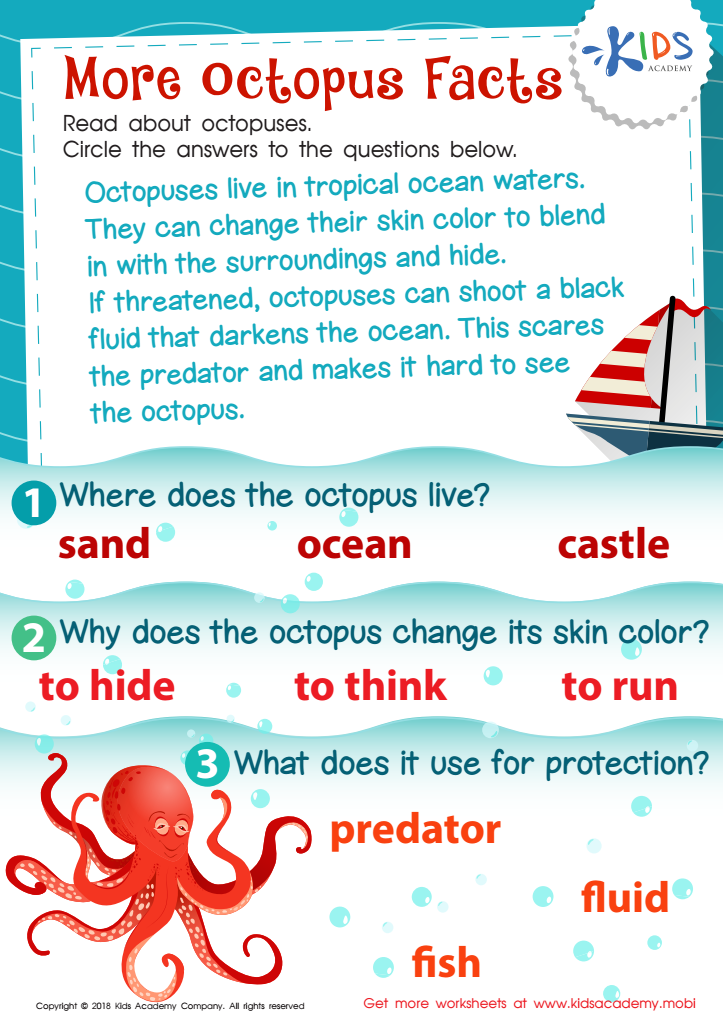
More Octopus Facts Worksheet
 Assign to My Students
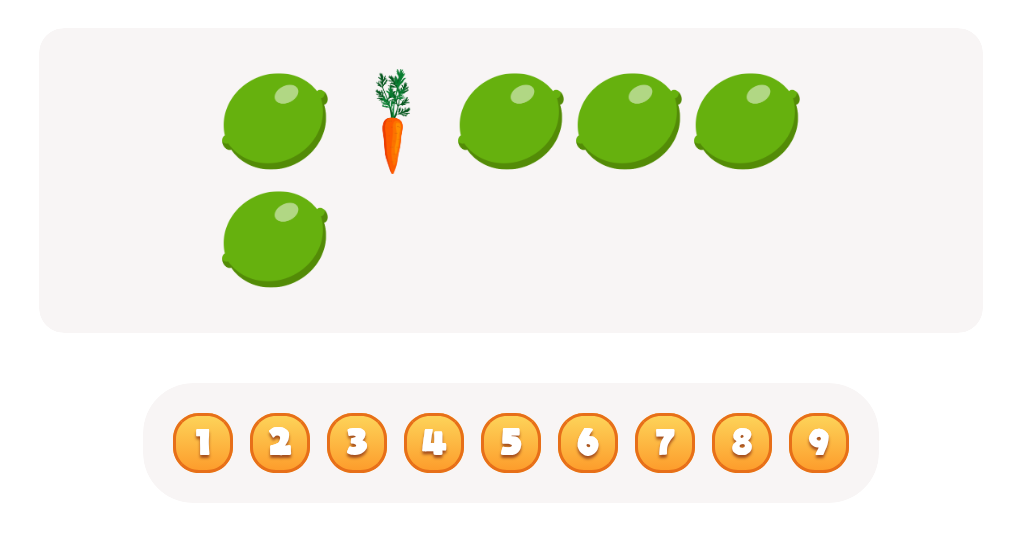

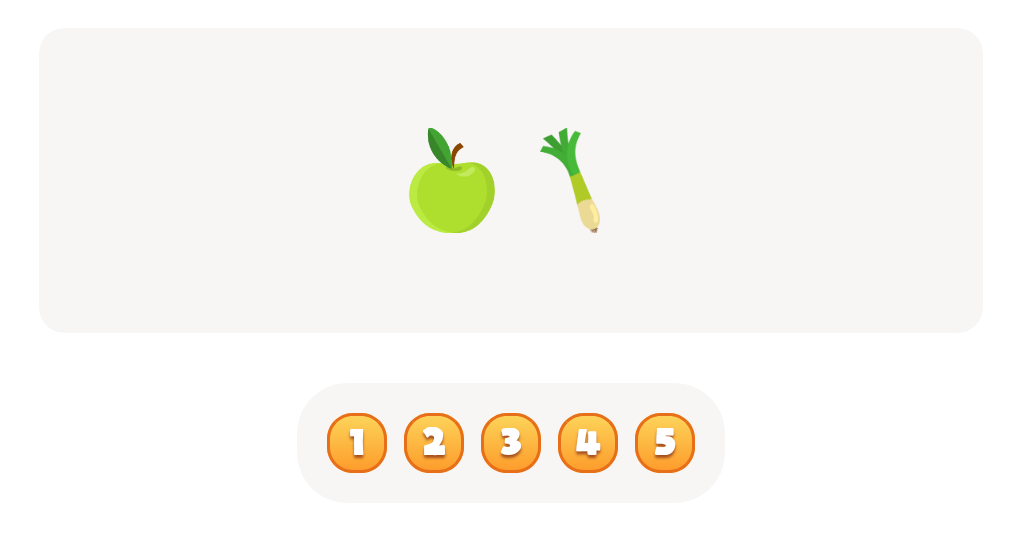
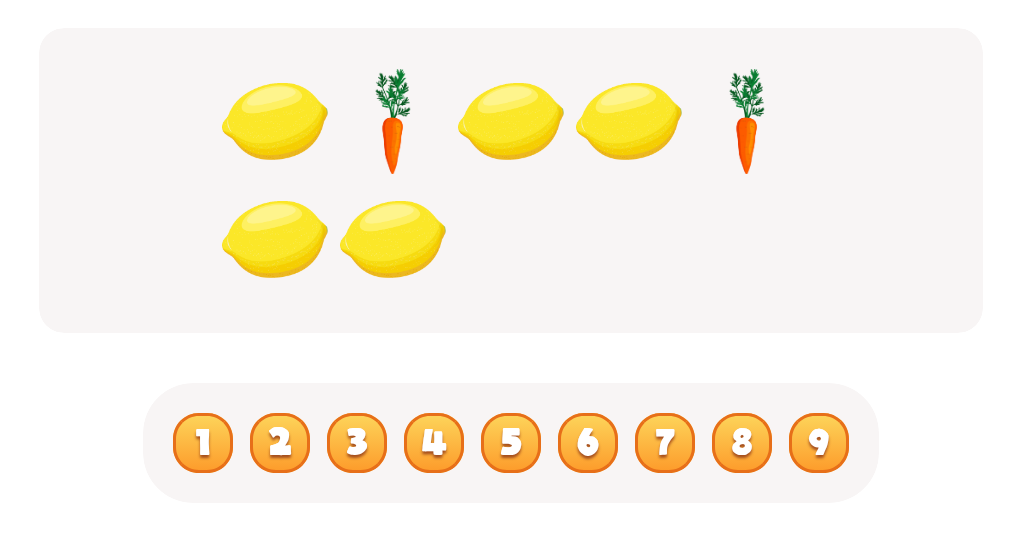
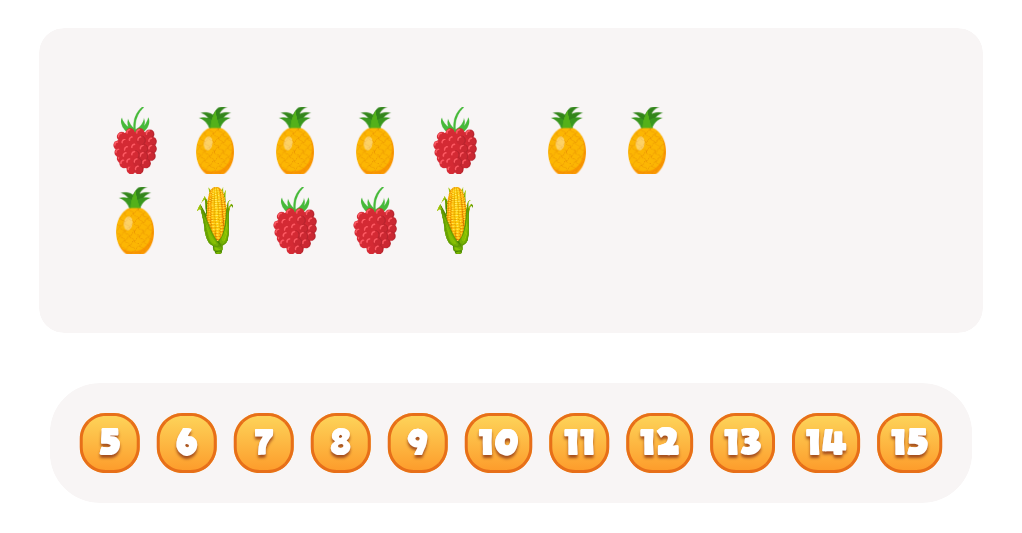
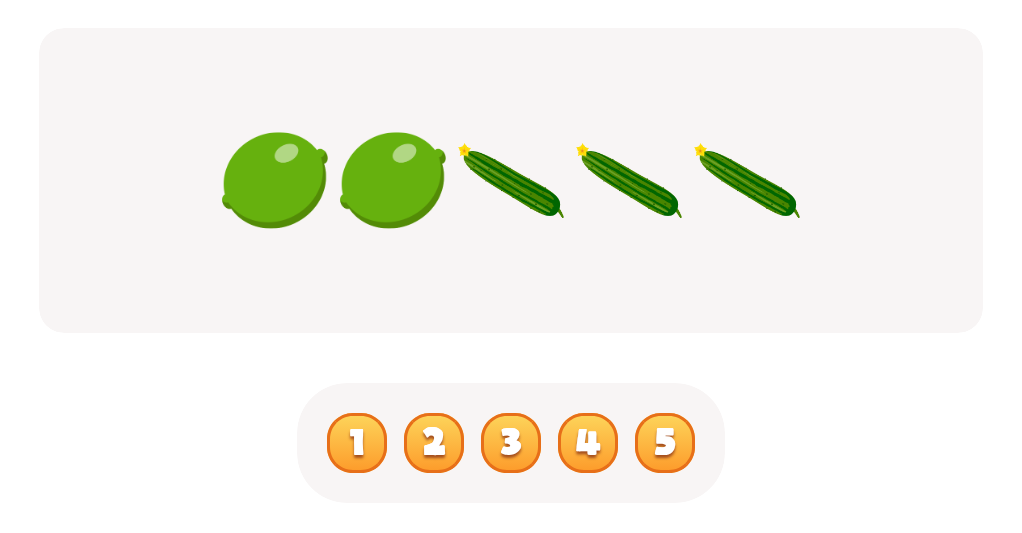
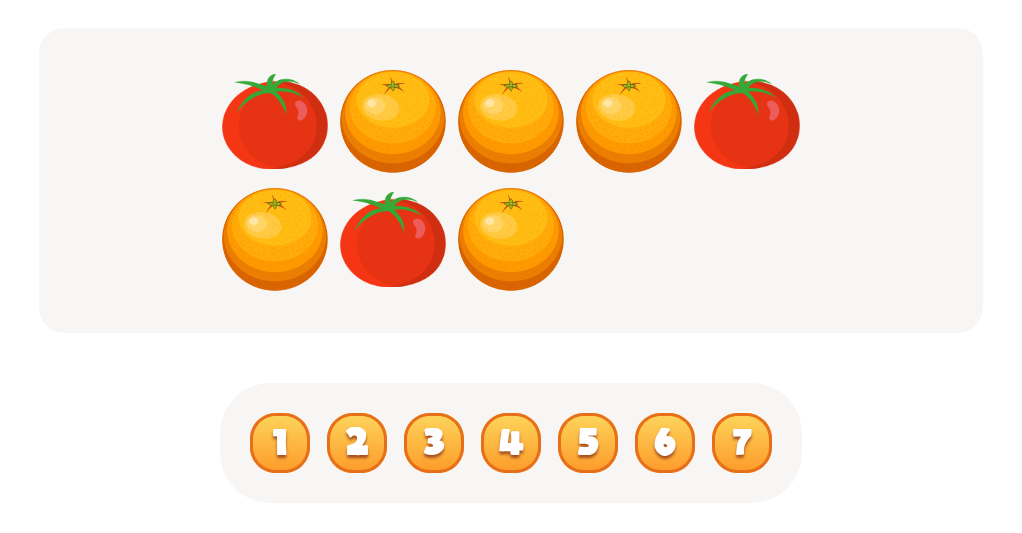
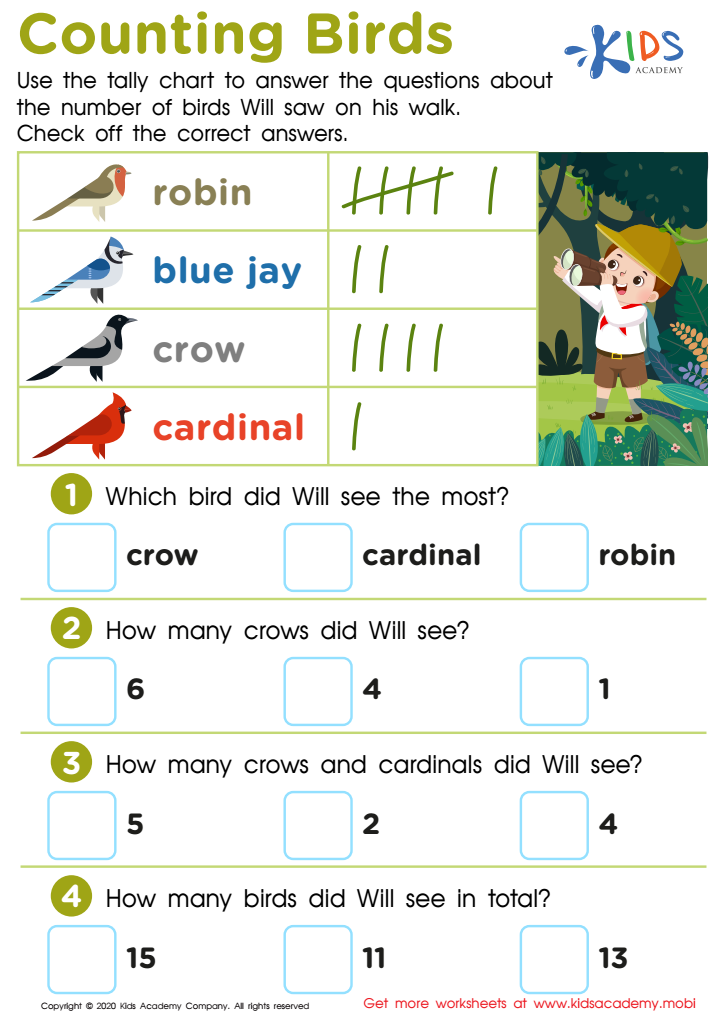
Counting Birds Worksheet
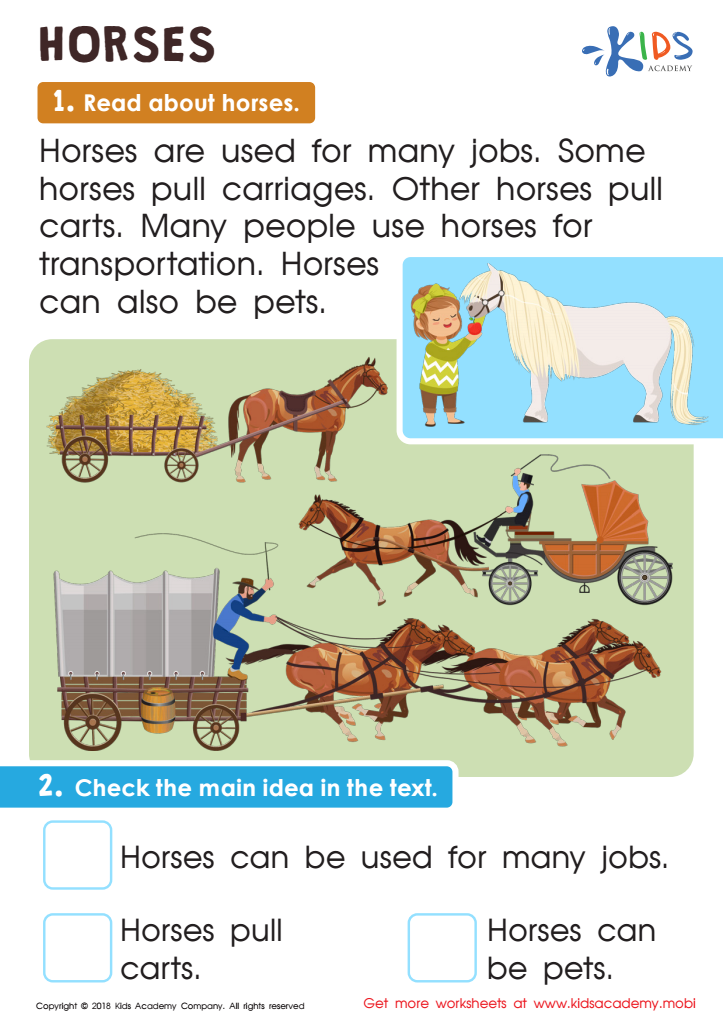
Horses Worksheet
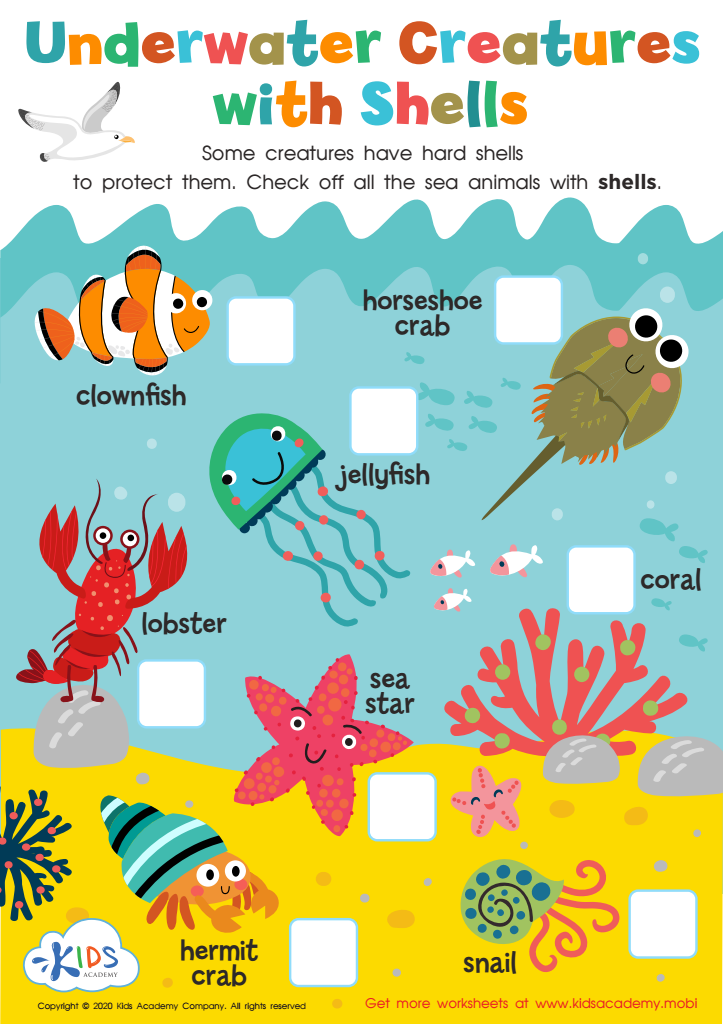
Underwater Creatures with Shells Worksheet
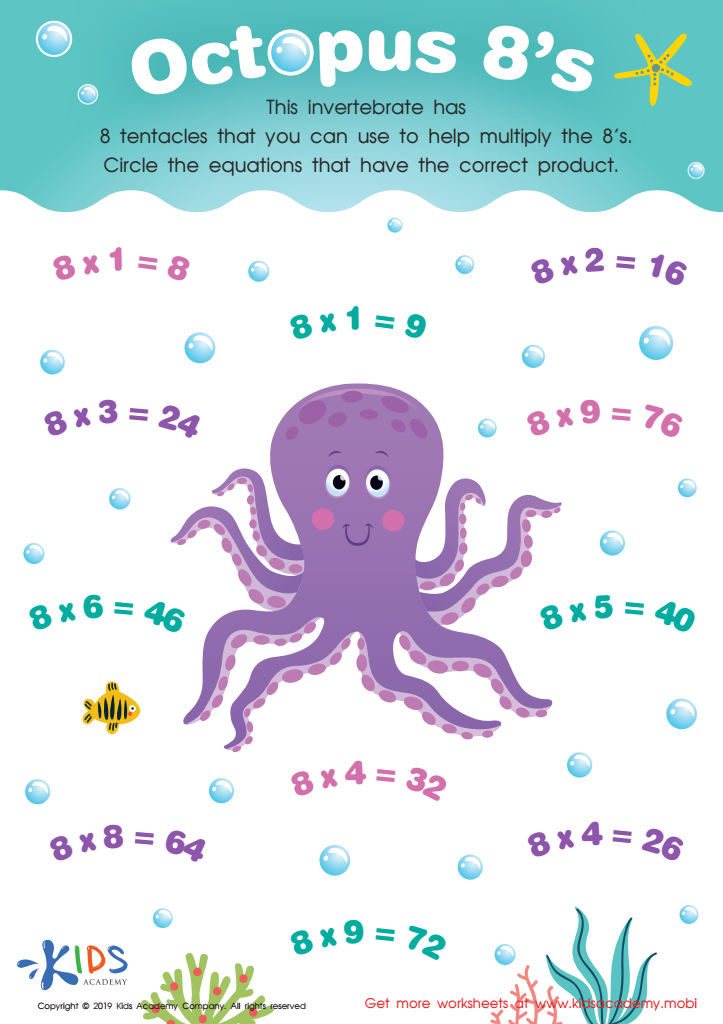
Octopus 8’s Worksheet


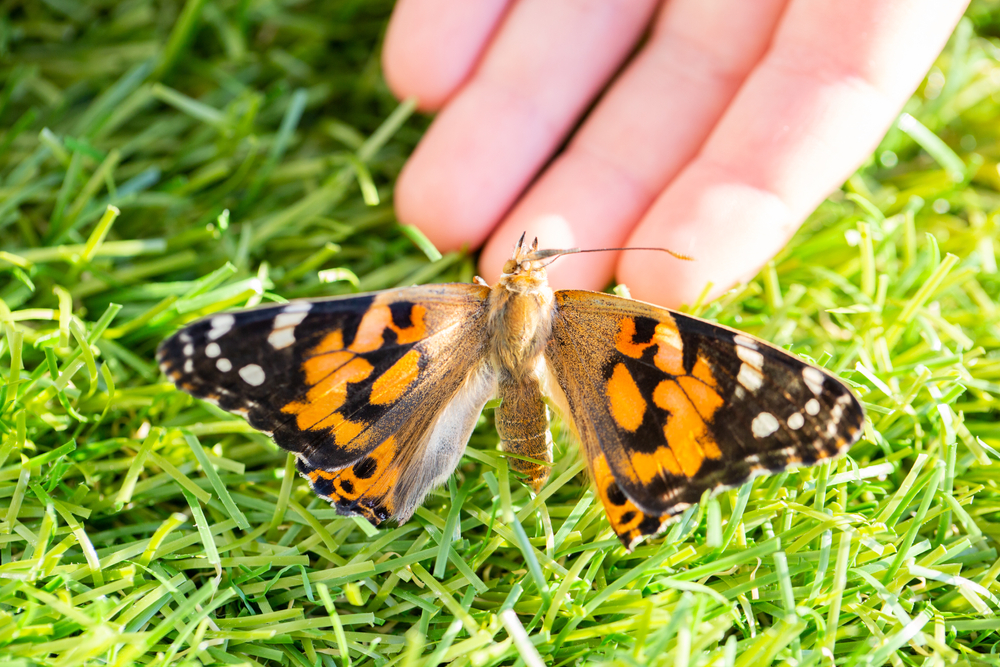

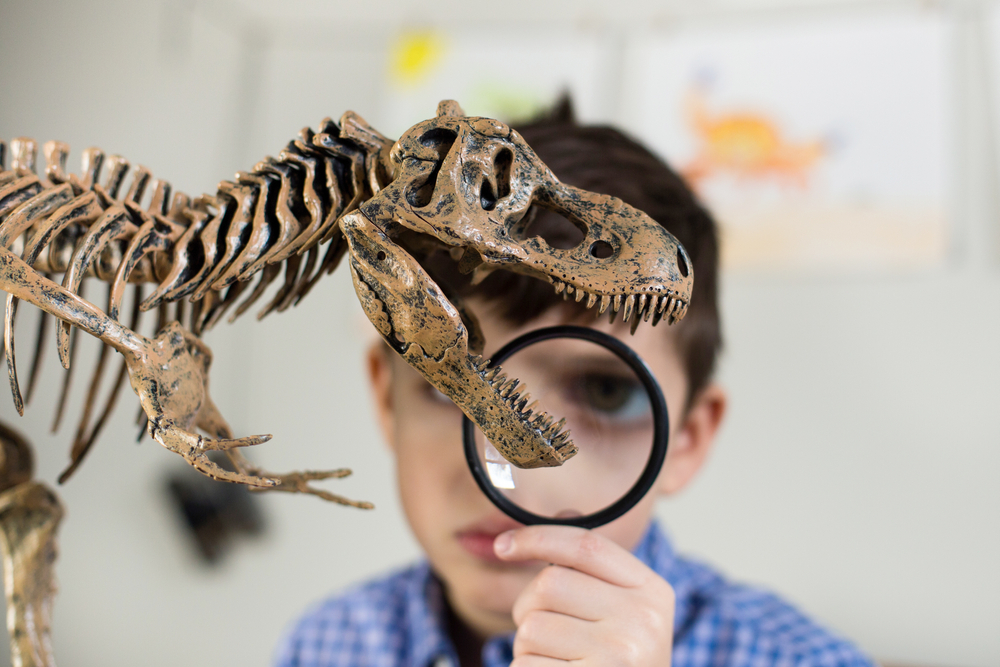



Fine motor skills are essential for a child's development, impacting their ability to perform tasks that require coordination and precision, such as writing, drawing, and manipulating small objects. Understanding how plants and animals can nurture these skills is crucial for parents and teachers. Activities that involve handling seeds, planting, and caring for plants help children practice grip strength and hand-eye coordination through tasks like digging or planting seeds. Similarly, engaging with animals, whether through care or observation, encourages fine motor skill development as children learn to groom, feed, or interact with pets or wildlife safely.
Furthermore, learning about plants and animals fosters a deeper appreciation for nature, encouraging curiosity and cognitive engagement. It empowers children to explore textures, weights, and colors while honing their sensory awareness. Additionally, these activities promote patience and focus; nurturing a growing plant or caring for an animal requires consistent attention.
By prioritizing activities linked to fine motor skills through plant and animal interactions, parents and teachers can create rich, hands-on learning experiences that support overall development, encourage environmental stewardship, and help children build confidence in their abilities both inside and outside the classroom.