Learning about ecosystems Plants and Animals Worksheets
4 filtered results
-
From - To
Explore the wonders of nature with our "Learning about Ecosystems: Plants and Animals Worksheets"! Perfect for curious young minds, these engaging worksheets introduce kids to the fascinating interactions within ecosystems, featuring a blend of plant and animal life. Through fun activities and vibrant illustrations, children will discover the roles different species play in their habitats while honing critical thinking and observation skills. Ideal for classroom or at-home learning, our worksheets make understanding ecosystems an exciting adventure. Aligning with educational standards, Kids Academy provides high-quality resources to inspire a love of science in early learners. Start your child’s ecological exploration today!
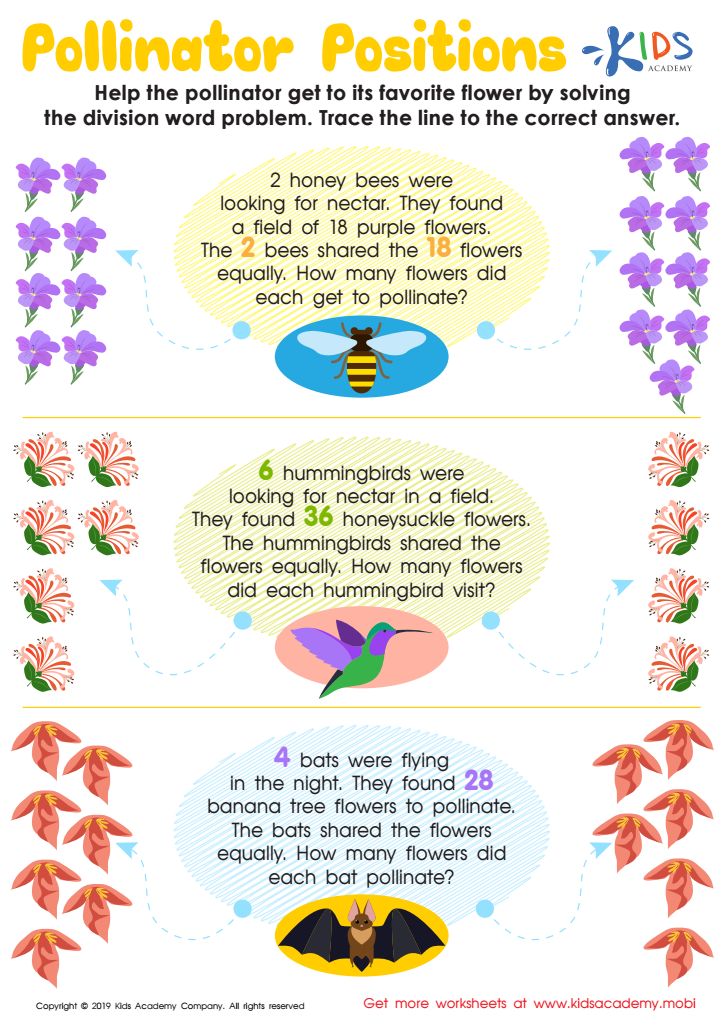
Pollinator Positions Worksheet
 Assign to My Students











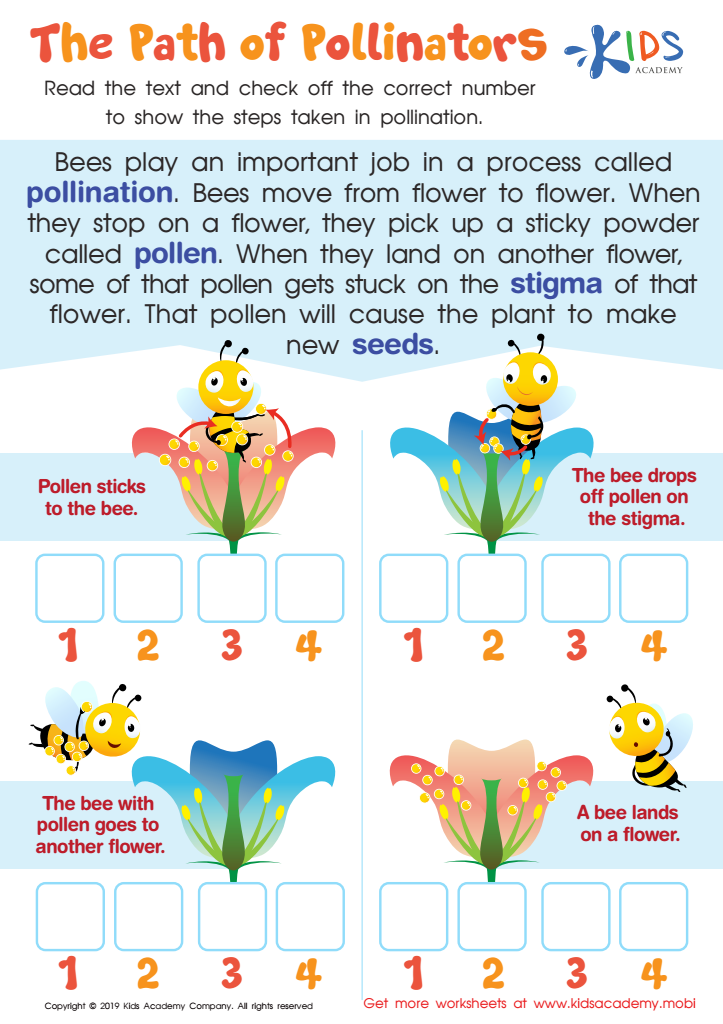
The Path of Pollinators Worksheet
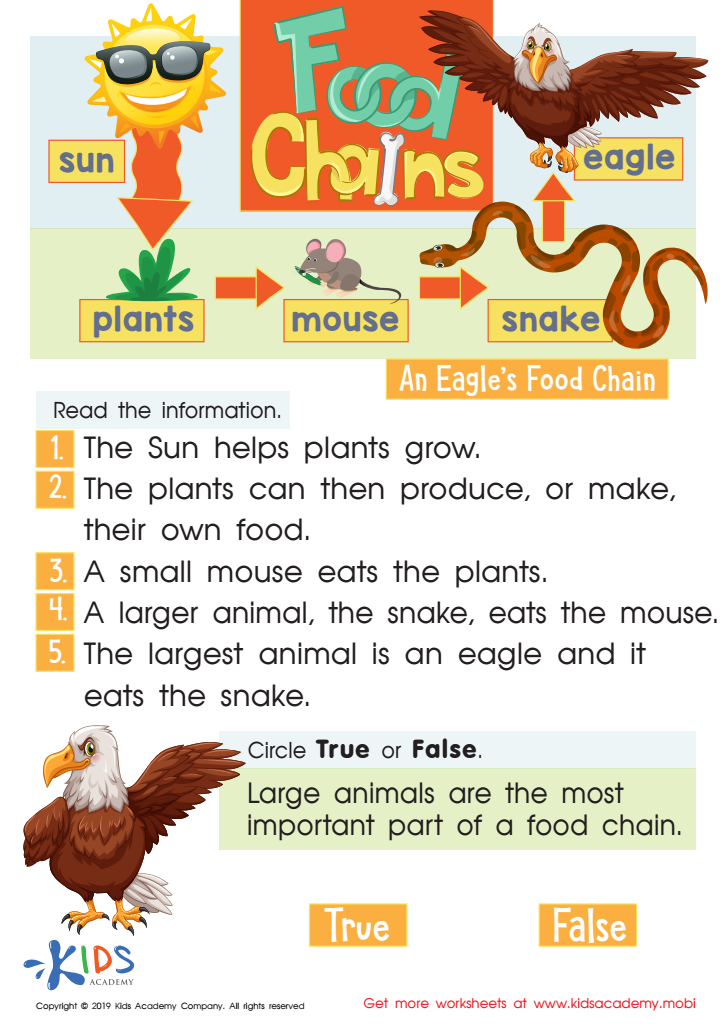
Food Chains Worksheet
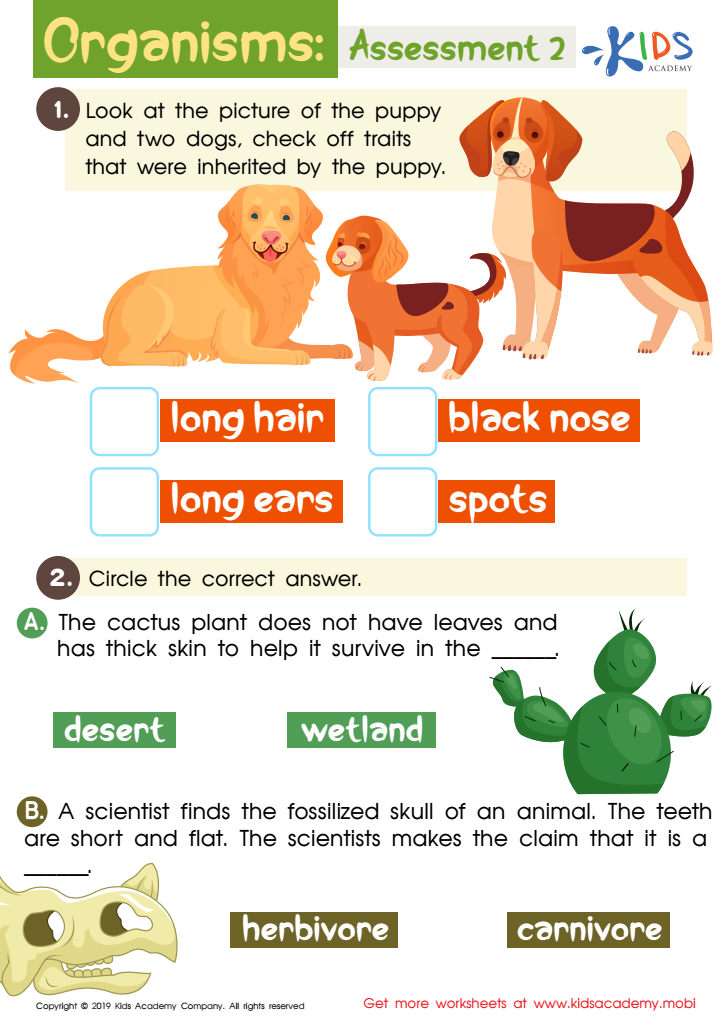
Organisms: Assessment 2 Worksheet







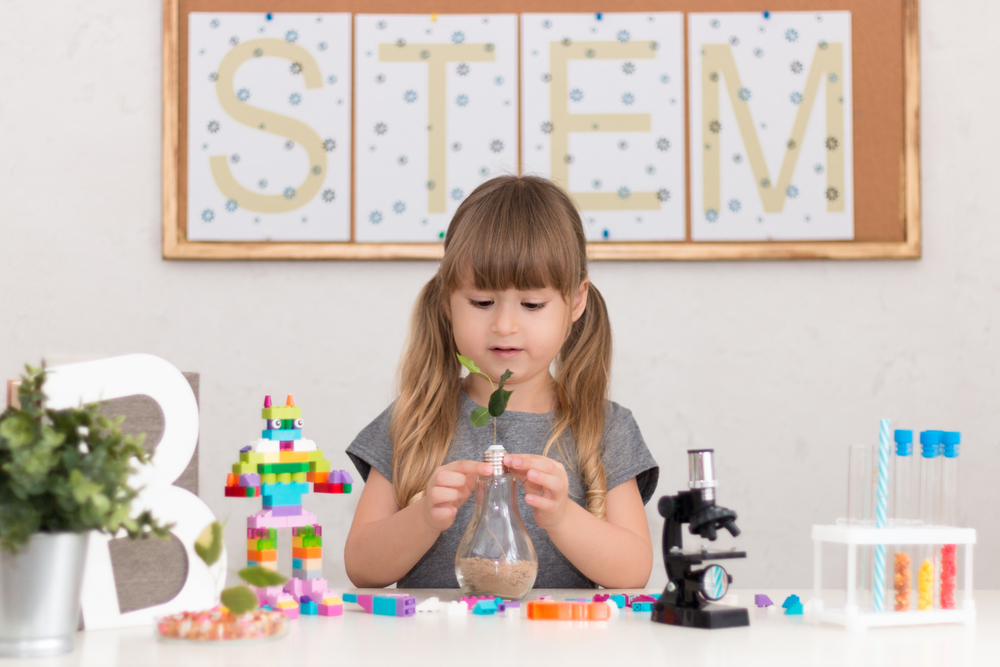
Parents and teachers should prioritize learning about ecosystems, plants, and animals because it fosters curiosity and responsible stewardship in young students. Studying ecosystems helps children understand the intricate relationships between living organisms and their environments. It emphasizes the importance of biodiversity and how each species, including humans, plays a vital role in maintaining ecosystem balance.
Knowledge of plants and animals also instills an appreciation for nature, encouraging proactive conservation attitudes. Young learners who understand where their food comes from or why pollinators like bees are crucial become more likely to make environmentally conscious choices. This foundation of knowledge promotes sustainable living habits from an early age, such as recycling, conserving water, and minimizing waste.
Moreover, learning about ecosystems can also enhance scientific literacy and critical thinking skills. It provides hands-on and inquiry-based learning experiences that ignite curiosity, enabling children to form questions, conduct observations, and draw conclusions—skills that are fundamental across all academic disciplines. Thus, by incorporating these topics, educators and parents help develop well-rounded individuals who are not only informed about their natural world but also motivated to protect it for future generations. These lessons contribute both to personal growth and collective efforts toward a healthier planet.








