Tracing worksheets activities for Ages 5-8 - Page 8
186 filtered results
-
From - To
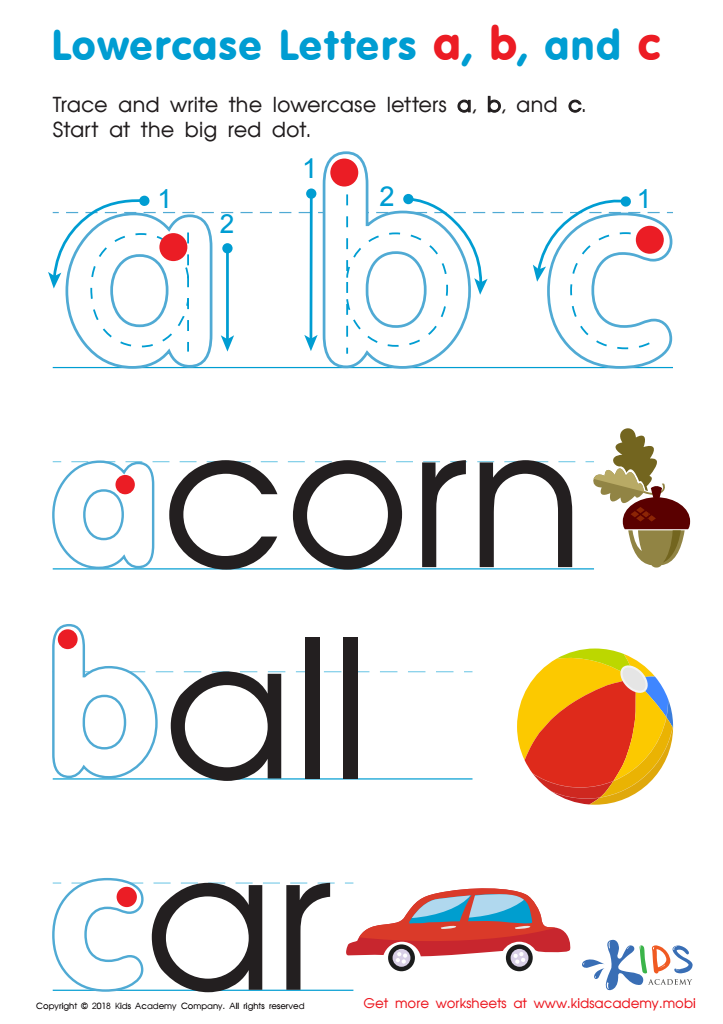
Lowercase Letters a b c Worksheet
 Assign to My Students
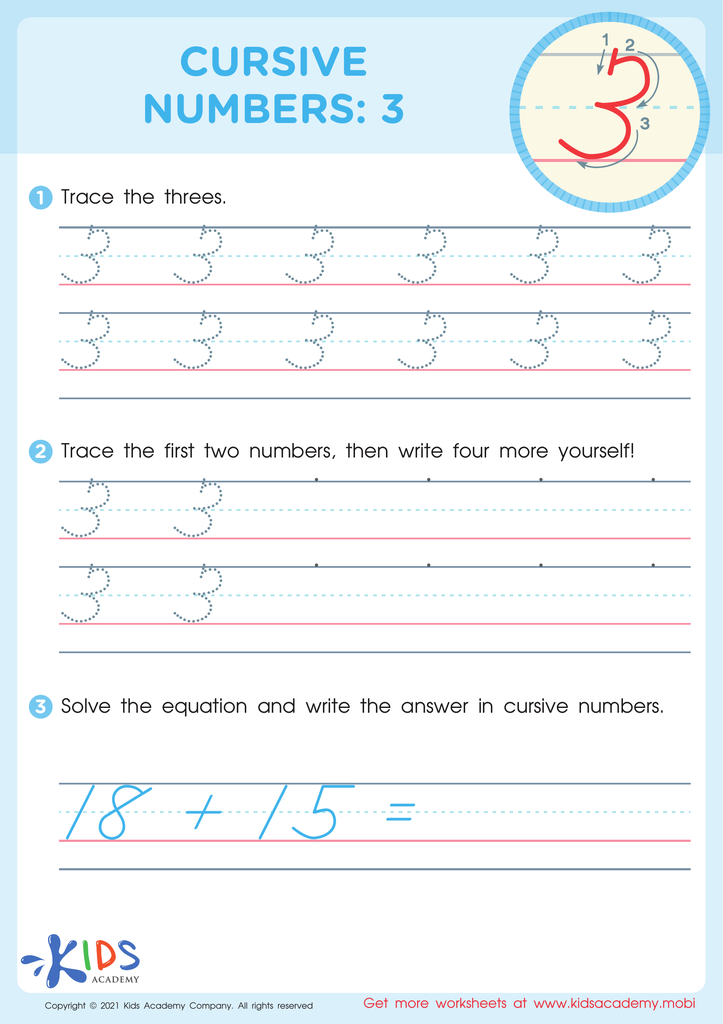
Cursive Numbers: 3 Worksheet
Tracing Lines Worksheet
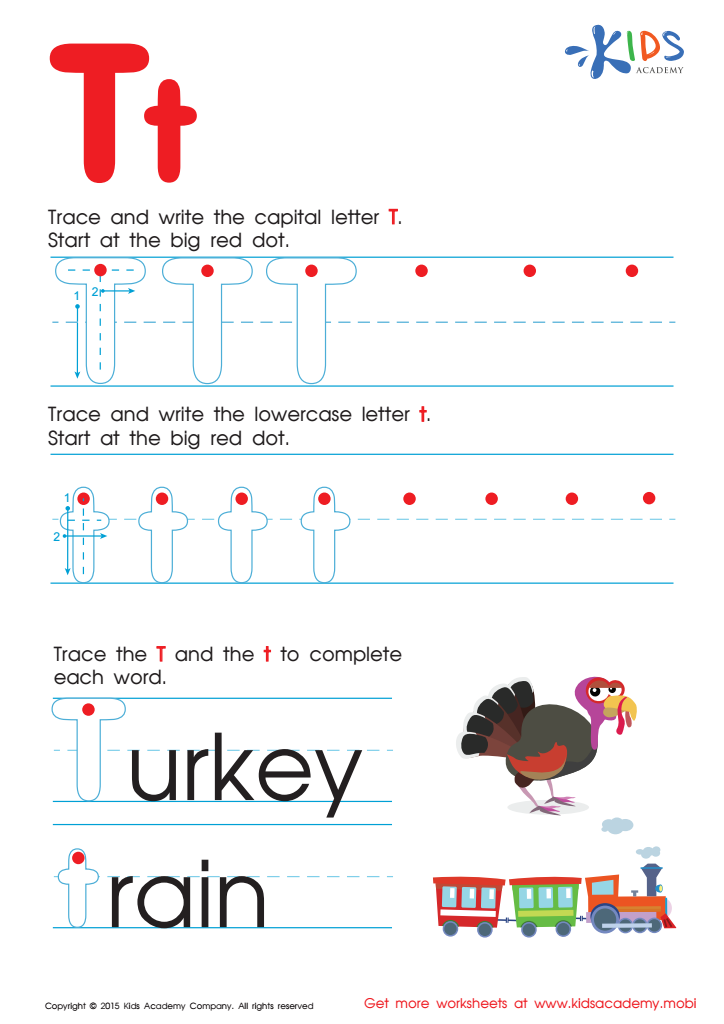
Letter T Tracing Page
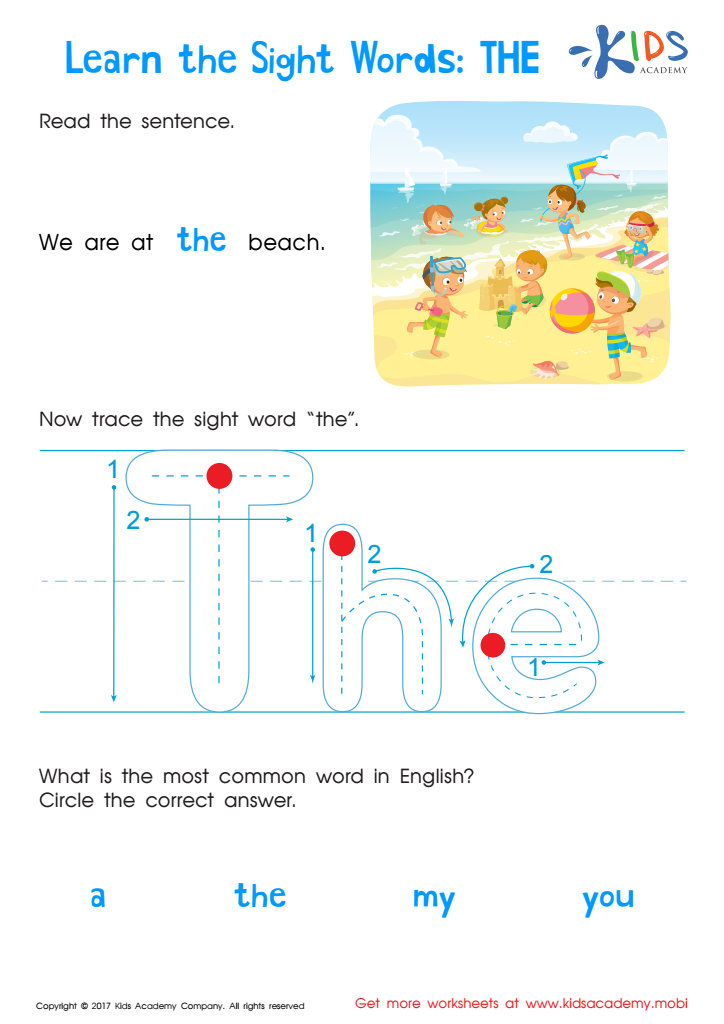
Sight Words: The Worksheet
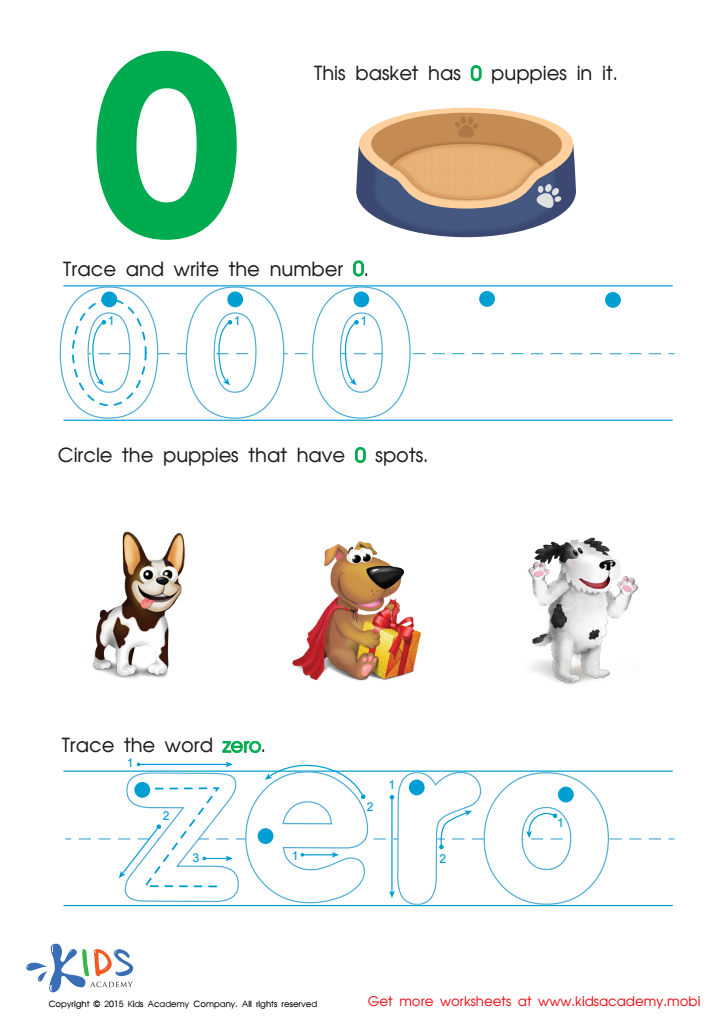
Trace And Write Number 0 Worksheet

Letter D Tracing Page
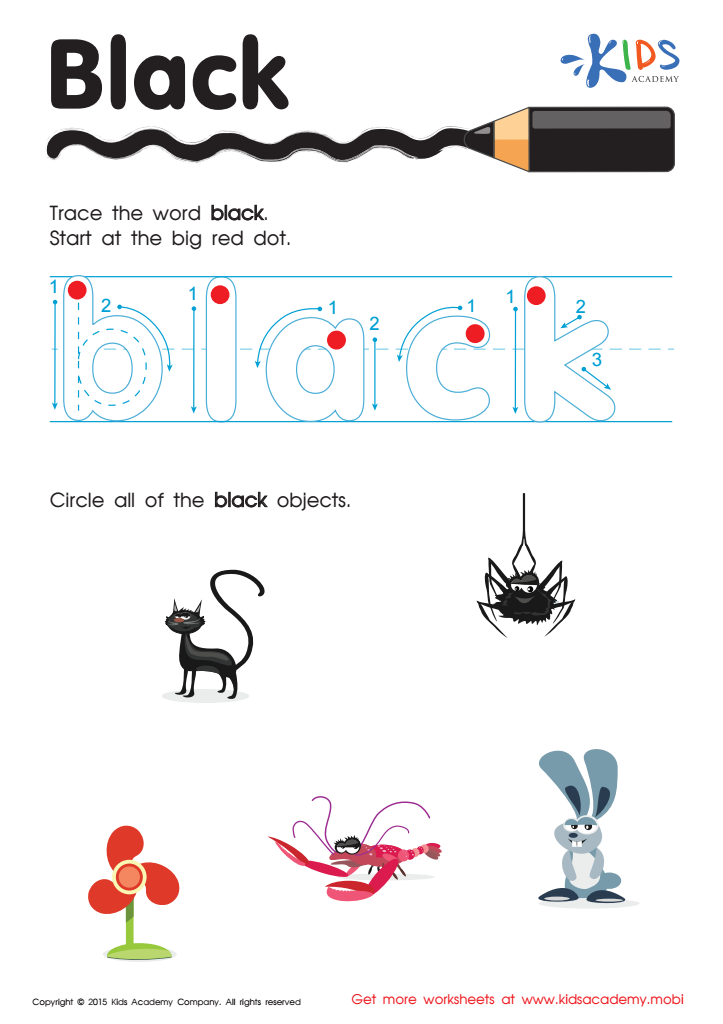
Black Tracing Color Words Printable
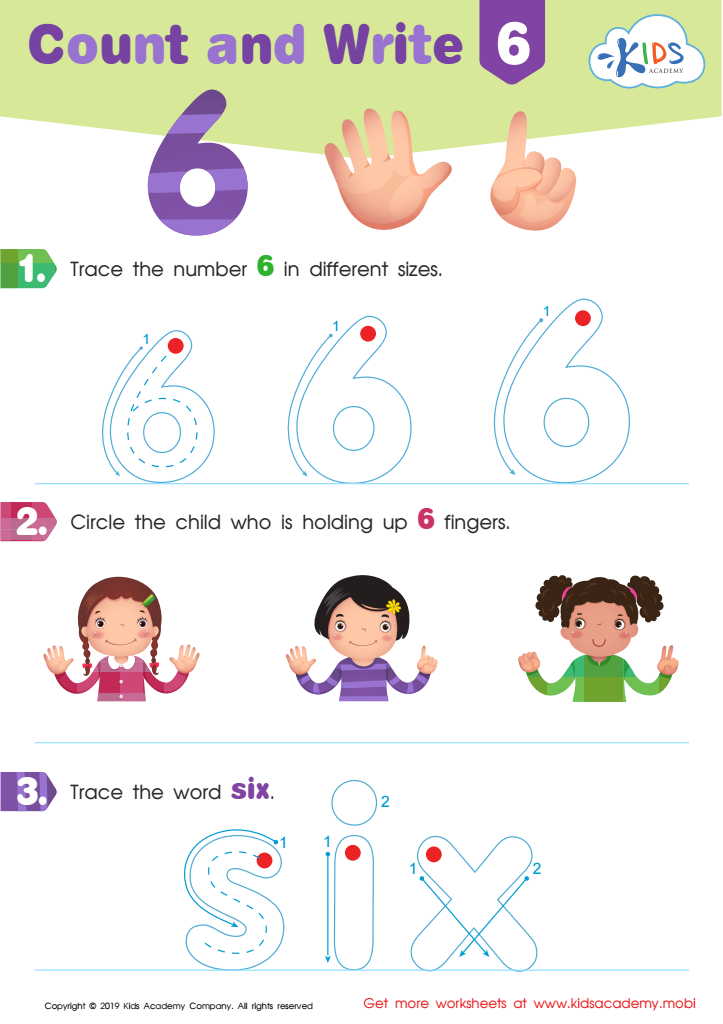
Count and Write 6 Worksheet
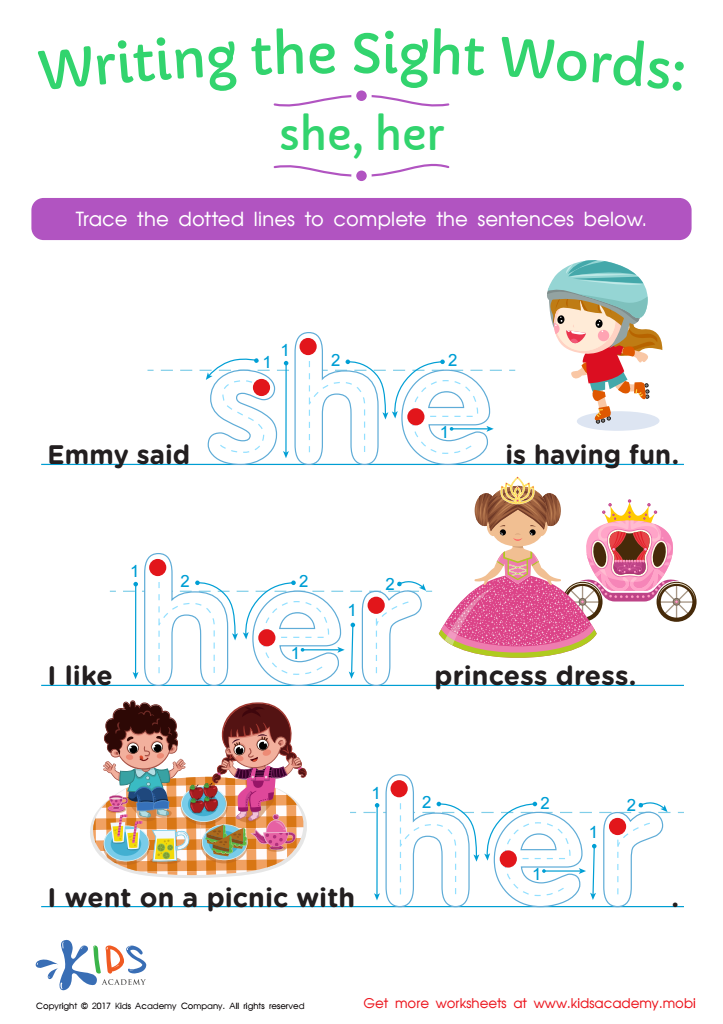
She, Her Printable Sight Words Worksheet
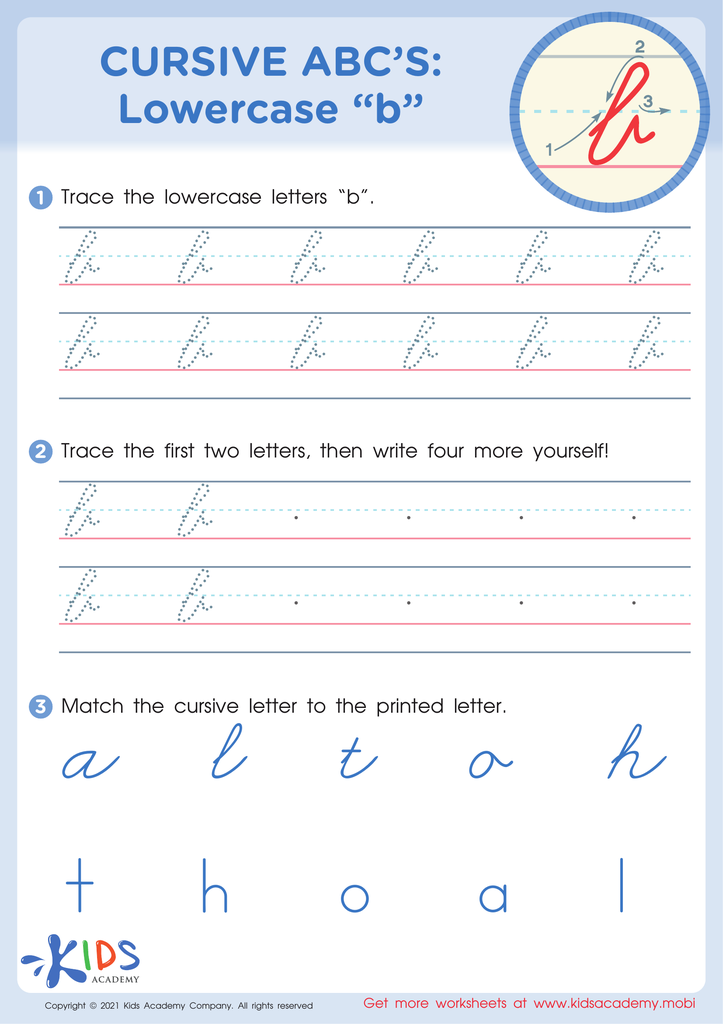
Cursive ABCs: Lowercase b
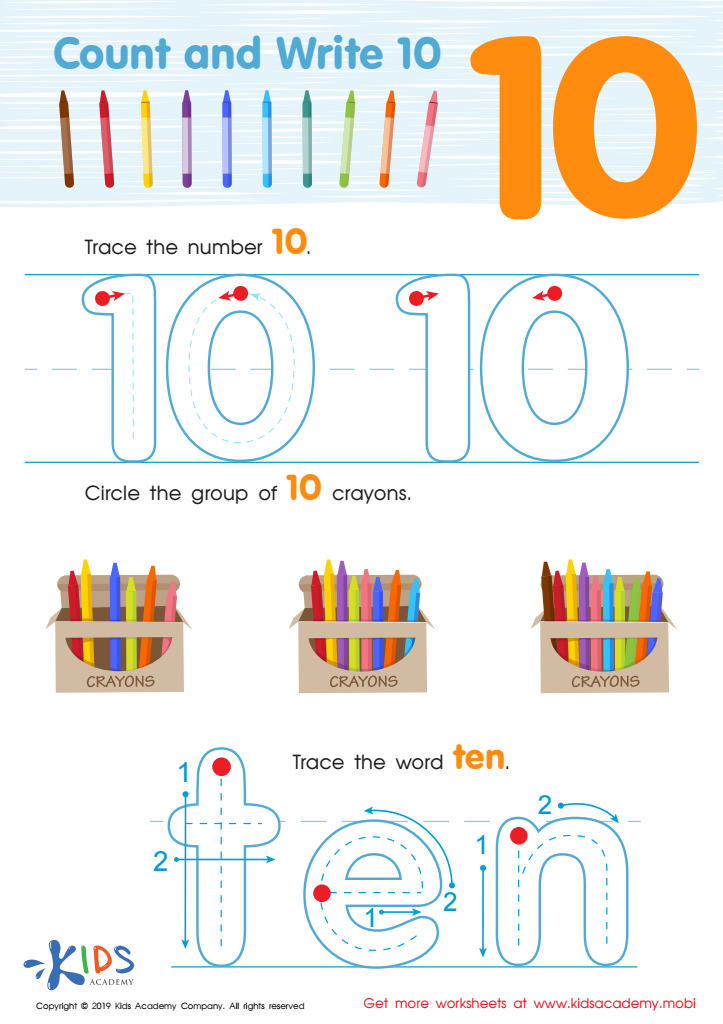
Count and Write 10 Worksheet
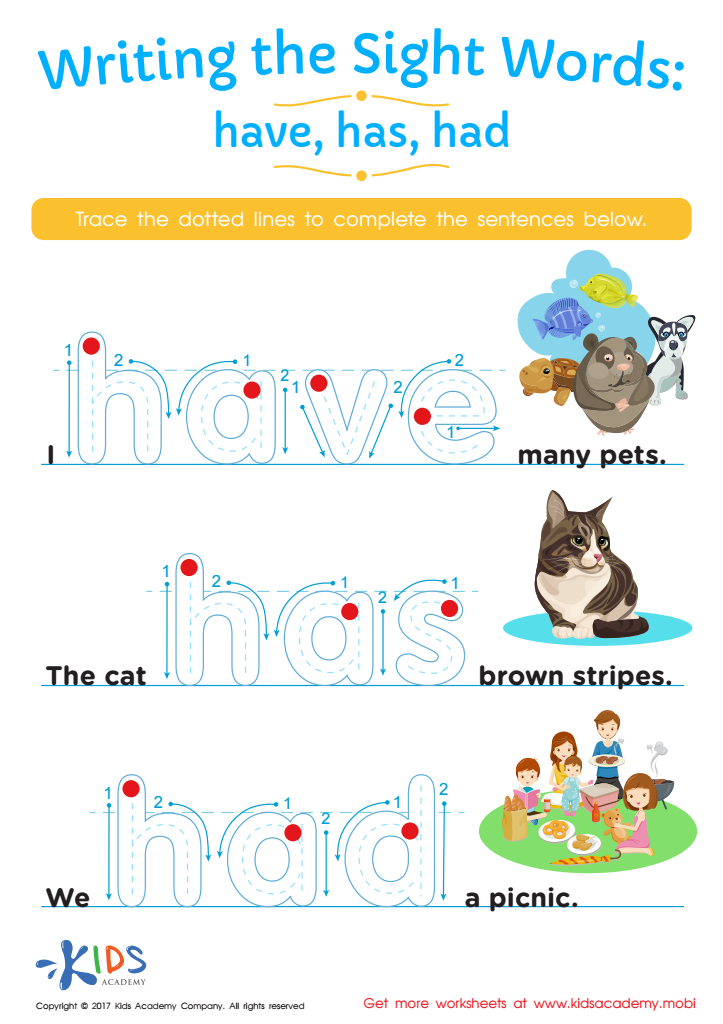
Have, Has, Had Worksheet Sight Words Worksheet
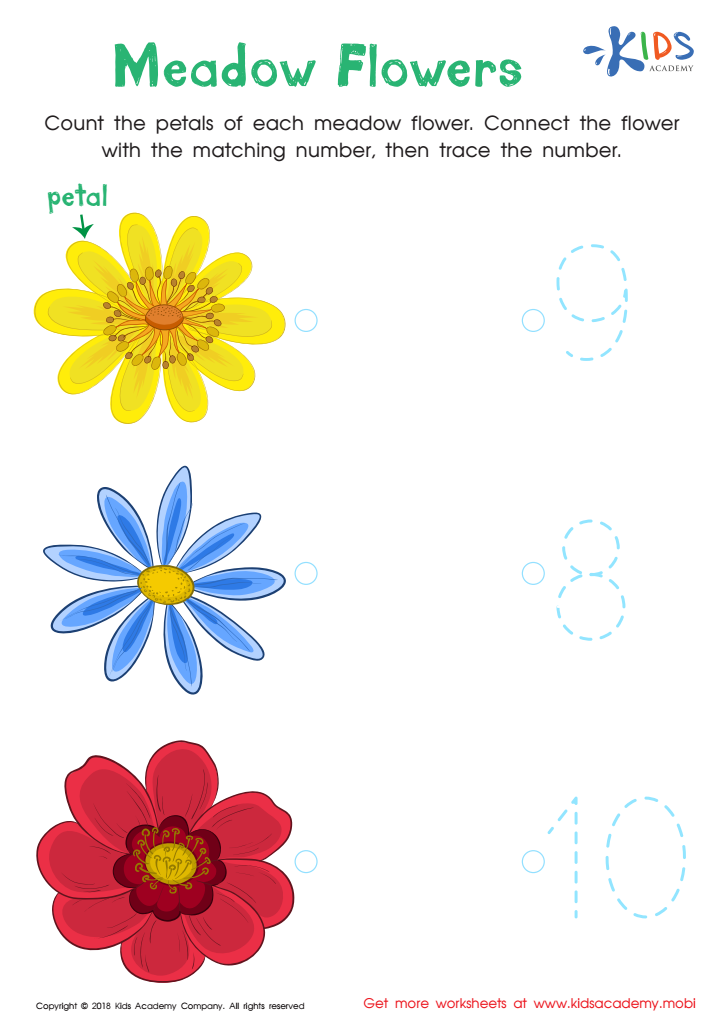
Kindergarten Number Tracing: Medow Flowers Worksheet
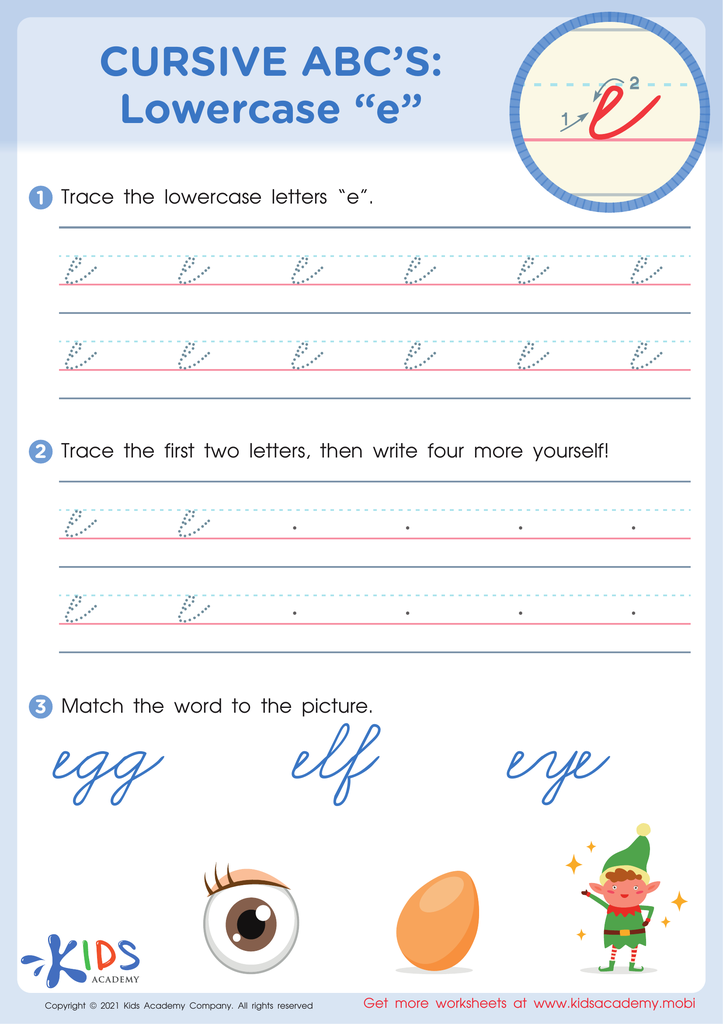
Cursive ABCs: Lowercase e
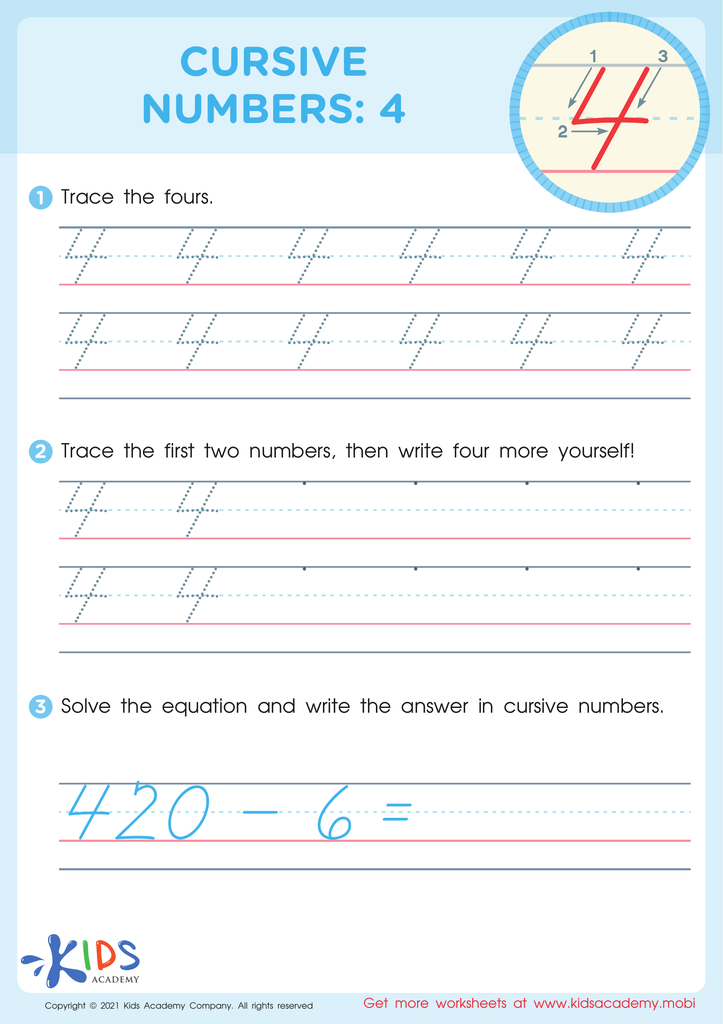
Cursive Numbers: 4 Worksheet
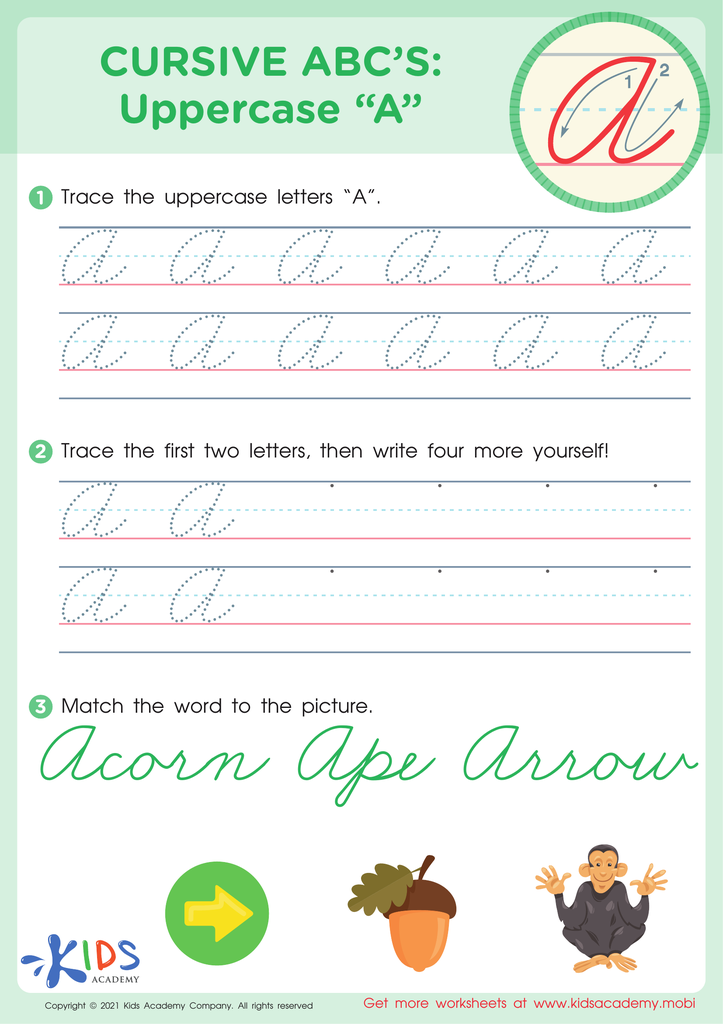
Cursive ABCs: Uppercase A
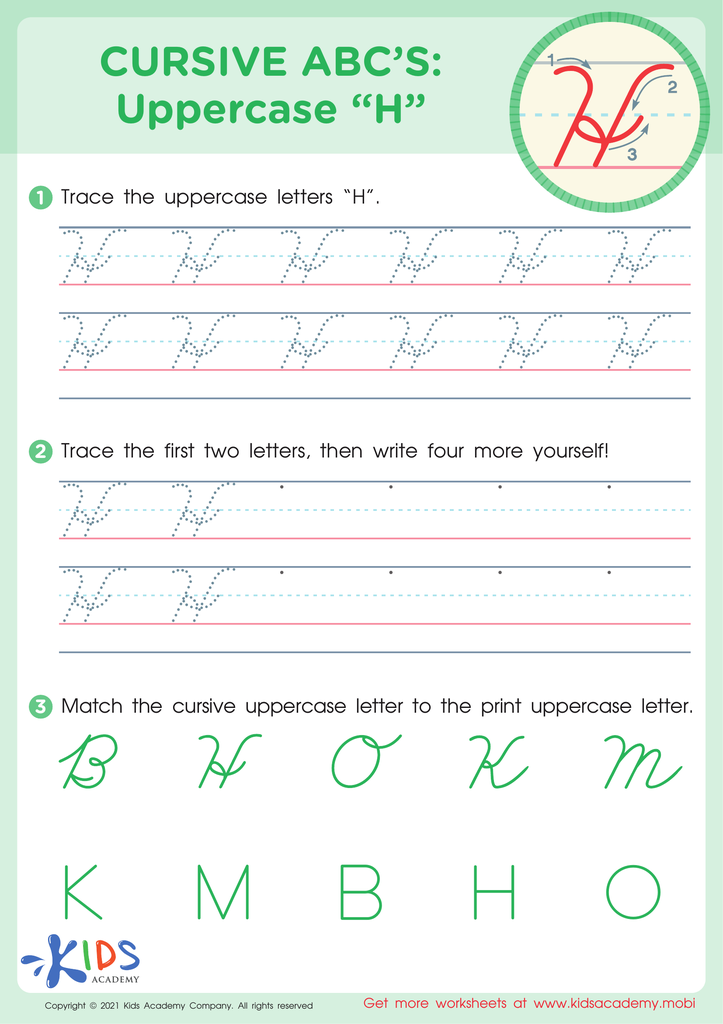
Cursive ABCs: Uppercase H






Tracing activities are vital for children aged 5-8, as they significantly contribute to essential developmental skills. Firstly, these activities enhance fine motor skills, enabling children to improve their grip and control over writing instruments. This control is crucial for confident handwriting and crafting abilities later in their educational path.
Secondly, tracing encourages cognitive development. Children learn to recognize letters, shapes, and numbers, which form the foundation for reading and math skills. As they engage with various forms through tracing, they also enhance their visualization skills, improving their understanding of spatial relationships.
Moreover, tracing activities can promote focus and concentration. Sitting down to trace requires attention and patience, skills that are valuable in more complex tasks. It also serves as an exciting way to introduce children to creative expression through art, as they trace designs, patterns, or even illustrations.
Additionally, tracing can be a bonding activity when parents or teachers join in, making learning a shared experience which fosters positive attitudes towards education. Overall, tracing activities not only support motor, cognitive, and emotional development but also lay a strong foundation for lifelong learning and skill-building. Thus, it’s vital for adults in children's lives to promote them actively.








