Tracing Letters worksheets activities for Ages 5-8 - Page 3
57 filtered results
-
From - To
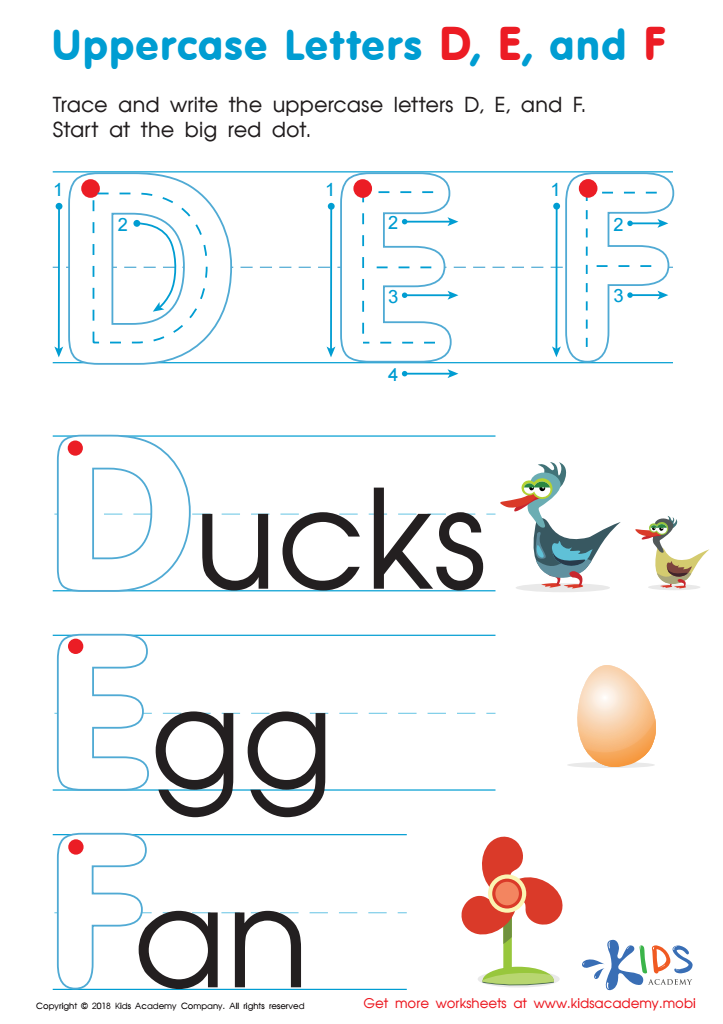
Uppercase Letters D, E, and F Worksheet
 Assign to My Students
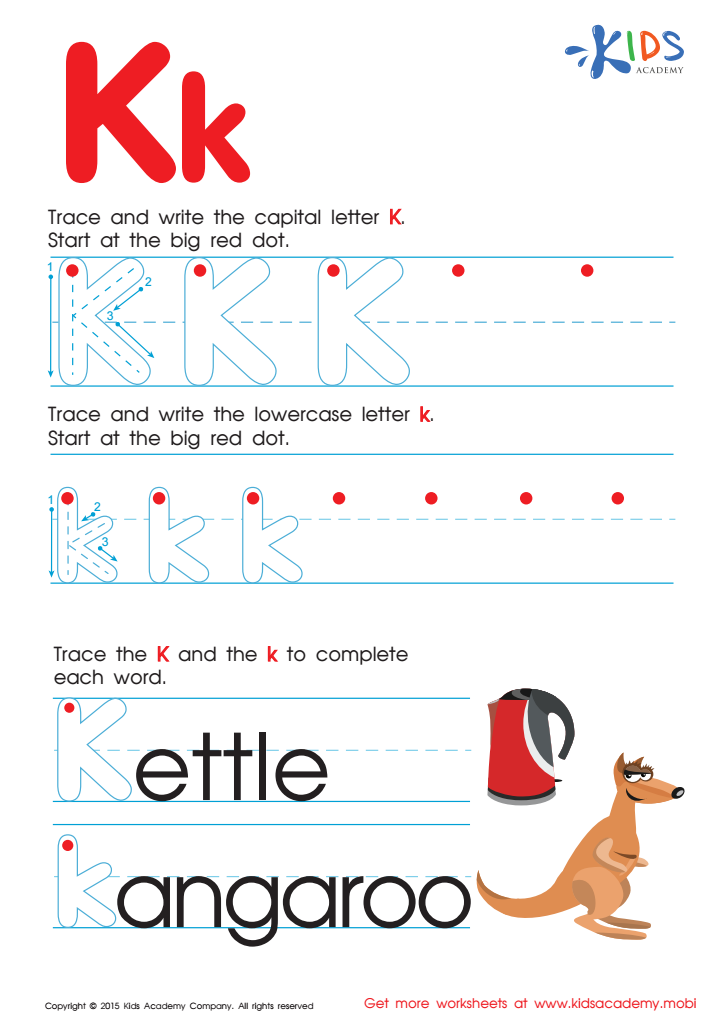
Letter K Tracing Page
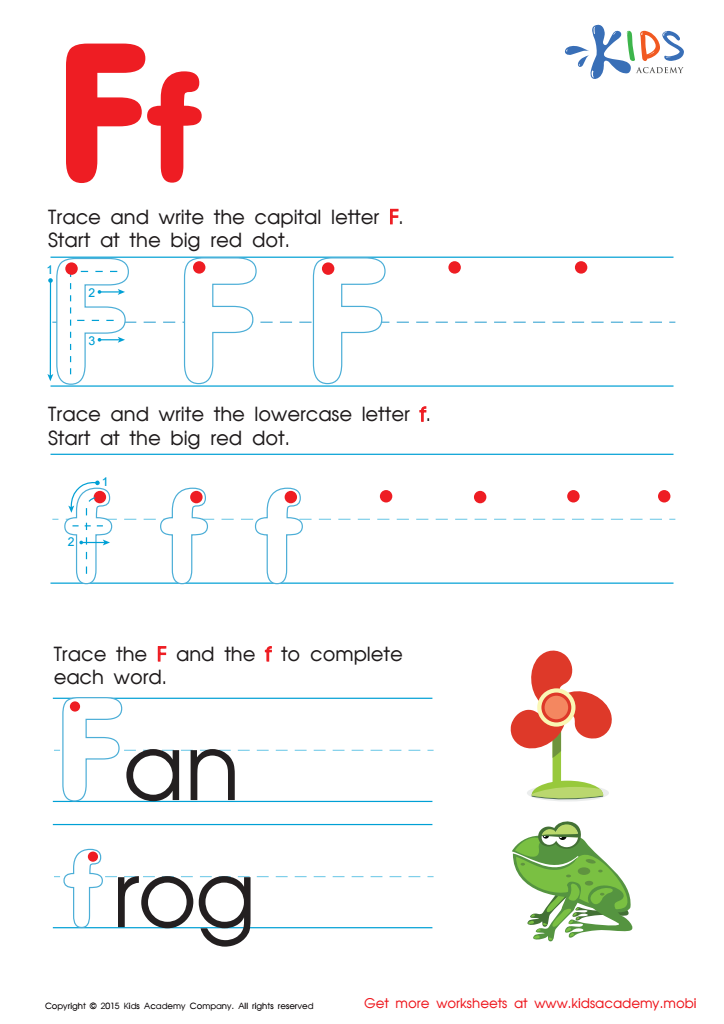
Letter F Tracing Page
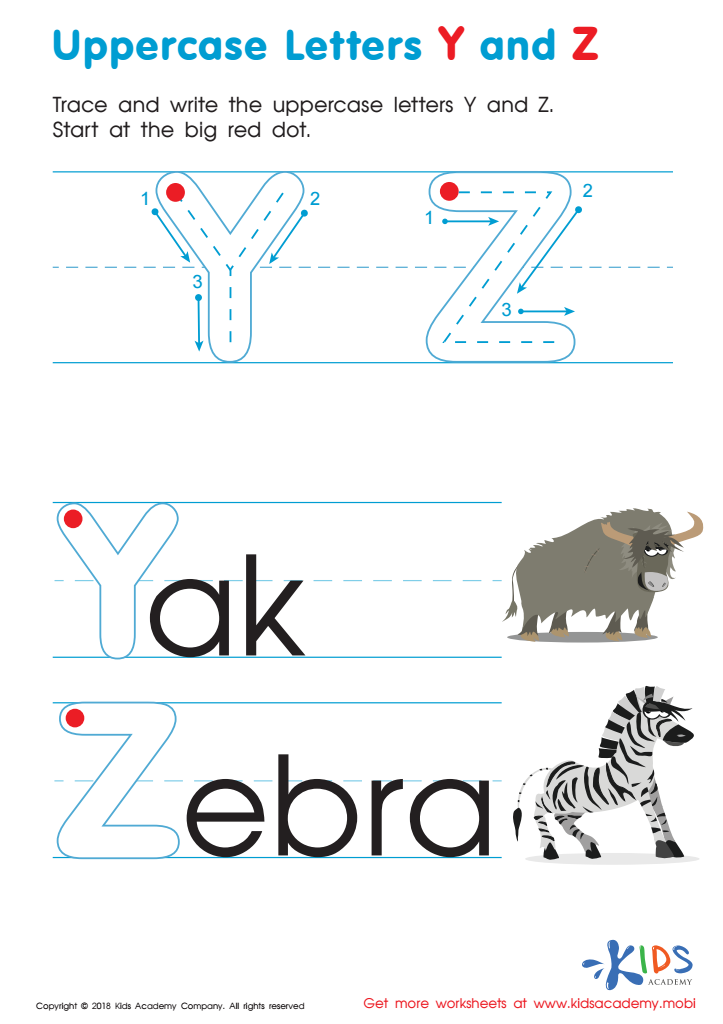
Uppercase Letters Y Z Worksheet
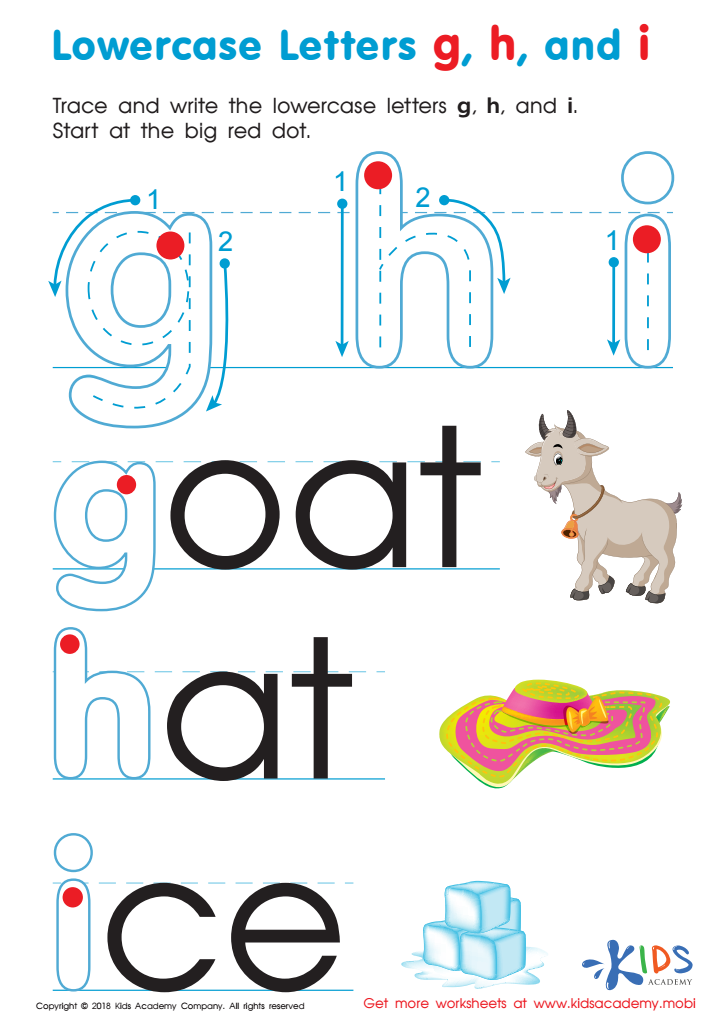
Lowercase Letters g h i Worksheet
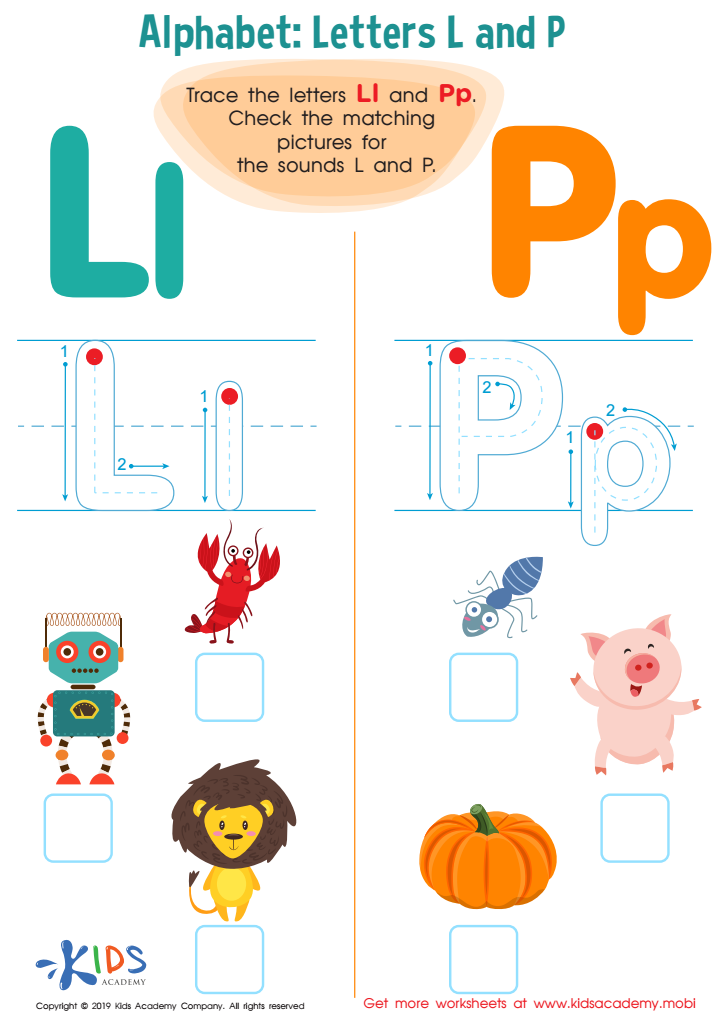
Letter L and P Tracing Worksheet
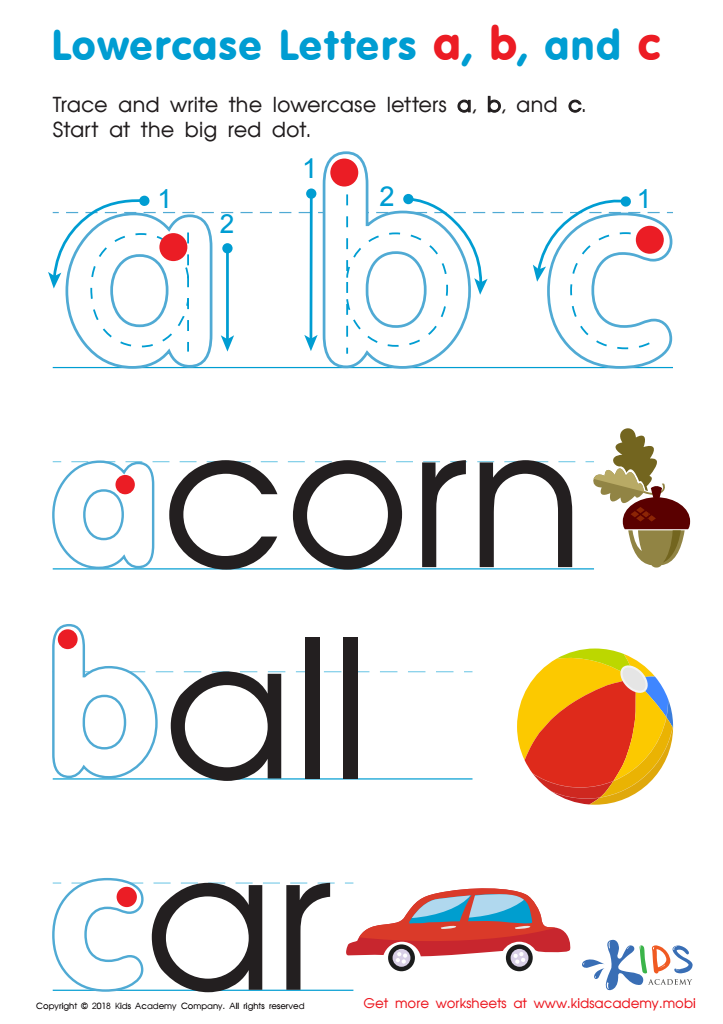
Lowercase Letters a b c Worksheet
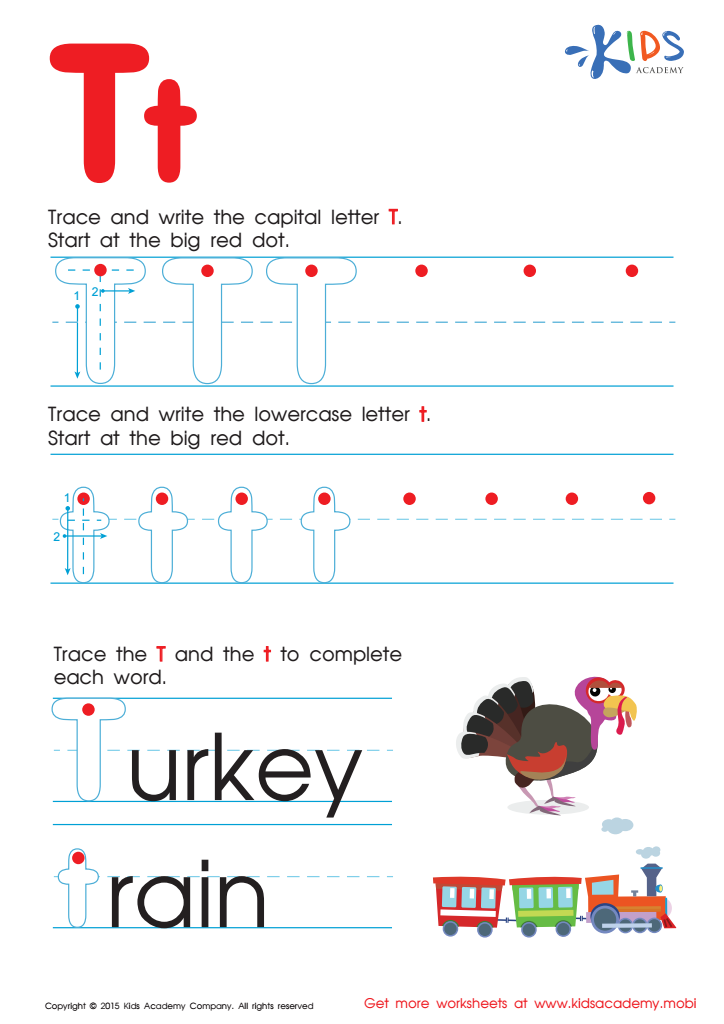
Letter T Tracing Page

Letter D Tracing Page







Tracing letters is an essential activity for children aged 5-8, as it plays a significant role in their early literacy and fine motor skill development. This practice not only introduces young learners to the shapes and formations of letters but also helps build muscle memory in writing. By tracing, children gain confidence and improve their writing posture and grip, laying a strong foundation for their future writing abilities.
Moreover, tracing activities are immensely beneficial for language acquisition. They help reinforce letter recognition, phonetic sounds, and the concept of spelling. As children engage in these exercises, they often say letter names and sounds aloud, enhancing their language processing skills.
Furthermore, tracing can be integrated with multisensory approaches, making learning engaging and enjoyable. Including colorful visuals, playful themes, and interactive worksheets can motivate children, keeping them interested and focused.
For parents and teachers, supporting tracing letter activities is critical in fostering an early love for learning. It not only boosts academic readiness but also builds essential cognitive and motor skills, promoting greater success in reading and writing. By prioritizing these activities, caregivers play an active role in nurturing a child’s educational journey, ensuring their preparedness for lifelong learning.








