Fairy Tales worksheets activities for Ages 6-9 - Page 2
63 filtered results
-
From - To
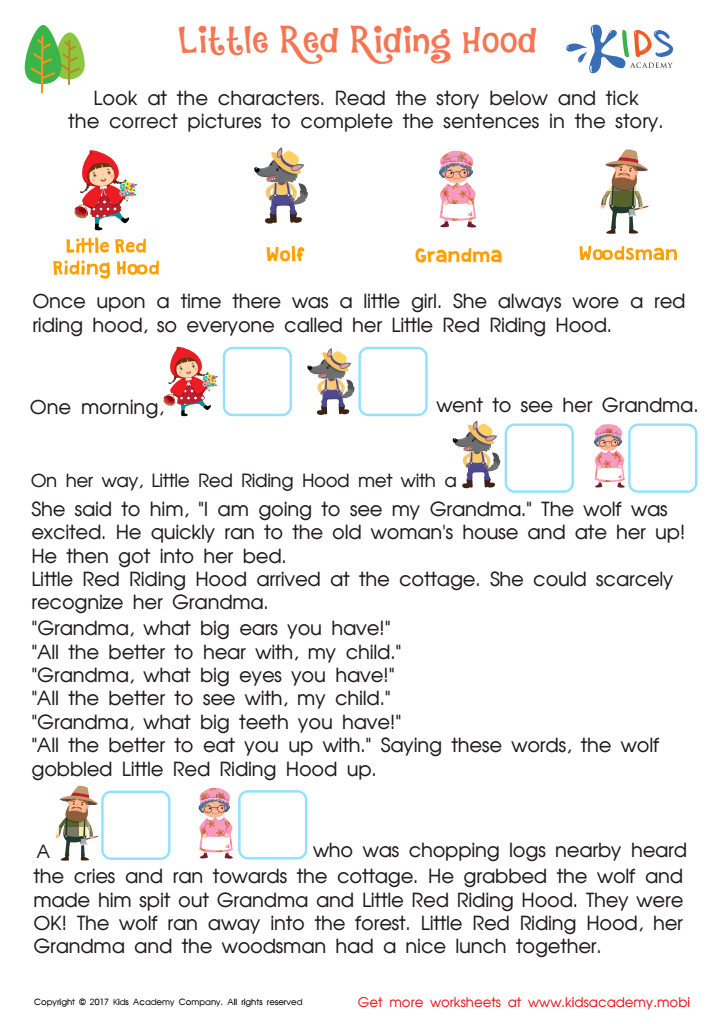
Little Red Riding Hood Printable
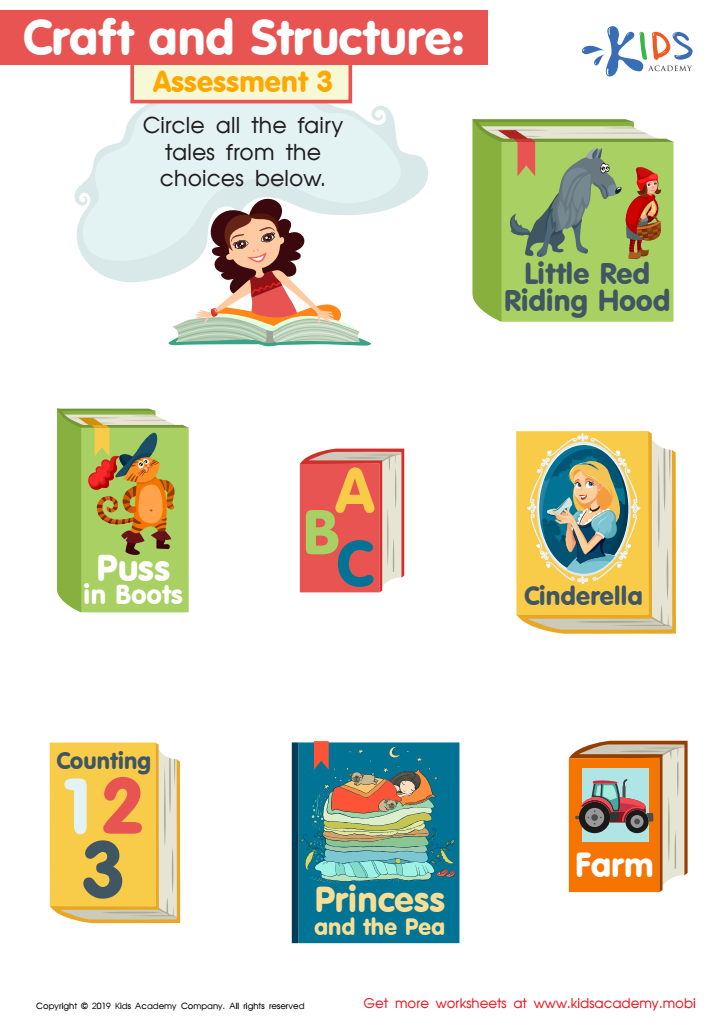
Craft and Structure: Assessment 3 Worksheet
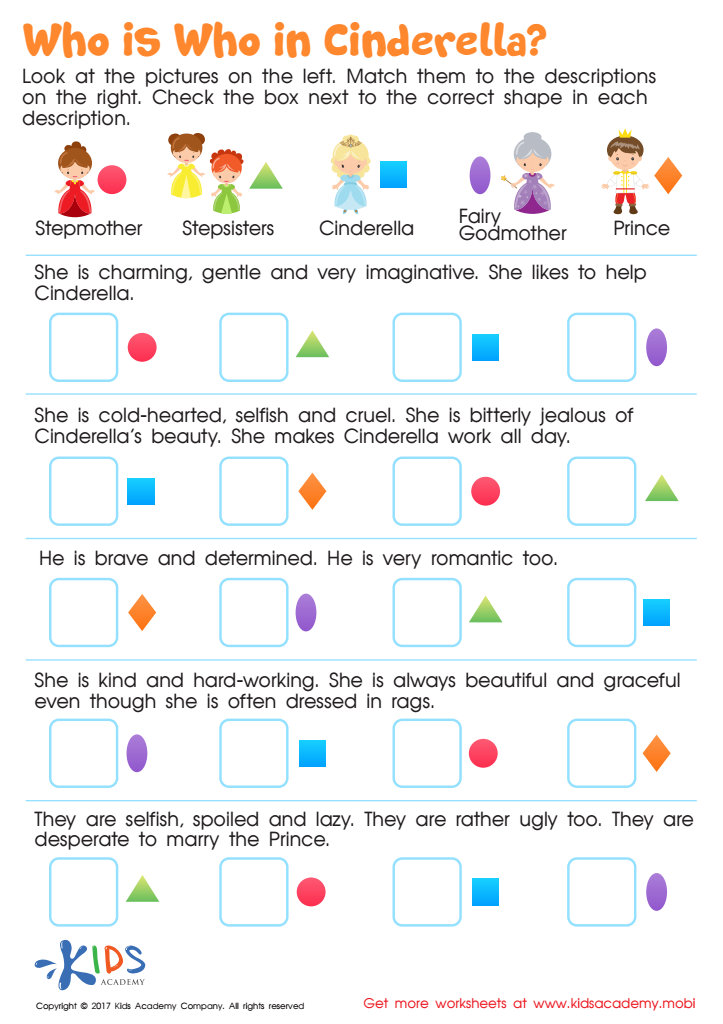
Cinderella Comprehension Worksheet
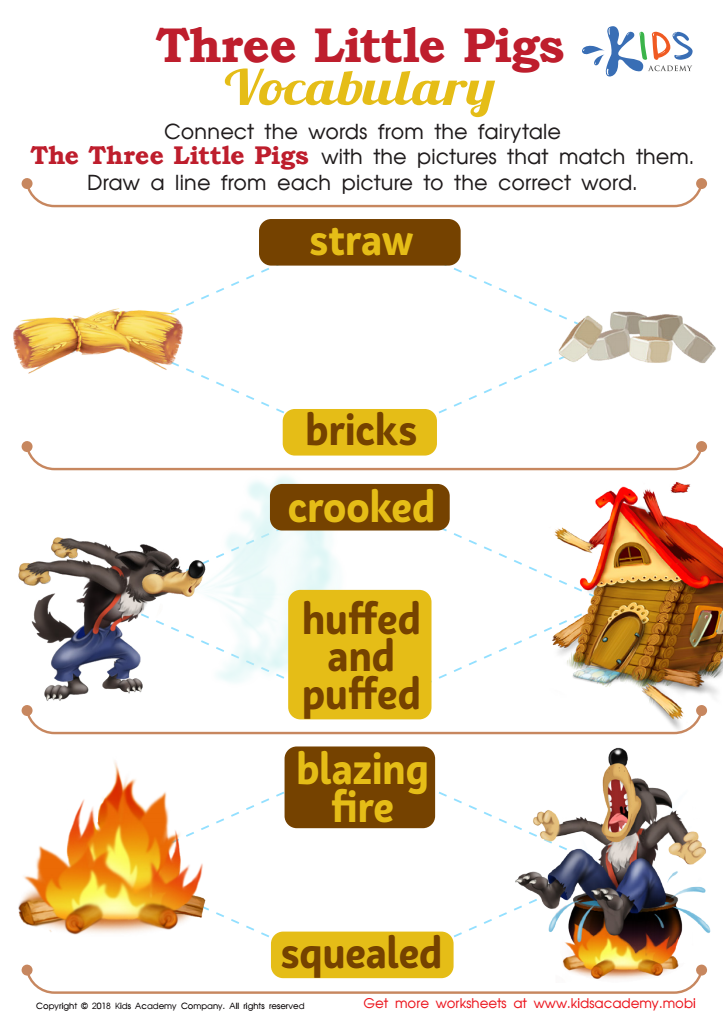
Three Little Pigs Vocabulary Worksheet
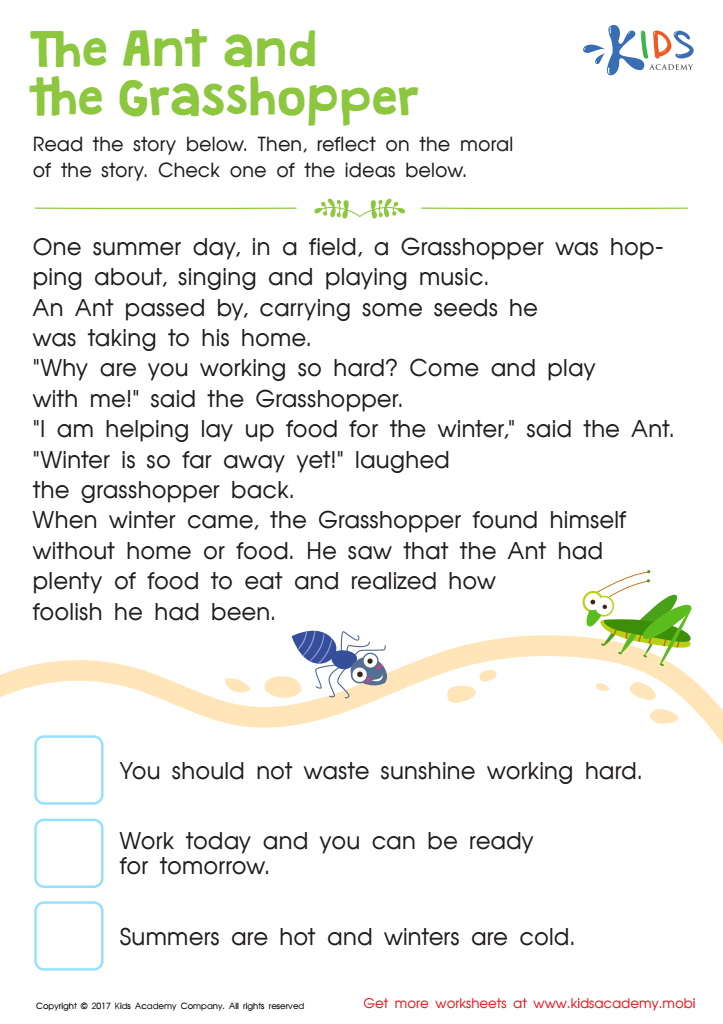
The Ant and The Grasshopper Printable
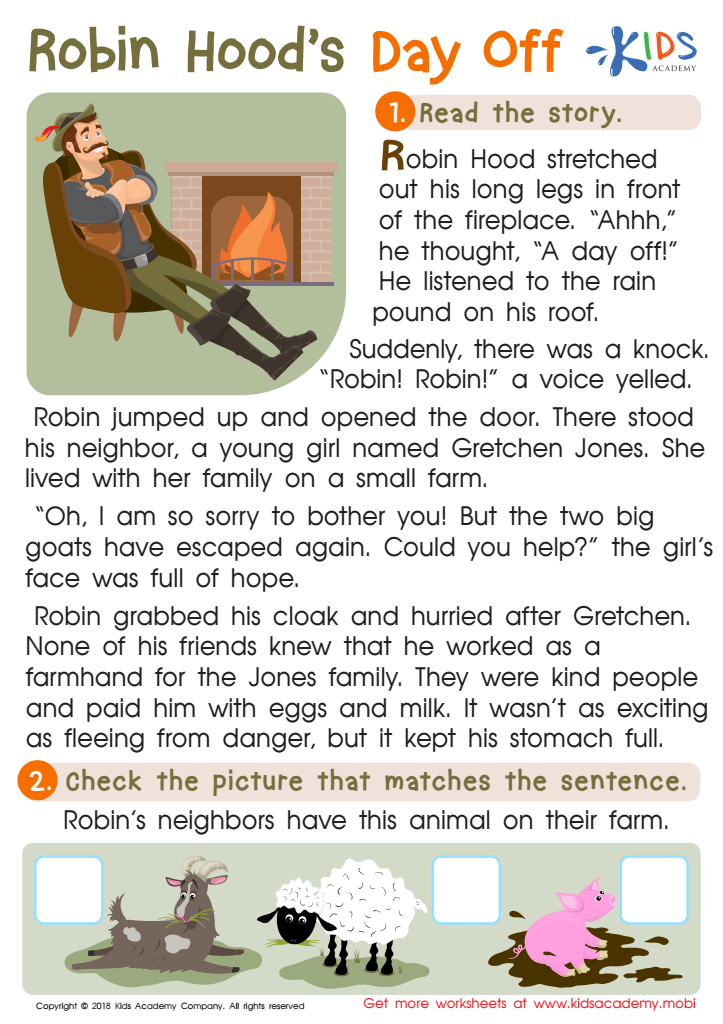
Robin Hood's Day Off Worksheet
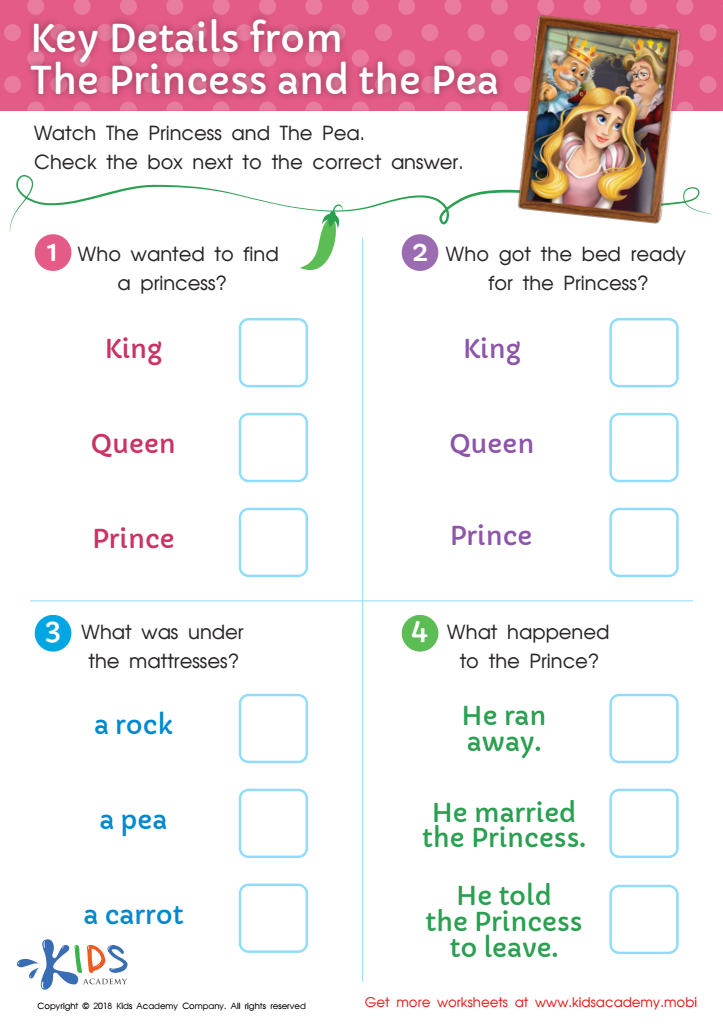
Key Details from the Princess and the Pea Worksheet
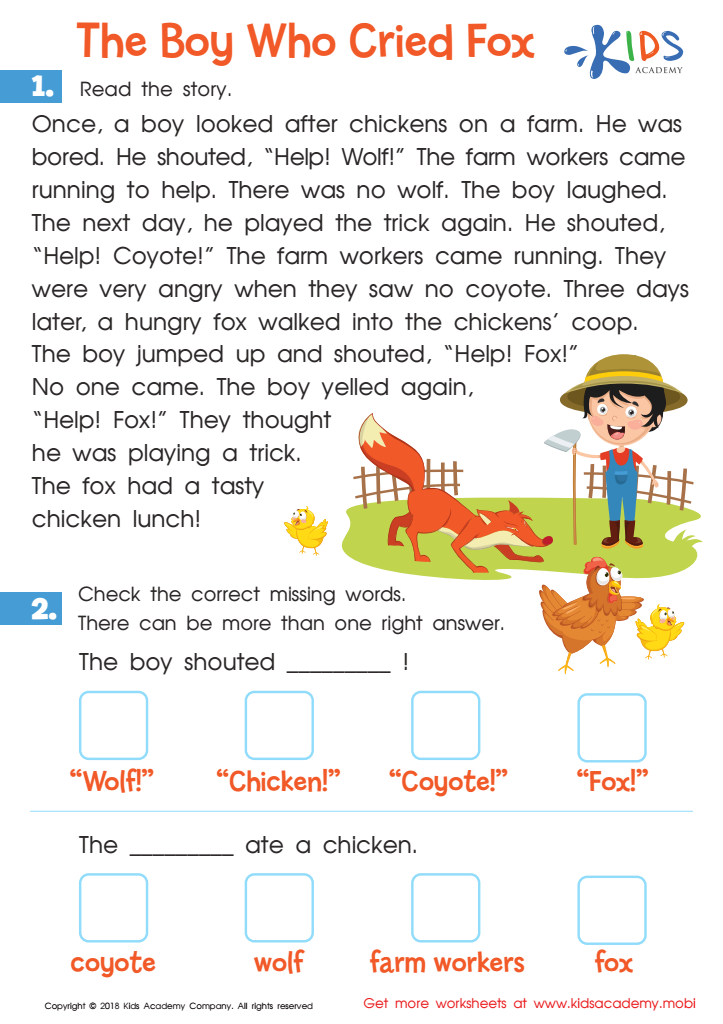
The Boy Who Cried Fox Worksheet
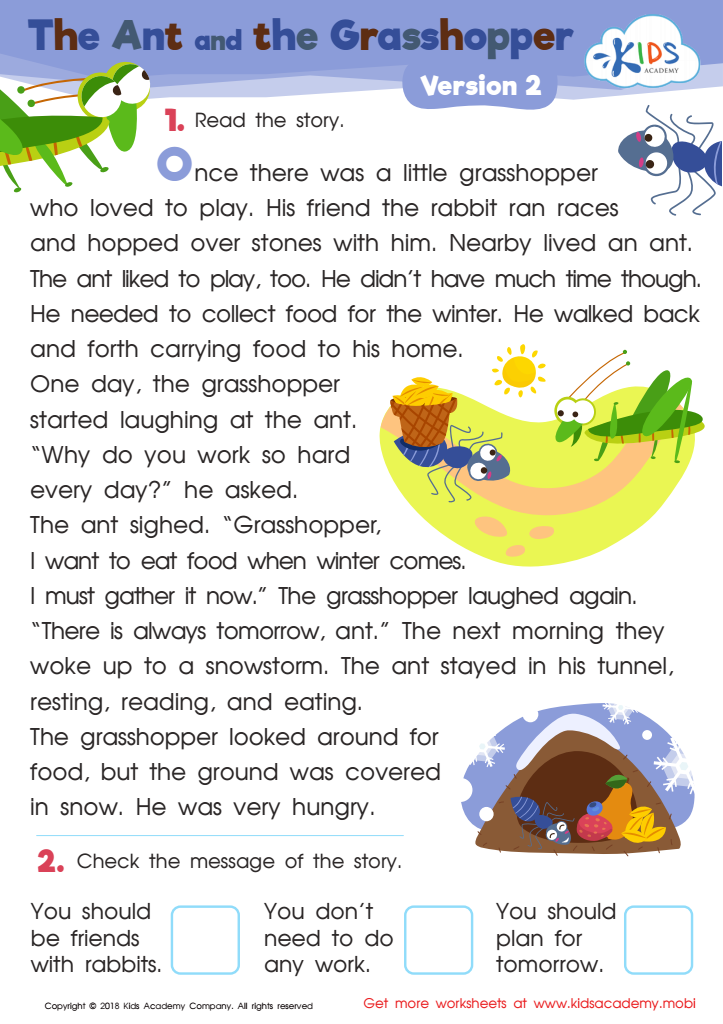
The Ant and The Grasshopper Version 2 Worksheet
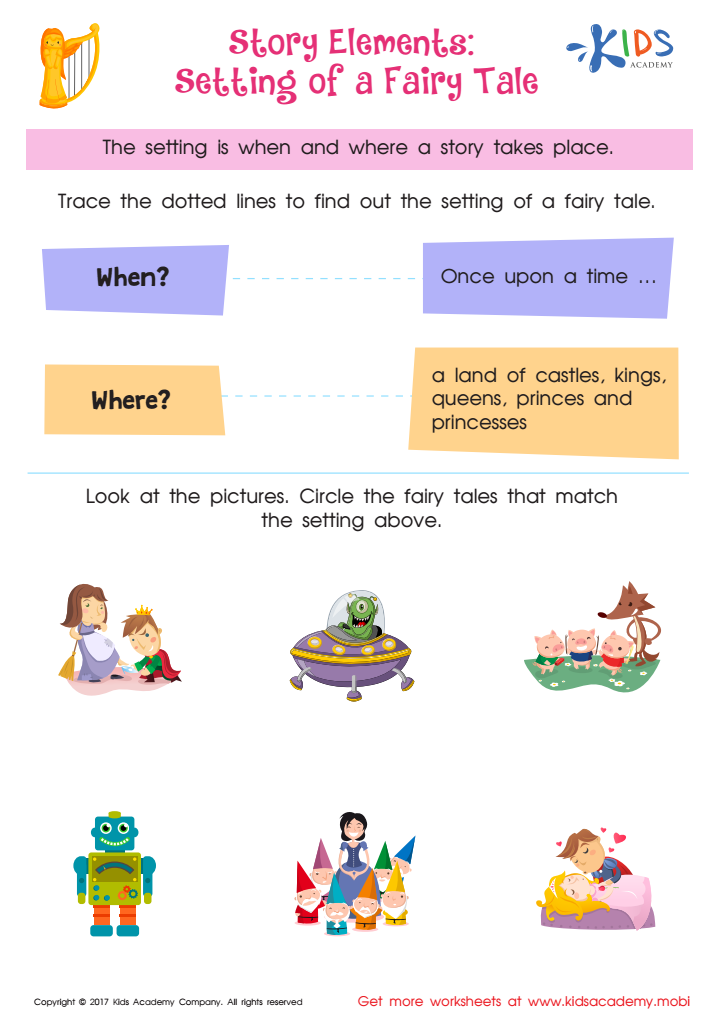
Story Elements: Setting of a Fairy Tale Printable
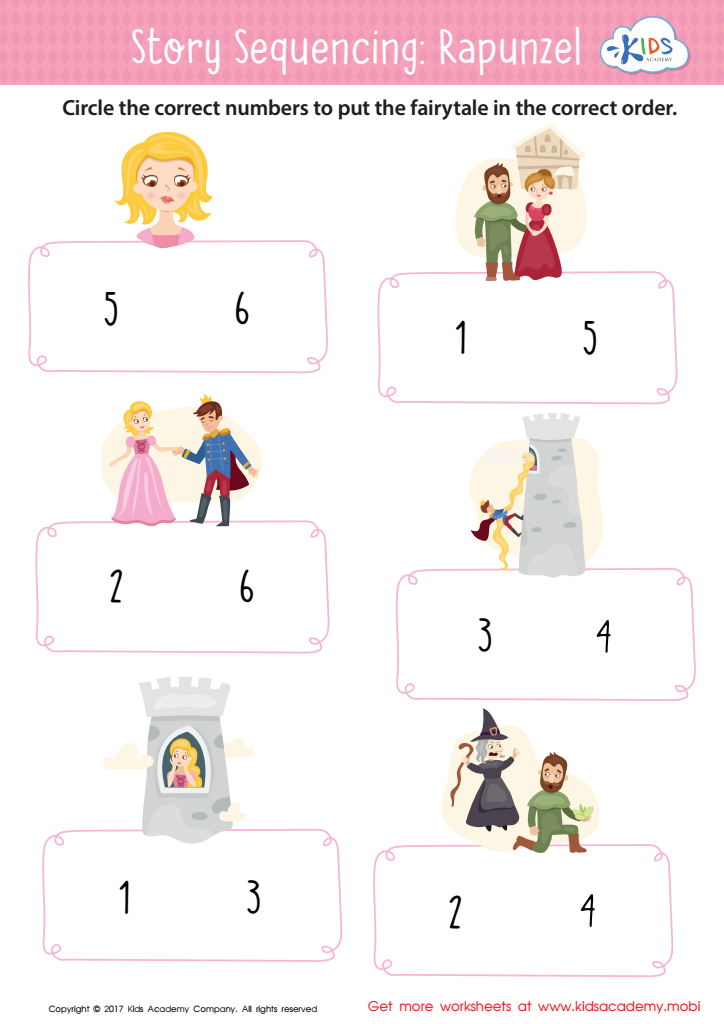
Rapunzel Story Sequencing Worksheet
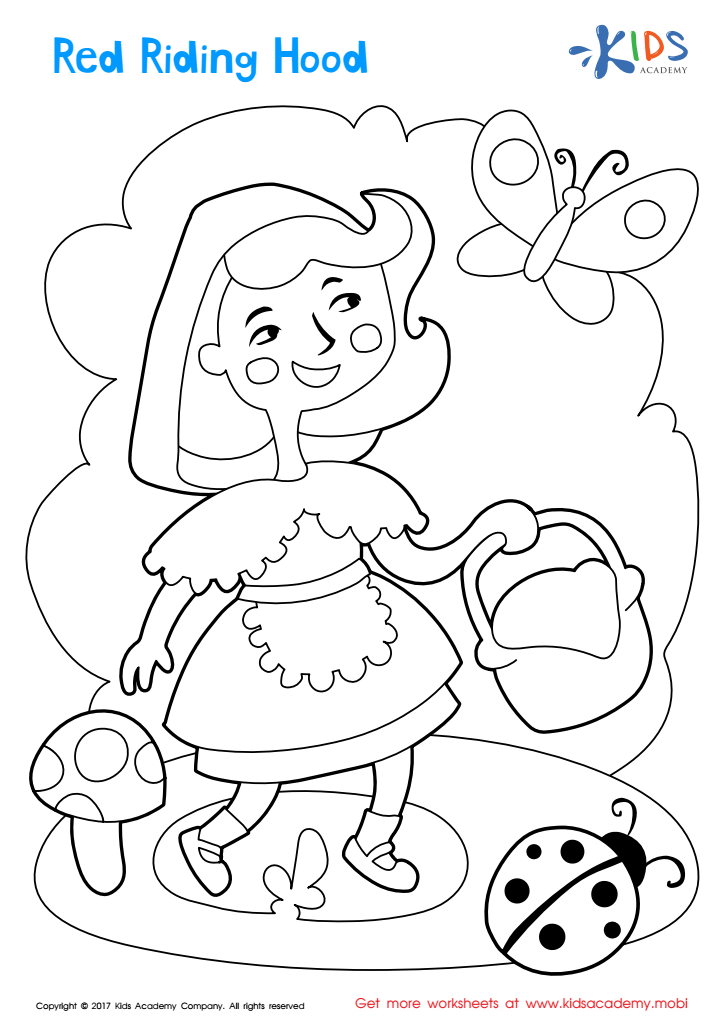
Red Riding Hood Coloring Page
 Assign to My Students
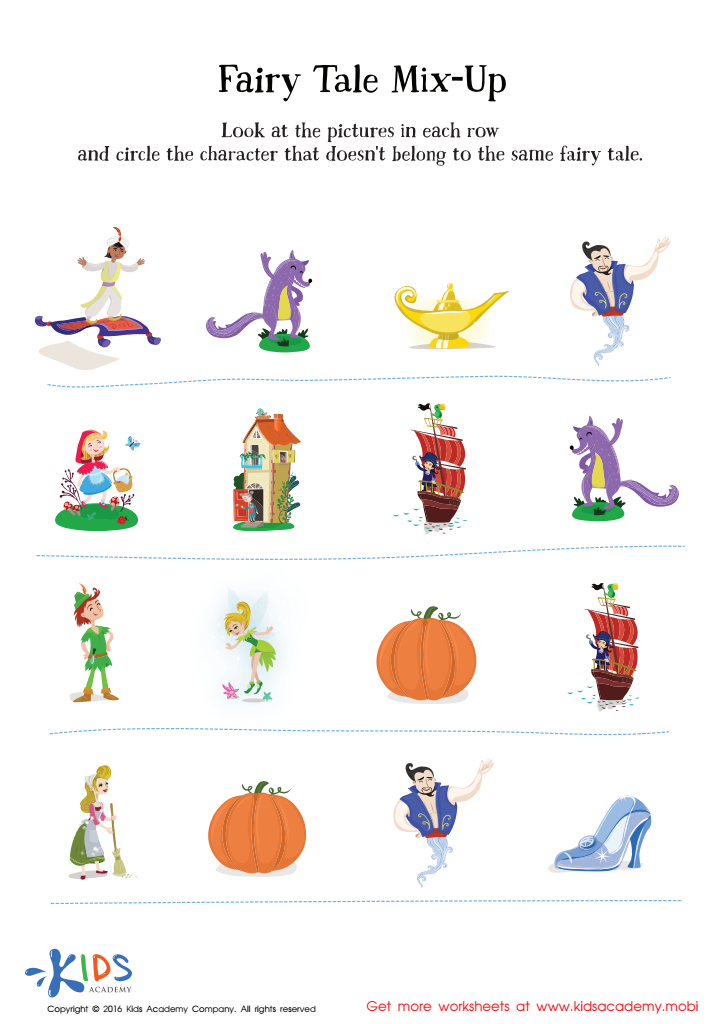
Fairy Tale Worksheet: Story Mix Up
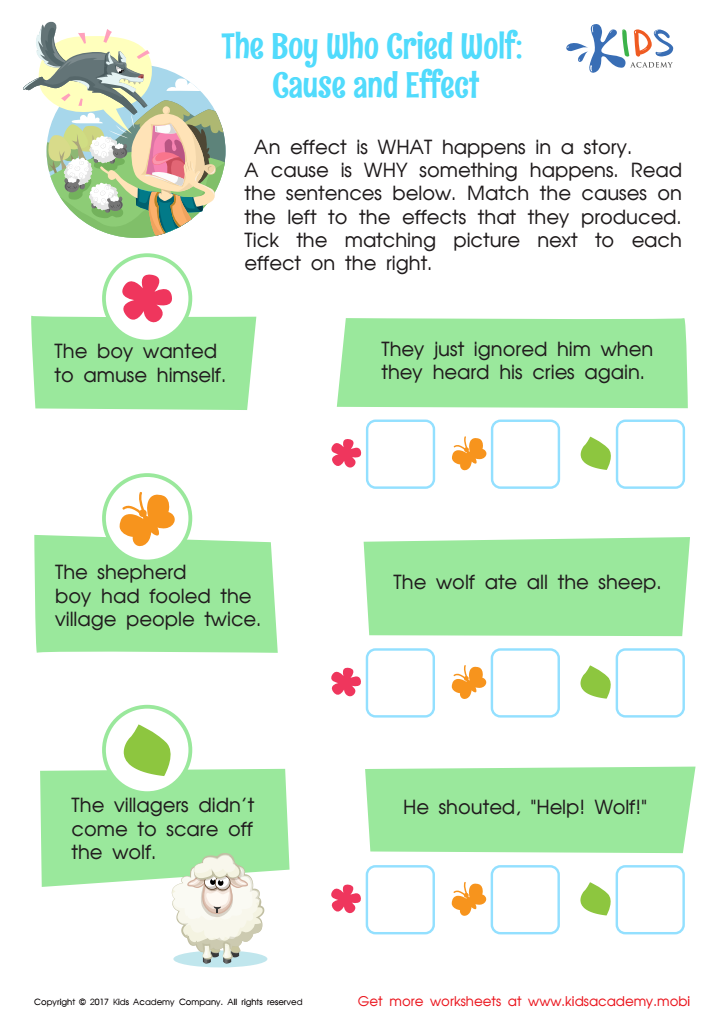
The Boy Who Cried Wolf: Cause and Effect Worksheet
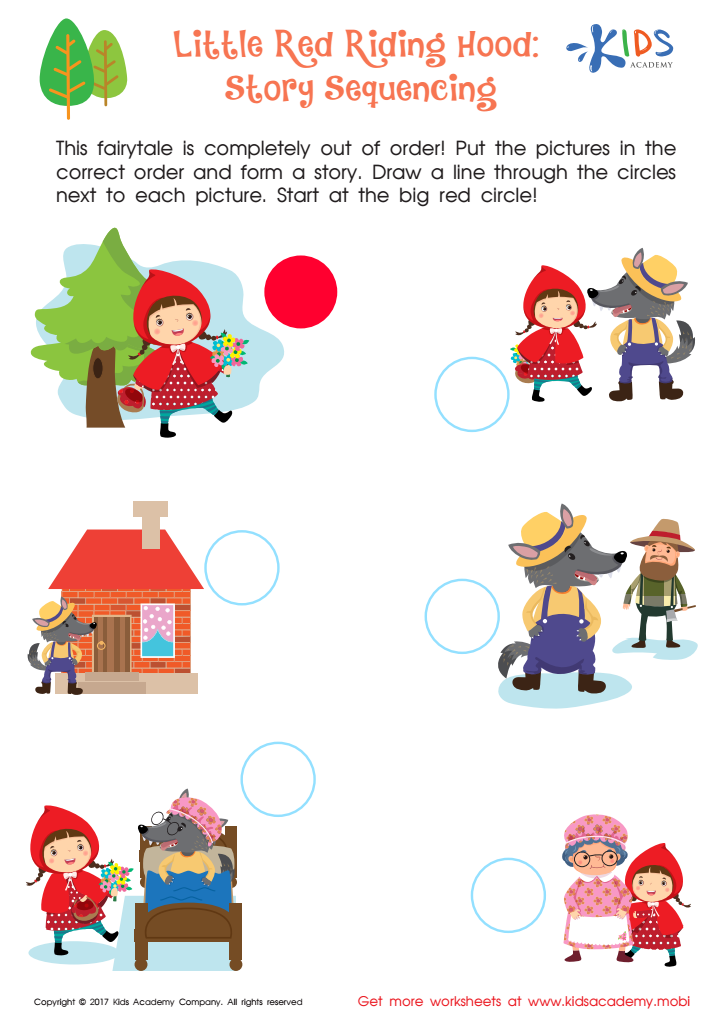
Story Sequencing Printable
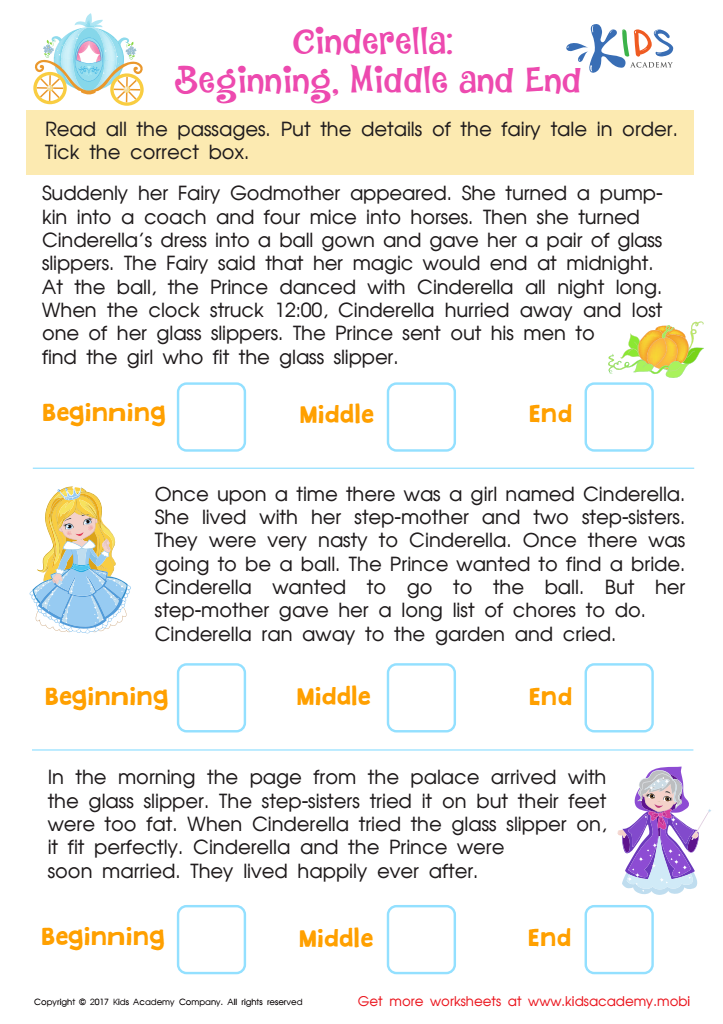
Cinderella: Beginning, Middle and End Worksheet
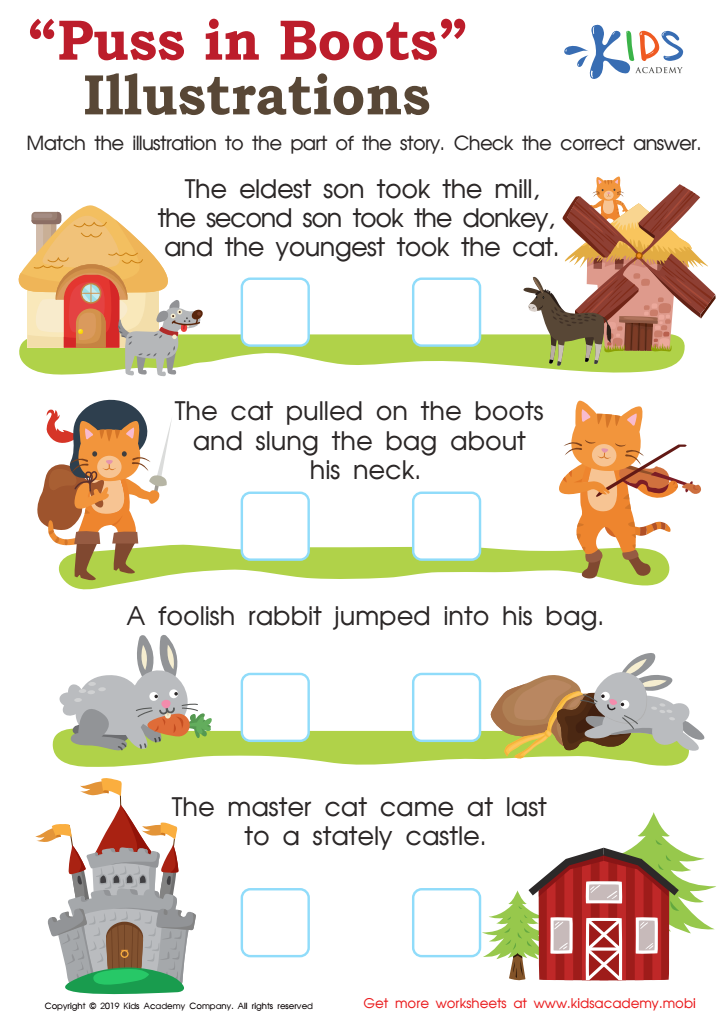
Puss in Boots Illustrations Worksheet
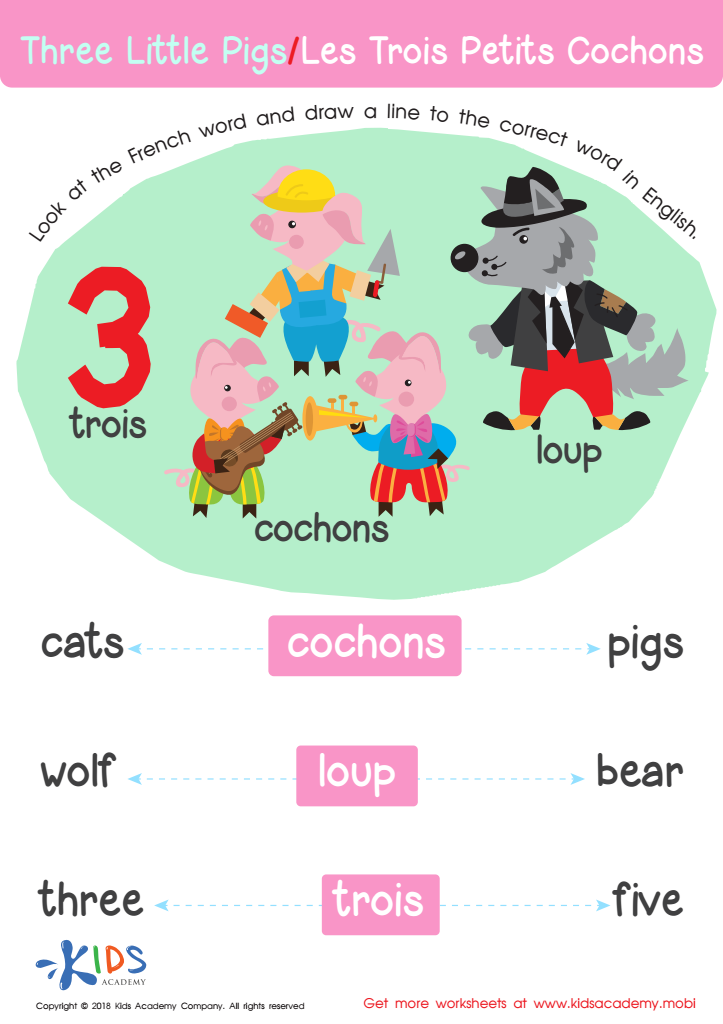
Three Little Pigs / Les Trois Petits Cochons Worksheet
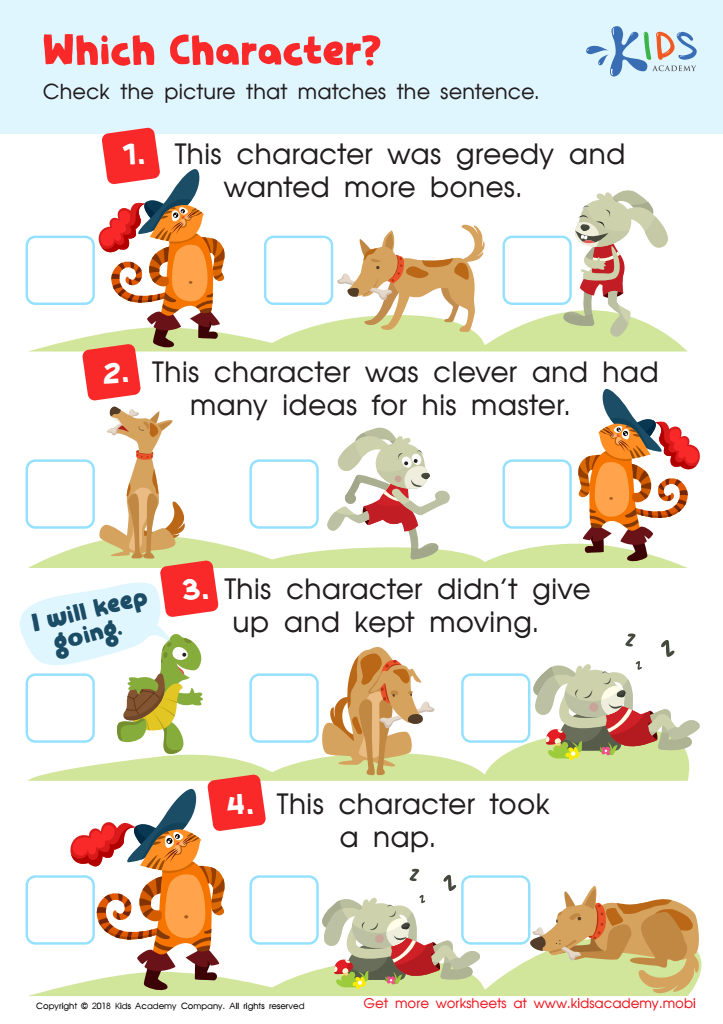
Which Character Worksheet
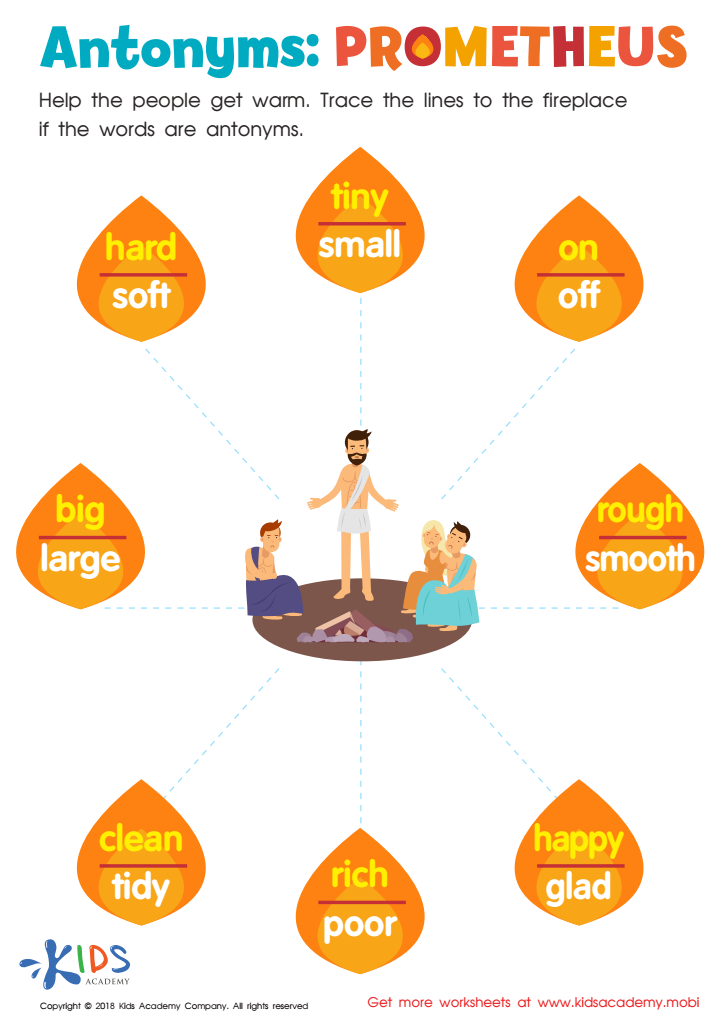
Antonyms: Prometheus Worksheet
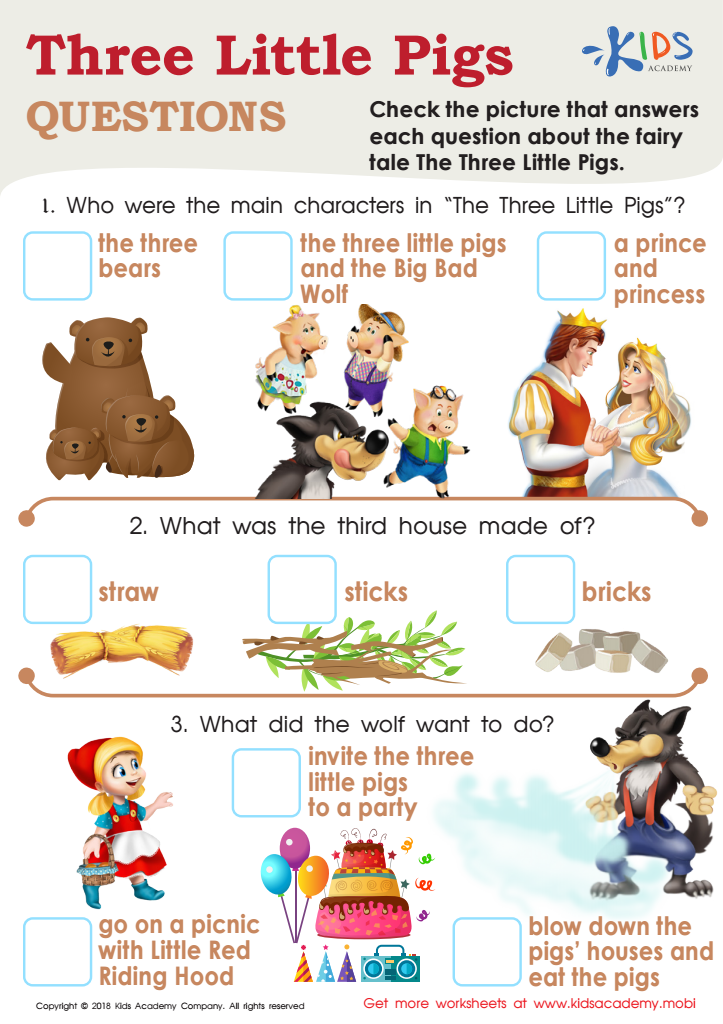
Three Little Pigs Questions Worksheet
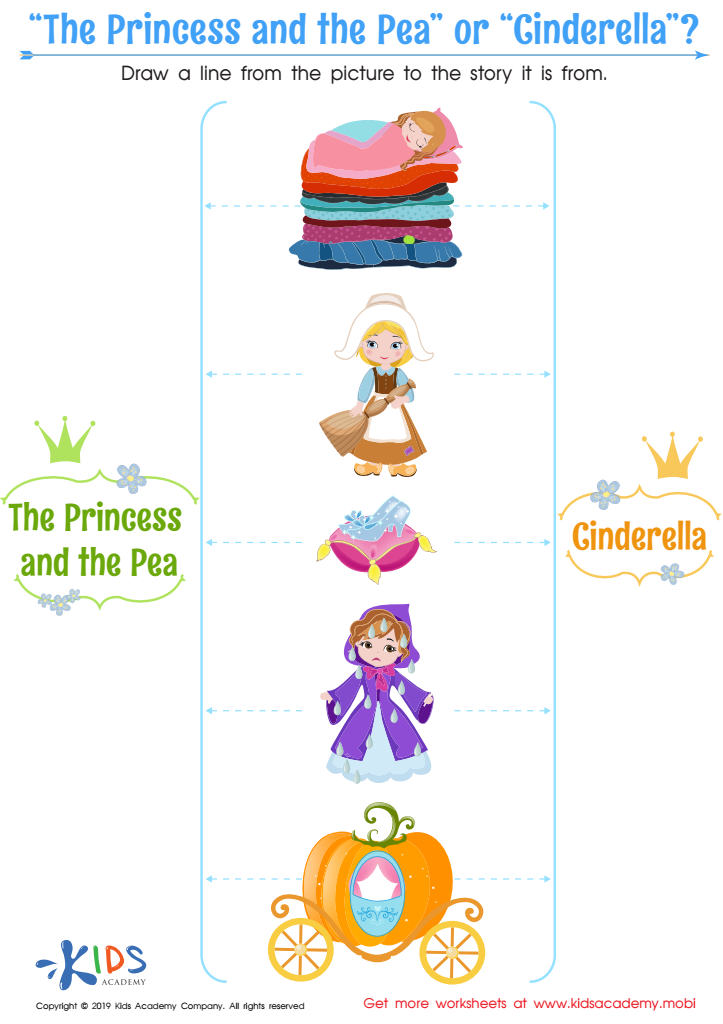
“The Princess and the Pea” or “Cinderella” Worksheet
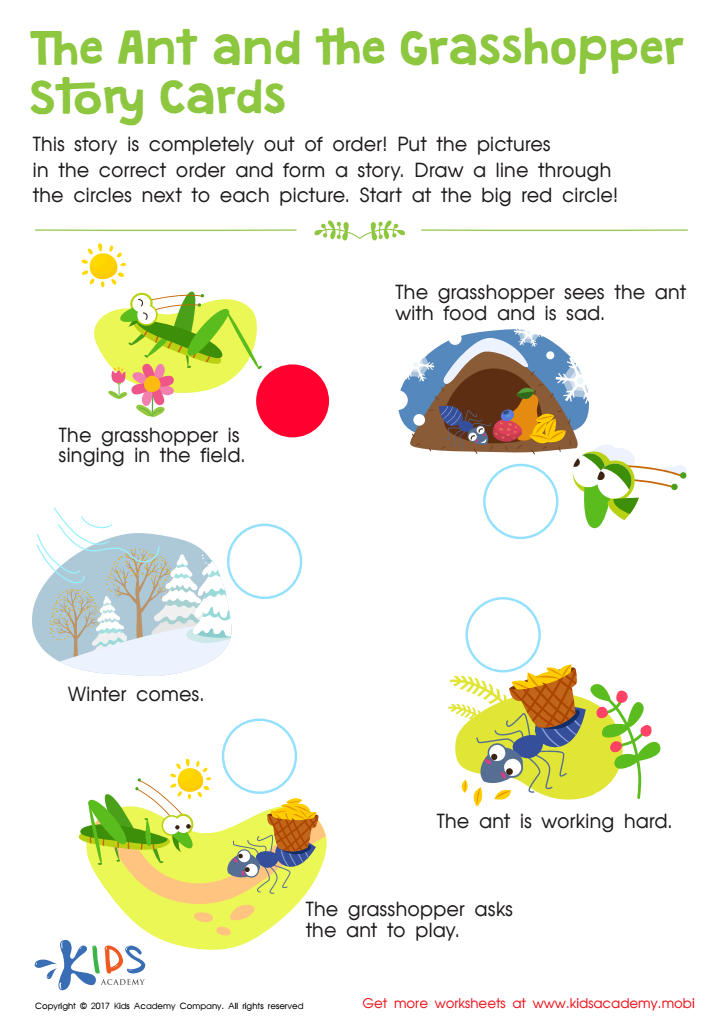
The Ant and The Grasshopper Worksheet
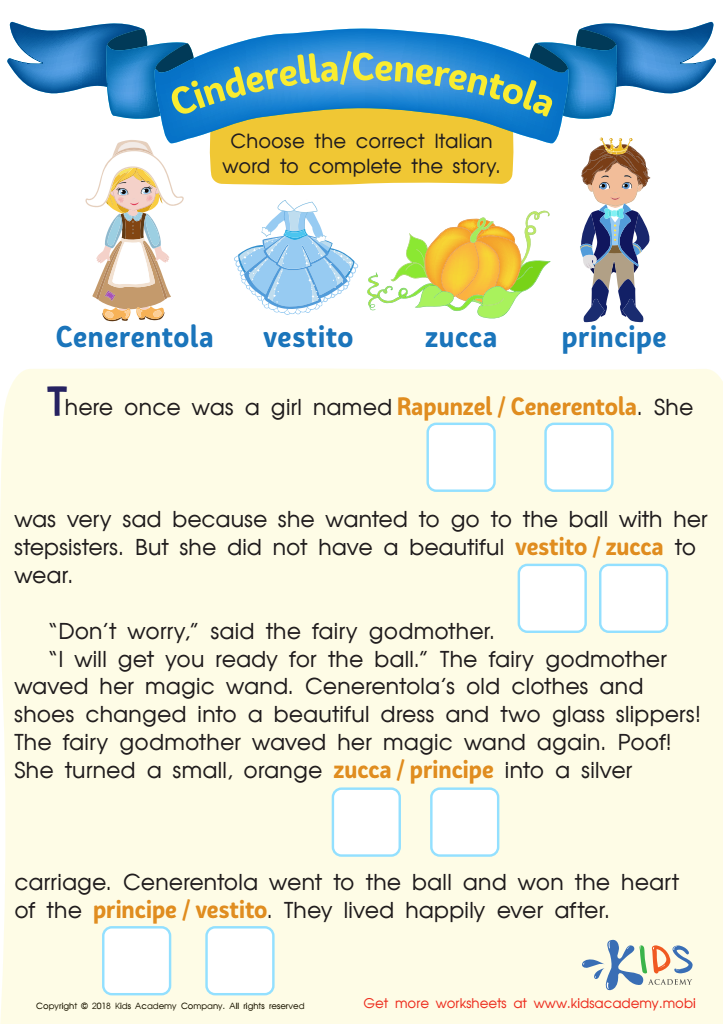
Cinderella / Cenerentola Worksheet






Fairy tales activities for children aged 6-9 offer a multitude of benefits that parents and teachers should consider essential to development. Firstly, these narratives foster imagination and creativity, encouraging children to visualize fantastical worlds and think critically about character motives and plot dilemmas. Engaging with fairy tales stimulates cognitive growth and vocabulary expansion, as children encounter new words and concepts throughout the stories.
Moreover, fairy tales often incorporate moral lessons, guiding children to distinguish between right and wrong, empathy, and the consequences of choices. This moral framework aids in social development, fostering discussions around ethics and personal values. Additionally, these stories can be a springboard for comprehension skills—activities such as retelling tales, role-playing, or even creating alternative endings nurture narrative skills and enhance language proficiency.
Lastly, fairy tales provide opportunities for family engagement or classroom collaboration. Crafting stories, acting them out, or creating artwork based on the narratives enhances bonds between children and adults, ensuring storytelling traditions remain alive. By investing time in fairy tales activities, parents and teachers can cultivate a rich, enjoyable, and educational experience that contributes to well-rounded young learners, preparing them for more complex literary works in the future.








