Normal Matching worksheets activities for Ages 3-8 - Page 2
42 filtered results
-
From - To
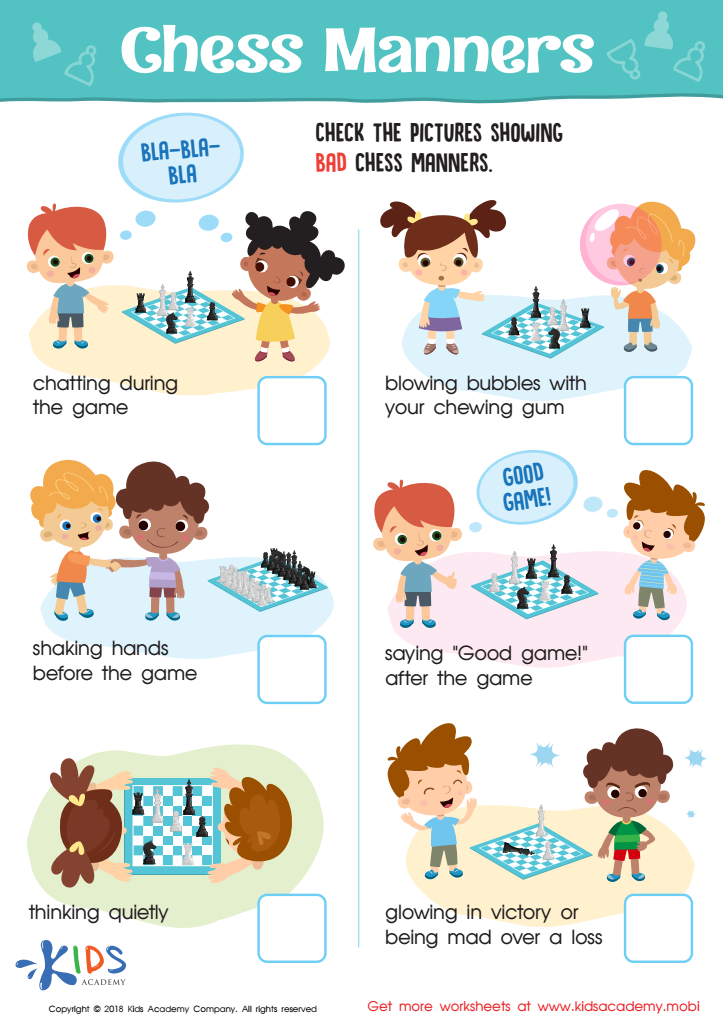
Chess Manners Worksheet
 Assign to My Students
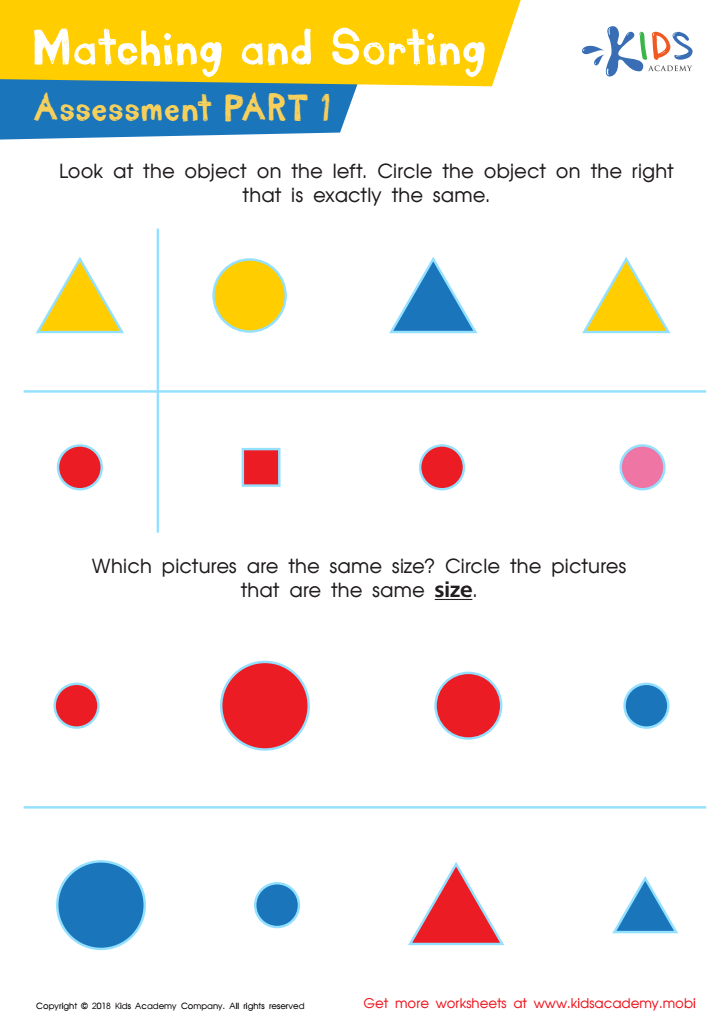
Matching and Sorting for Kindergarten: Assessment 1 Worksheet
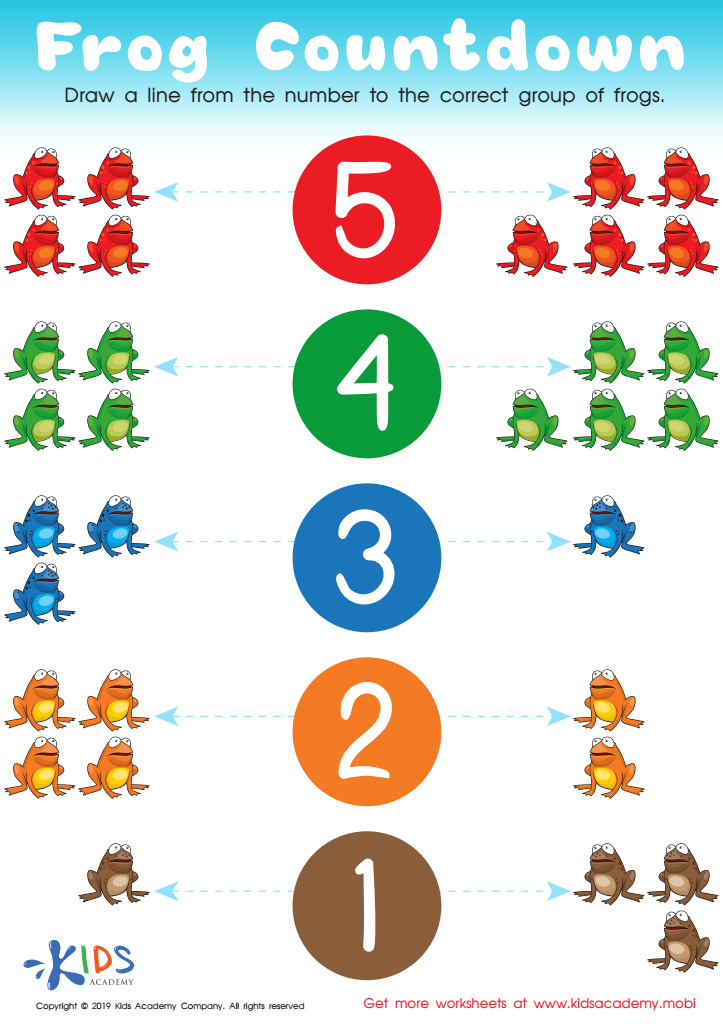
Frog Countdown Worksheet
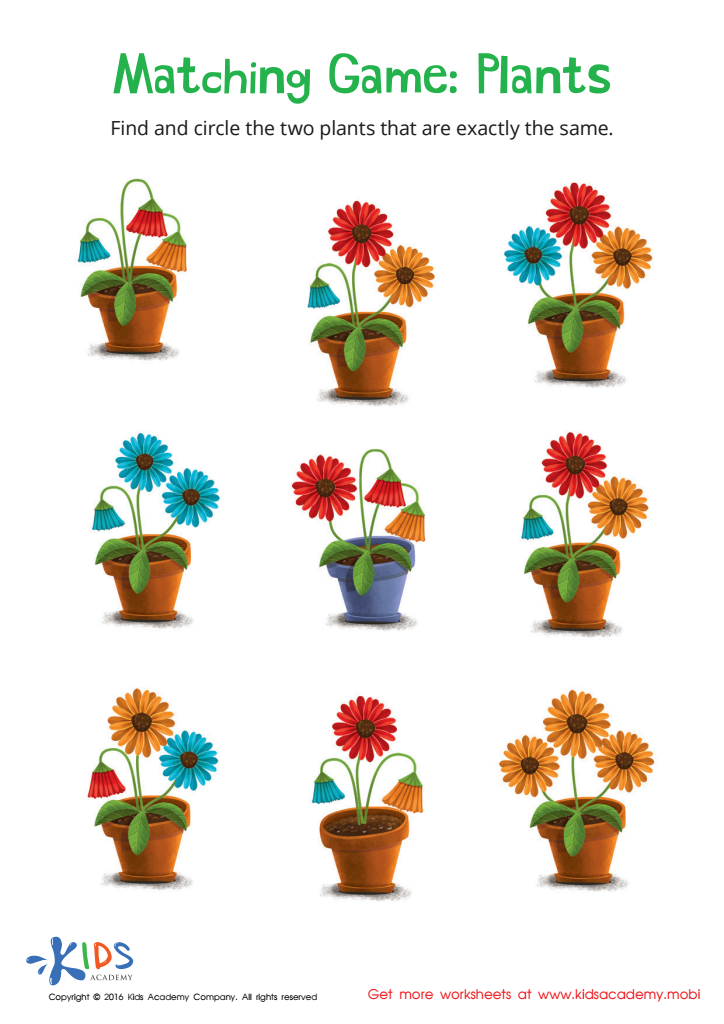
Matching: Plants Worksheet
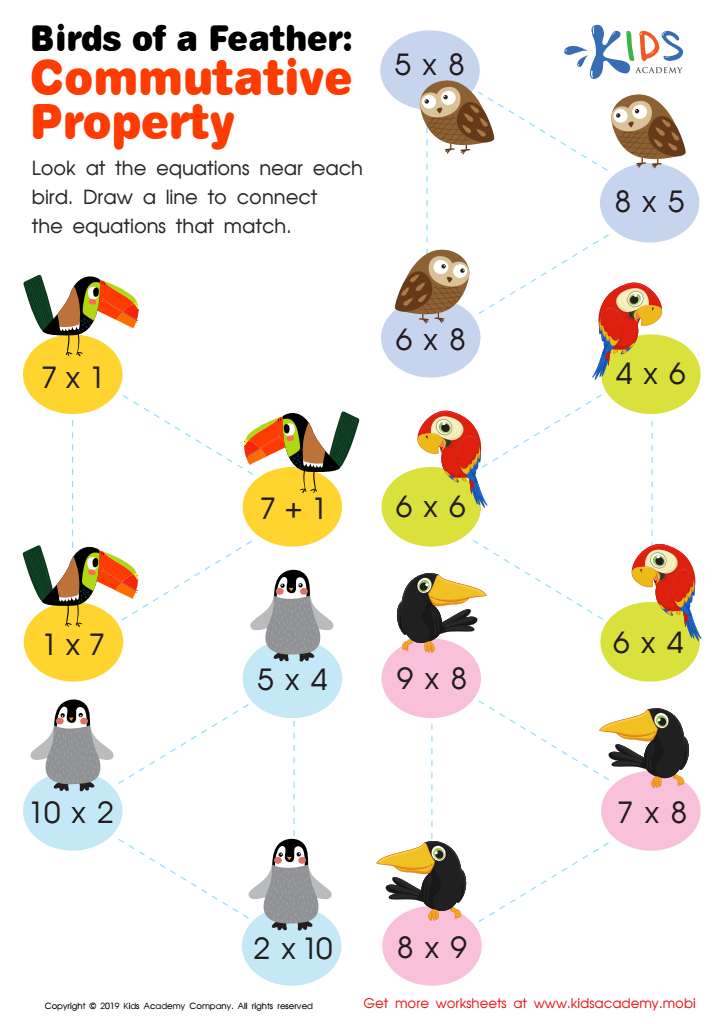
Birds of a Feather: Commutative Property Worksheet
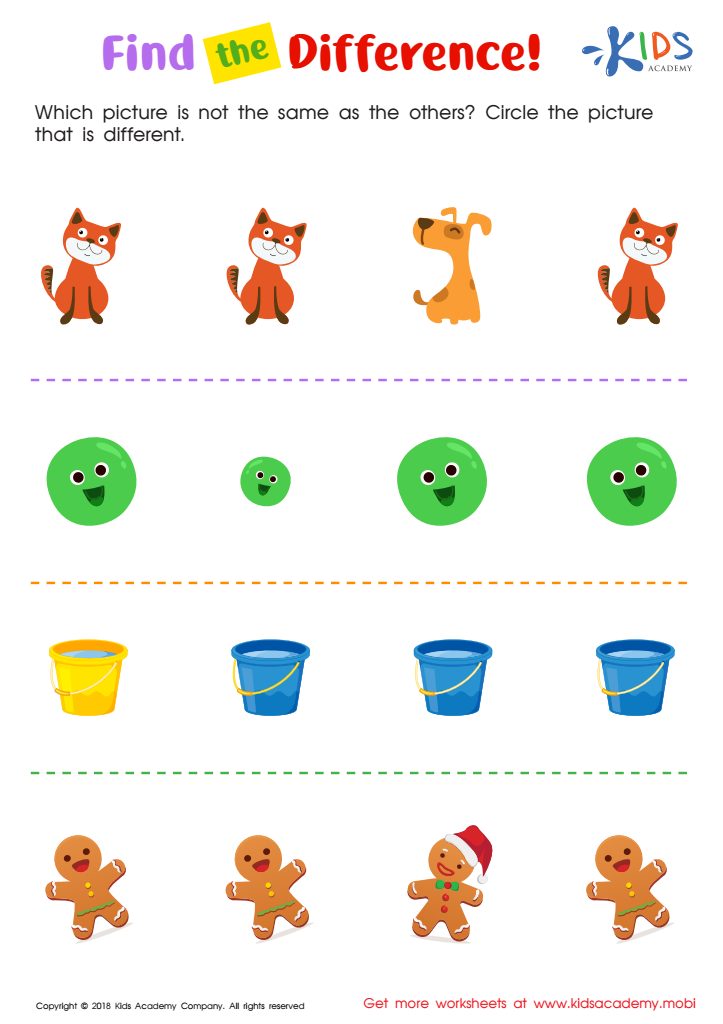
Find the Difference Worksheet
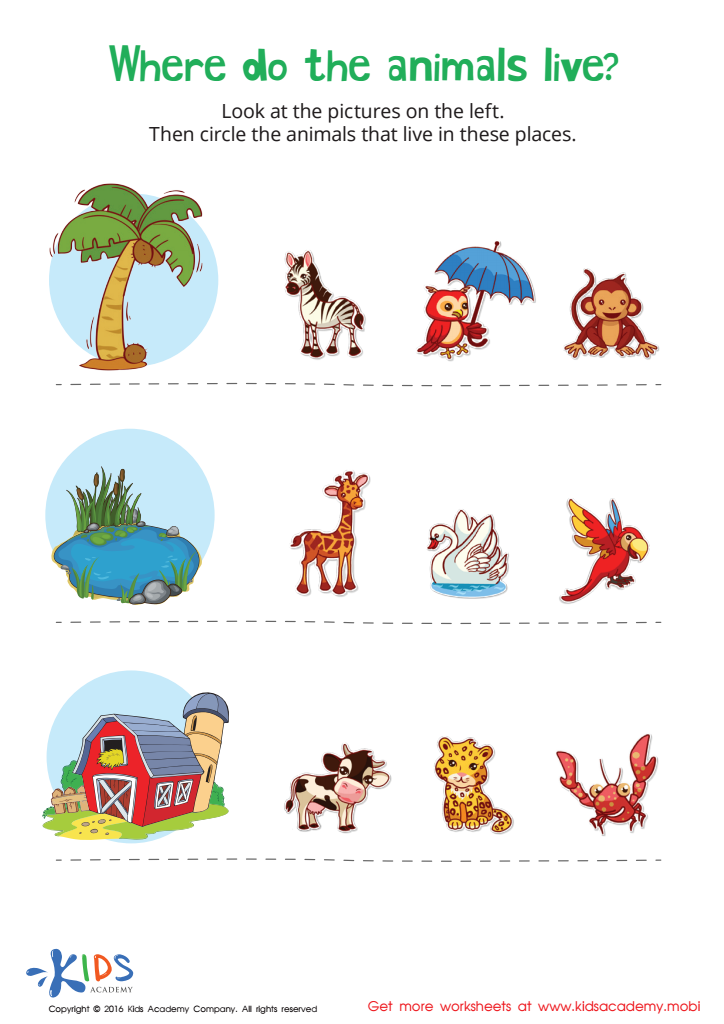
Where Animals Live Worksheet
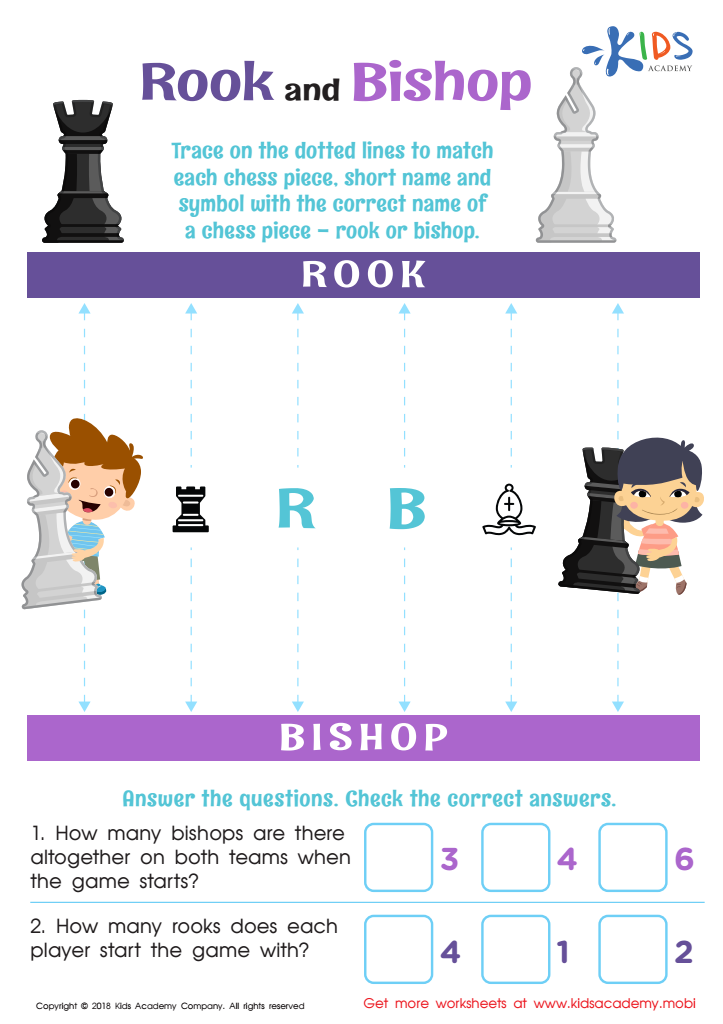
Rook and Bishop Worksheet
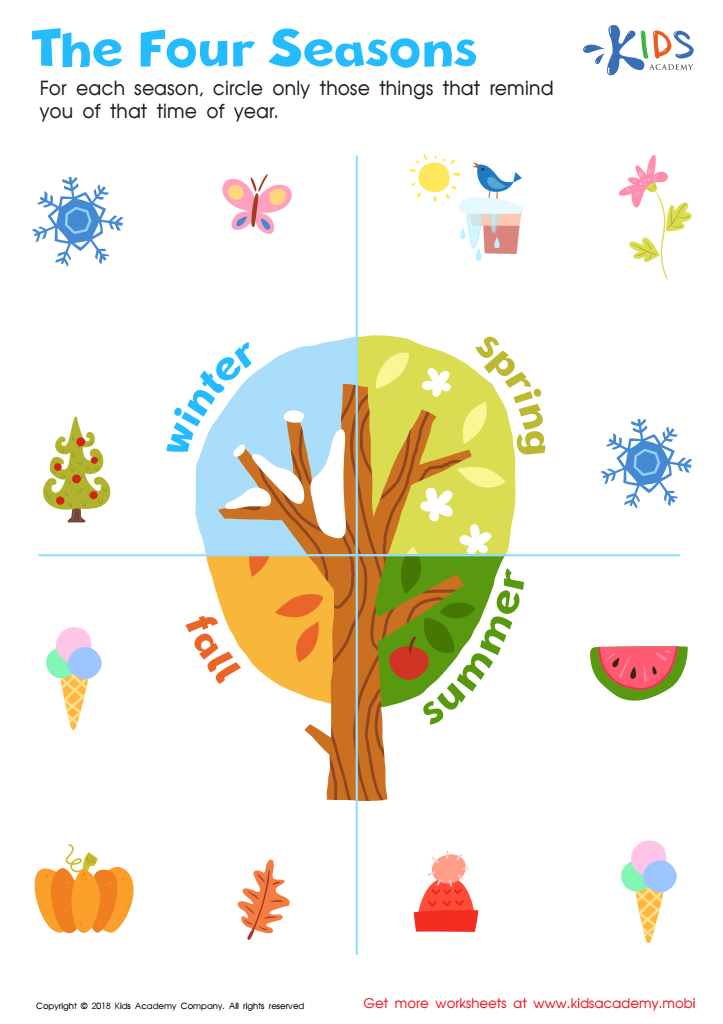
The Four Seasons Worksheet
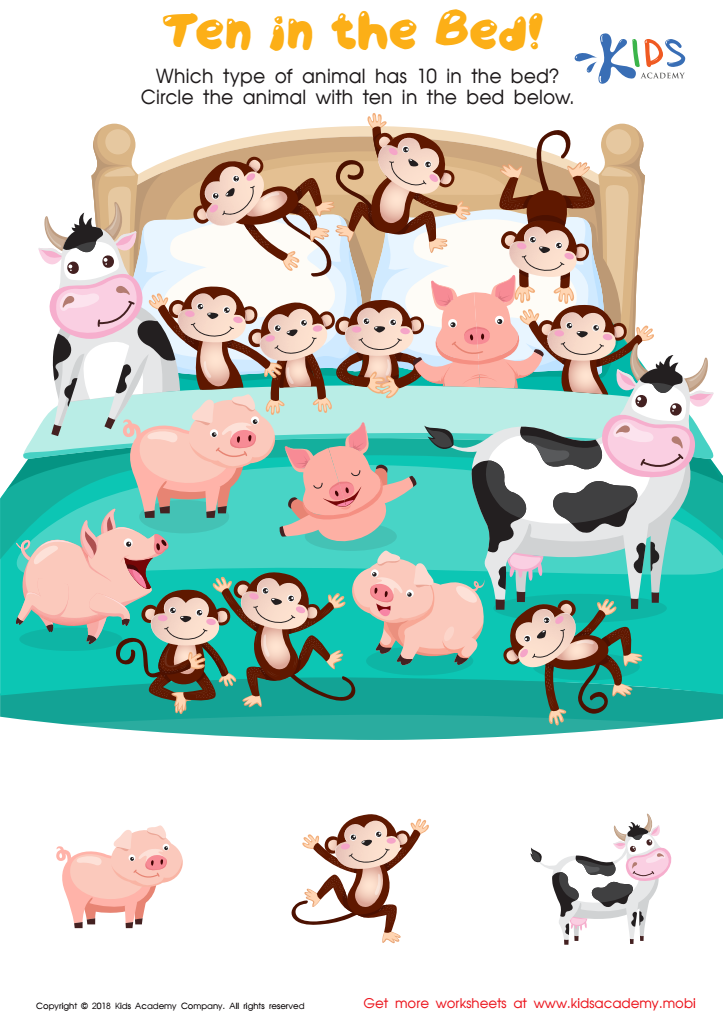
Ten in the Bed Worksheet
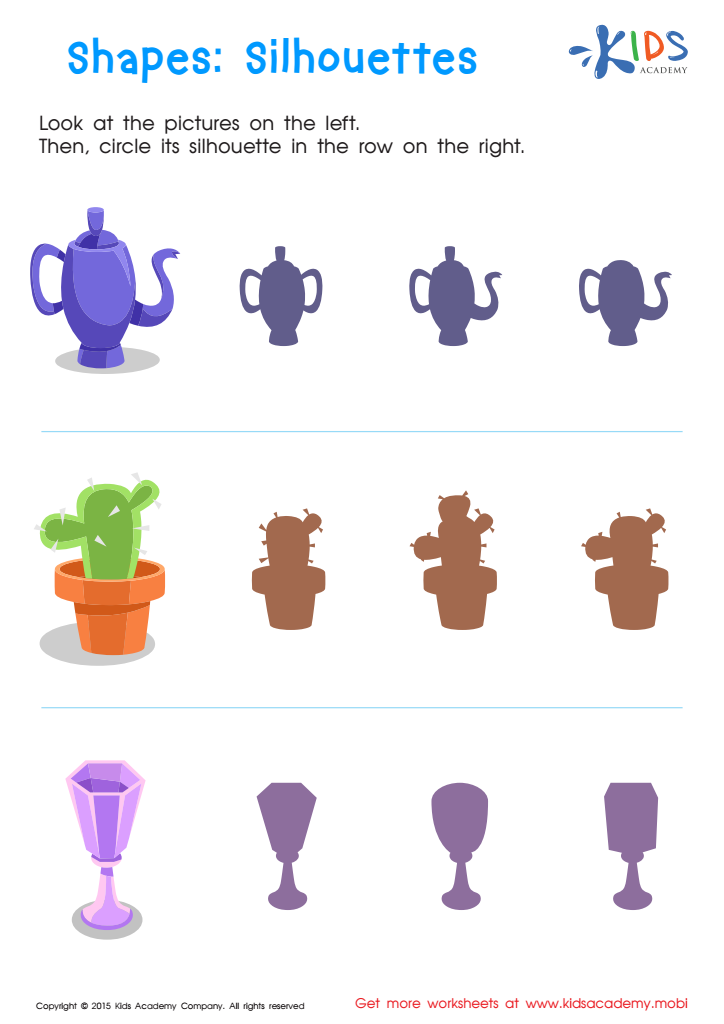
Silhouettes – Shapes Worksheet
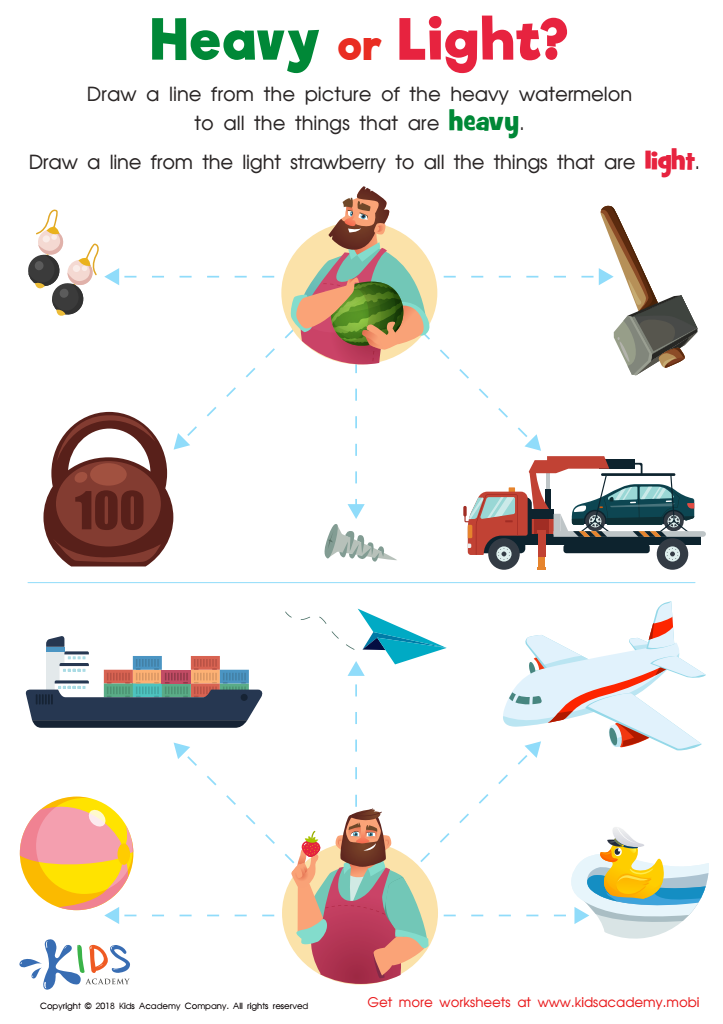
Heavy or Light? Worksheet
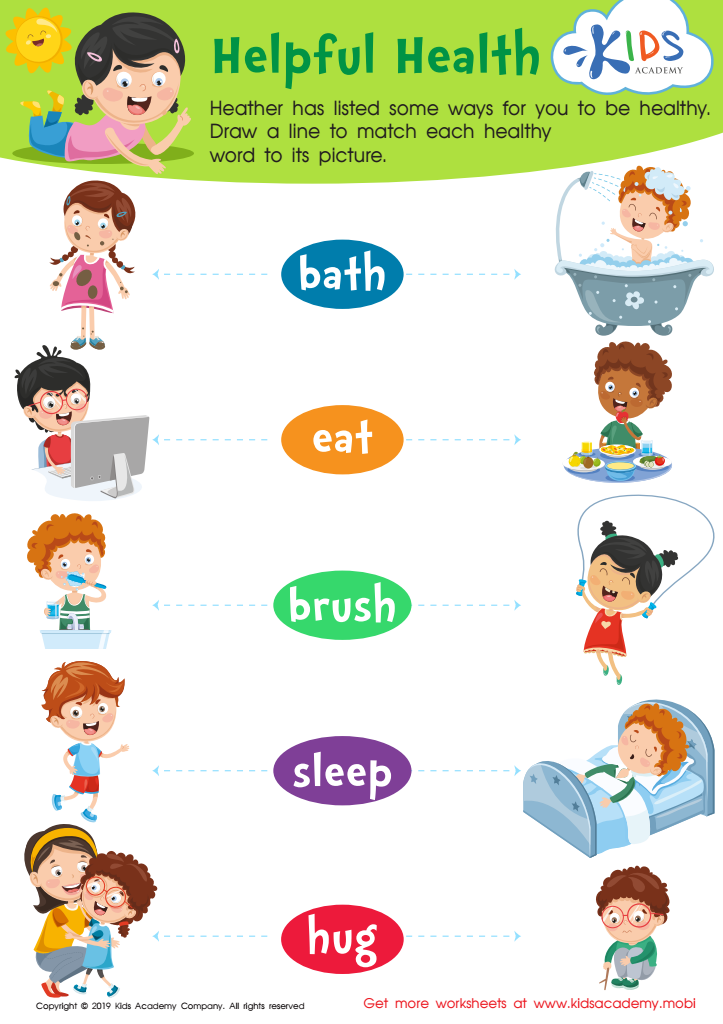
Helpful Health Worksheet
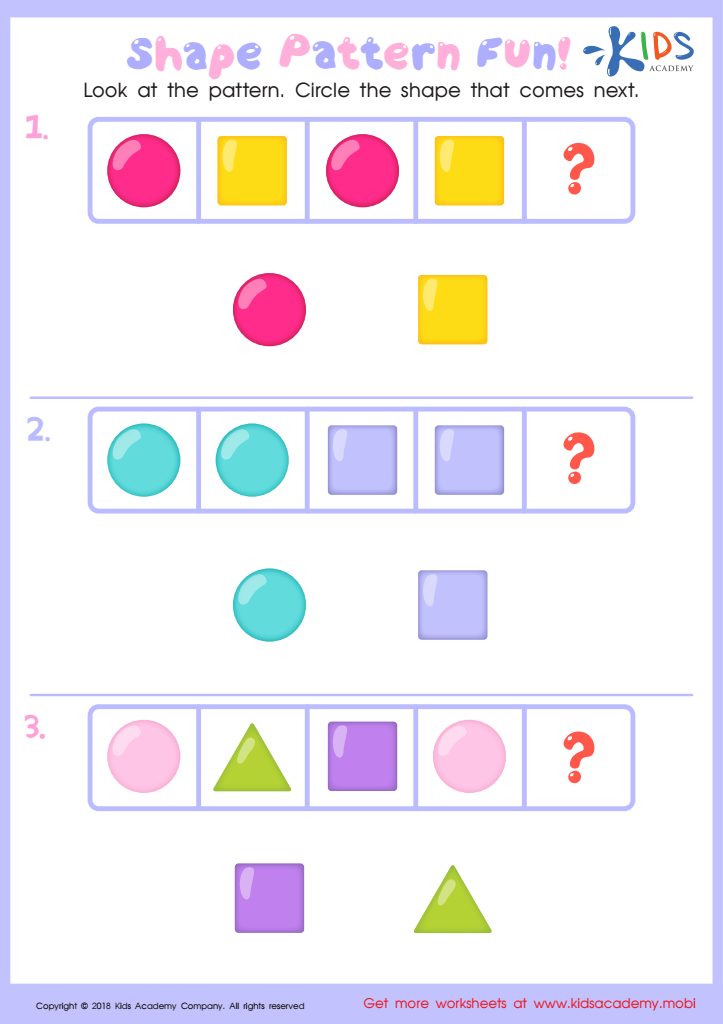
Shape Pattern Fun Worksheet
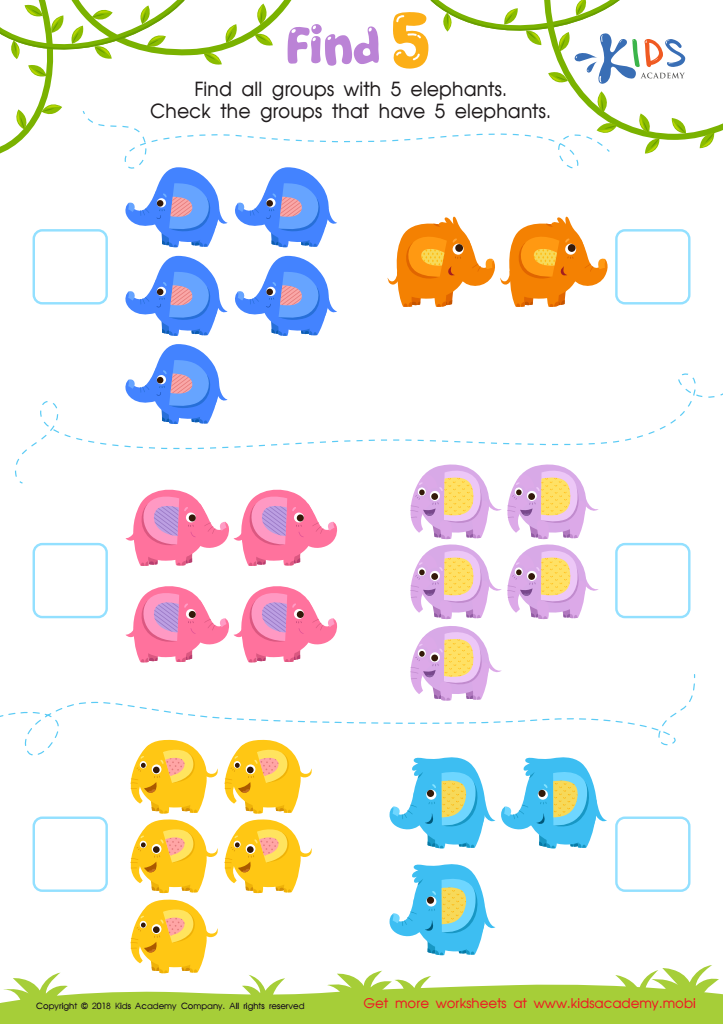
Find 5 Worksheet
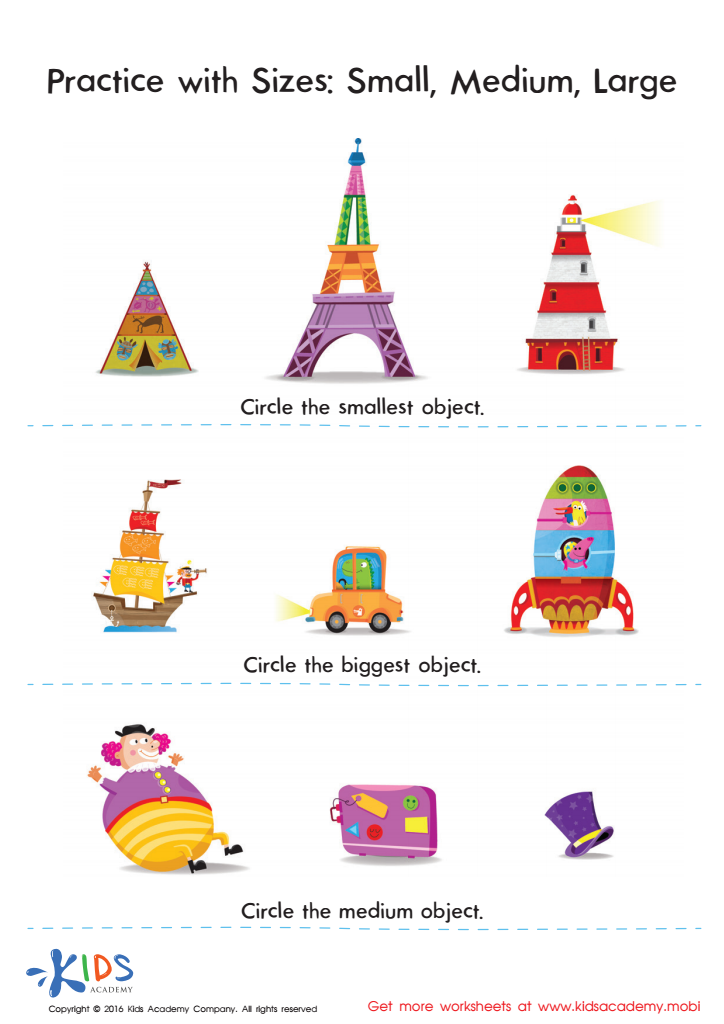






Normal Matching activities for children aged 3-8 are essential for several reasons. During these formative years, children are naturally inclined to explore and categorize their environment. Normal Matching activities tap into this innate curiosity, fostering cognitive development by enhancing their ability to recognize similarities and differences. This foundational skill is crucial for problem-solving and critical thinking, as it lays the groundwork for more complex concepts in literacy and mathematics.
Moreover, participation in such activities supports fine motor skills as children engage in sorting, pairing, or matching objects, reinforcing hand-eye coordination and dexterity. It also promotes language development through vocabulary expansion as children learn to describe their matching choices and explain their reasoning.
Furthermore, these activities encourage social skills and collaboration when done in groups, teaching children to share, take turns, and communicate effectively with peers. Involving parents in Normal Matching activities creates bonding experiences and sets a positive tone for learning at home.
Finally, Normal Matching serves as a fun and engaging way to gently prepare children for structured learning environments, fostering a lifelong love for exploration and education. For these reasons, both parents and educators should prioritize Normal Matching activities as a vital part of early childhood development.








