Normal Tracing worksheets activities for Ages 6-8 - Page 4
91 filtered results
-
From - To
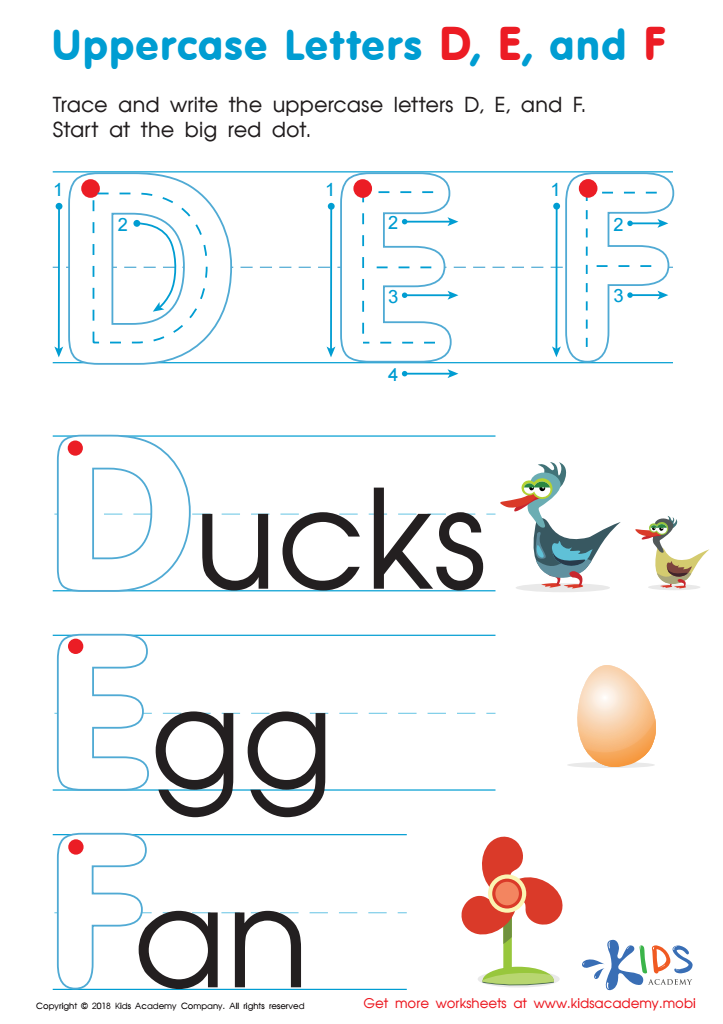
Uppercase Letters D, E, and F Worksheet
 Assign to My Students
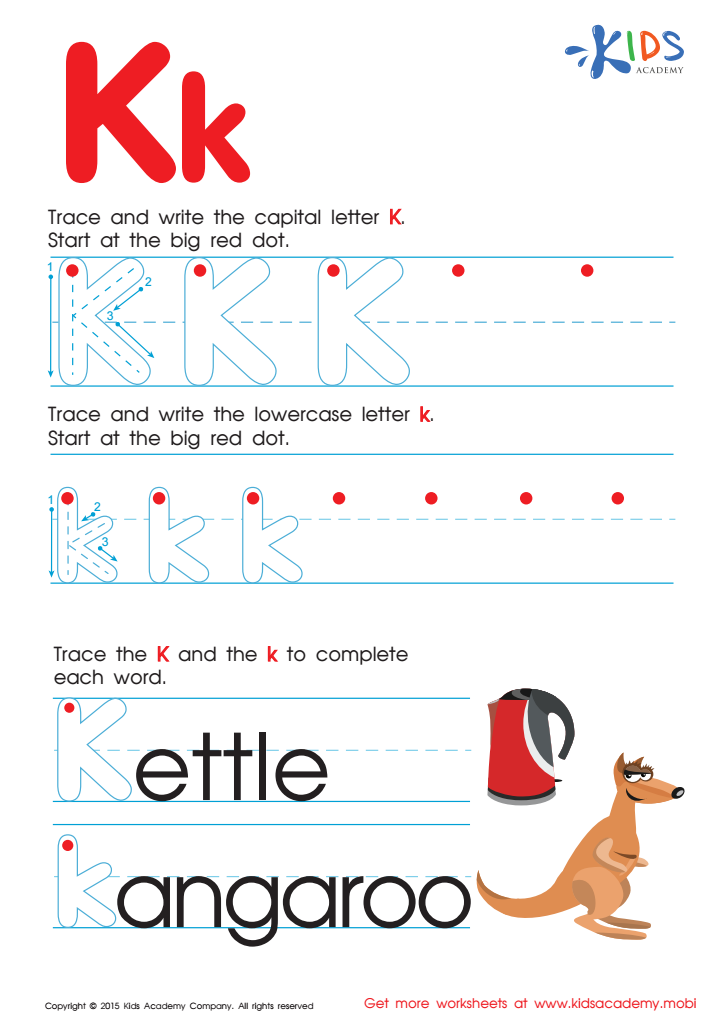
Letter K Tracing Page
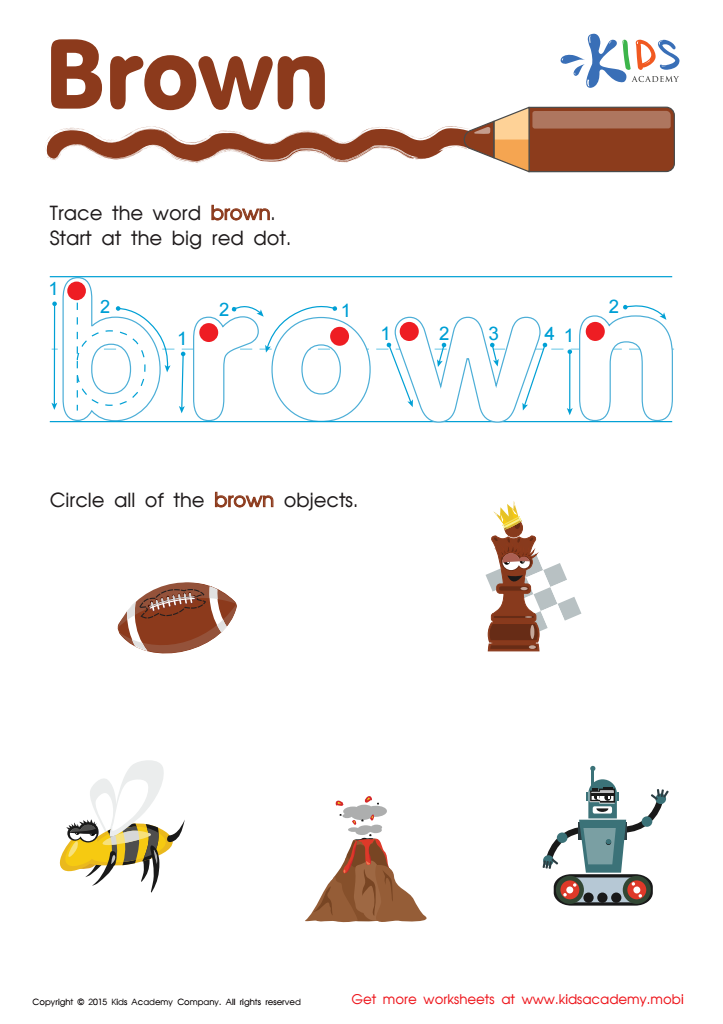
Brown Tracing Color Words Worksheet
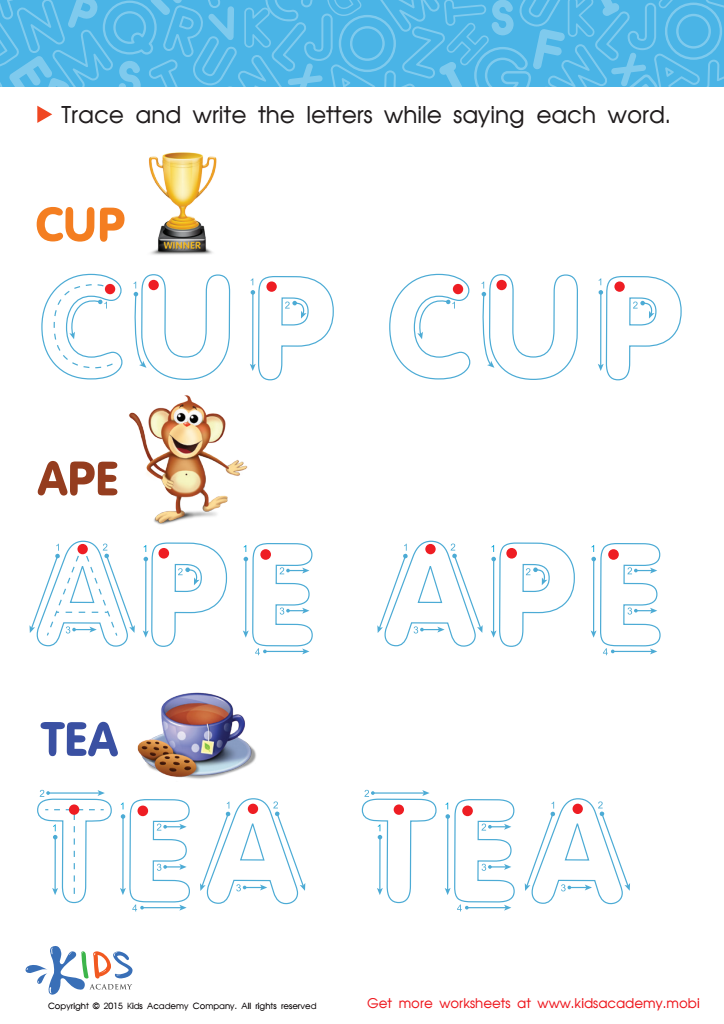
A Cup, an Ape and Tea Spelling Worksheet
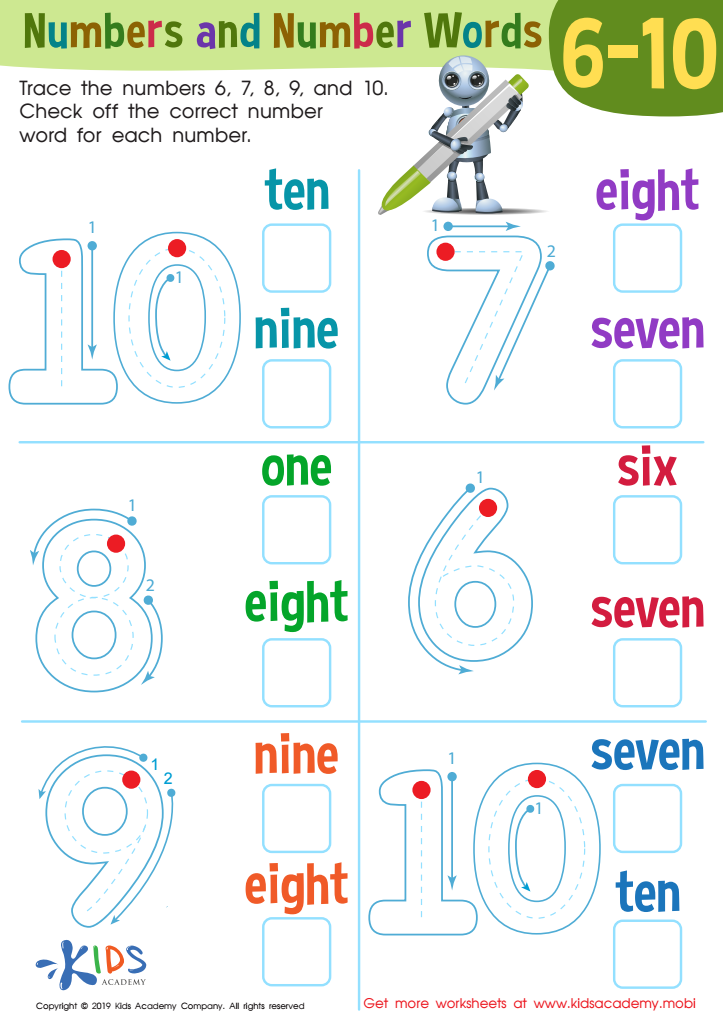
Numbers and Number Words 6–1 Worksheet
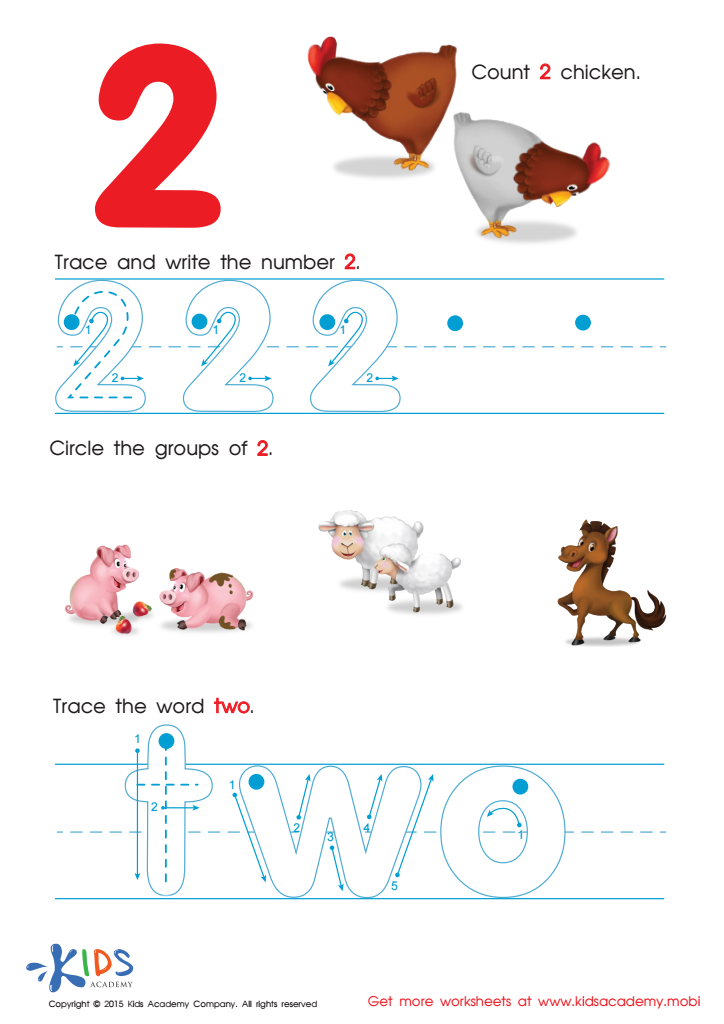
Learn to Write the Number 2 Worksheet

Letter F Tracing Page
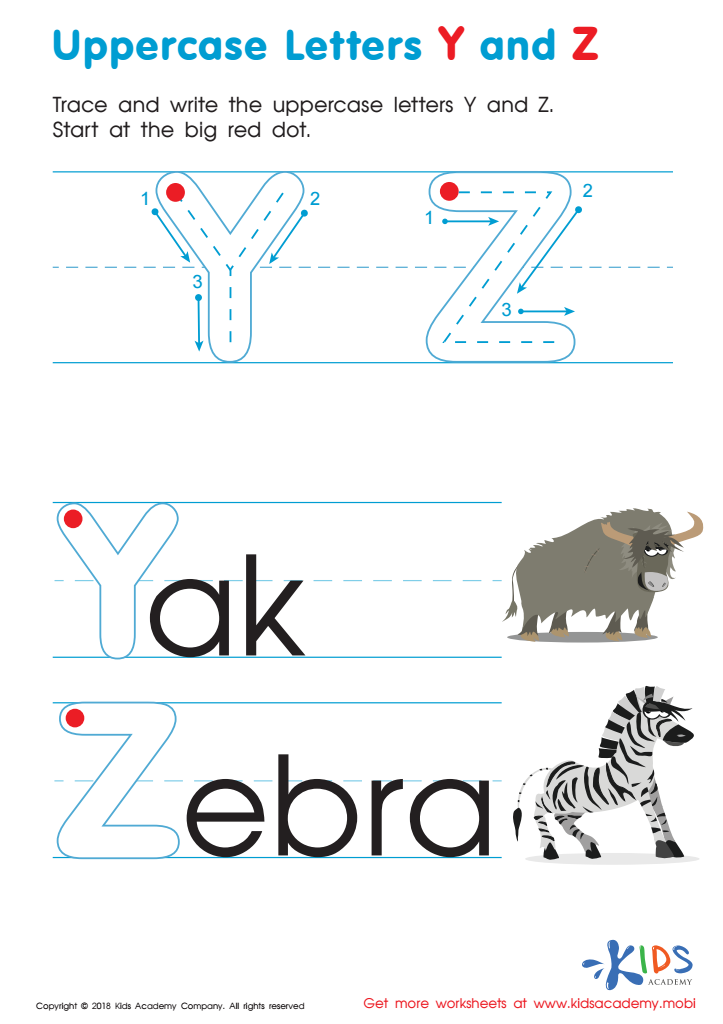
Uppercase Letters Y Z Worksheet
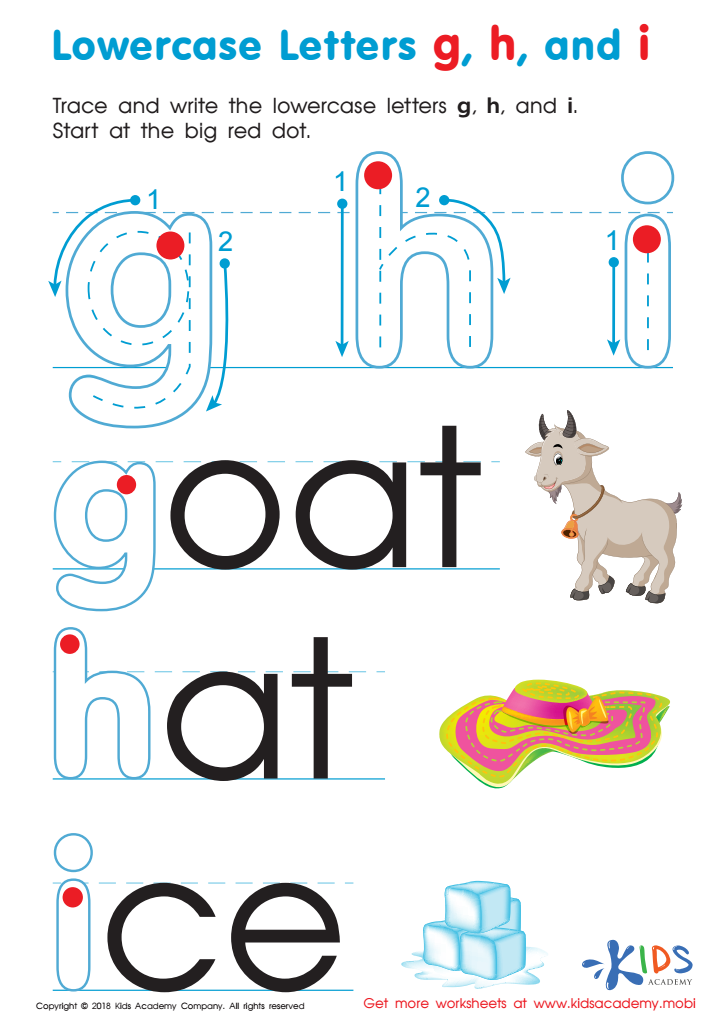
Lowercase Letters g h i Worksheet
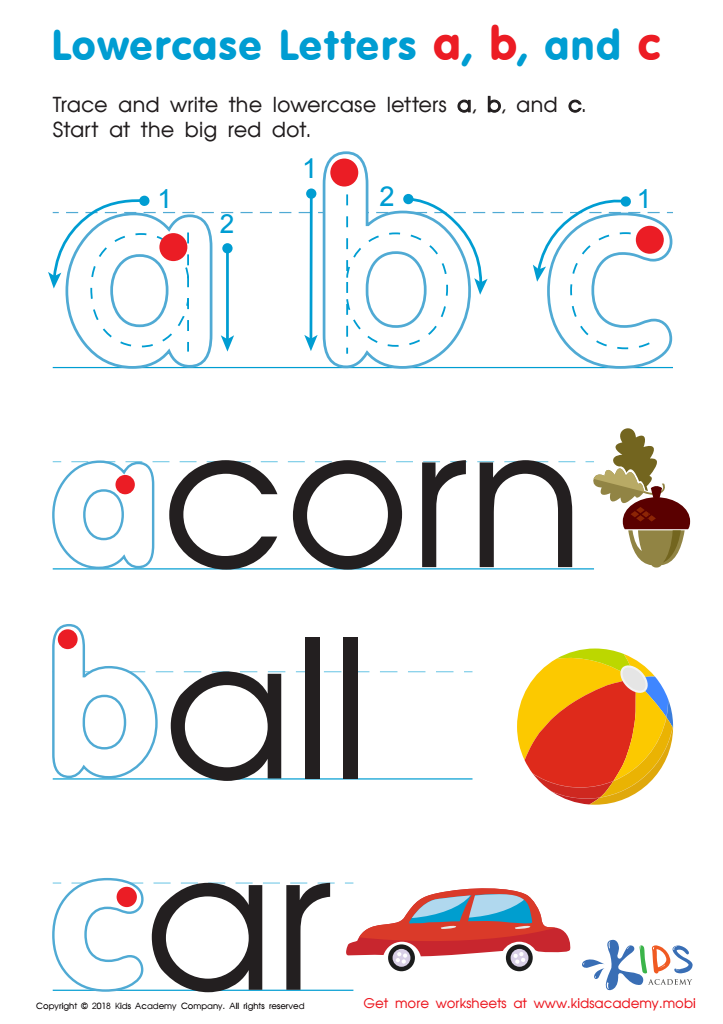
Lowercase Letters a b c Worksheet
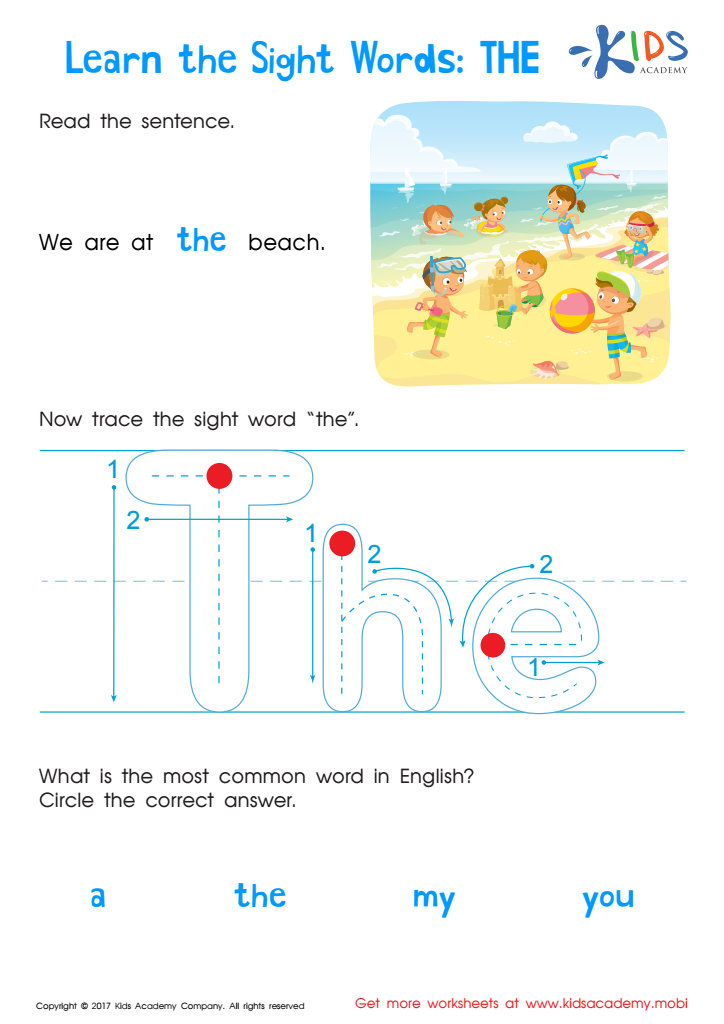
Sight Words: The Worksheet
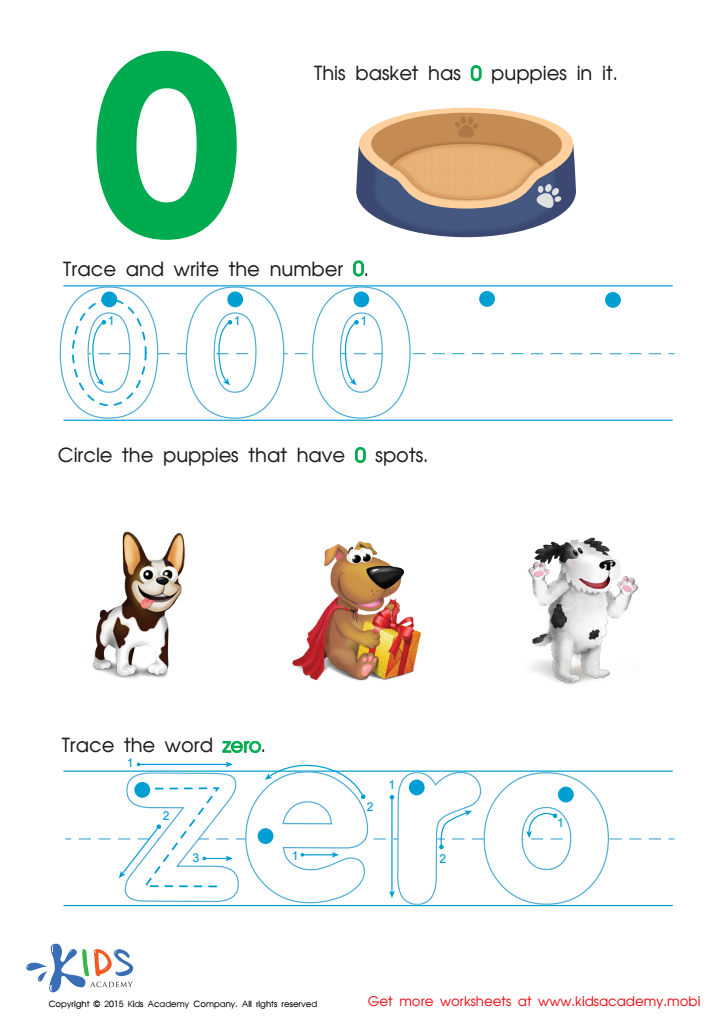
Trace And Write Number 0 Worksheet

Letter D Tracing Page
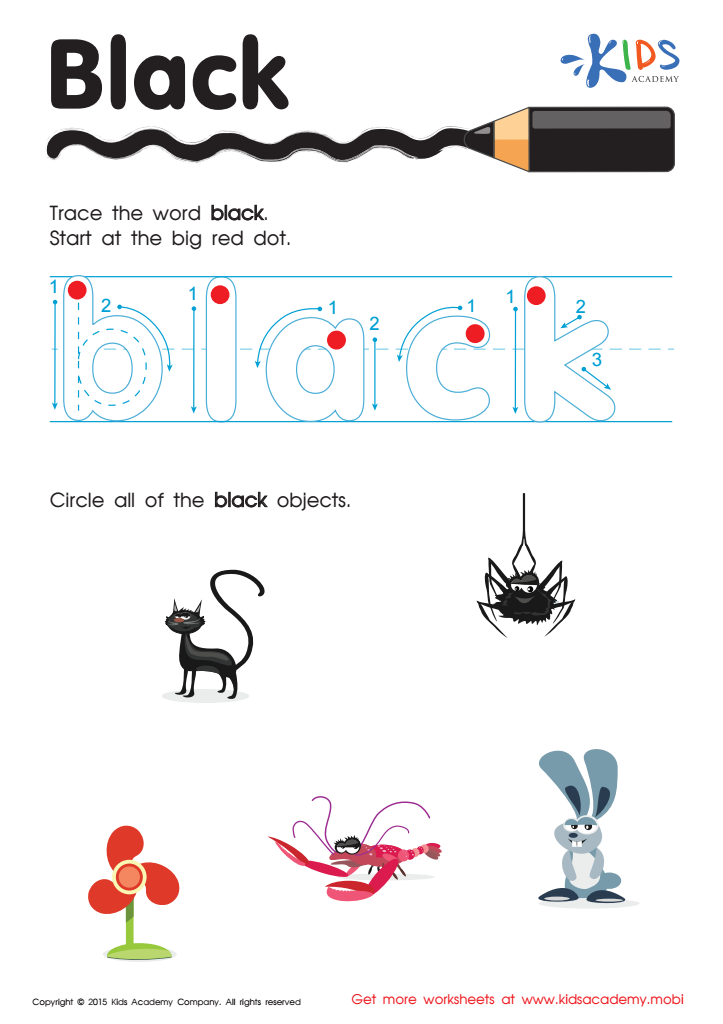
Black Tracing Color Words Printable
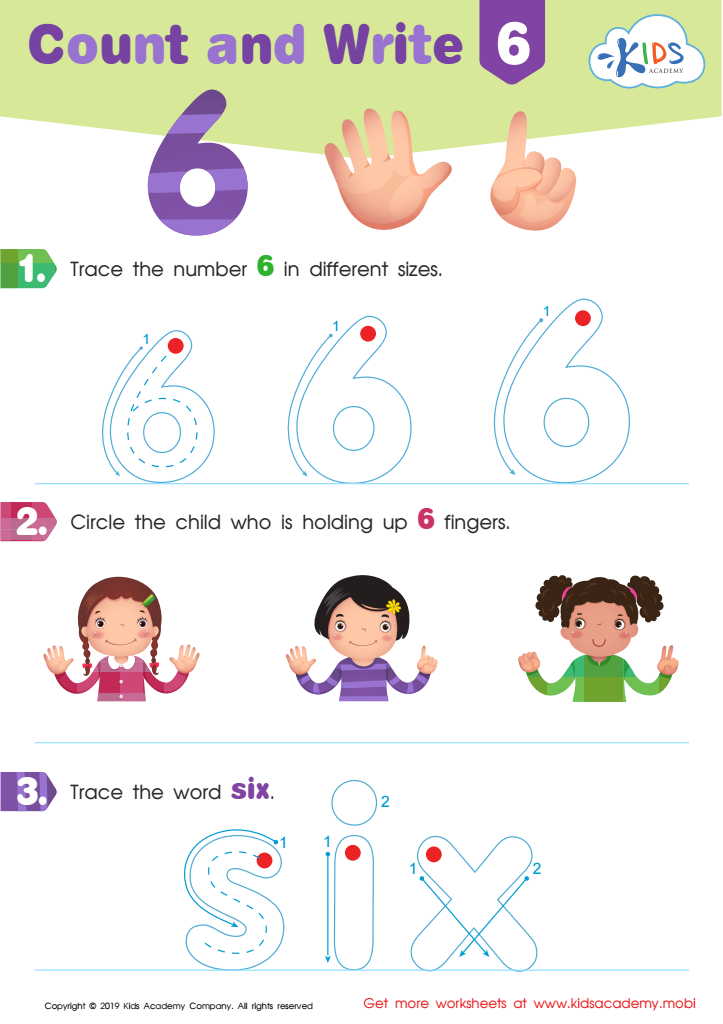
Count and Write 6 Worksheet
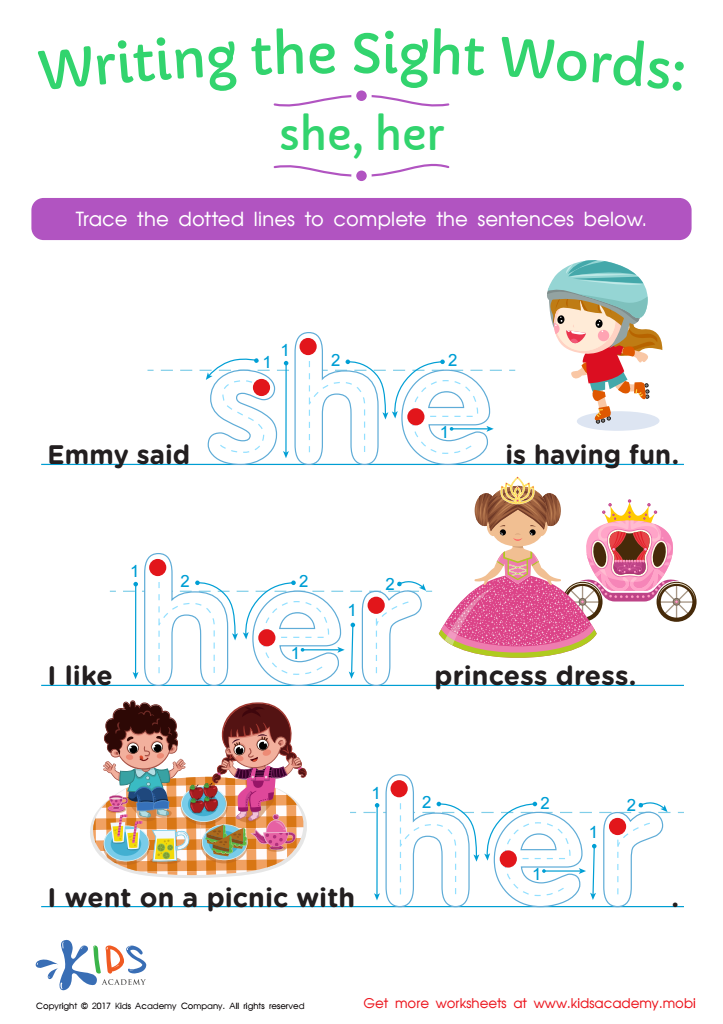
She, Her Printable Sight Words Worksheet
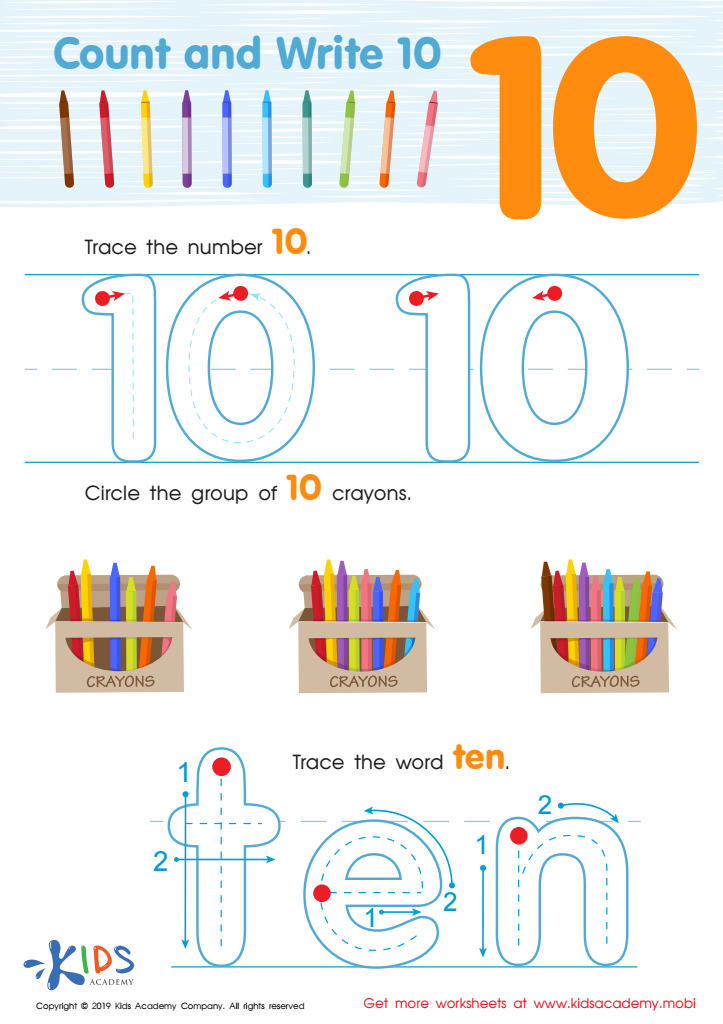
Count and Write 10 Worksheet
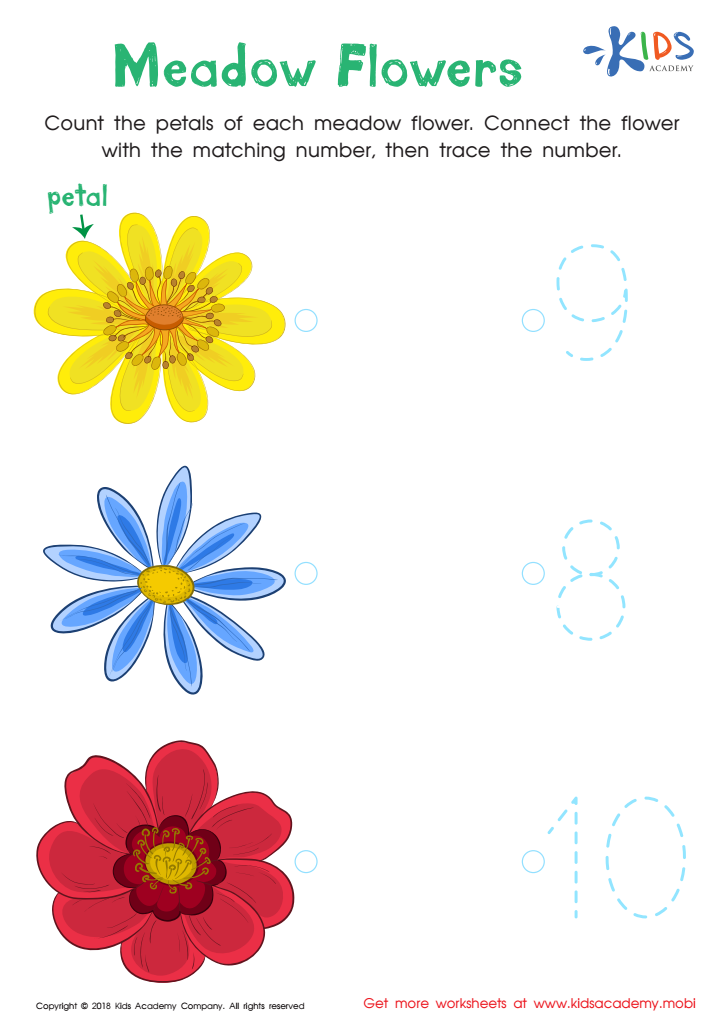
Kindergarten Number Tracing: Medow Flowers Worksheet
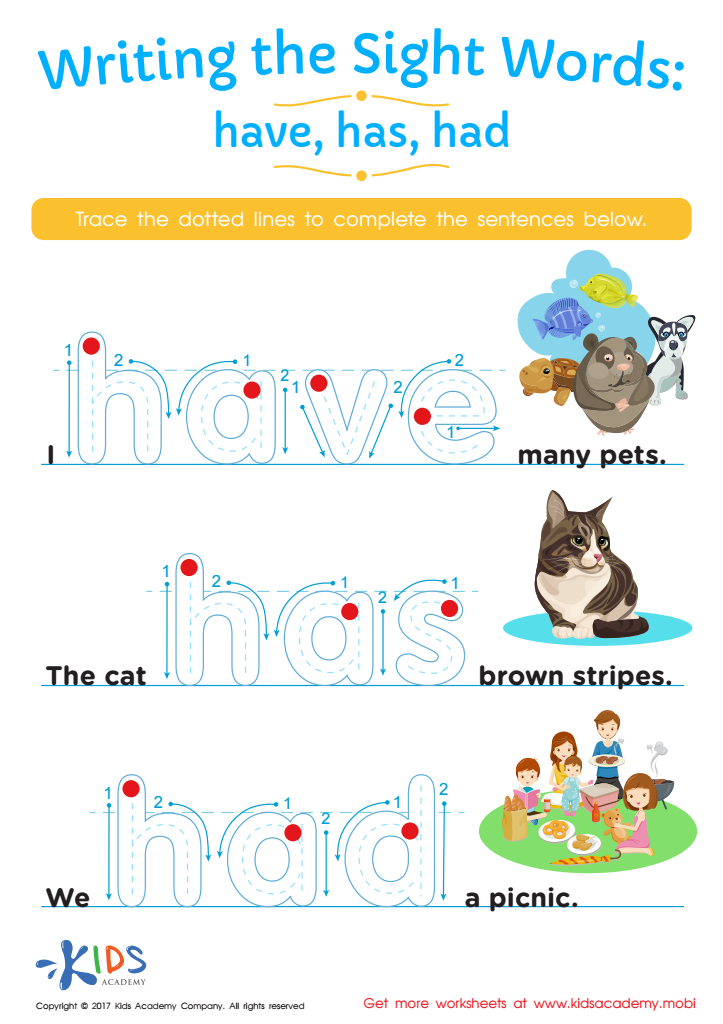
Have, Has, Had Worksheet Sight Words Worksheet




.jpg)



Normal tracing activities for children aged 6-8 are vital for several reasons. Firstly, these activities enhance fine motor skills, which are essential for future writing and drawing. Tracing helps children develop hand-eye coordination and control over finger movements, laying the groundwork for more complex tasks.
Additionally, normal tracing fosters cognitive development. It encourages children to recognize shapes, letters, and numbers, promoting literacy and numeracy skills. Engaging in tracing activities also helps children develop spatial awareness as they learn to navigate the contours of various forms.
Tracing encourages focus and perseverance, providing an opportunity for children to practice patience as they work carefully along lines. This can contribute to a child's self-esteem as they see their skills improve over time.
Furthermore, tracing activities can be adapted to various subjects and interests, making them a versatile educational tool. They can incorporate themes from art, nature, or storytelling, ultimately promoting a love for learning through hands-on experiences.
By participating in tracing activities, parents and teachers can support children in building essential skills while making learning enjoyable and accessible. Therefore, integrating normal tracing into educational practices can be a fun and effective way for children to thrive academically and physically.








