Normal Matching worksheets activities for Ages 6-9 - Page 2
29 filtered results
-
From - To
 Assign to My Students
Helpful Health Worksheet
Find 5 Worksheet
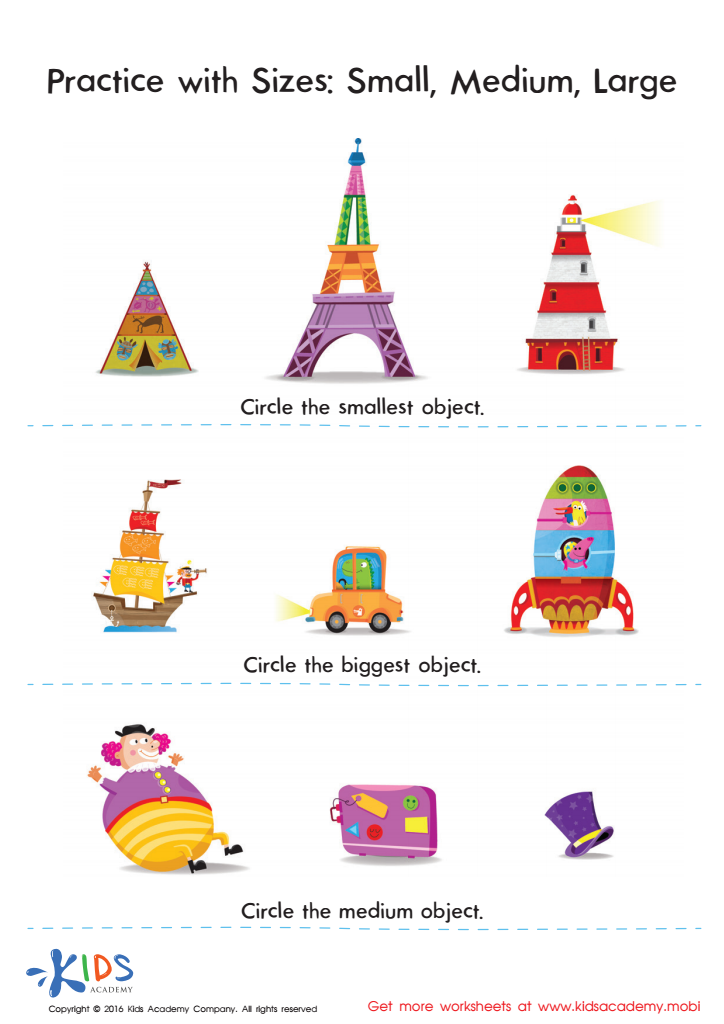







Normal Matching activities are crucial for children aged 6-9 as they foster critical cognitive skills and support overall development. This age group is essential for foundational learning, where children begin to develop the ability to recognize patterns, make associations, and improve problem-solving abilities. Normal Matching activities encourage cognitive engagement through hands-on learning and active participation, enhancing children's ability to think logically and process information effectively.
Additionally, these activities promote essential social skills, such as turn-taking, communication, and collaboration when children work together in pairs or small groups. Such interactions create a supportive environment for social and emotional growth, ensuring children learn how to express themselves and develop empathy towards others.
Moreover, Normal Matching activities can be customized to align with various curricular subjects, such as mathematics, language, and science, making learning more relevant and enjoyable. Parents and teachers who incorporate these activities into learning routines can better engage children, catering to diverse learning styles. Ultimately, these activities lay the groundwork for lifelong learning, creativity, and adaptability—skills crucial for future academic success and personal development. Prioritizing Normal Matching activities ensures children become active, capable learners who can navigate their world confidently and competently.








