Shape Recognition Geometry Worksheets for Ages 3-4 - Page 2
34 filtered results
-
From - To
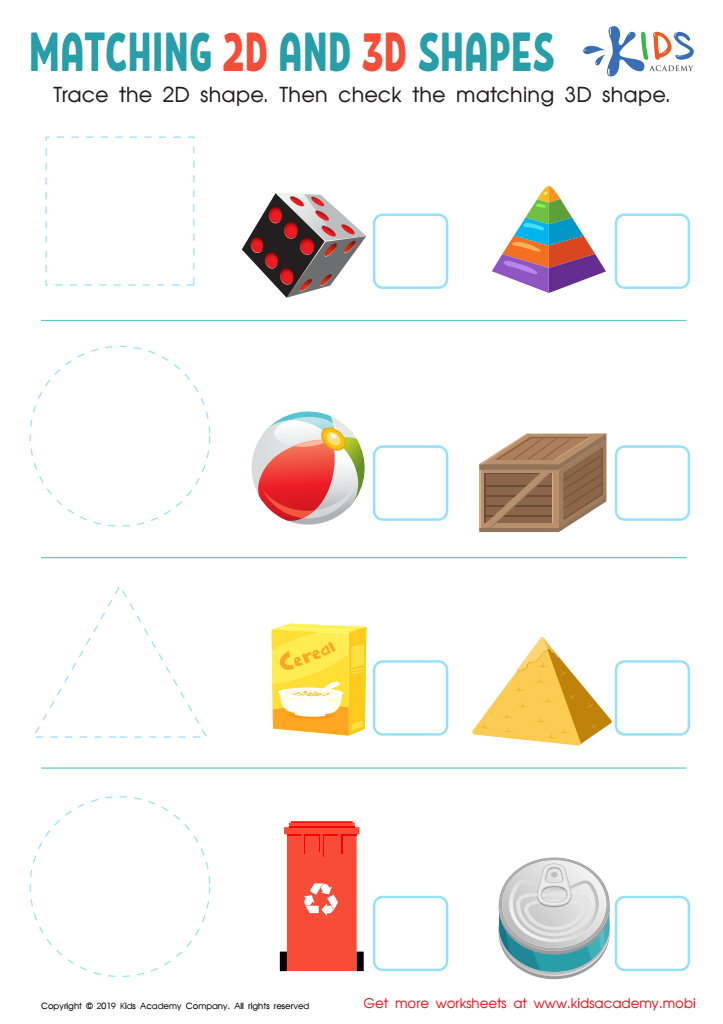
Matching 2D and 3D Shapes Worksheet
 Assign to My Students











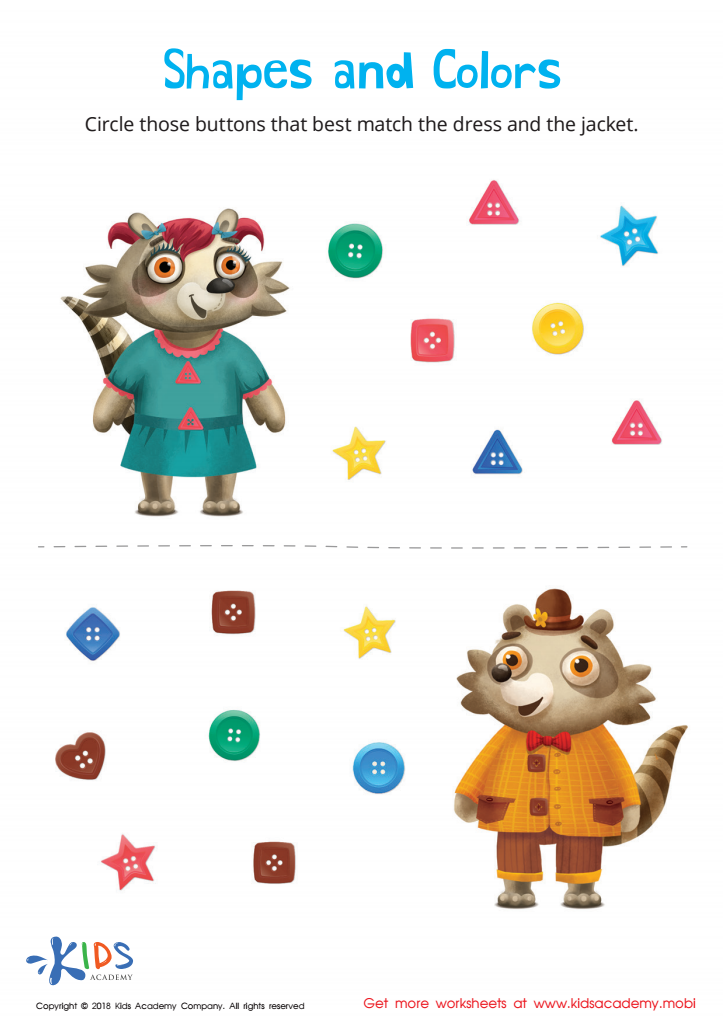
Shapes and Colors Worksheet
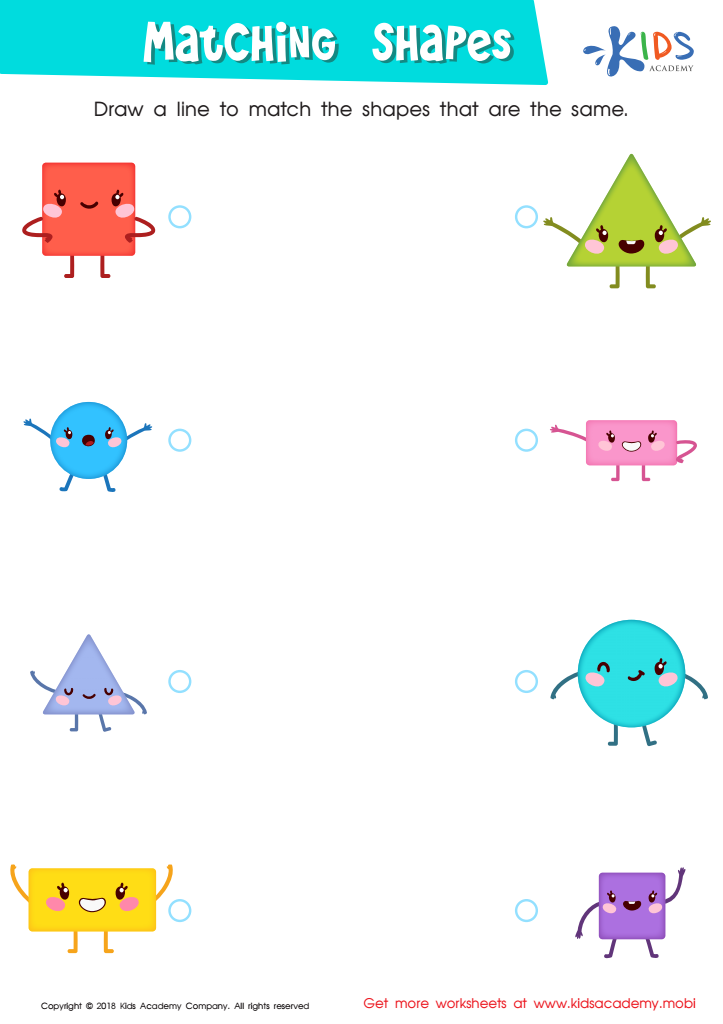
Matching Shapes Worksheet
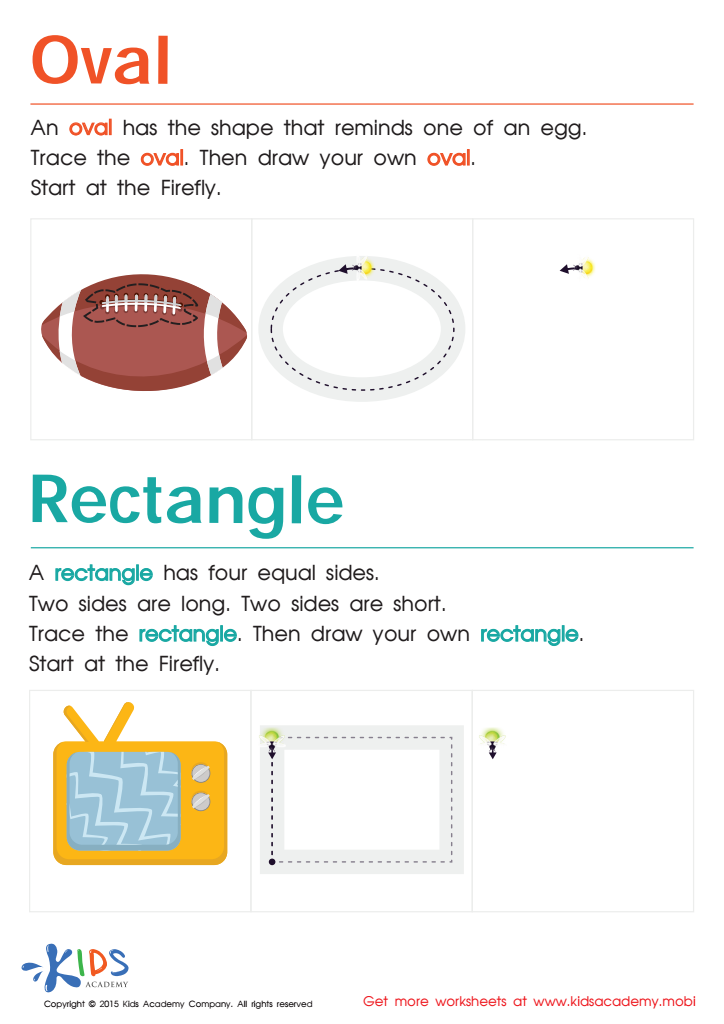
Easy Drawing of Ovals And Rectangles Worksheet
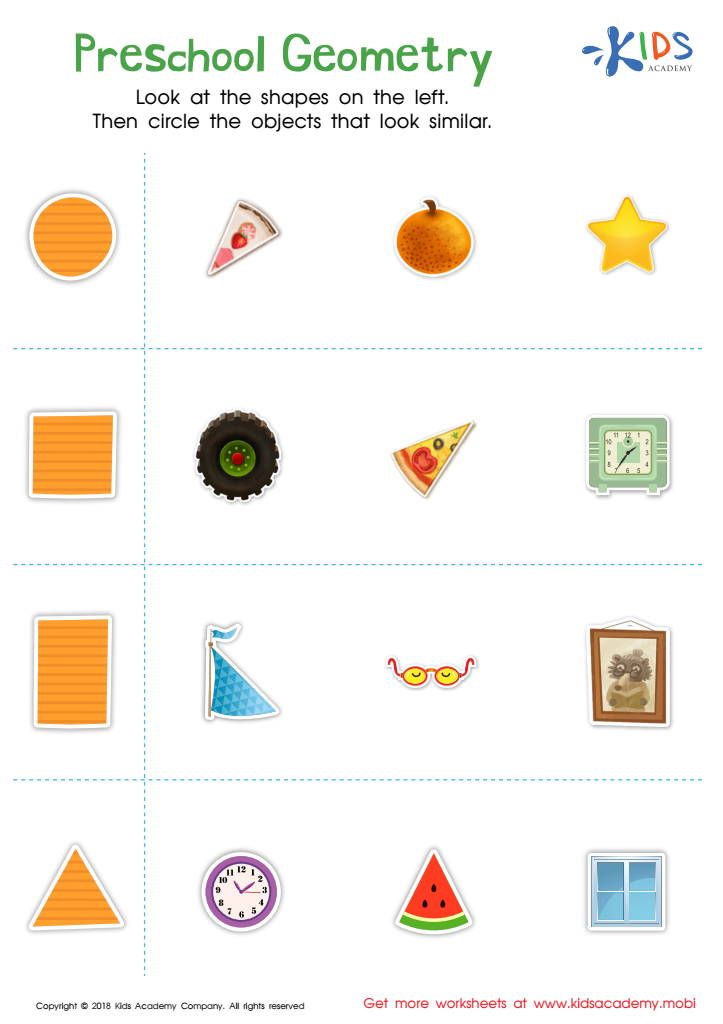
Preschool Geometry Worksheet
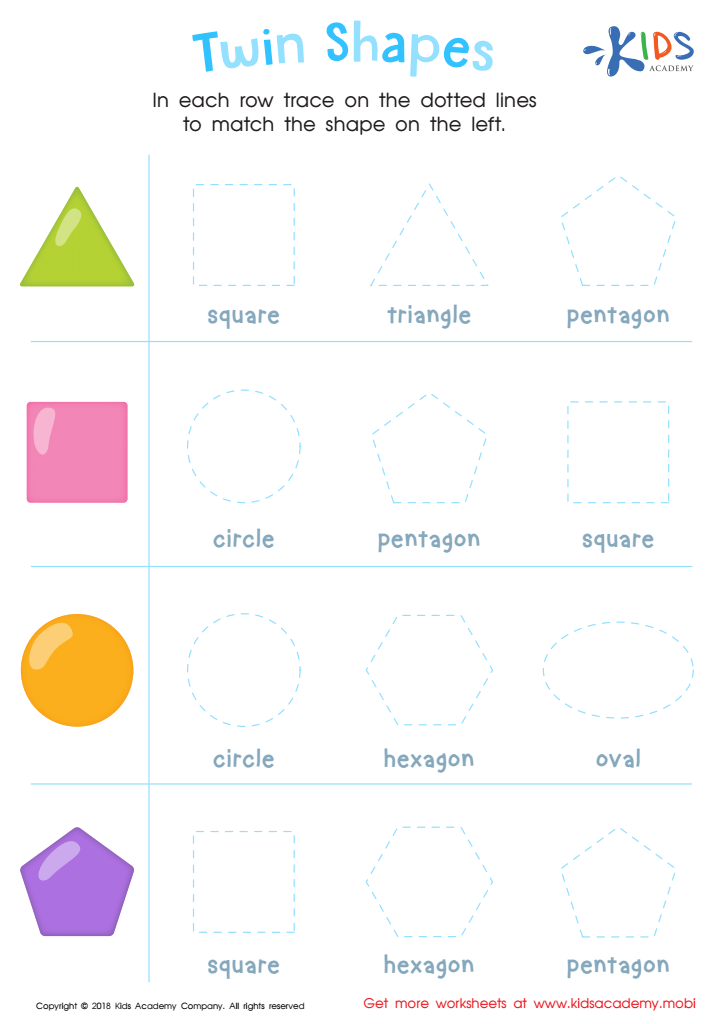
Twin Shapes Dot-to-Dot Worksheet
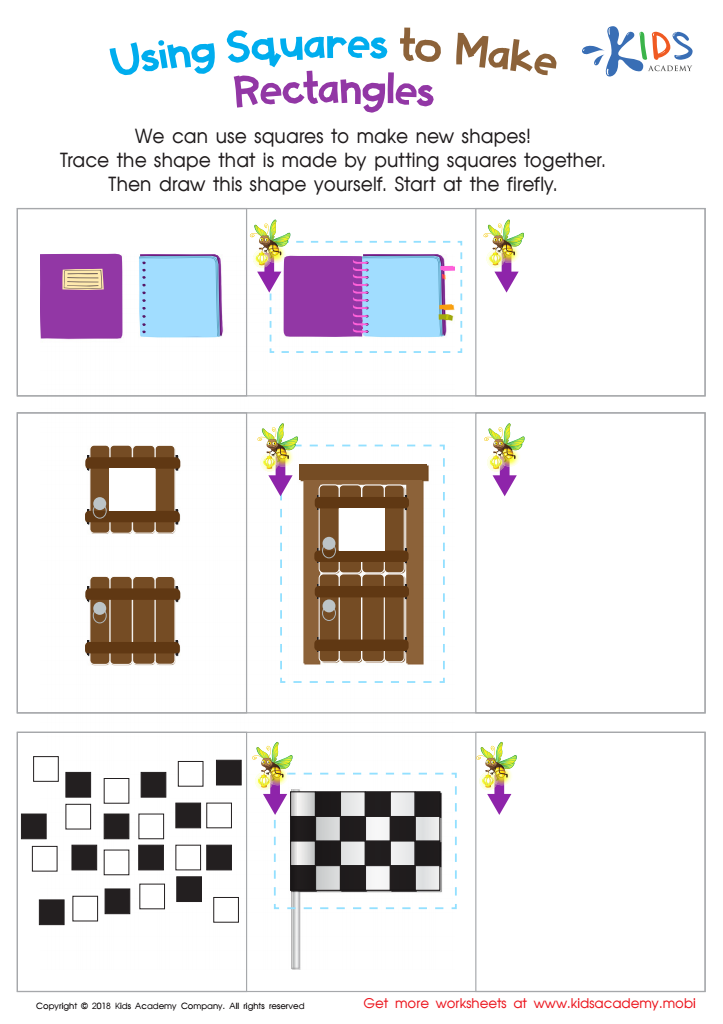
Using Squares to Make Rectangles Worksheet
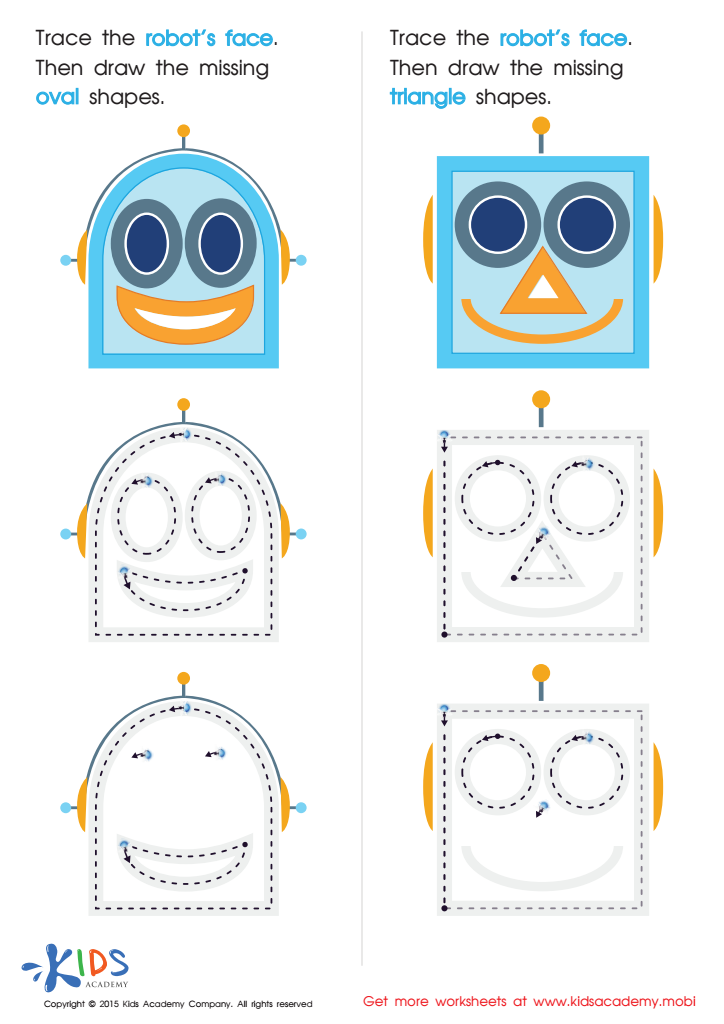
Drawing Ovals And Triangles with Fun Printable
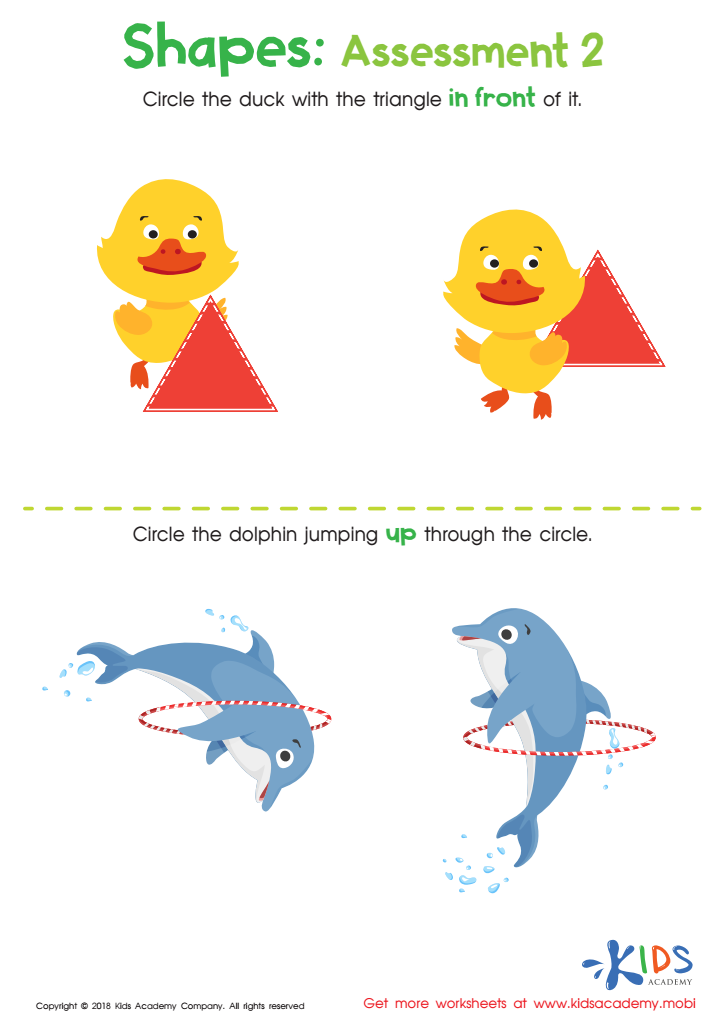
Geometry – Assessment 2 Worksheet
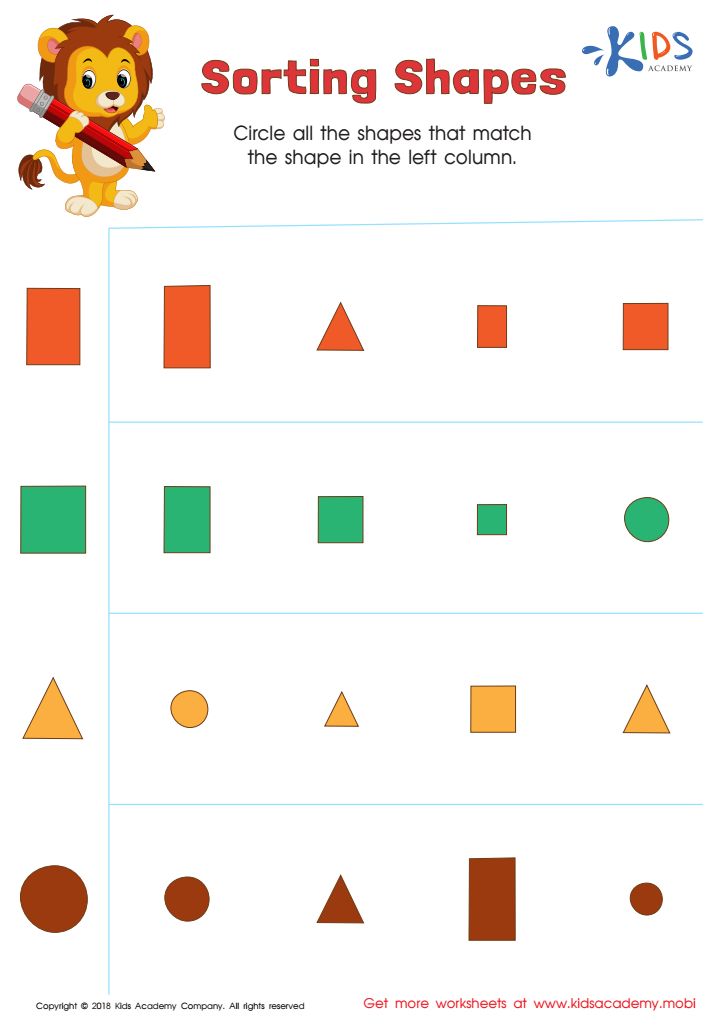
Sorting Shapes - Part 2 Worksheet








Shape recognition is crucial for children ages 3-4, as it serves as a foundational aspect of early geometry education. At this age, children begin developing cognitive skills necessary for understanding the world around them. Recognizing shapes helps them categorize objects, an essential skill for problem-solving and critical thinking. When children learn to identify shapes such as circles, squares, and triangles, they enhance their visual discrimination skills and spatial awareness.
Parents and teachers should care about shape recognition because it supports other areas of development, including language and motor skills. As children articulate the names of shapes, they expand their vocabulary, and when they manipulate physical shapes through play, they enhance fine motor skills. Furthermore, these early experiences lay the groundwork for later math concepts, as understanding shapes is integral to learning about measurement, symmetry, and spatial relationships.
Engaging children in shape recognition activities, such as puzzles, construction play, or art projects, encourages creativity while reinforcing learning. By prioritizing shape recognition, caregivers and educators foster a rich environment for children’s holistic development, paving the way for academic success in mathematics and beyond. In essence, shape recognition is not merely an academic skill; it is vital for life skills and cognitive growth.








