Reading comprehension Science Worksheets for Ages 3-4 - Page 2
36 filtered results
-
From - To
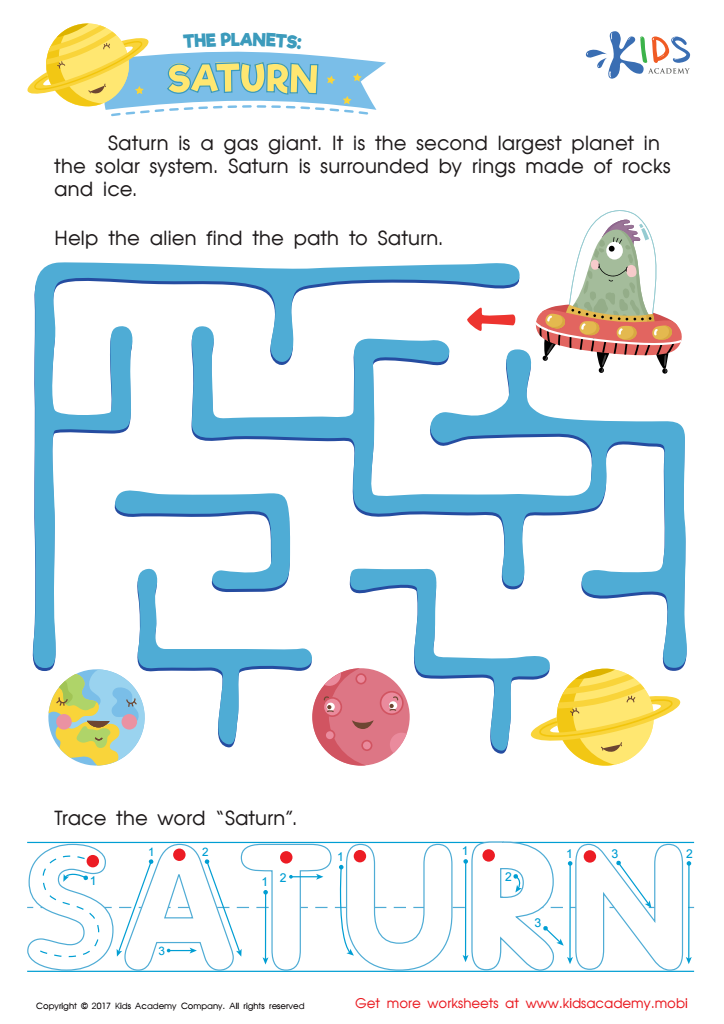
The Planets: Saturn Printable
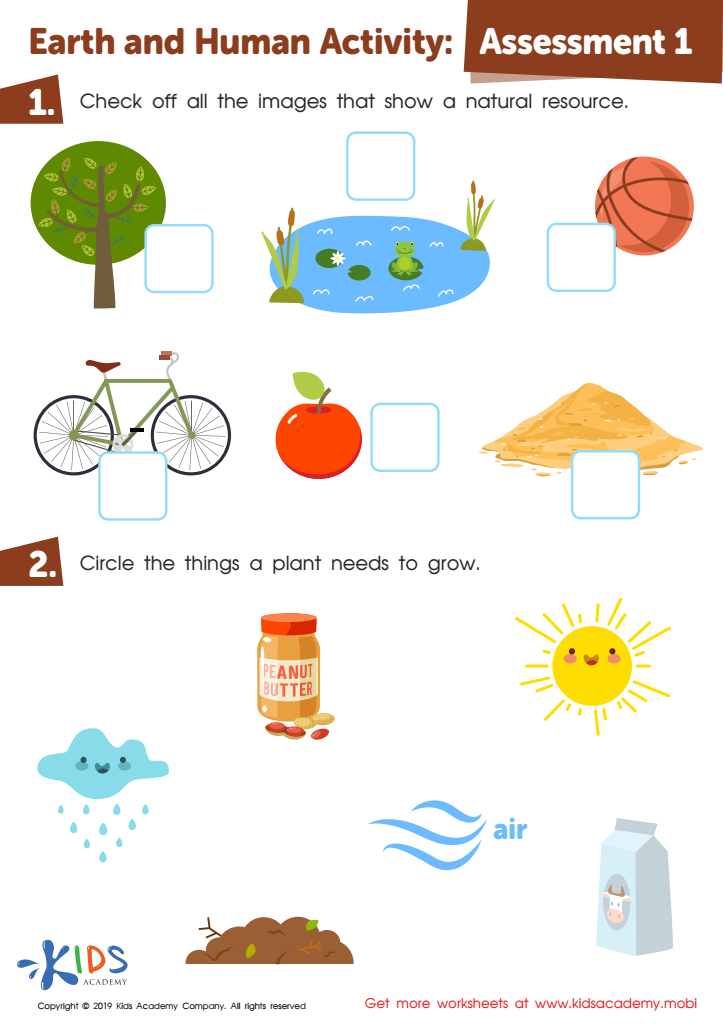
Earth and Human Activity: Assessment 1 Worksheet
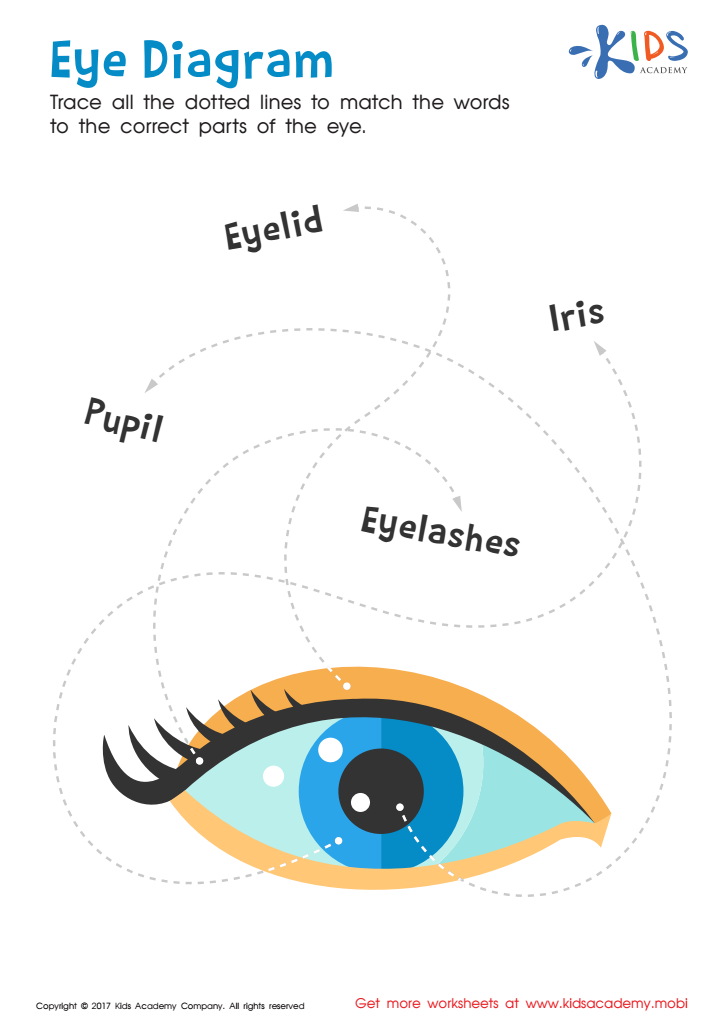
Eye Diagram Printable
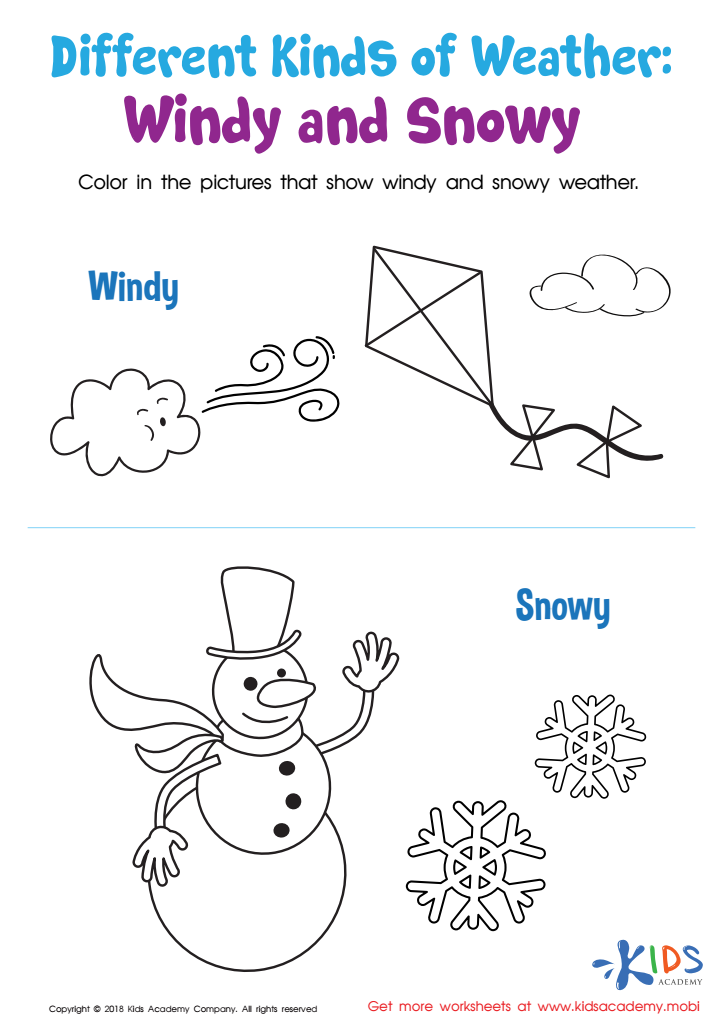
Different Kinds of Weather: Windy and Snowy Worksheet
 Assign to My Students
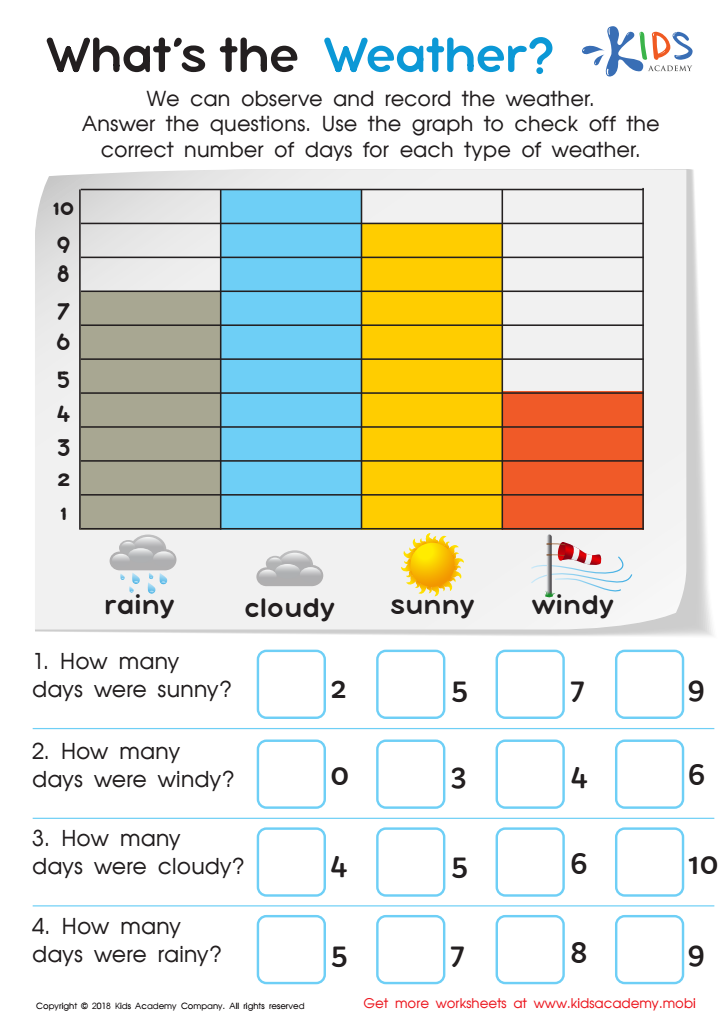
What's the Weather? Worksheet
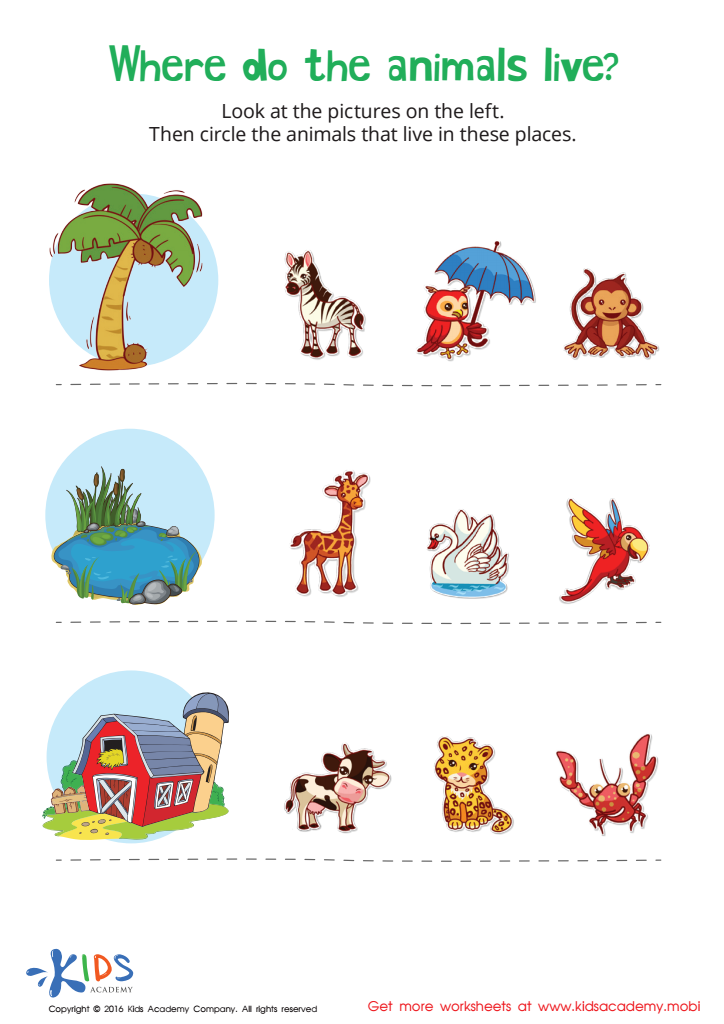
Where Animals Live Worksheet
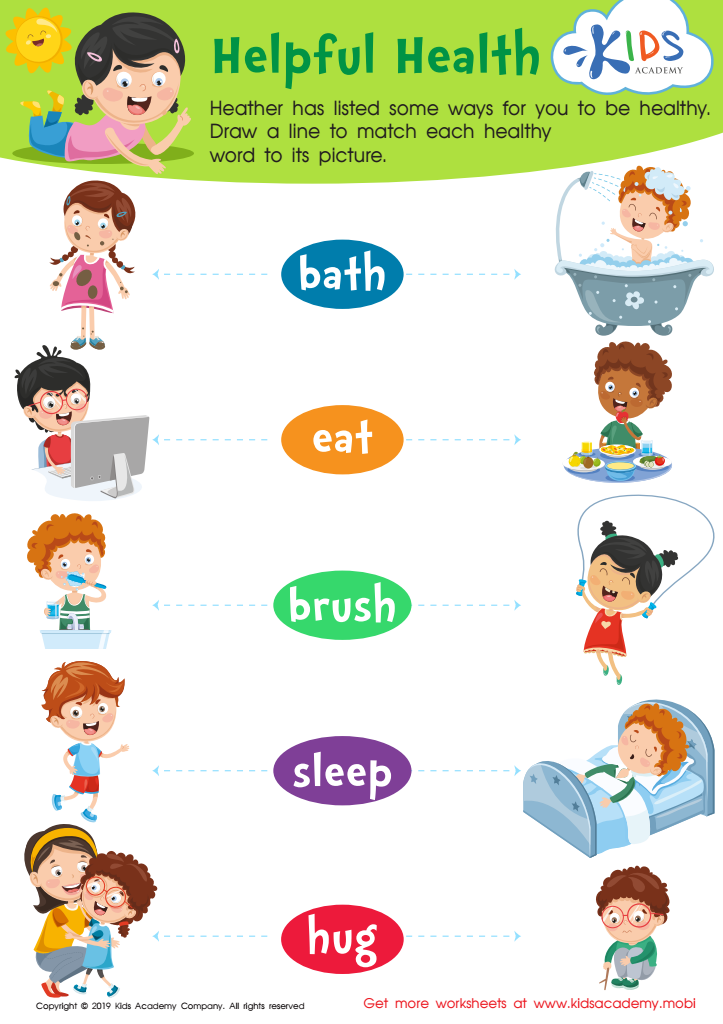
Helpful Health Worksheet
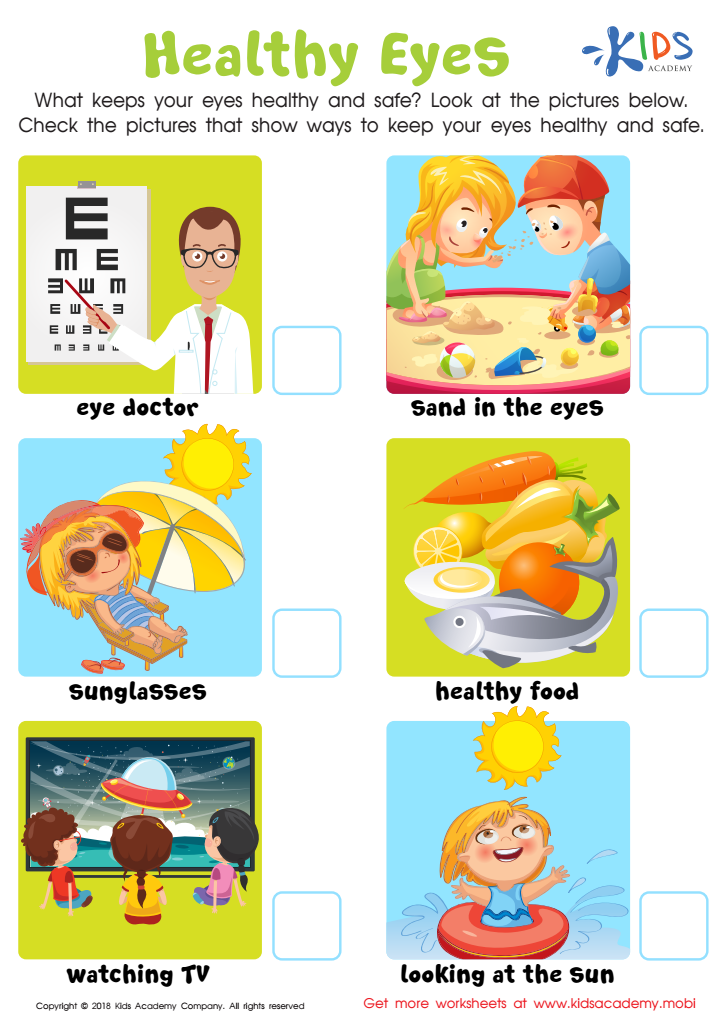
Healthy Eyes Worksheet
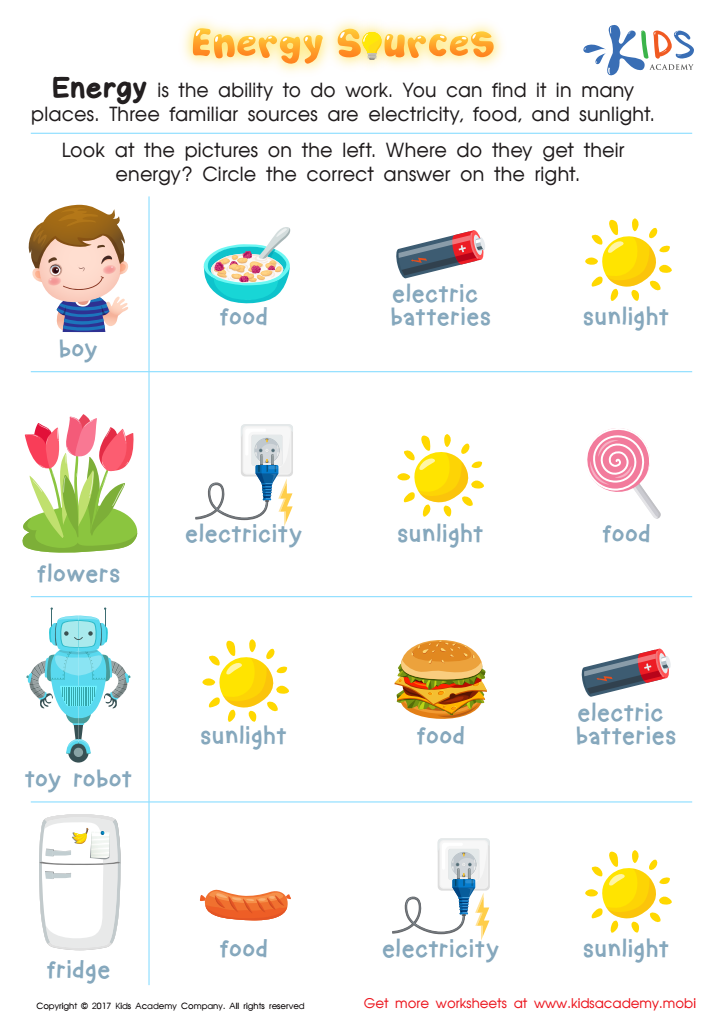
Energy Sources Printable
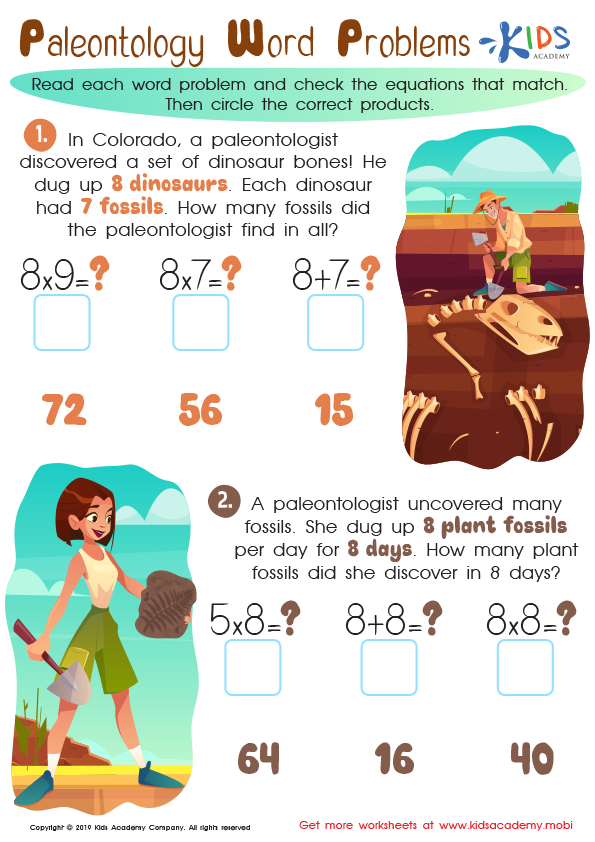
Archeology Word Problems Worksheet






.jpg)

Understanding reading comprehension at an early age, particularly for children aged 3-4, is crucial for both parents and teachers. This developmental stage lays the foundation for future learning and literacy skills. During this period, young children are naturally curious and eager to learn, making it an ideal time to nurture reading comprehension.
Firstly, strong reading comprehension helps children make connections between words and meanings, enhancing vocabulary and language skills. Engaging in stories aids their ability to recall information, recognize patterns, and predict outcomes.
Secondly, integrating science concepts into reading can stimulate interest in the world around them. Books that explore scientific themes, from animals to natural phenomena, encourage critical thinking and inquiry. Children will learn to ask questions and seek answers, essential skills that foster lifelong learning.
Moreover, fostering an early love for reading through enjoyable and educational stories can create strong bonds between parents and educators as they explore narratives together, thus promoting positive social interactions.
In sum, prioritizing reading comprehension with a science lens at this early age not only develops cognitive skills but also ignites curiosity, preparing children for future educational success. Engaging early is the key to cultivating confident, enthusiastic learners.







