Shape Recognition Geometry Worksheets for Ages 3-6 - Page 2
53 filtered results
-
From - To
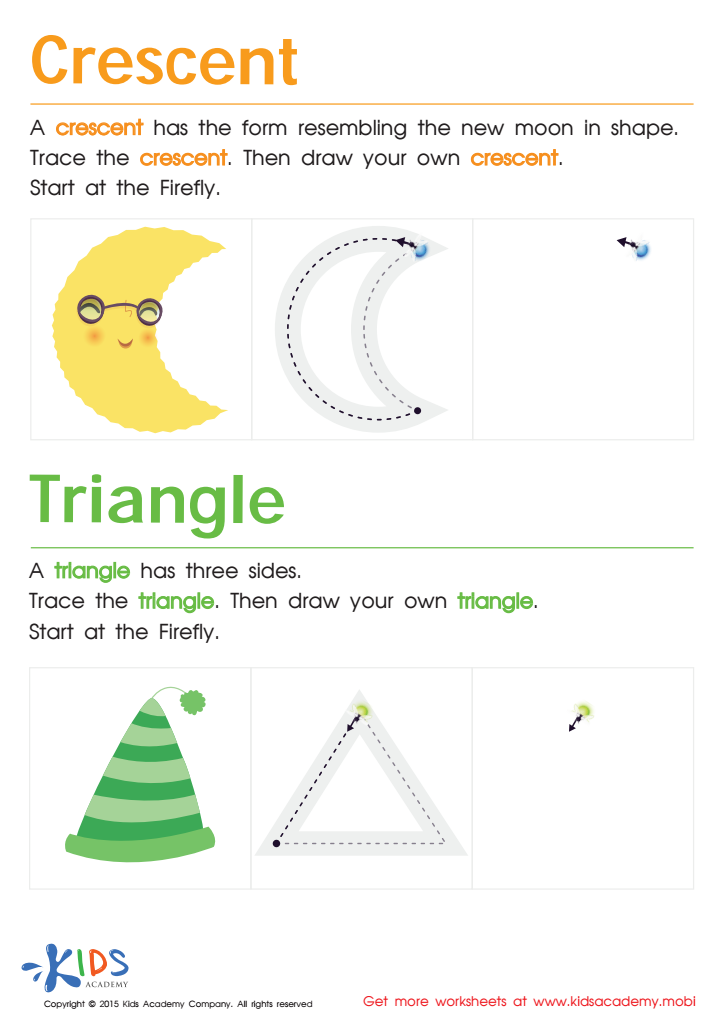
Learning to Draw Crescents And Triangles Worksheet











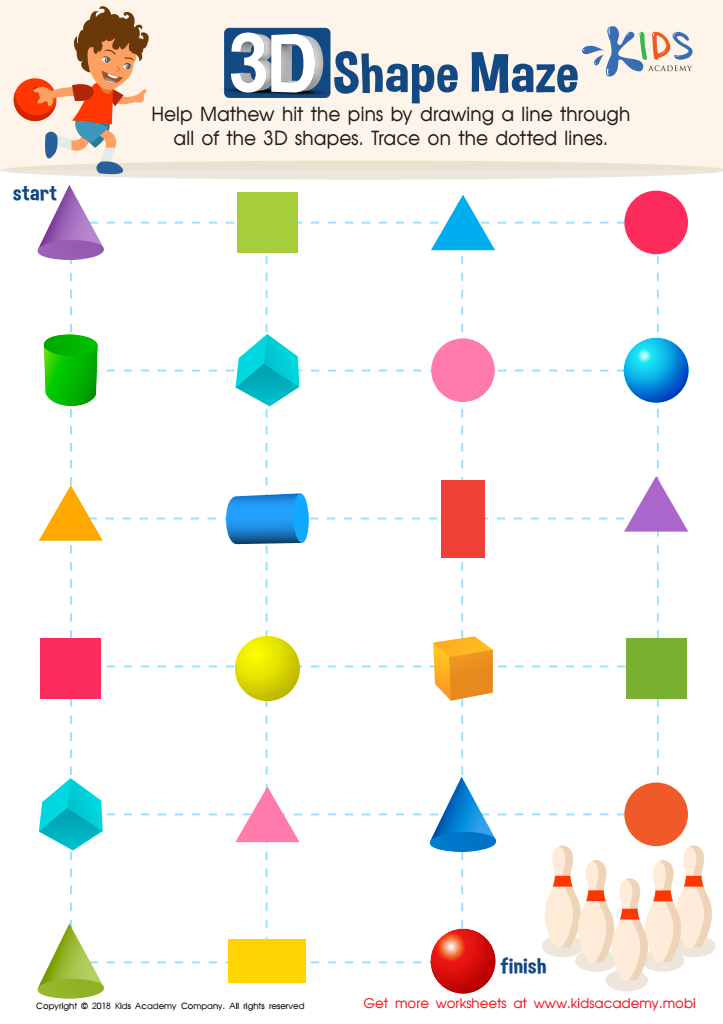
Shapes Maze Geometry Worksheet
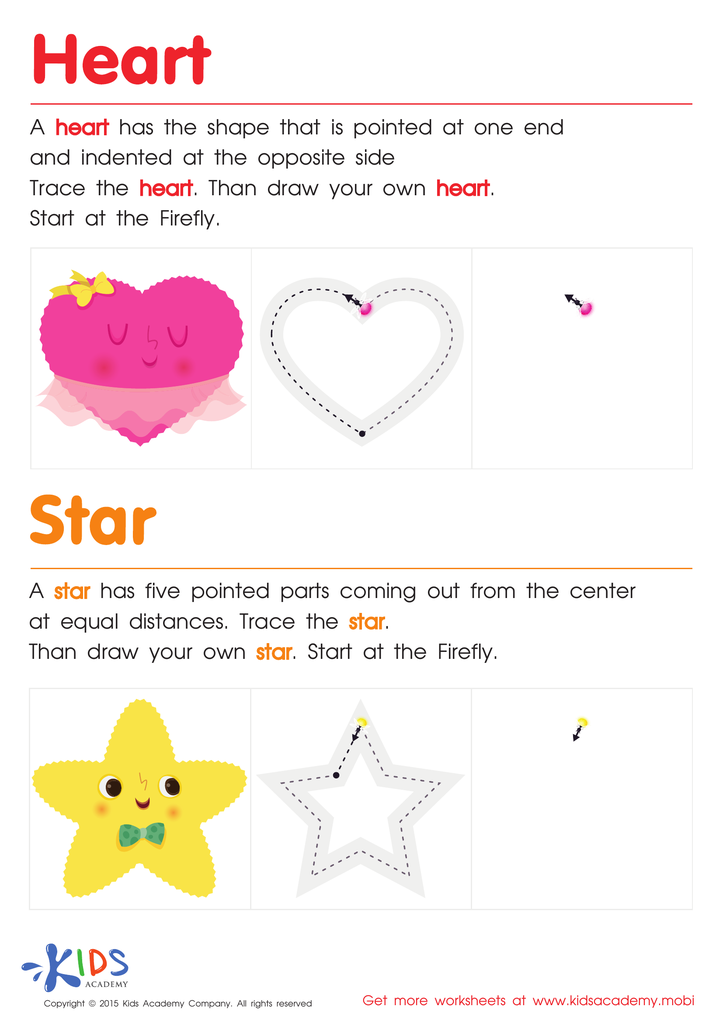
Let's Learn to Draw Hearts And Stars Printable
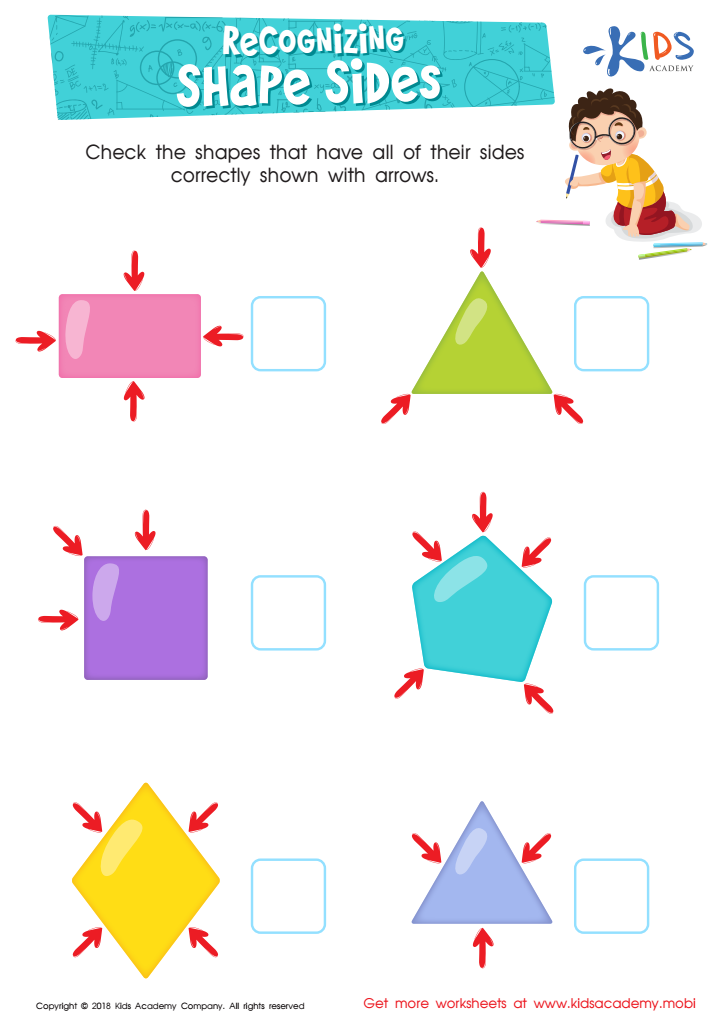
Recognizing Shape Sides Worksheet
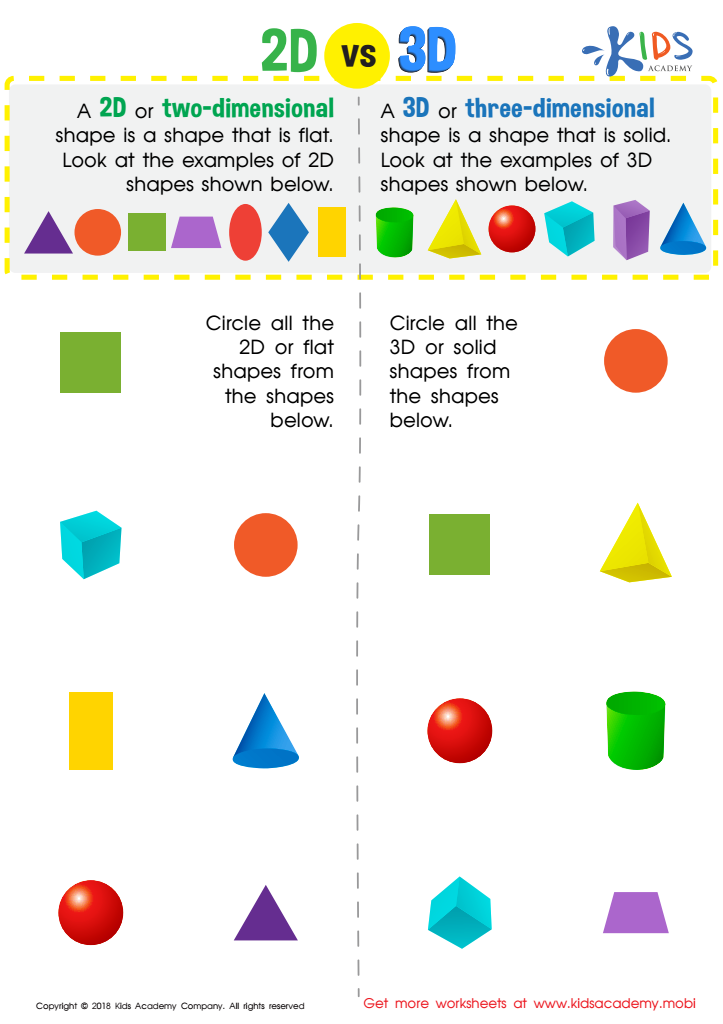
2D vs 3D Shapes Worksheet
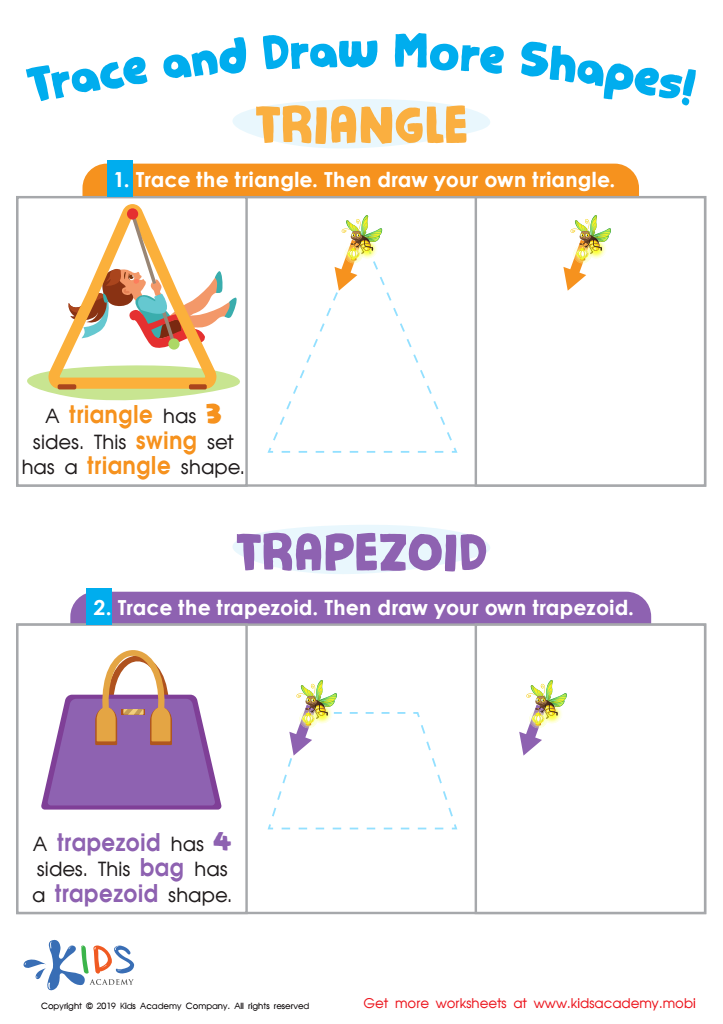
Trace and Draw More Shapes Worksheet
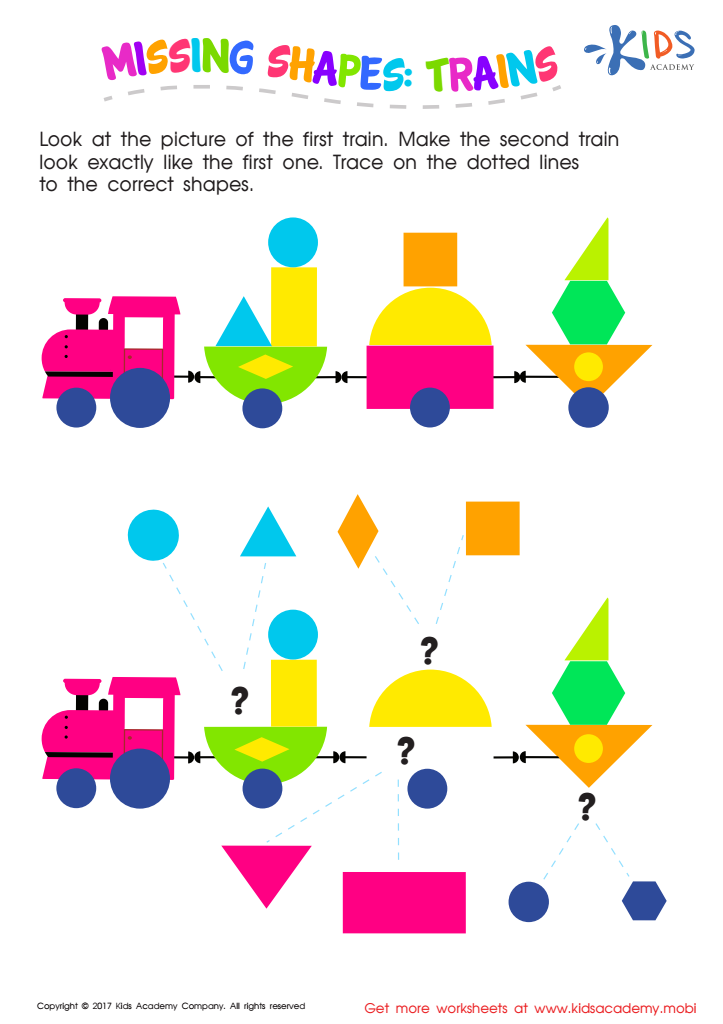
Missing Shapes: Trains Worksheet
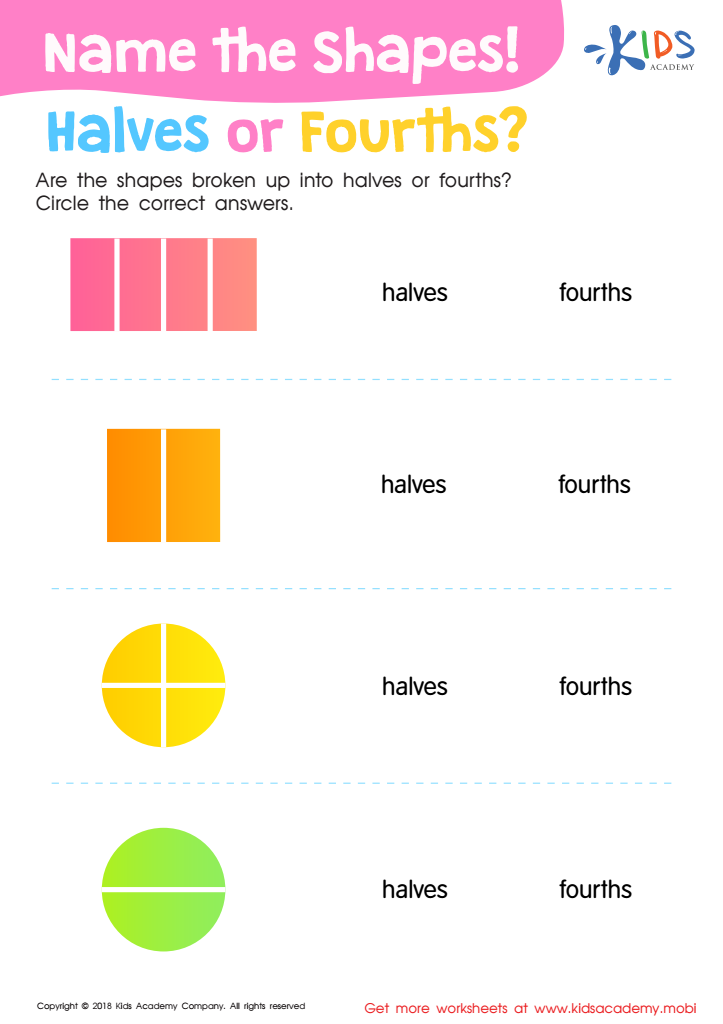
Name the Shapes Halves or Fourths? Worksheet
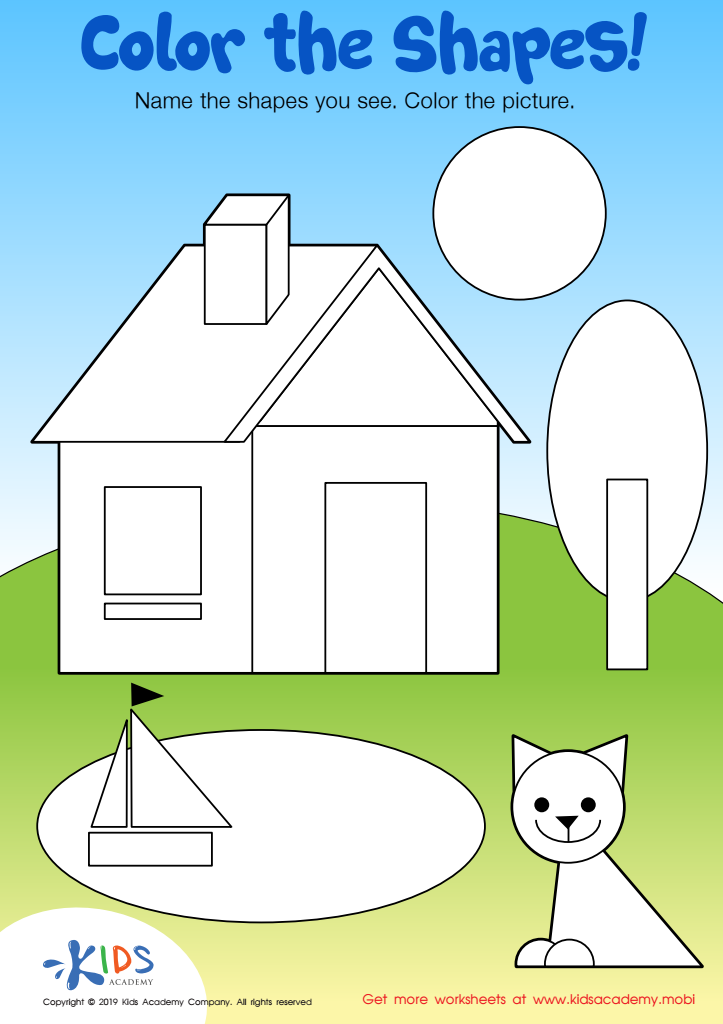
Color the Shapes Worksheet
 Assign to My Students
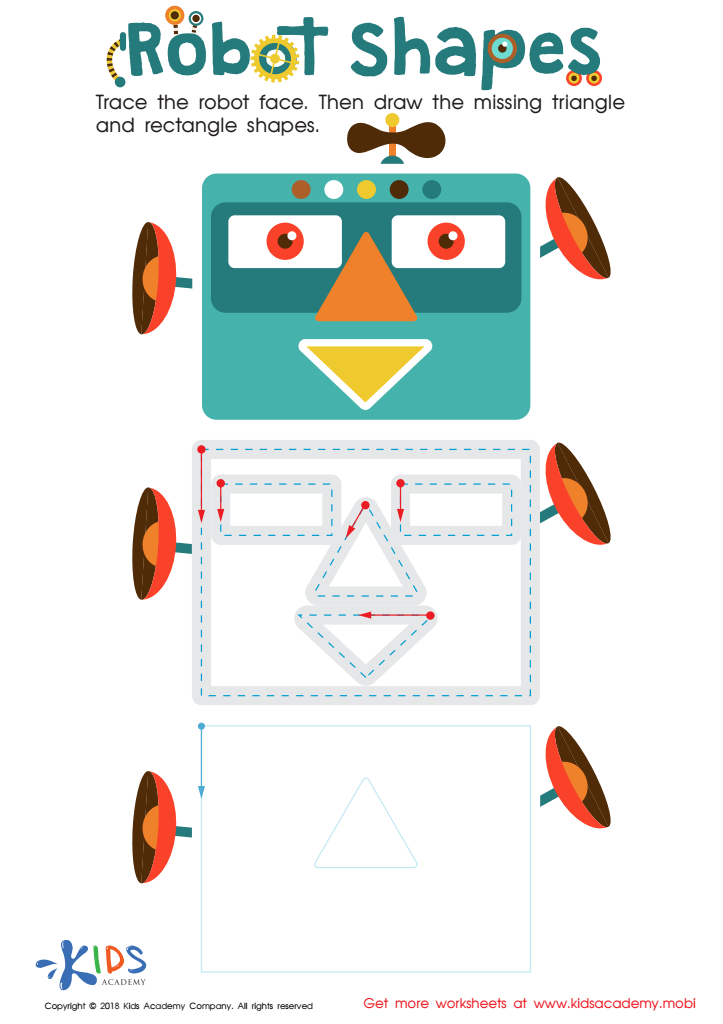
Robot Shapes Worksheet
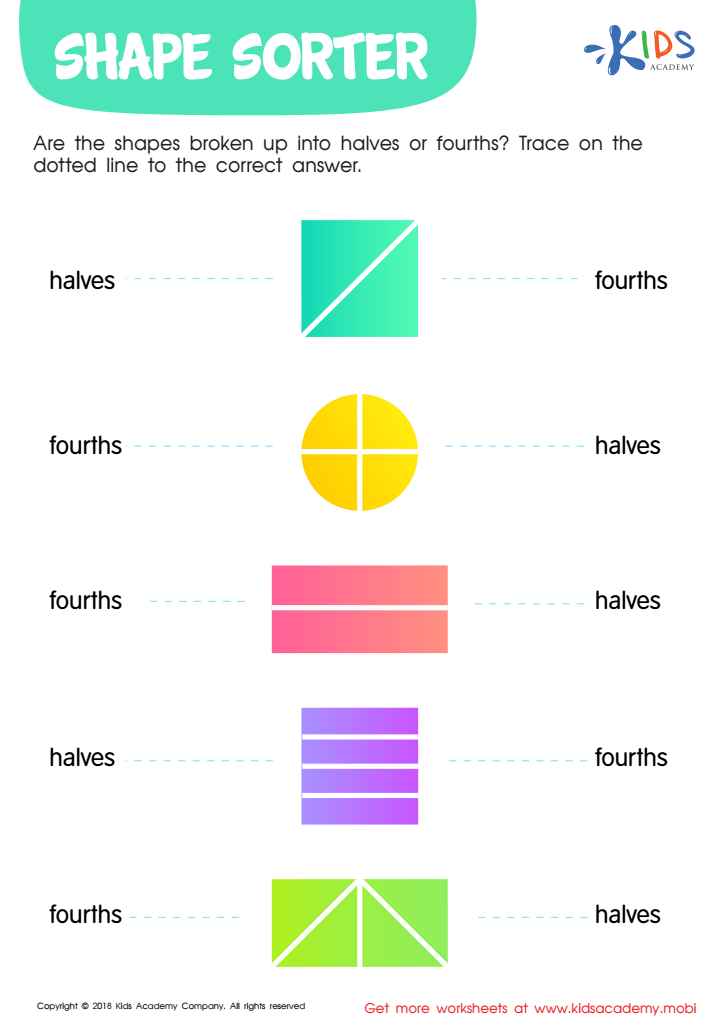
Shape Sorter Worksheet
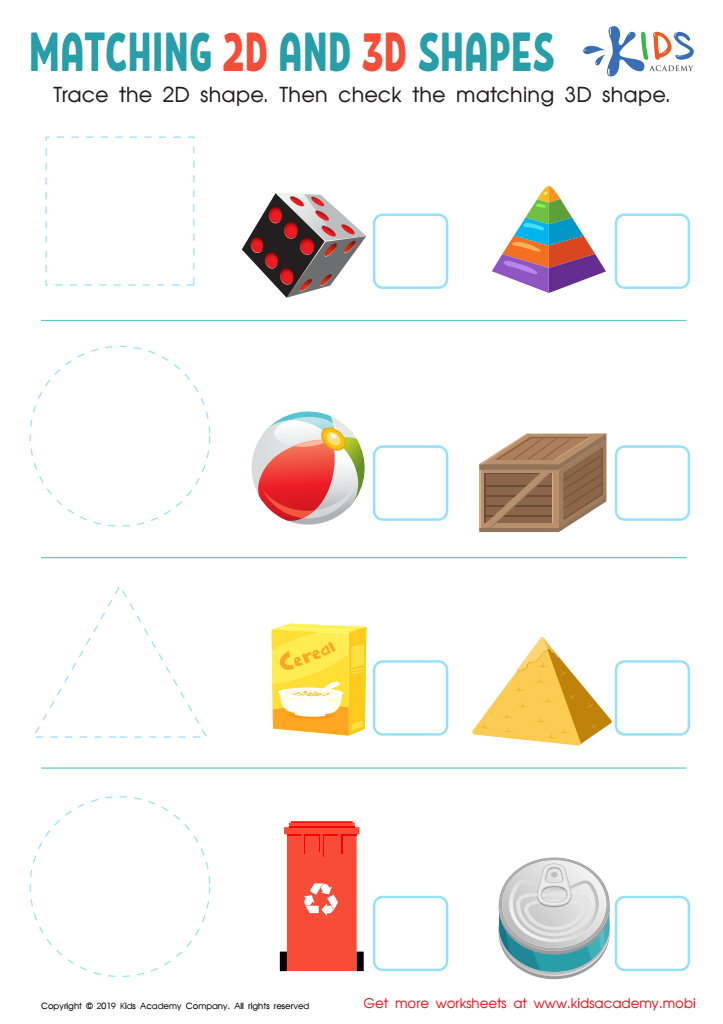
Matching 2D and 3D Shapes Worksheet
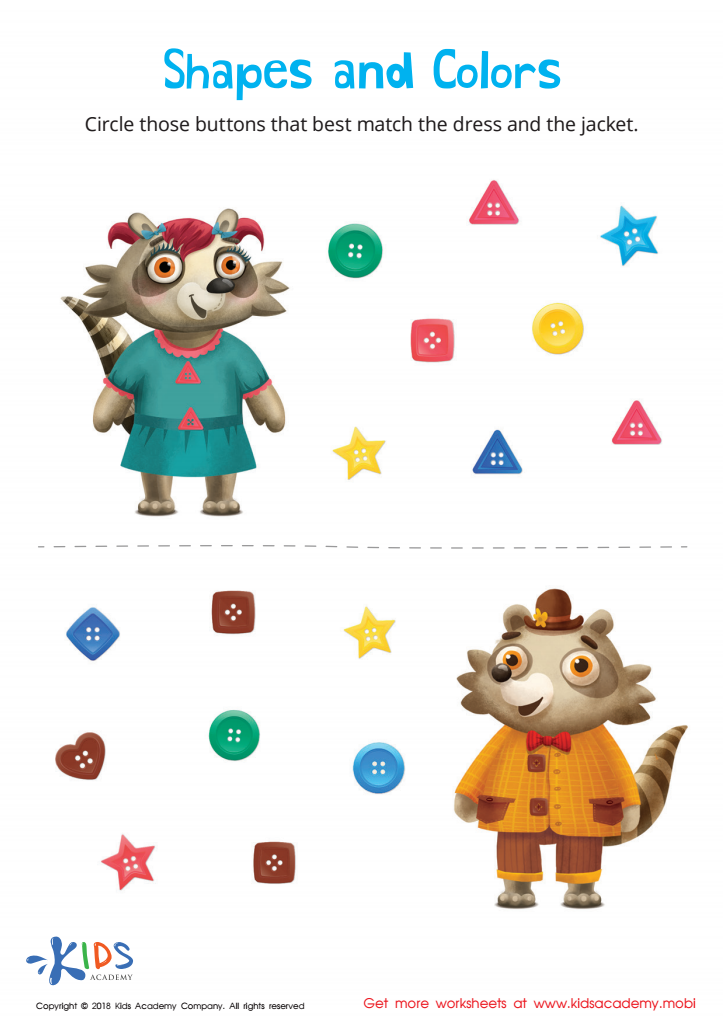
Shapes and Colors Worksheet
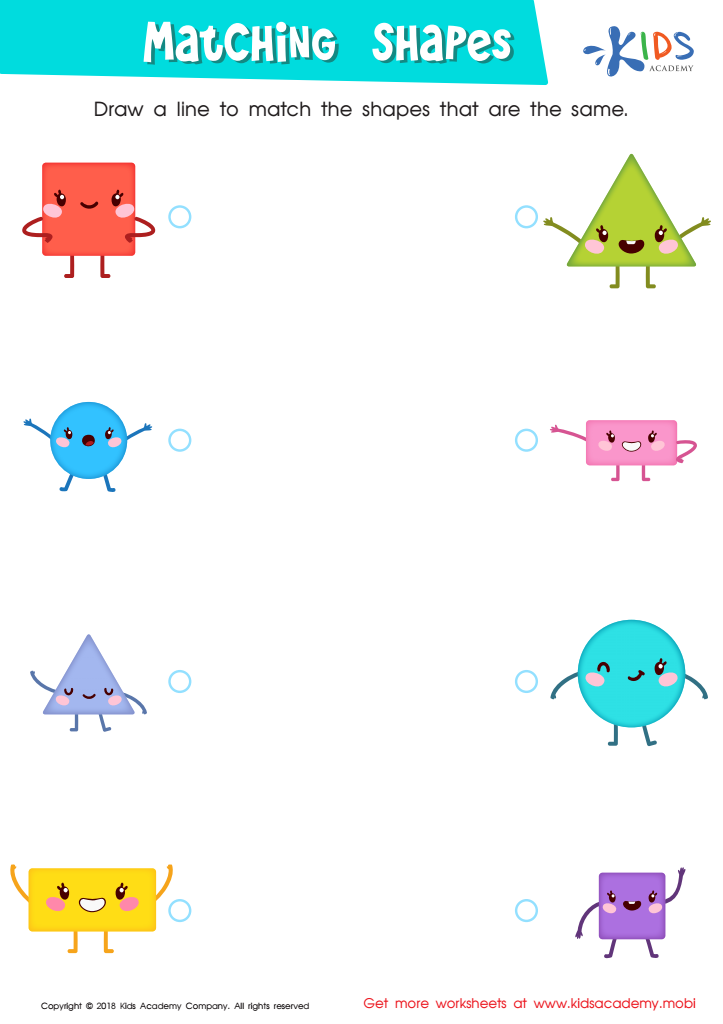
Matching Shapes Worksheet
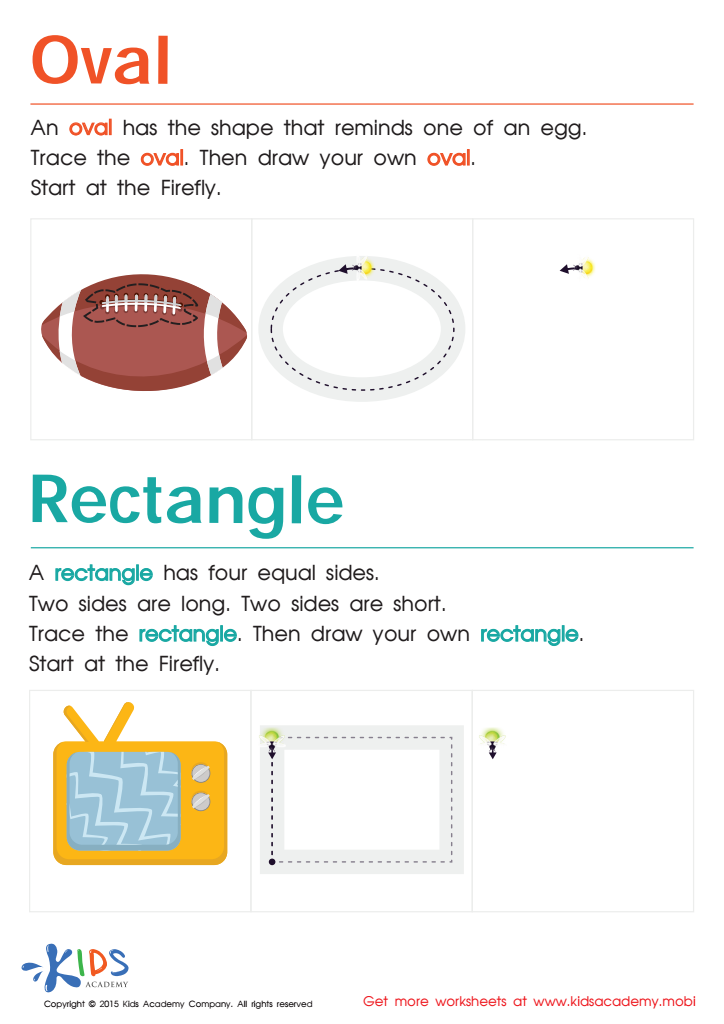
Easy Drawing of Ovals And Rectangles Worksheet
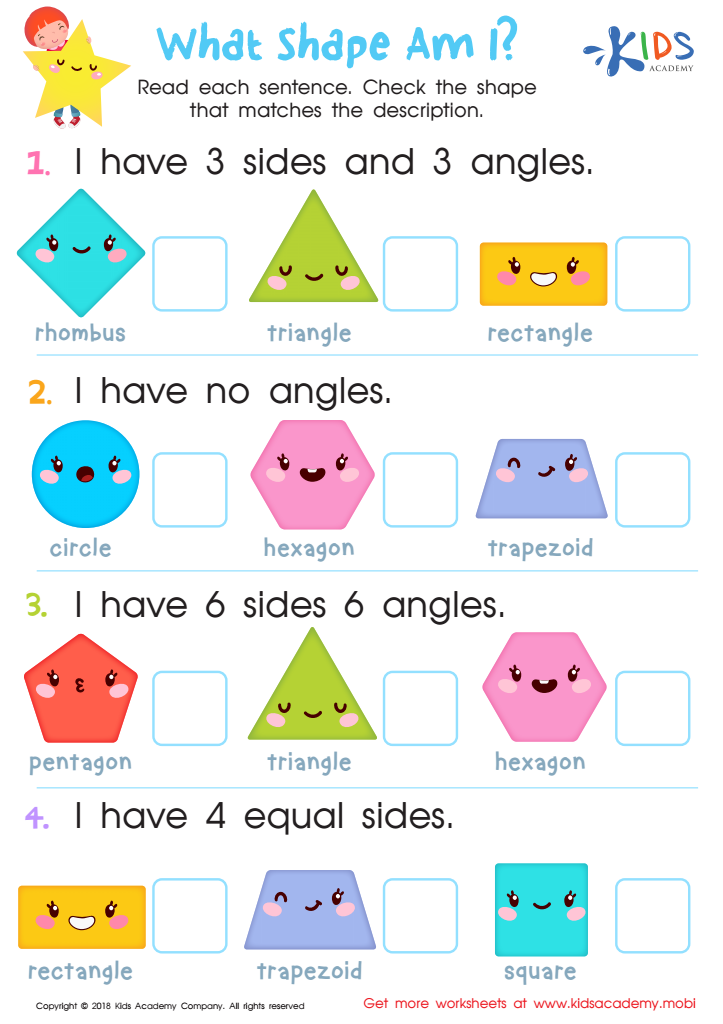
What Shape Am I? Worksheet
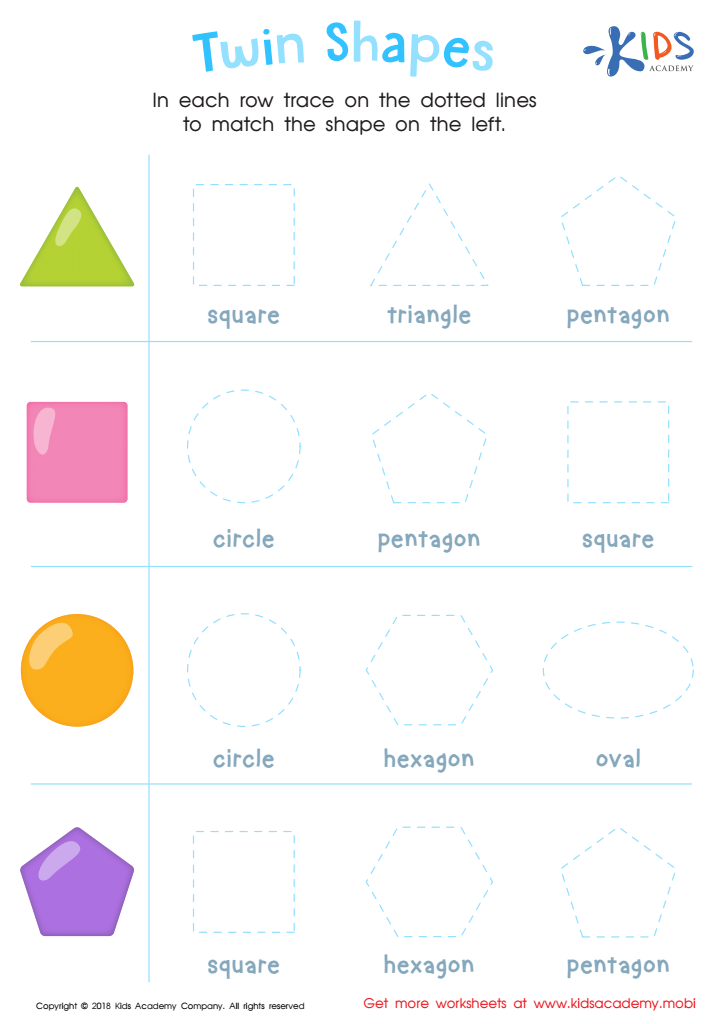
Twin Shapes Dot-to-Dot Worksheet
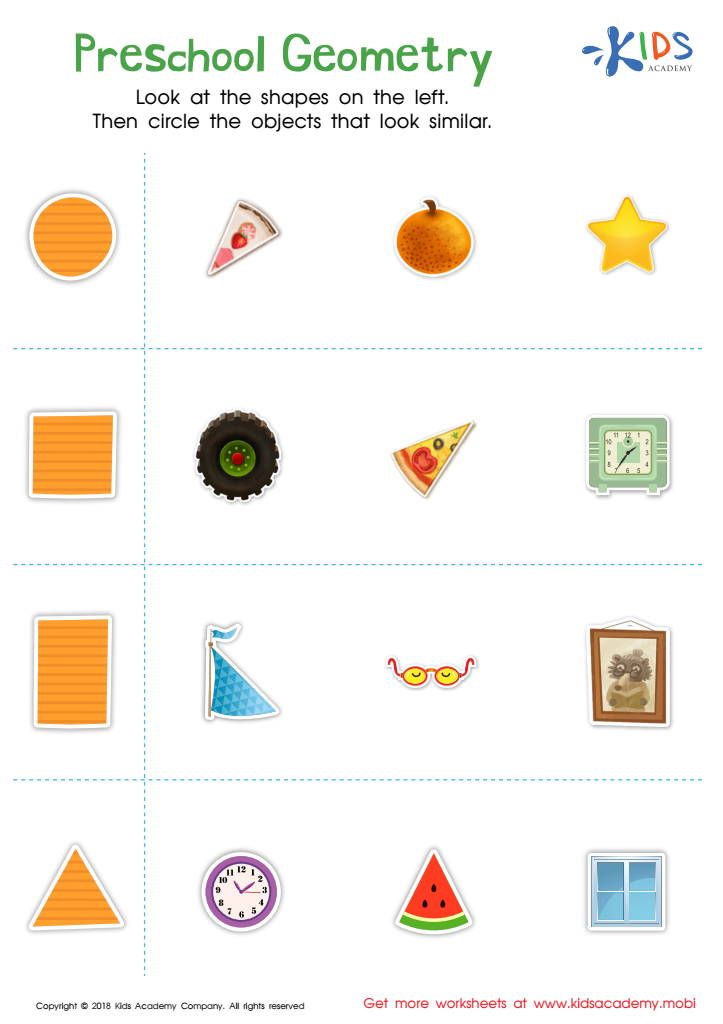
Preschool Geometry Worksheet
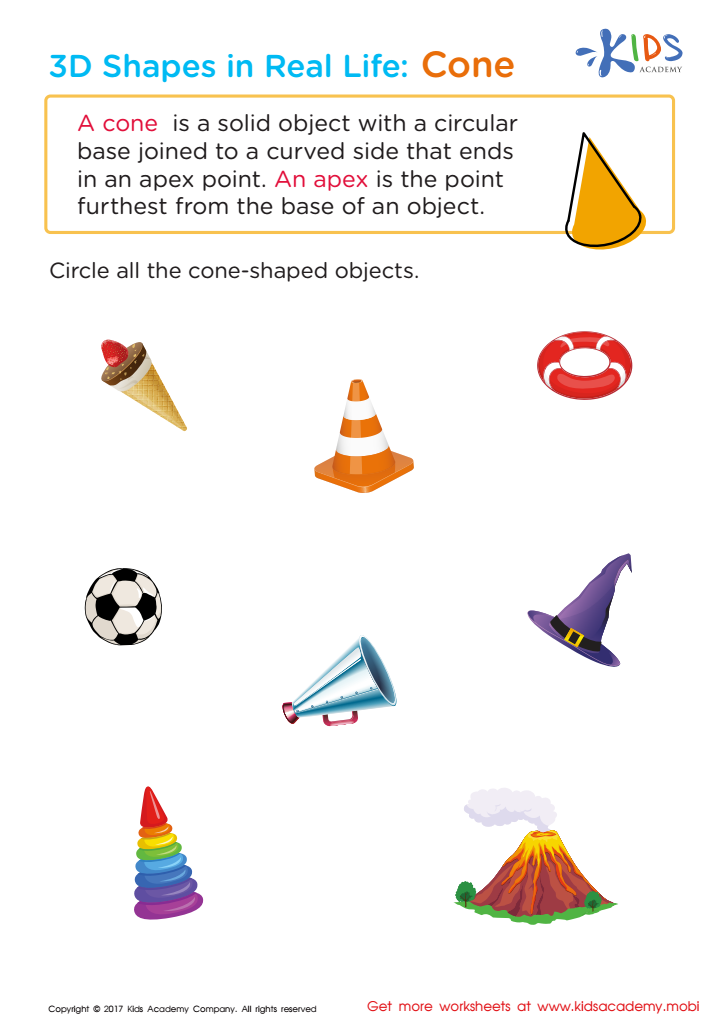
Shapes in Real Life: Cone Worksheet
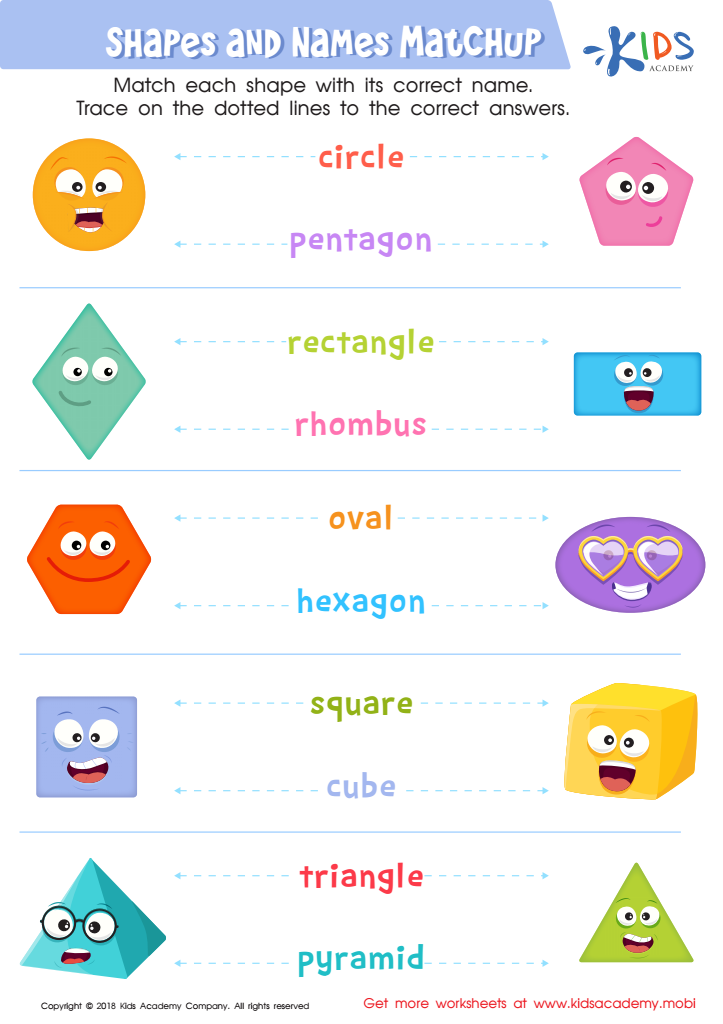
Shapes and Names Matchup Worksheet
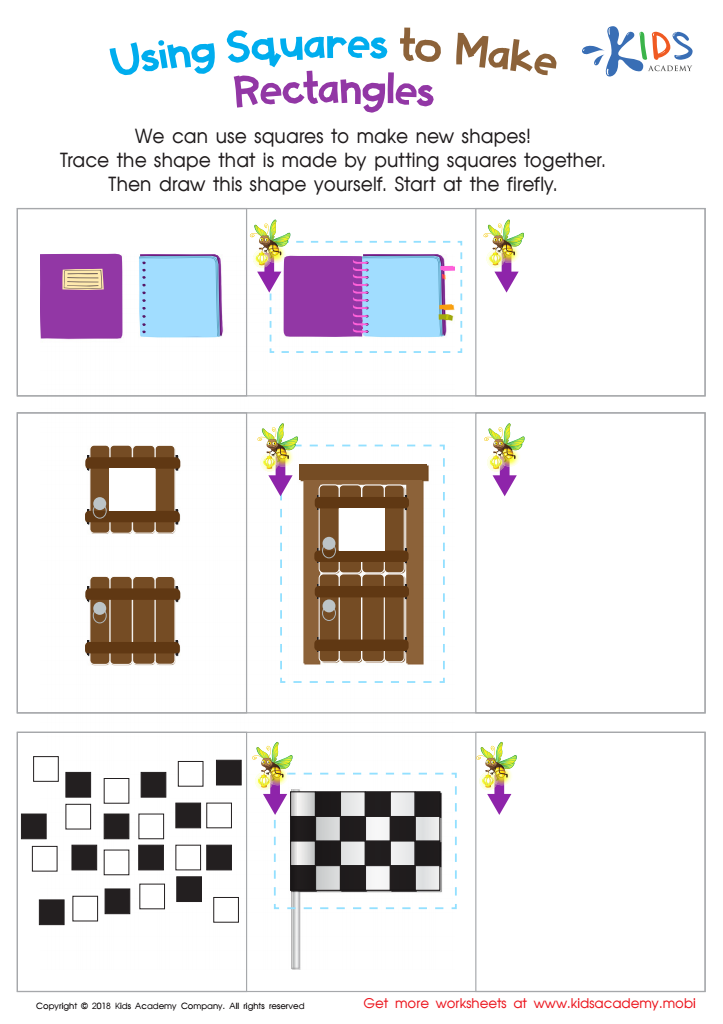
Using Squares to Make Rectangles Worksheet
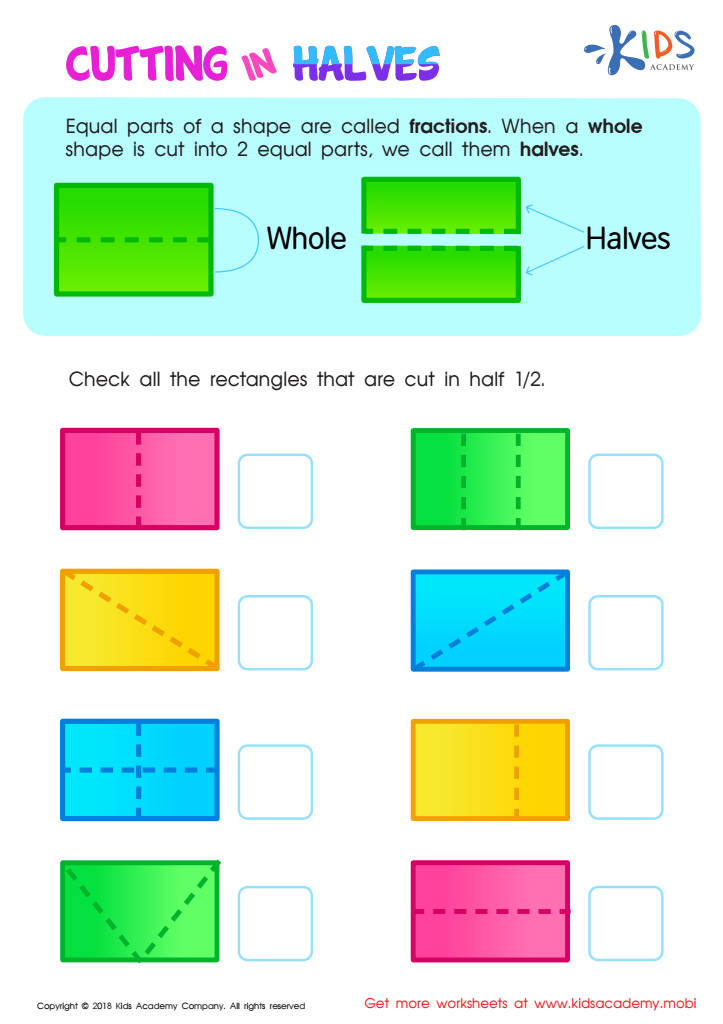
Cutting in Halves Worksheet
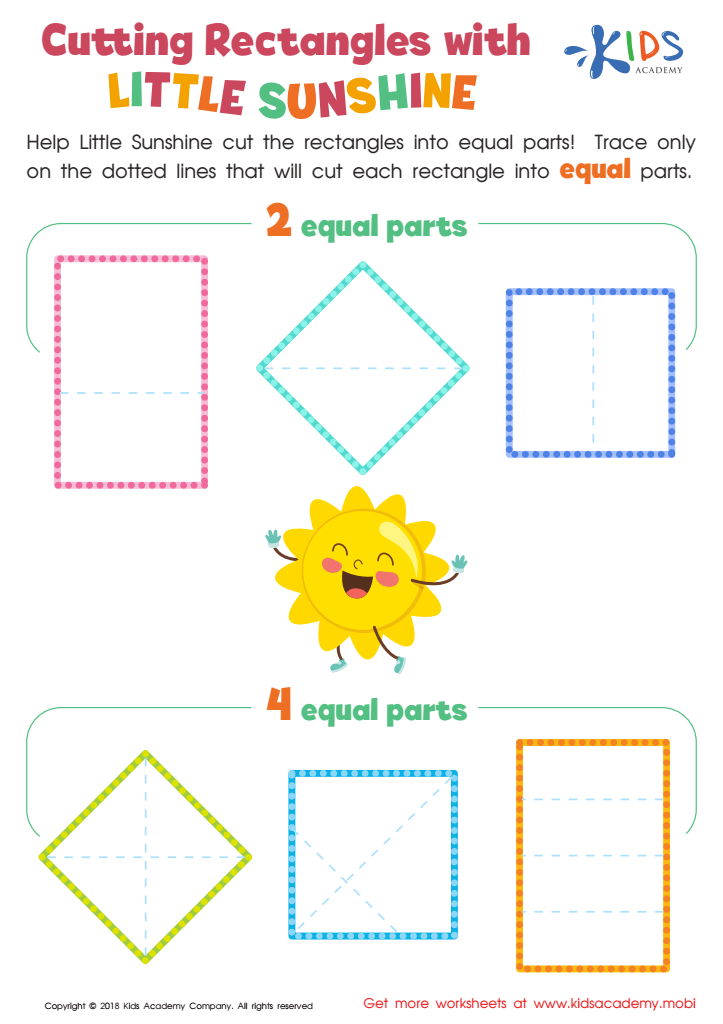
Cutting Rectangles with Little Sunshine Worksheet
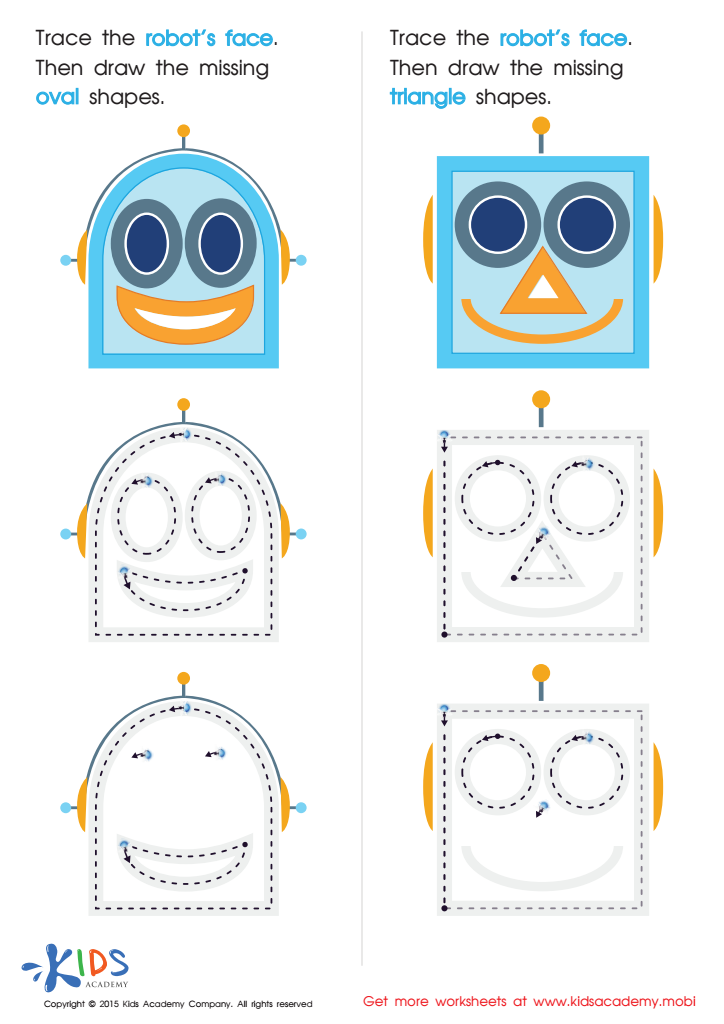
Drawing Ovals And Triangles with Fun Printable








Shape recognition and geometry form the foundational blocks of early childhood education. Children ages 3-6 are at a critical developmental stage where they start to make sense of the world around them. Understanding shapes is more than just knowing their names; it fosters essential cognitive and perceptual skills.
First, shape recognition enhances spatial awareness. When children identify and interact with different shapes, they develop the ability to comprehend the spatial relationships between objects. This skill is vital for problem-solving and is applicable in everyday activities like fitting objects into slots or assembling puzzles.
Second, recognizing shapes sets the stage for early math skills. Geometry introduces children to mathematical concepts such as symmetry, size, and space. These concepts will become increasingly important as they progress in their education. For example, dividing an apple into equal parts helps them visualize fractions.
Furthermore, teaching shapes improves language and cognitive skills. When children learn shape names and discuss their properties (e.g., 'A triangle has three sides'), they are expanding their vocabulary and enhancing their ability to categorize information.
Moreover, shapes are omnipresent in daily life, from road signs to household items, making this knowledge practical. By prioritizing shape recognition and geometry in early education, parents and teachers are equipping children with critical skills that facilitate lifelong learning and real-world application.








