Long Vowels Worksheets for Ages 3-7
36 filtered results
-
From - To
Enhance your child's reading skills with our Long Vowels Worksheets tailored for ages 3-7! Our interactive and engaging printables make learning fun by focusing on long vowel sounds through a variety of activities, including matching, tracing, and coloring. Expertly designed, these worksheets help young learners distinguish long vowels in words, promoting early literacy and phonics skills. Perfect for preschool and early elementary children, each worksheet is crafted to motivate and challenge your child, laying the foundation for confident reading. Discover a world of phonics fun and boost your child's learning today!
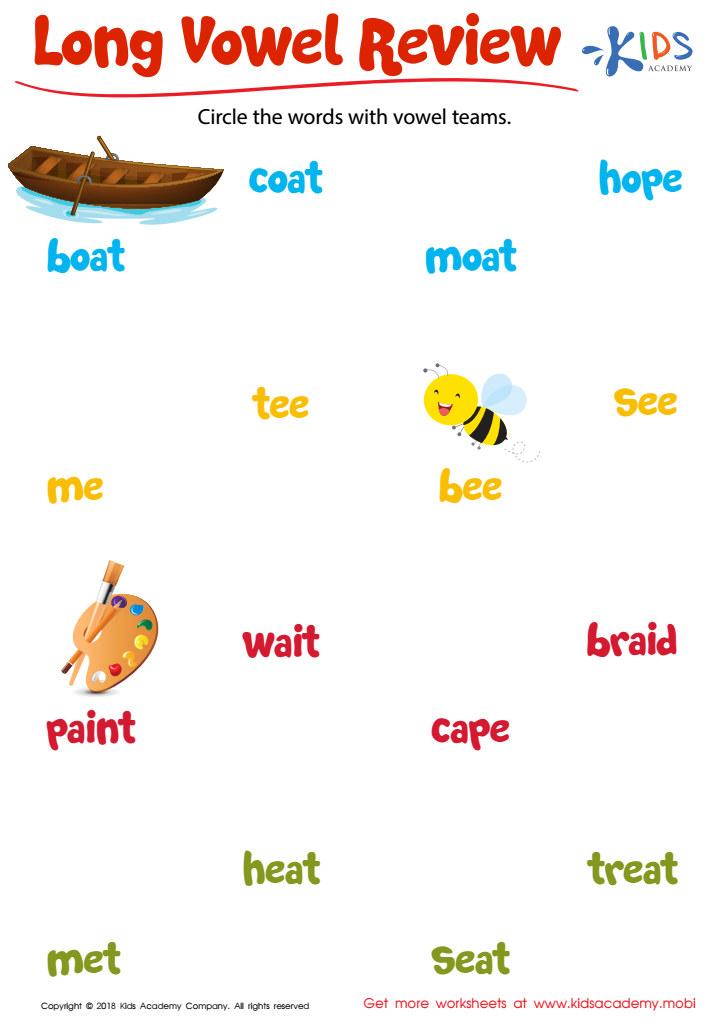
Long Vowel Review Worksheet
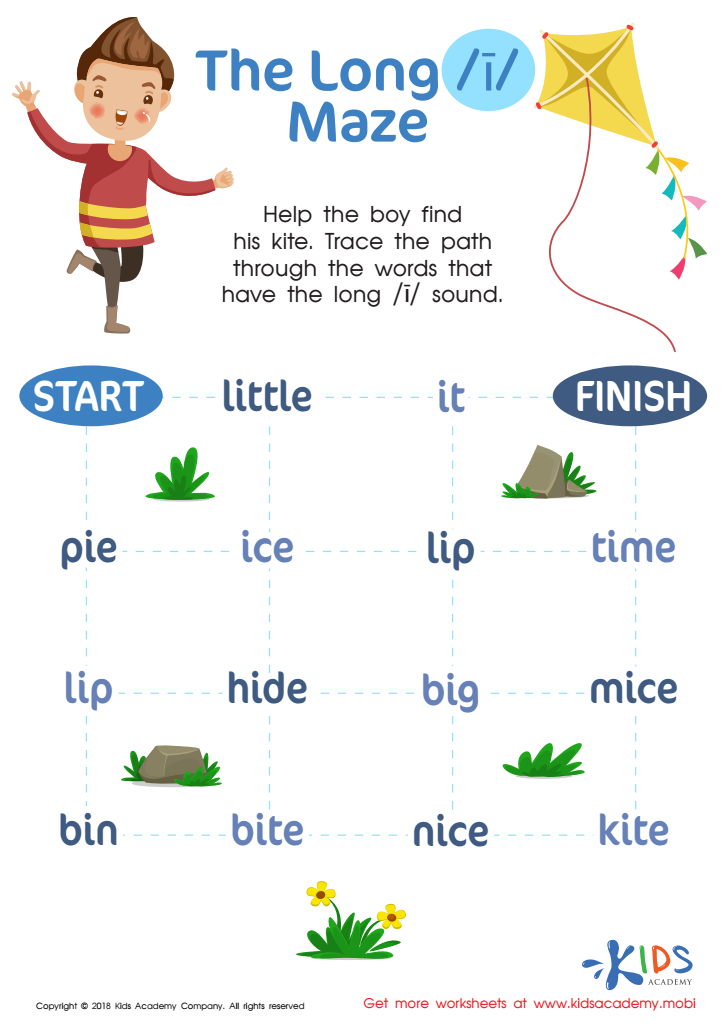
The Long I Maze Reading Worksheet
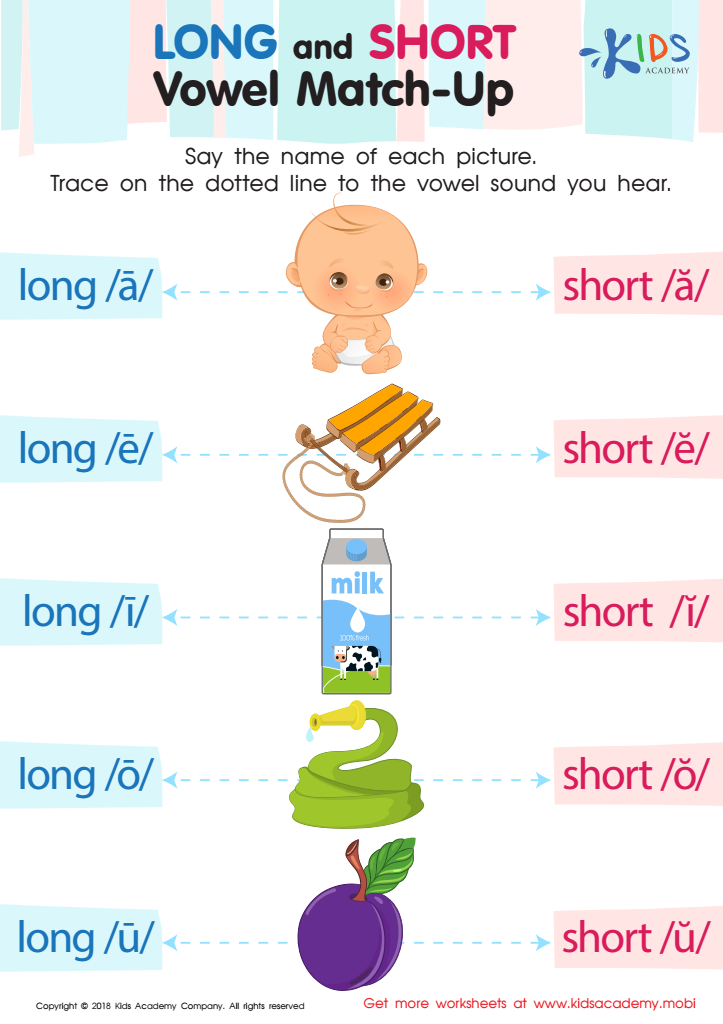
Long and Short Vowel Match up Reading Worksheet
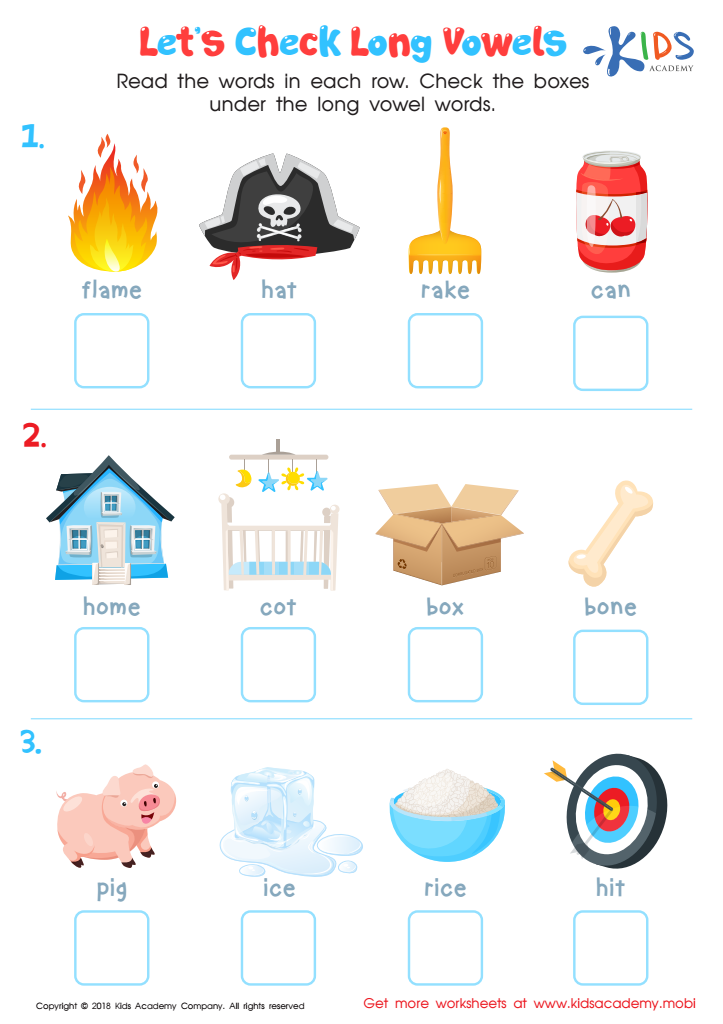
Let's Check Long Vowels: Assessment Worksheet
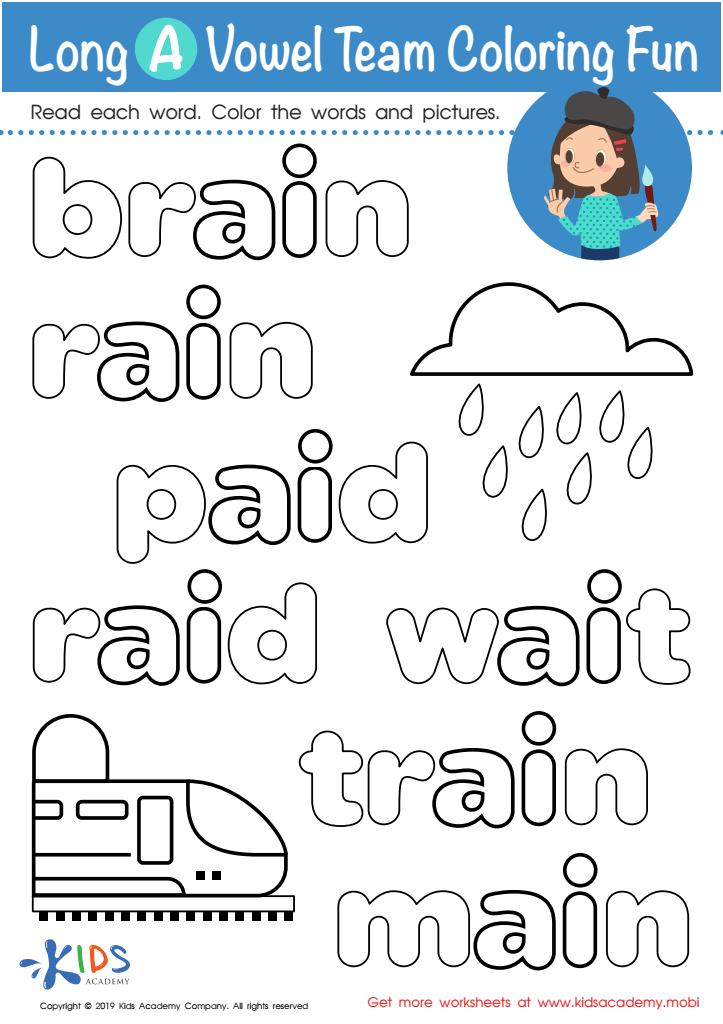
Long A Vowel Team Coloring Fun Worksheet
 Assign to My Students
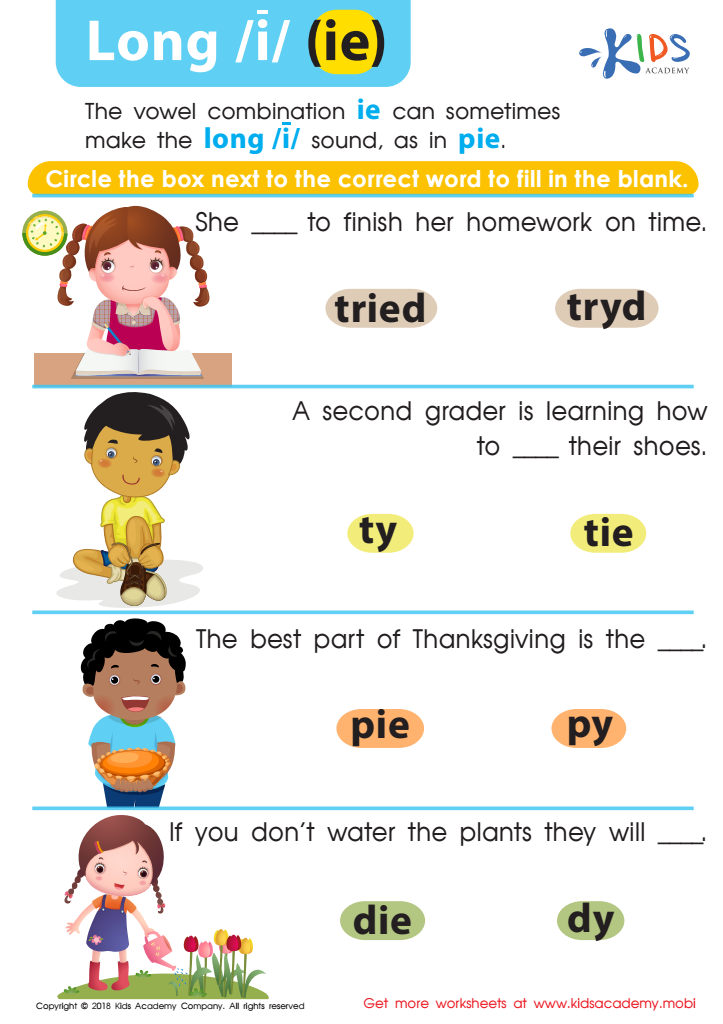
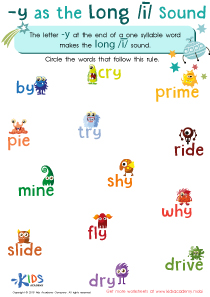
Reading: Long I and IE Worksheet
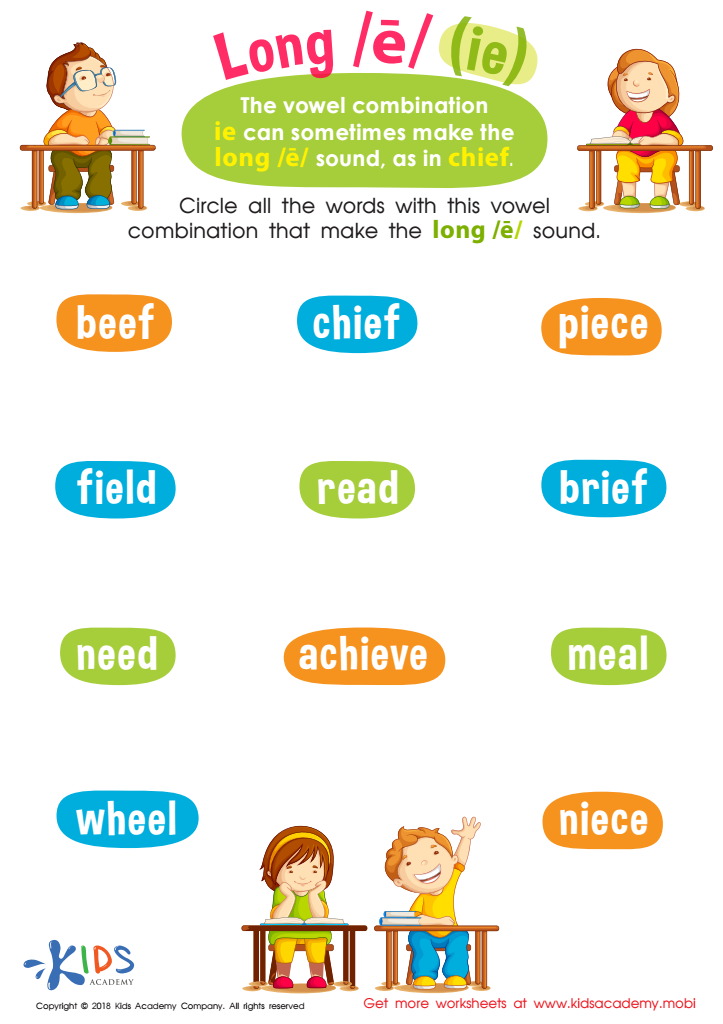
Reading: Long E and IE Worksheet
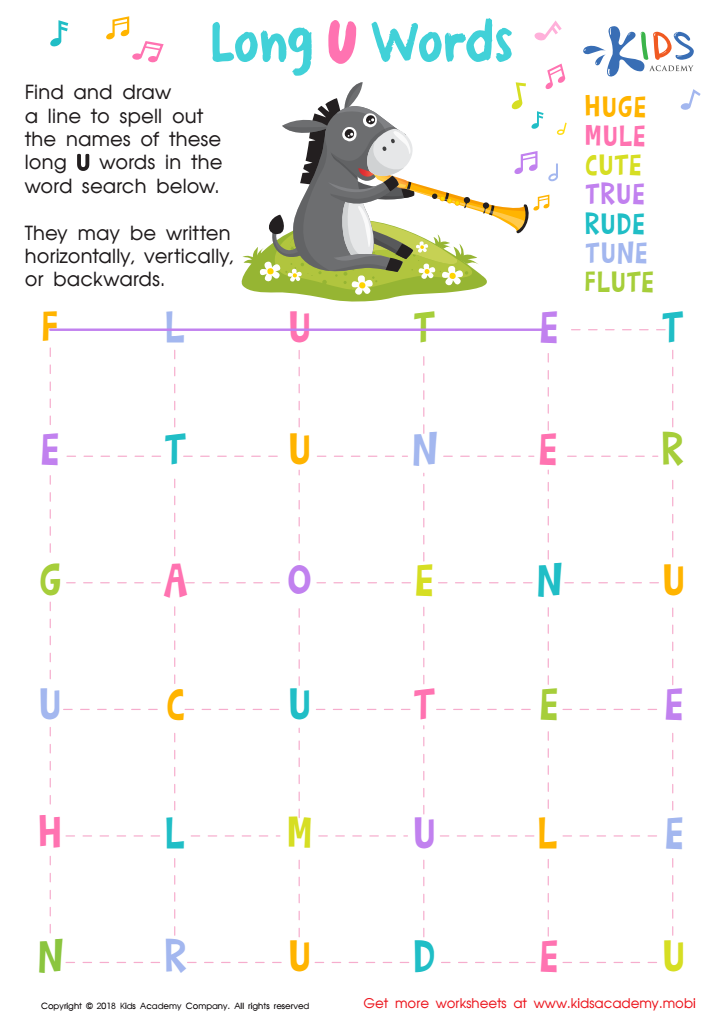
Long /u/ Words Worksheet
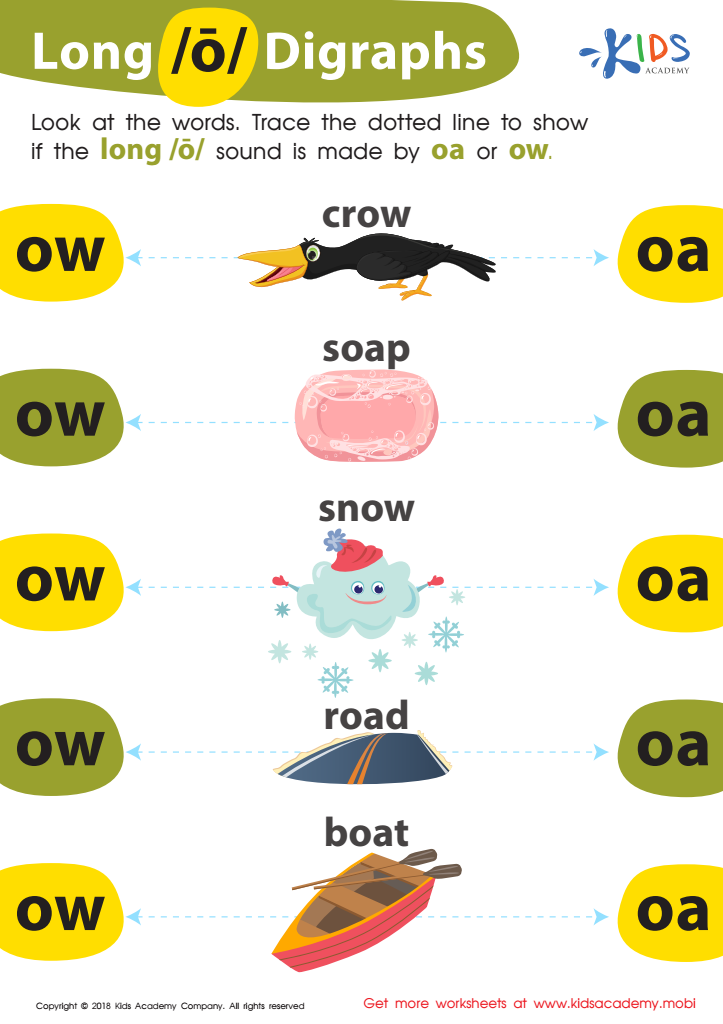
Reading: Long O Digraphs Worksheet
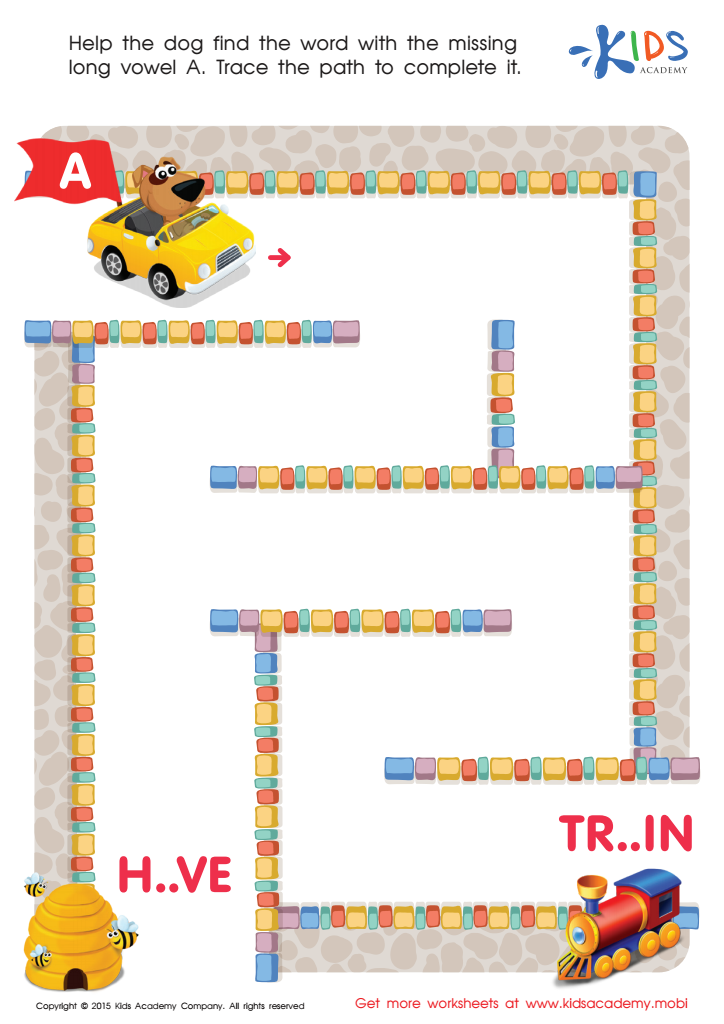
Long Vowel Sound A Worksheet
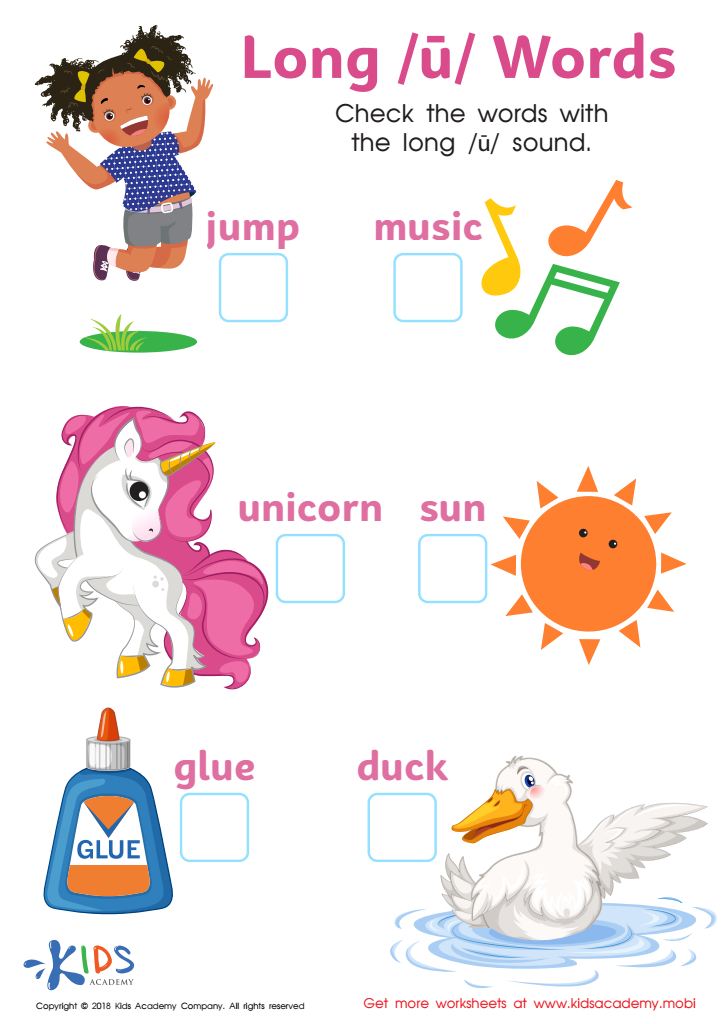
Long U Words Reading Worksheet
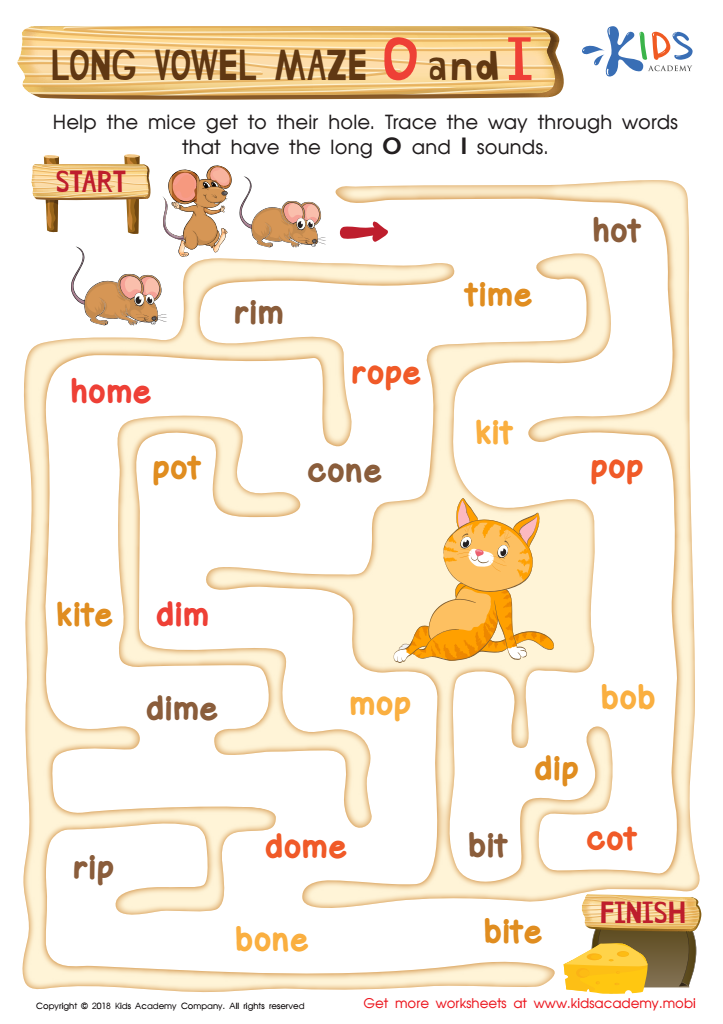
Long Vowel Maze /o/ and /i/ Worksheet
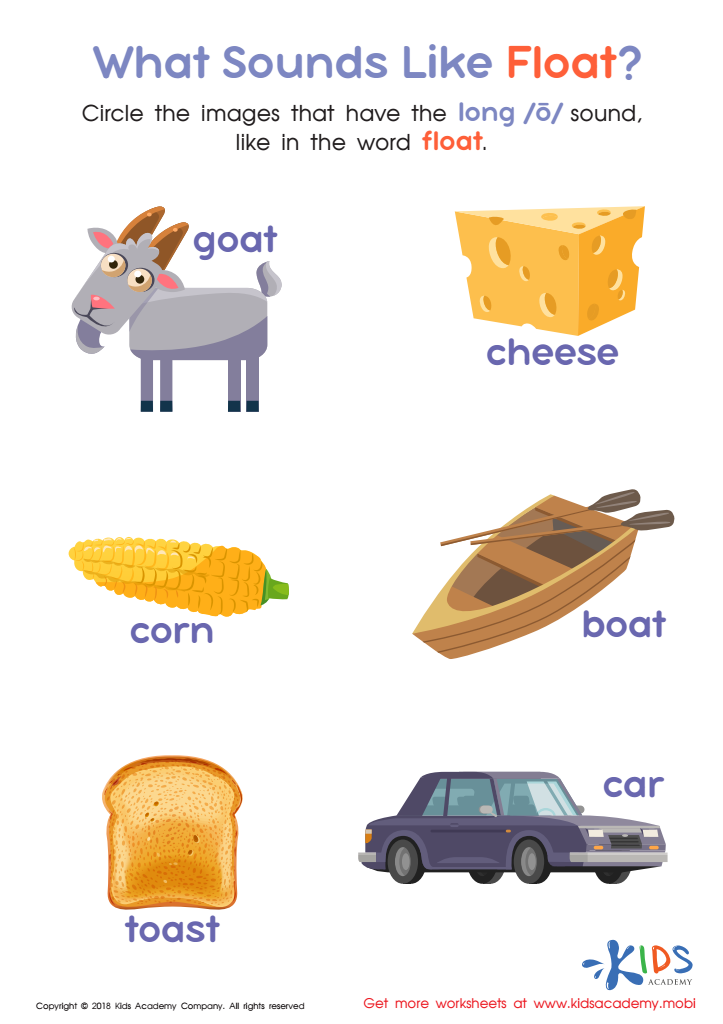
What Sounds Like Float? Worksheet
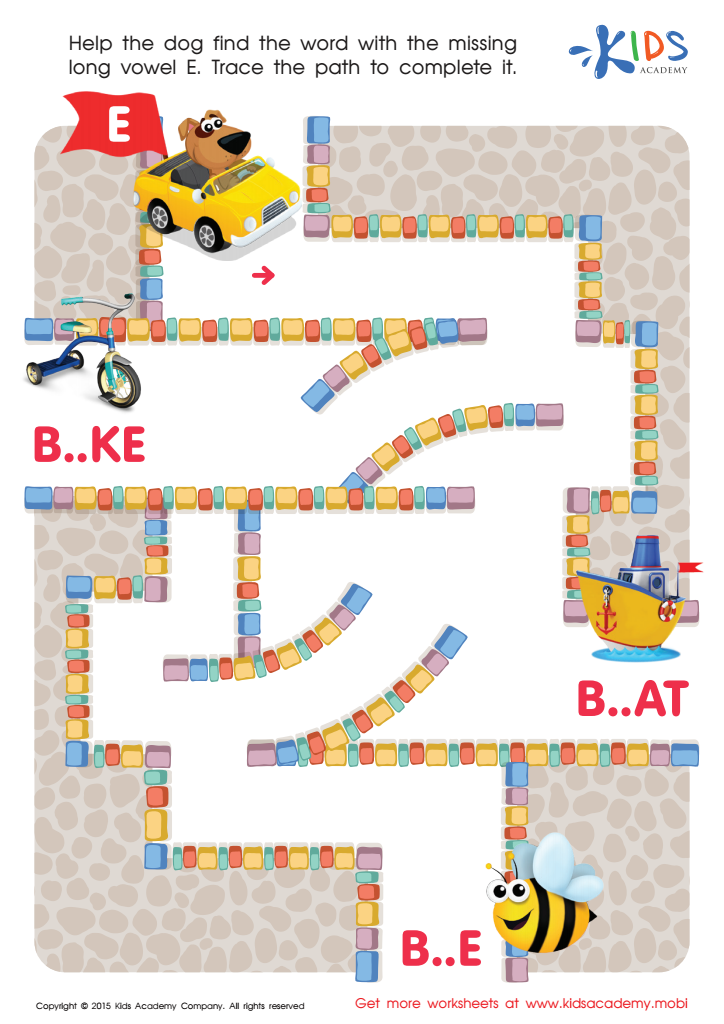
Long Vowel Sound E Worksheet
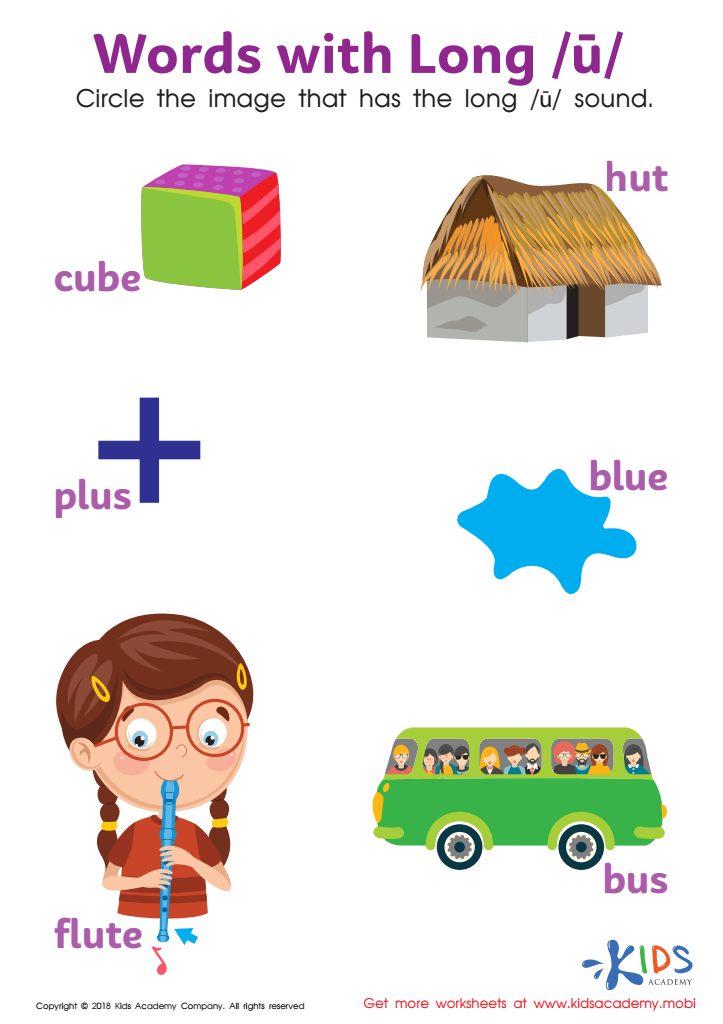
Words with Long U Reading Worksheet
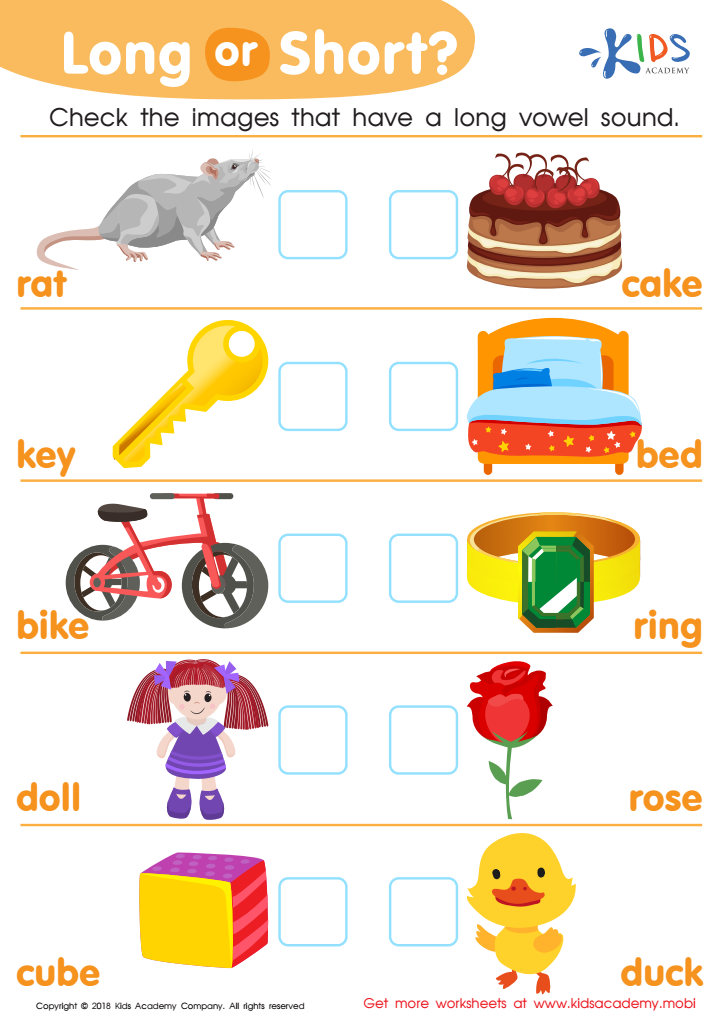
Long or Short Reading Worksheet
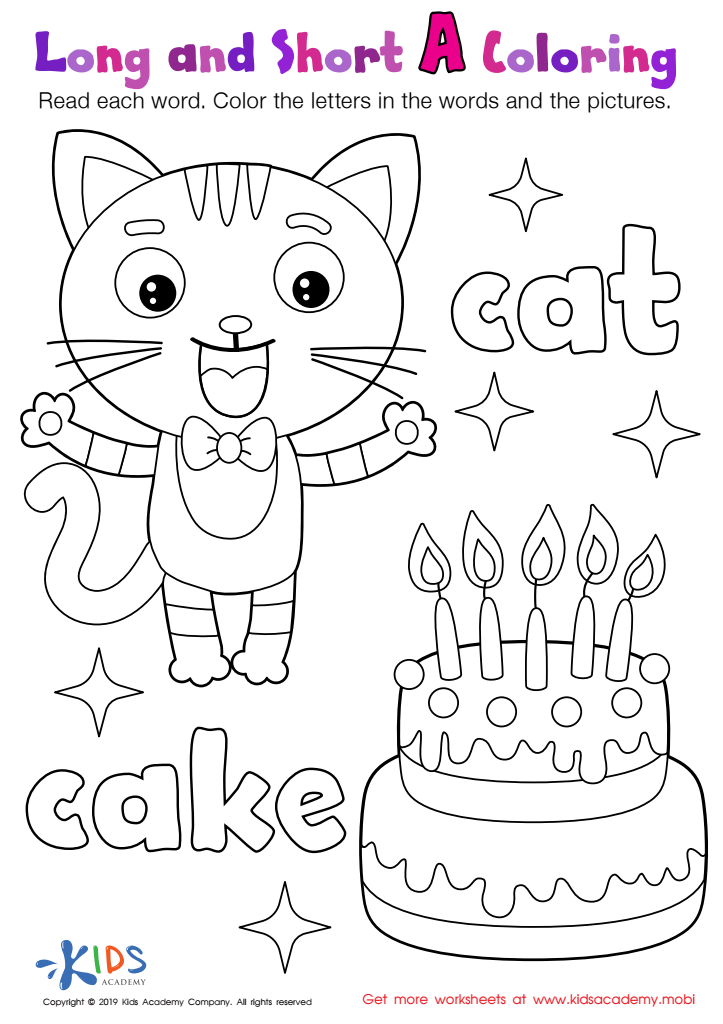
Long and Short A Worksheet
Assign to My Students
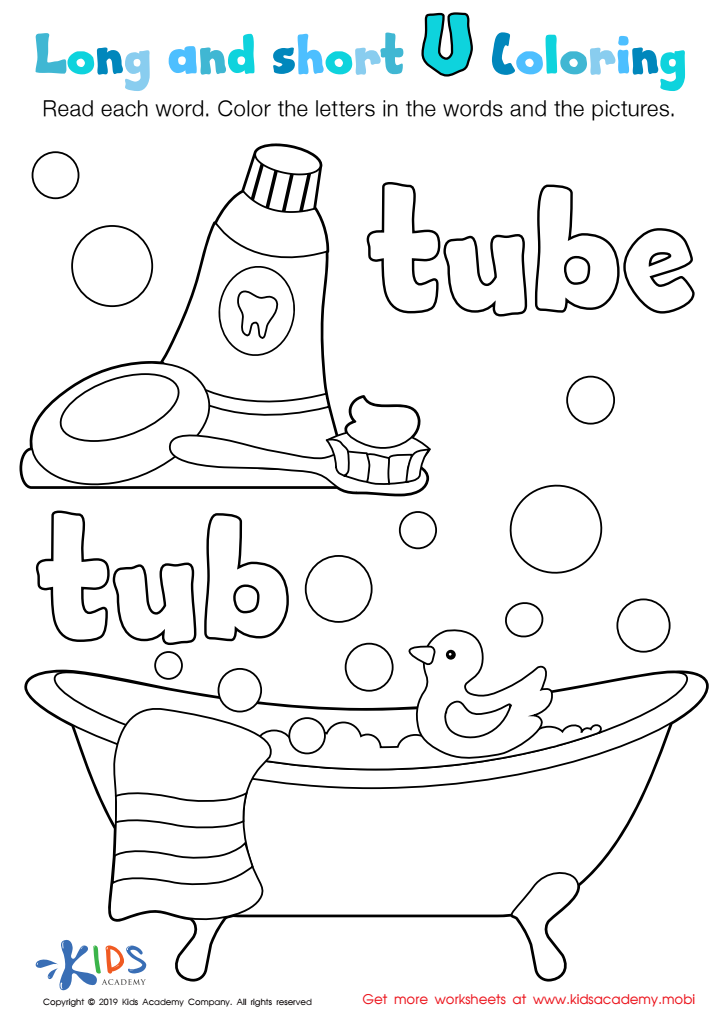
Long and Short U Worksheet
Assign to My Students
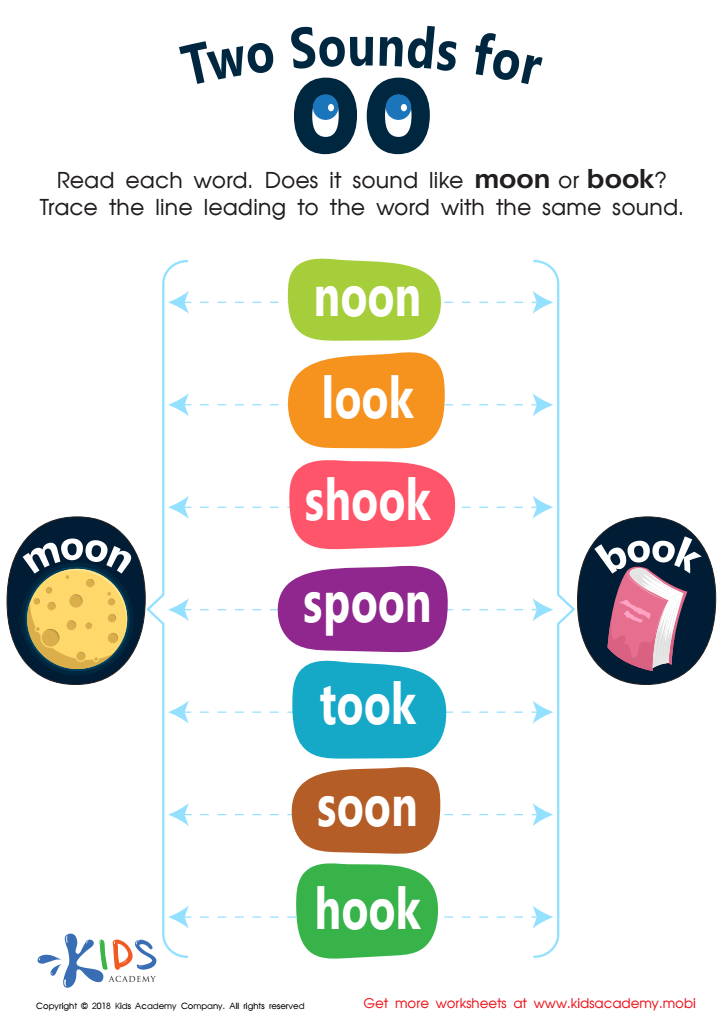
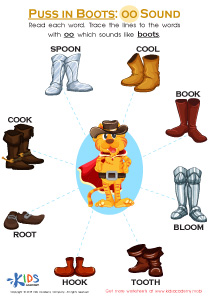
Two Sounds for OO Worksheet
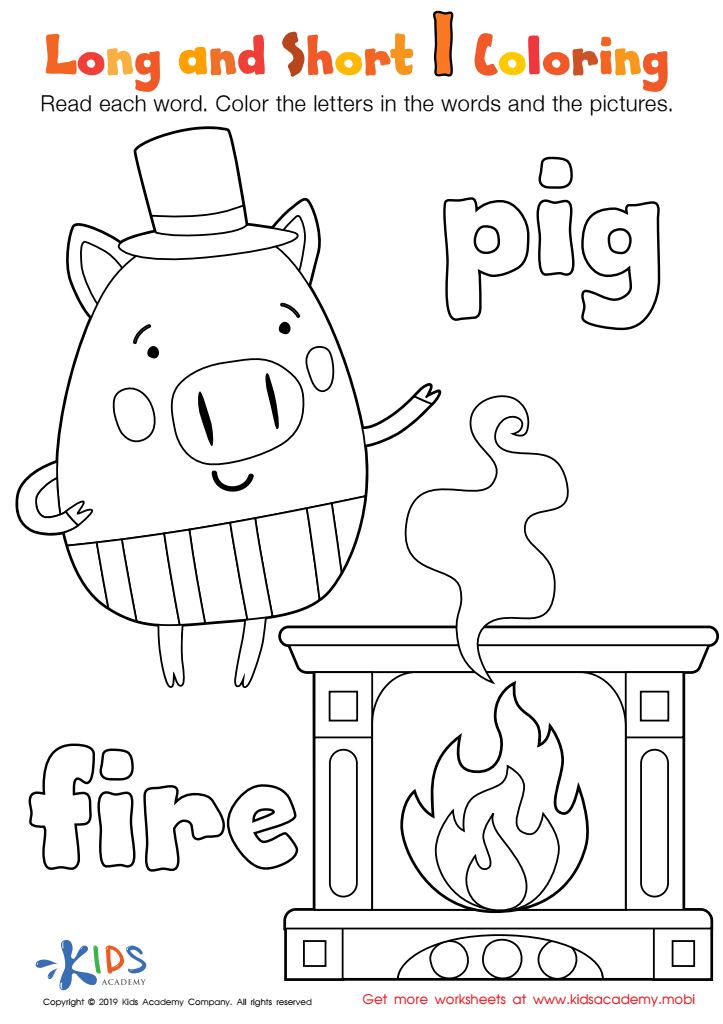
Long and Short I Worksheet
Assign to My Students
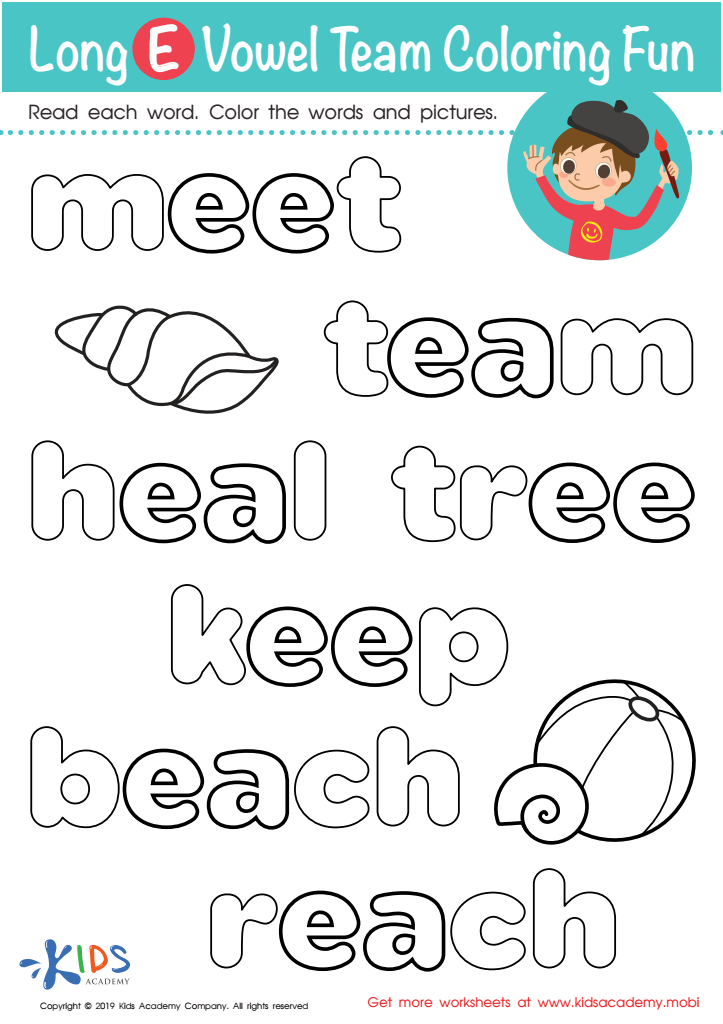
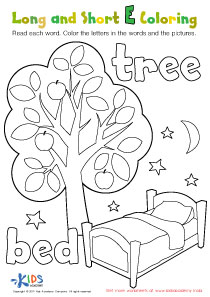
Long E Vowel Team Coloring Worksheet
Assign to My Students
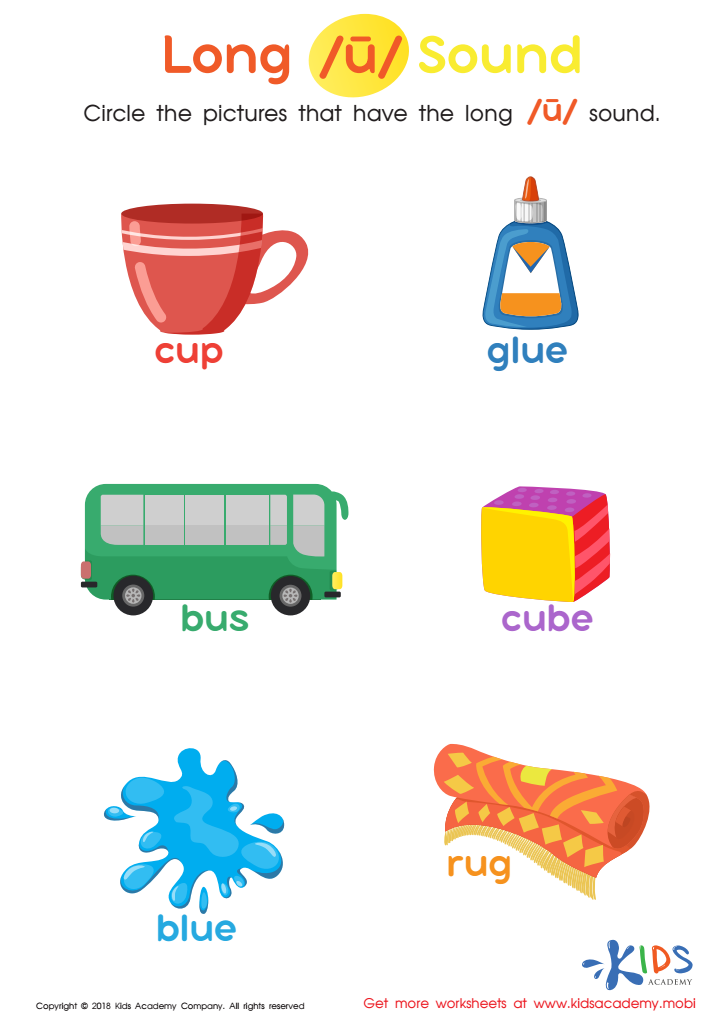
Long «u» Sound Worksheet
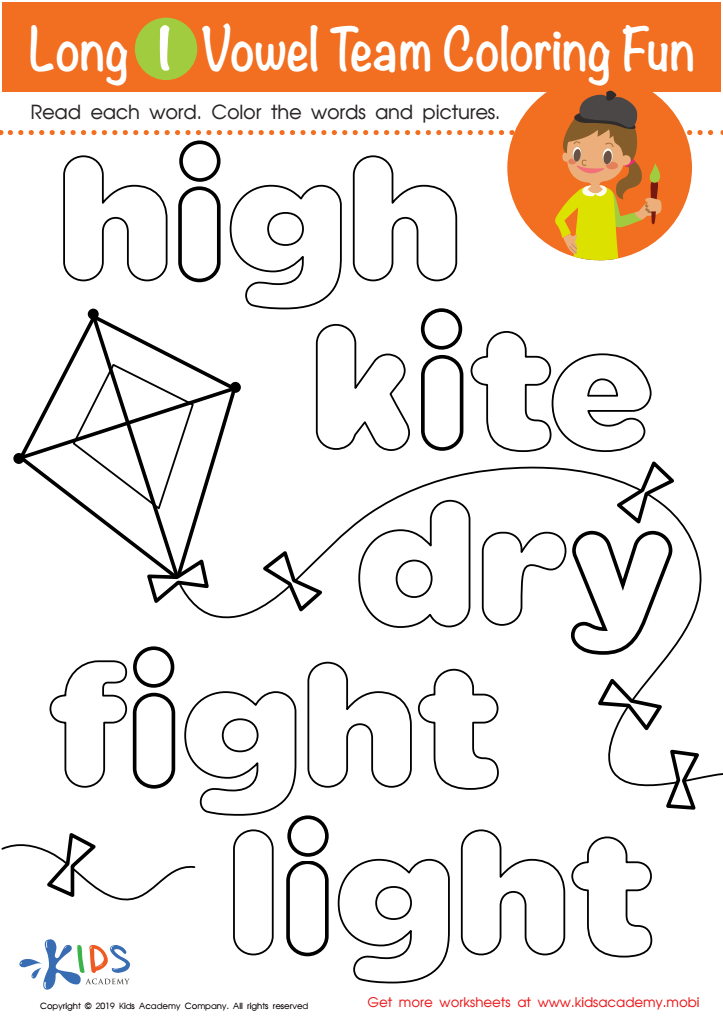
Long I Vowel Team Coloring Worksheet
Assign to My Students
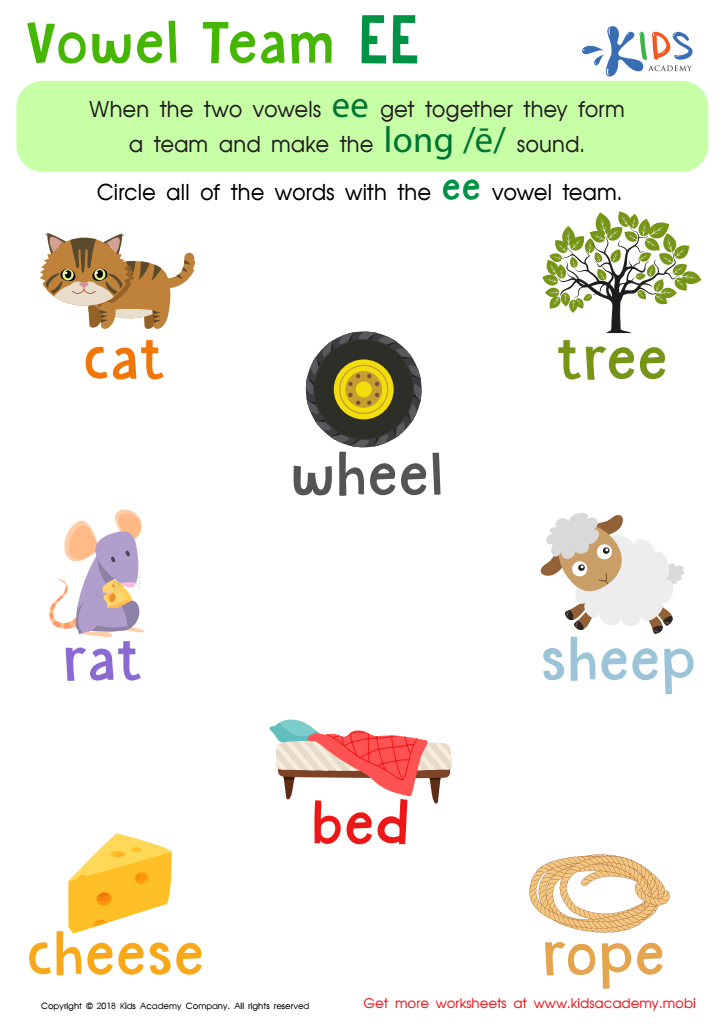
Reading: Vowel Team EE Worksheet



Understanding long vowels is crucial for children ages 3-7 as it lays the foundation for reading and writing proficiency. Long vowels are essential phonetic building blocks, representing sounds where the vocal cords are tense, pronounced as the letter names themselves (like the 'a' in 'cake', 'e' in 'tree'). Mastery of these sounds aids in word recognition and decoding, vital for developing fluent reading skills.
For parents and teachers, focusing on long vowels enhances young learners' ability to differentiate between similar-sounding words (e.g., 'hop' vs. 'hope'). This understanding prevents future confusion and builds confidence in reading and spelling. At this age, the brain is highly receptive to auditory processing, making the acquisition of clear speech patterns and correct pronunciation easier.
In addition, exposure to long vowels expands children’s vocabulary. Many early reading materials and sight words, integral parts of Kindergarten and early grades' curriculums, include words with long vowel sounds. Reinforcement of these sounds through engaging activities like stories, songs, and phonics games makes learning enjoyable and effective.
Ultimately, focusing on phonics, including long vowels, equips children with foundational literacy skills. This ensures they are not just rote learners but also competent readers and effective communicators, benefiting their overall academic growth and setting the stage for lifelong learning success.