Tracing Letters Worksheets for Ages 3-7 - Page 3
58 filtered results
-
From - To
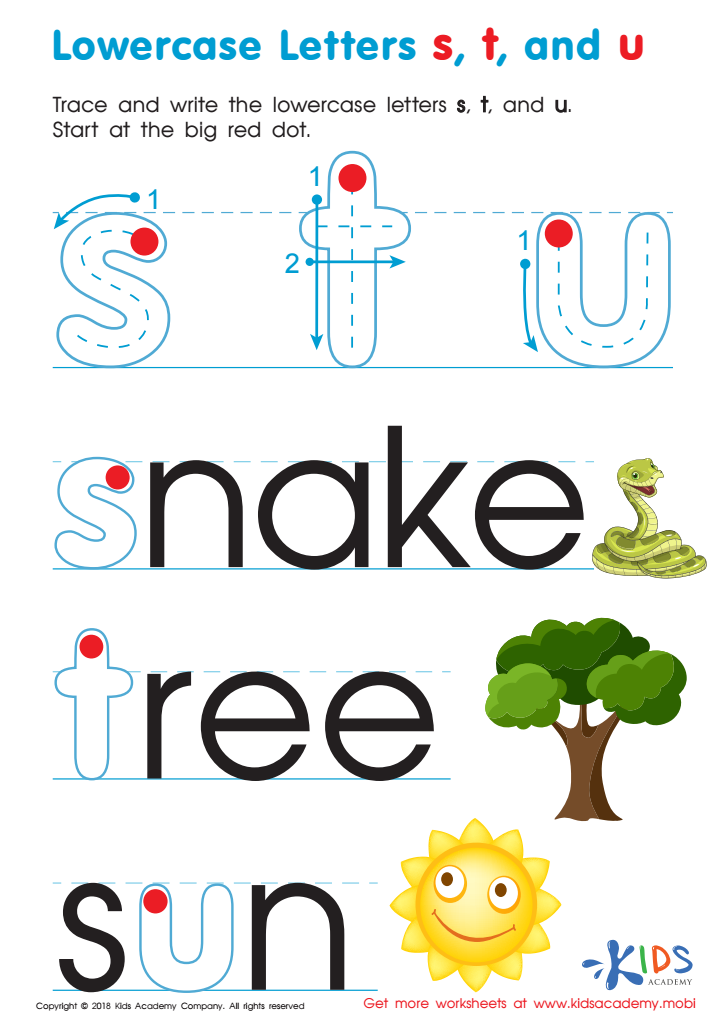
Lowercase Letters s t u Worksheet
 Assign to My Students
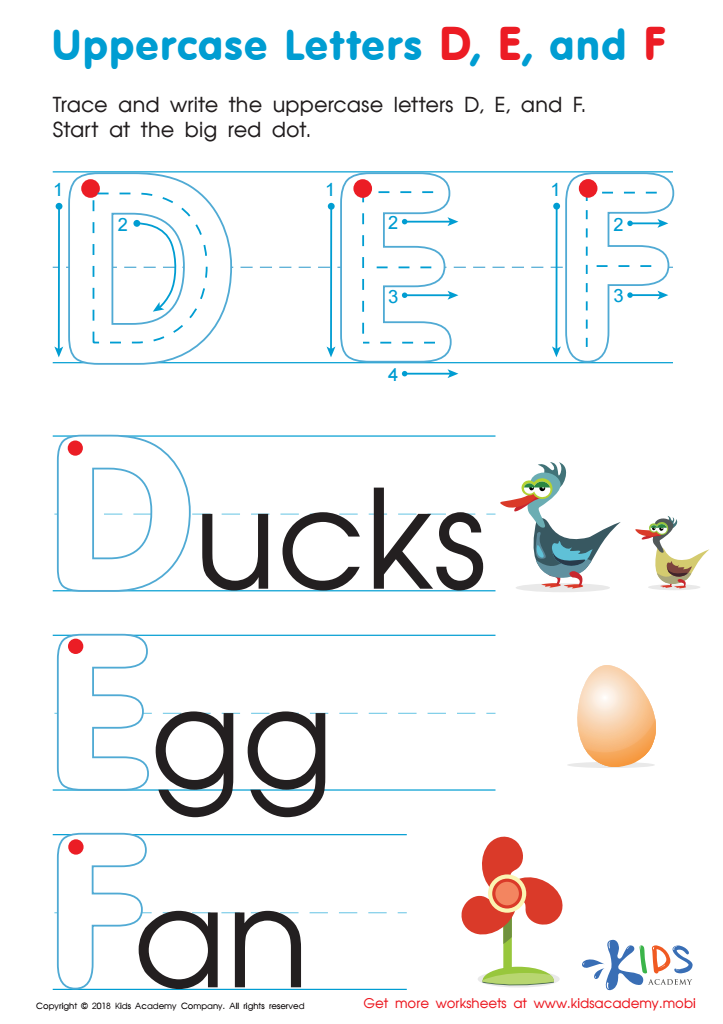
Uppercase Letters D, E, and F Worksheet
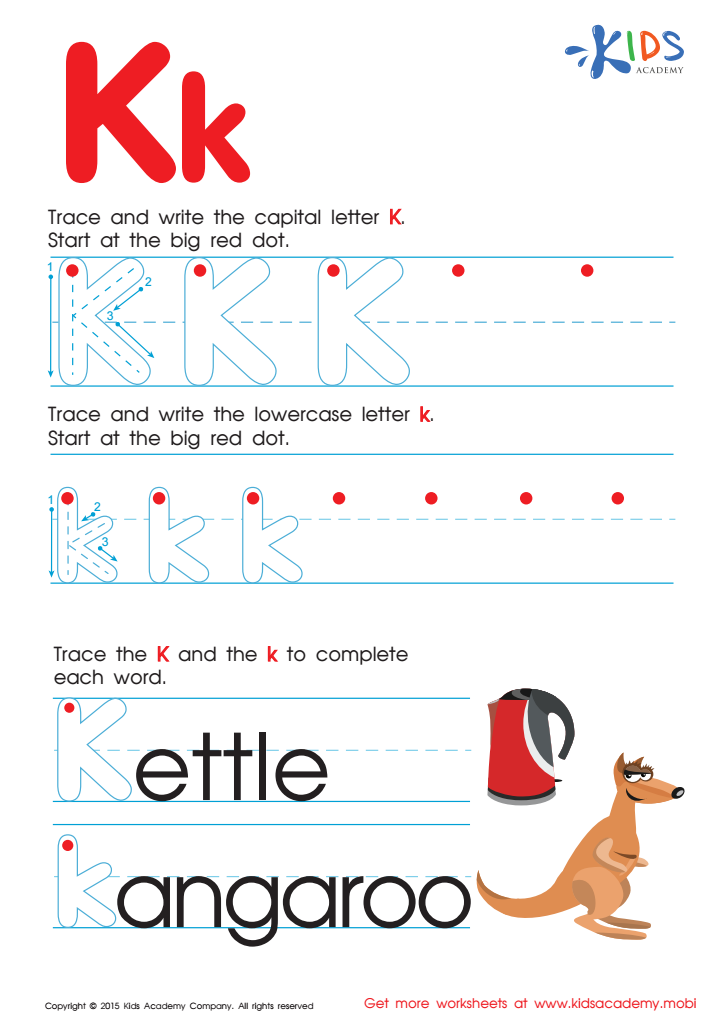
Letter K Tracing Page

Letter F Tracing Page
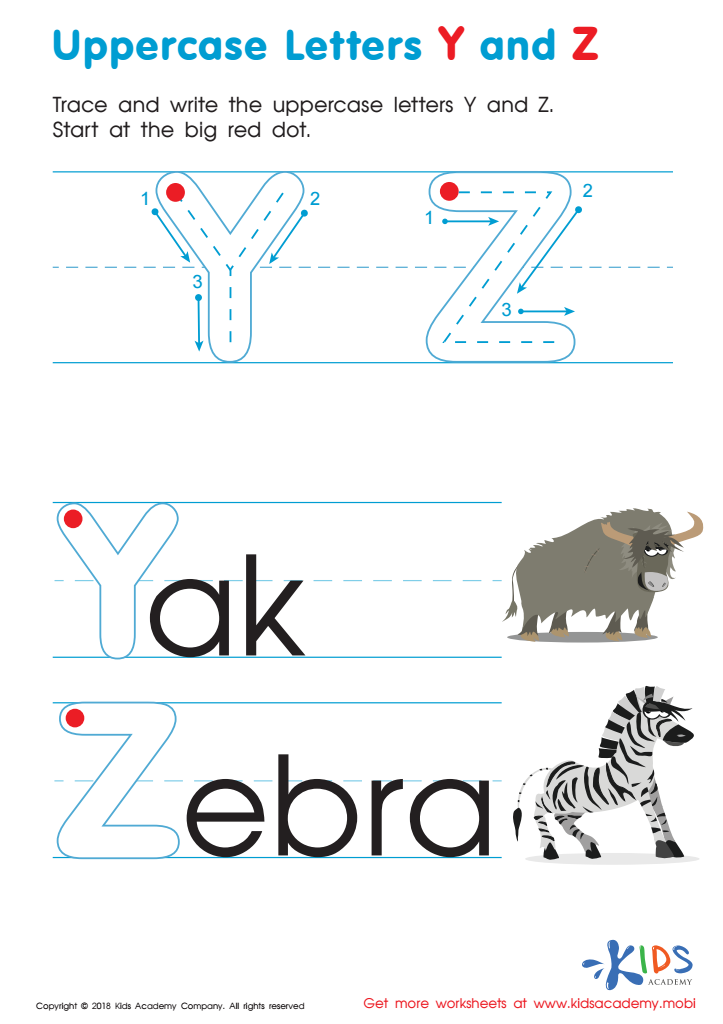
Uppercase Letters Y Z Worksheet
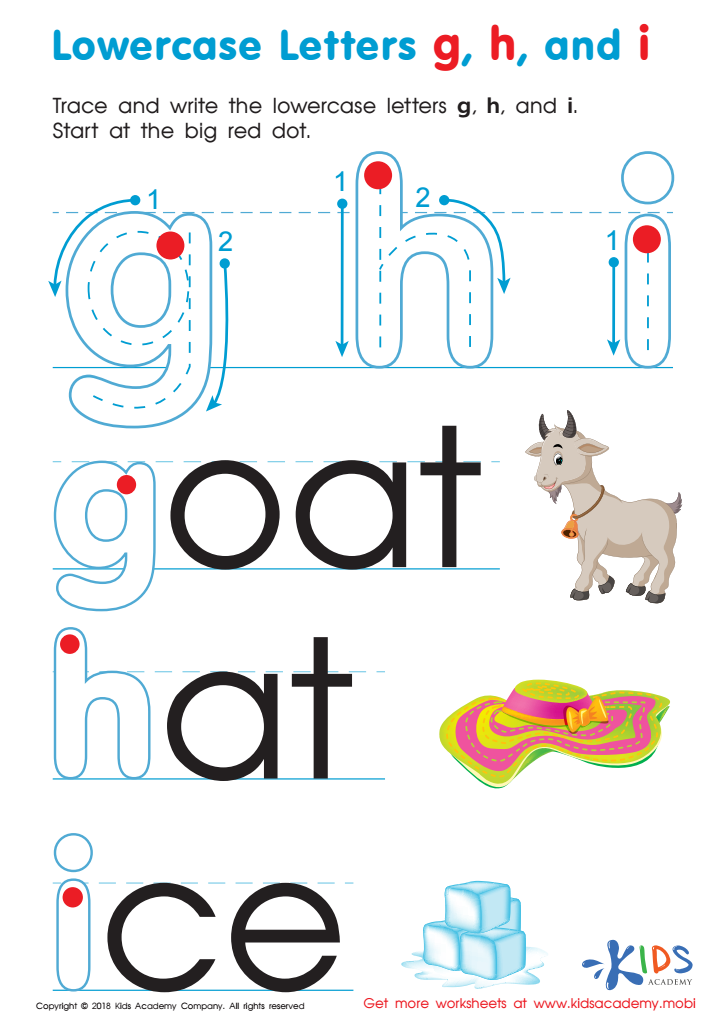
Lowercase Letters g h i Worksheet
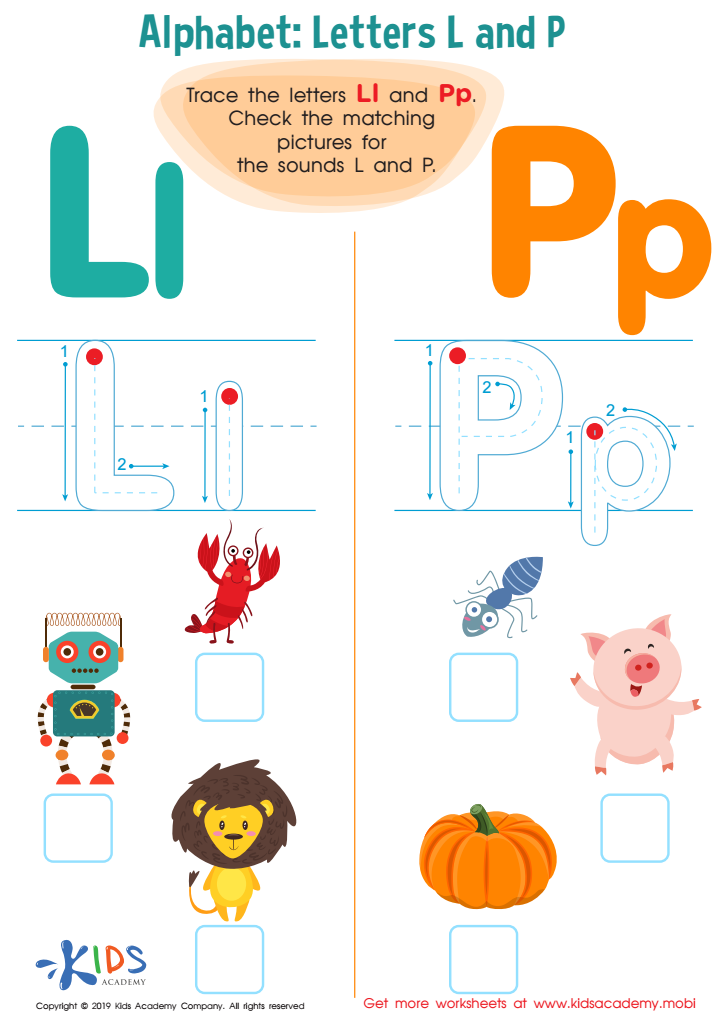
Letter L and P Tracing Worksheet
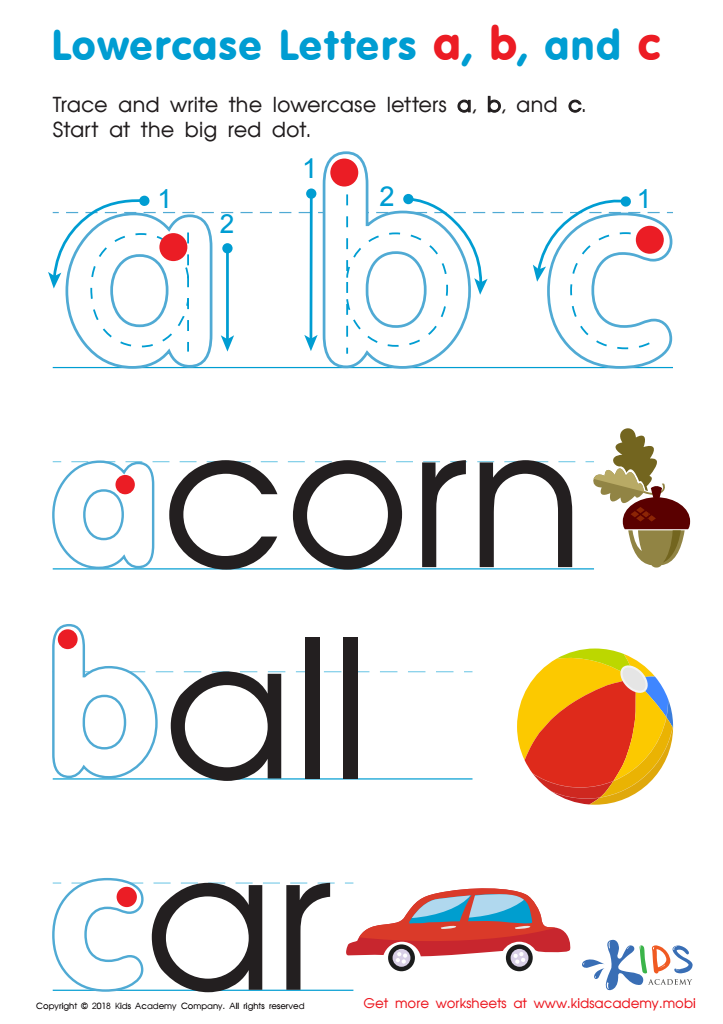
Lowercase Letters a b c Worksheet
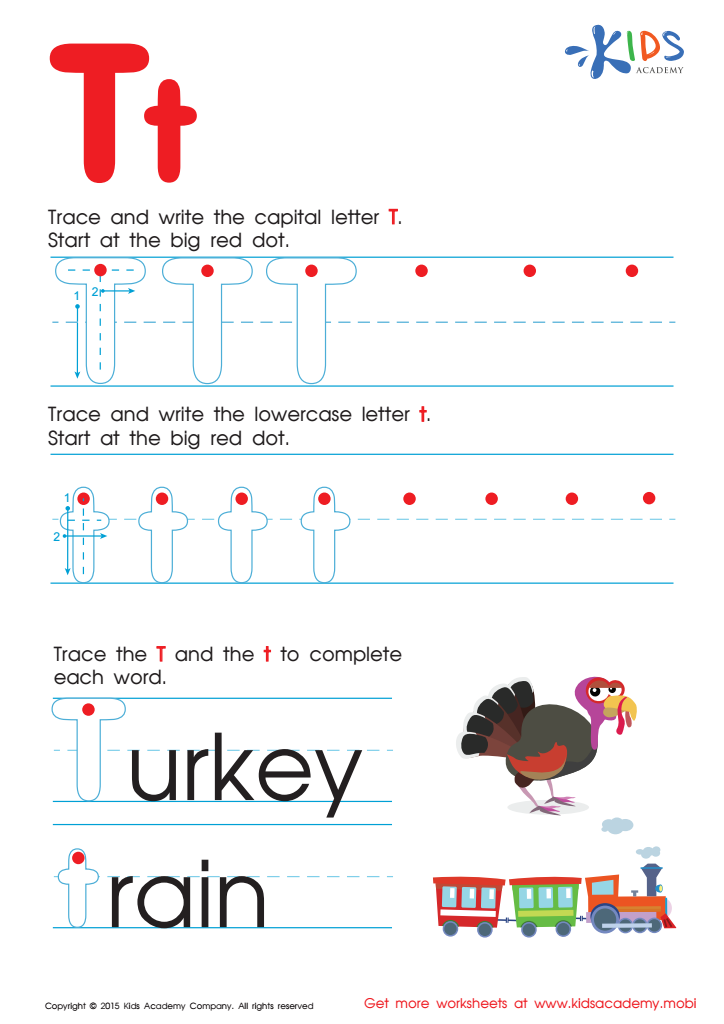
Letter T Tracing Page

Letter D Tracing Page







Tracing letters is an essential activity for children aged 3-7 as it lays the foundation for literacy and fine motor skills development. For parents and teachers, understanding the importance of tracing letters can significantly enhance a child's educational experience.
First, tracing helps children develop the fine motor skills necessary for writing. By practicing the motion of forming letters, they gain better control over their hand movements, which is vital for later writing tasks. Tracing also reinforces letter recognition, allowing young learners to familiarize themselves with the shapes and sounds associated with each letter.
Moreover, the process of tracing engages children in an enjoyable way, combining learning with creativity. This can boost their confidence and motivation to experiment with writing independently. As children progress, they experience a sense of accomplishment that encourages further exploration of written language.
Additionally, tracing letters can serve as a springboard for developing phonemic awareness and vocabulary, which are foundational communication skills. For parents and teachers, incorporating tracing activities into learning routines fosters a positive attitude towards reading and writing, setting the stage for lifelong literacy.
Ultimately, caring about tracing letters is an investment in a child's academic success and confidence in their abilities.








