Animals Worksheets for Ages 3-7 - Page 2
26 filtered results
-
From - To
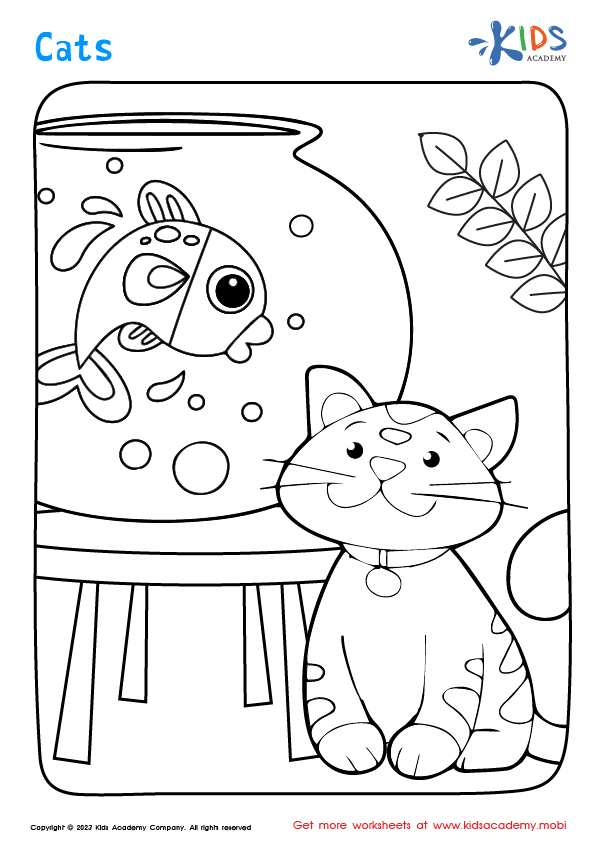
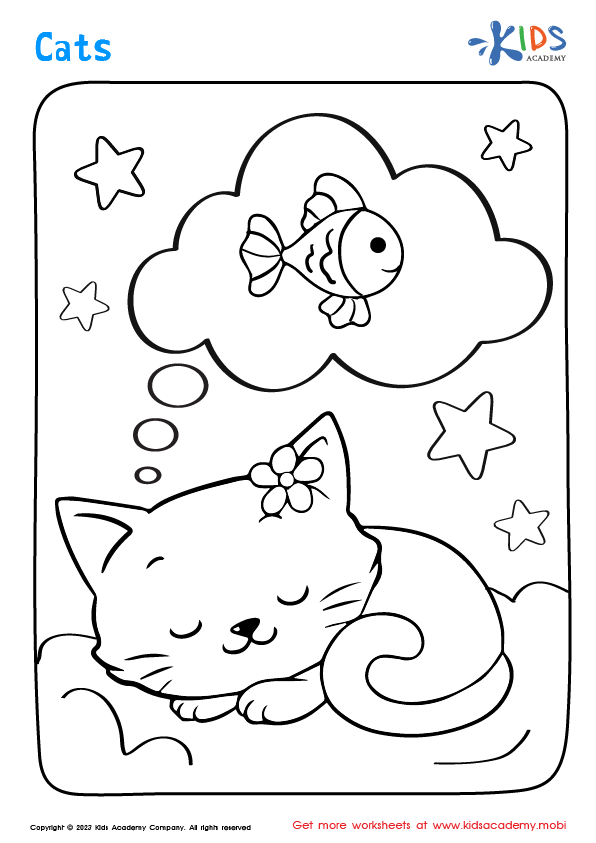








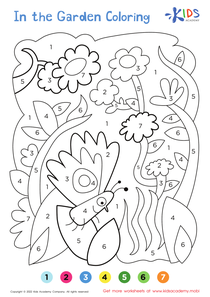
Caring about animals is essential for parents and teachers of children aged 3-7 for several reasons. First, young children are naturally curious about the world around them, and animals offer a fascinating way to ignite their interest in nature. Learning about animals can enhance observational skills and foster a sense of wonder.
Furthermore, animals can be invaluable teachers about empathy and compassion. By understanding that animals have needs and feelings, children can learn to care for others, developing emotional intelligence which is instrumental for their personal growth. This foundation of empathy can positively influence their interactions with peers and adults.
Additionally, incorporating animals into educational activities aligns with various learning domains. Stories about animals can teach lessons in literacy, while activities like sorting animal types promote critical thinking and problem-solving. Further, engaging with animals helps with thematic learning, including ecosystems, habitats, and biology, making concepts accessible and entertaining.
Moreover, caring for animals, whether in classrooms or homes, fosters responsibility and nurtures nurturing traits. Through positive interactions with animals, children can build self-esteem and develop a lifelong appreciation for nature, laying the groundwork for future environmental stewardship. Overall, integrating animals into early education enriches life skills and academic learning.