Number Recognition Worksheets for Ages 3-7 - Page 2
826 filtered results
-
From - To
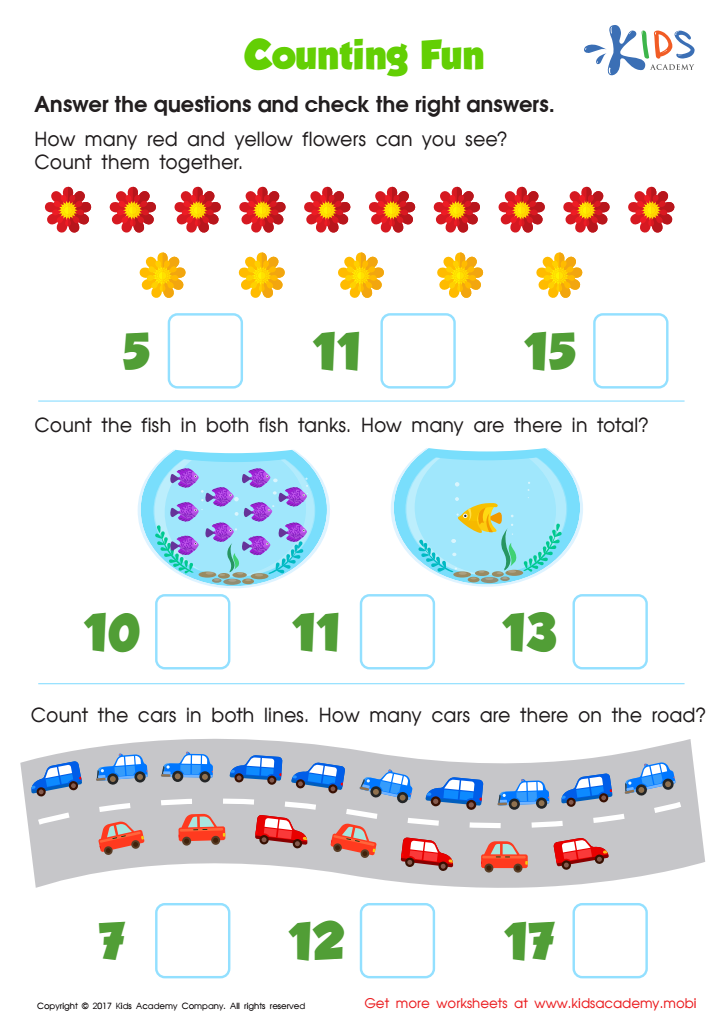
Counting Fun Worksheet
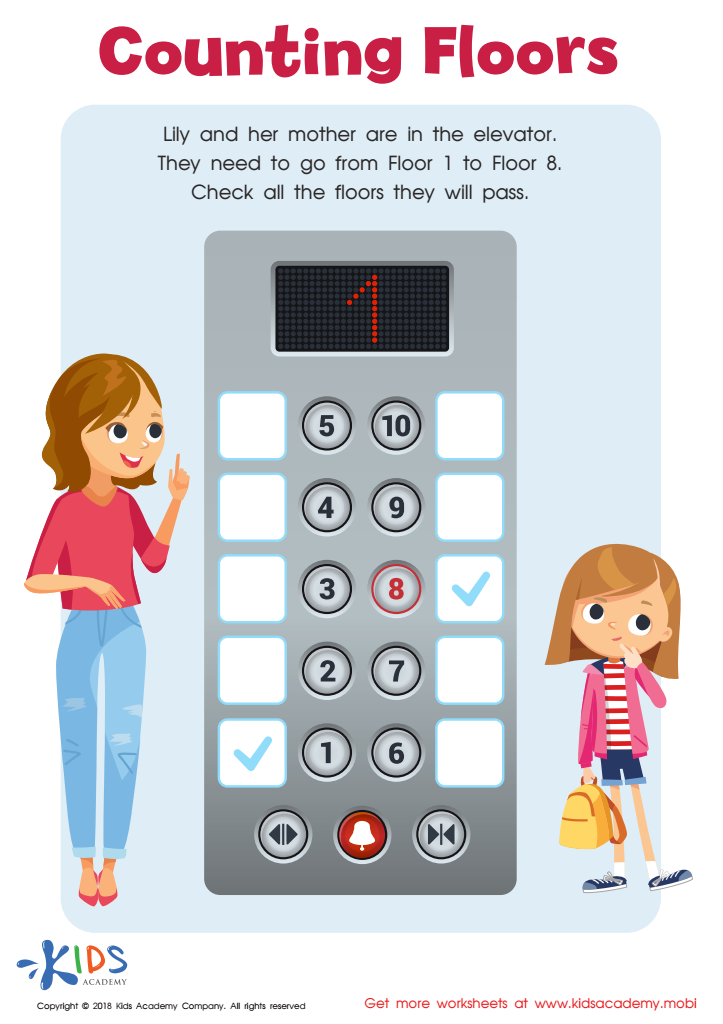
Counting Floors Worksheet
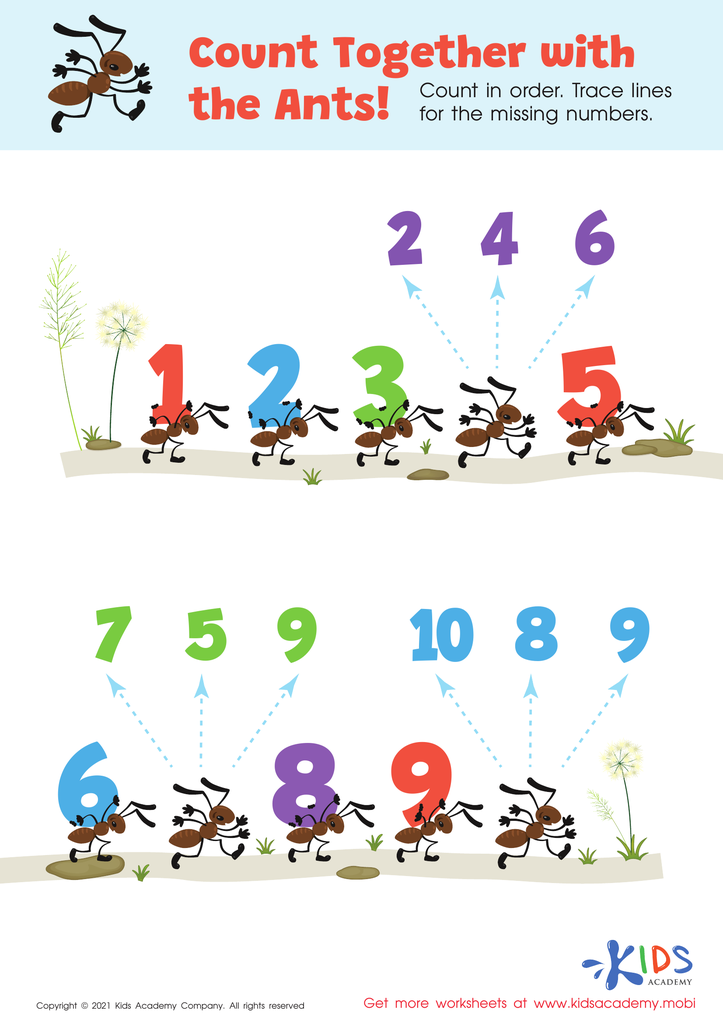
Count Together with the Ants Worksheet
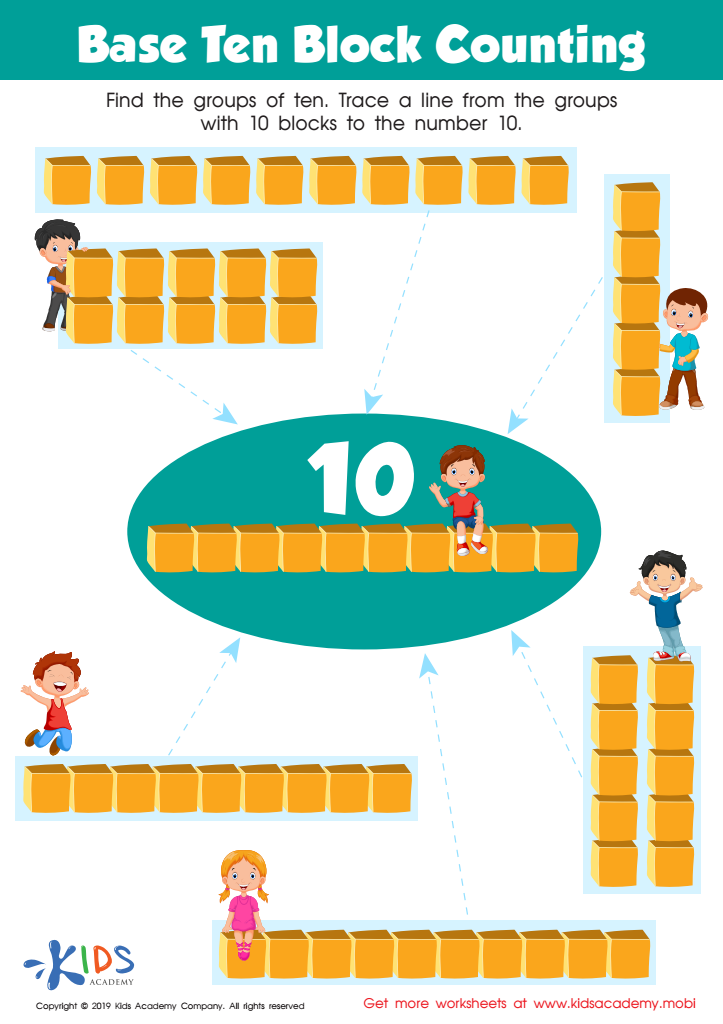
Base Ten Block Counting Worksheet
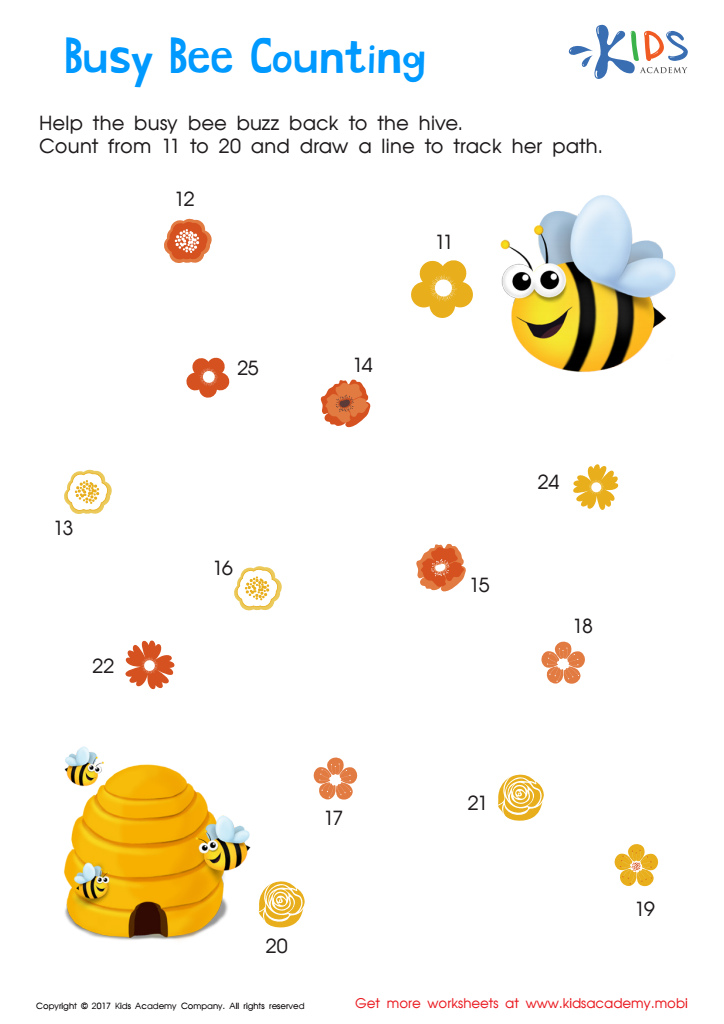
Ordering 11–20: Busy Bee Counting Worksheet
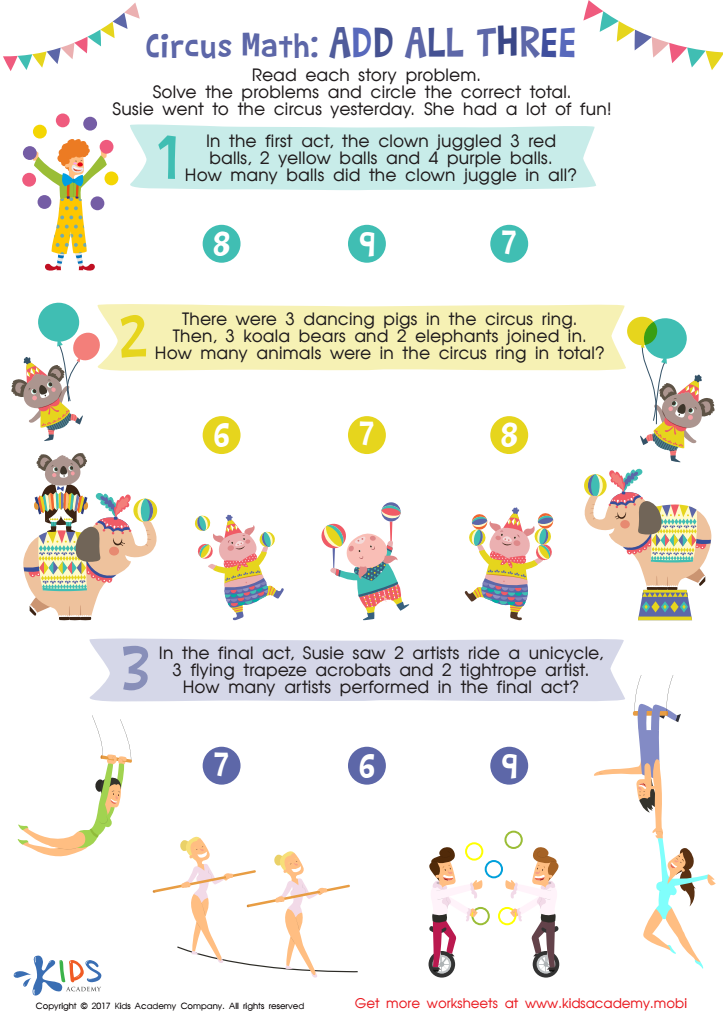
Circus Math Printable
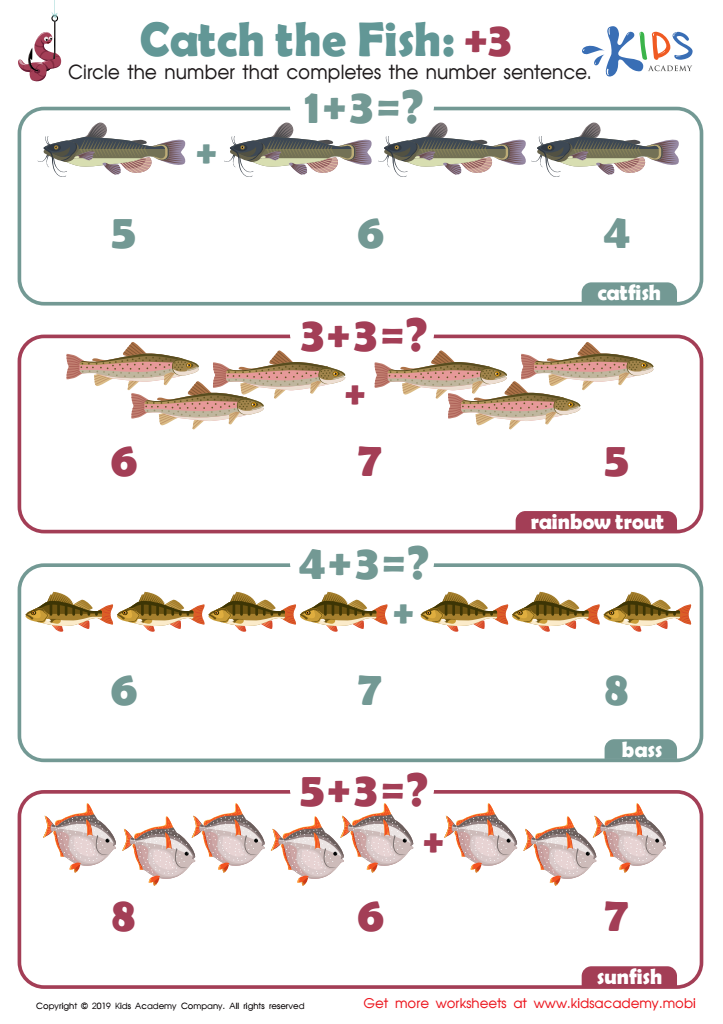
Catch the Fish: +3 Worksheet
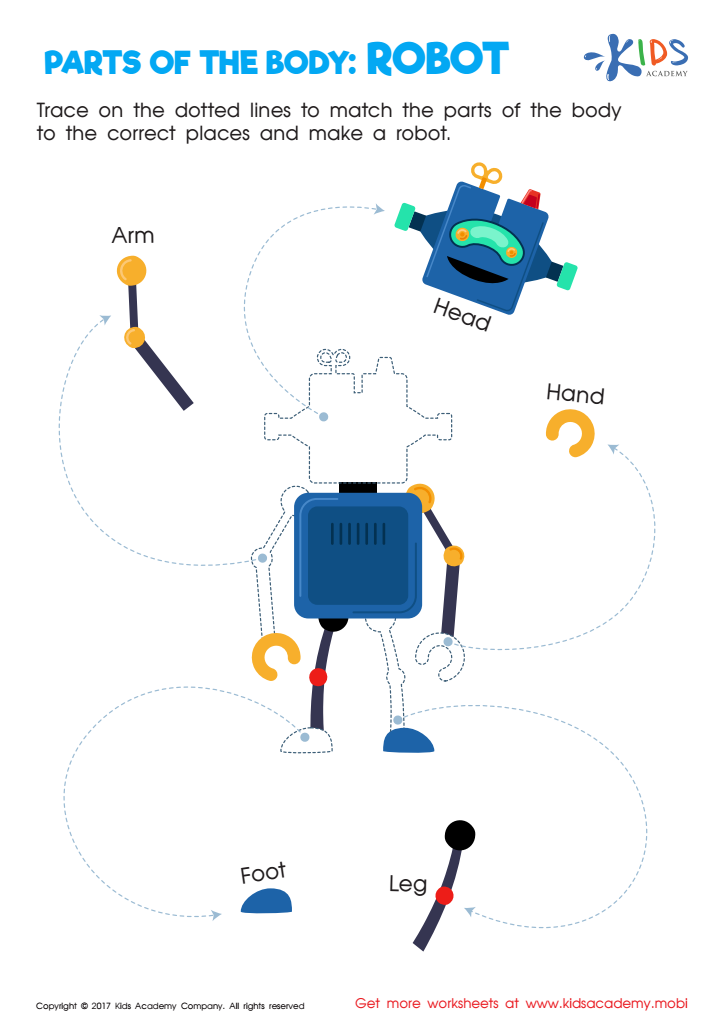
Robot Printable
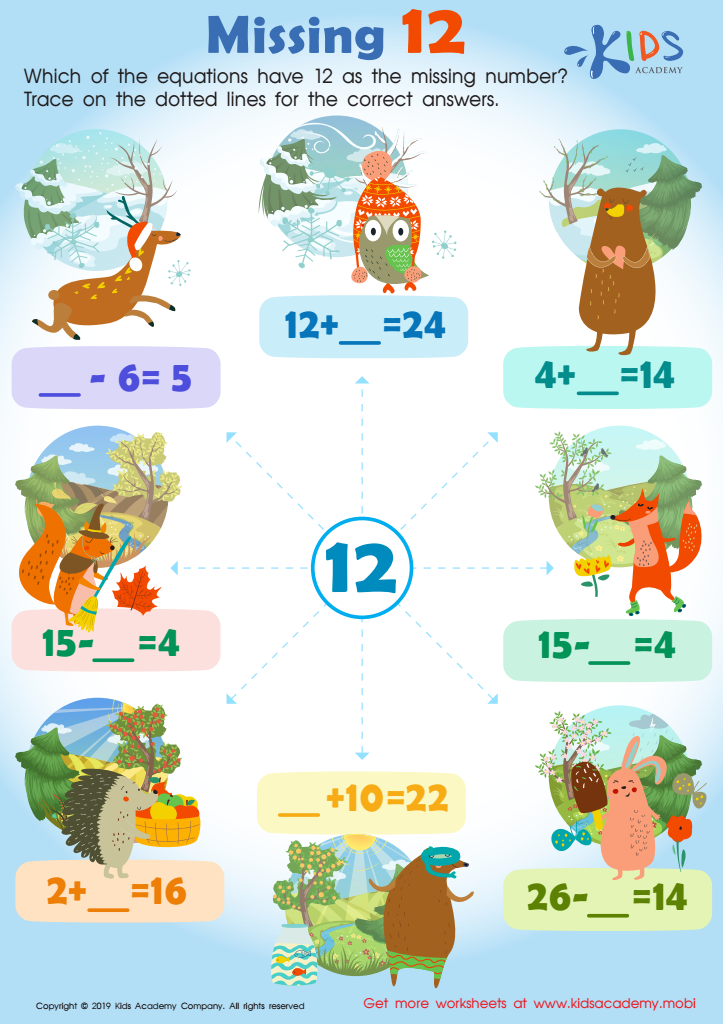
Missing 12 Worksheet
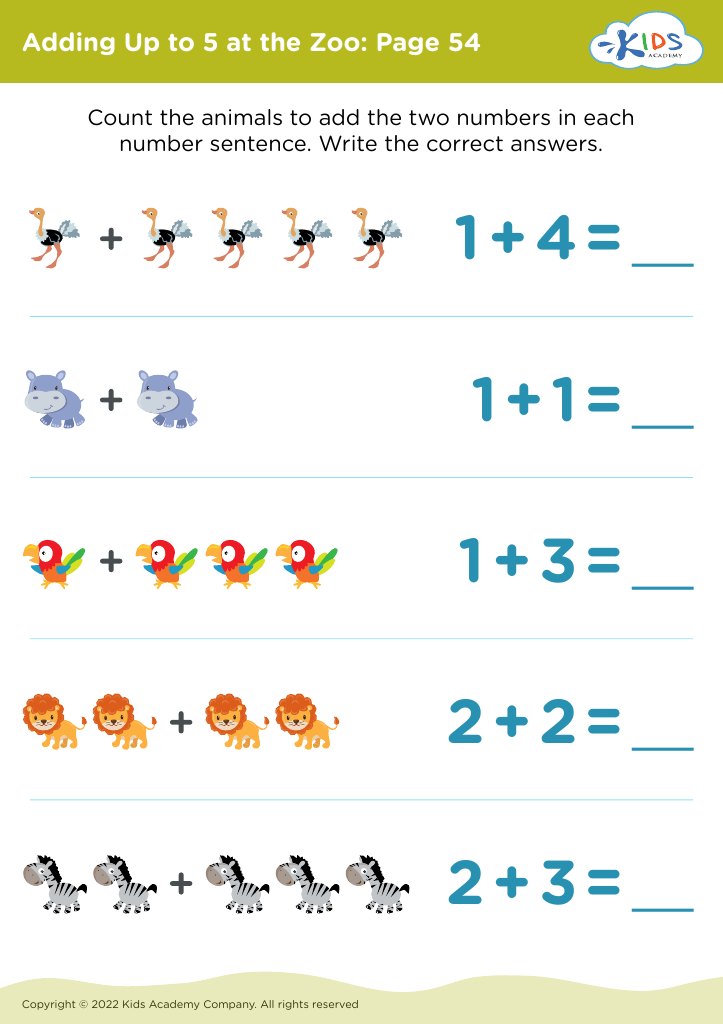
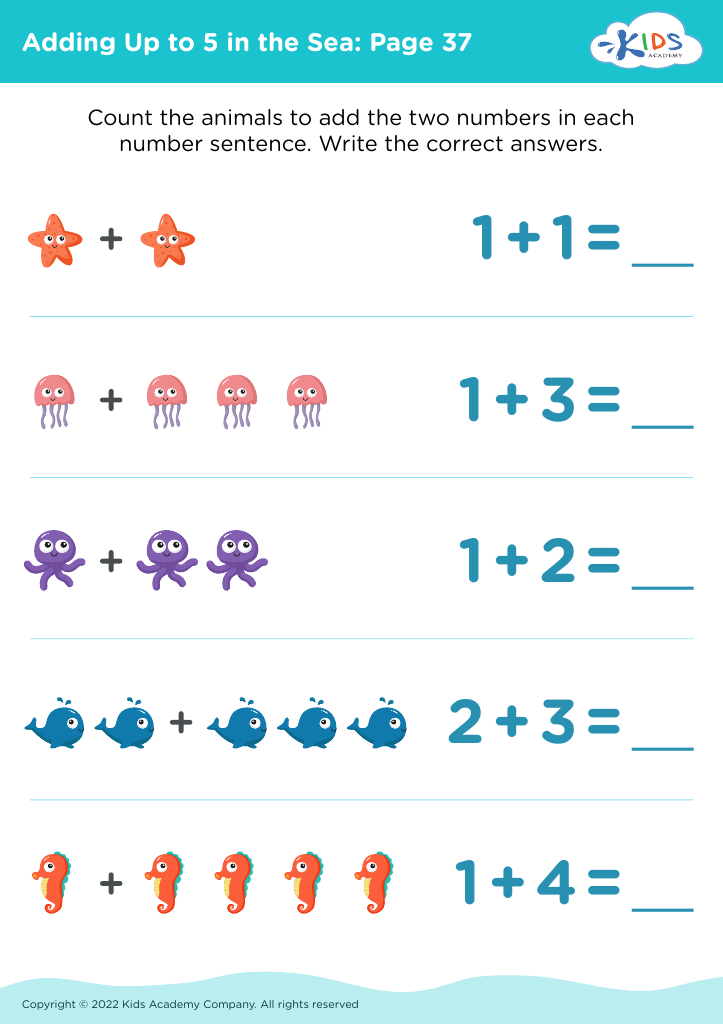
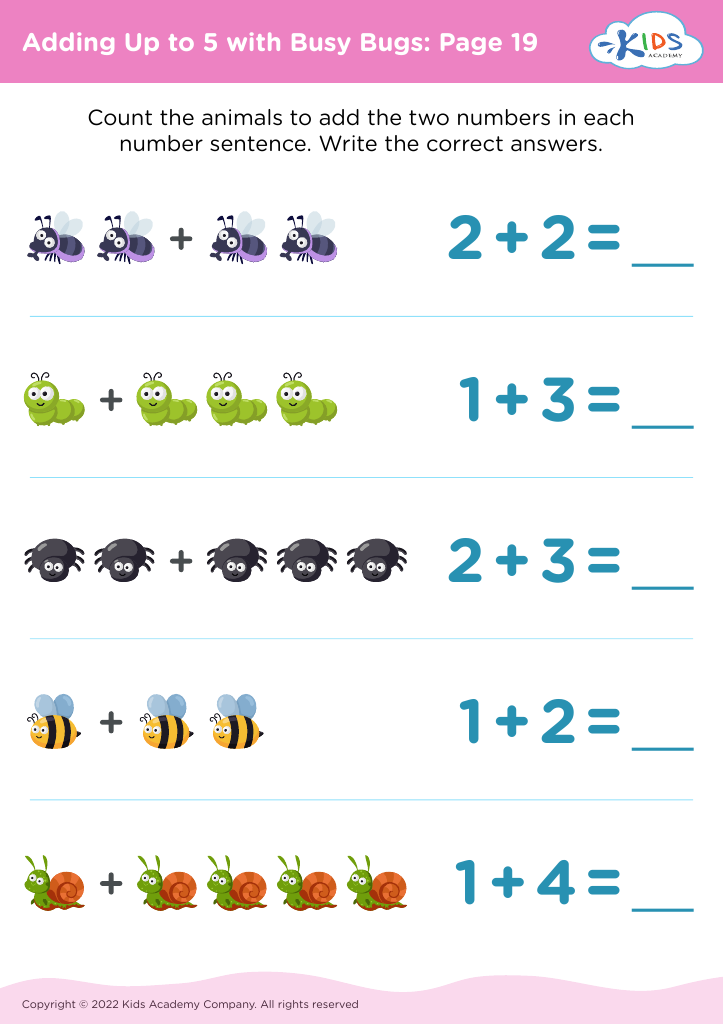
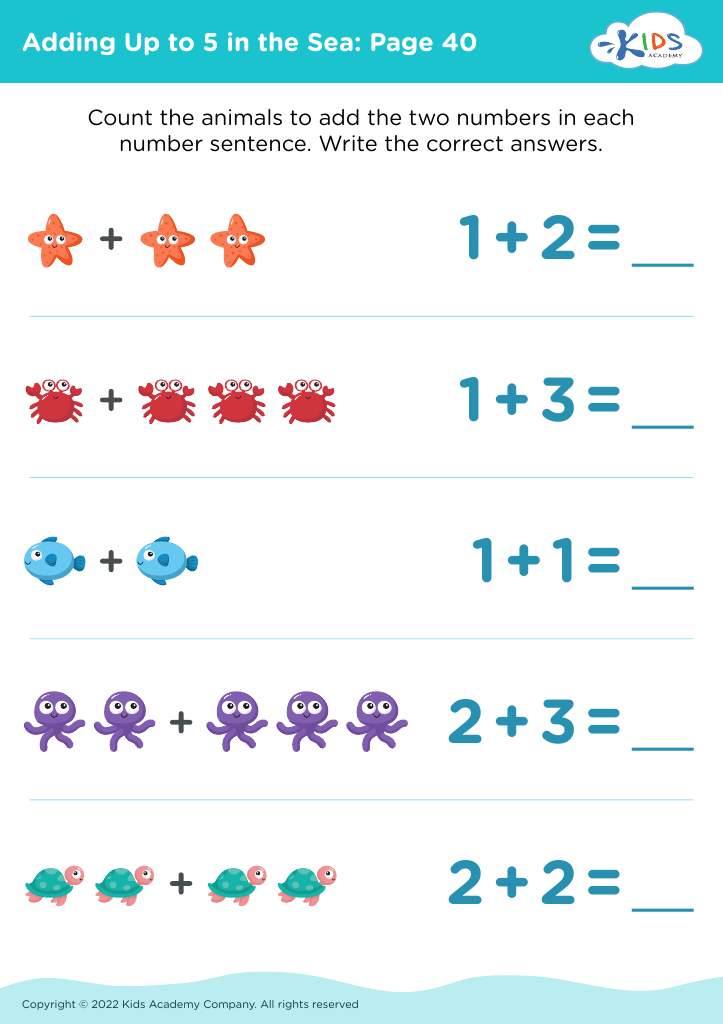
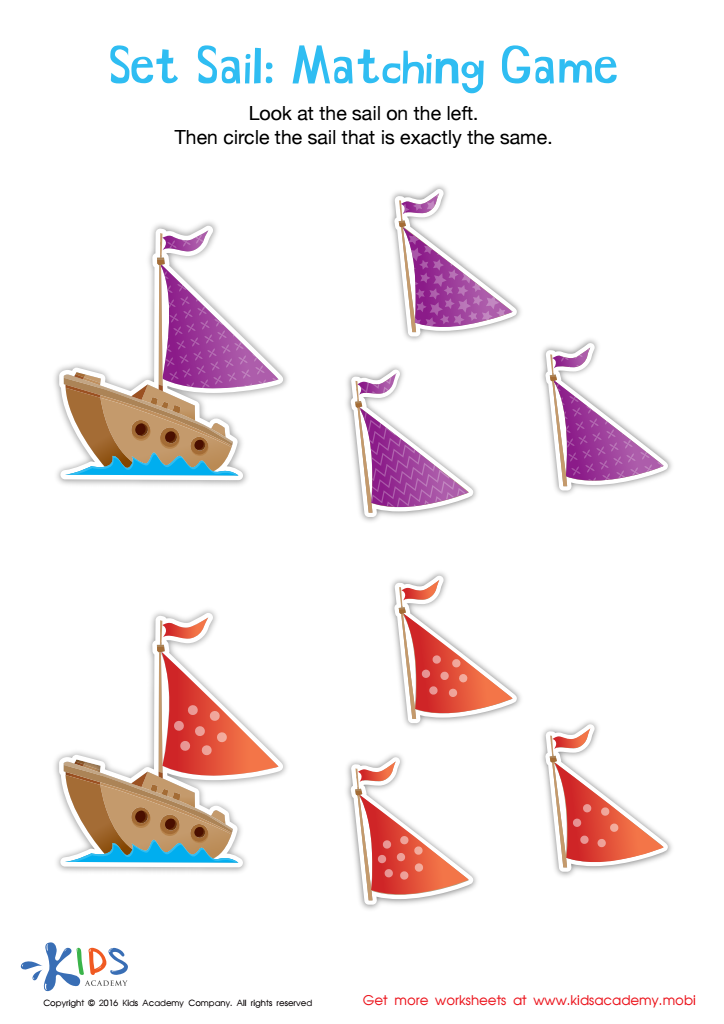
Set Sail Worksheet
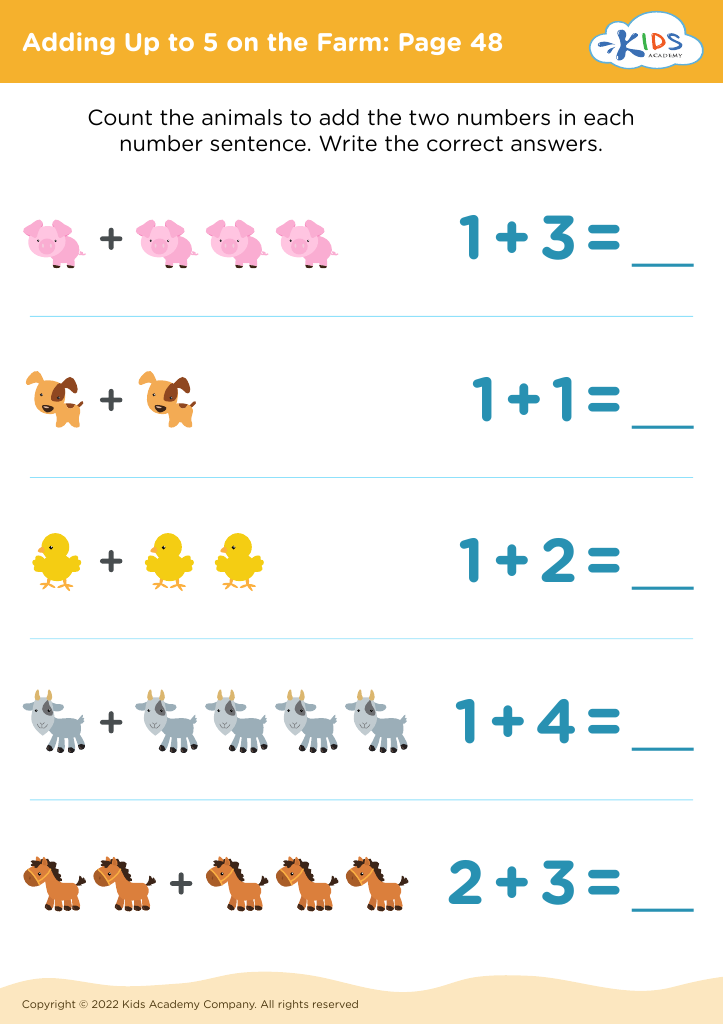
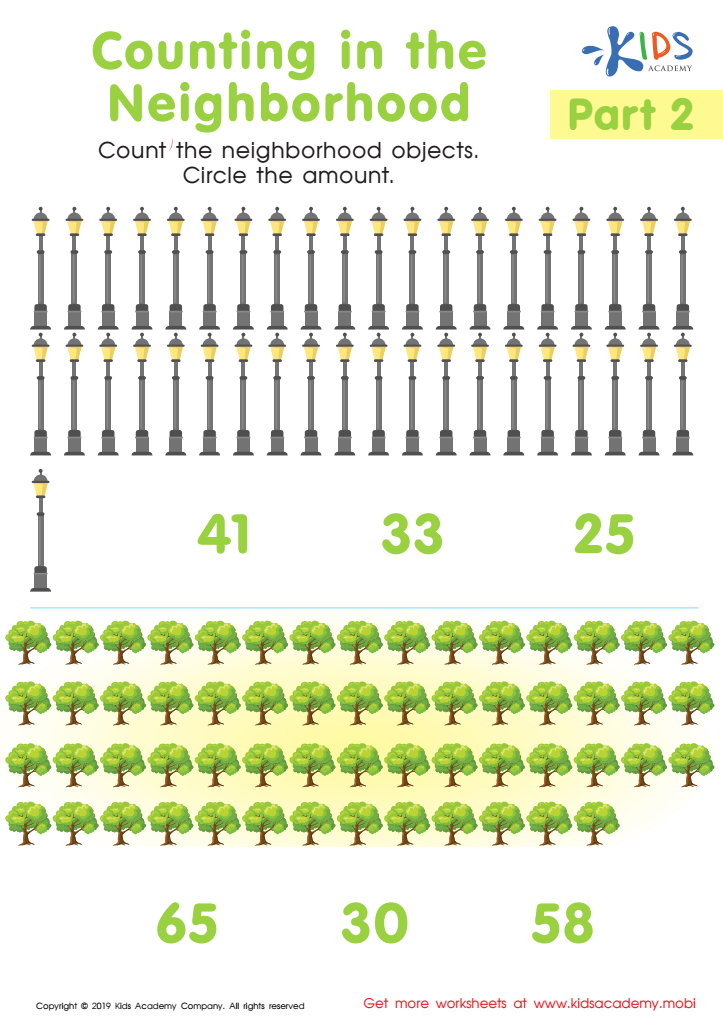
Counting In The Neighborhood Part 2 Worksheet
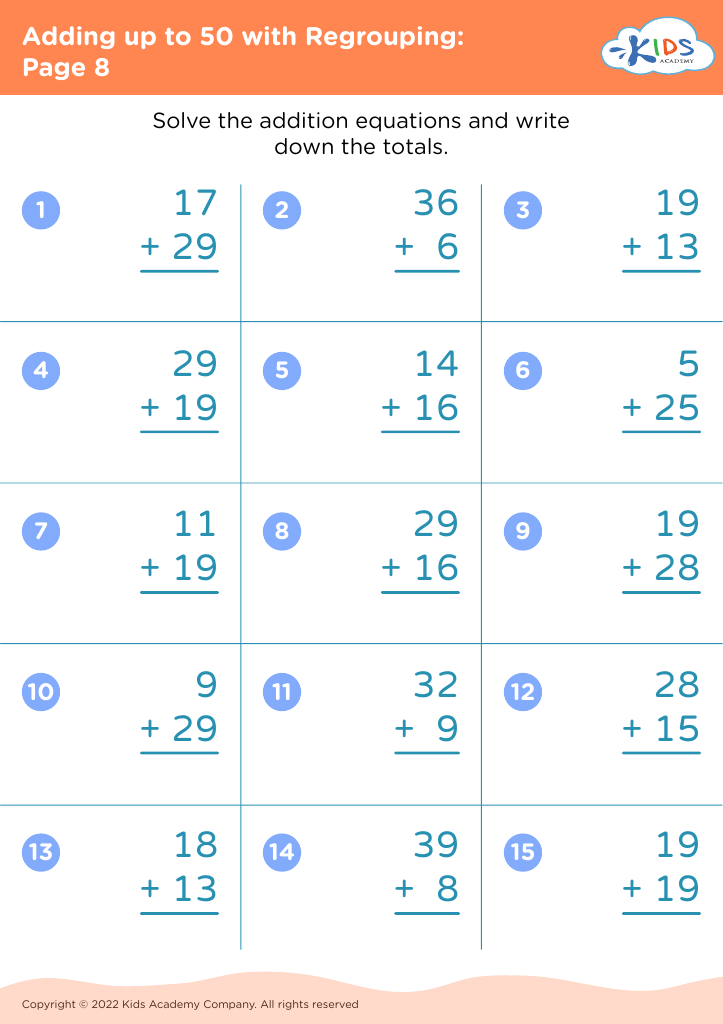
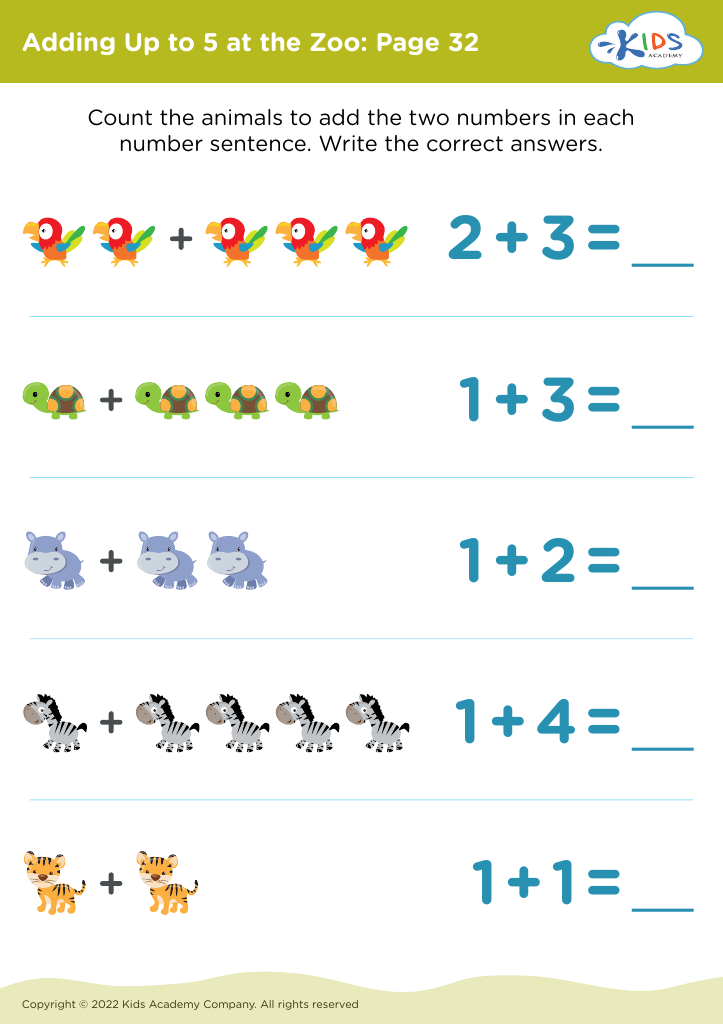
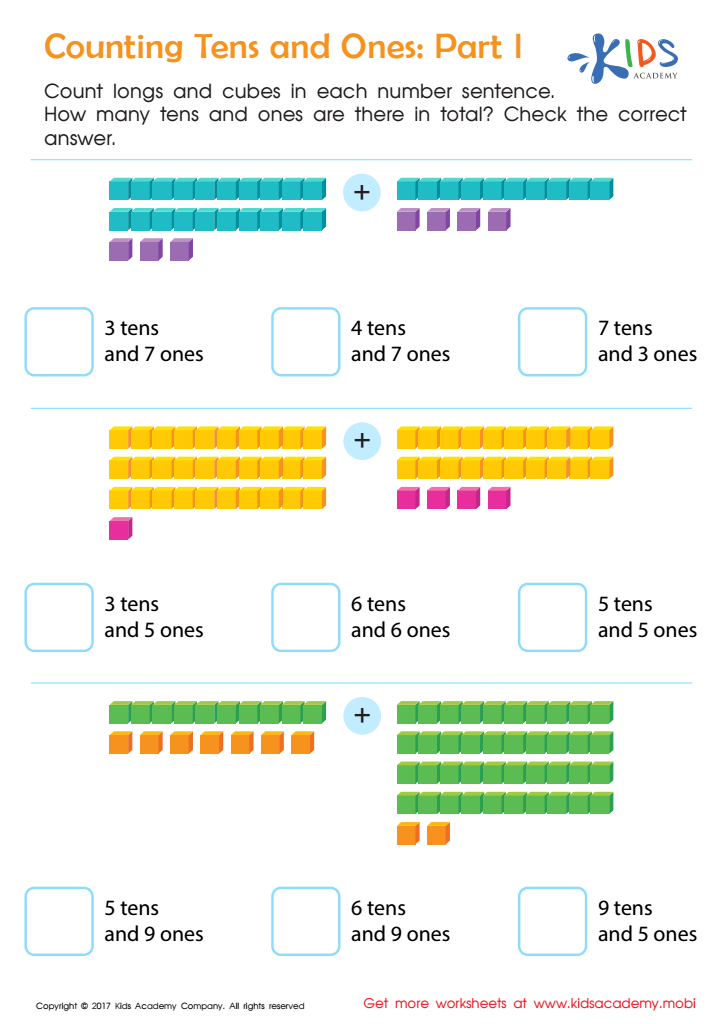
Counting Tens and Ones: Part 1 Worksheet
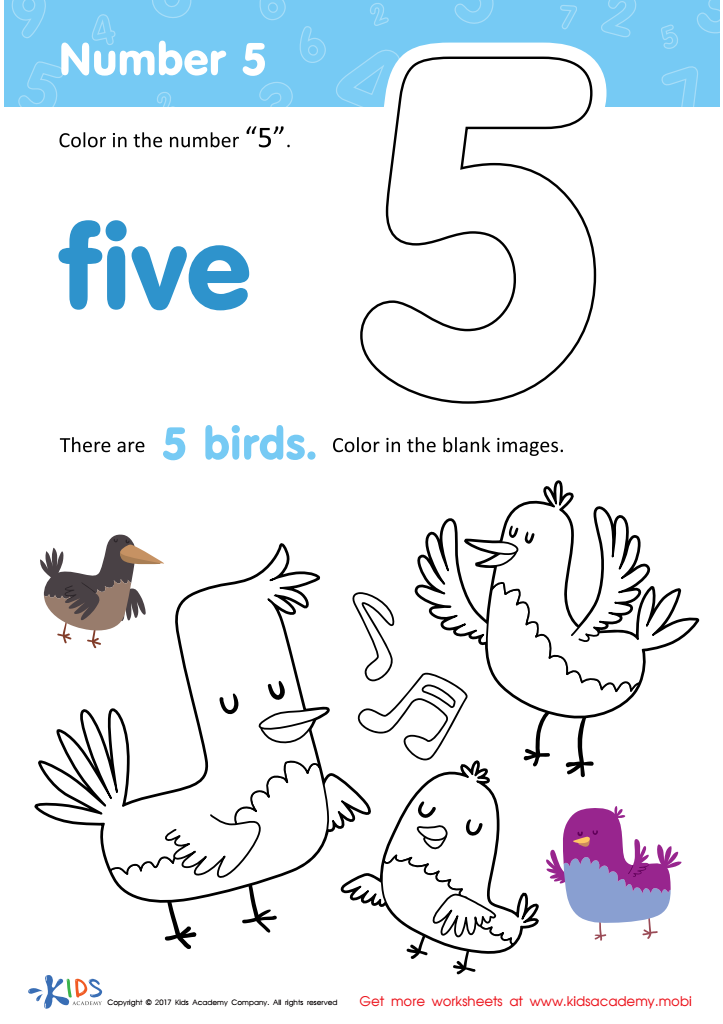
Number 5 Printable
 Assign to My Students
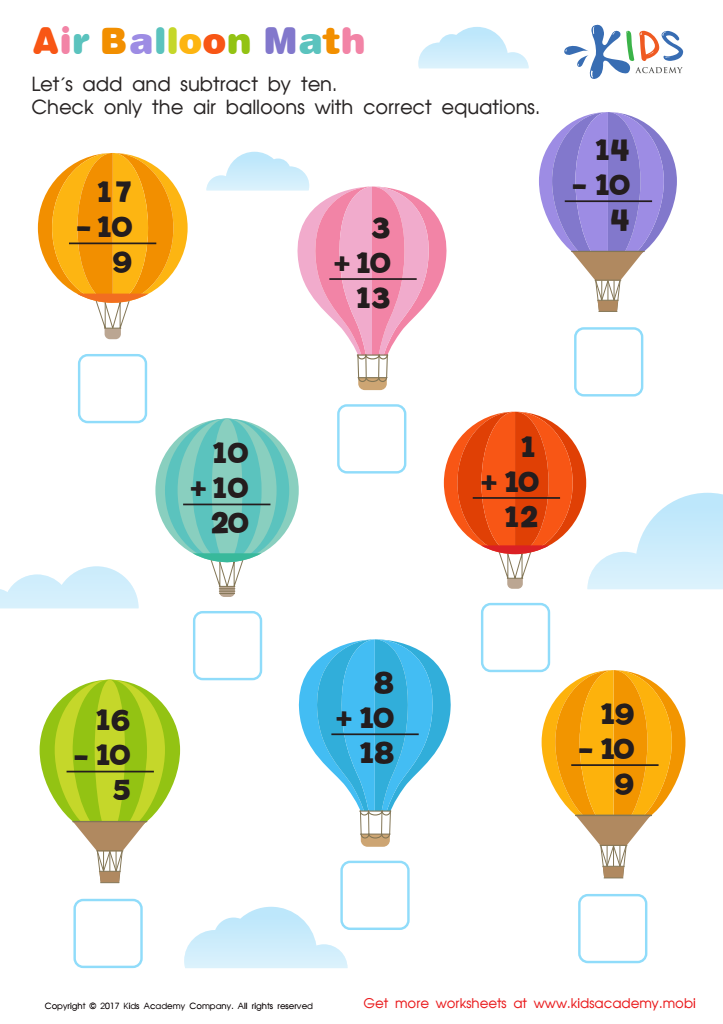
Air Balloon Math Worksheet








Number recognition is a foundational skill that sets the stage for future mathematical understanding and overall cognitive development in children aged 3-7. At this young age, children's brains are exceptionally pliable, making it the optimal time for learning basic numerical concepts. Recognizing numbers is the gateway to many other important mathematical operations such as counting, addition, and subtraction.
For parents and teachers, fostering number recognition skills can have a broad array of benefits. For one, it nurtures a child's sense of confidence and independence as they begin to make sense of the world around them in quantifiable terms. Children who can recognize and understand numbers are more likely to enjoy math and feel less intimidated by it later in life.
Additionally, early number recognition is strongly linked with problem-solving skills. When children distinguish numbers, they can categorize, compare, and contrast objects, which enhances their critical thinking abilities. These competencies have value not just academically, but in everyday decision-making and task management.
Finally, the connection between number recognition and literacy should not be overlooked. Patterns, sequencing, and categorization are essential skills for reading as well. Therefore, investing time and effort into teaching number recognition can have a well-rounded positive impact on a child's overall educational journey.
Overall, parents and teachers play a critical role in supporting this vital learning stage, setting children up for future academic and life success.








