Number Sequencing Worksheets for Ages 3-7 - Page 2
41 filtered results
-
From - To
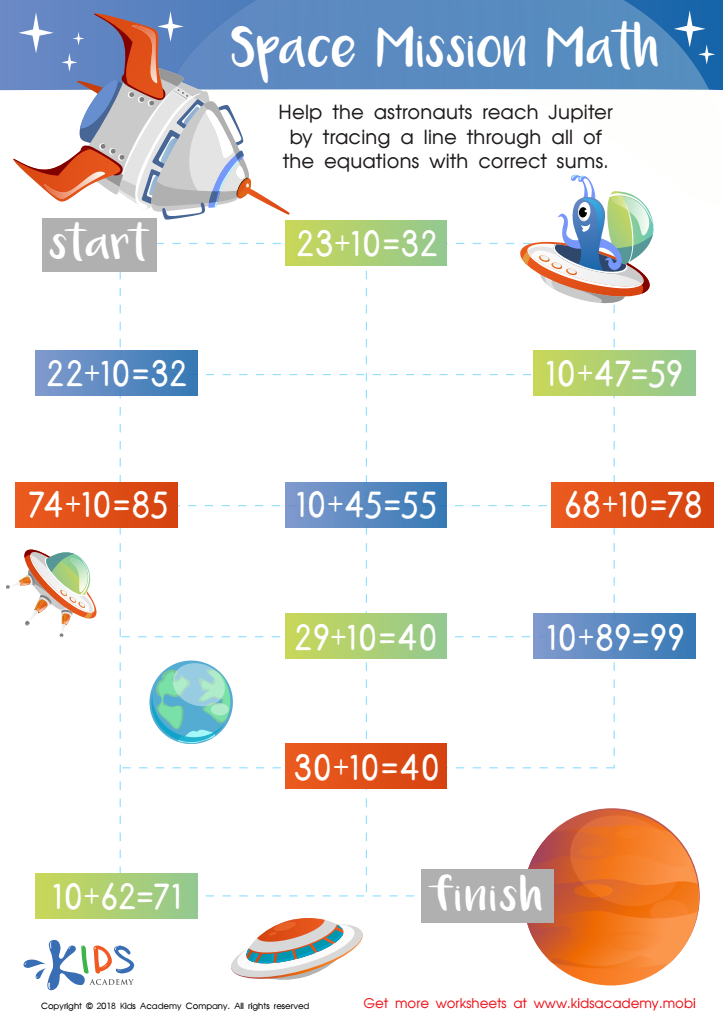
Space Mission Math Worksheet
 Assign to My Students
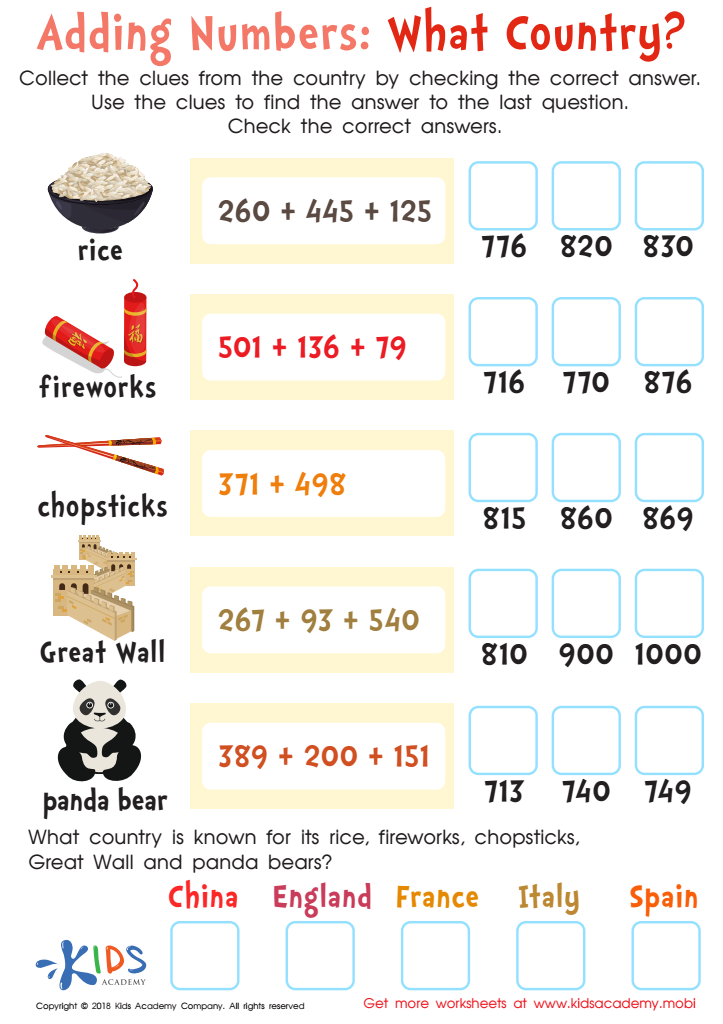
Adding Numbers: What Country Worksheet
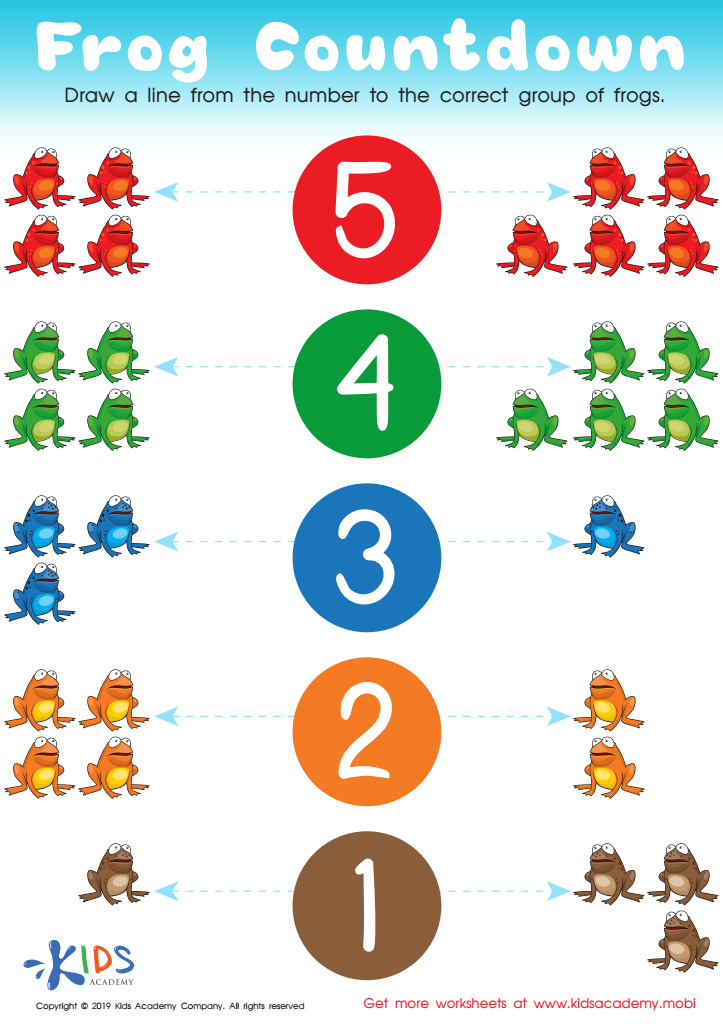
Frog Countdown Worksheet

Pirate Ship Connect Dots Worksheet
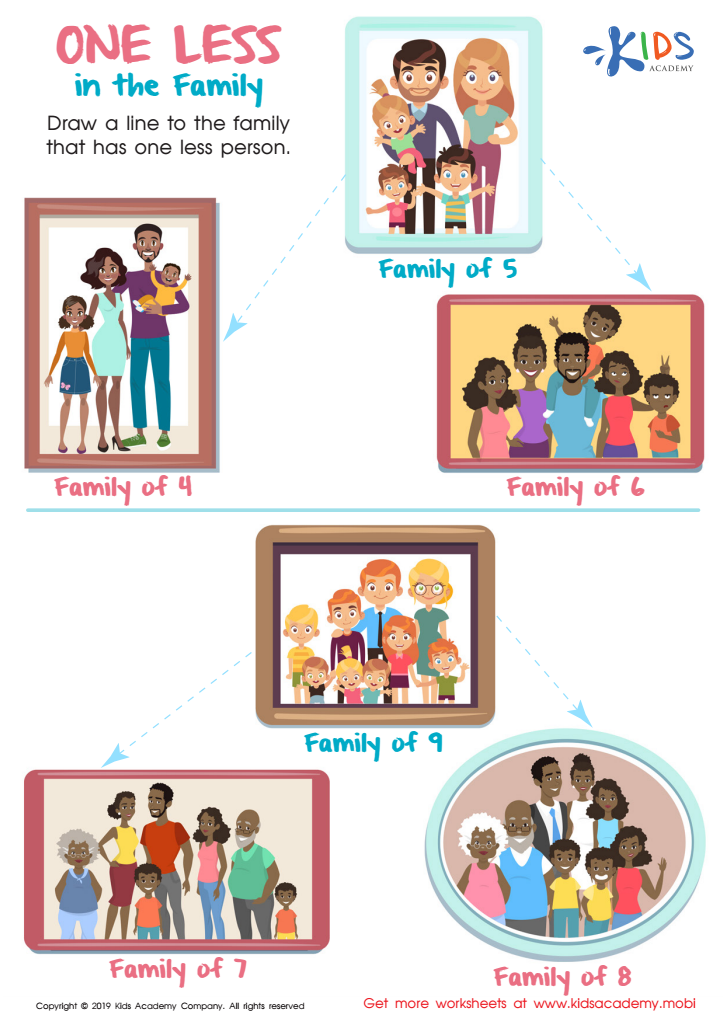
One Less in the Family Worksheet
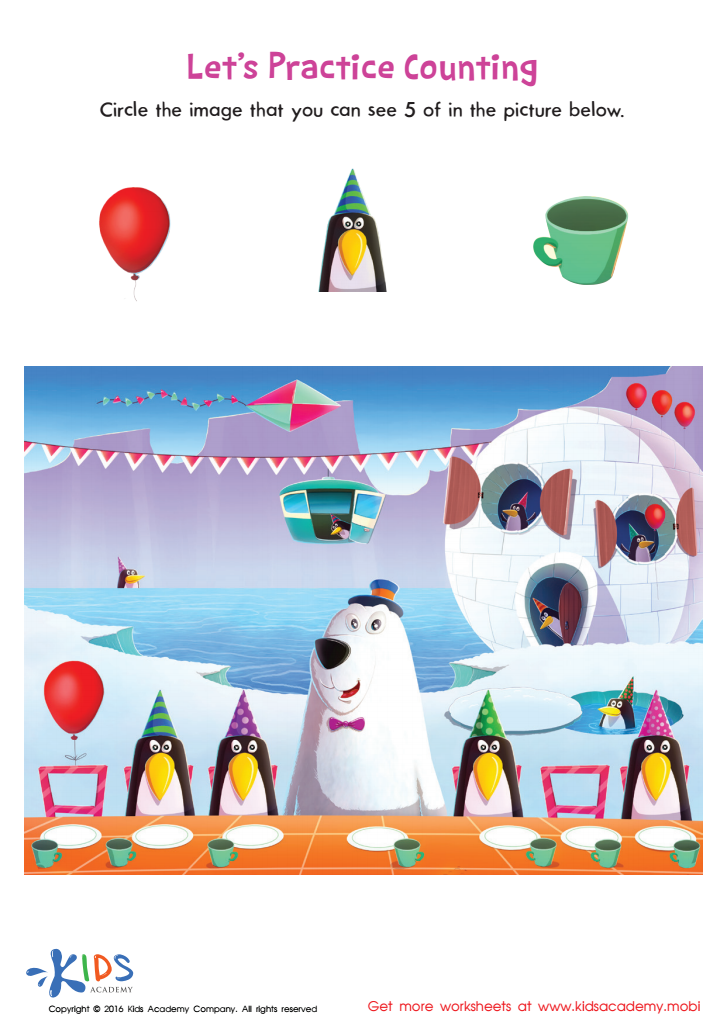
Counting Worksheet: Let's Practice Counting
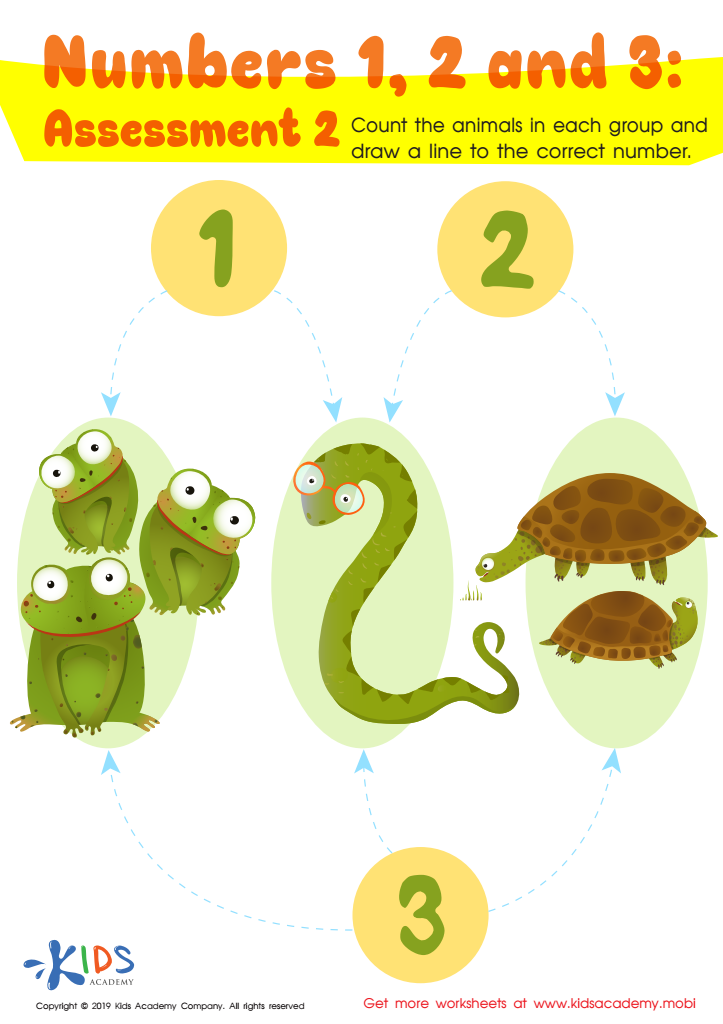
Numbers 1, 2 and 3: Assessment 2 Worksheet
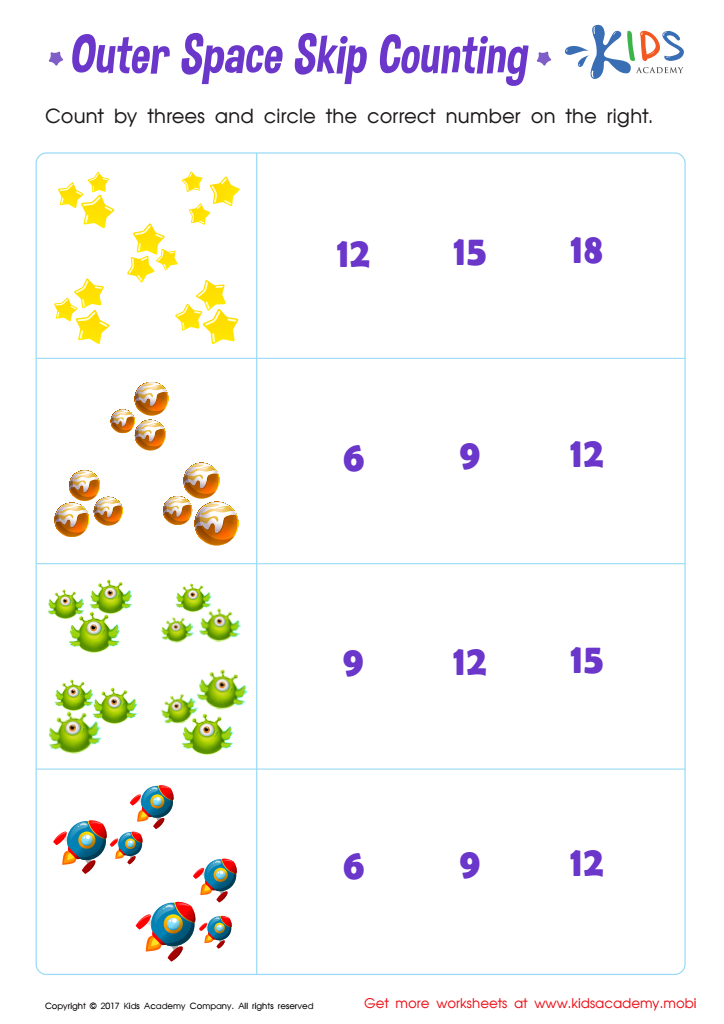
Skip Counting by 3s: Outer Space Skip Counting Printable
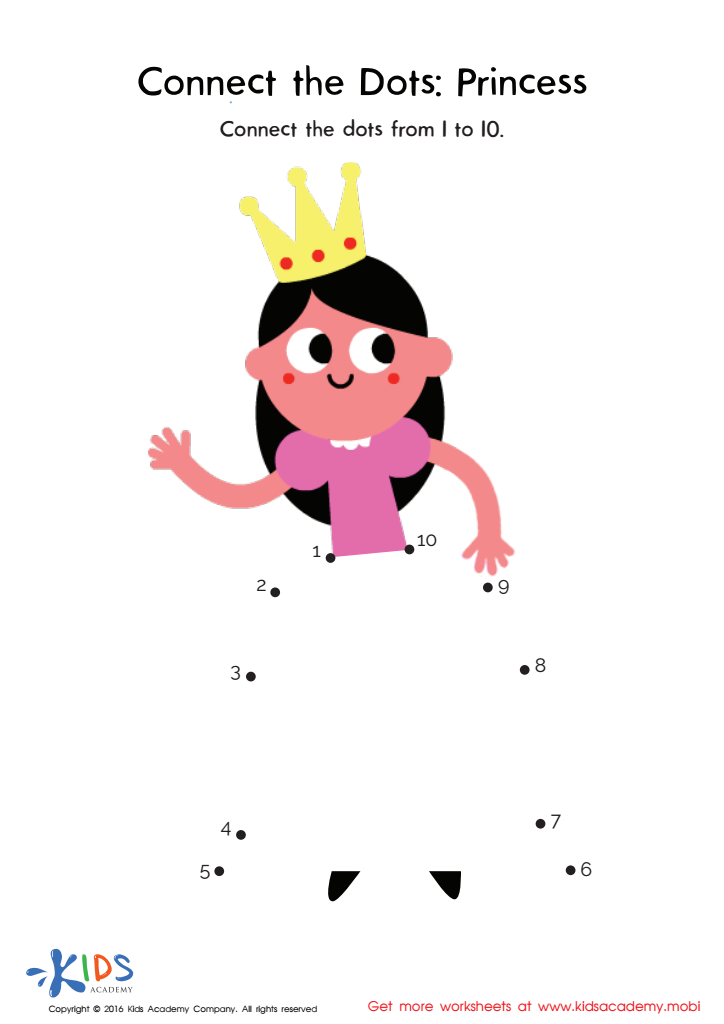
Princess Connect Dots Worksheet
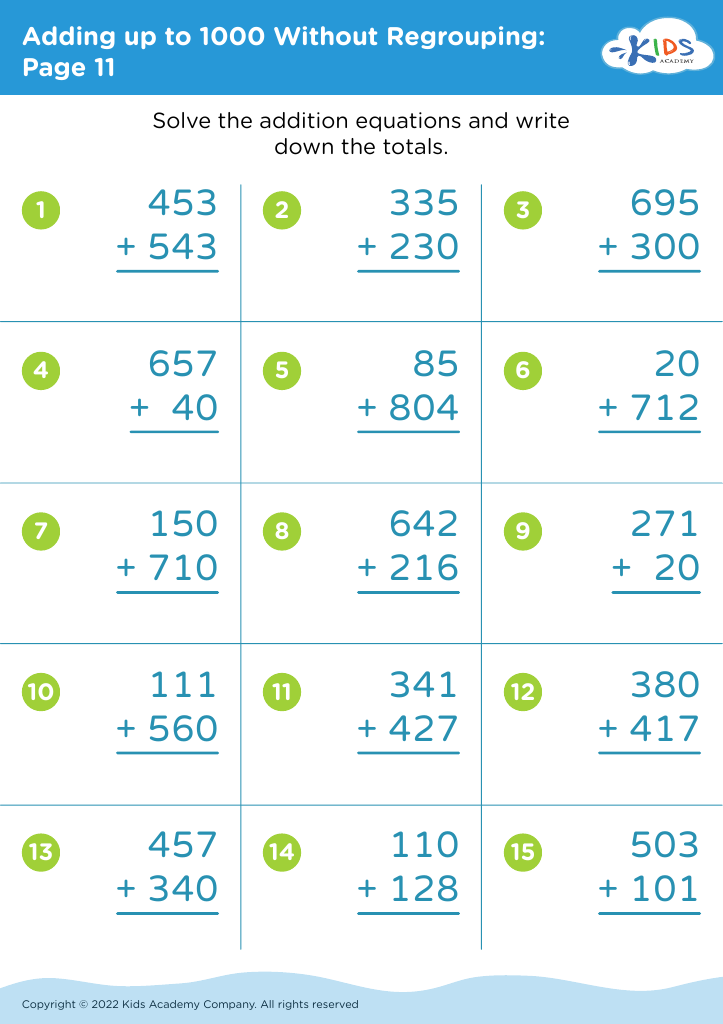
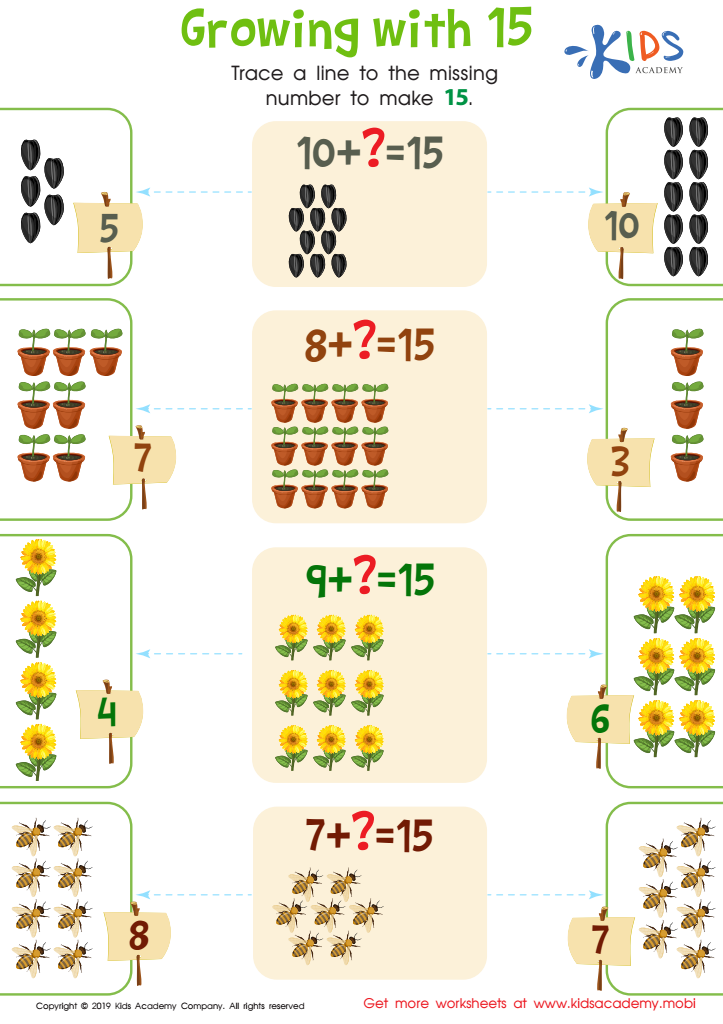
Growing with 15 Worksheet
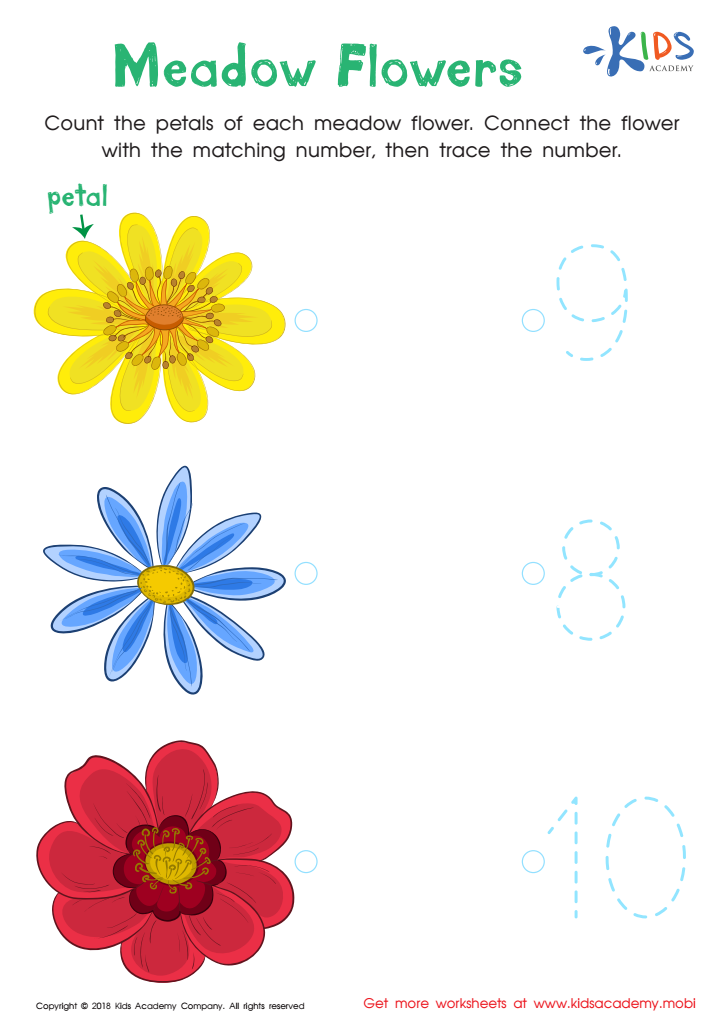
Kindergarten Number Tracing: Medow Flowers Worksheet


.jpg)





Number sequencing is crucial for children aged 3-7 as it forms the foundation for their future mathematical understanding and cognitive development. During these formative years, children are highly receptive and absorb basic concepts that pave the way for more complex learning.
Firstly, recognizing and understanding number sequences help young children grasp the concept of counting. Counting itself is an essential skill used in daily life — from determining the number of fruits in a bowl to managing time with days of the week. Proficiency in number sequencing ensures children can count forward and backward, understand numerical order, and recognize patterns, which are all fundamental skills.
Secondly, number sequencing enhances problem-solving abilities. Kids who can understand and predict sequences often excel at logical reasoning and pattern recognition, skills that have broader applications beyond mathematics, including in reading and language development.
Thirdly, early familiarity with number sequencing supports smoother transitions into formal education. Whether following a classroom routine or understanding the sequence of events in a story, kids equipped with sequencing skills are better prepared to engage with structured learning environments.
Lastly, mastery of number sequencing fosters confidence. When children achieve proficiency in foundational skills, they build a sense of accomplishment and are more likely to tackle new challenges with a positive attitude.
In summary, nurturing number sequencing in young children equips them with essential life skills, supports broader cognitive development, prepares them for more formal education, and builds confidence, making it a vital aspect of early education.








