Numbers Worksheets for Ages 3-7 - Page 20
479 filtered results
-
From - To
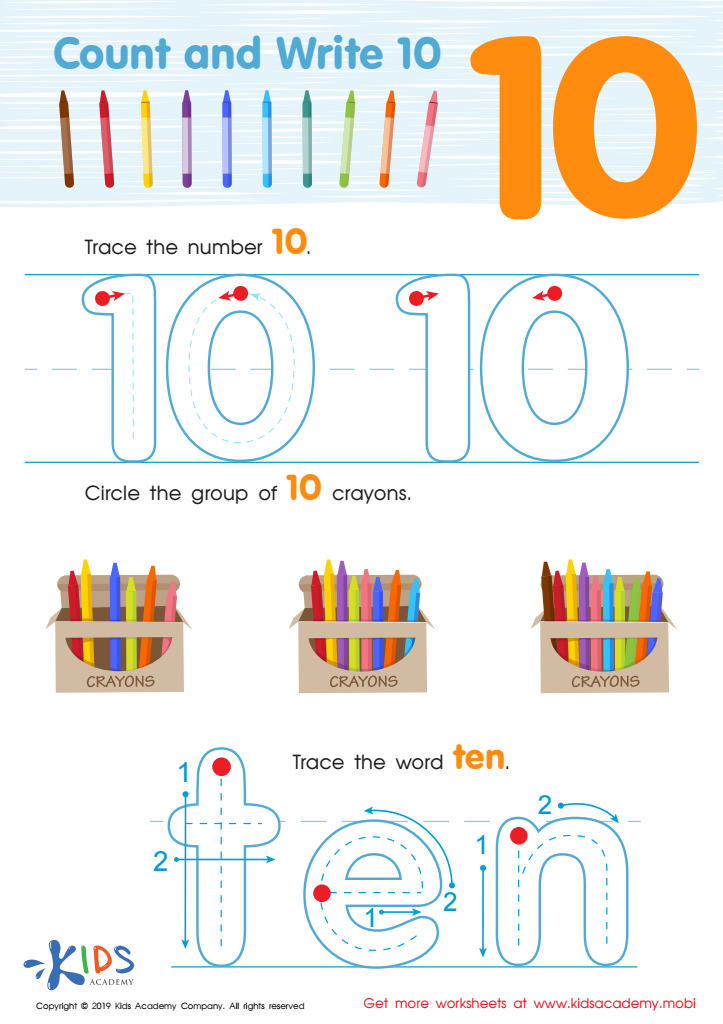
Count and Write 10 Worksheet
 Assign to My Students
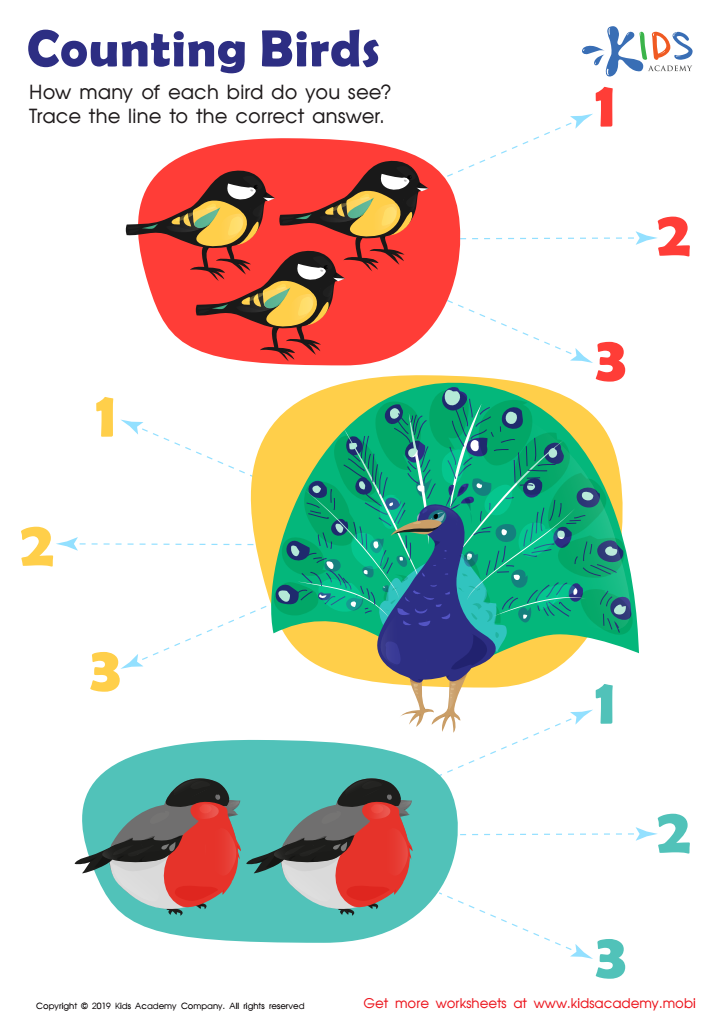
Counting Birds Worksheet
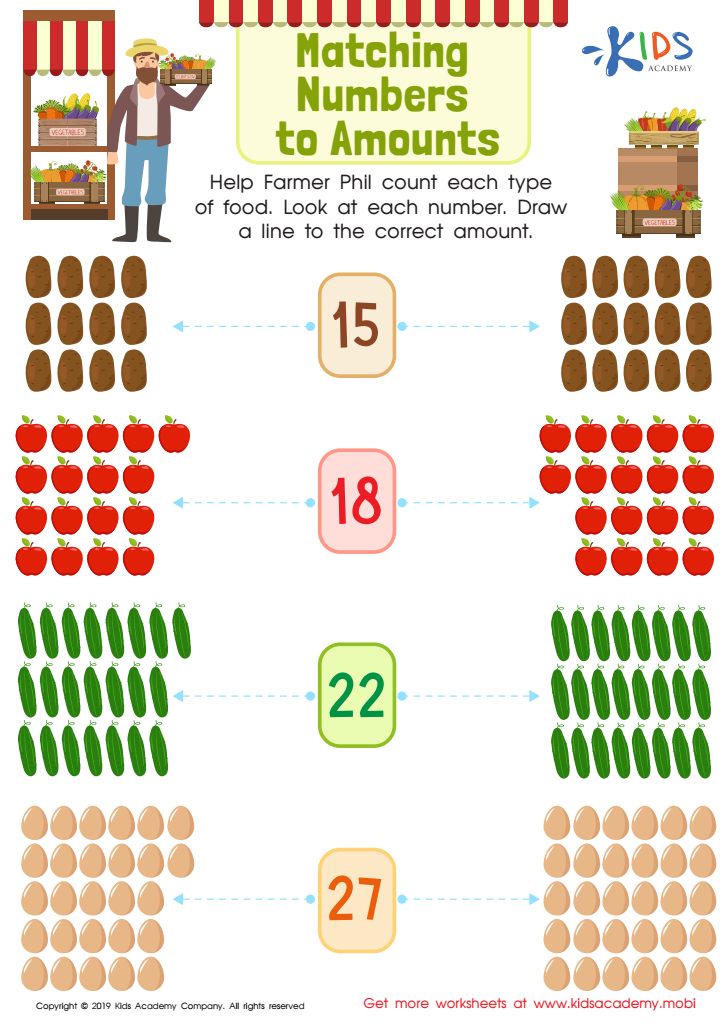
Matching Numbers to Amounts Worksheet
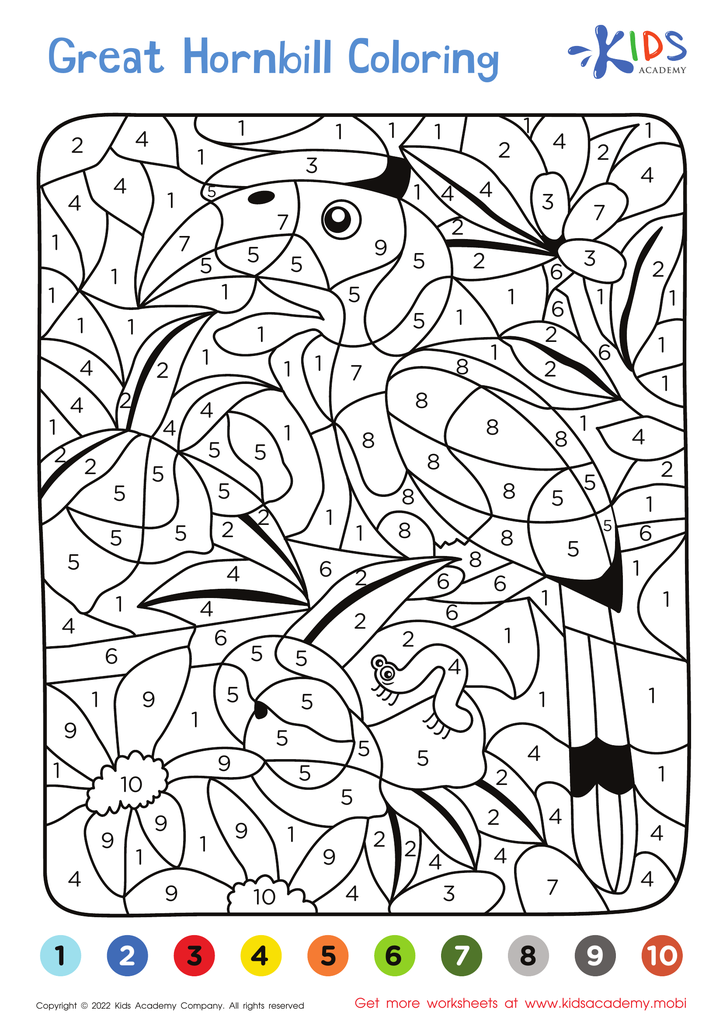
Great Hornbill – Coloring by Numbers
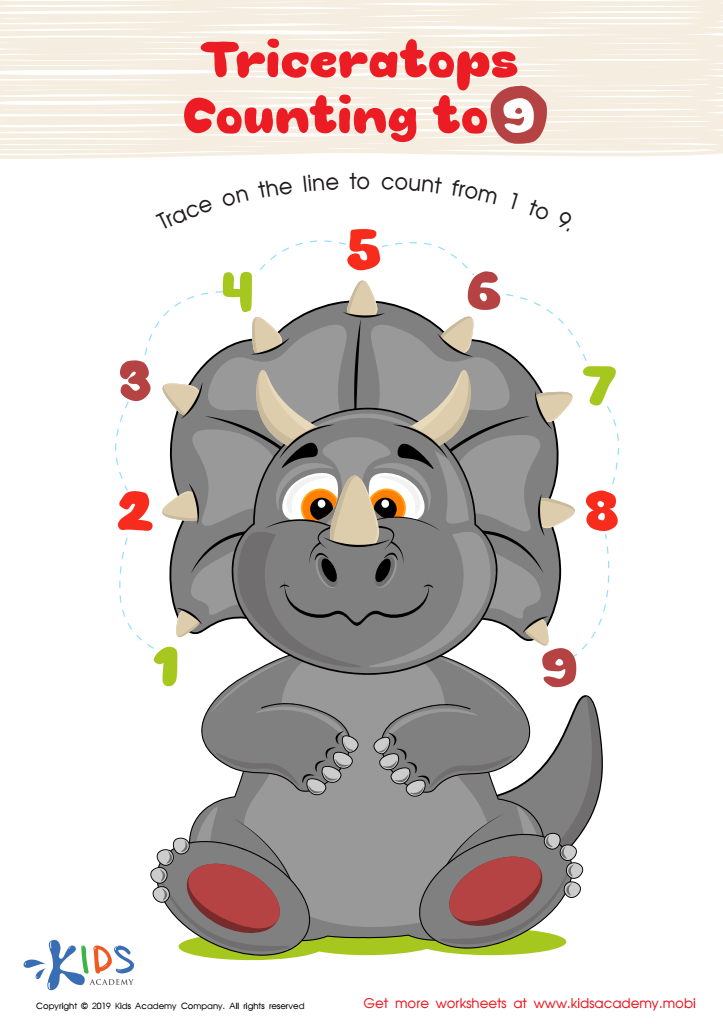
Triceratops Counting to 9 Worksheet
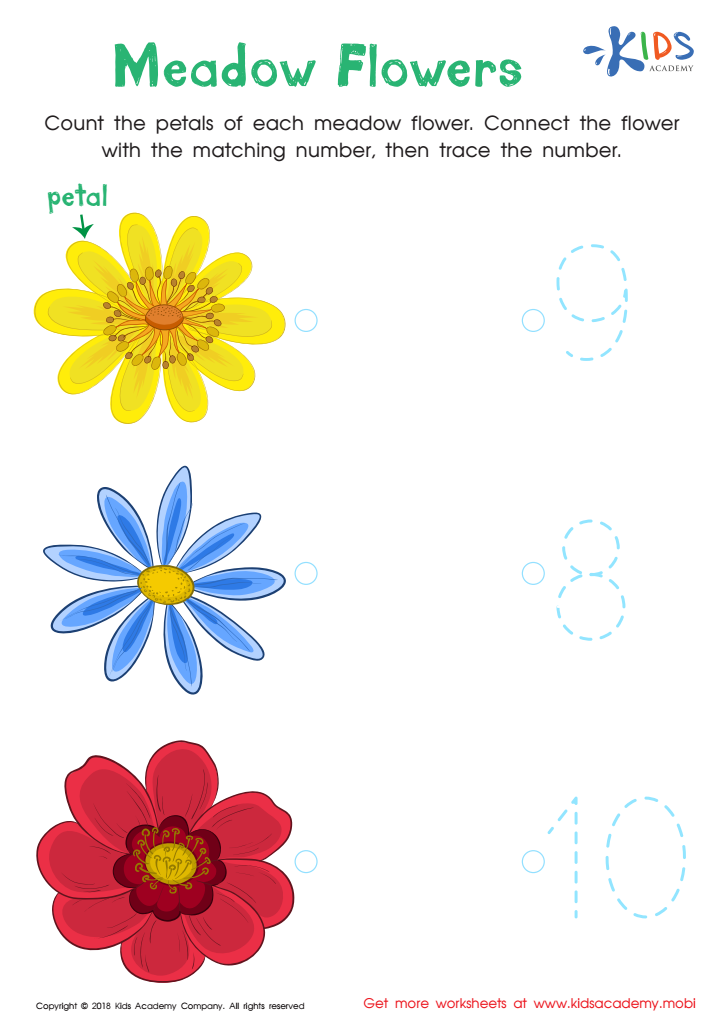
Kindergarten Number Tracing: Medow Flowers Worksheet

Counting on the City Skyline: Dot-to-Dot Worksheet
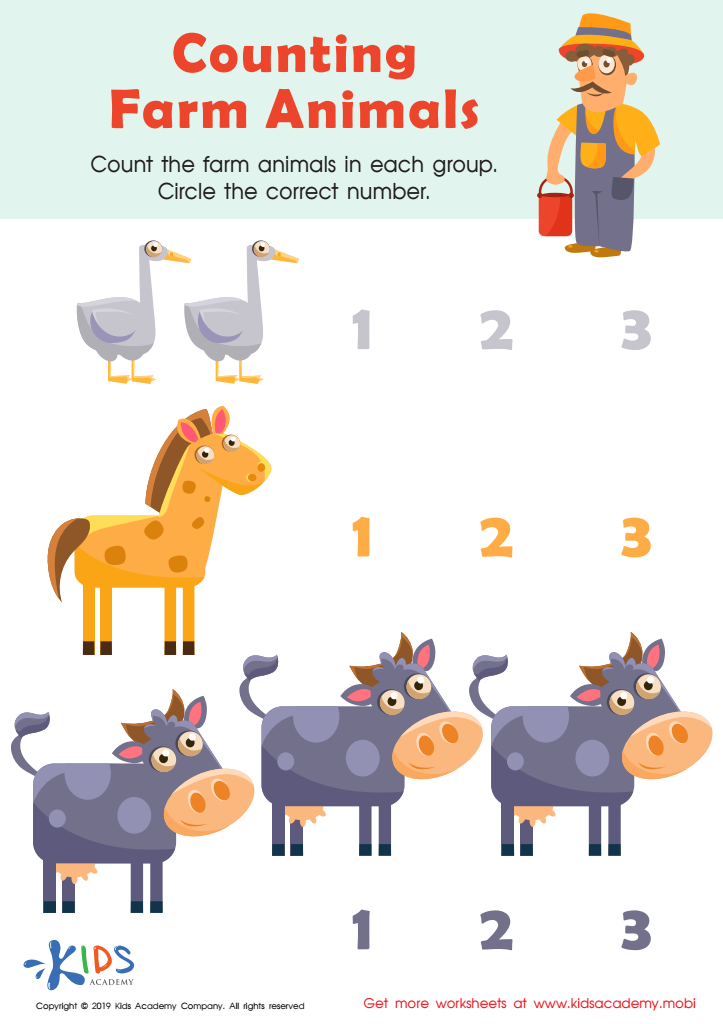
Counting Farm Animals Worksheet
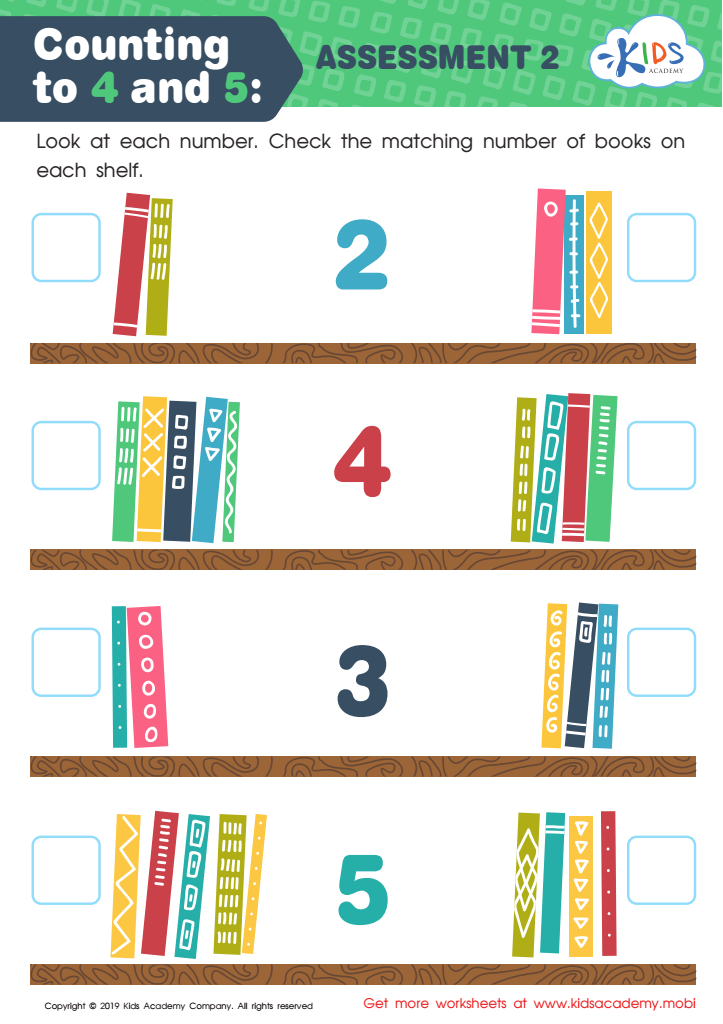
Counting to 4 and 5: Assessment 2 Worksheet
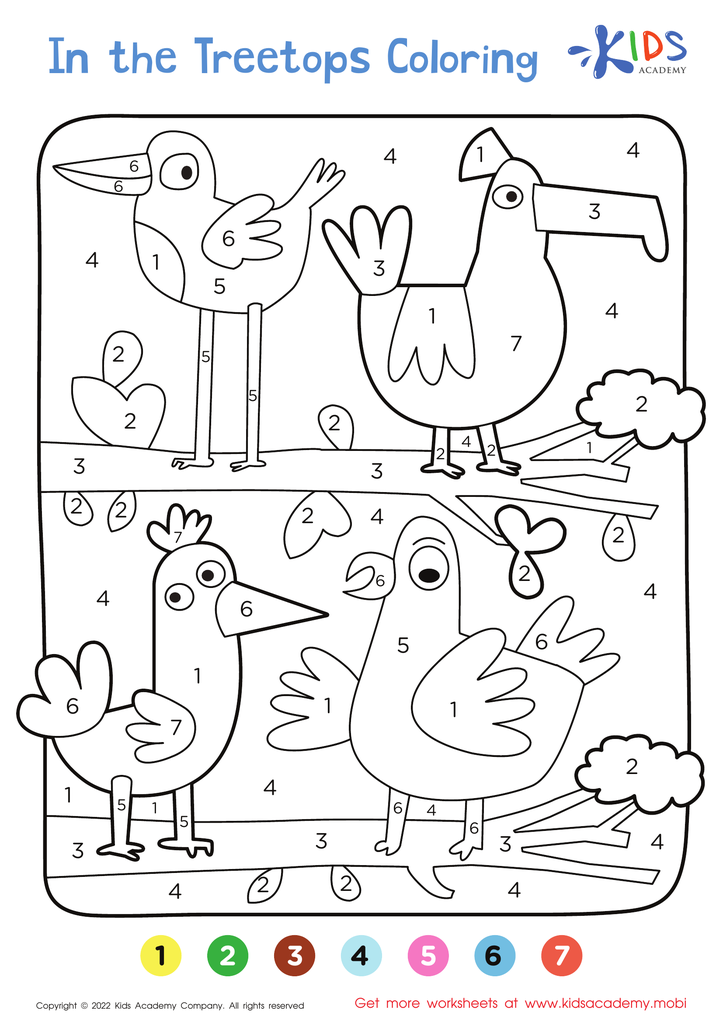
In the Treetops – Coloring Page
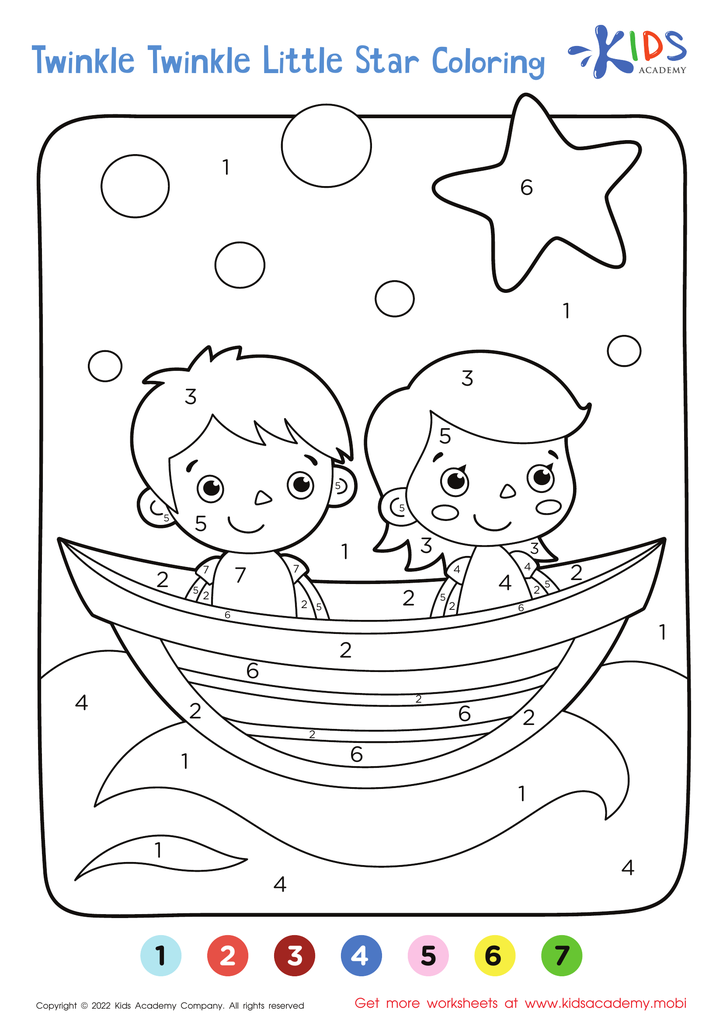
Twinkle, Twinkle, Little Star – Coloring by Numbers
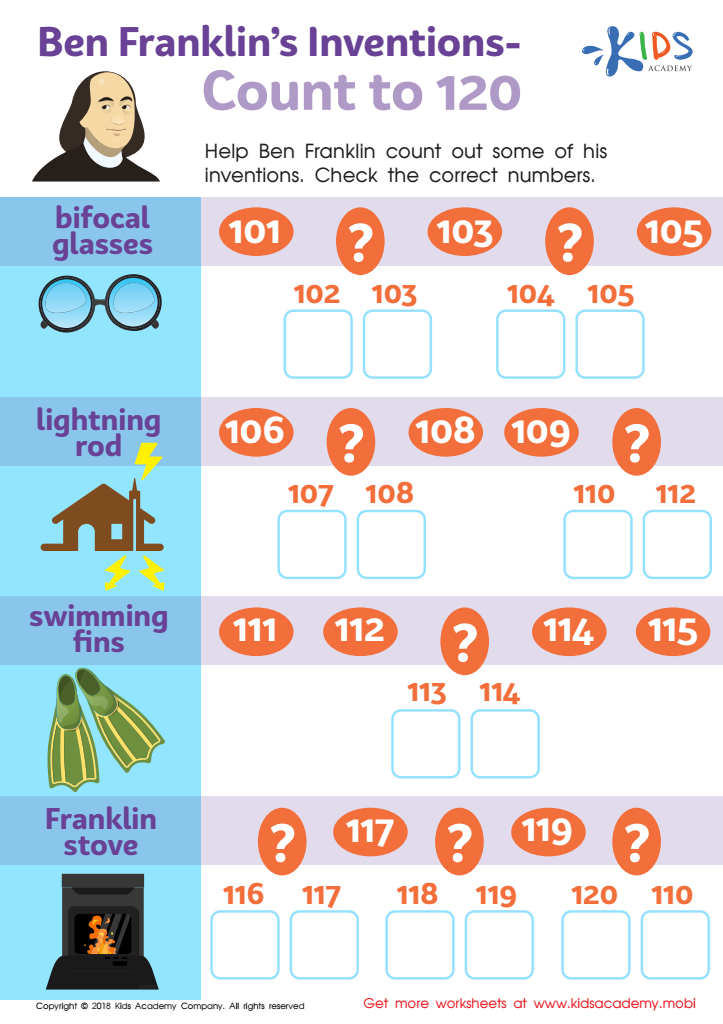
Ben Franklin’s Inventions – Count to 120 Worksheet
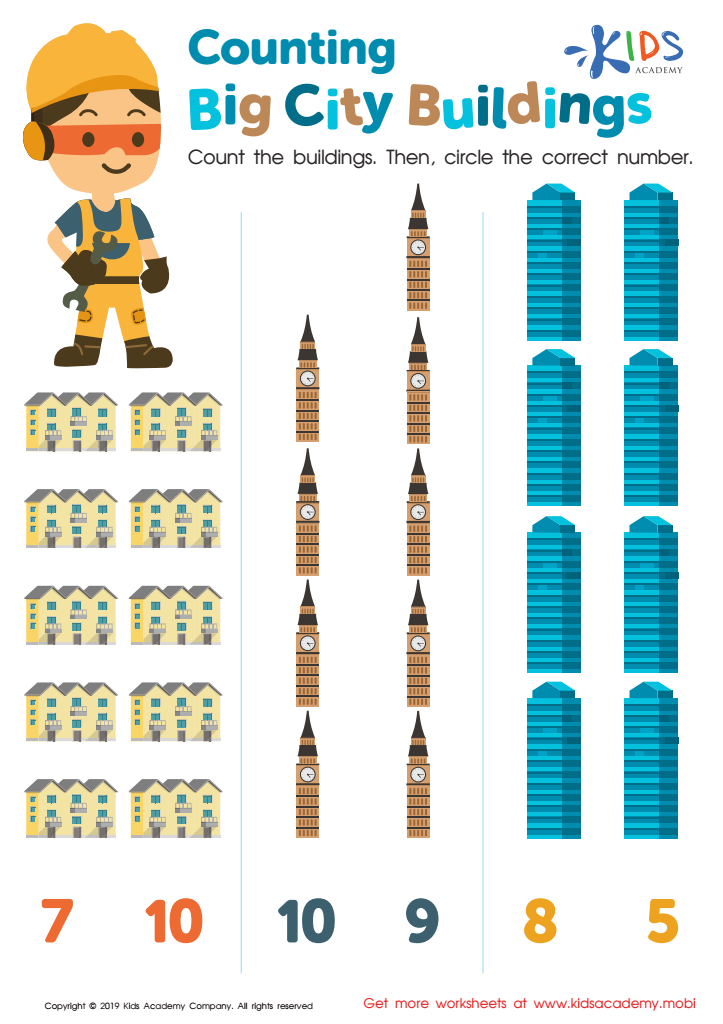
Counting Big City Buildings Worksheet
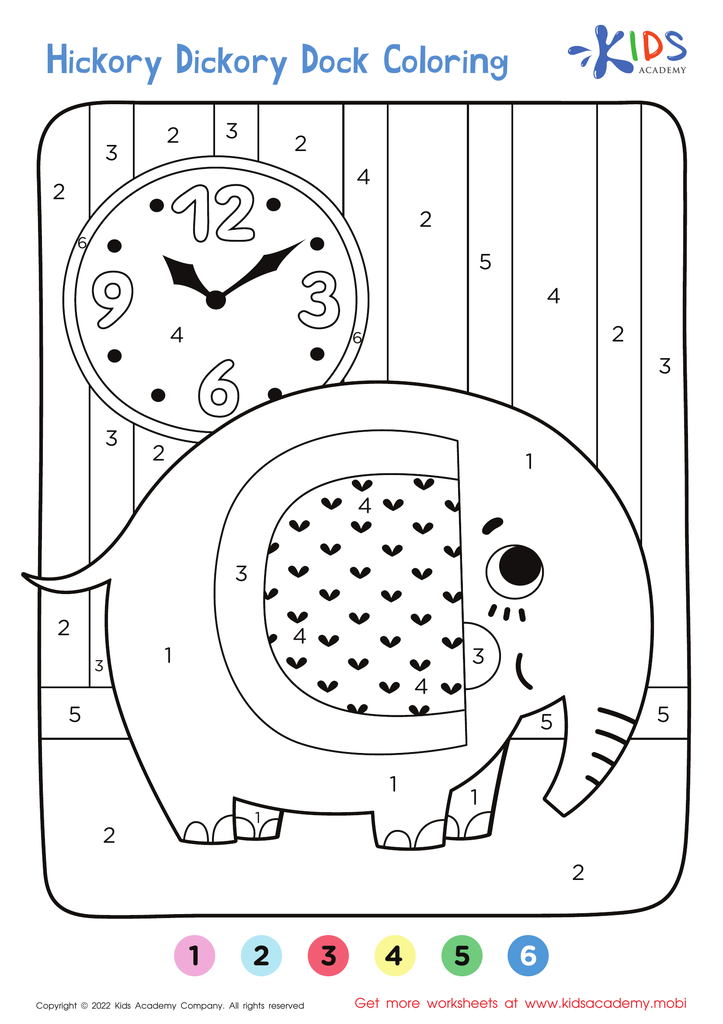
Hickory Dickory Dock – Coloring by Numbers
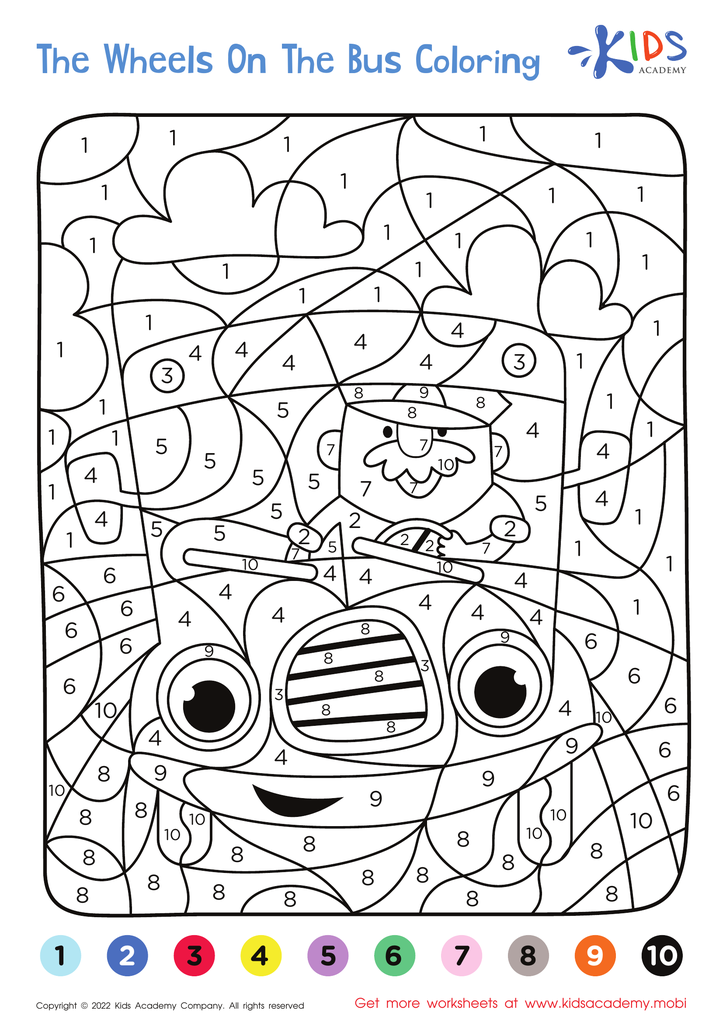
Wheels on the Bus – Coloring by Numbers
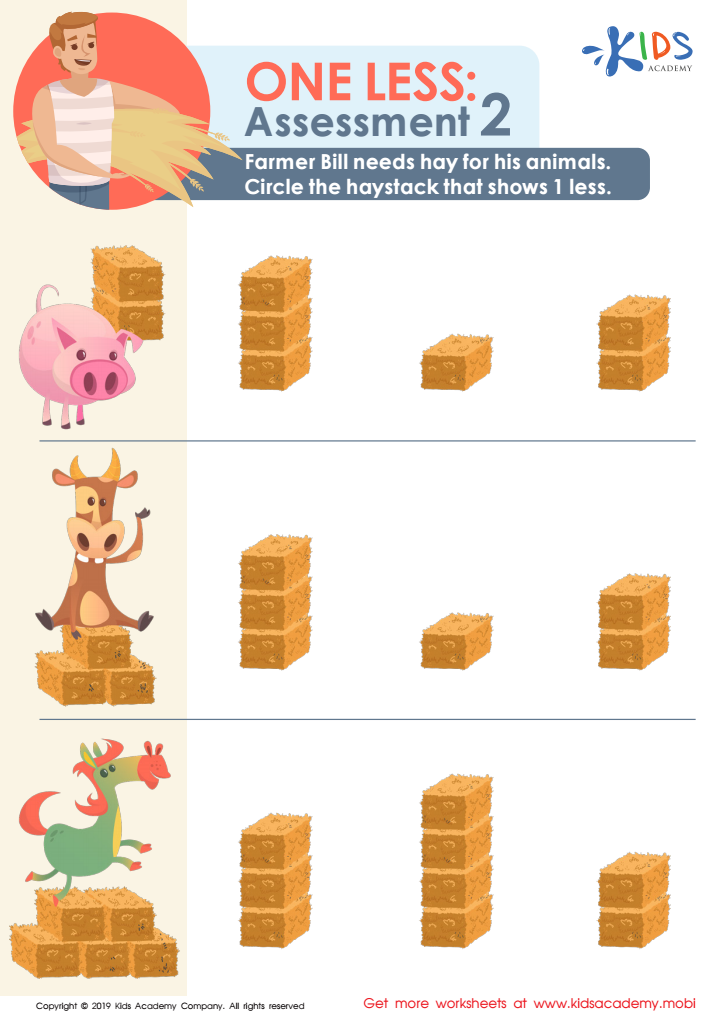
One Less: Assessment 2 Worksheet
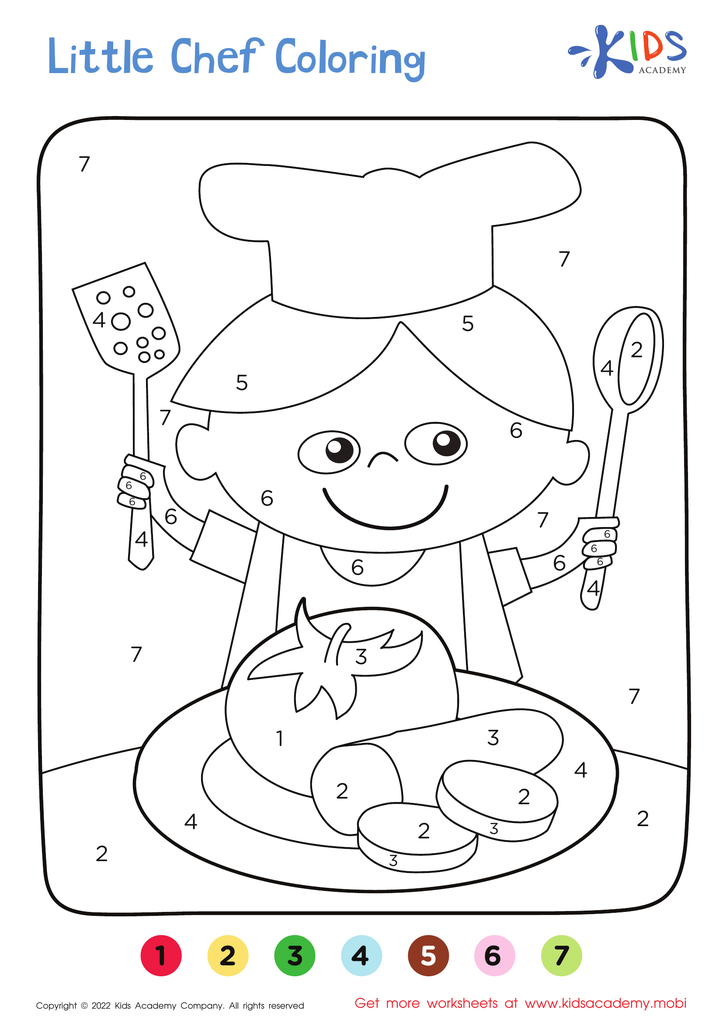
Little Chef – Coloring by Numbers

Night Sky Numbers Worksheet
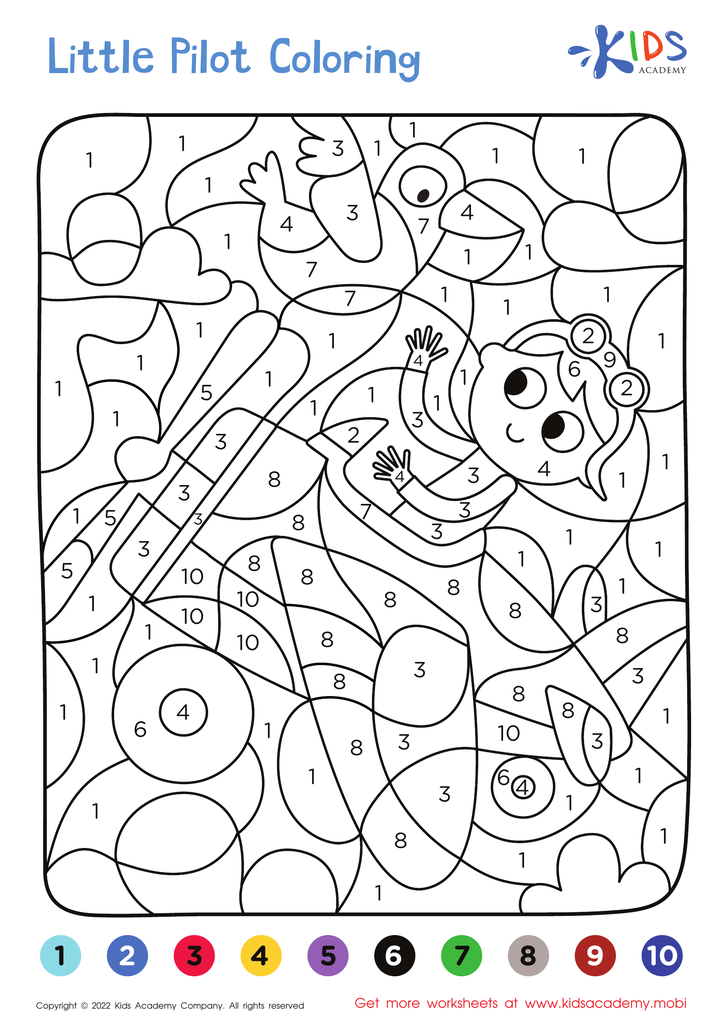
Little Pilot – Coloring by Numbers
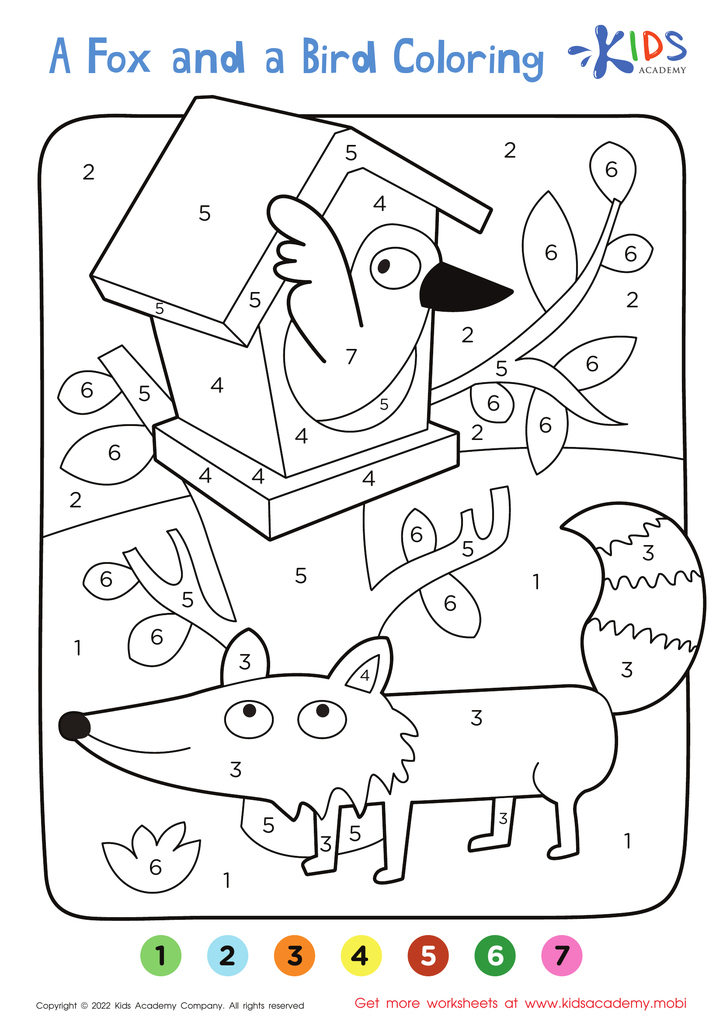
A Fox and a Bird – Coloring by Numbers
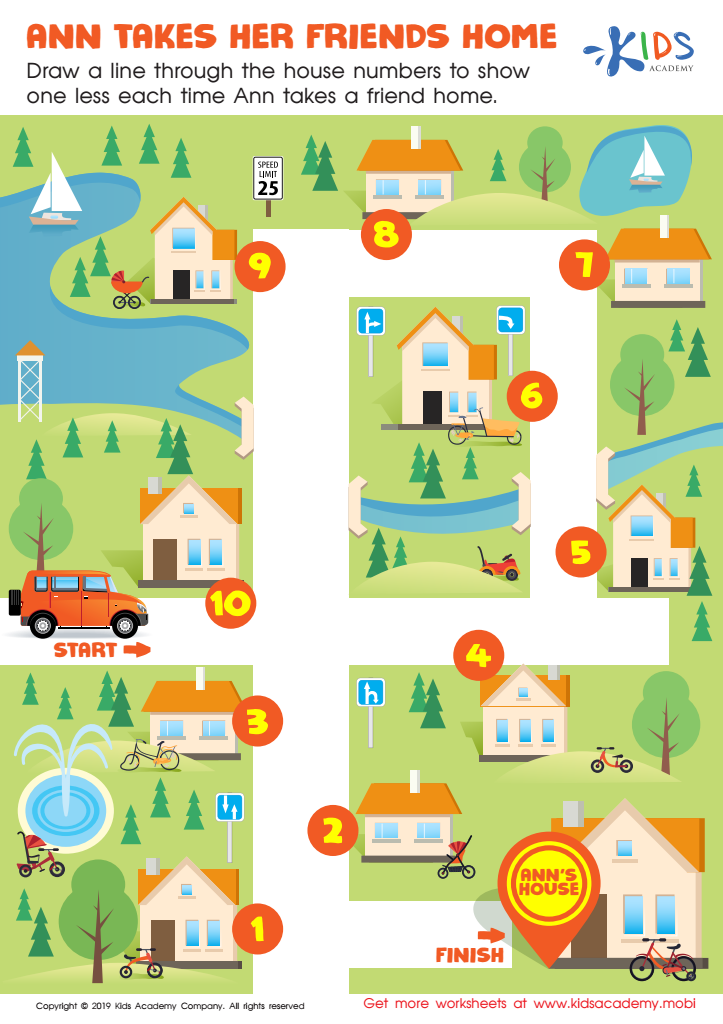
Ann Takes her Friends Home Worksheet
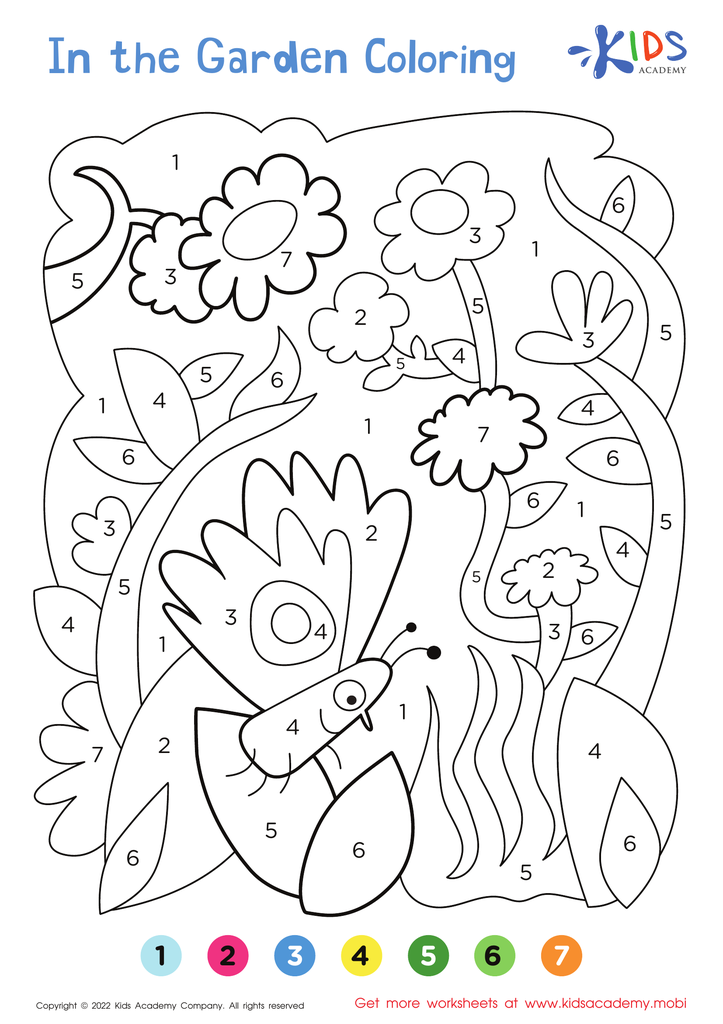
In the Garden – Coloring by Numbers
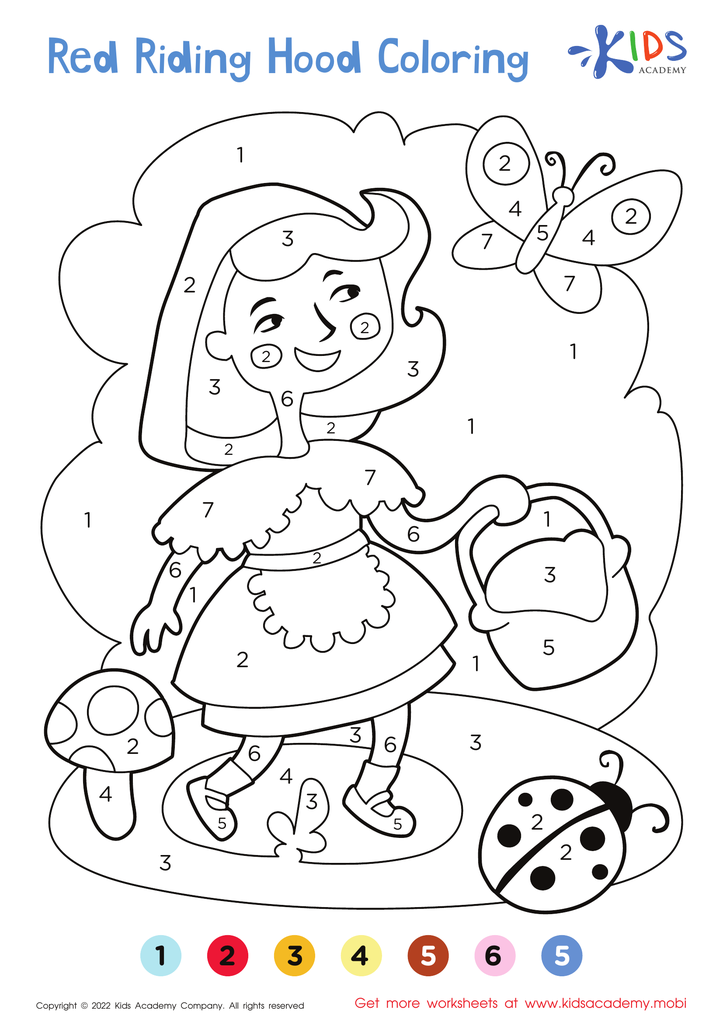
Little Red Riding Hood – Coloring by Numbers








Parents and teachers should pay close attention to the understanding of numbers in children ages 3-7, as this is a crucial developmental stage for forming foundational math skills. Early number awareness enhances cognitive development and promotes critical thinking. At this age, children begin to grasp basic concepts such as size, quantity, and comparison, which are essential for building future mathematical knowledge.
Engaging with numbers promotes not just academic success but also everyday life skills—such as counting objects, understanding time, and managing money. The ability to discern numbers helps children develop spatial awareness, problem-solving abilities, and logical reasoning. Additionally, when parents and teachers actively encourage number play through games, storytelling, and hands-on activities, it cultivates a positive attitude towards math, reducing anxiety and fostering a sense of curiosity.
Incorporating numbers into daily routines—like counting snacks or measuring ingredients—creates a rich learning environment and shows children the relevance of numbers in the world around them. Supporting early math education nurtures confident learners, paving the way for future academic achievement and lifelong skills in numeracy, which are essential in an increasingly data-driven society. Thus, fostering an understanding of numbers is vital for a child's holistic development.








