
Fine Motor Skills Math Worksheets for Ages 3-7
199 filtered results
Difficulty Level
Grade
Age
-
From - To
Subject
Activity
Standards
Unlock your child’s potential with our Fine Motor Skills Math Worksheets designed for ages 3-7. These engaging sheets blend fundamental math concepts with activities that enhance dexterity and hand-eye coordination. Perfect for little hands, our age-appropriate tasks foster critical learning skills while keeping young learners entertained. Build a solid foundation in math and fine motor development simultaneously with Kids Academy's resources, ensuring your child’s growth is both educational and enjoyable. Explore our free, printable worksheets today and watch your child’s confidence soar as they conquer new challenges effortlessly.rukent sql
Favorites
With answer key
Interactive
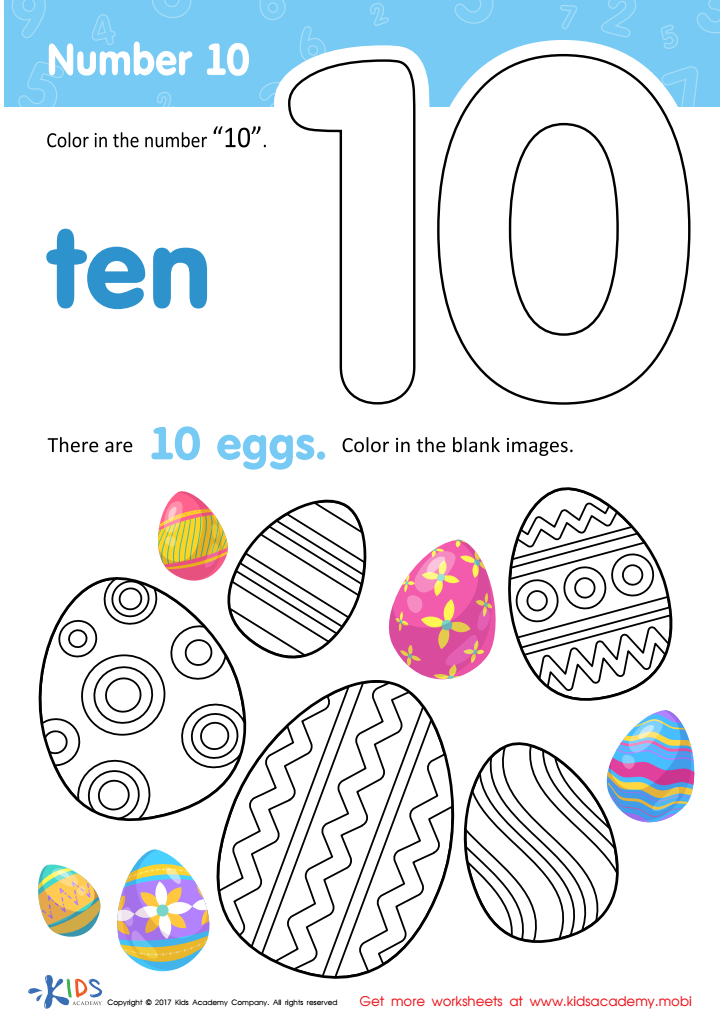
Number 10 Printable
Easter eggs are a great way to combine creativity and learning! Help your child explore the number 10 with our fun coloring page. The intricate designs will spark their imagination and fuel their artistic side, while they practice important numeracy basics. Get creative with eggs and enjoy the fun, no matter the time of year!
Download (PDF)
 Assign to My Students
Assign to My Students
Number 10 Printable
Worksheet
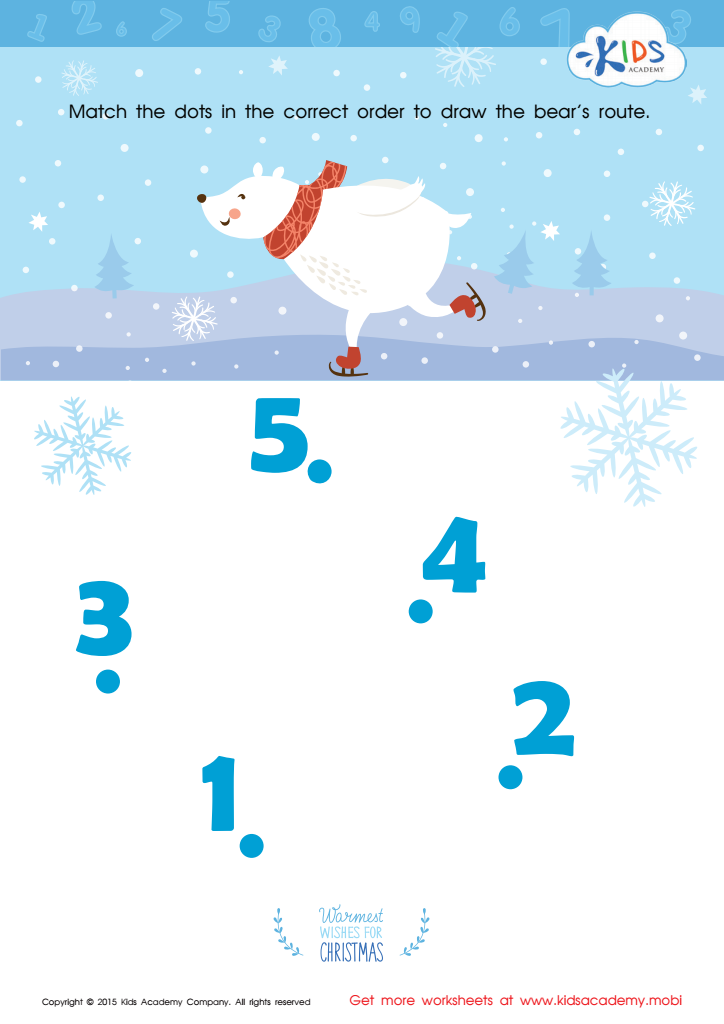
Drawing the Bear's Route by Number Worksheet
This winter-themed math worksheet is perfect for counting practice. Have fun learning and celebrating the season with your kindergartener as they trace and recognize numbers. It also helps develop fine motor muscles. For more fun, check out the math worksheets on Kids Academy.
Drawing the Bear's Route by Number Worksheet
Worksheet
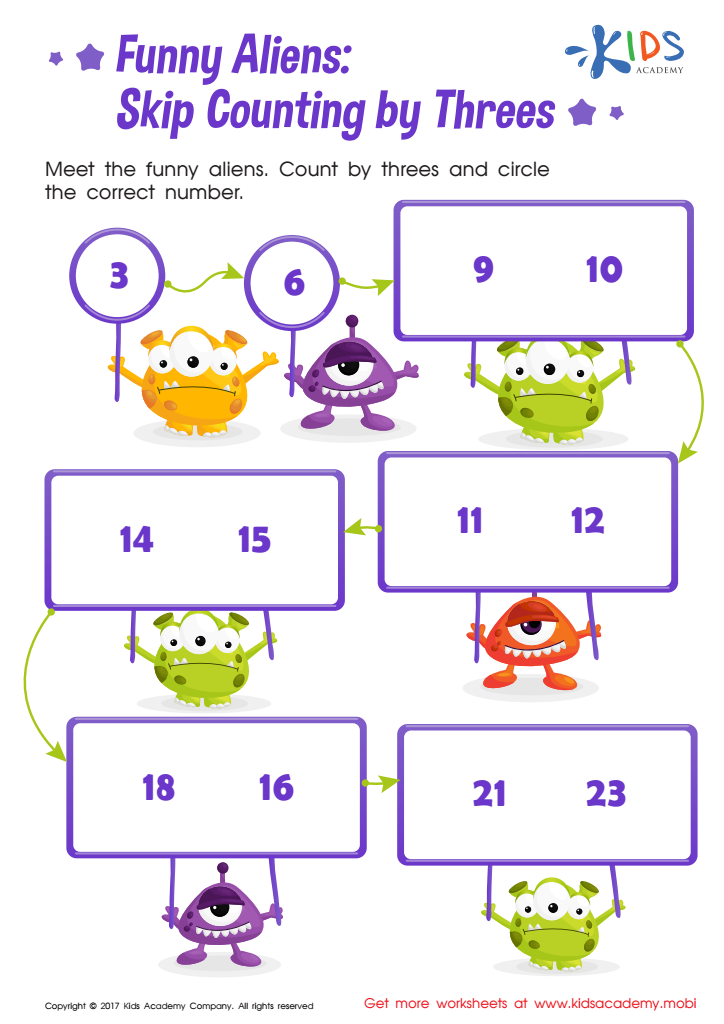
Skip Counting by 3s: Funny Aliens Printable
Blast off to outer space learning fun with this skip counting by 3 worksheet!
Skip Counting by 3s: Funny Aliens Printable
Worksheet
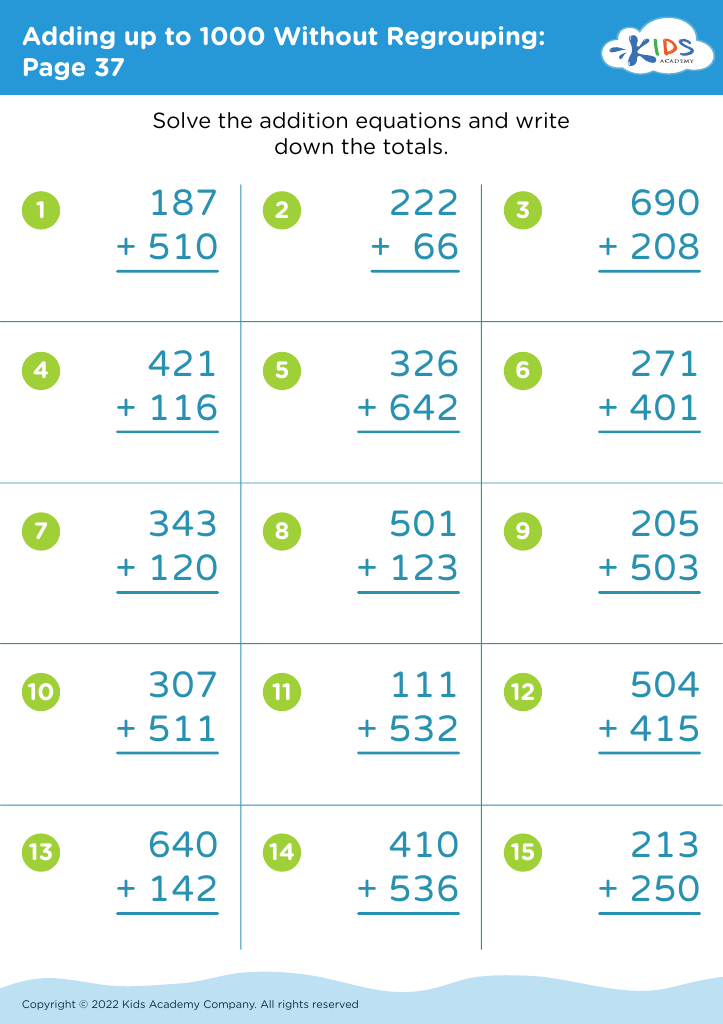
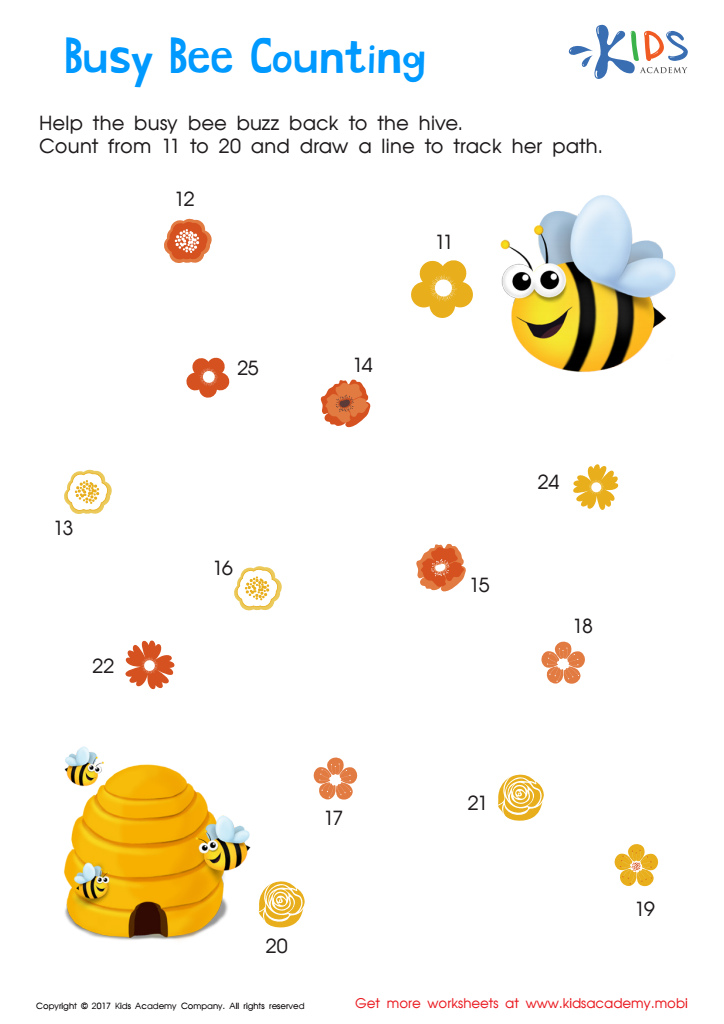
Ordering 11–20: Busy Bee Counting Worksheet
Help your child master counting from 11 to 20 with our connect the dot counting worksheet. Kids will have fun counting, drawing and problem-solving with this vibrant worksheet. With clear directions, adorable pictures and a sense of purpose, your child will develop crucial numeracy skills without even knowing it!
Ordering 11–20: Busy Bee Counting Worksheet
Worksheet
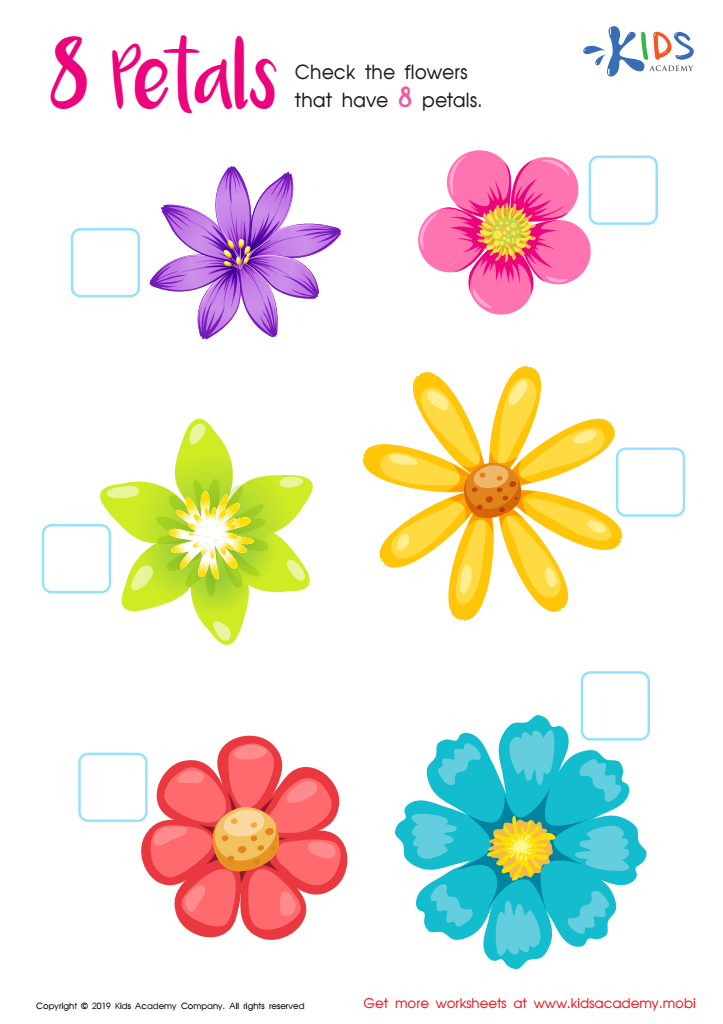
8 Petals Worksheet
Help your children master counting with this fun worksheet. It's filled with colorful flowers and they must count the petals and check the flowers with 8 petals. It's a great way to practice their counting skills and have some fun too!
8 Petals Worksheet
Worksheet
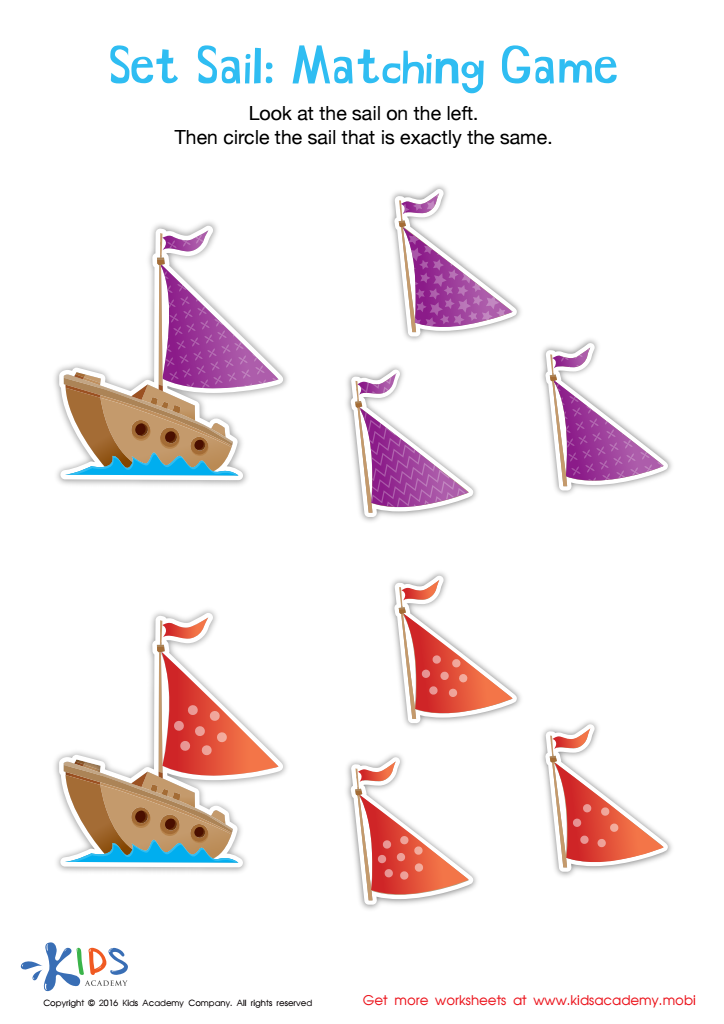
Set Sail Worksheet
Set sail with this fun matching game for toddlers! Kids will love finding the same pattern on the sails, improving their problem-solving and counting skills. Enjoy this bright and engaging worksheet!
Set Sail Worksheet
Worksheet
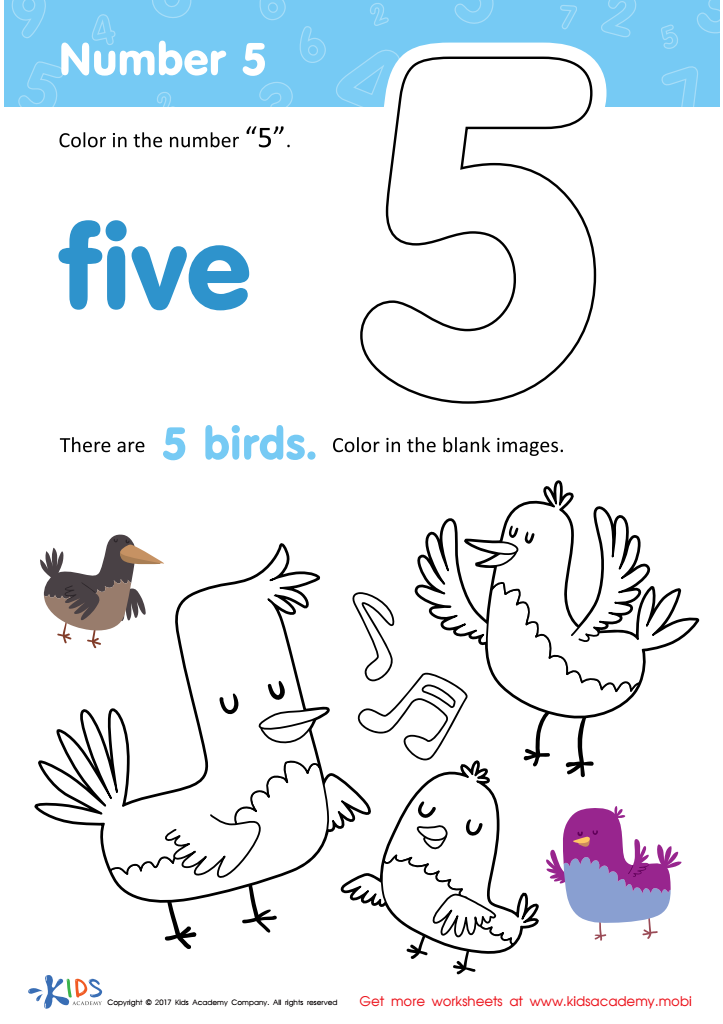
Number 5 Printable
Let your child have fun with this number 5 coloring page! They'll adore coloring the birds and music notes, while learning to recognize the number 5. Enjoy listening to the birds sing their beautiful songs!
Download (PDF)
Assign to My Students
Assign to My Students
Number 5 Printable
Worksheet
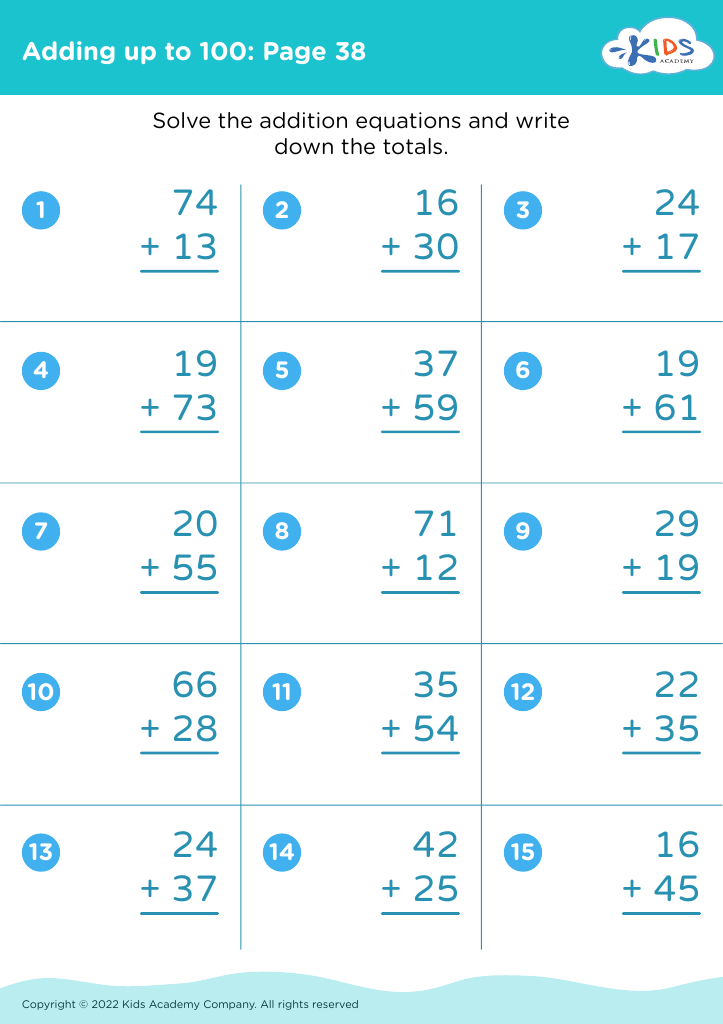
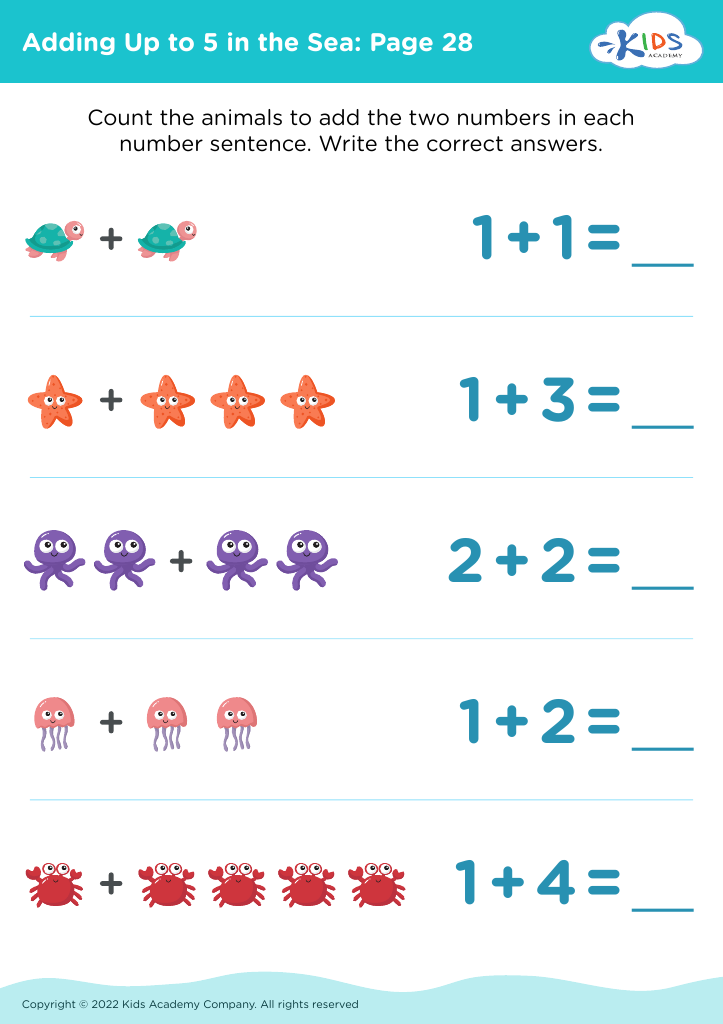
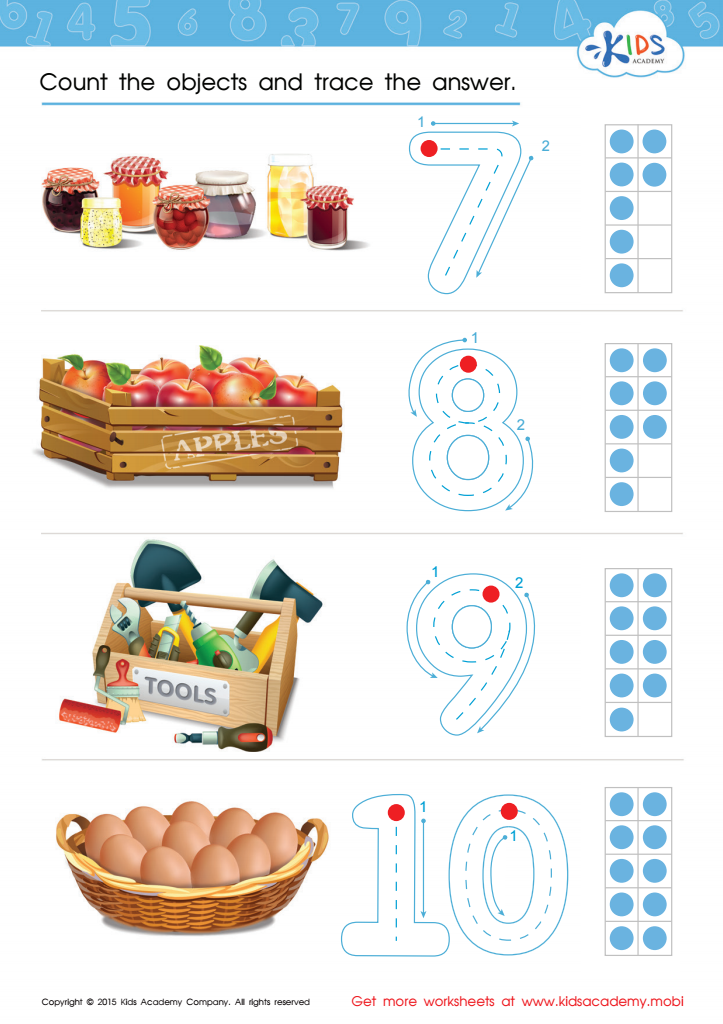
Count and Trace 7 – 10 Worksheet
Let your child develop a lifelong love of math with Kids Academy's printable math worksheet based on the innovative Singapore Math method. It uses funny pictures and graphs to help solve math problems. Check out our amazing collection of free printable math worksheets now!
Count and Trace 7 – 10 Worksheet
Worksheet
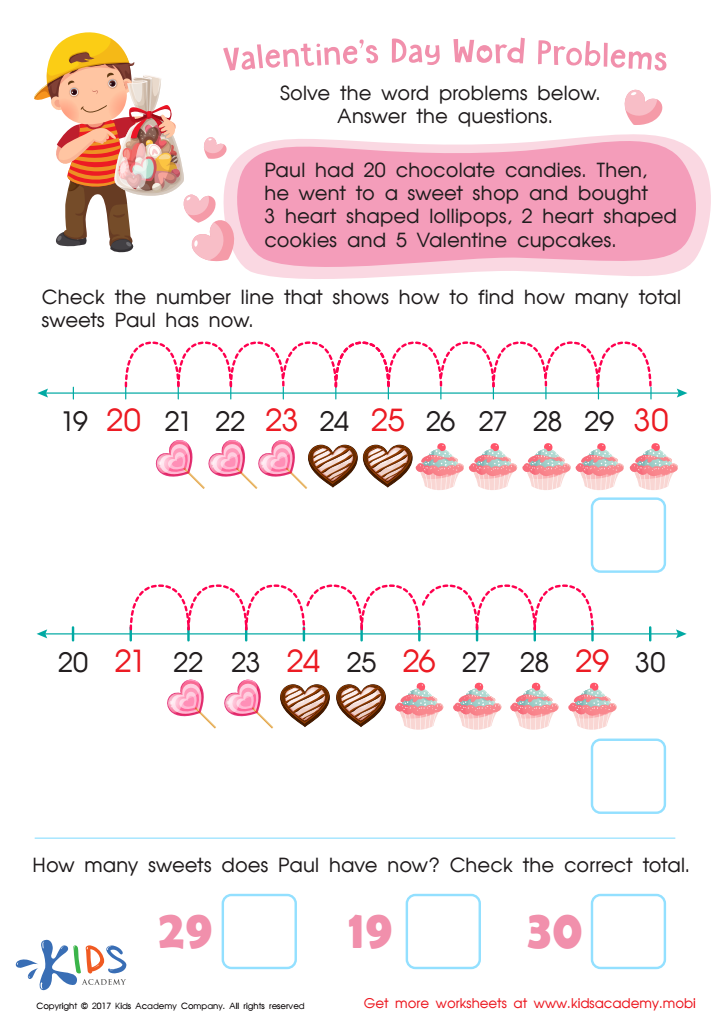
Valentines Day 2 Printable
This PDF worksheet uses a number line to help solve the problems. Your child will be ready for Valentine's Day after completing it. Counting and adding from 20 is also reinforced.
Valentines Day 2 Printable
Worksheet
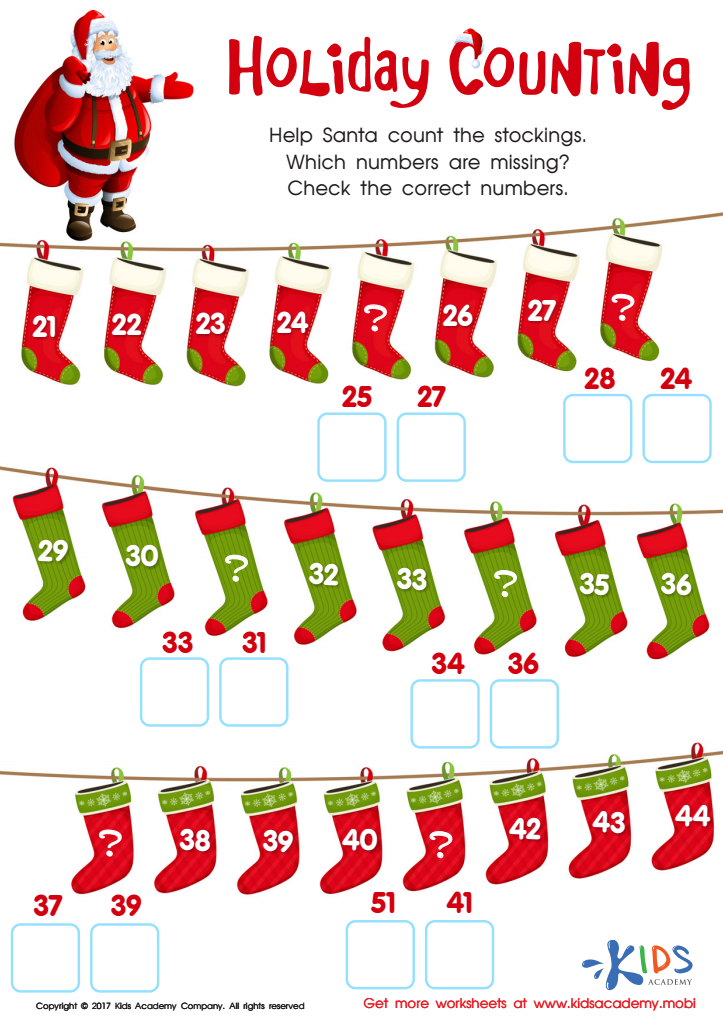
Holiday Counting Worksheet
Let's spread some holiday cheer! Santa needs help counting stockings hung up for gifts - can your little one lend a hand? Find the missing numbers on the worksheet and have them check the boxes for the correct answers. Time to get counting!
Holiday Counting Worksheet
Worksheet
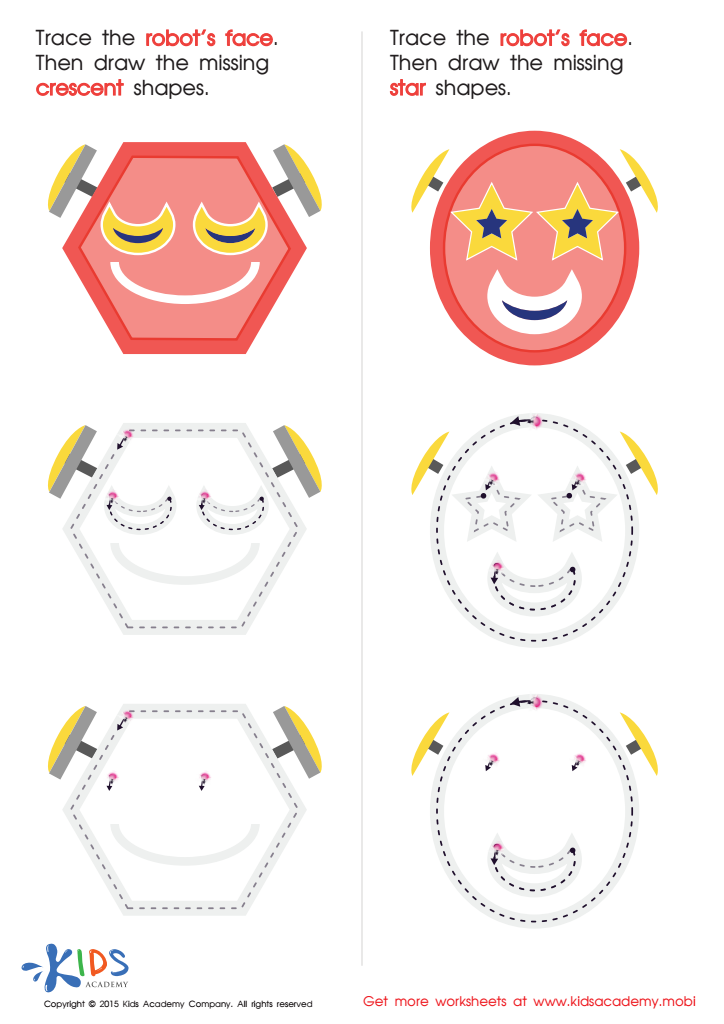
Composing a Robot's Face of Crescents And Stars Worksheet
Get free math geometry worksheets at Kids Academy! Help your child learn by practicing together - trace the robot's face and draw the missing crescent and star shapes. Be sure to remember their names! Have fun and learn with shapes for kids.
Composing a Robot's Face of Crescents And Stars Worksheet
Worksheet
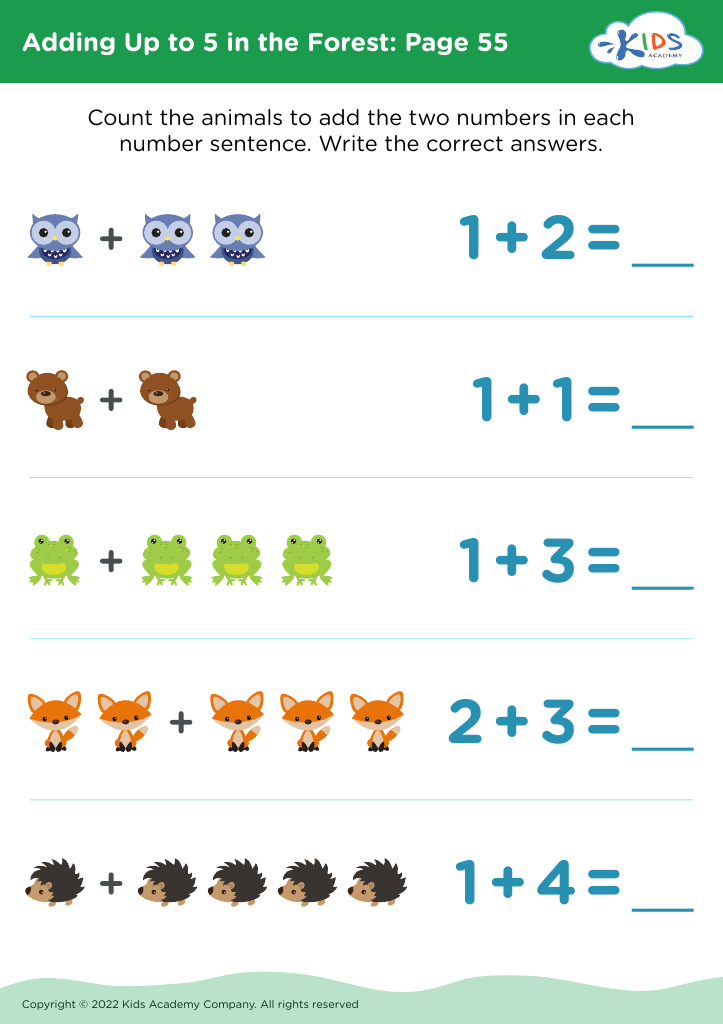
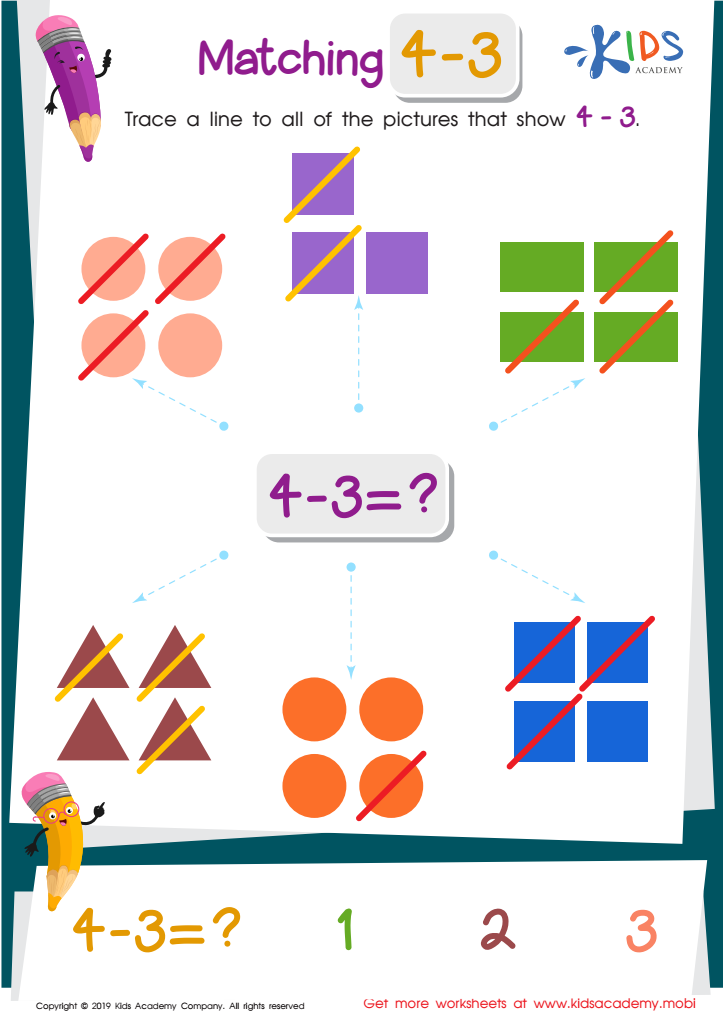
Matching 4 – 3 Worksheet
Help your kids master basic math concepts like addition and subtraction with fun exercises. Test their understanding with simple problems. For example, in this worksheet, ask them to count the objects in each picture and draw a line to the pictures that show 4 - 3 = 1. This will help them get better at solving equations.
Matching 4 – 3 Worksheet
Worksheet
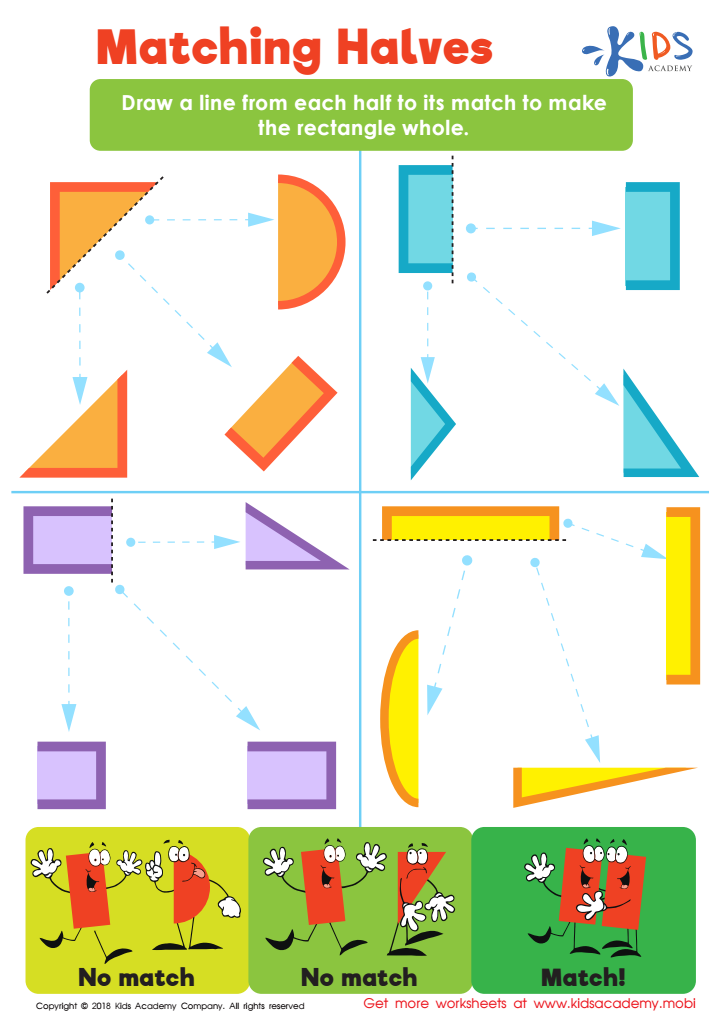
Matching Halves Worksheet
See how your child fares in matching two halves to form a complete rectangle. Provide them with four options, and ask them to draw a line connecting the two correct halves. Put their shape knowledge to the test with this simple worksheet!
Matching Halves Worksheet
Worksheet
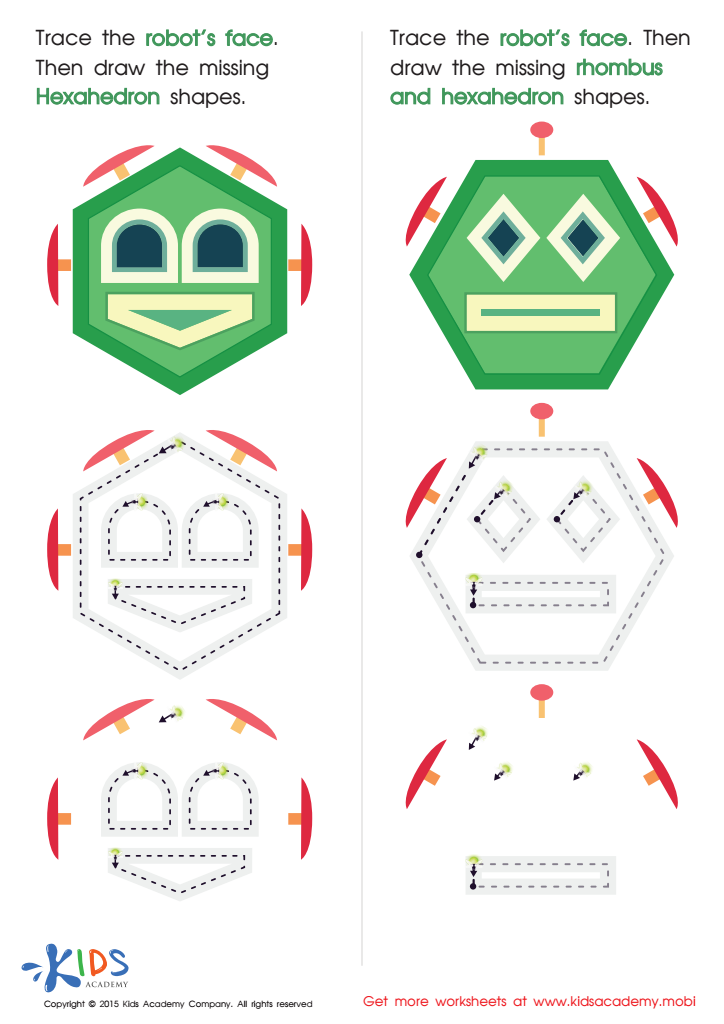
Practice Drawing Hexahedrons And a Rhombus Worksheet
Trace the Robot's face, draw hexahedron and rhombus shapes, then trace again. Our tracing shapes worksheets make it easy for kids to learn geometry. Get more materials from Kids Academy to practice all the shapes.
Practice Drawing Hexahedrons And a Rhombus Worksheet
Worksheet
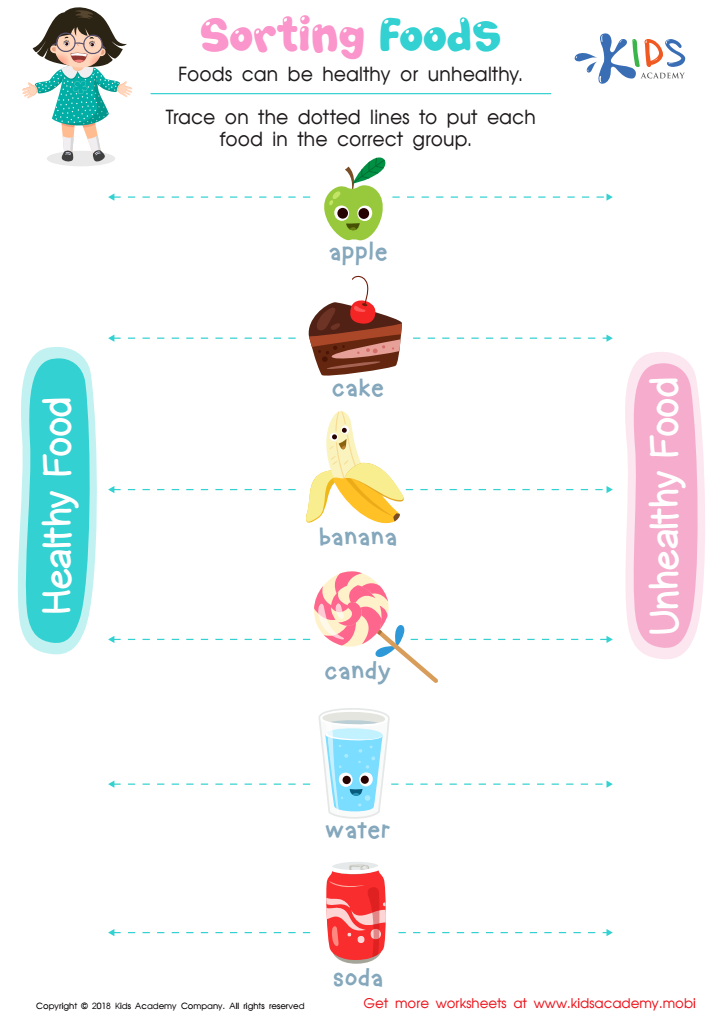
Sorting Food Worksheet
This delightful worksheet boosts critical thinking and fine motor skills. Kids use prior knowledge and pictures to sort foods into healthy and unhealthy groups. Tracing lines support accurate sorting and matching. Enjoy fun and free learning!
Sorting Food Worksheet
Worksheet
Join Kids Academy for Free
Who is primarily going to use this learning content?


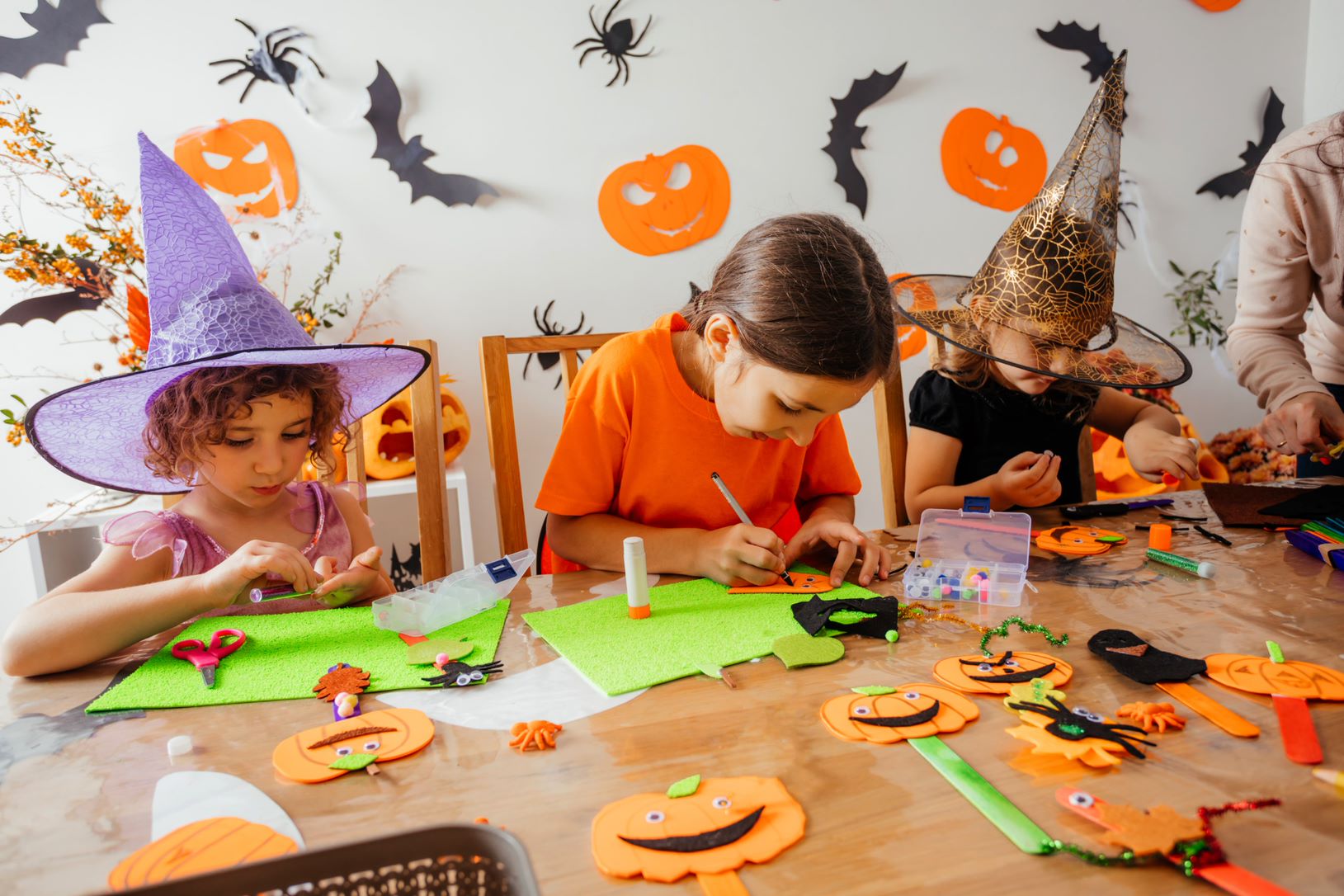



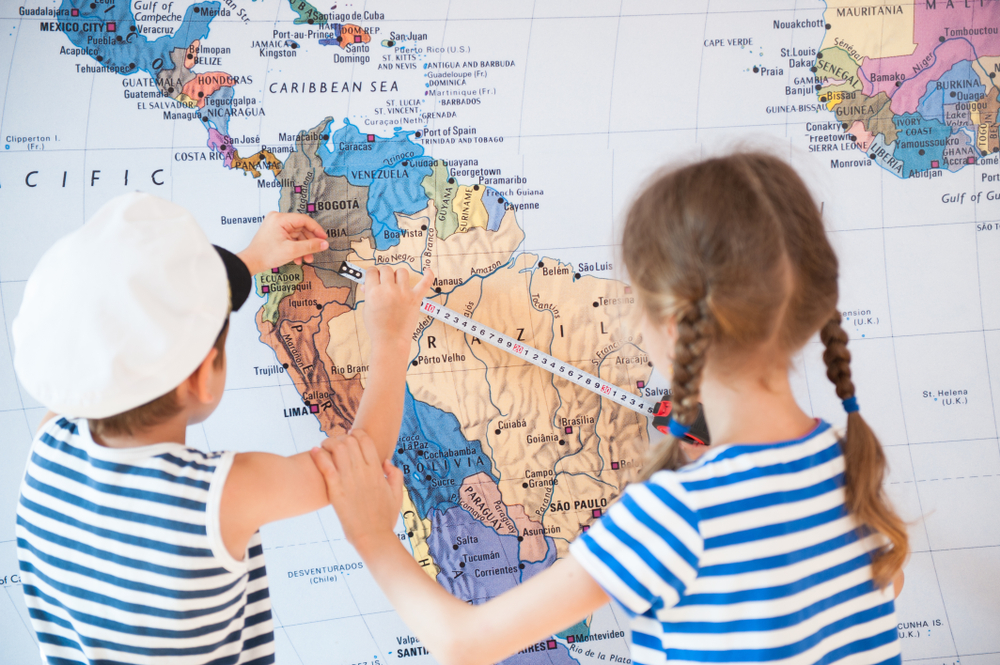

Fine motor skills, which involve the coordination of small muscles in the hands and fingers, play a crucial role in early childhood development and learning, particularly in math for children aged 3-7. These skills are foundational for various tasks such as writing, cutting with scissors, and manipulating objects, all of which are integral to engaging in math activities and learning.
When children engage in fine motor skill activities such as sorting objects, stringing beads, or using pinchers, they are honing their ability to manage simple tools and develop hand-eye coordination. These actions are directly connected to their ability to grasp mathematical concepts. For example, the act of picking up small items can help with understanding counting and quantities, while activities like fitting shapes into appropriate spots facilitate spatial awareness and geometric understanding.
Furthermore, developing fine motor skills at an early age sets the stage for future academic success. As children learn to control their hand movements, they become more adept at writing numbers, drawing shapes, and filling out workbooks, which are essential components of their educational progress. Additionally, achieving proficiency in these skills builds confidence and independence.
Therefore, both parents and teachers should prioritize fine motor skills development within the math curriculum, as it equips children with crucial tools for lifelong learning and academic achievement. Engaging activities that blend fun with skill-building can make a significant difference in a child's educational journey.








