Counting skills Tracing Numbers Worksheets for Ages 3-7
19 filtered results
-
From - To
Enhance your child's early math skills with our Counting Skills Tracing Numbers Worksheets designed specifically for ages 3-7. Our engaging worksheets provide a fun way for young learners to practice number formation while developing essential counting concepts. Each worksheet features vibrant illustrations and interactive counting exercises that keep children motivated and eager to learn. By tracing numbers, children gain fine motor skills and improve their number recognition while building a strong mathematical foundation. These thoughtfully designed resources make learning enjoyable, supporting both home and classroom environments. Download our worksheets today and watch your child's counting confidence grow!
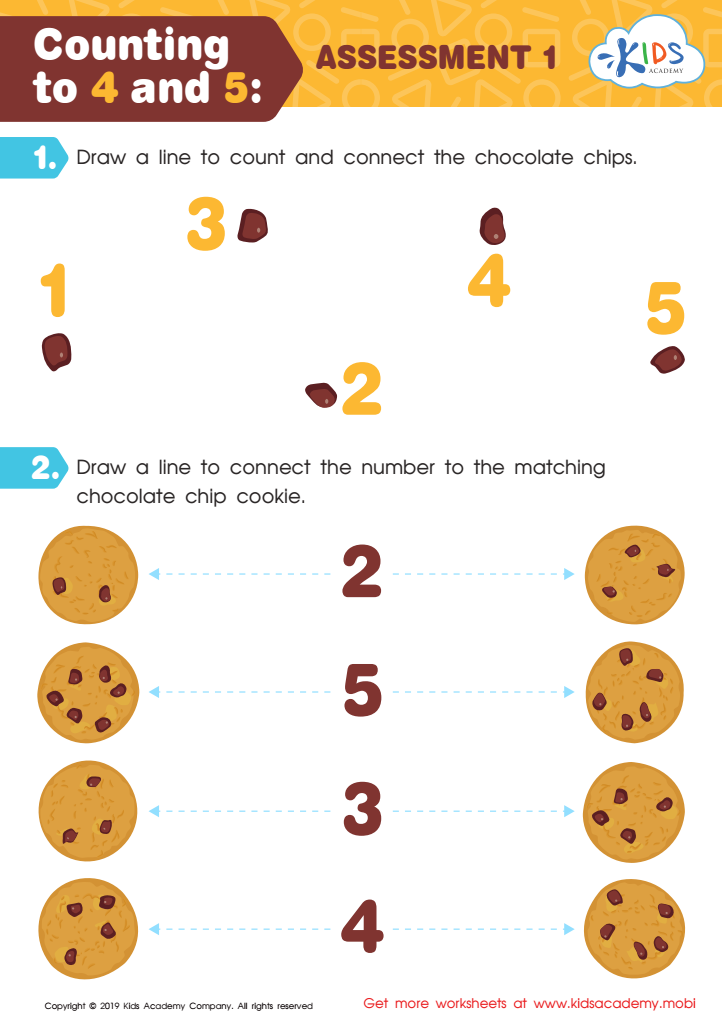
Counting to 4 and 5: Assessment 1 Worksheet
 Assign to My Students
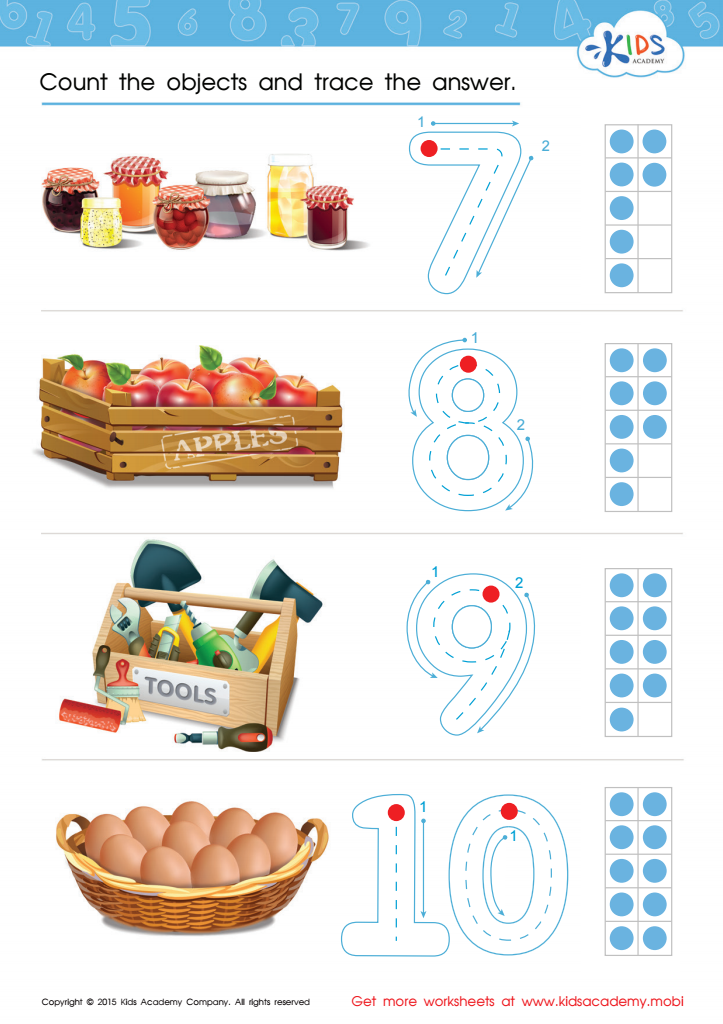
Count and Trace 7 – 10 Worksheet
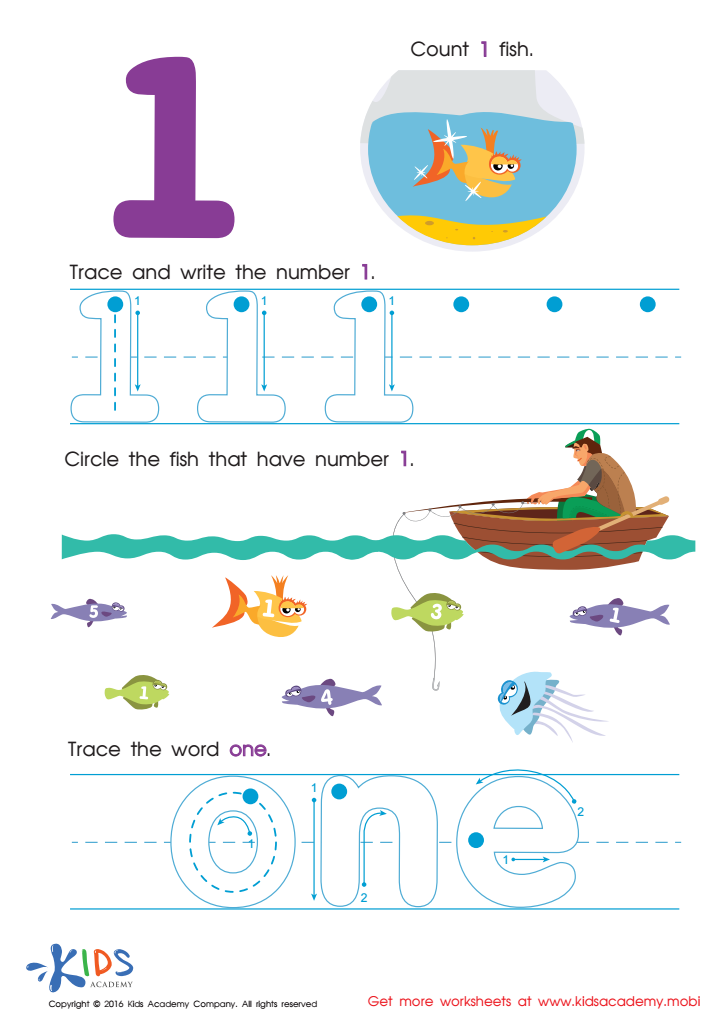
Learning to Write 1 Worksheet
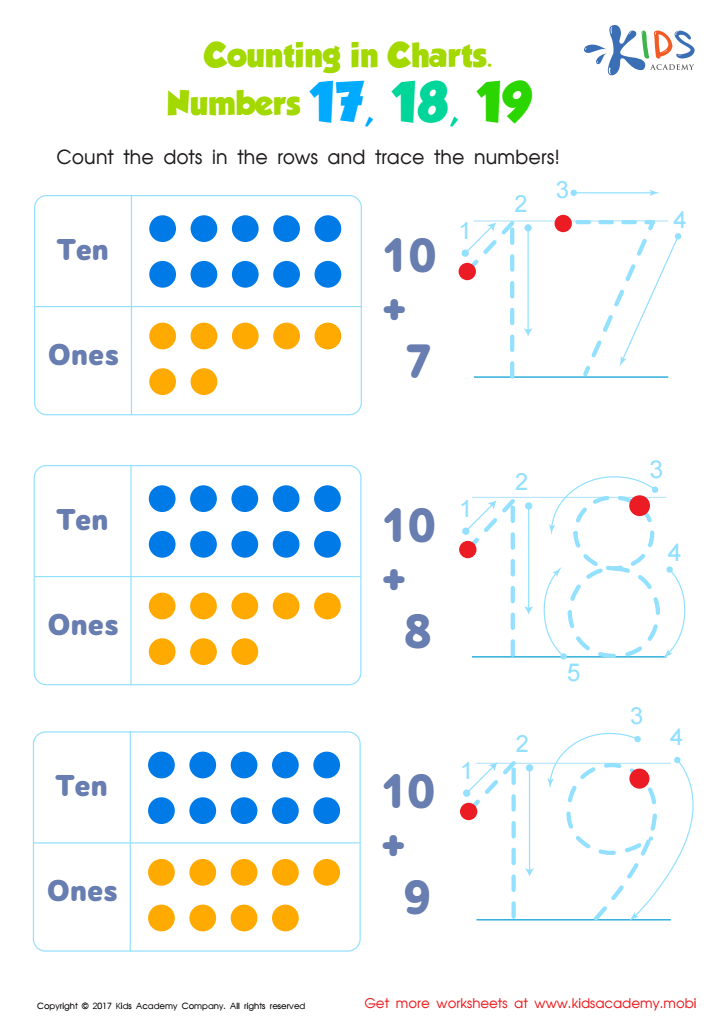
Kindergarten Number Tracing: Counting in Charts Worksheet
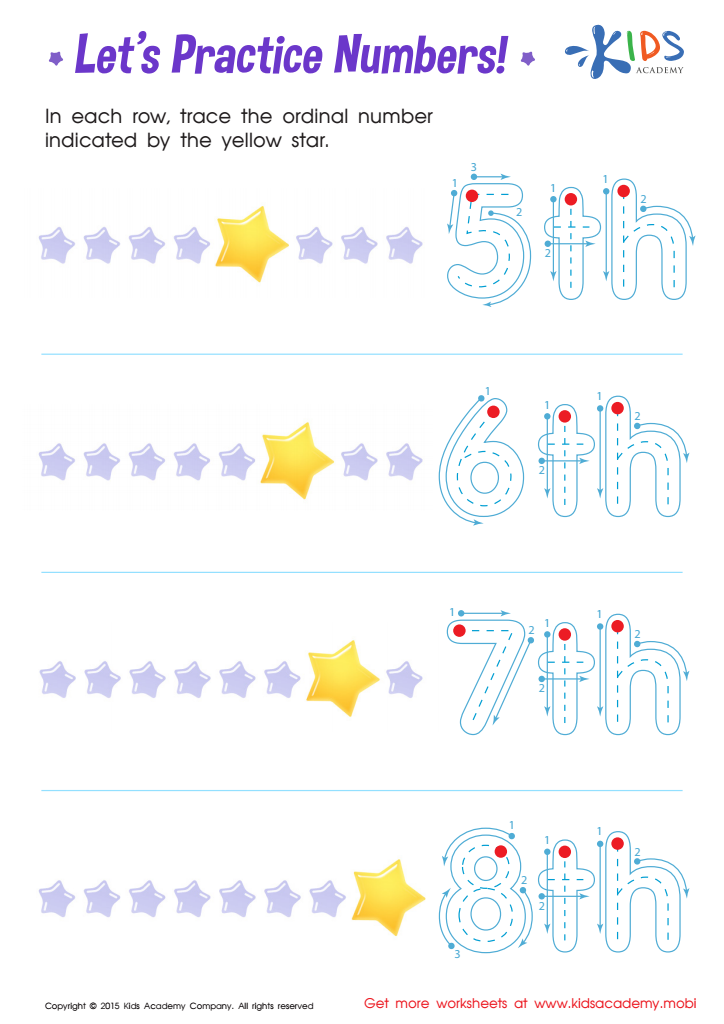
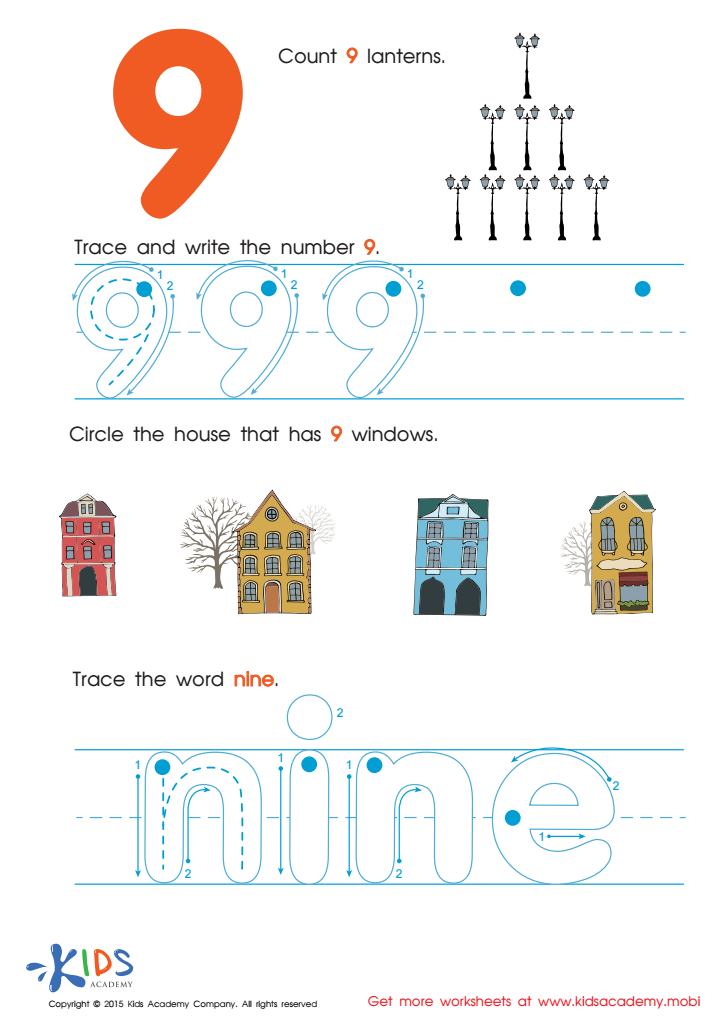
Tracing And Learning to Write Number 9 Worksheet
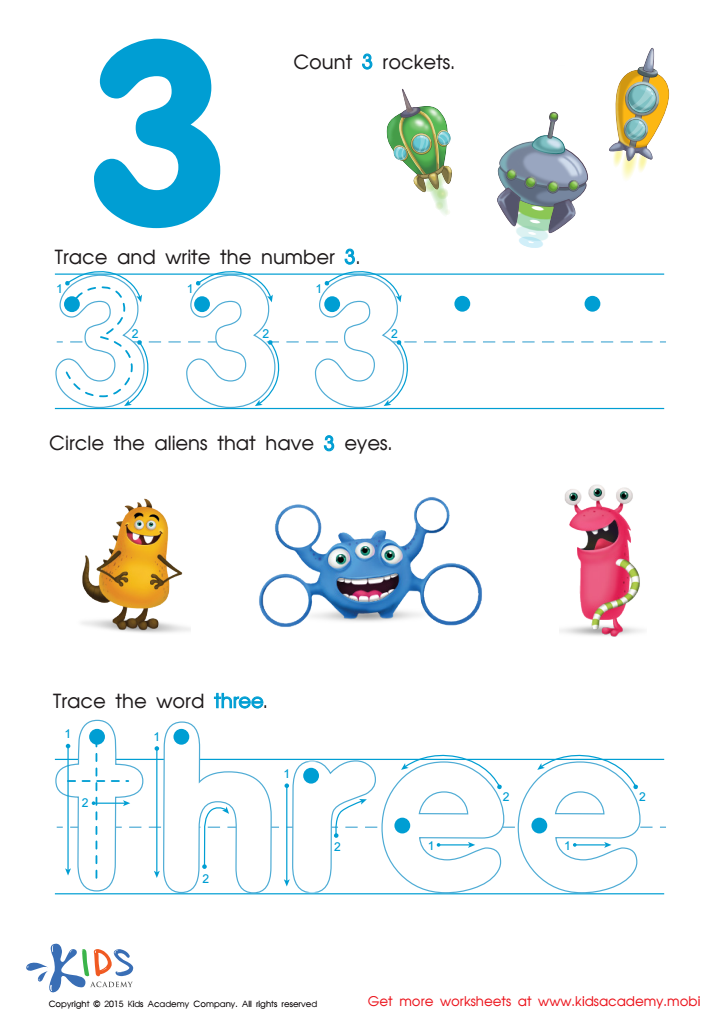
Learning Number Three Worksheet
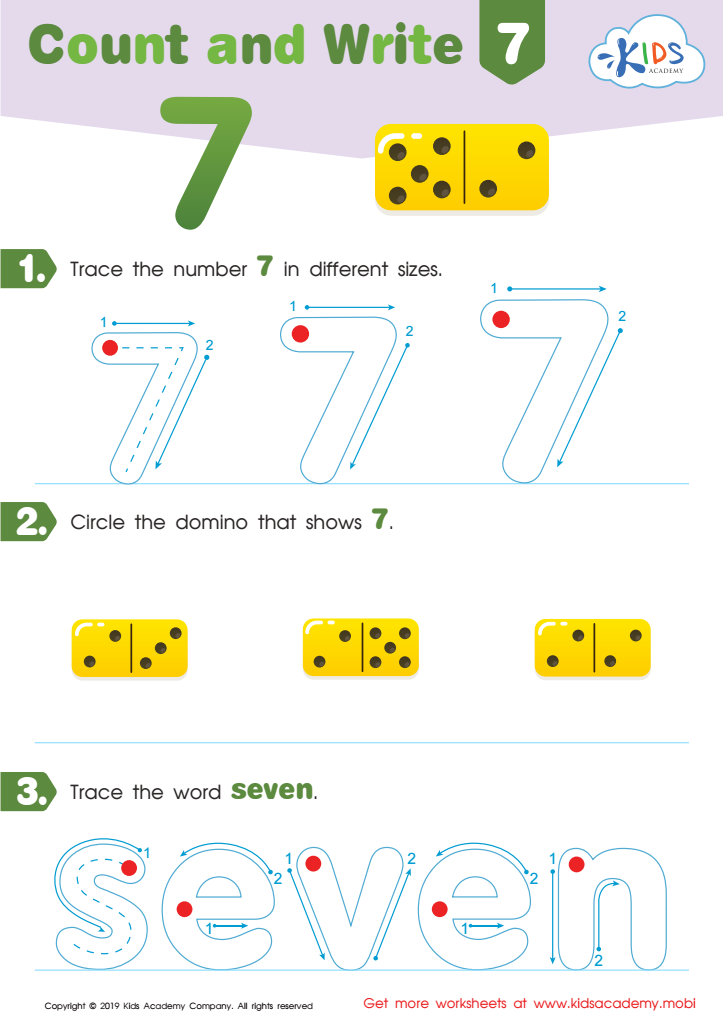
Count and Write 7 Worksheet
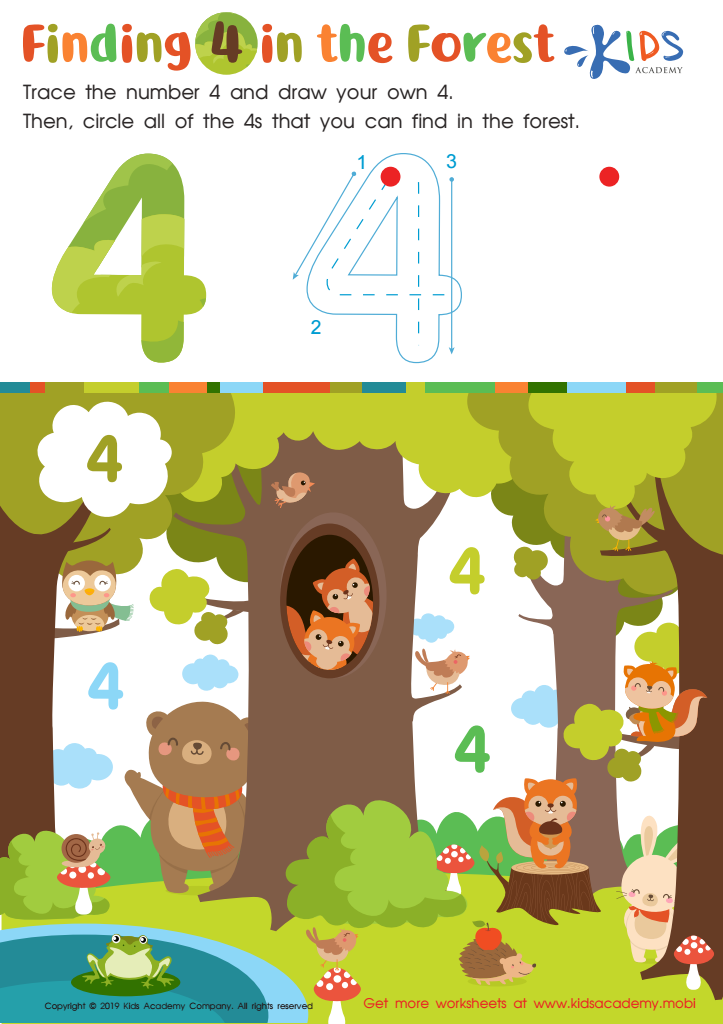
Finding 4 in the Forest Worksheet
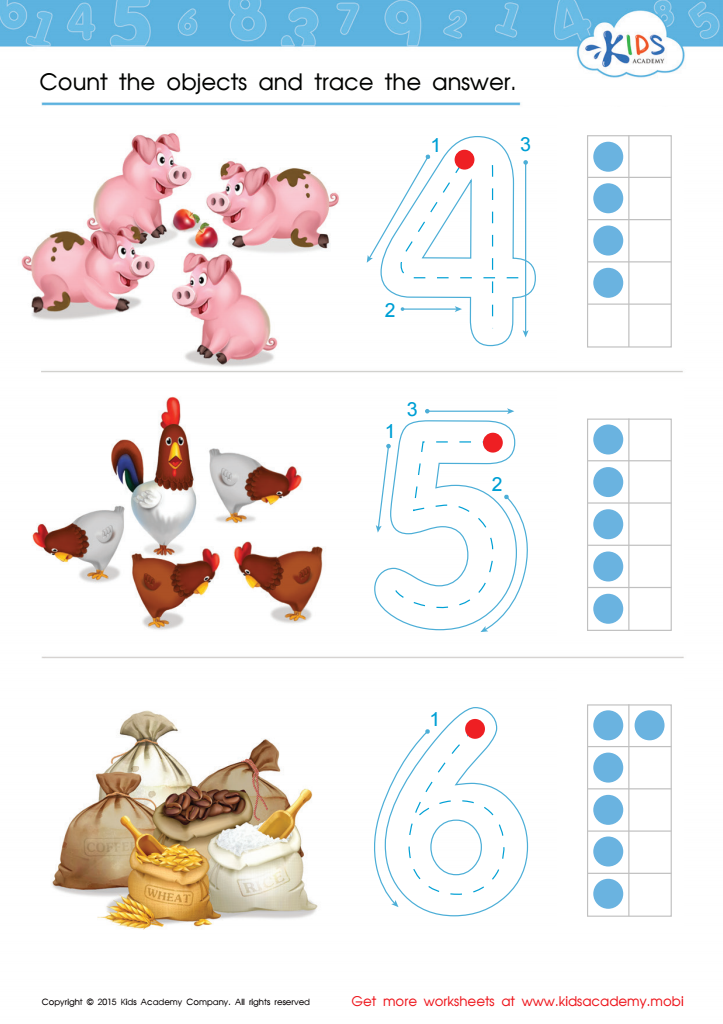
Count and Trace 4 – 6 Worksheet
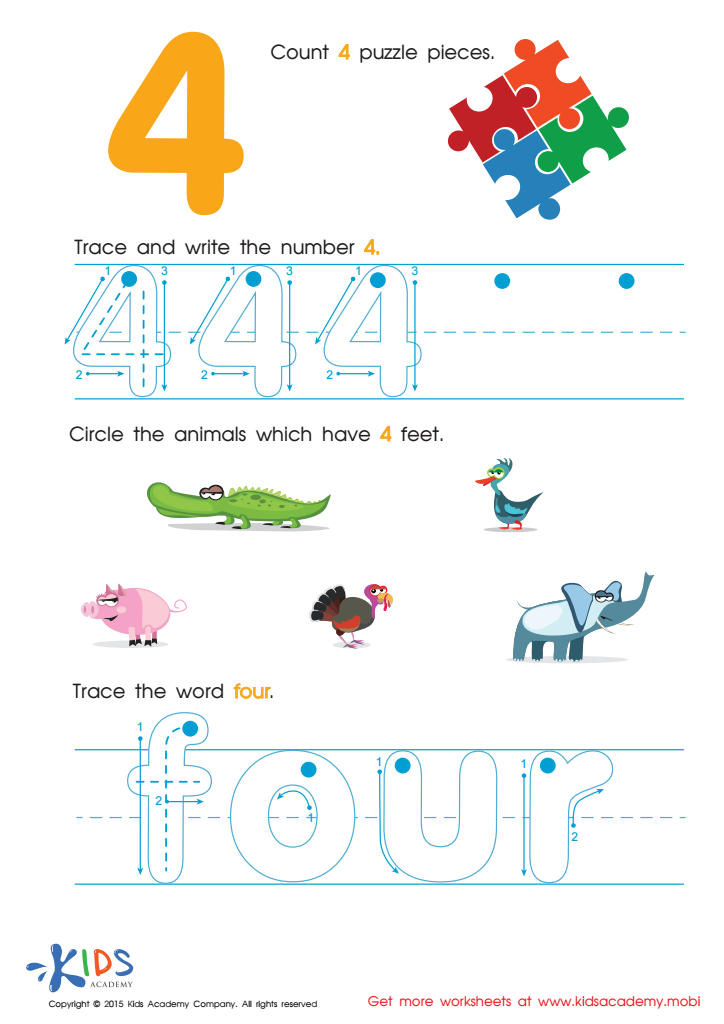
Teaching Children to Write Number 4 Worksheet
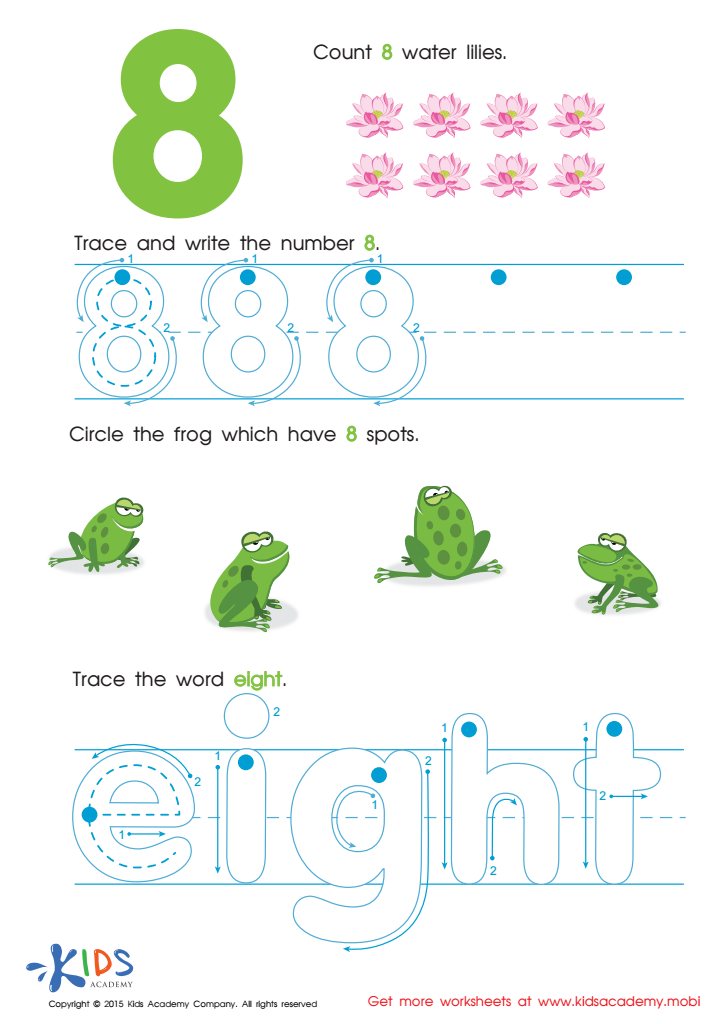
Learn Number 8 Easily Worksheet
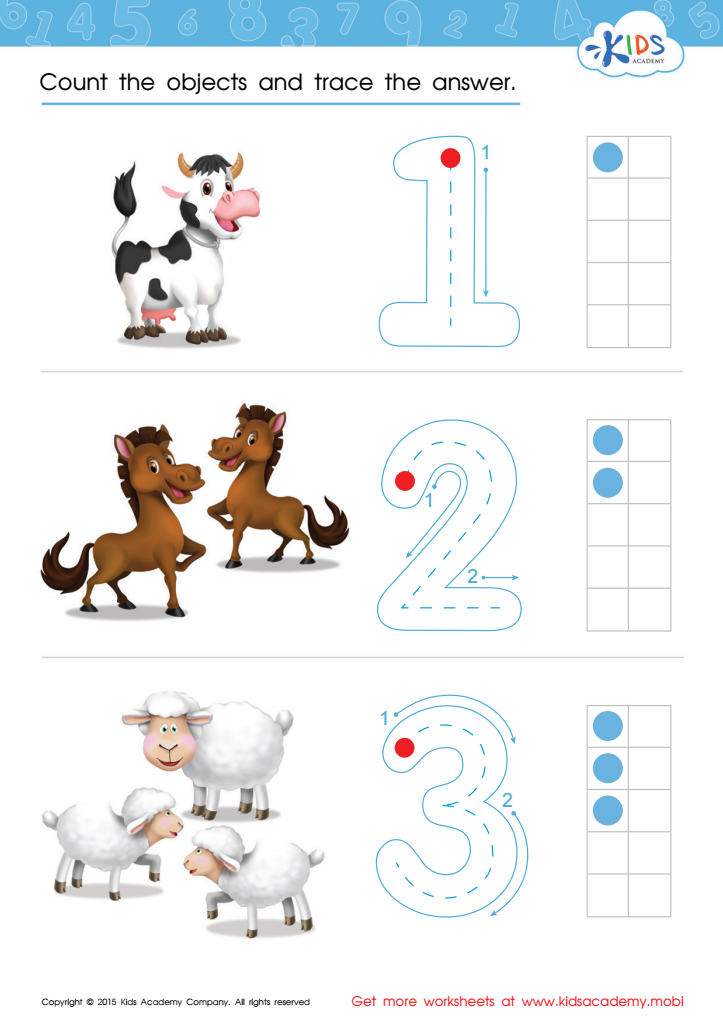
Count and Trace 1 – 3 Worksheet
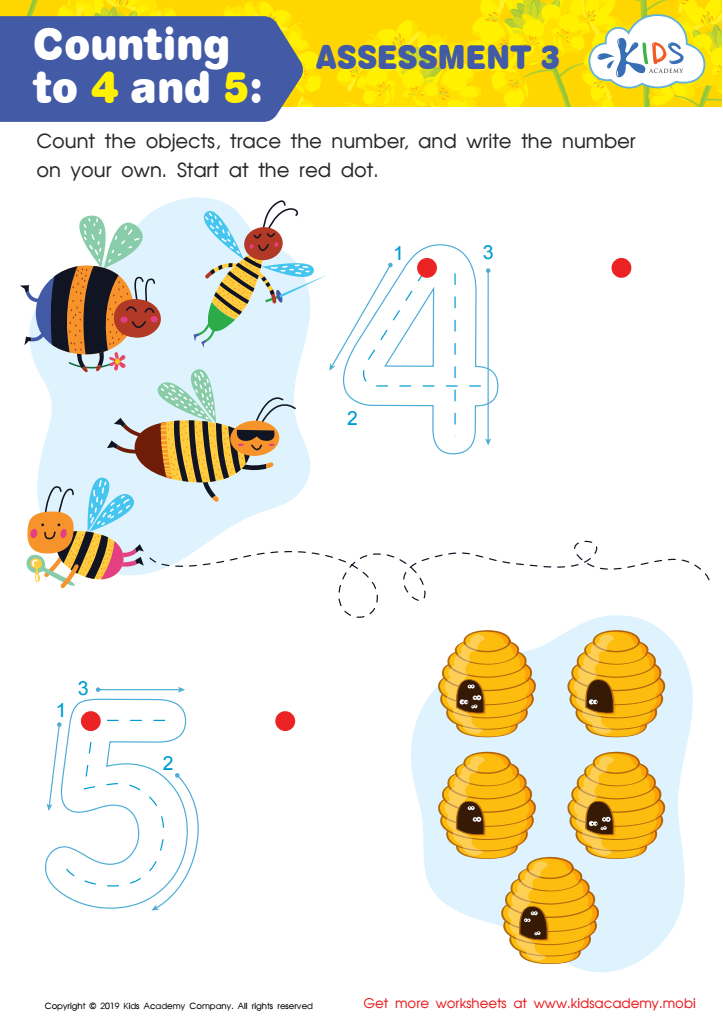
Counting to 4 and 5: Assessment 3 Worksheet
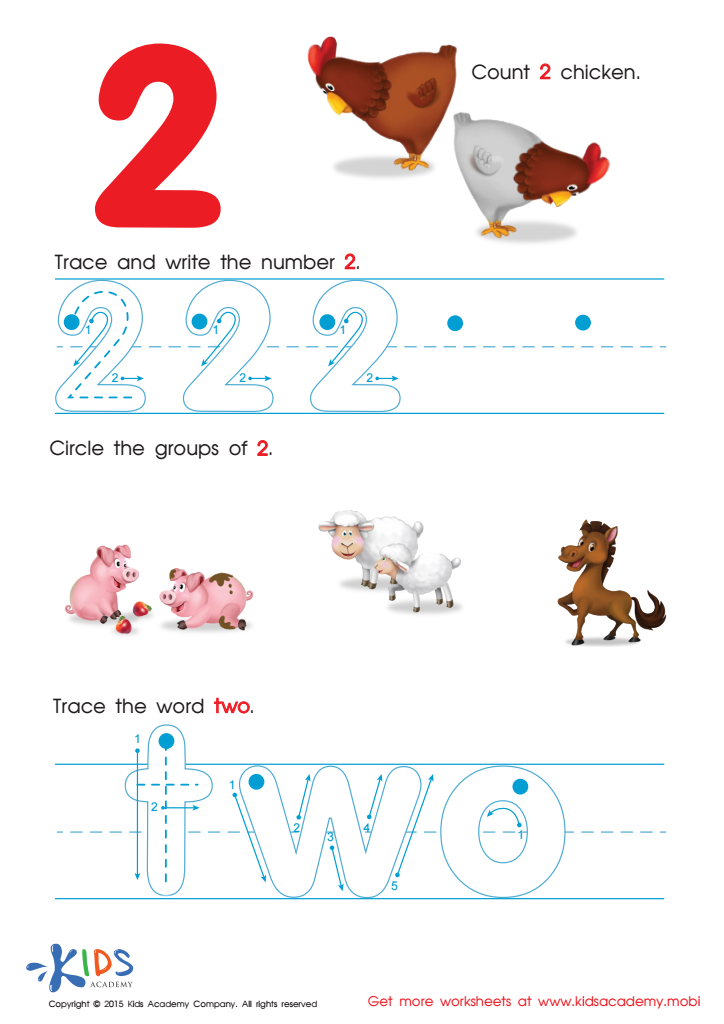
Learn to Write the Number 2 Worksheet
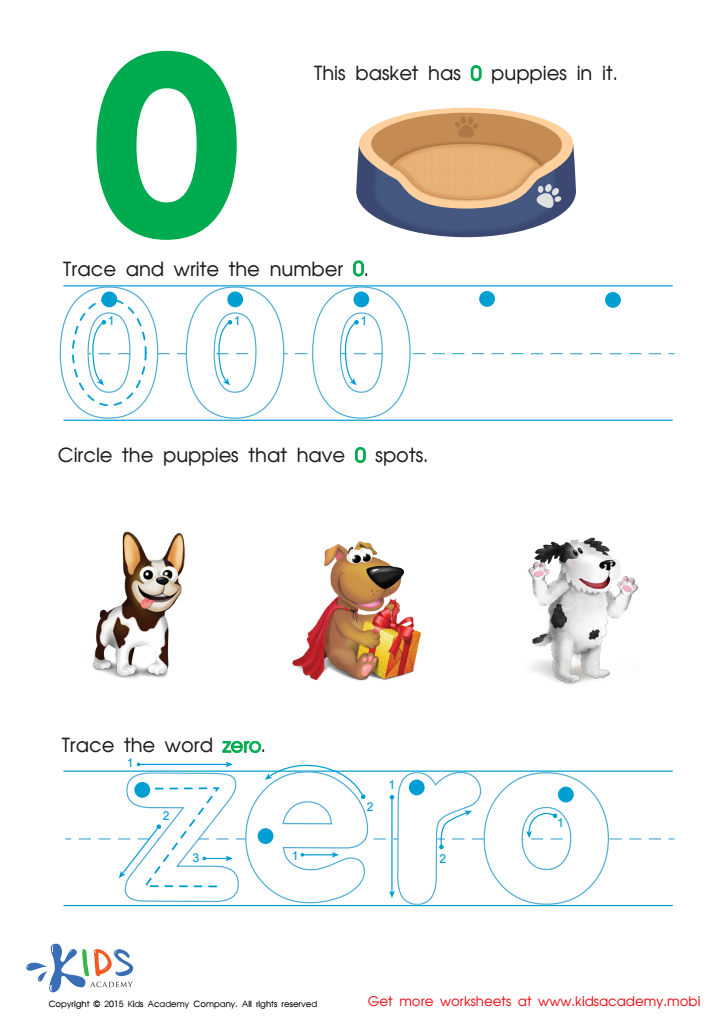
Trace And Write Number 0 Worksheet
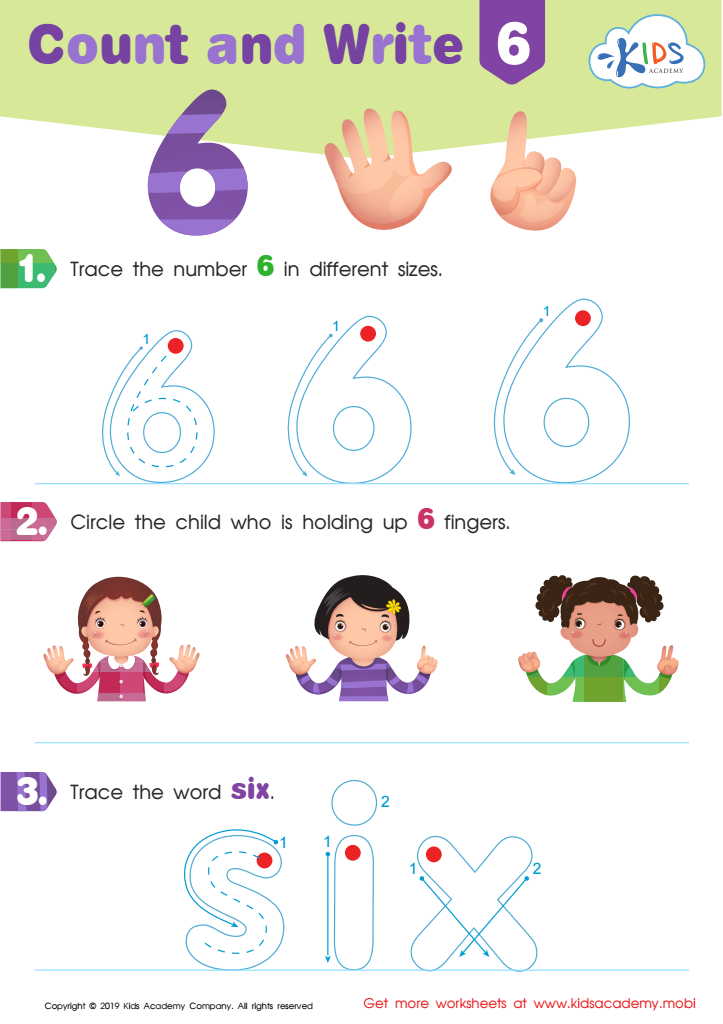
Count and Write 6 Worksheet
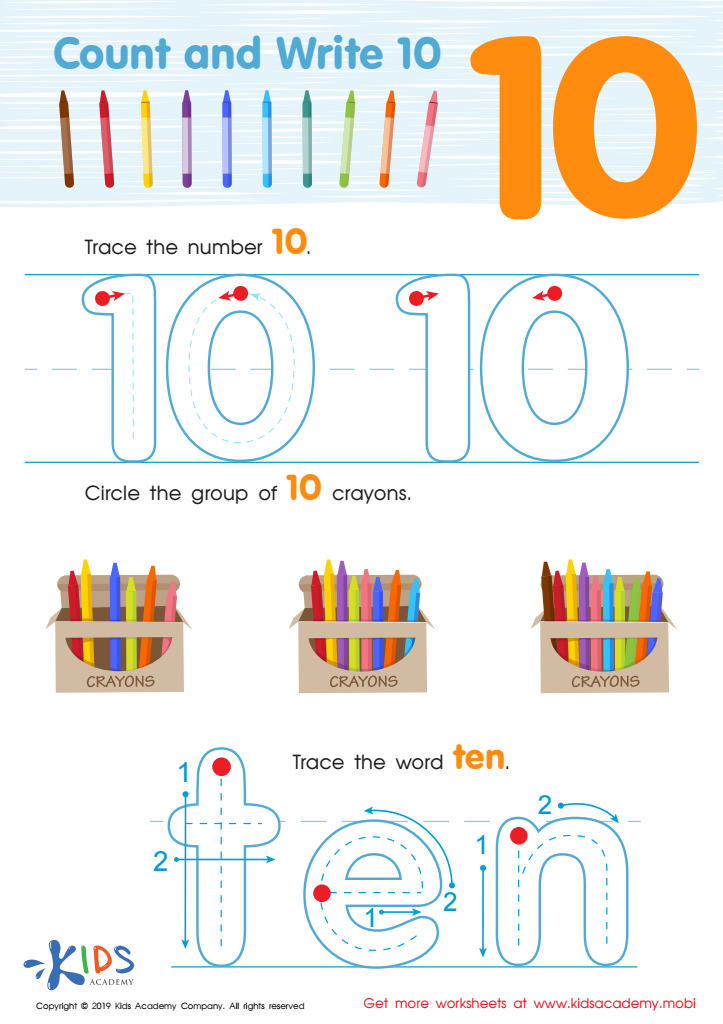
Count and Write 10 Worksheet
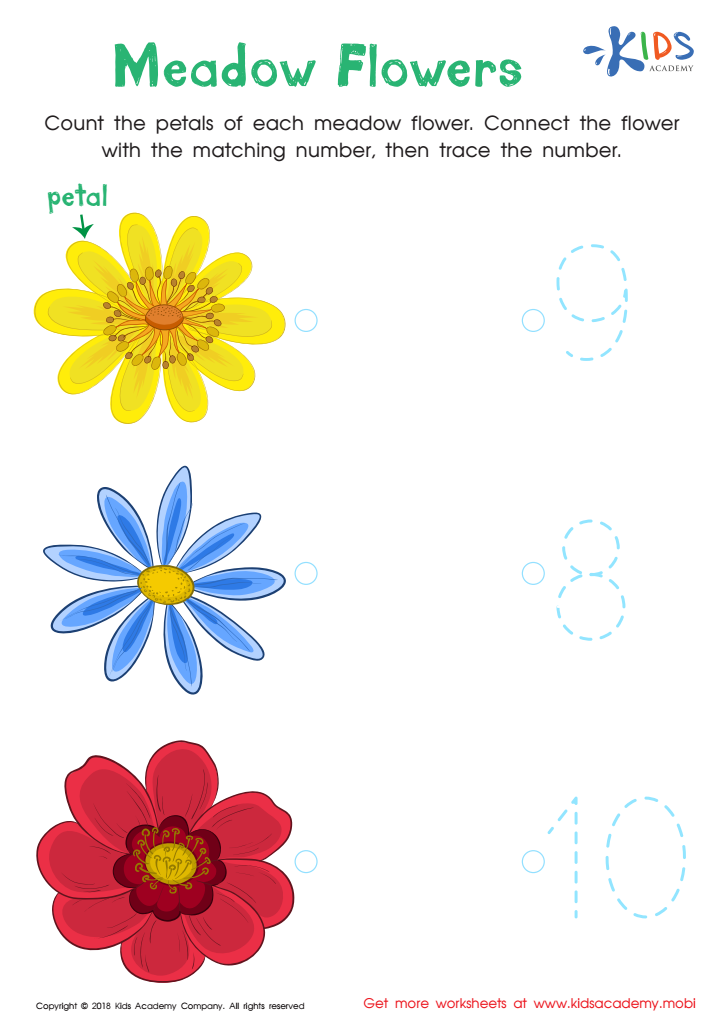
Kindergarten Number Tracing: Medow Flowers Worksheet








Counting skills and tracing numbers are fundamental components of early childhood education, particularly for children aged 3-7. At this crucial stage, children develop the foundational numeracy skills that will support their future learning in mathematics. Counting helps children understand the concept of quantity, enabling them to compare amounts, recognize patterns, and perform basic arithmetic. Mastering these skills fosters not just cognitive development, but also boosts confidence and decision-making abilities as they explore their environment.
Tracing numbers reinforces fine motor skills and hand-eye coordination, which are essential for writing and other tasks. As children trace numbers, they learn to recognize numeric shapes while practicing proper formation. This tactile experience creates muscle memory that aids in later writing tasks.
Moreover, early numeracy skills are predictors of future academic success. Children equipped with strong counting abilities and familiarity with numbers often have a smoother transition into primary school math concepts. Therefore, parents and teachers should actively engage children in activities that promote counting and number tracing. Fun and interactive approaches—such as games, songs, and crafts—can make learning enjoyable, setting a positive foundation for a lifelong journey in mathematics. They play a crucial role in developing not just skills, but also a love for learning.








