Word Problems Worksheets for Ages 3-7 - Page 5
115 filtered results
-
From - To
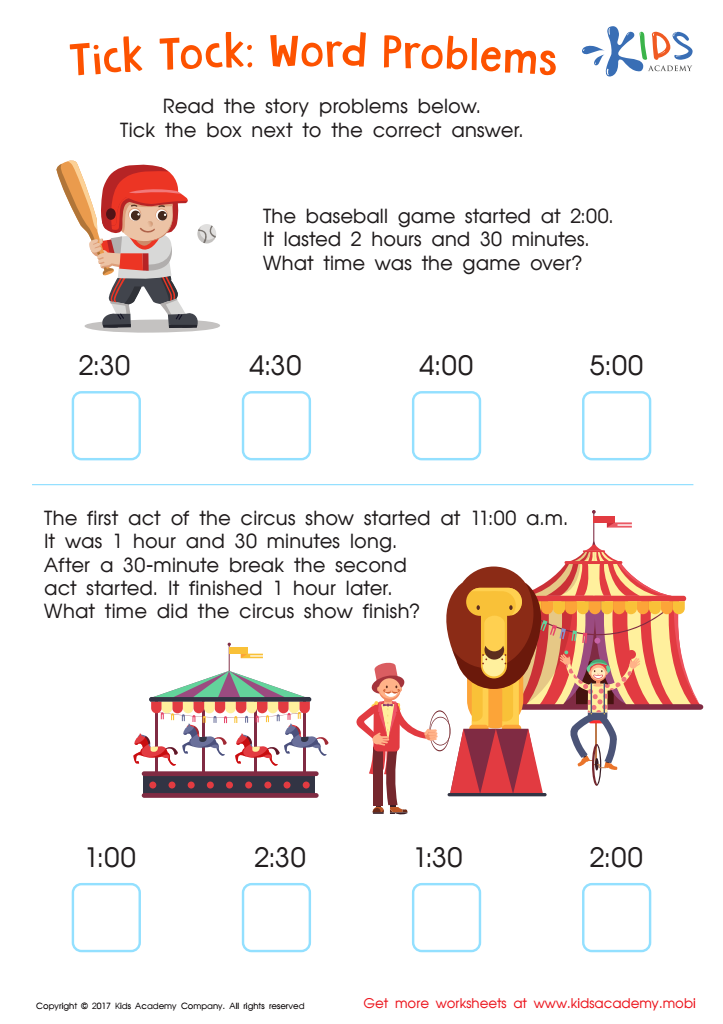
Tick Tock Word Problems Time Worksheet
 Assign to My Students
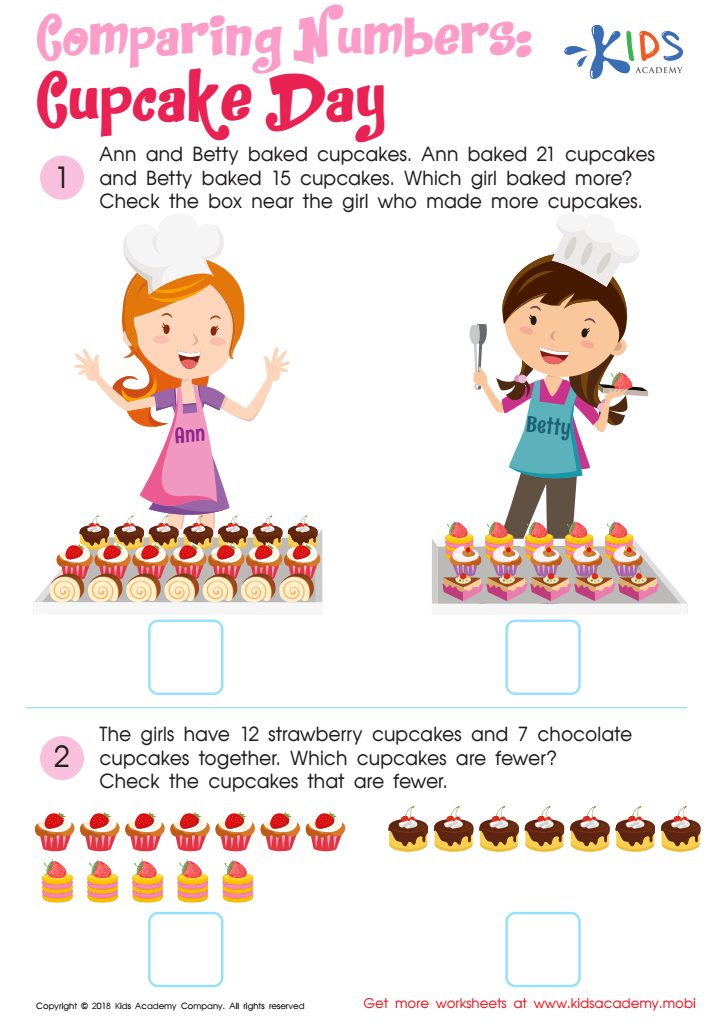
Cupcake Day Worksheet
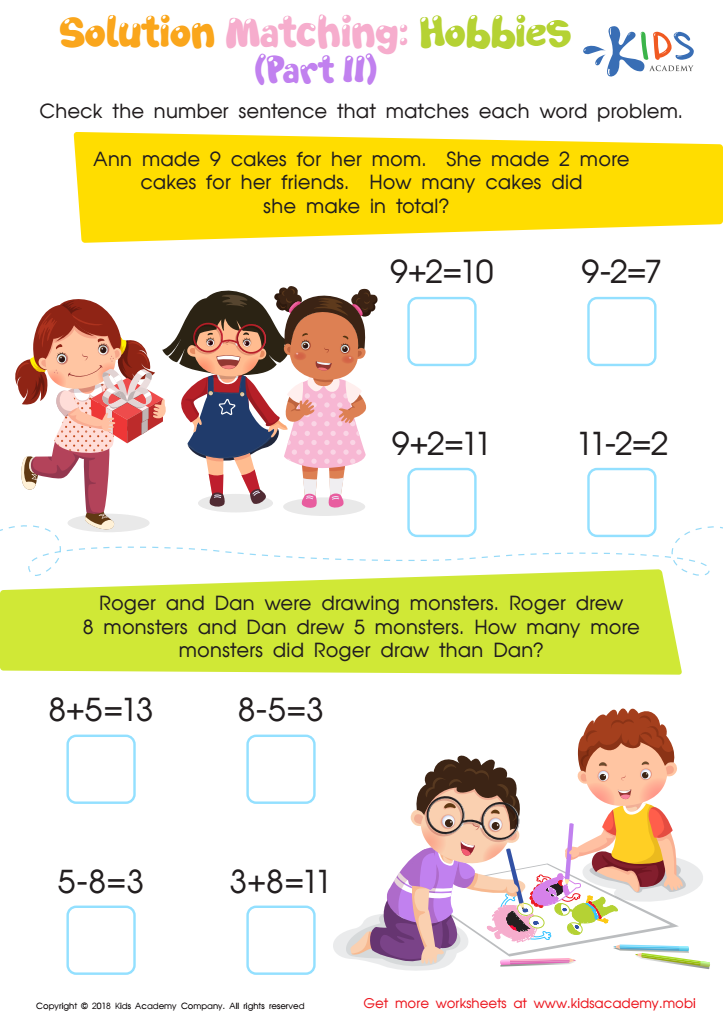
Solution Matching: Hobbies. Part 2 Worksheet
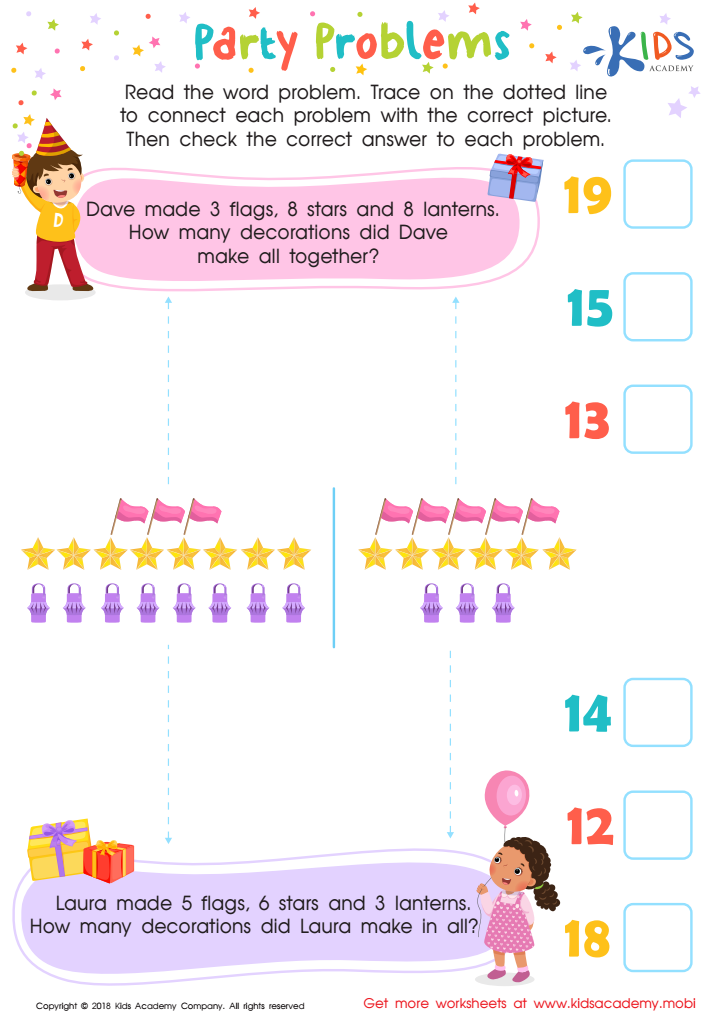
Party Problems Worksheet
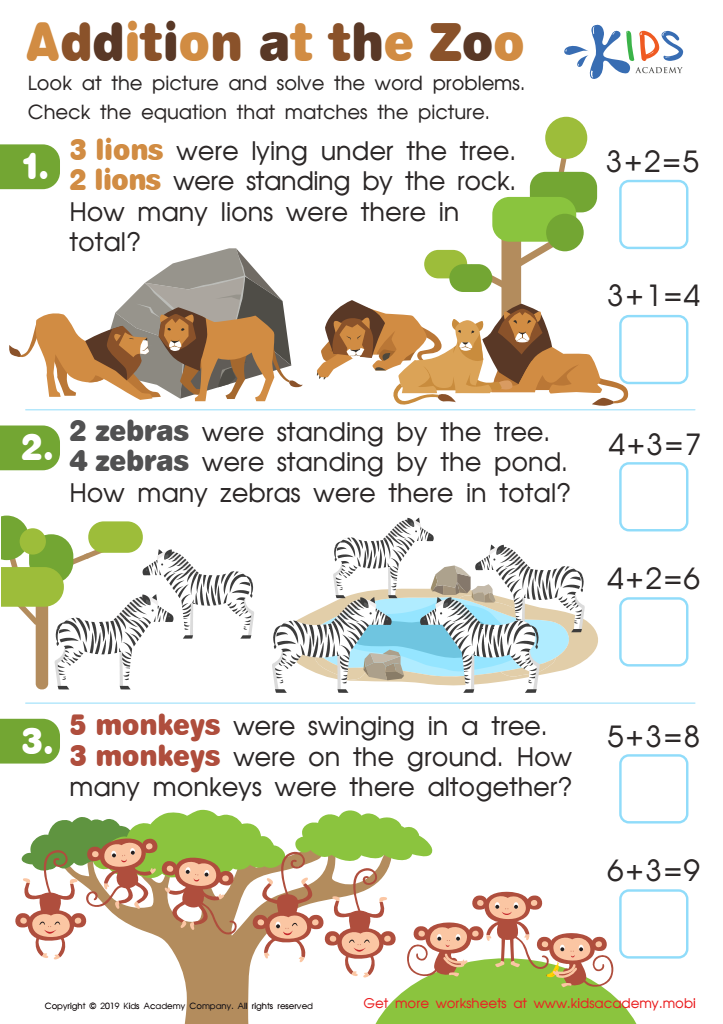
Addition at the Zoo Worksheet
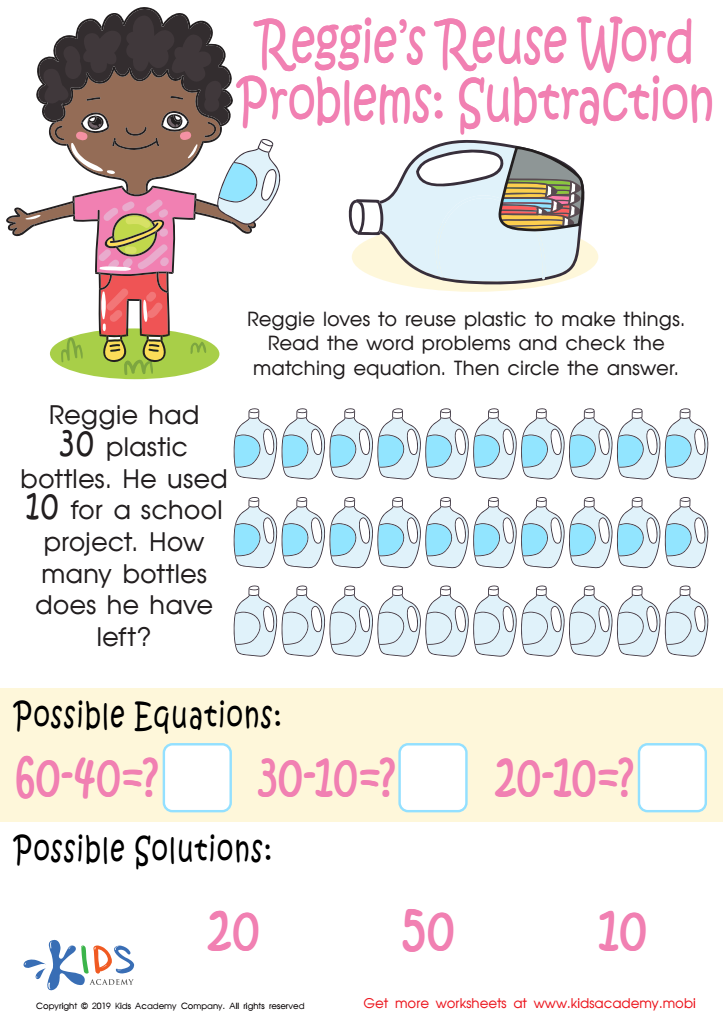
Reggie's Reuse Word Problems: Subtraction Worksheet
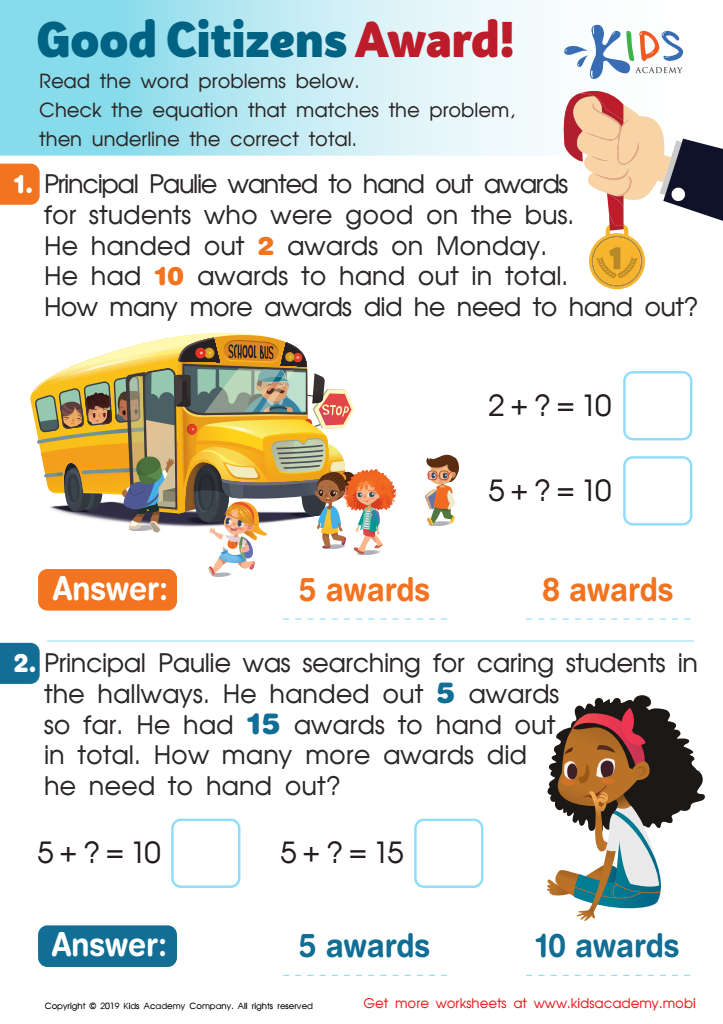
Good Citizens Award! Worksheet
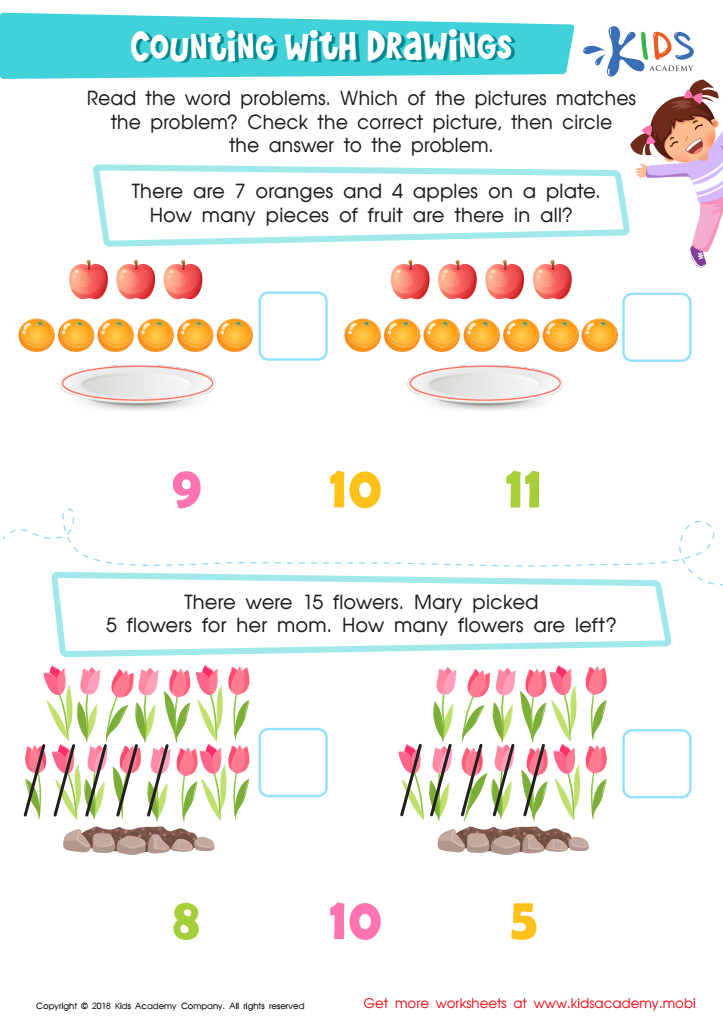
Counting with Drawings:Fruits & Flowers Worksheet
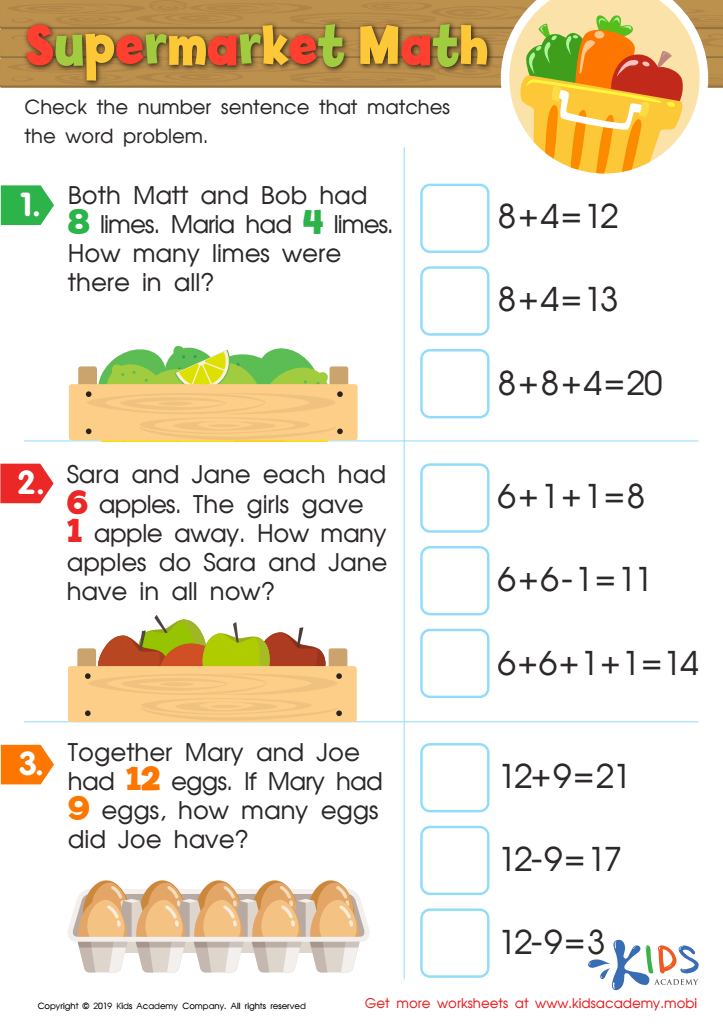
Supermarket Math Worksheet
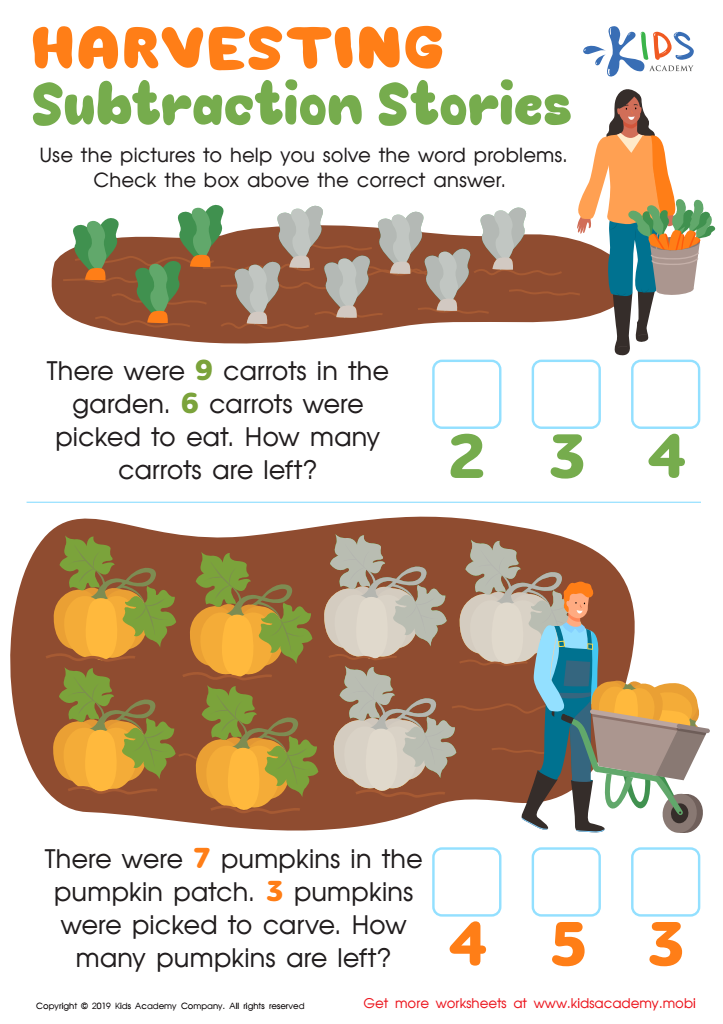
Harvesting Subtraction Stories Worksheet
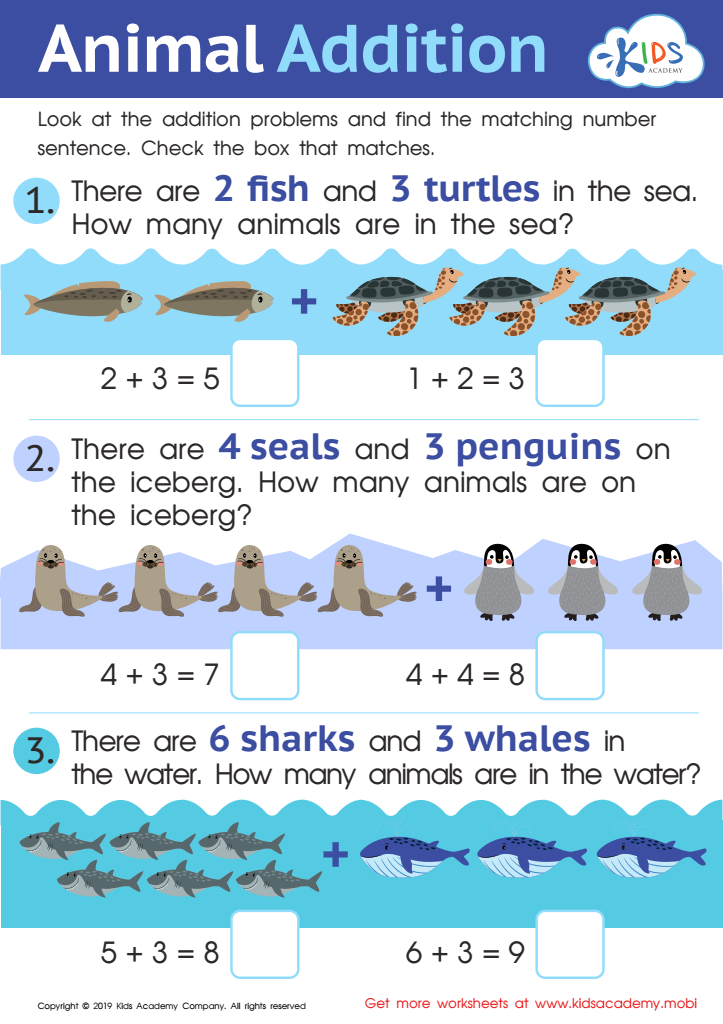
Animal Addition Worksheet
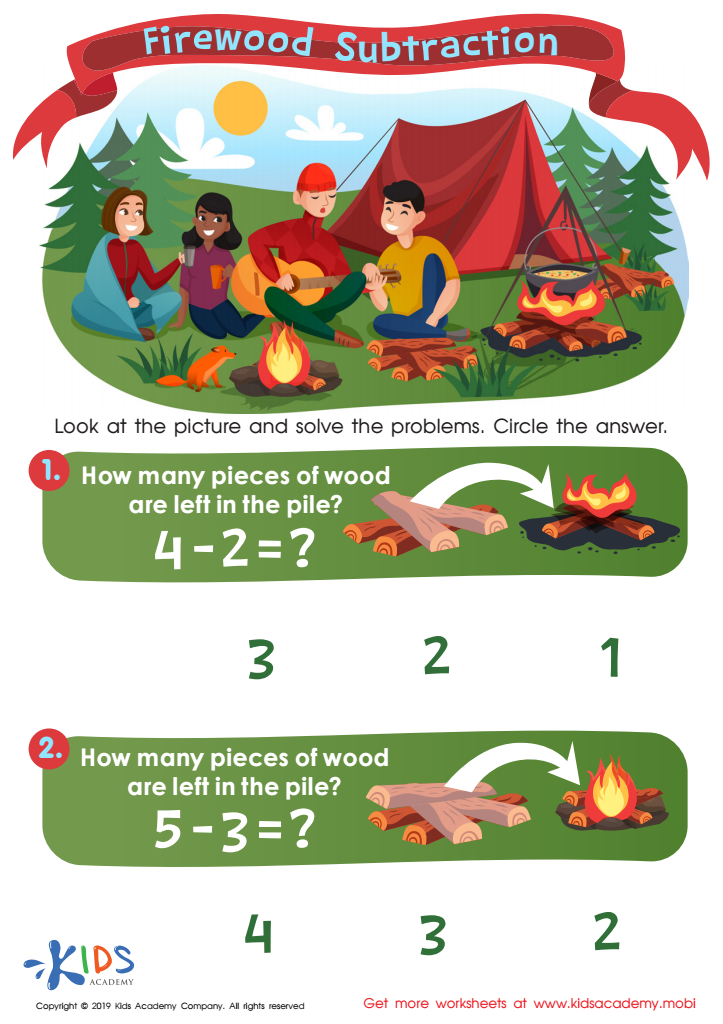
Firewood Subtraction Worksheet
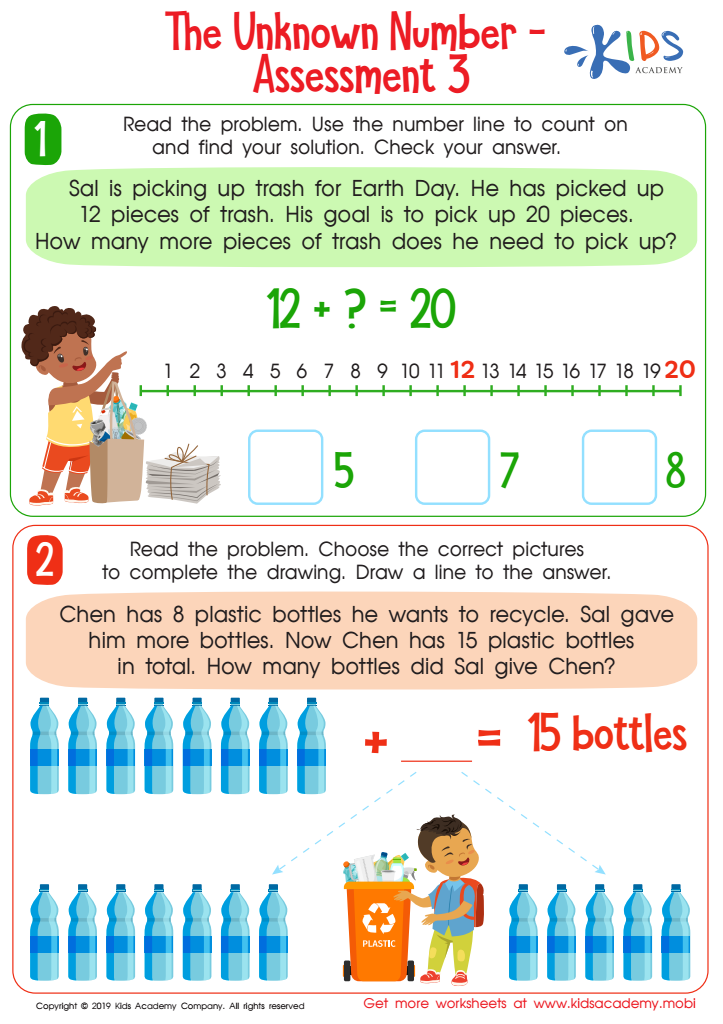
The Unknown Number - Assessment 3 Worksheet
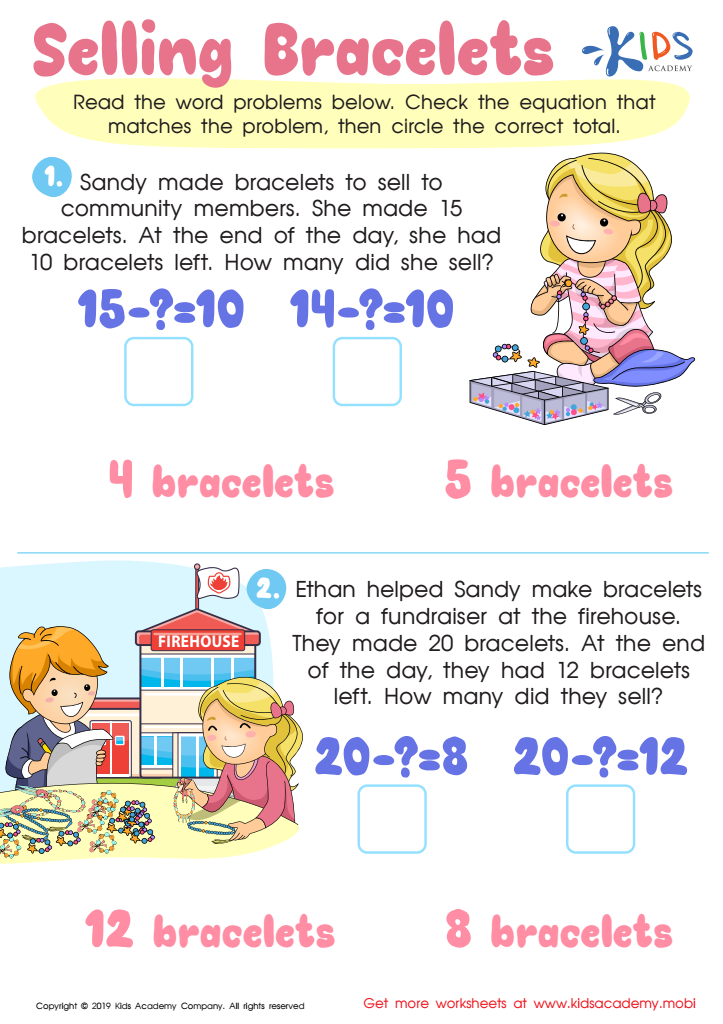
Selling the Bracelets Worksheet
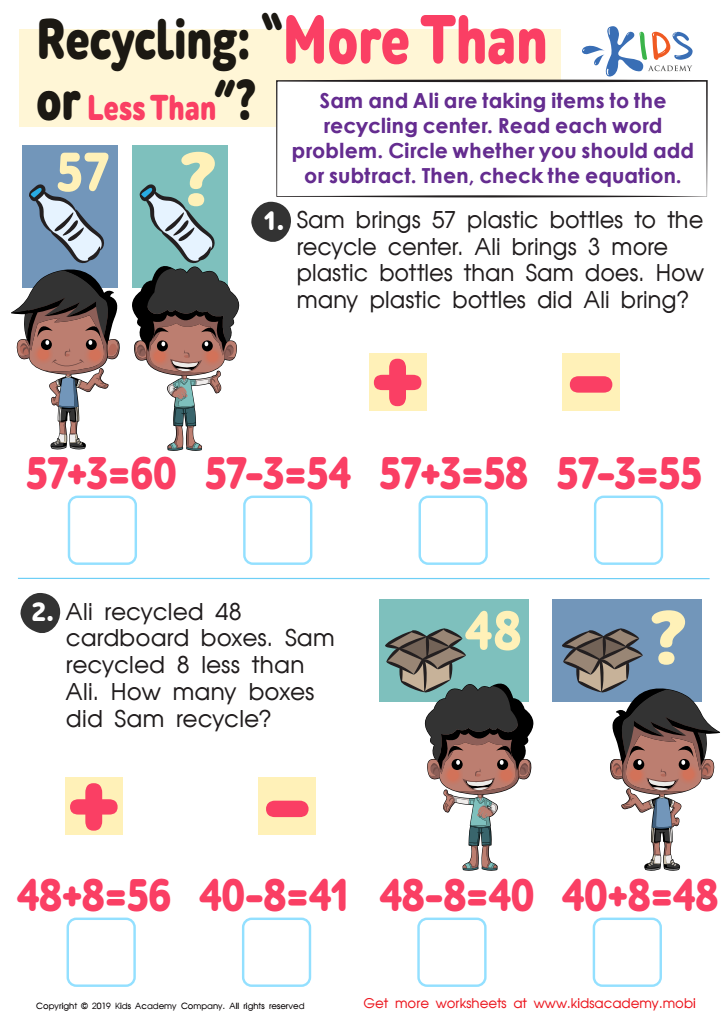
Recycling - More or Less Worksheet
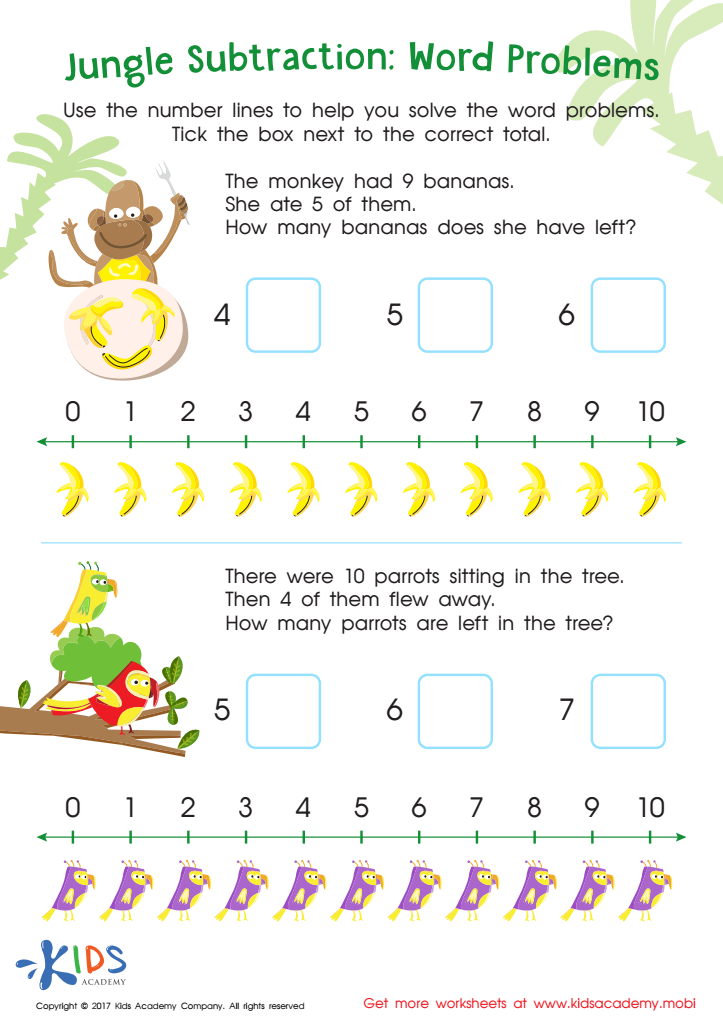
Jungle Subtraction Word Problems Substraction Worksheet
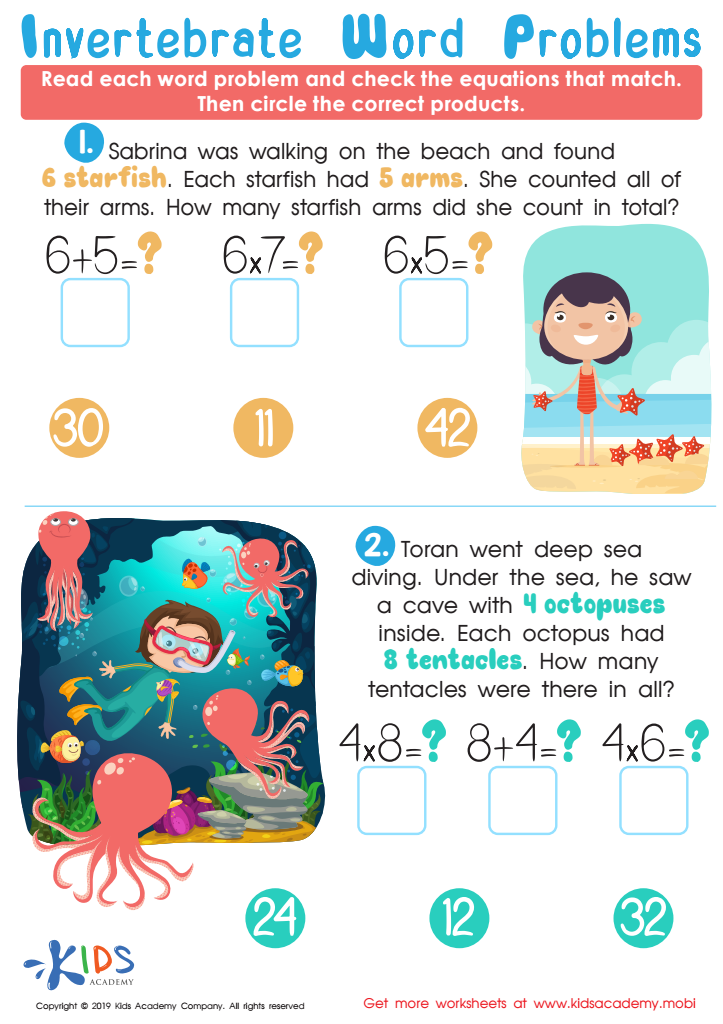
Invertebrate Problems Worksheet
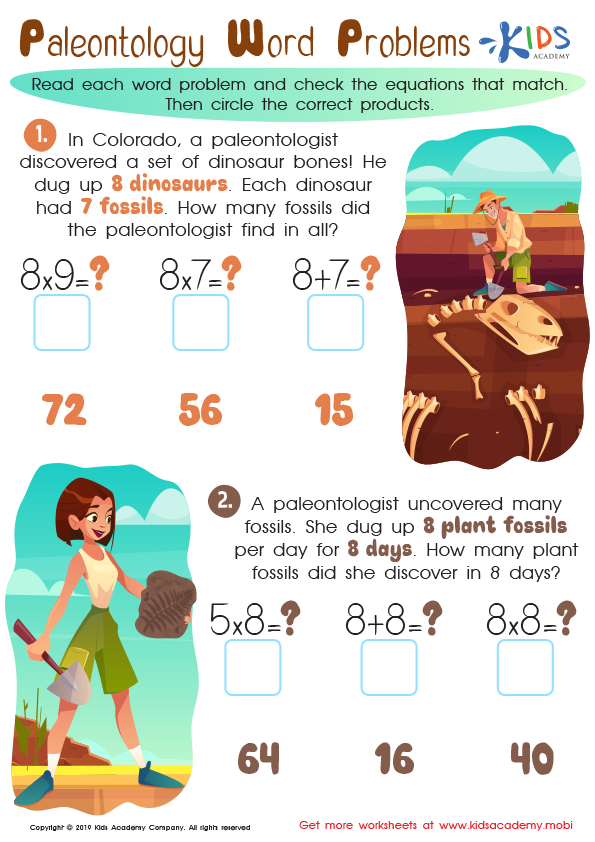
Archeology Word Problems Worksheet
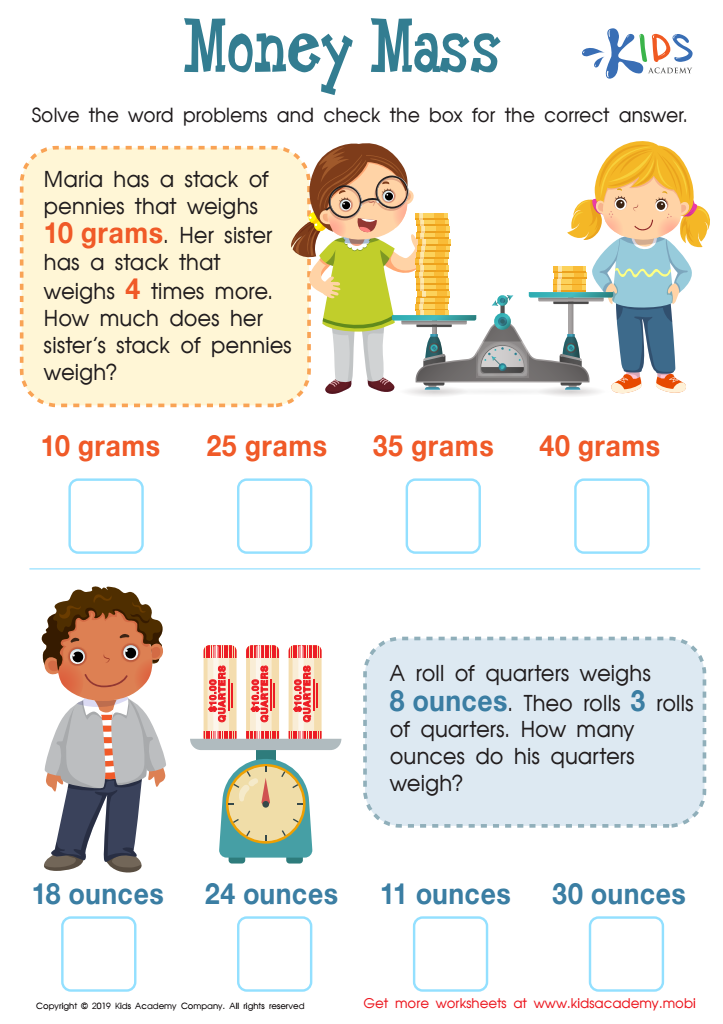
Money Mass Worksheet








Word problems play a crucial role in the cognitive development of children aged 3-7. Parents and teachers should care about word problems because they serve as a bridge between numerical concepts and everyday life, fostering critical thinking and problem-solving skills. Introducing word problems early encourages children to apply their mathematical knowledge to real-world situations, making learning more relevant and engaging.
Through word problems, kids learn how to interpret language, identify essential information, and develop reasoning skills. These problems also promote language development as children articulate their thought processes and explain their reasoning. For young learners, engaging with word problems enhances their ability to visualize objects and quantify relationships, laying a strong foundation for future math success.
Moreover, tackling diverse word problems cultivates perseverance and resilience. Children learn that approaching challenges from different angles is essential, fostering a growth mindset. With the emphasis on collaboration in contemporary education, such problems can also encourage dialogue and teamwork among peers, enriching socio-emotional skills.
In summary, prioritizing word problems in early education ultimately equips children with the essential tools needed for both academic success and practical problem-solving in their daily lives.








