Geography Worksheets for Ages 3-7 - Page 3
57 filtered results
-
From - To
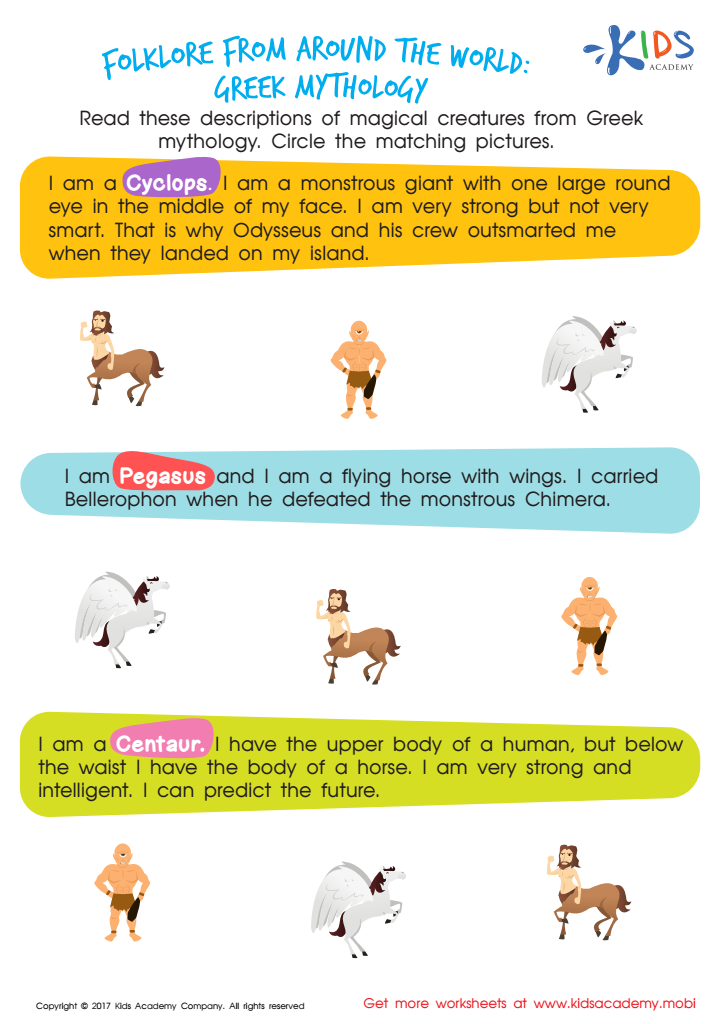
Greek Mythology Worksheet
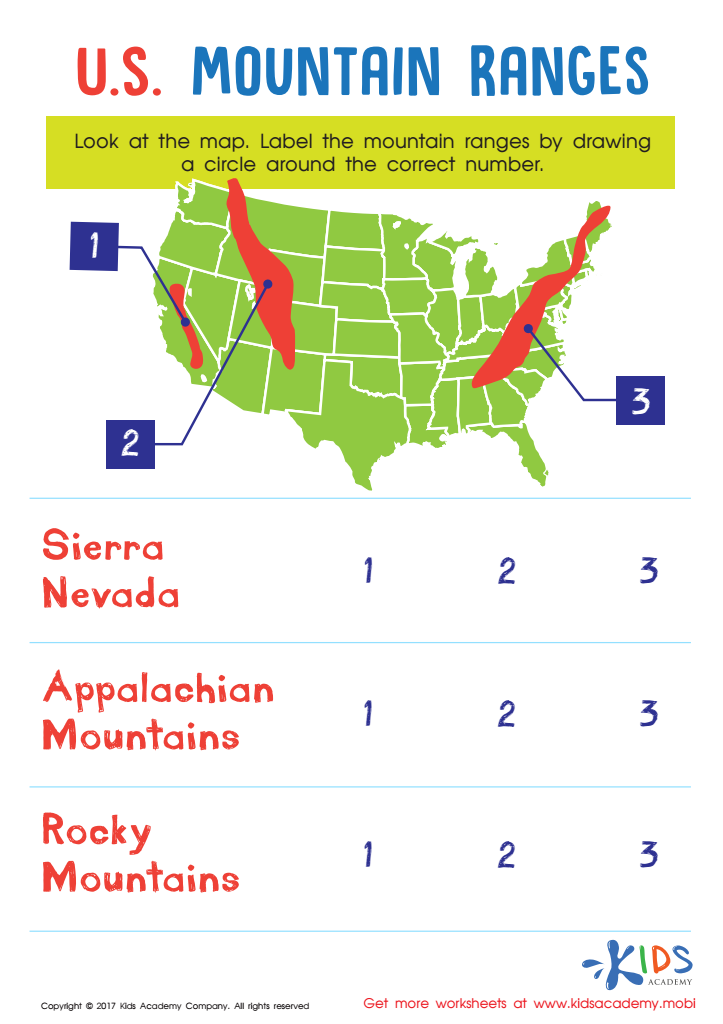
US Mountain Ranges Worksheet
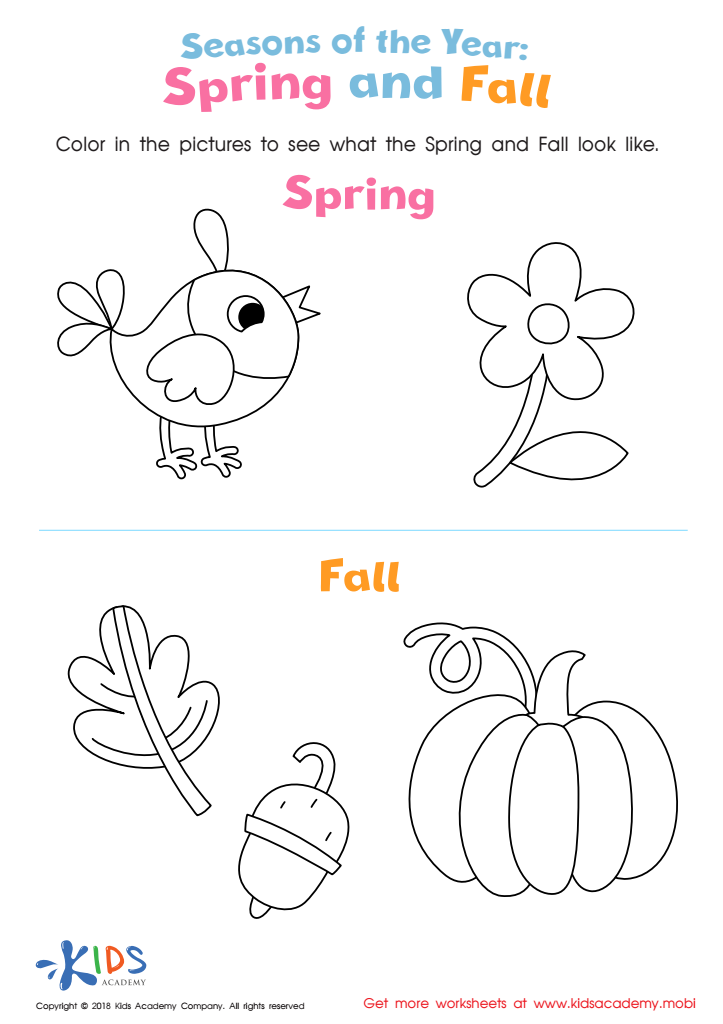
Spring and Fall Worksheet
 Assign to My Students
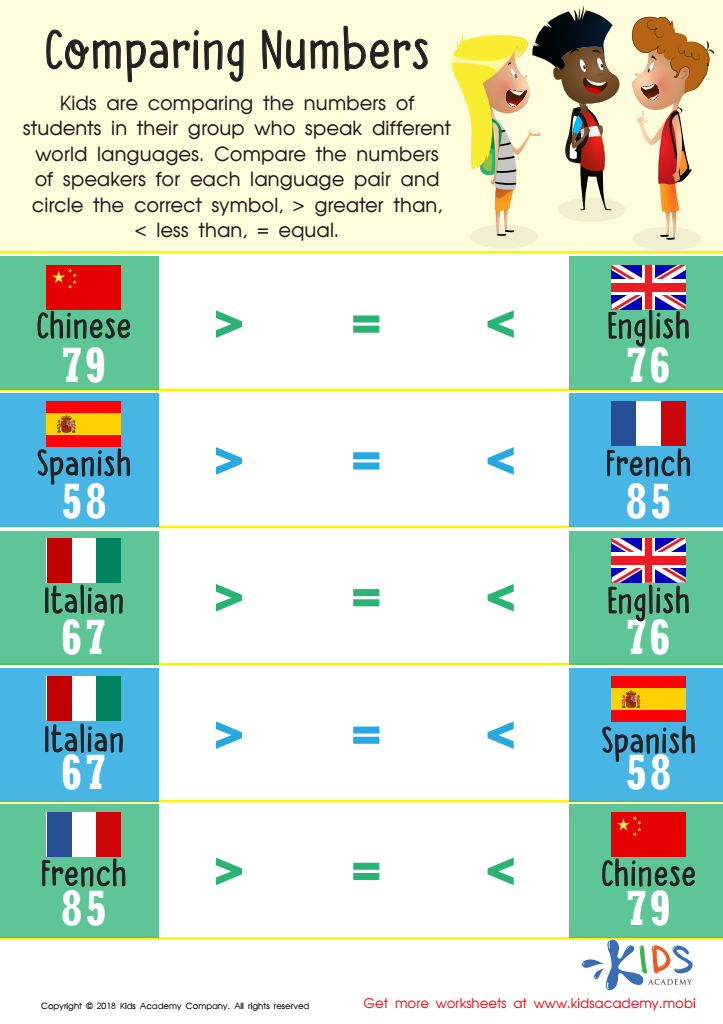
Comparing Numbers Worksheet for 1st Grade
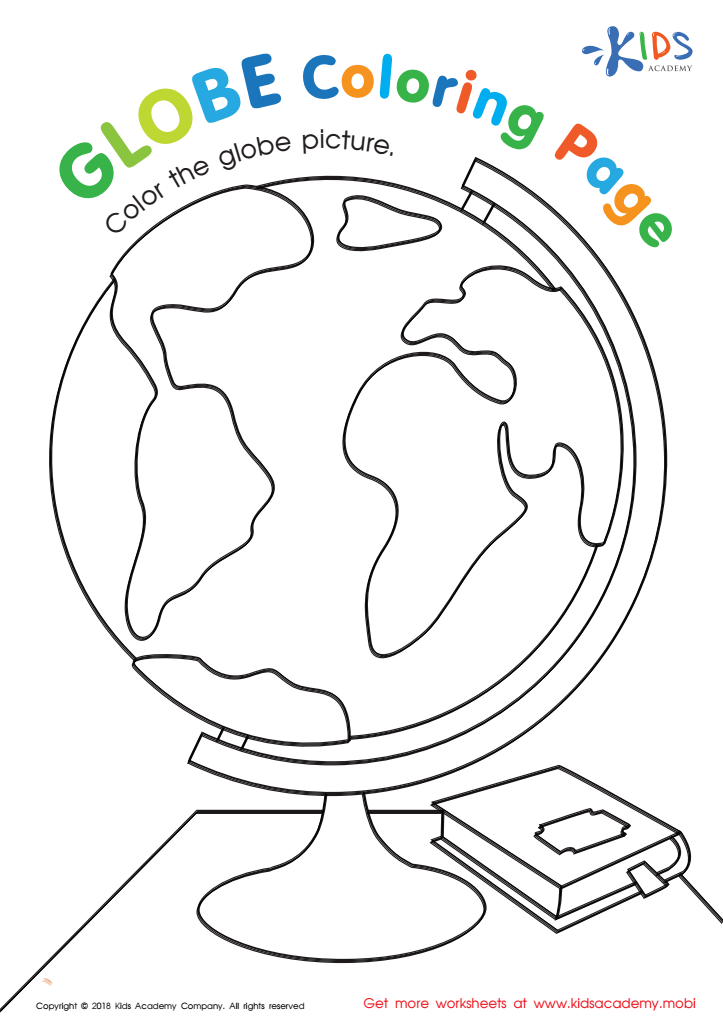
Globe Coloring Page Worksheet
Assign to My Students
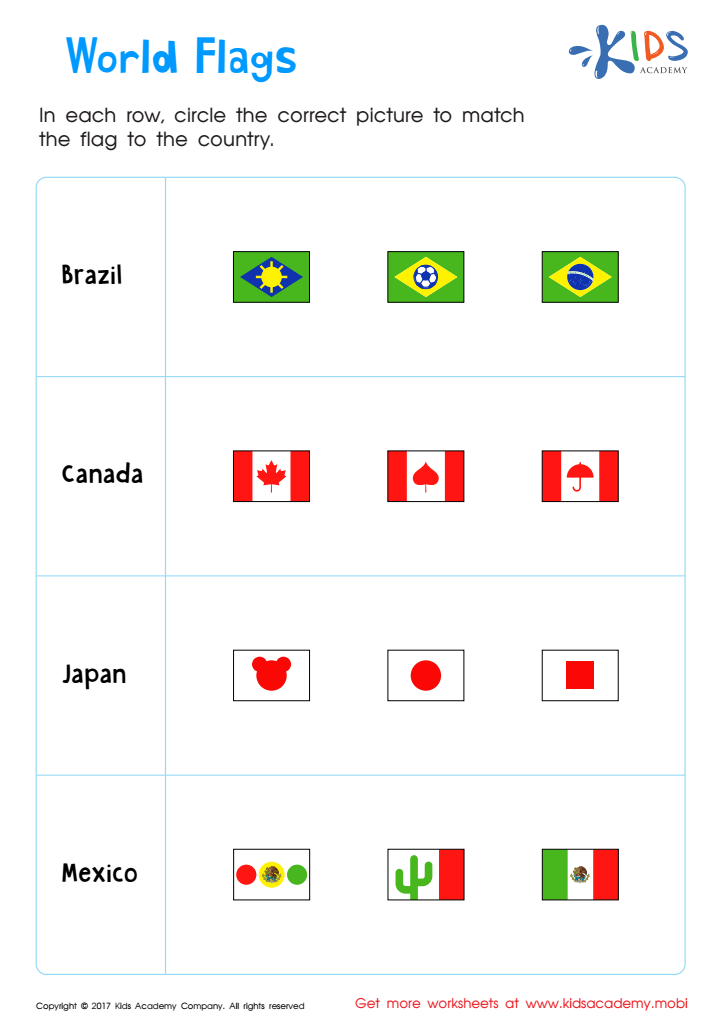
World Flags Printable
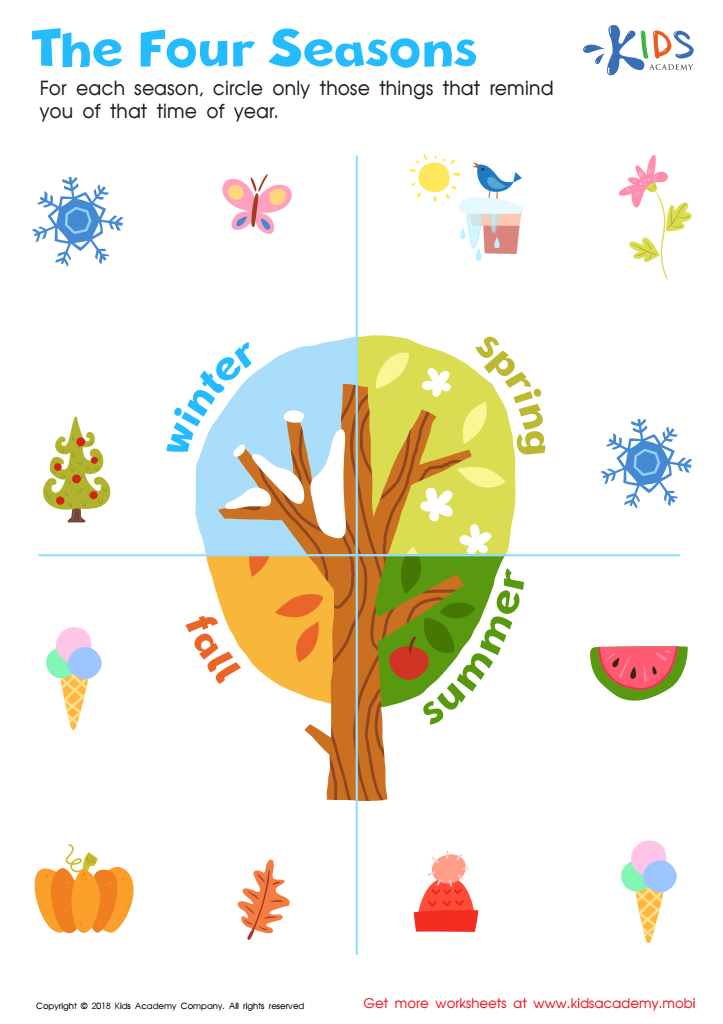
The Four Seasons Worksheet
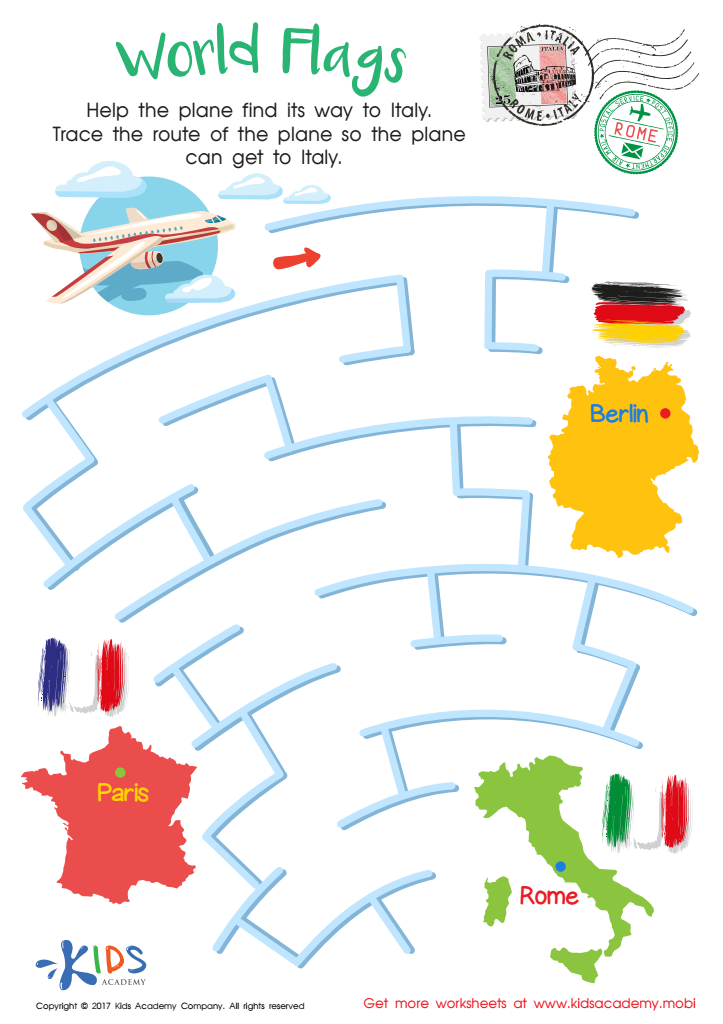
World Flags Maze Worksheet
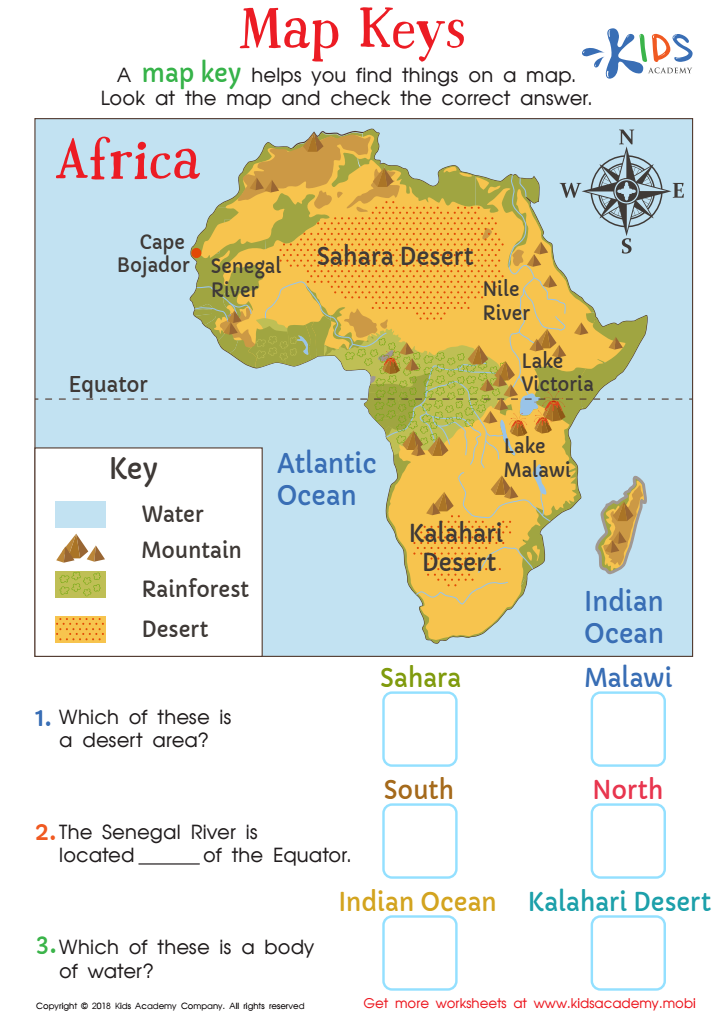
Map Keys Worksheet





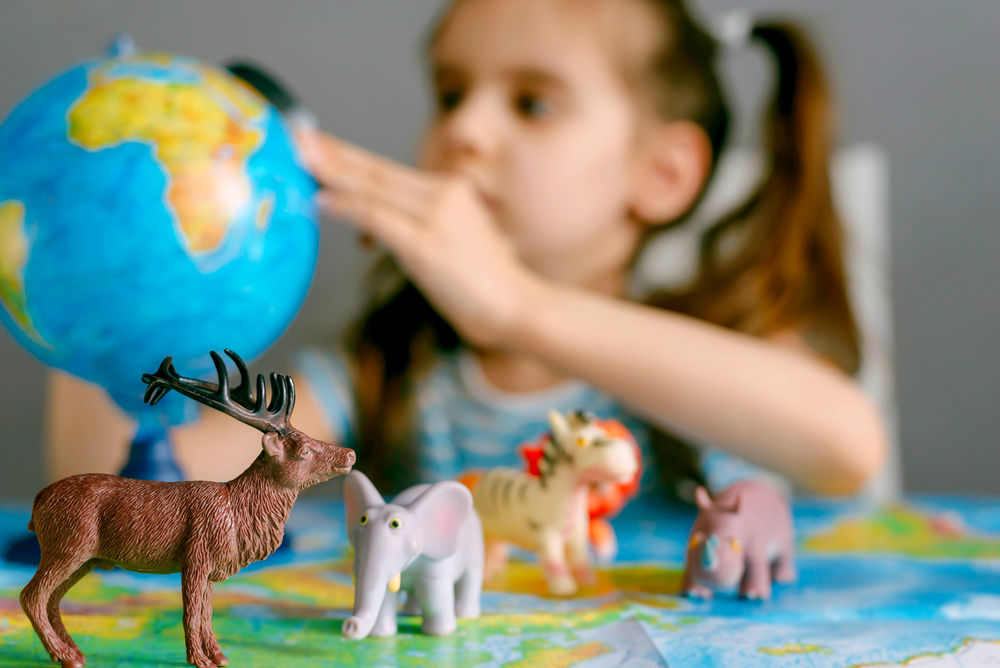

Geography serves as a vital cornerstone in the early education of children ages 3-7, as it helps them understand and connect with the world around them. At this developmental stage, children are naturally curious about their environment, and introducing geography encourages exploration and discovery. It fosters their spatial awareness, teaching them about distances, locations, and relationships between different places.
Learning geography at a young age also cultivates cultural awareness and appreciation. It introduces children to diverse communities, cultures, and lifestyles, promoting inclusivity and empathy. When children learn about various regions, their inhabitants, and traditions, they develop a broader worldview, fostering respect for differences and similarities among people.
Geography lessons can be tied into other subjects, enhancing critical thinking and observational skills as children learn to analyze maps, environments, and symbols. Moreover, engaging activities related to geography, such as creating simple maps or exploring local landmarks, can ripple into other areas of learning, encouraging curiosity, problem-solving, and imagination.
By prioritizing geography in early education, parents and teachers set the foundation for lifelong learning, enabling children to become informed, responsible, and active global citizens who navigate their surroundings with confidence and understanding.