Addition and Subtraction Word Problems Worksheets for Ages 3-8 - Page 3
90 filtered results
-
From - To
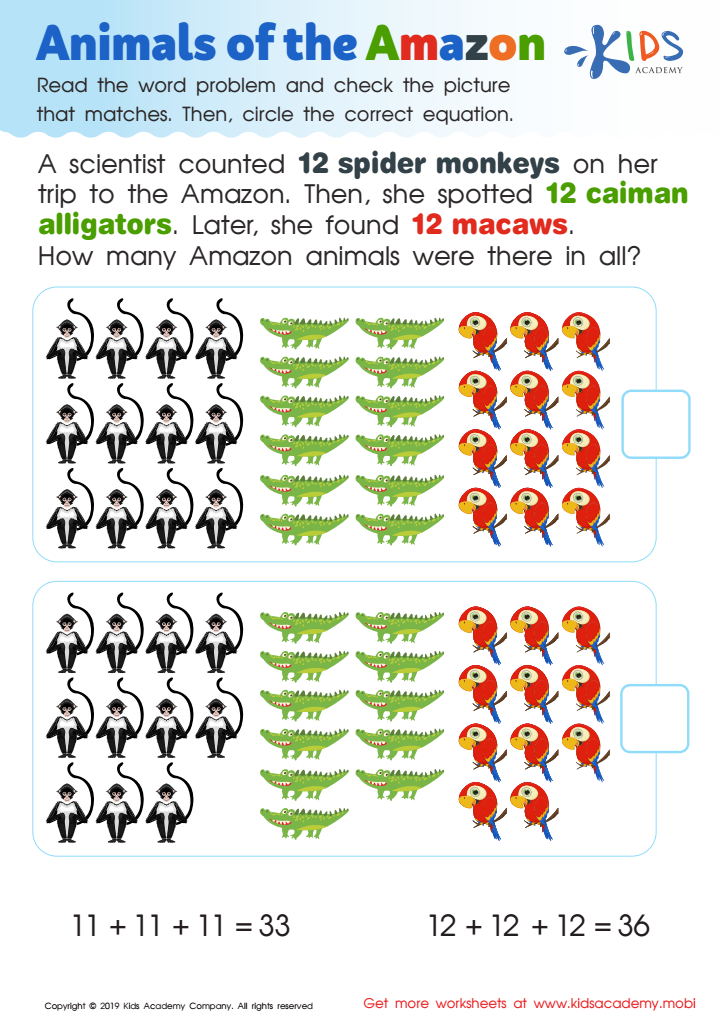
Animals of Amazon Worksheet
 Assign to My Students
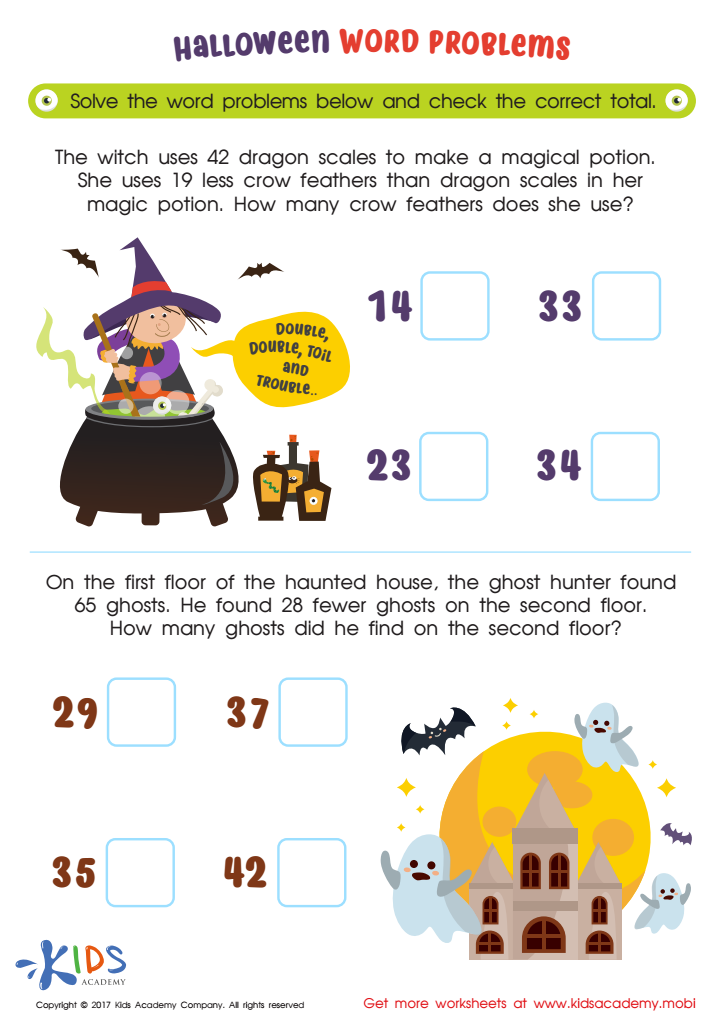
Halloween Word Problems Printable
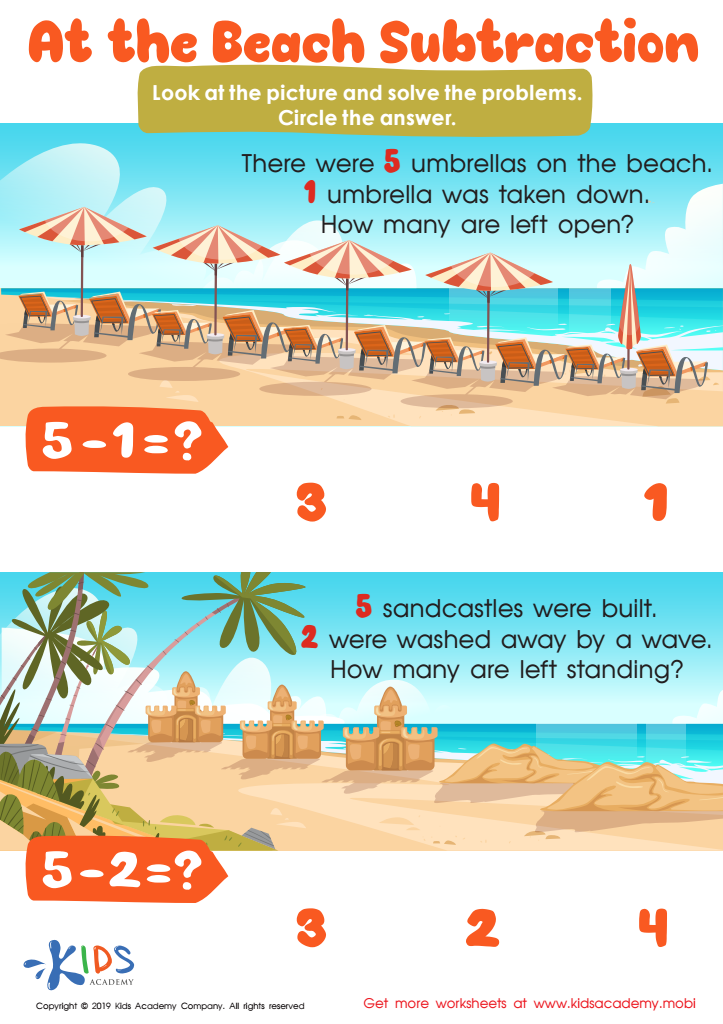
At the Beach Subtraction Worksheet
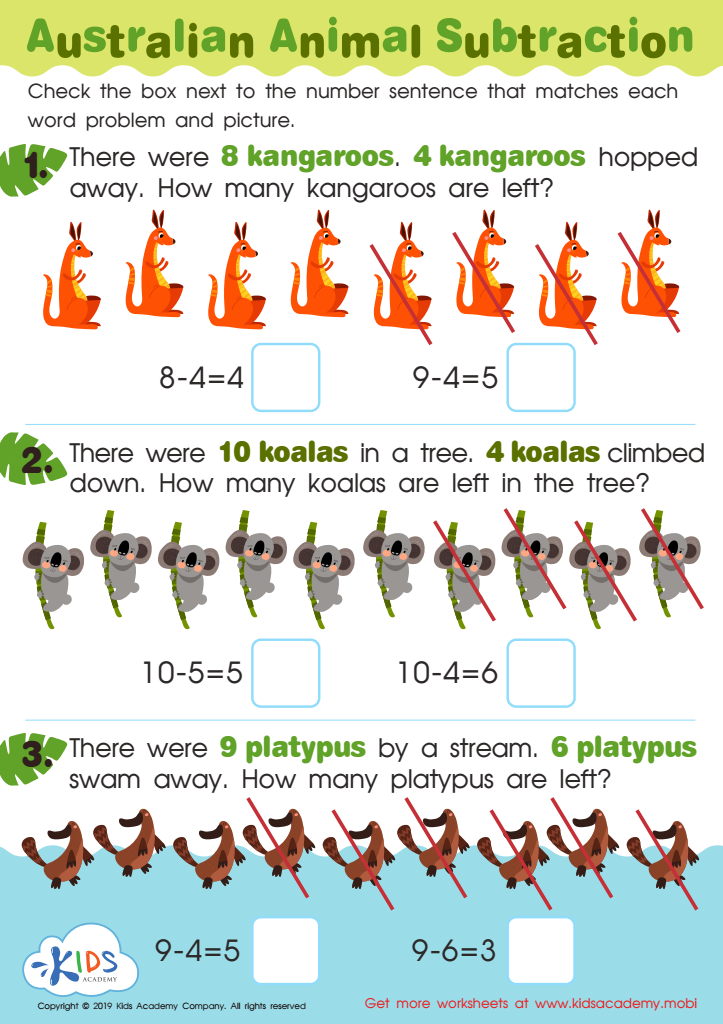
Australian Animal Subtraction Worksheet
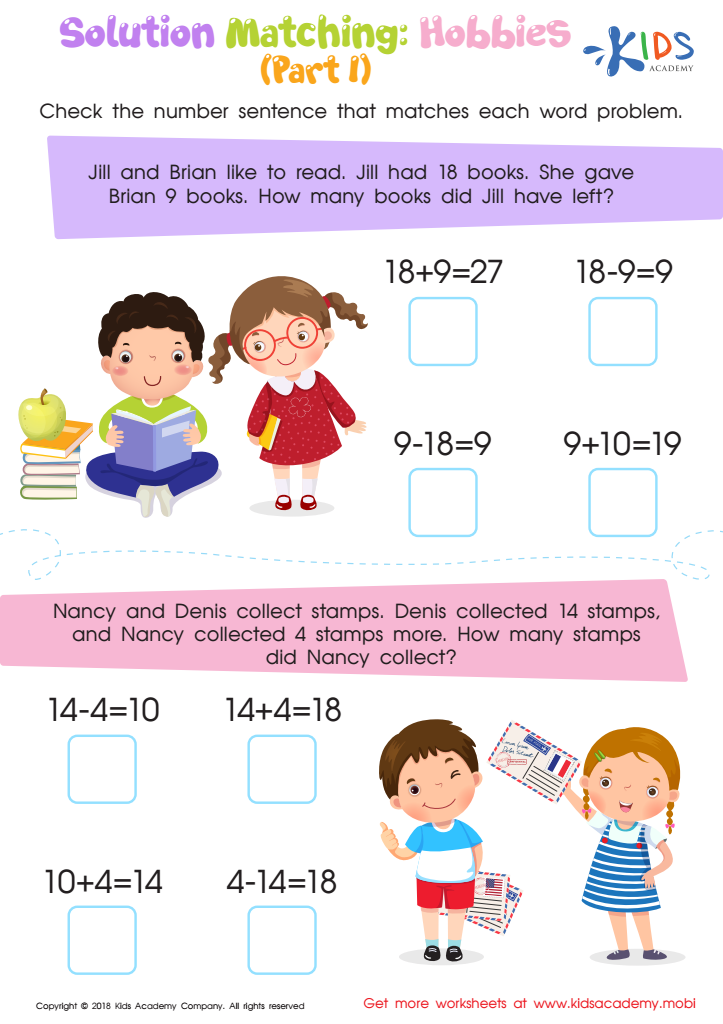
Solution Matching: Hobbies. Part 1 Worksheet
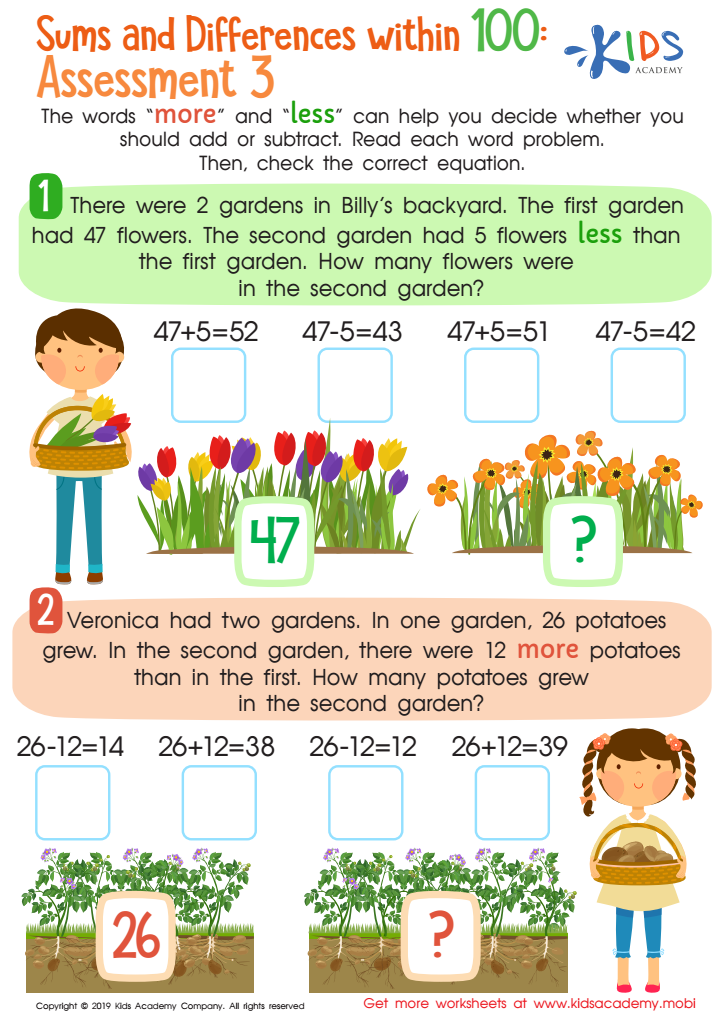
Sums and Differences Within 1 - Assessment 3 Worksheet
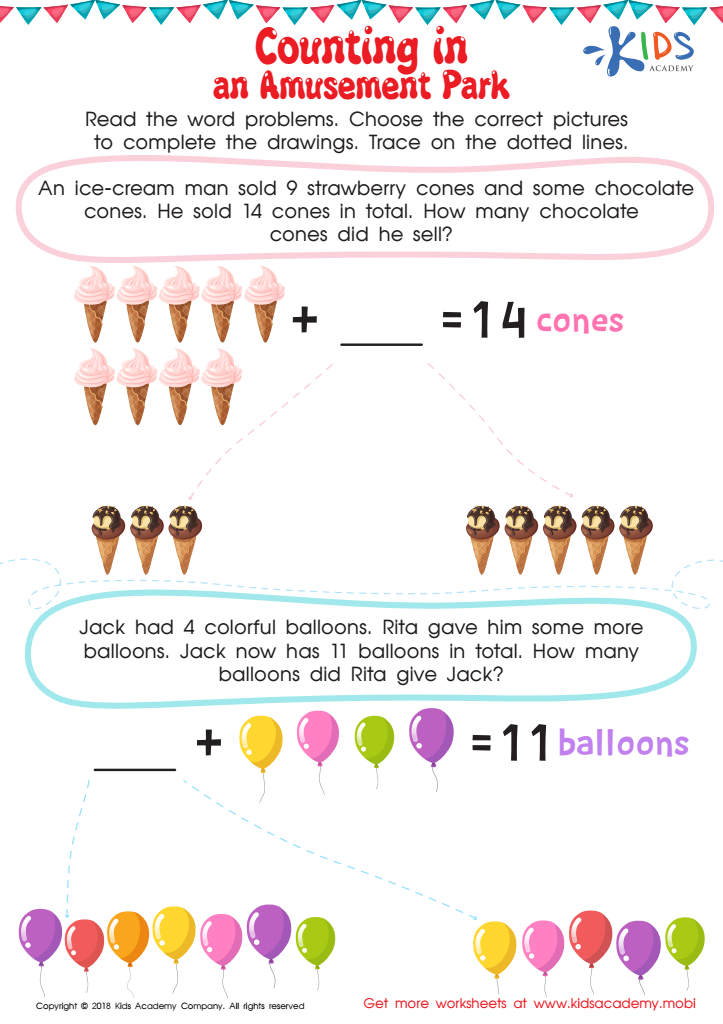
Counting in an Amusement Park Worksheet
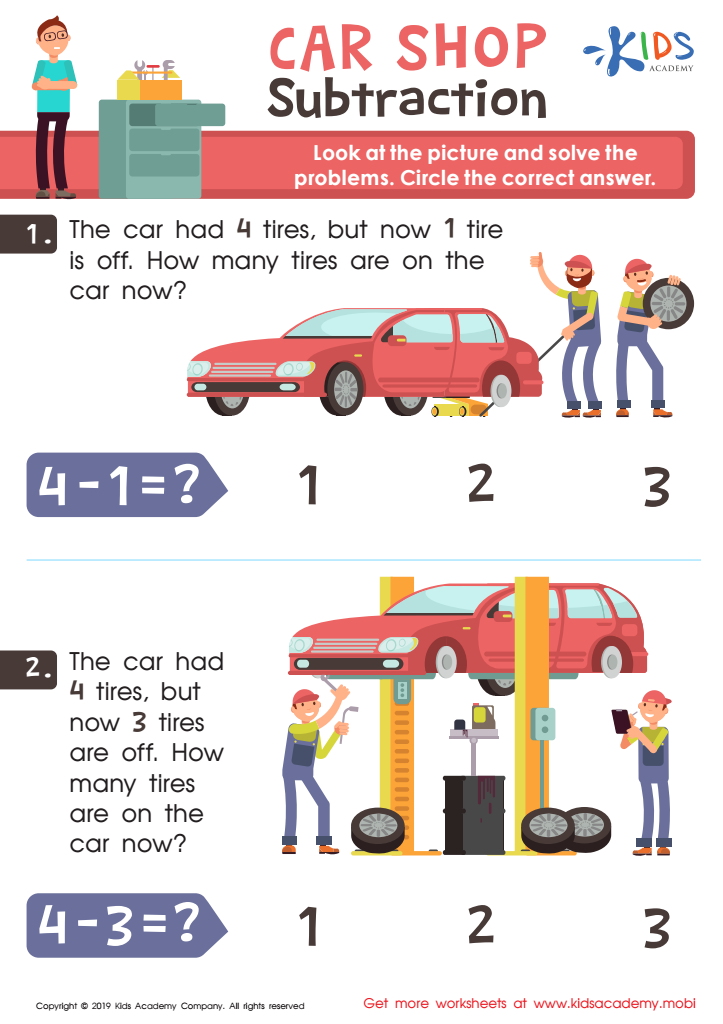
Car Shop Subtraction Worksheet
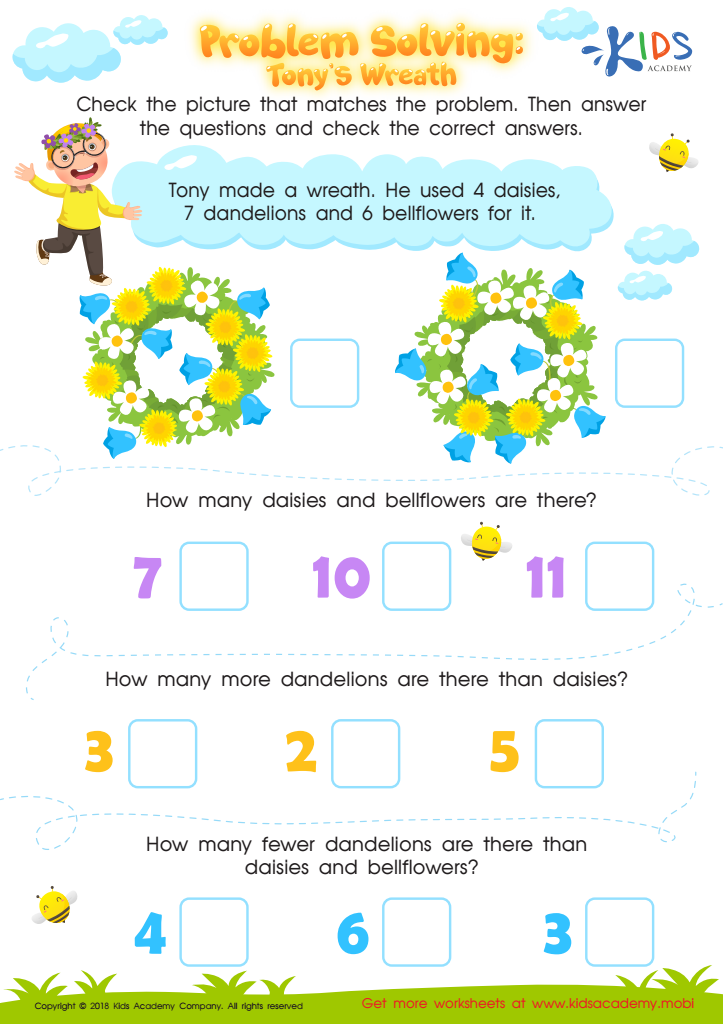
Problem Solving: Tony's Wreath Worksheet
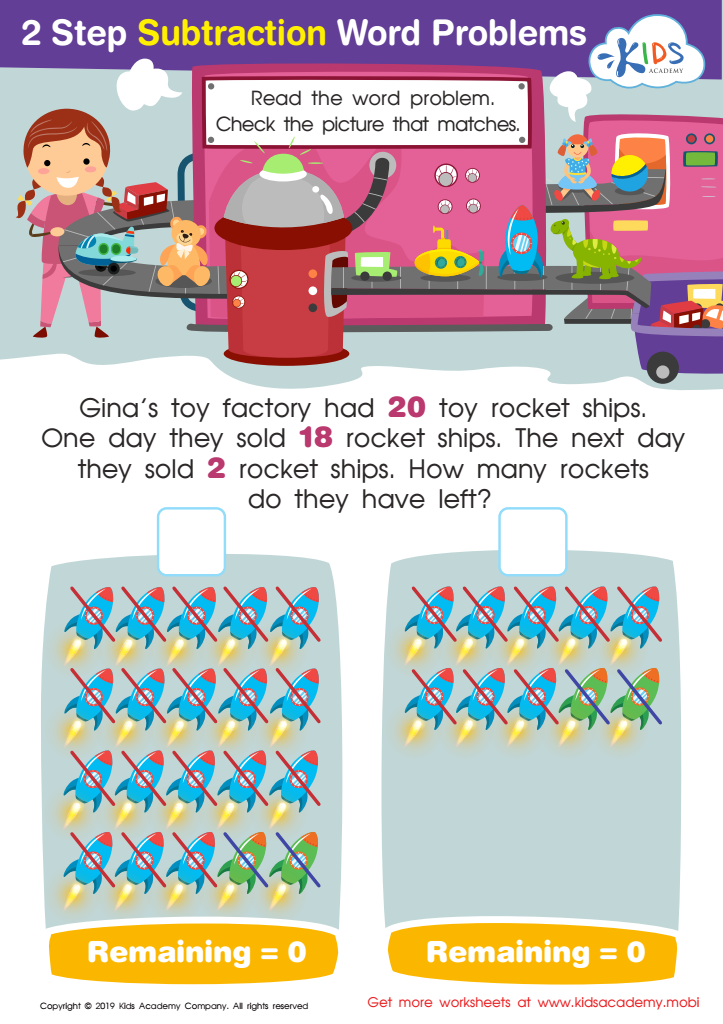
Step Subtraction Word Problems Worksheet
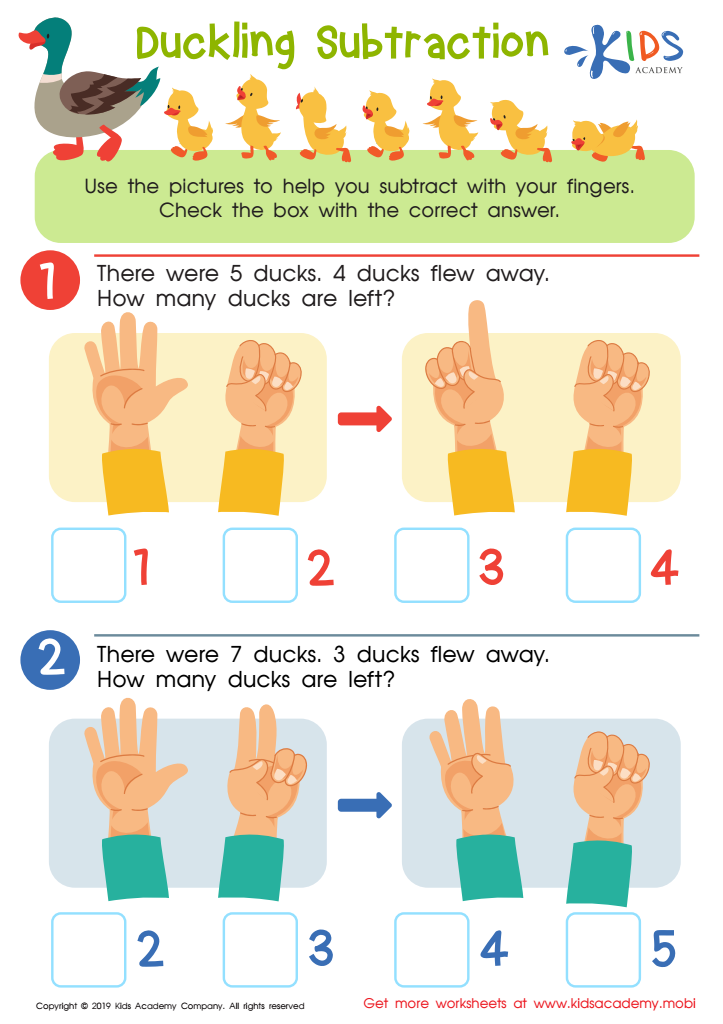
Duckling Subtraction Worksheet
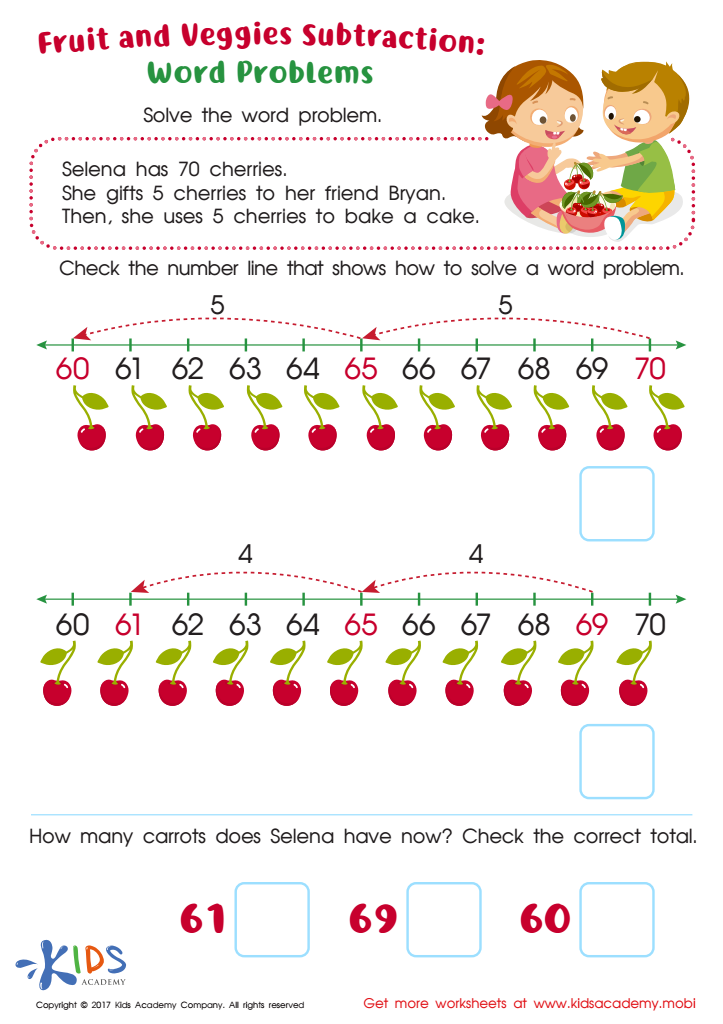
Subtraction Word Problems Free Printable
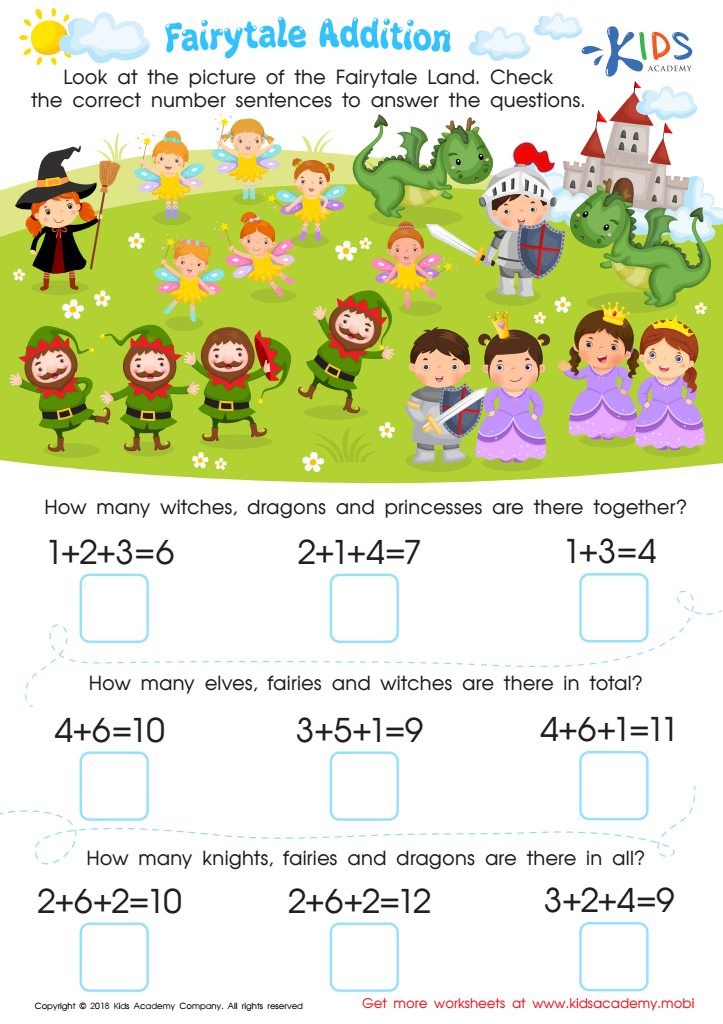
Fairytale Addition Worksheet
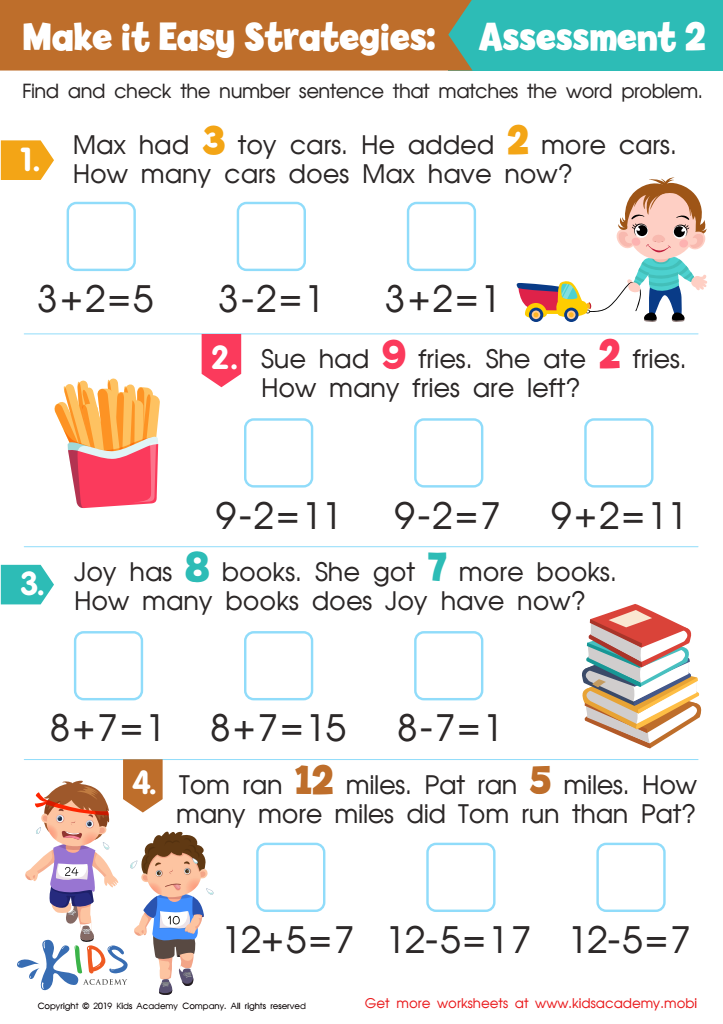
Make it Easy Strategies: Assessment 2 Worksheet
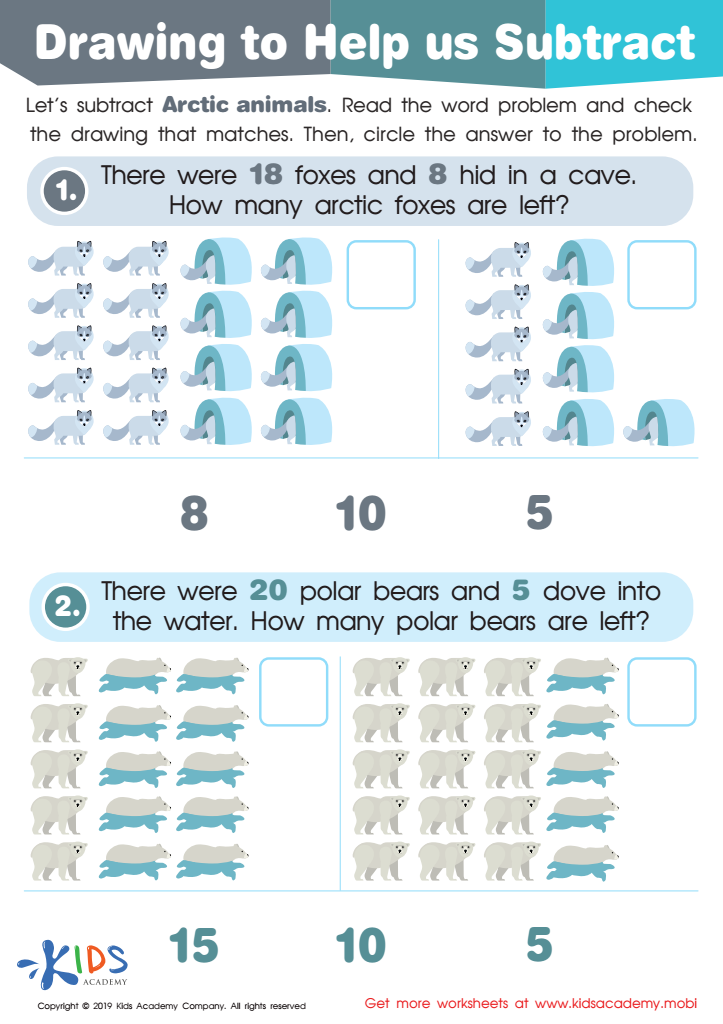
Drawing to Help Us Subtract Worksheet
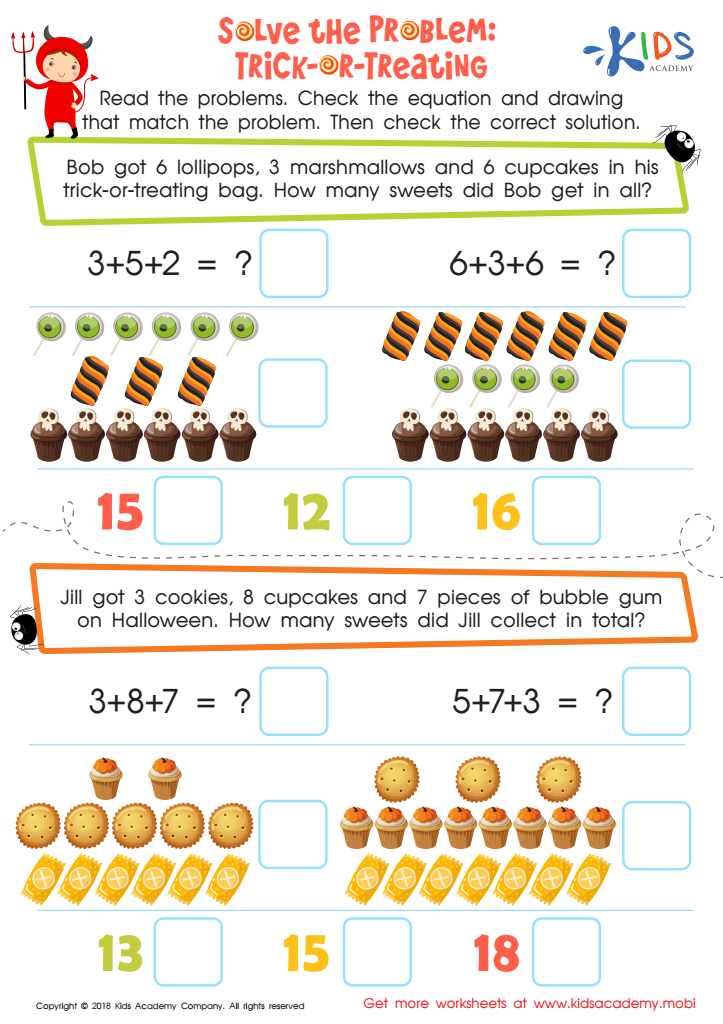
Solve the Problem: Trick–or–treating Worksheet
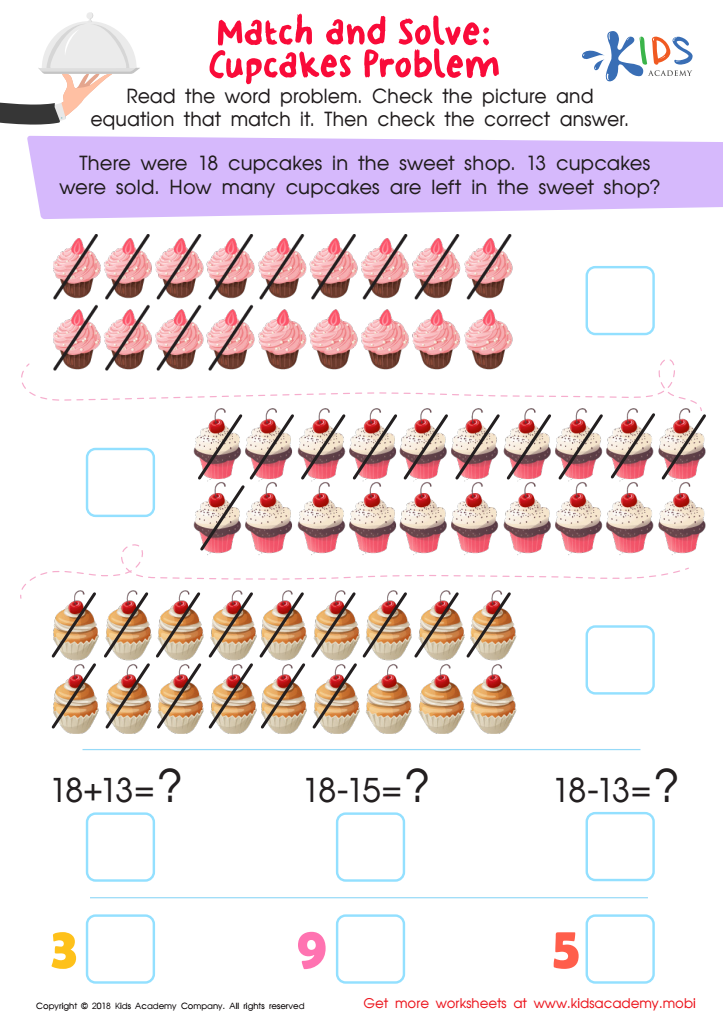
Match and Solve: Cupcakes Problem Worksheet
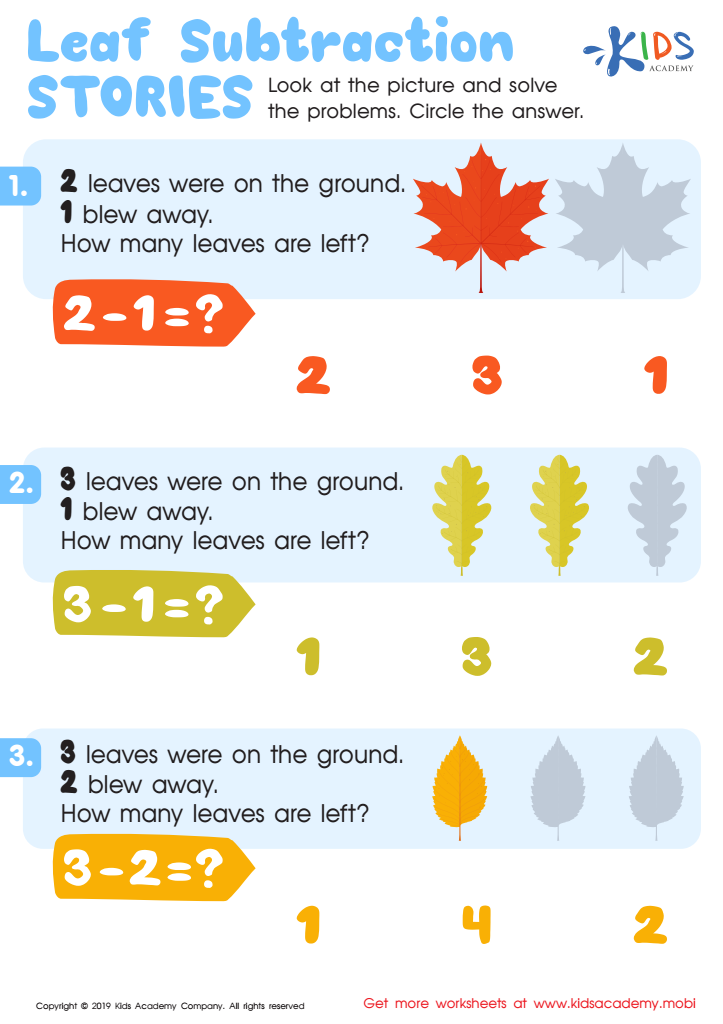
Leaf Subtraction Stories Worksheet
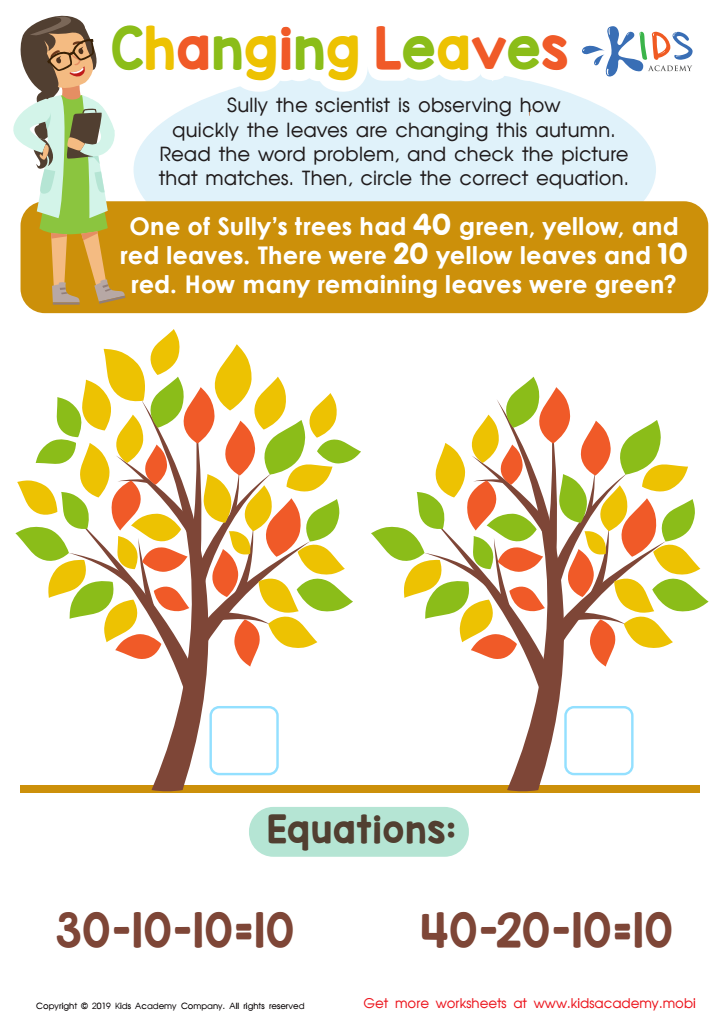
Changing Leaves Worksheet
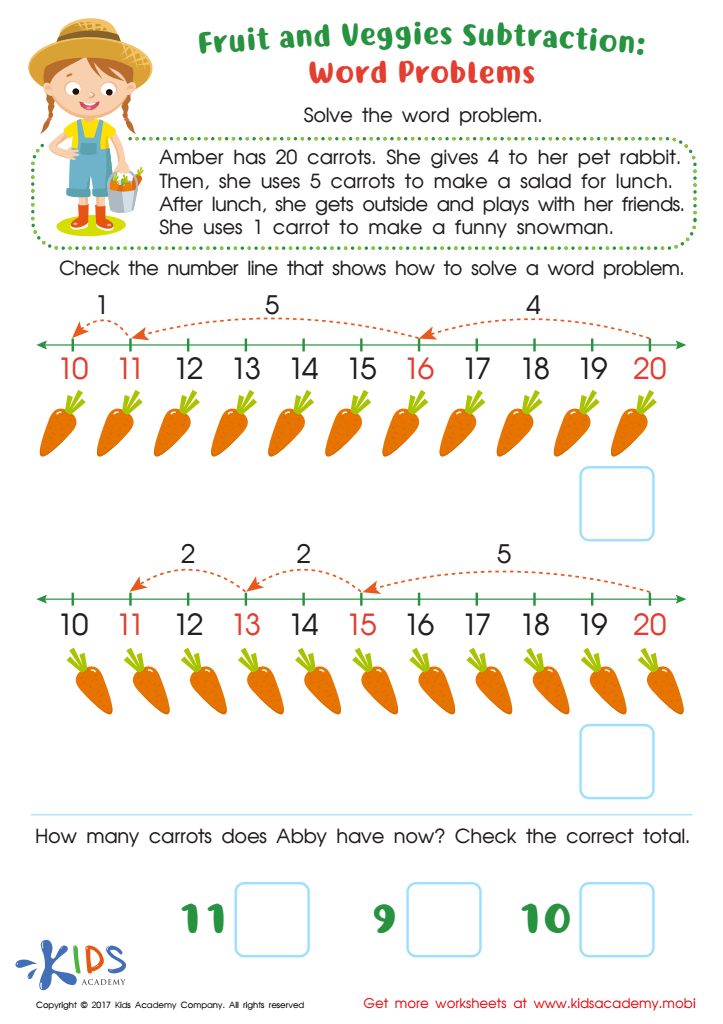
Subtraction Word Problems Printable
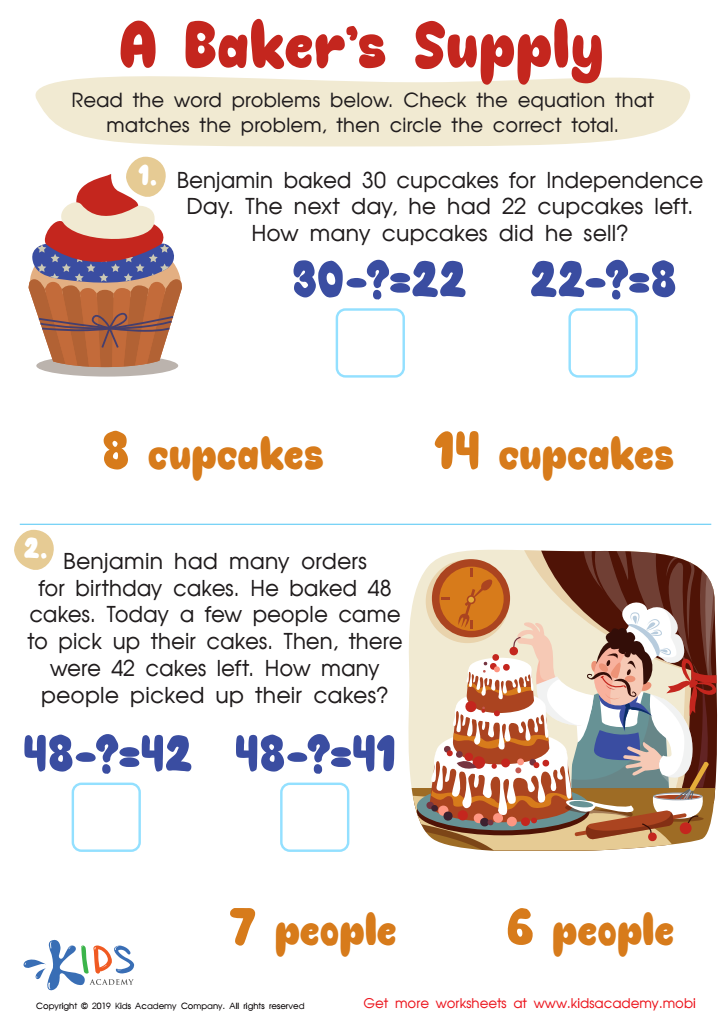
A Baker's Supply Worksheet
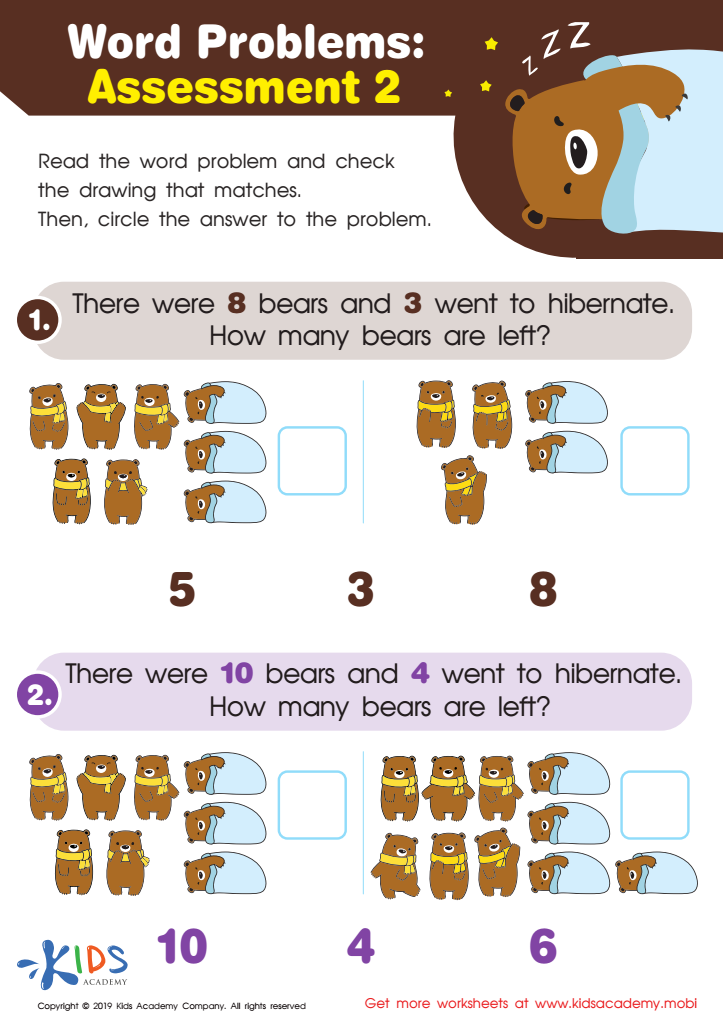
Word Problems: Assessment 2 Worksheet
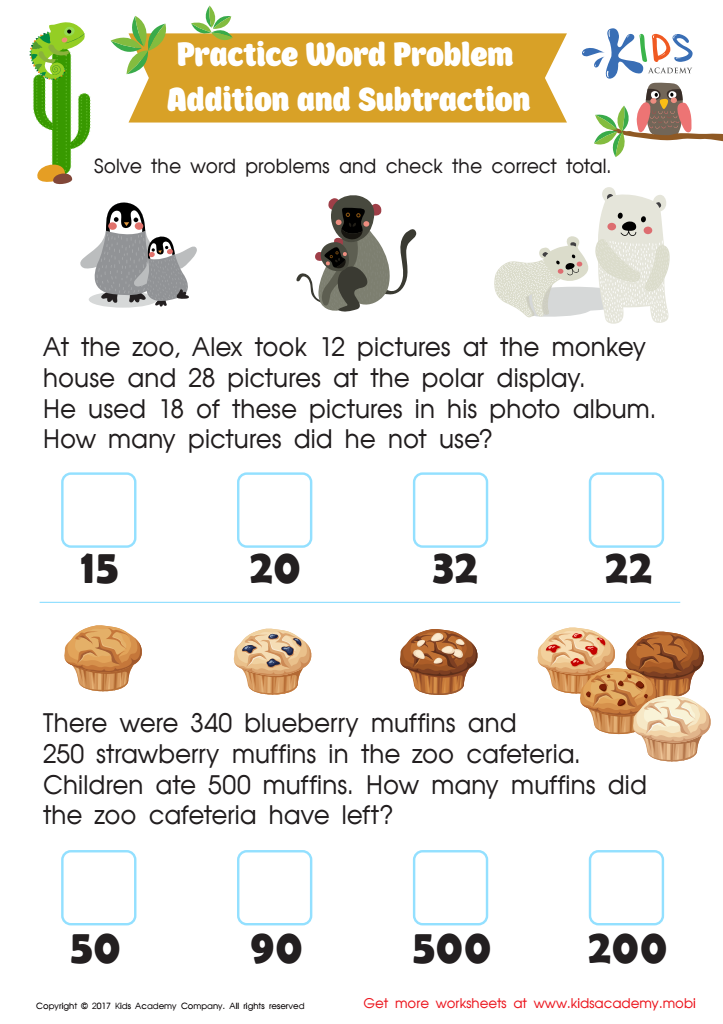
Addition and Subtraction: Word Problems Worksheet
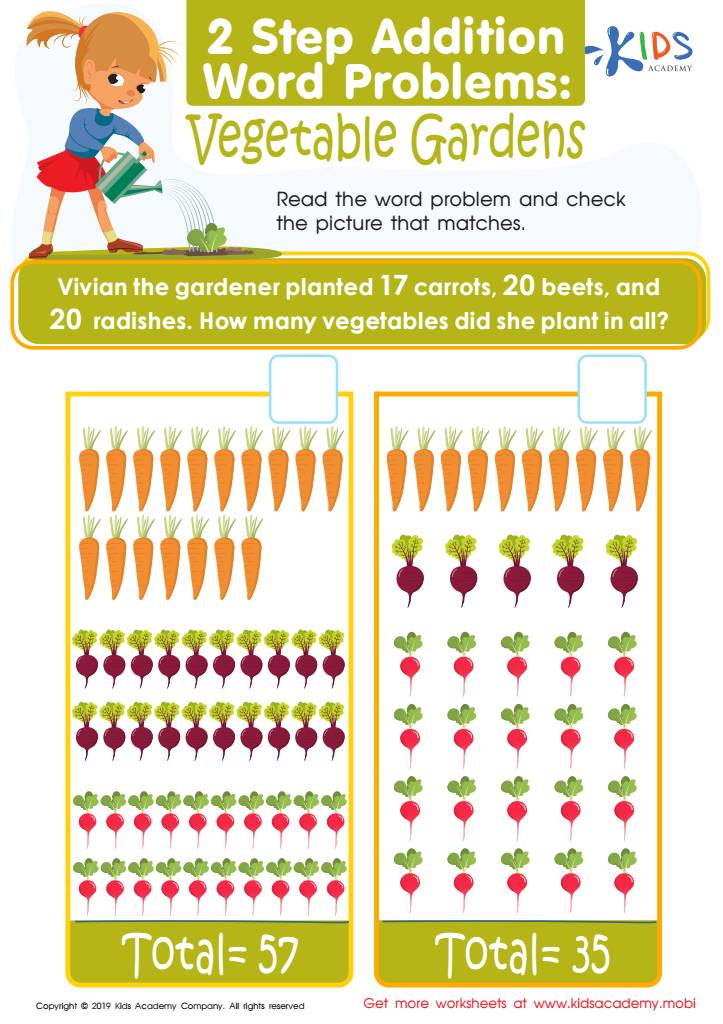
Vegetable Gardens Worksheet








Addition and subtraction word problems are crucial for children ages 3-8 as they foster critical thinking and real-life application of mathematical concepts. During these formative years, children naturally develop their cognitive and problem-solving skills. Immersing them in word problems allows them to contextualize math in everyday situations, turning abstract numbers into relatable scenarios. This understanding builds a strong foundation for more complex mathematical reasoning in later years.
By tackling word problems, children not only practice their arithmetic but also refine their reading comprehension and logical thinking. They learn to parse information, identify key details, and determine the correct operations to find solutions. This enhances their overall academic skills, making them more versatile learners.
Furthermore, success in solving these problems builds confidence. Children feel accomplished when they decode a puzzle and reach the correct answer, which reinforces their self-efficacy and positive attitude towards mathematics. Engaging with math in practical contexts also highlights its value and usefulness, cementing a positive relationship with the subject early on.
Thus, parents and teachers should prioritize addition and subtraction word problems to help kids develop essential skills, foster confidence, and create a lasting understanding and appreciation of mathematics.