Counting Worksheets for Ages 3-8 - Page 2
48 filtered results
-
From - To
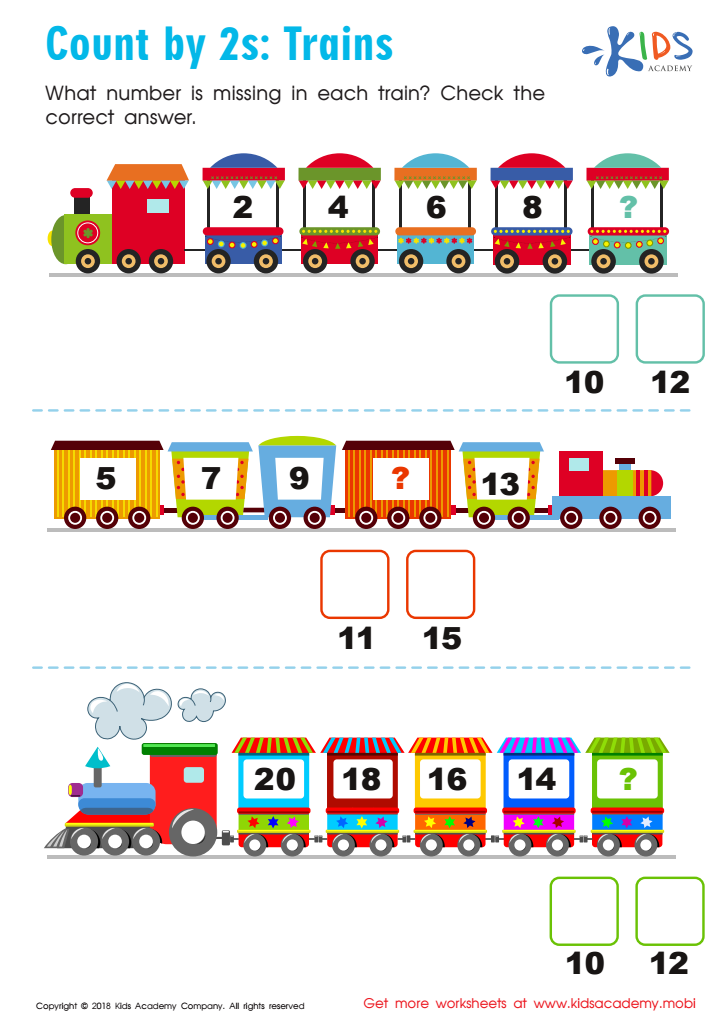
Count by 2's: Trains Worksheet

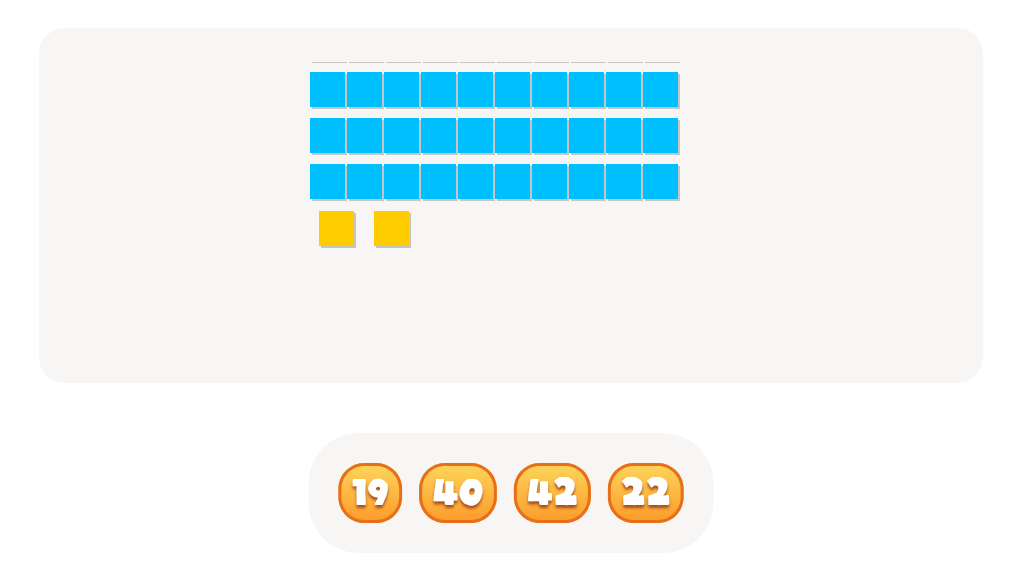
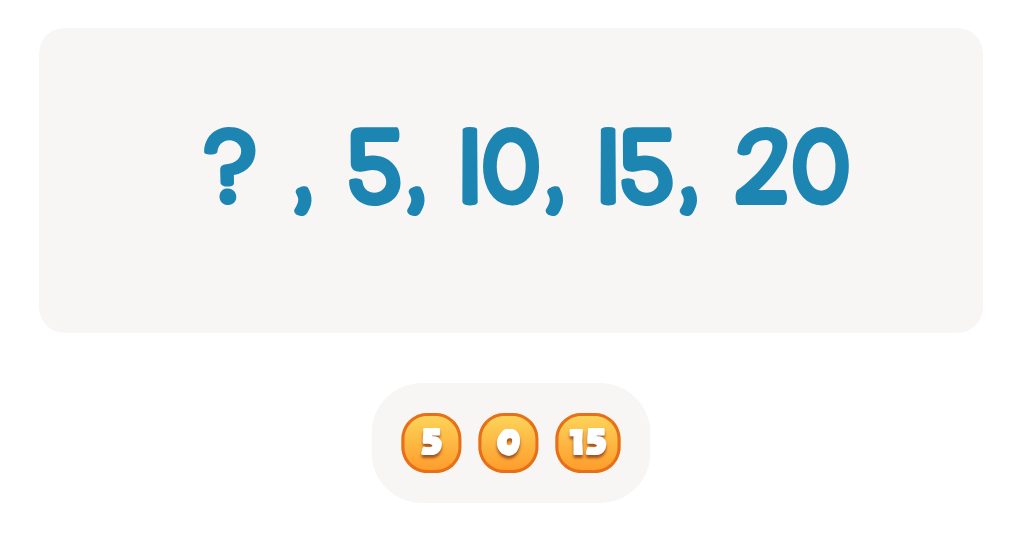
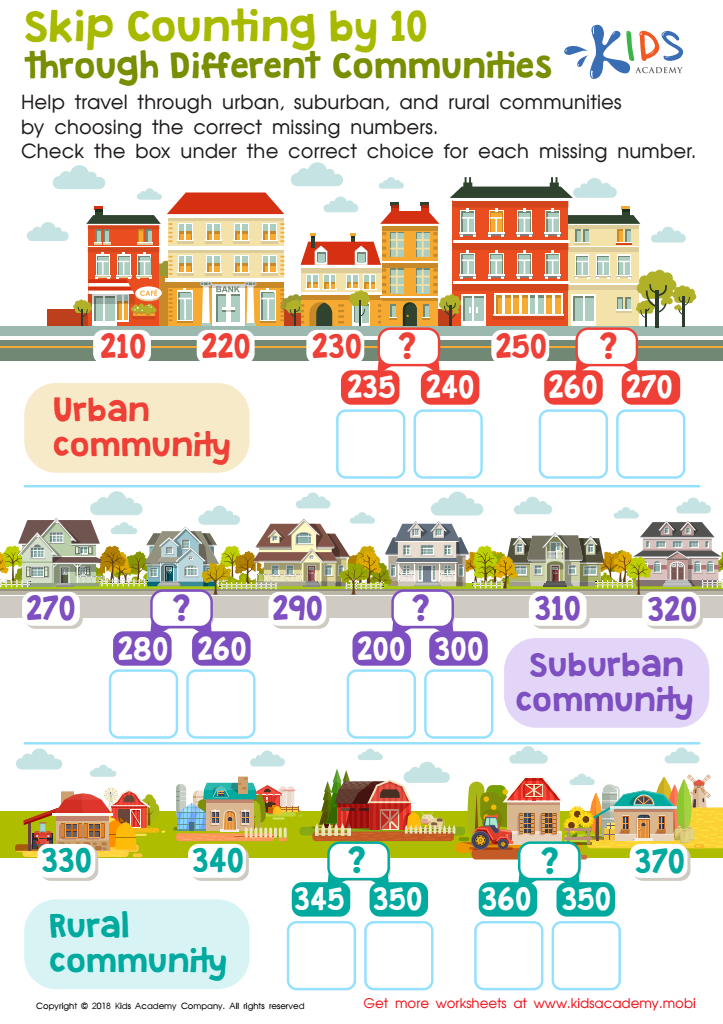
Skip Counting by 10 through Different Communities Worksheet
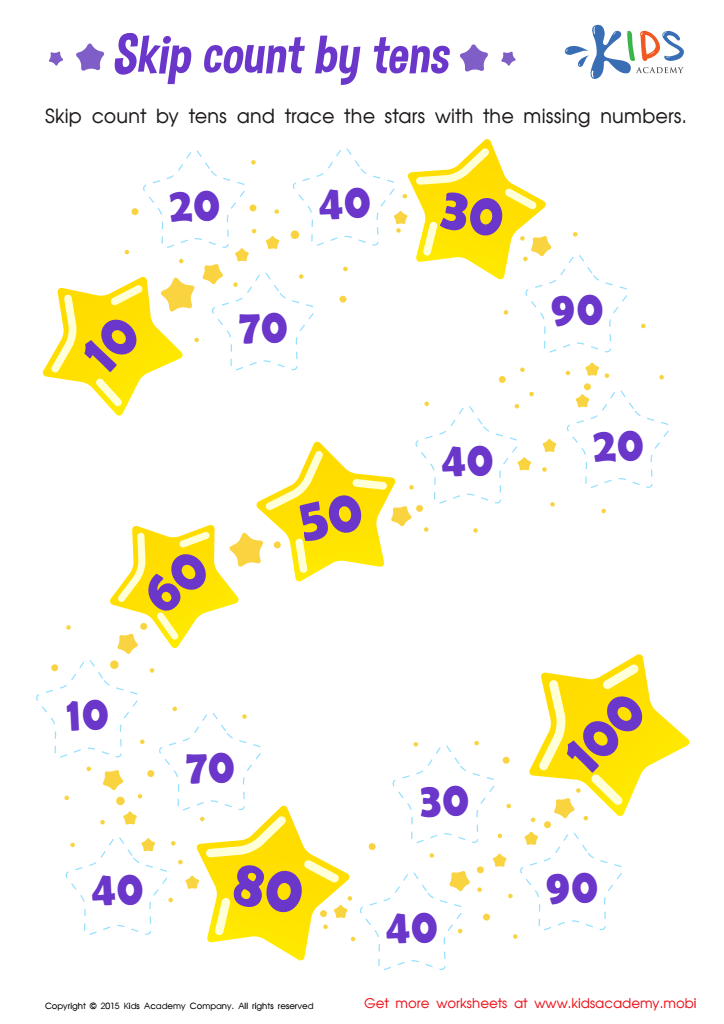
Learn dozens: Skip Count by Tens Printable
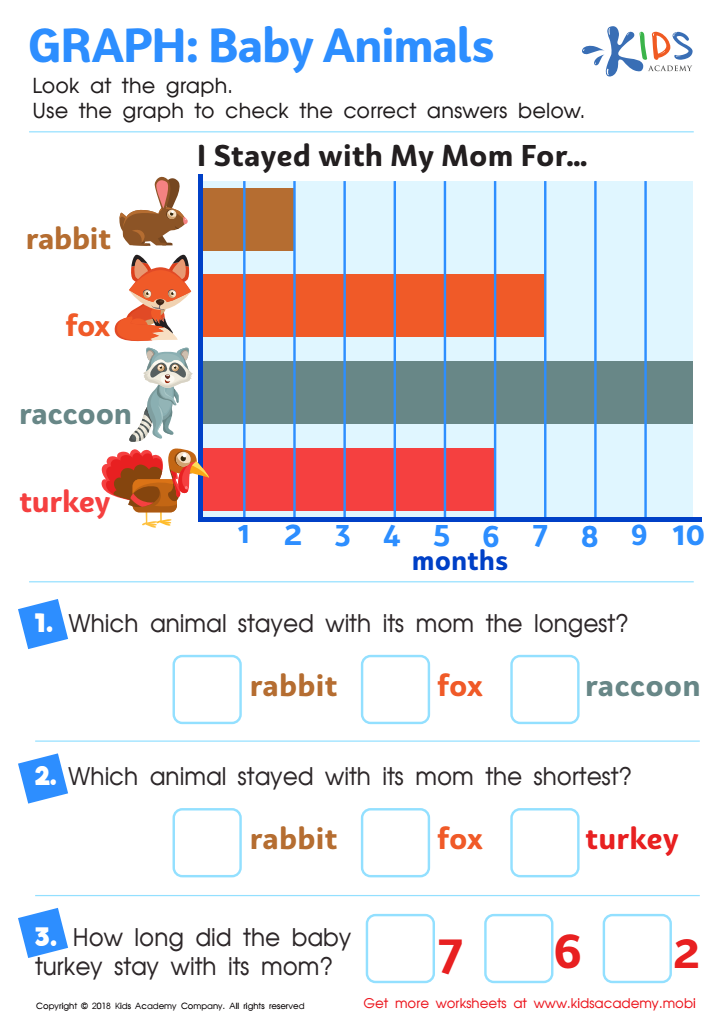
Graph: Baby Animals Worksheet
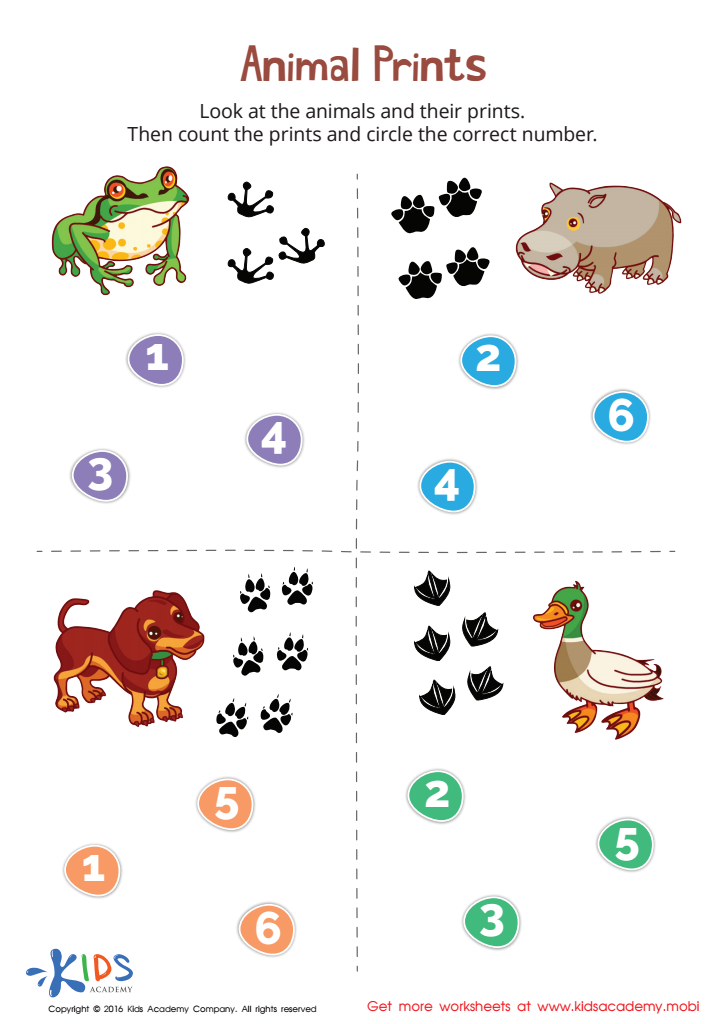
Animal Prints Match-Up Worksheet
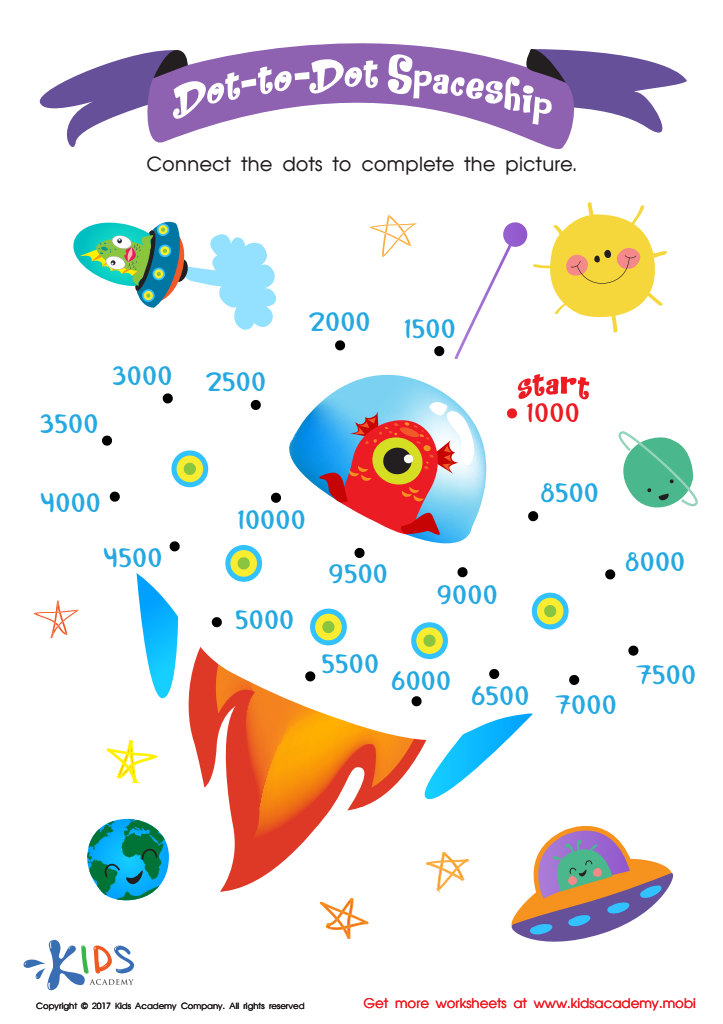
Dot to Dot Worksheet for 3rd Grade
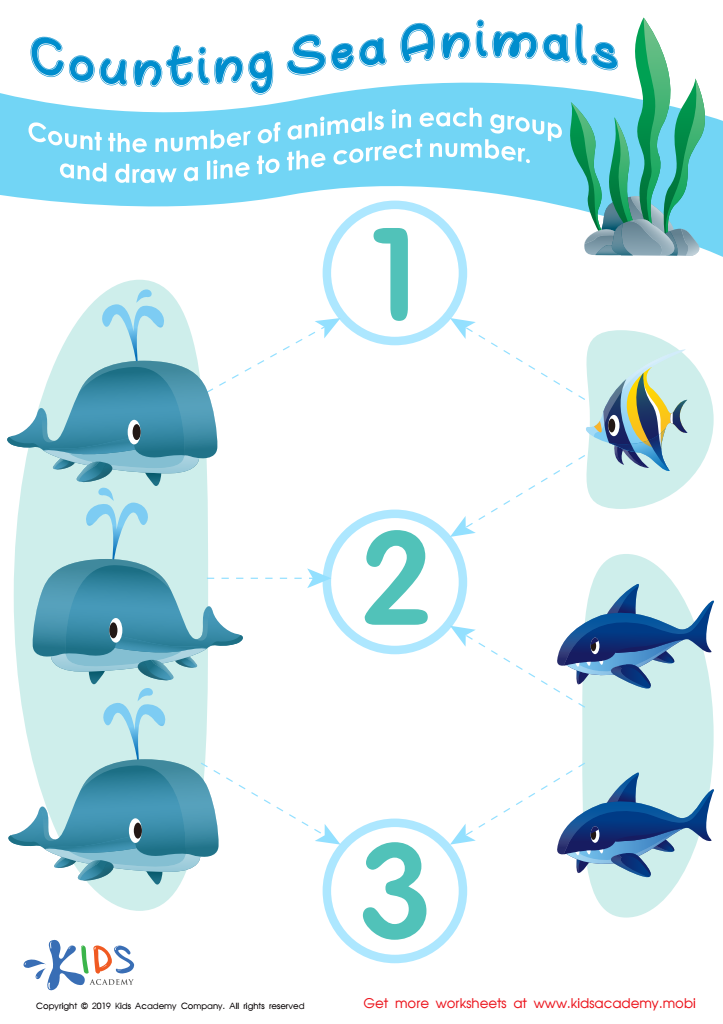
Counting Sea Animals Worksheet
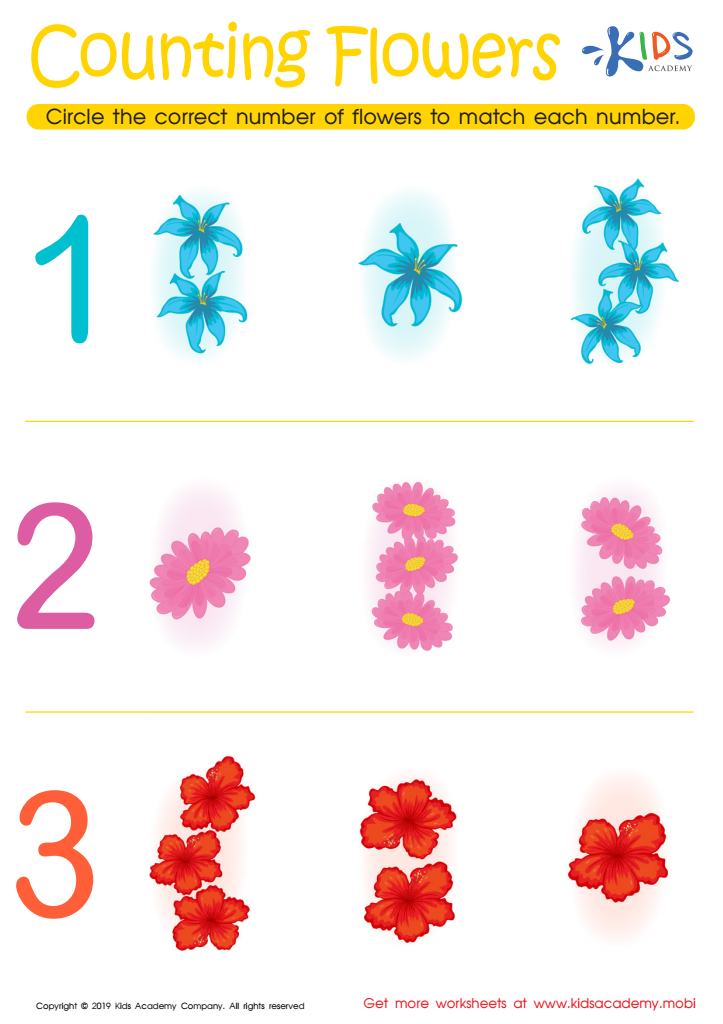
Counting Flowers Worksheet
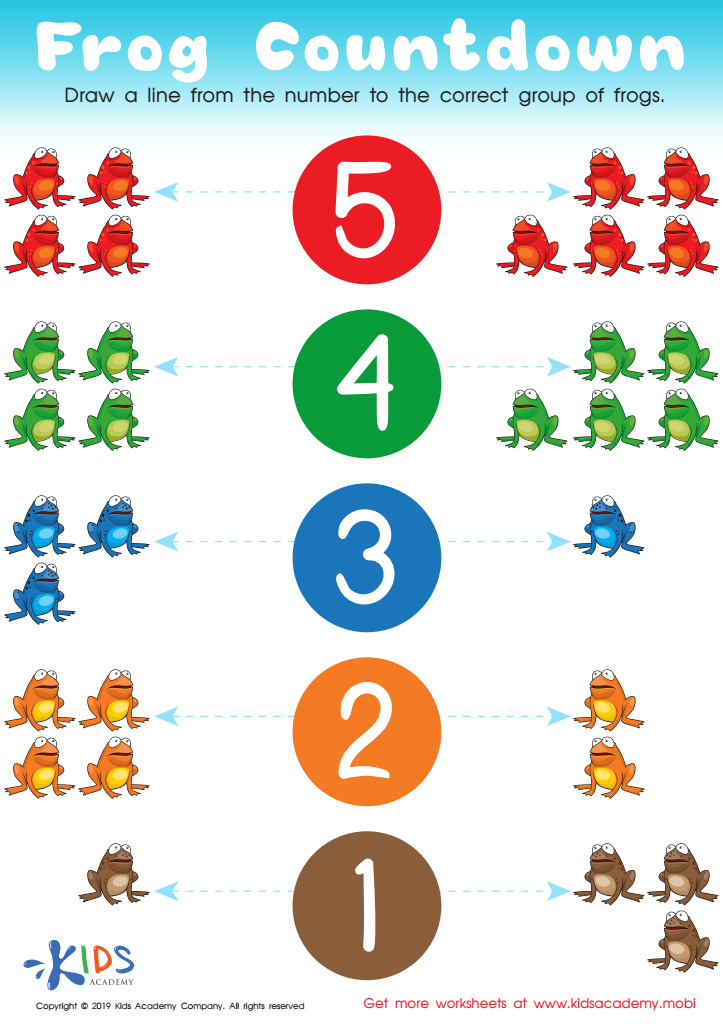
Frog Countdown Worksheet
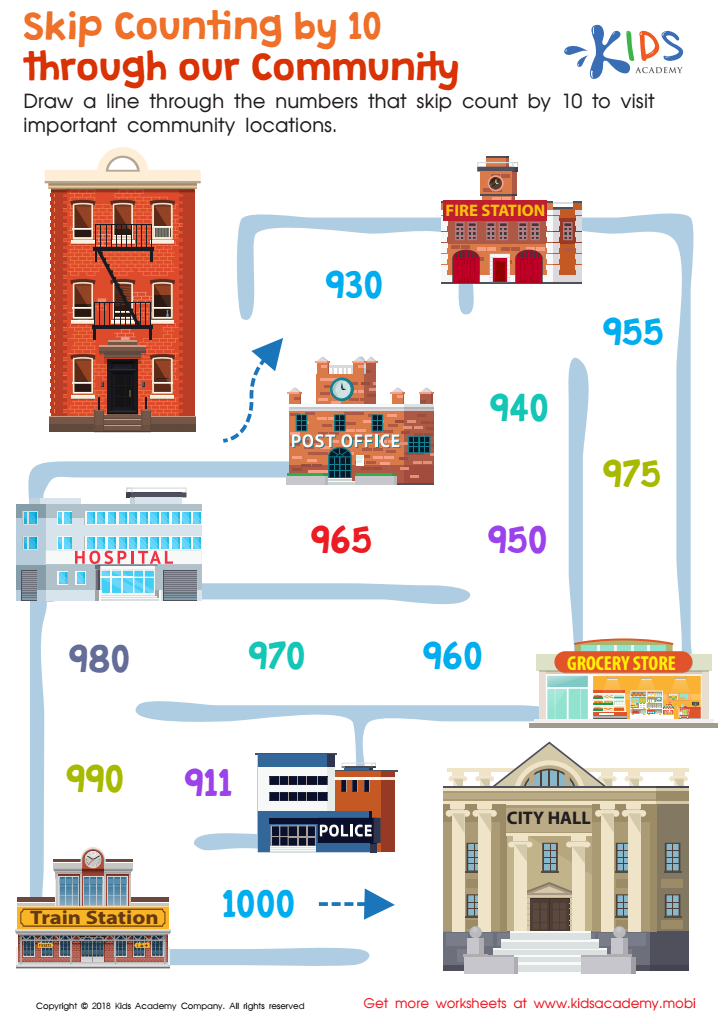
Skip Counting by 10 Through Our Community Worksheet
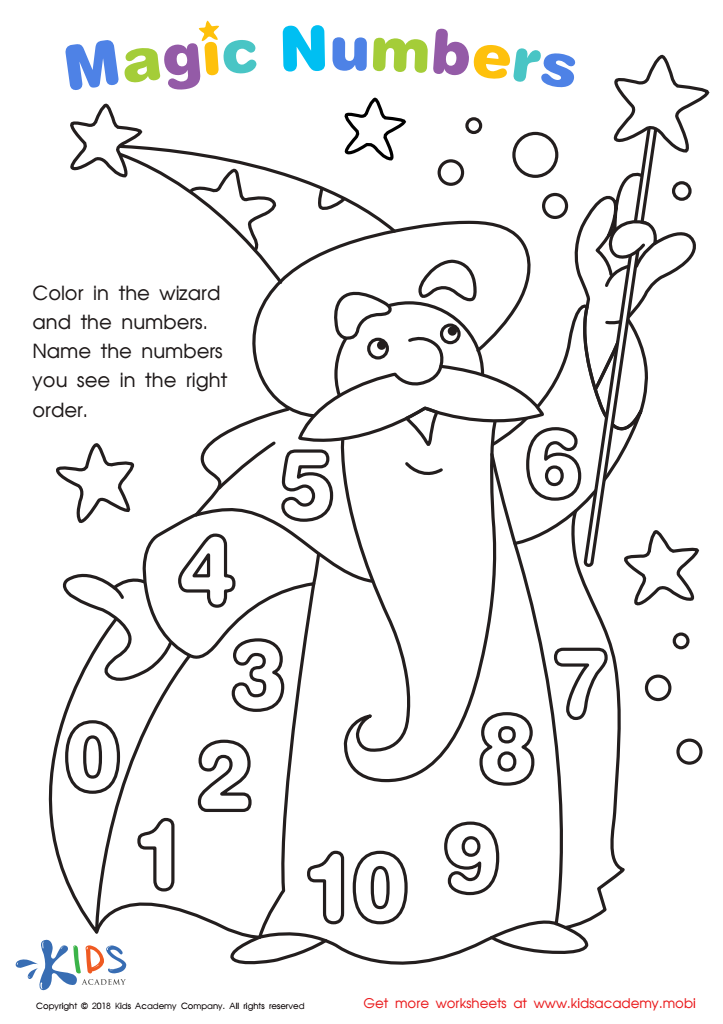
Magic Numbers Worksheet
 Assign to My Students
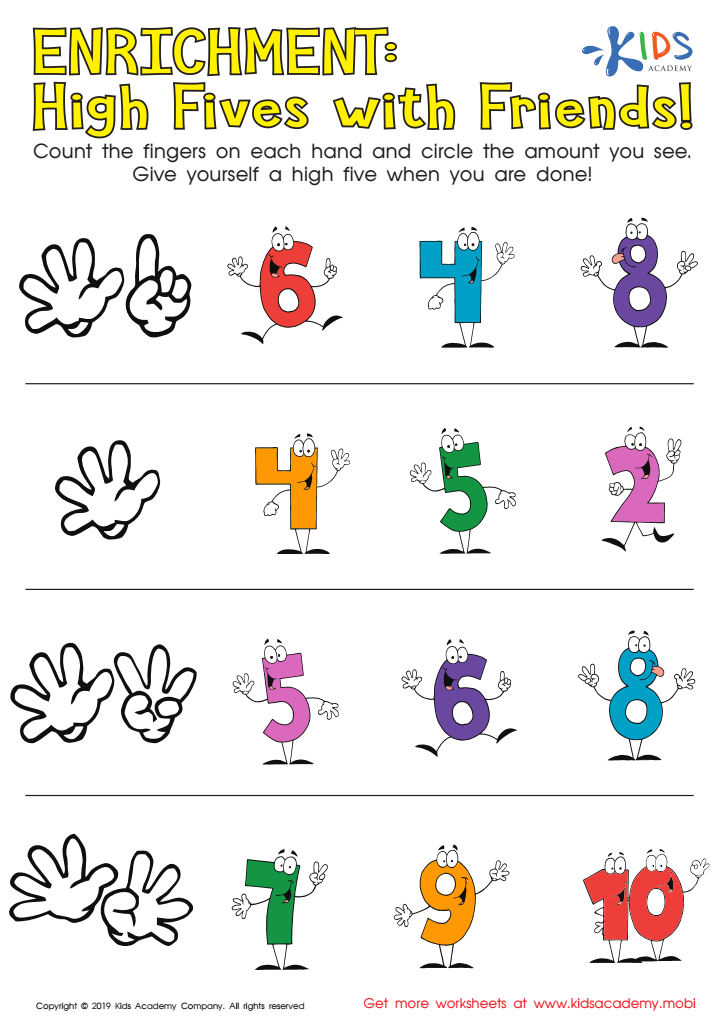
Enrichment: High Fives with Friends! Worksheet
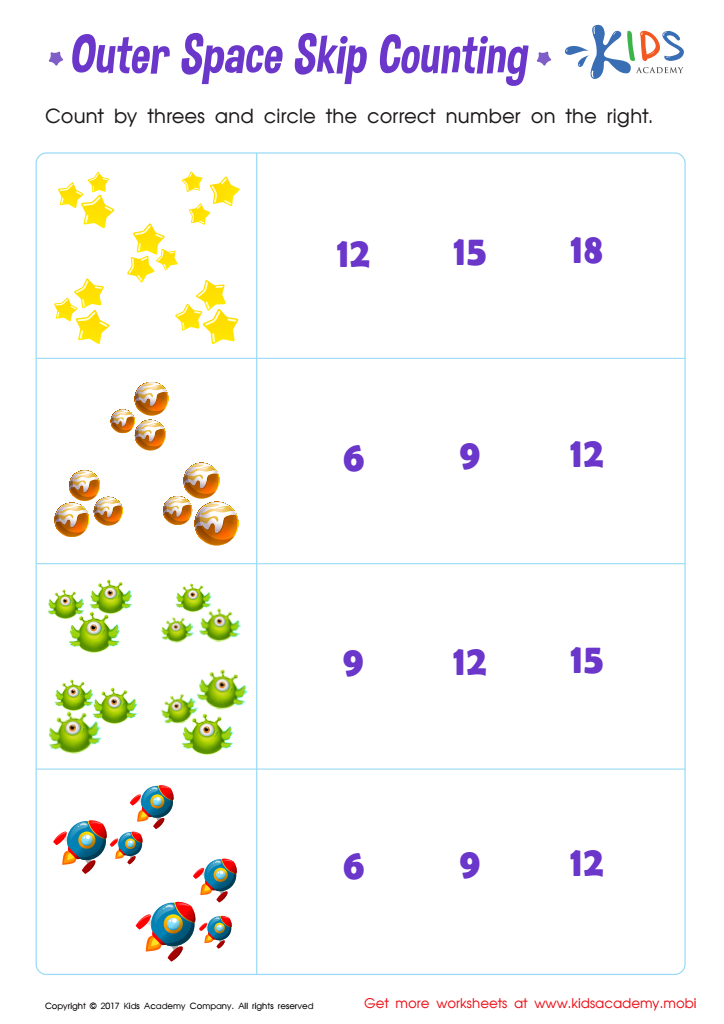
Skip Counting by 3s: Outer Space Skip Counting Printable
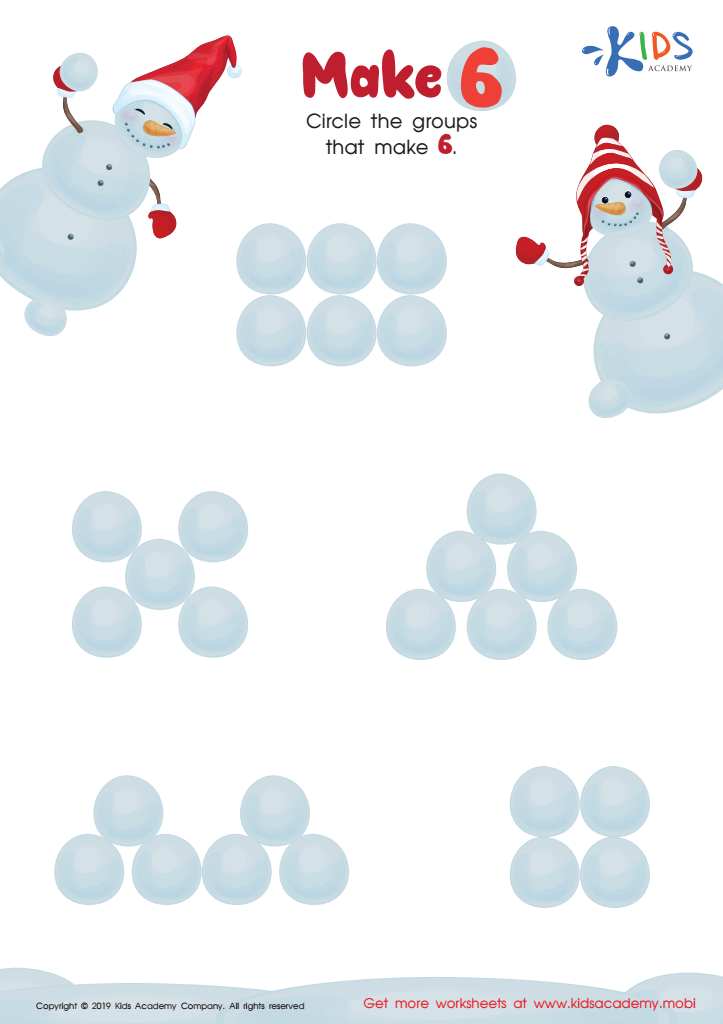
Make 6 Worksheet
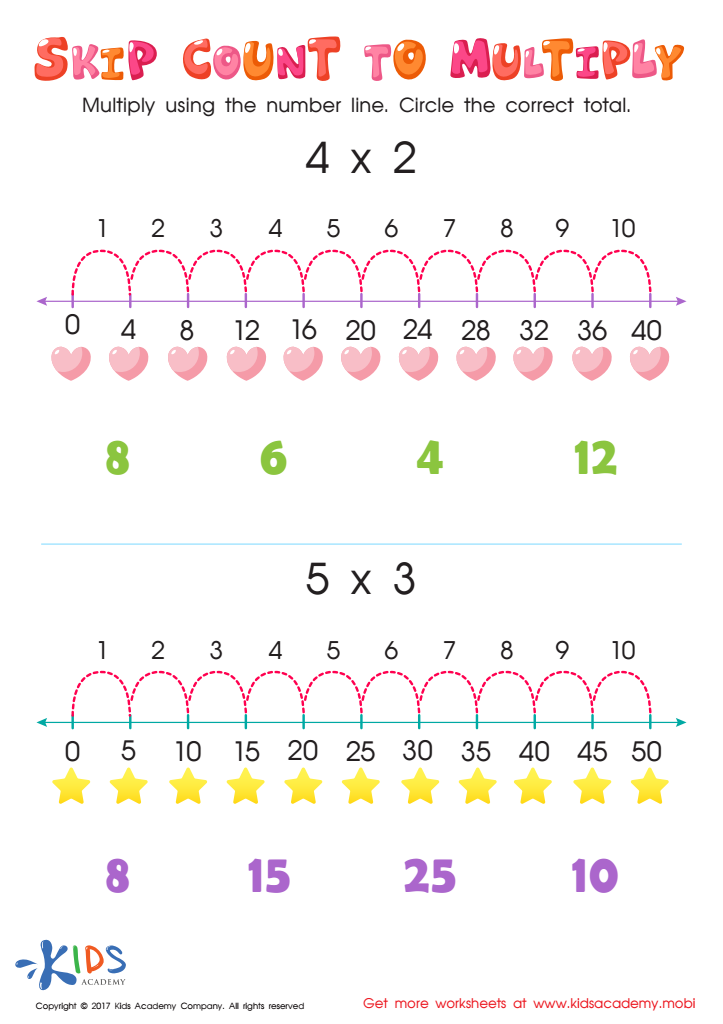
Skip Count Multiplication Worksheet
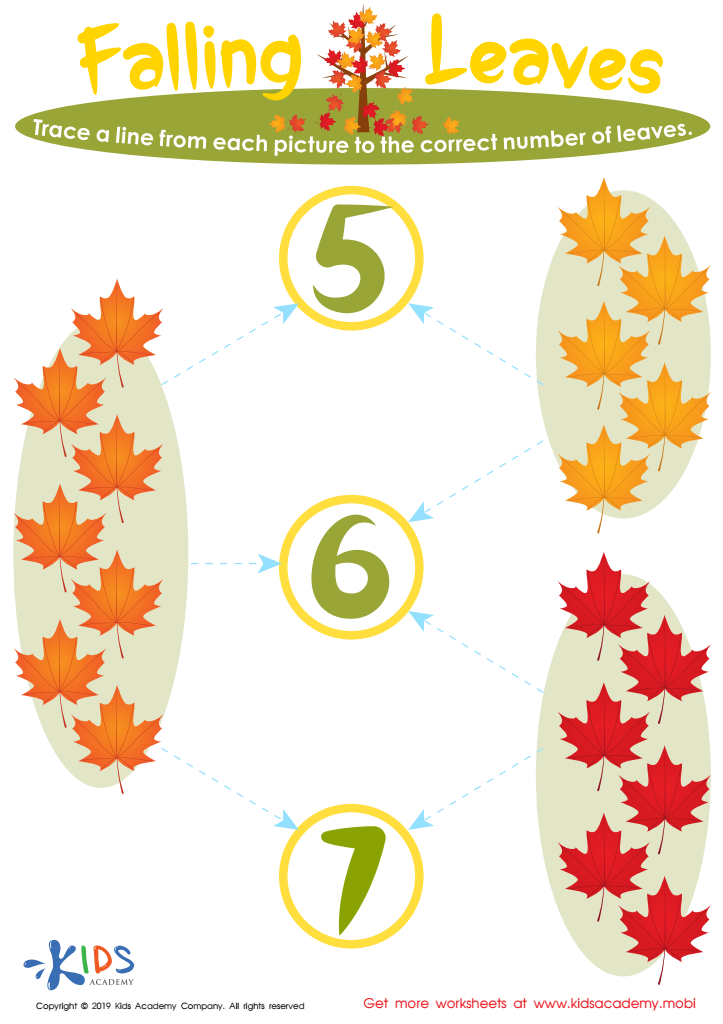
Falling Leaves Worksheet
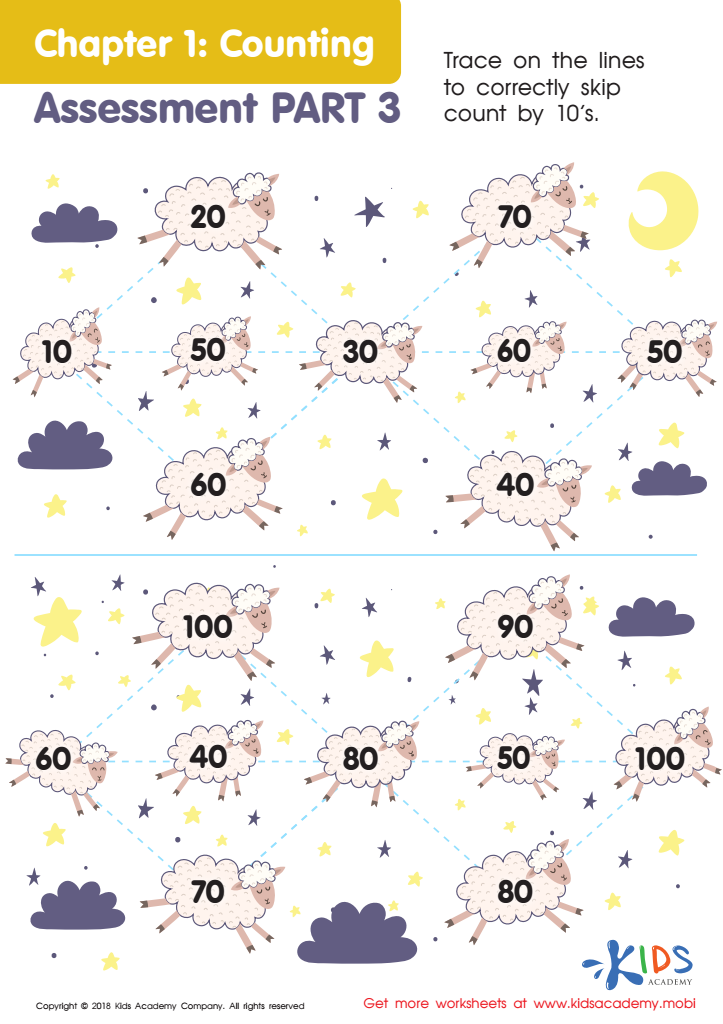
Counting: Assessment 3 Worksheet
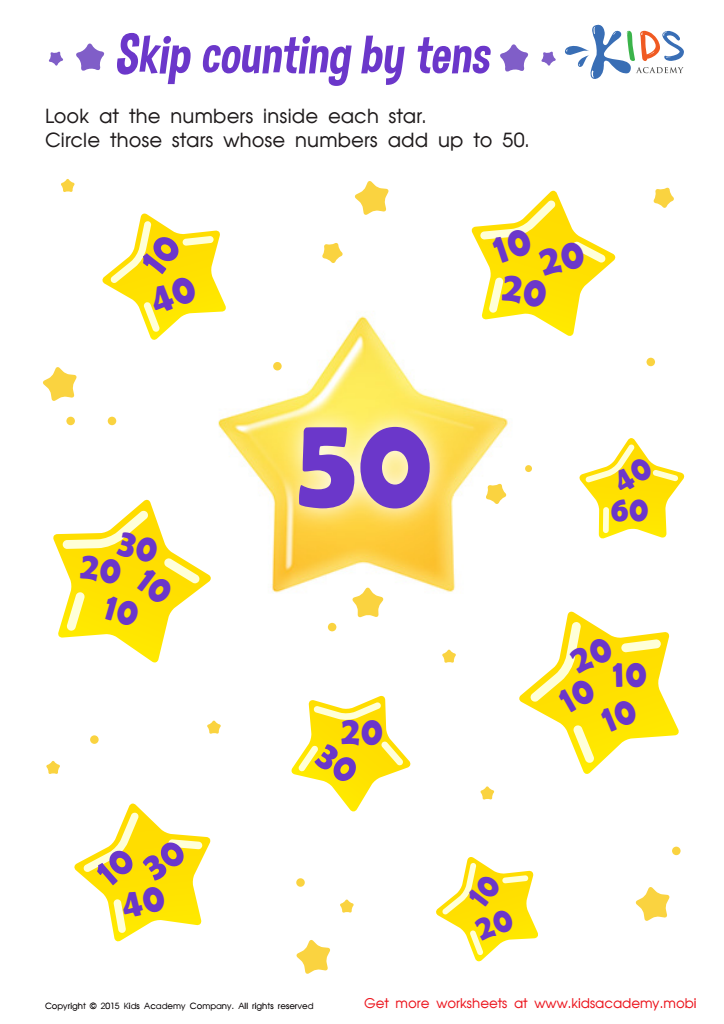
Learn Dozens: Skip Counting by Tens Printable
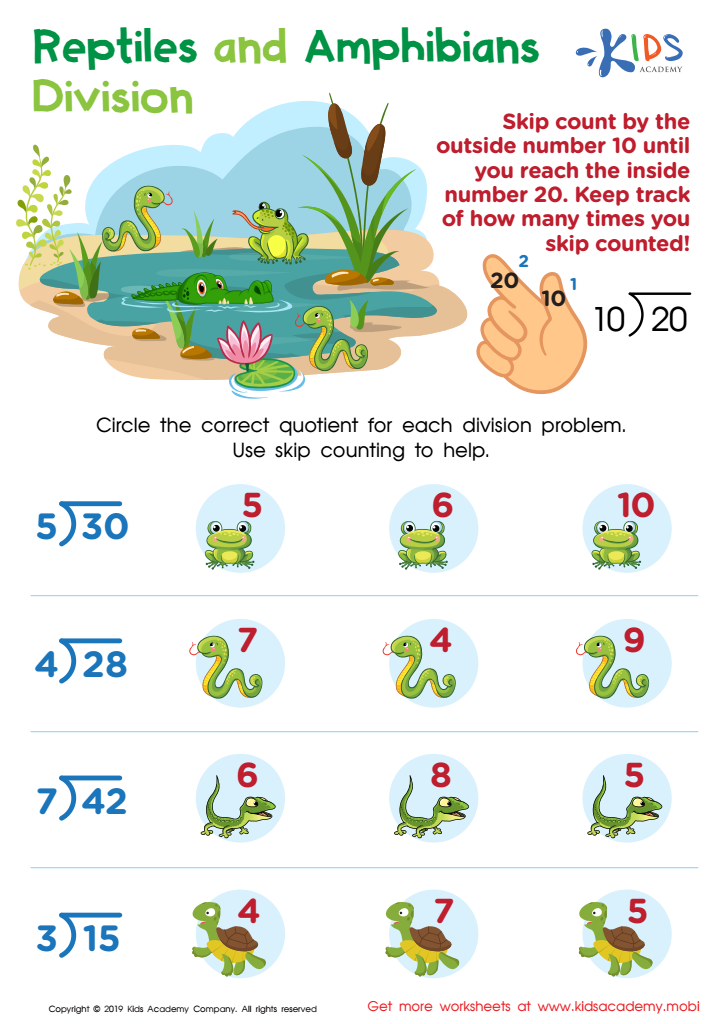
Reptile and Amphibians Division Worksheet
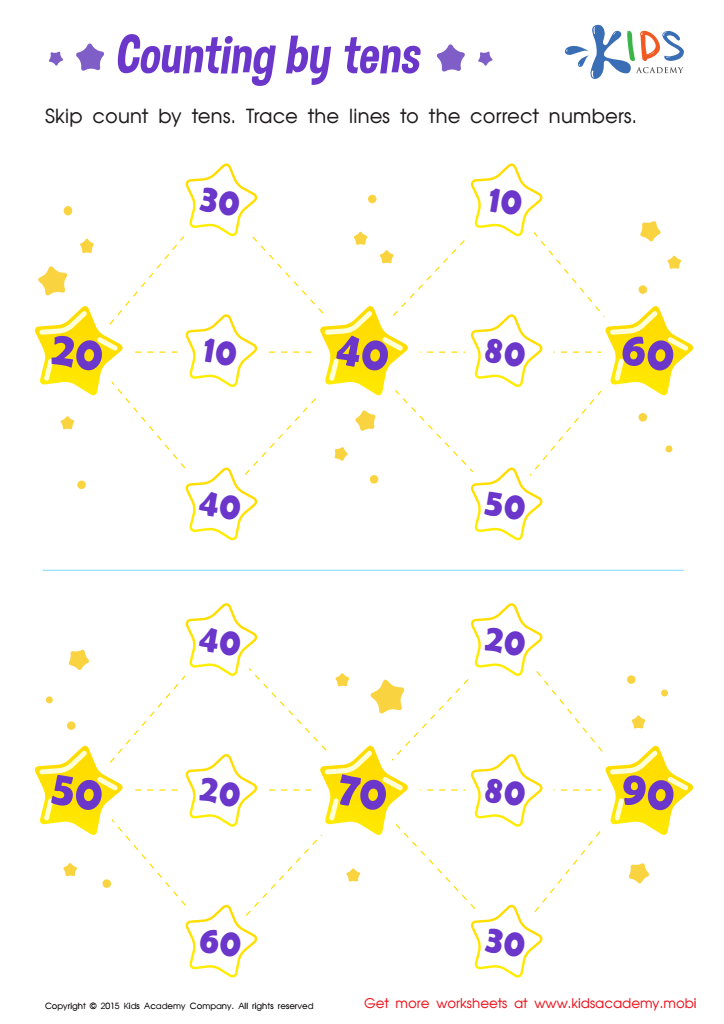
Learn Dozens: Counting by Tens Printable
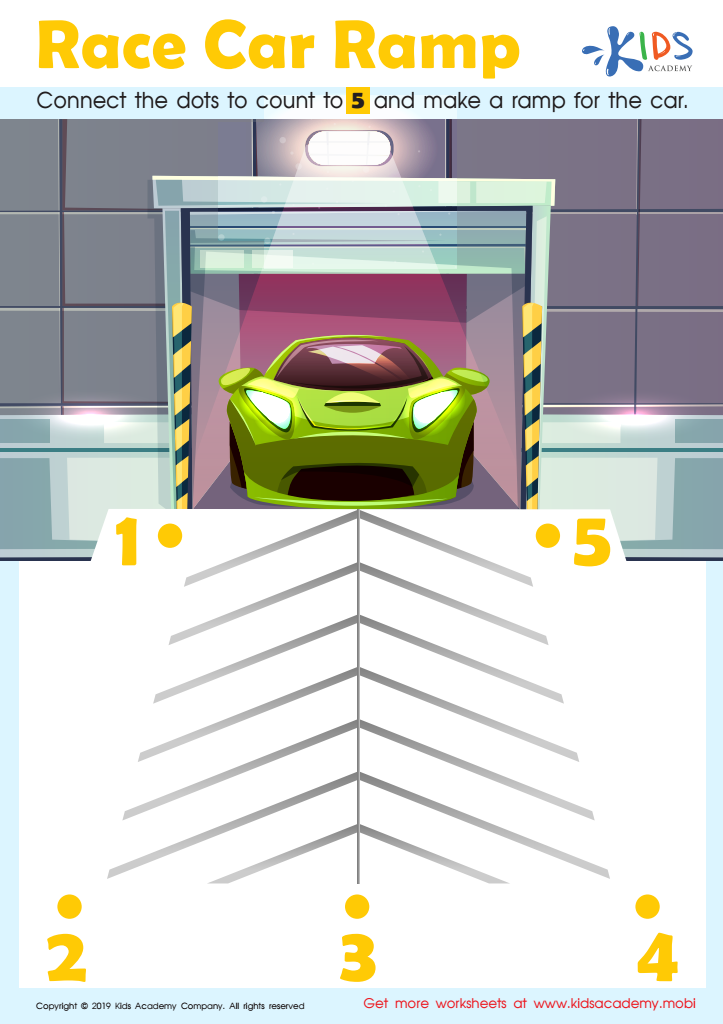
Race Car Ramp Worksheet
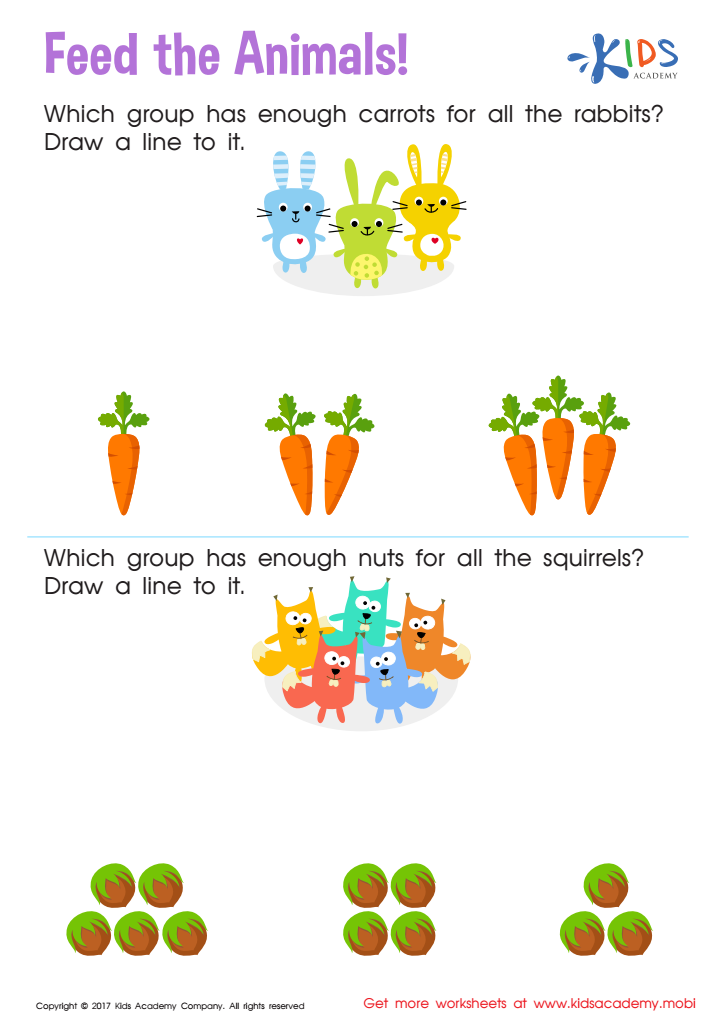
Count and Match: Feed the Animals Worksheet
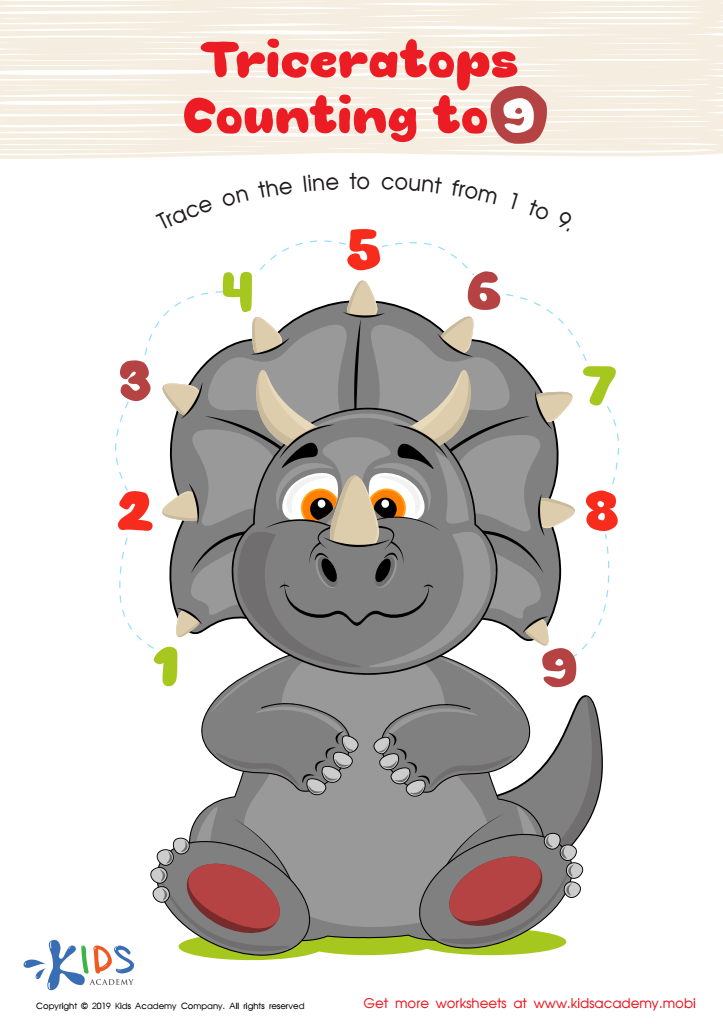
Triceratops Counting to 9 Worksheet
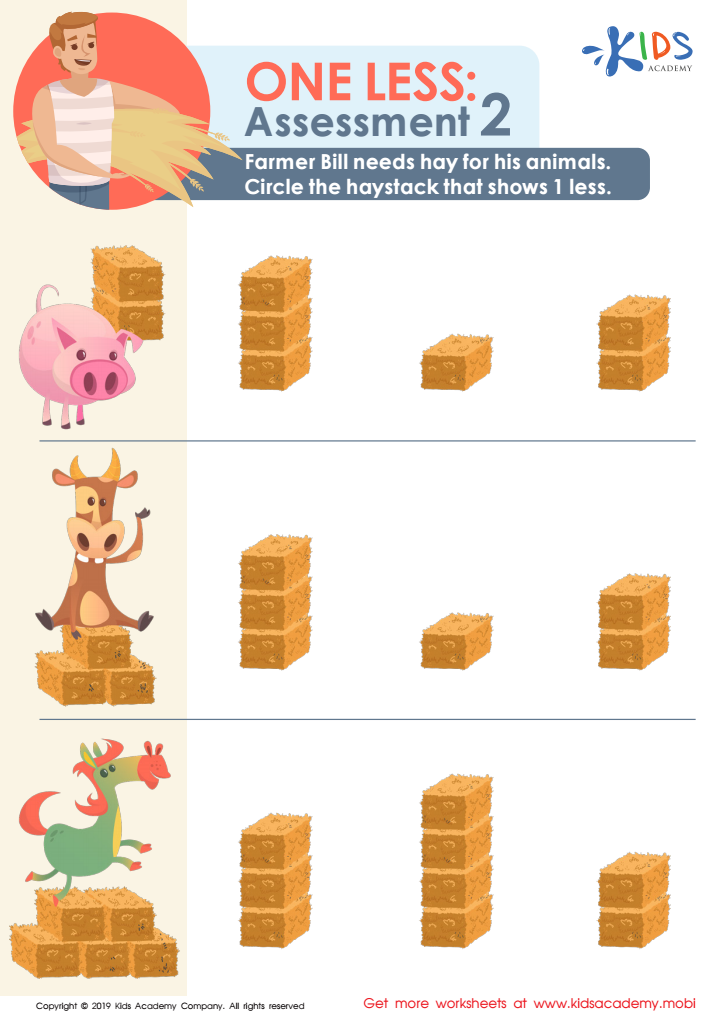
One Less: Assessment 2 Worksheet








Counting is one of the foundational skills in early childhood education and is critical for children ages 3-8 for a variety of reasons. At its core, counting is the basis for developing number sense—a crucial aspect of mathematics that involves understanding numbers, knowing their relationships, and grasping their operations. For young learners, the ability to count introduces them to patterns, order, and quantification, serving as the building blocks for more complex mathematical concepts like addition, subtraction, and multiplication.
Moreover, counting fosters cognitive development by enhancing memory, attention, and problem-solving skills. When children practice counting, they also engage in logical thinking and develop an understanding of cause-and-effect relationships. This is not just limited to math; these cognitive skills are transferable to other areas of learning and daily life activities.
Socially, counting in groups or with a teacher encourages cooperative learning and verbal communication, helping children articulate their thought processes and understand others. This can boost confidence and social skills, preparing them better for school and societal interactions.
Emotionally, success in counting and other early math skills can provide positive reinforcement, fostering a sense of achievement and curiosity for learning.
Therefore, both parents and teachers should prioritize teaching counting in these formative years, as it lays the groundwork for future academic success and life skills.








