Tracing Letters Worksheets for Ages 3-9 - Page 2
58 filtered results
-
From - To
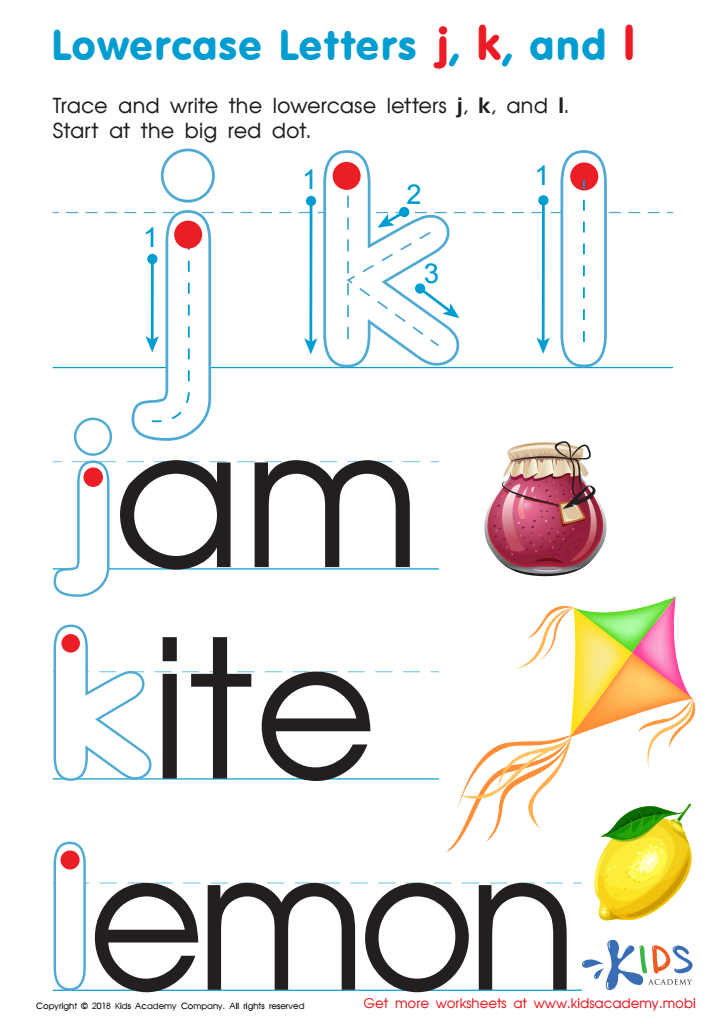
Lowercase Letters j k l Worksheet
 Assign to My Students
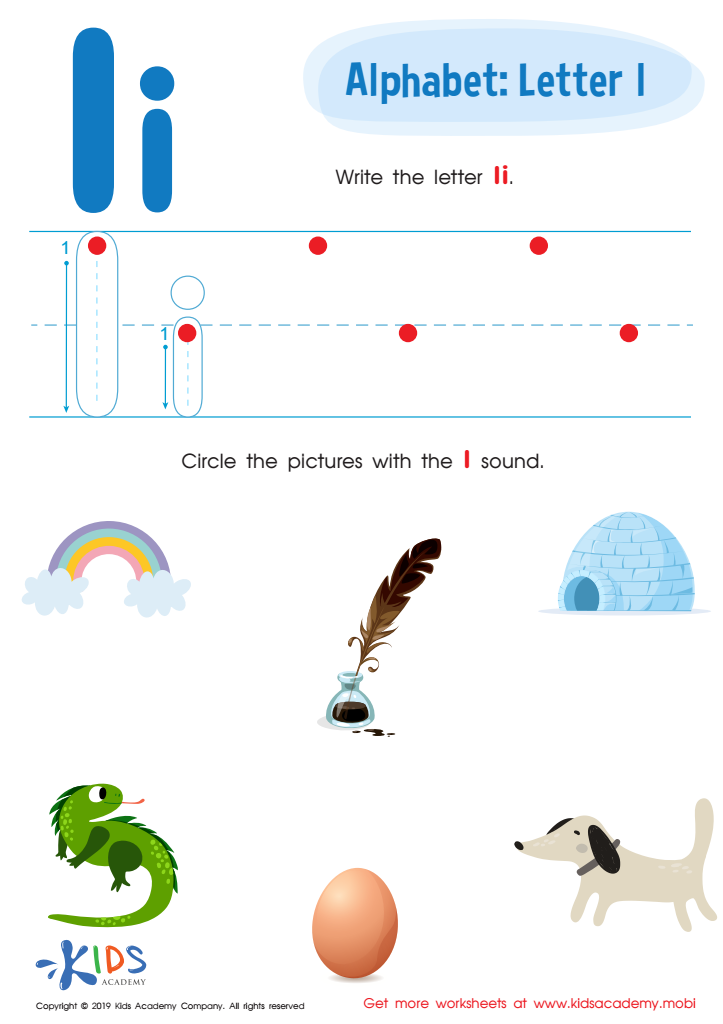
Letter I Tracing Worksheet
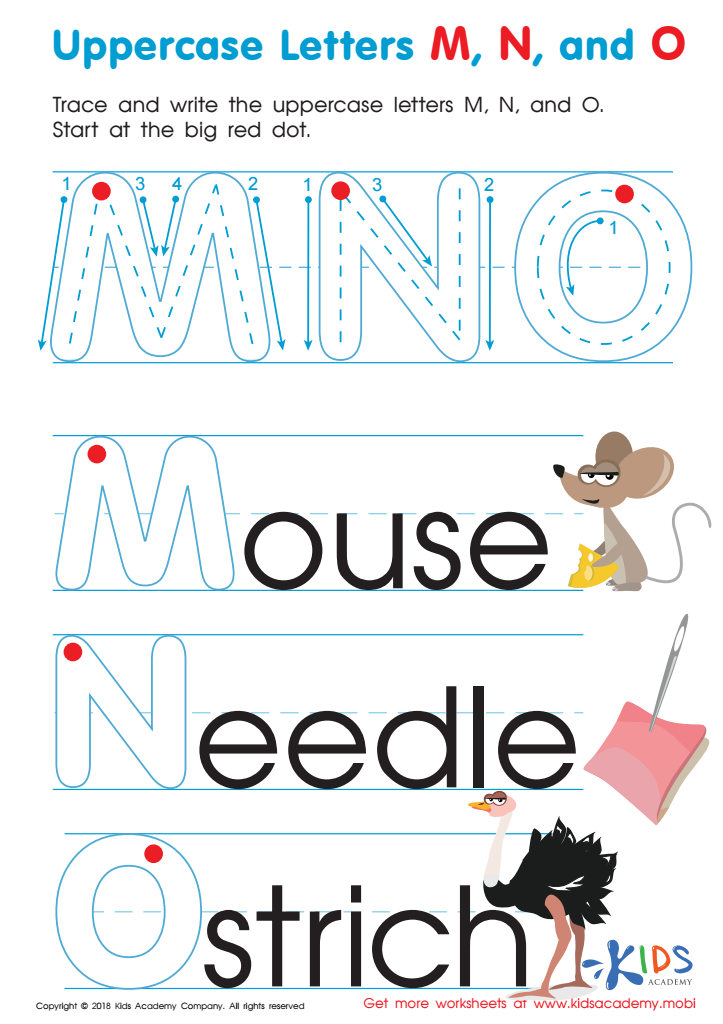
Uppercase Letters M, N, and O Worksheet
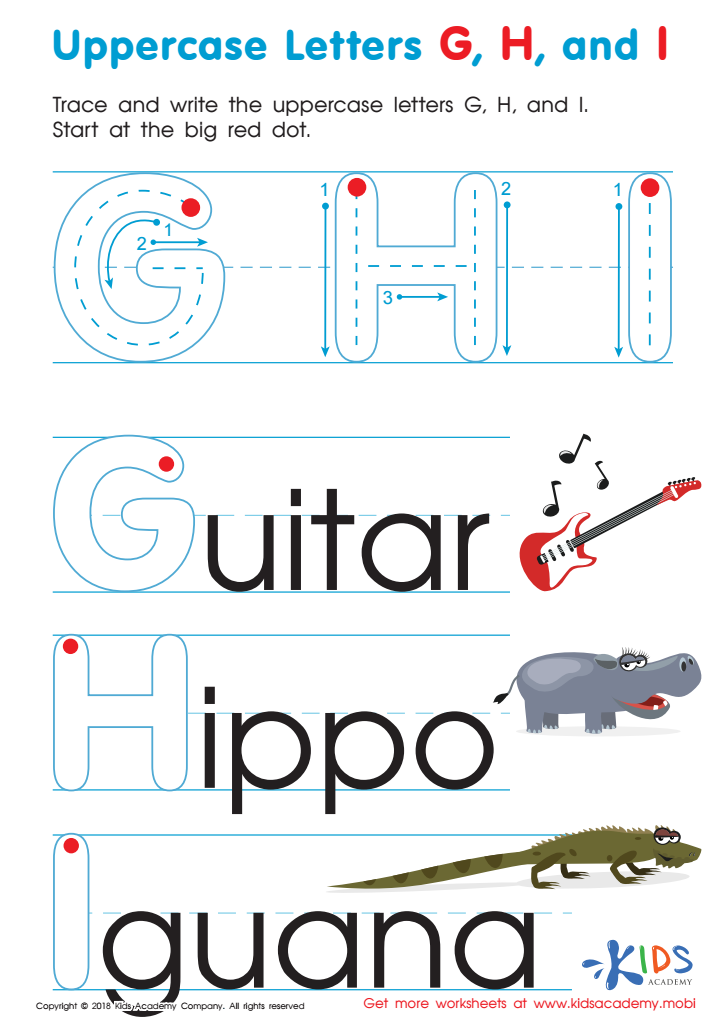
Uppercase Letters G, H, and I Worksheet
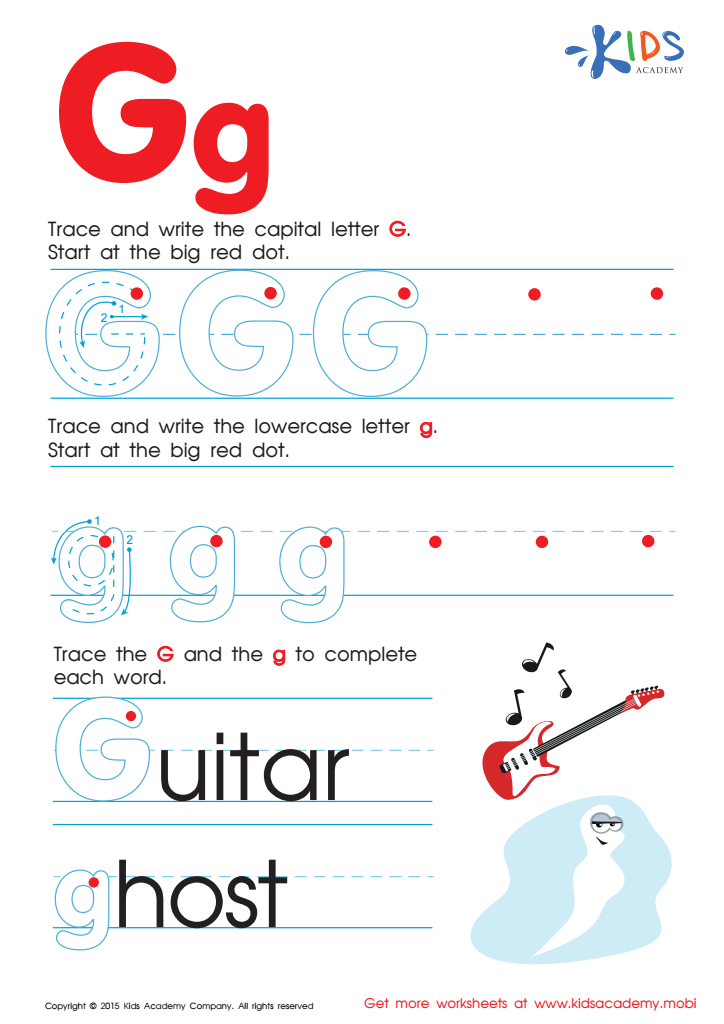
Letter G Tracing Page
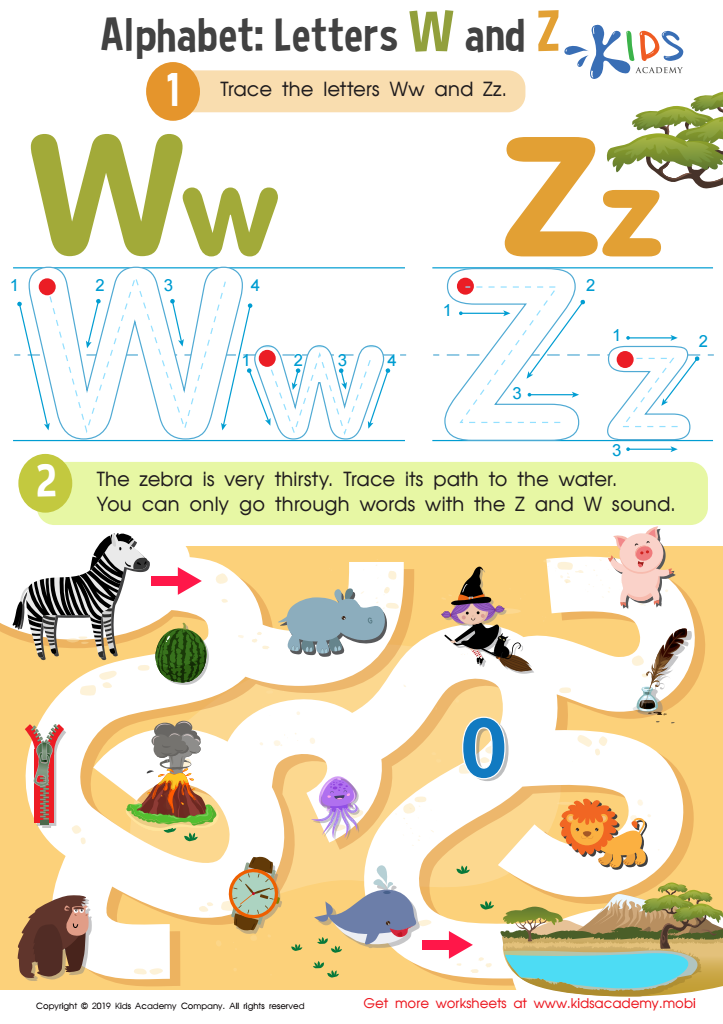
Letters W and Z Tracing Worksheet
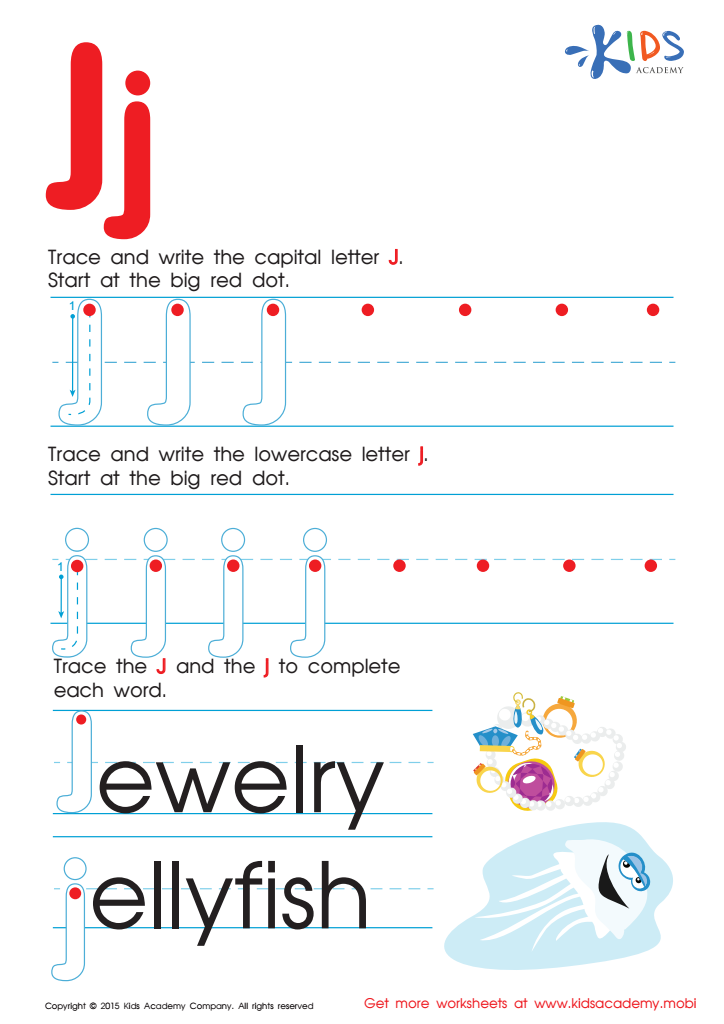
Letter J Tracing Page
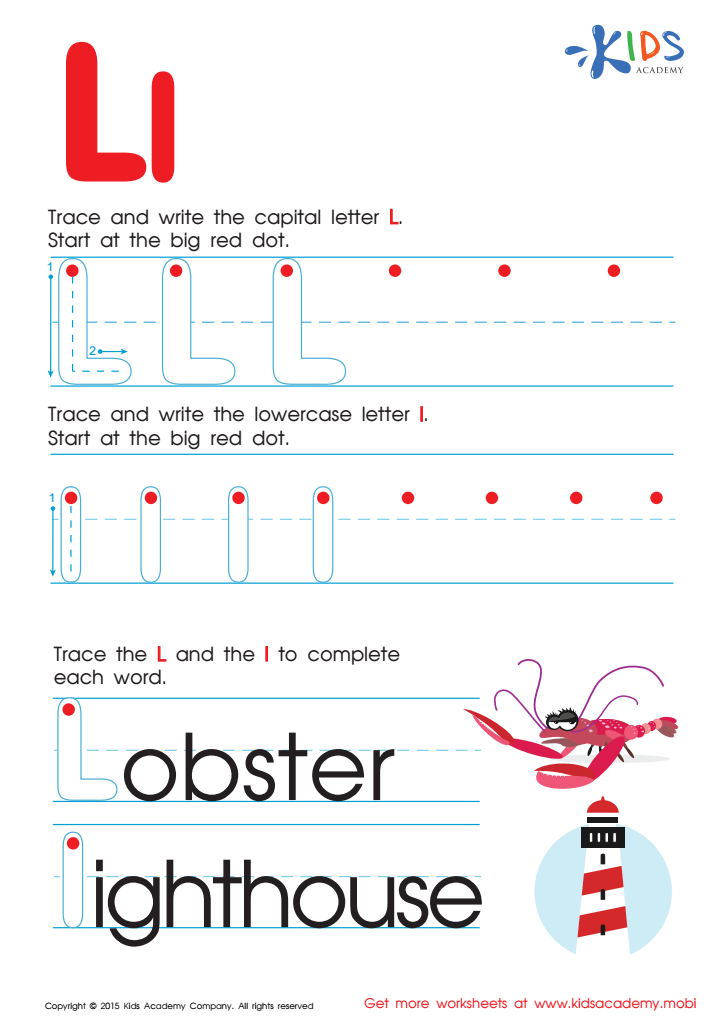
Letter L Tracing Page
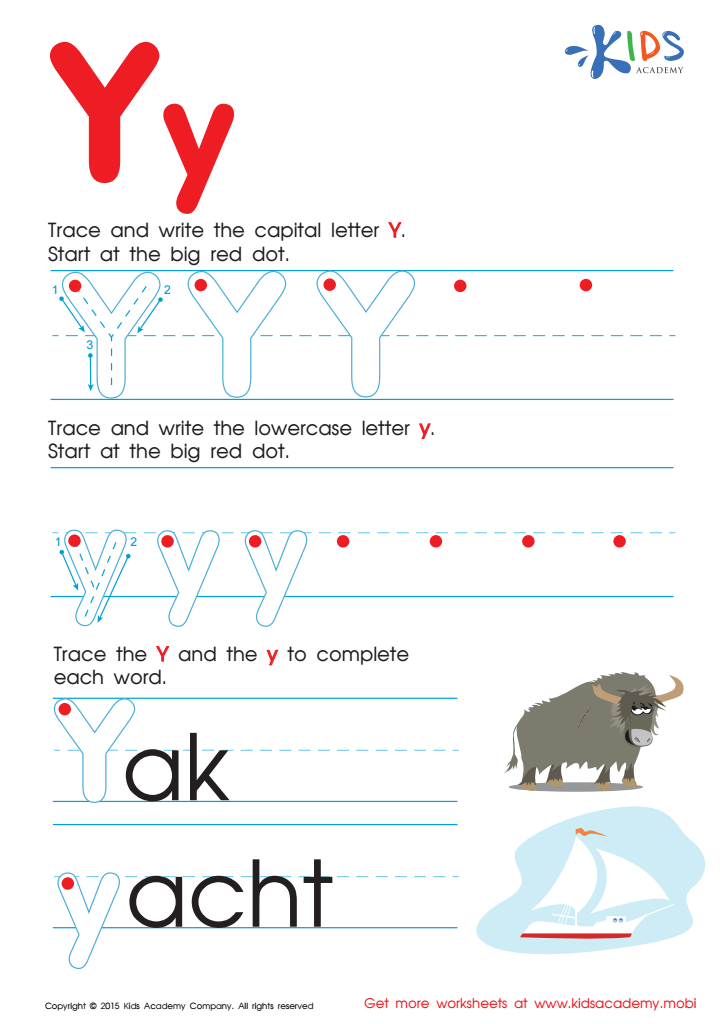
Letter Y Tracing Page

Letter E Tracing Worksheet
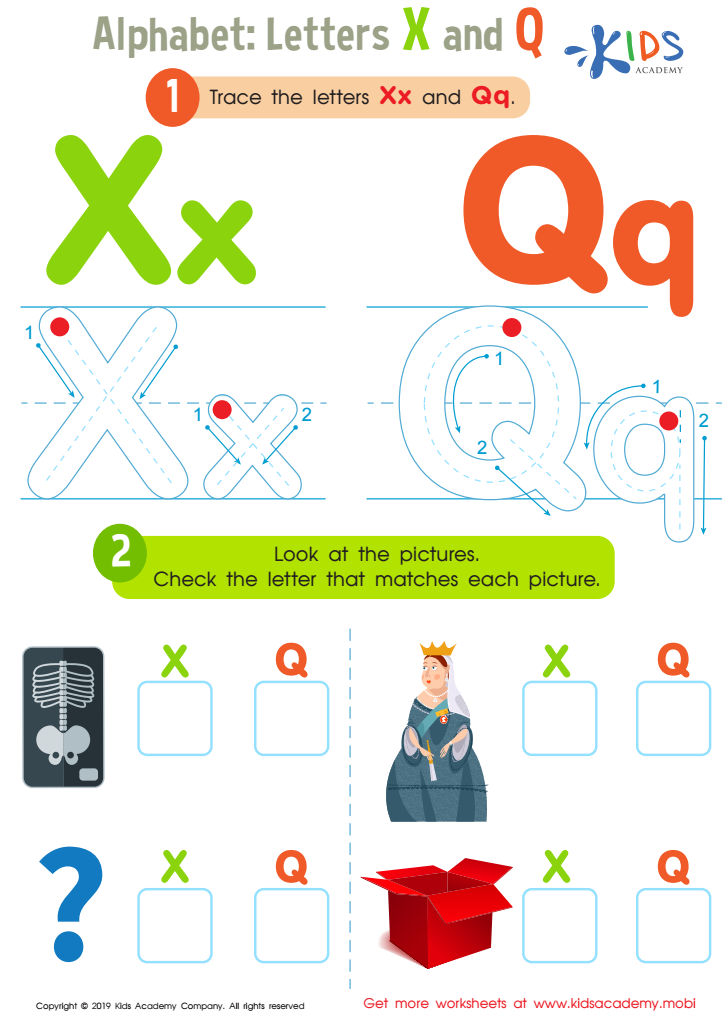
Letters X and Q Tracing Worksheet
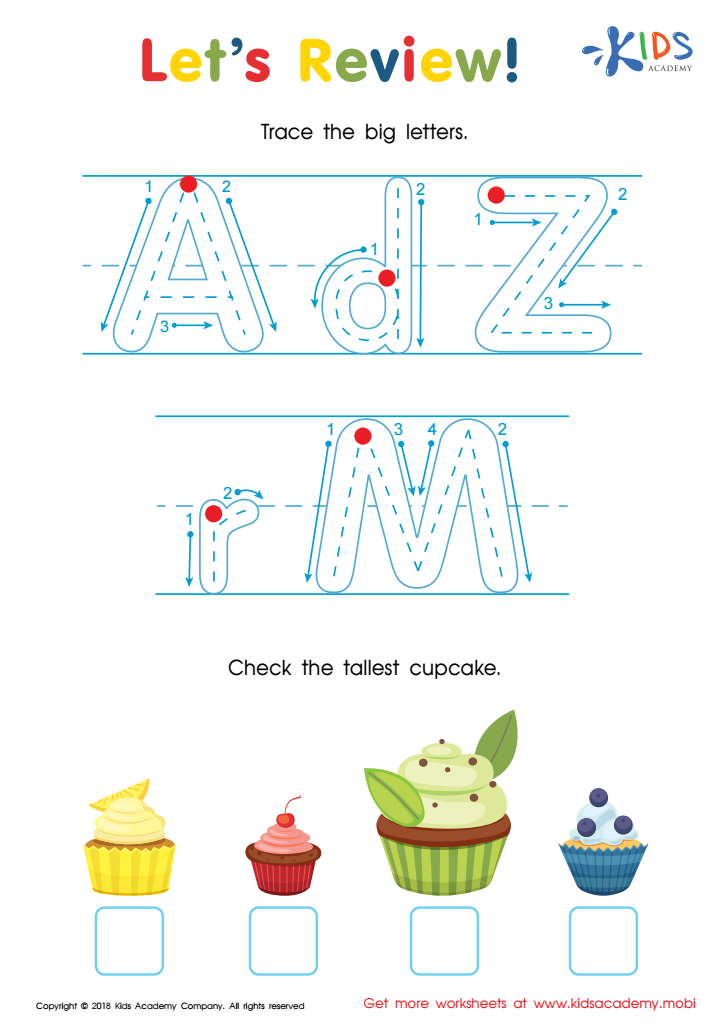
Let's Review! Big Letters Worksheet

Lowercase Letters m n o Worksheet
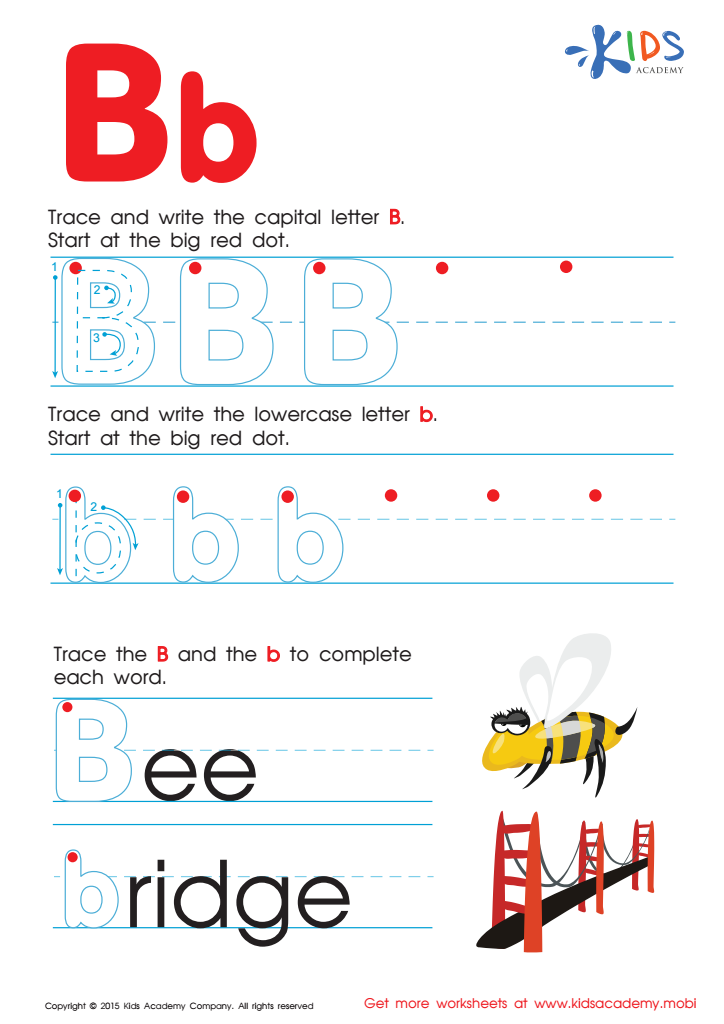
Letter B Tracing Page
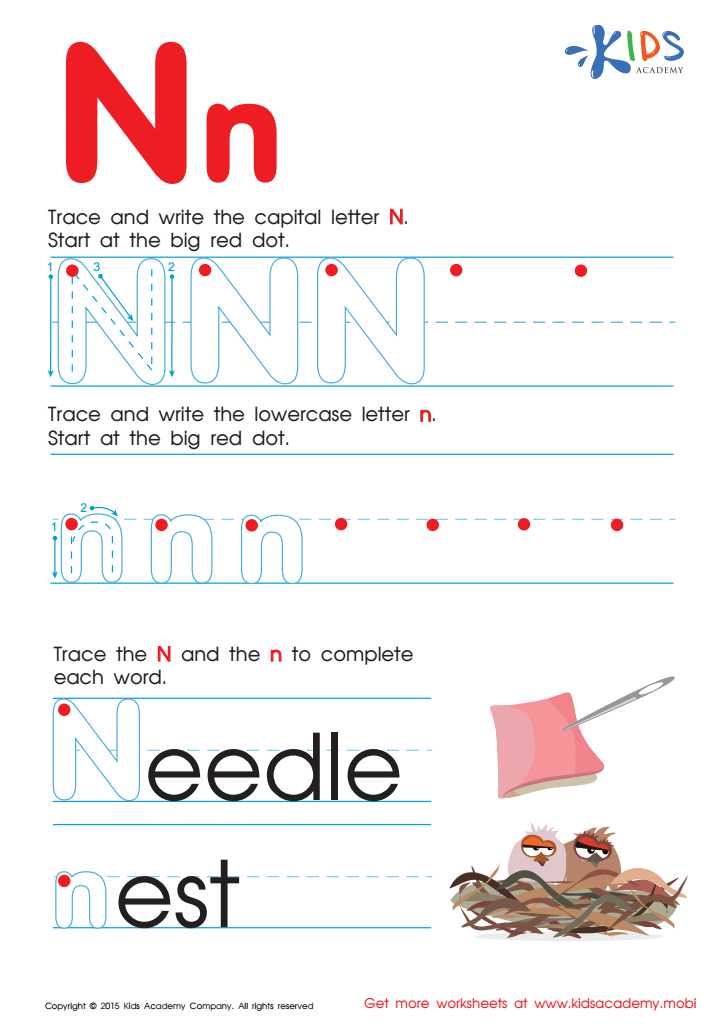
Letter N Tracing Page
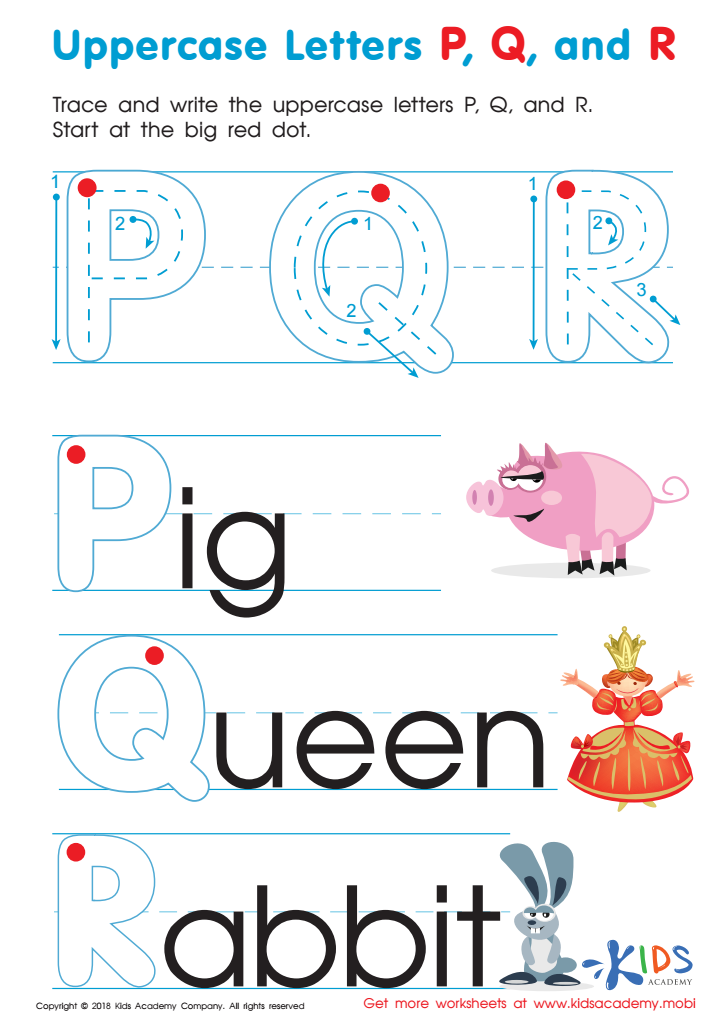
Uppercase Letters P, Q, and R Worksheet
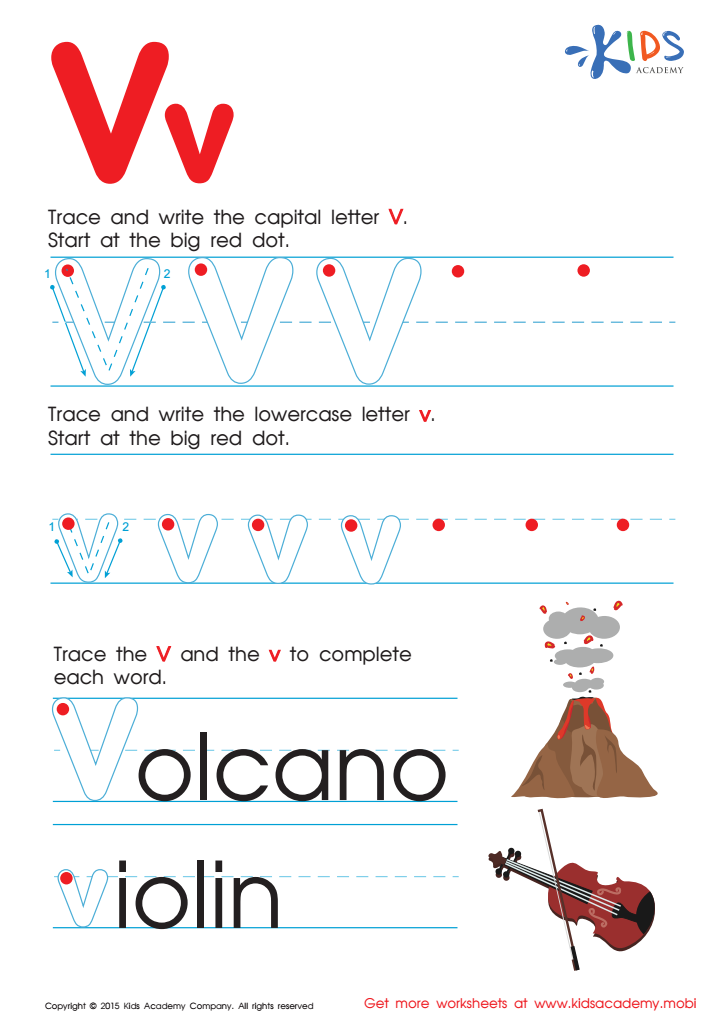
Letter V Tracing Page
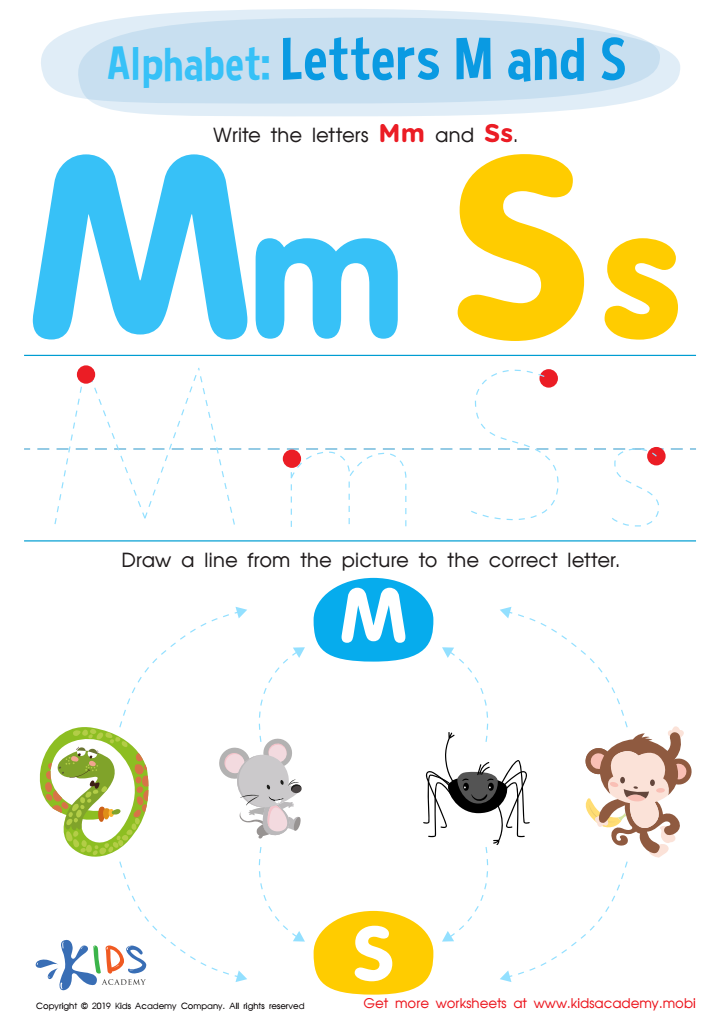
Letters M and S Tracing Worksheet
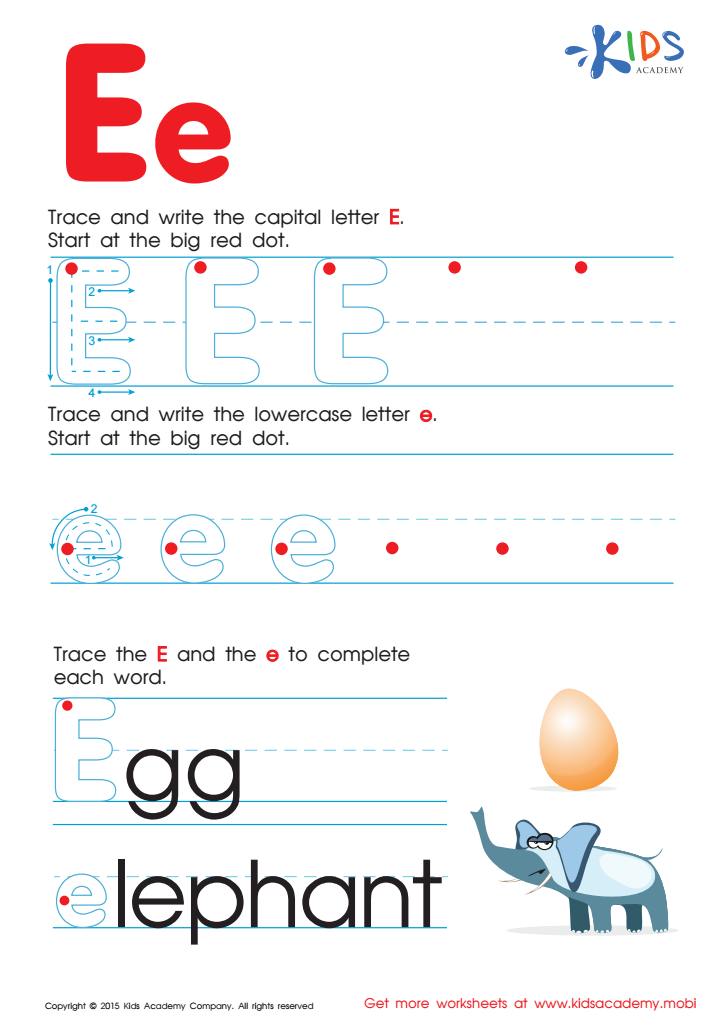
Letter E Tracing Page
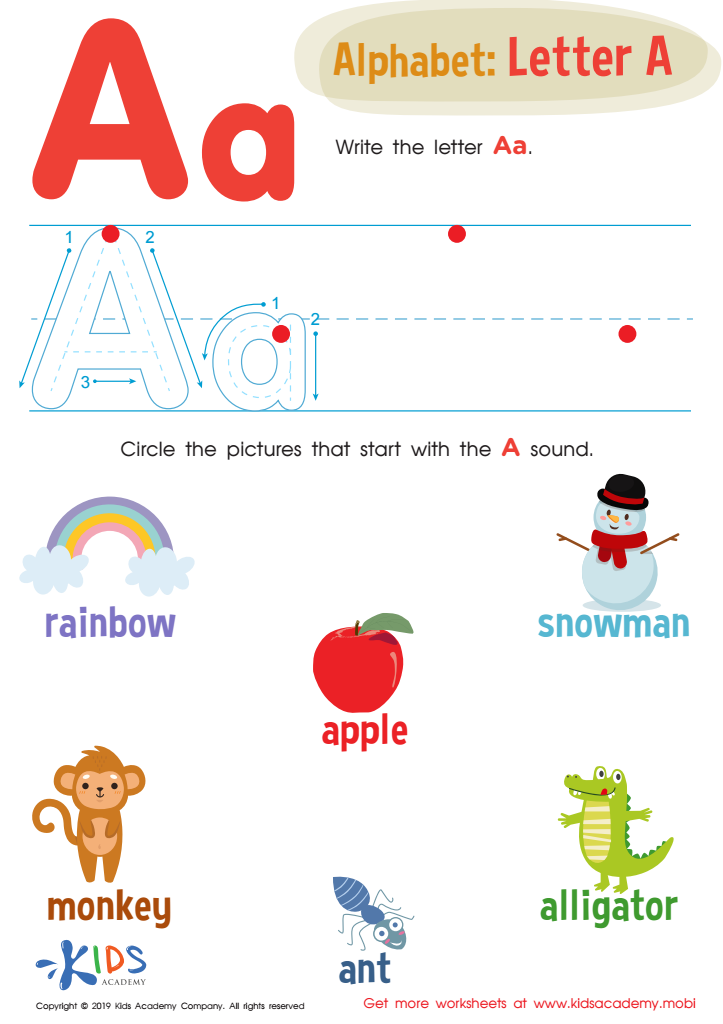
Letter A Tracing Worksheet
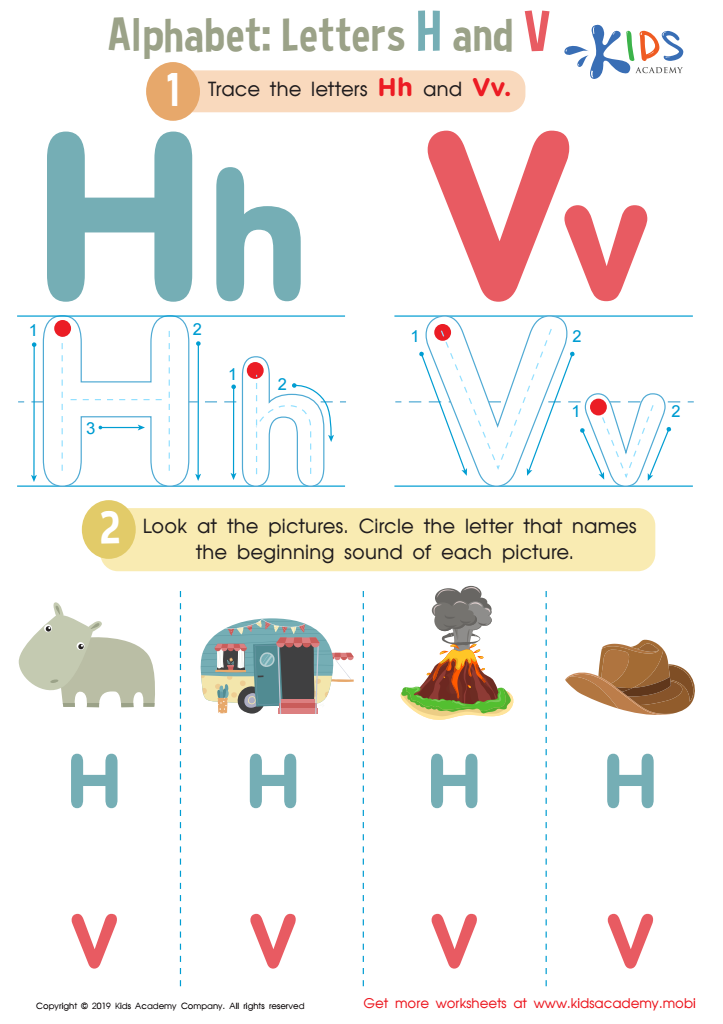
Letters H and V Tracing Worksheet
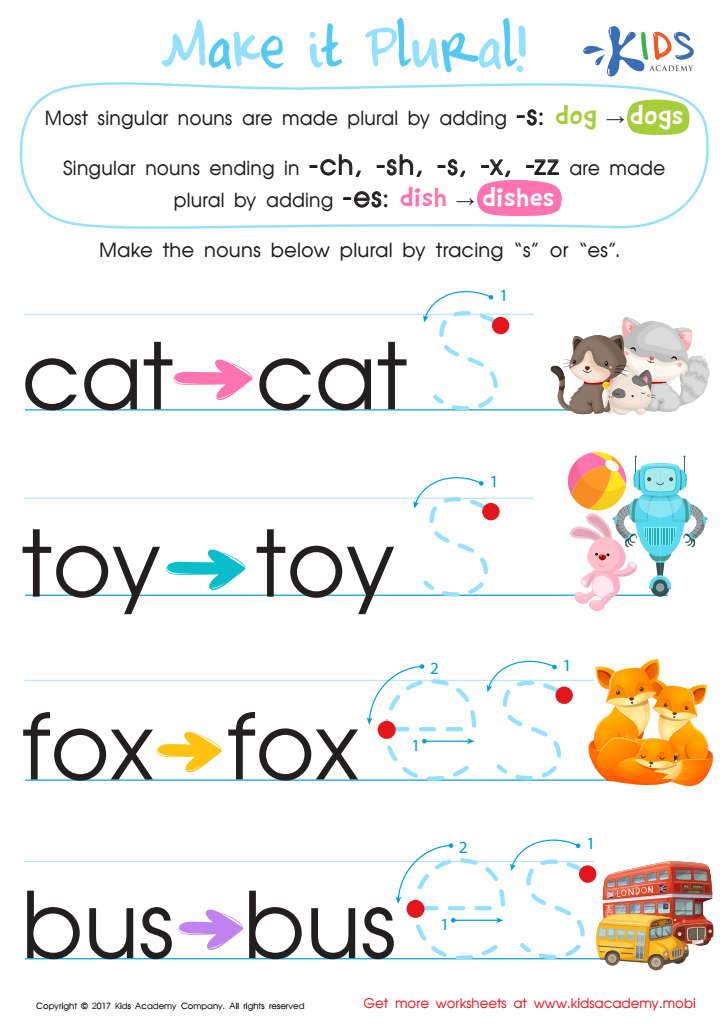
Make it Plural Worksheet
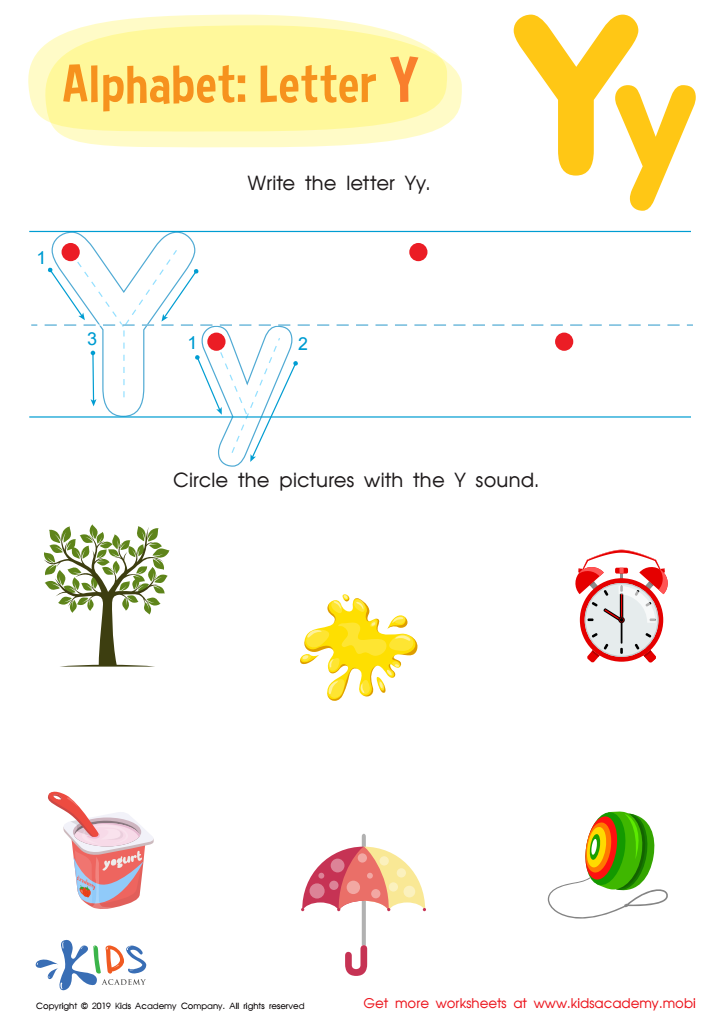
Letter Y Tracing Worksheet
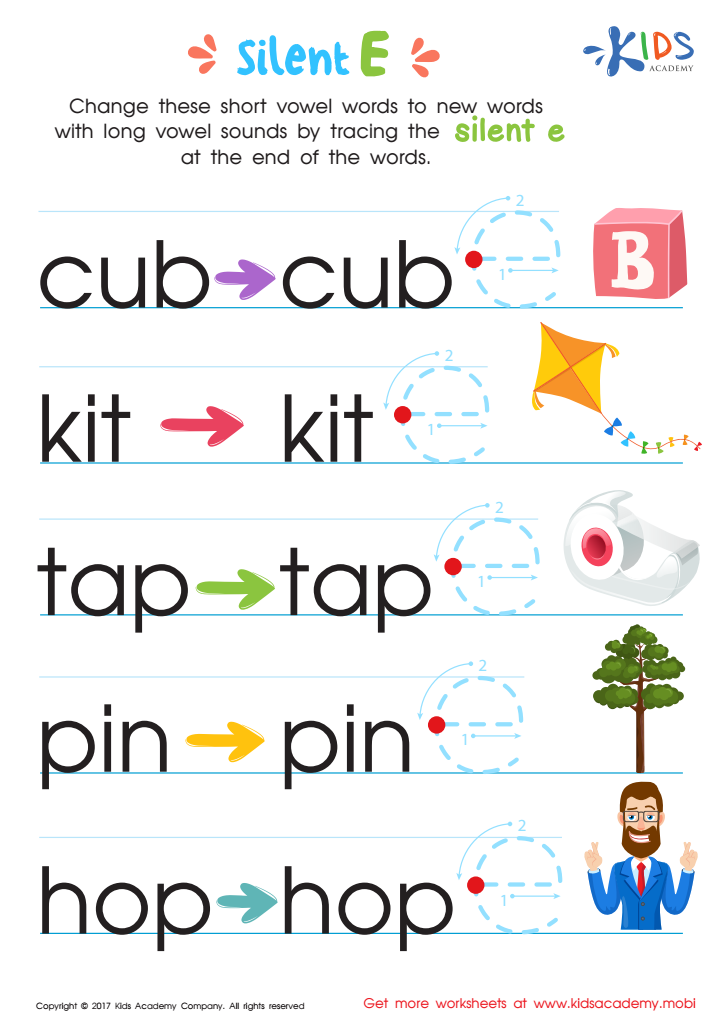
Silent E Words Worksheet








Tracing letters for children ages 3-9 is an essential foundational activity for numerous reasons. Early literacy development hinges on a child's ability to recognize and write letters, which serves as a stepping stone to reading and writing proficiency. Engaging kids in tracing exercises enhances their fine motor skills, crucial for controlling a pencil and forming letters legibly. This builds hand-eye coordination and strengthens the muscles required for writing.
Furthermore, tracing letters helps children familiarize themselves with the alphabet and its distinct shapes, aiding letter recognition and phonemic awareness, which are critical for reading. It supports cognitive development by forging neural connections related to language, enhancing memory, and promoting focus and attention to detail. The repetitive nature of tracing reinforces learning, making the process almost second nature over time.
For teachers and parents, integrating tracing activities provides structured learning experiences while fostering a child's confidence and self-esteem. When children succeed in tracing and subsequently writing letters correctly, they are more likely to view reading and writing as enjoyable and rewarding activities. Thus, prioritizing letter tracing offers a comprehensive approach to early academic success and a lifelong love for literacy.








