Coloring Pages Worksheets for Ages 3-9 - Page 9
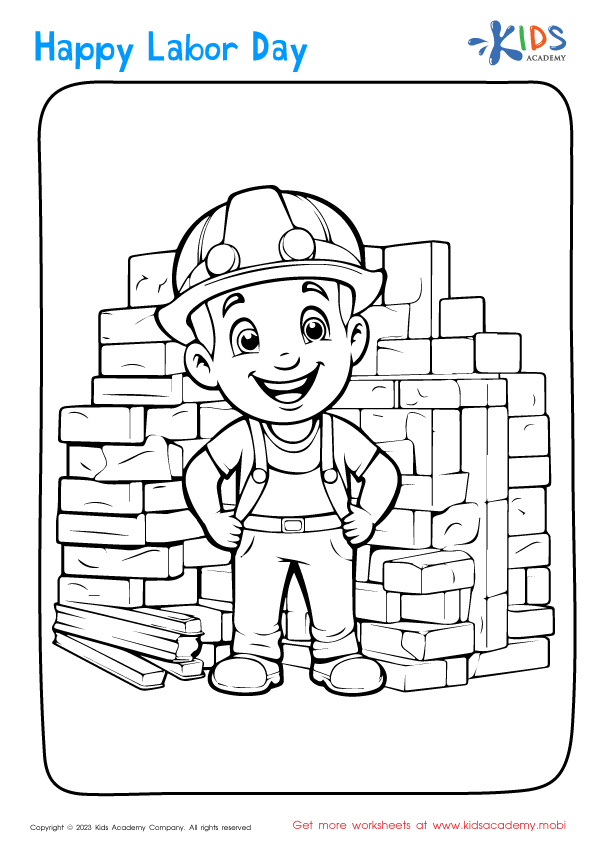
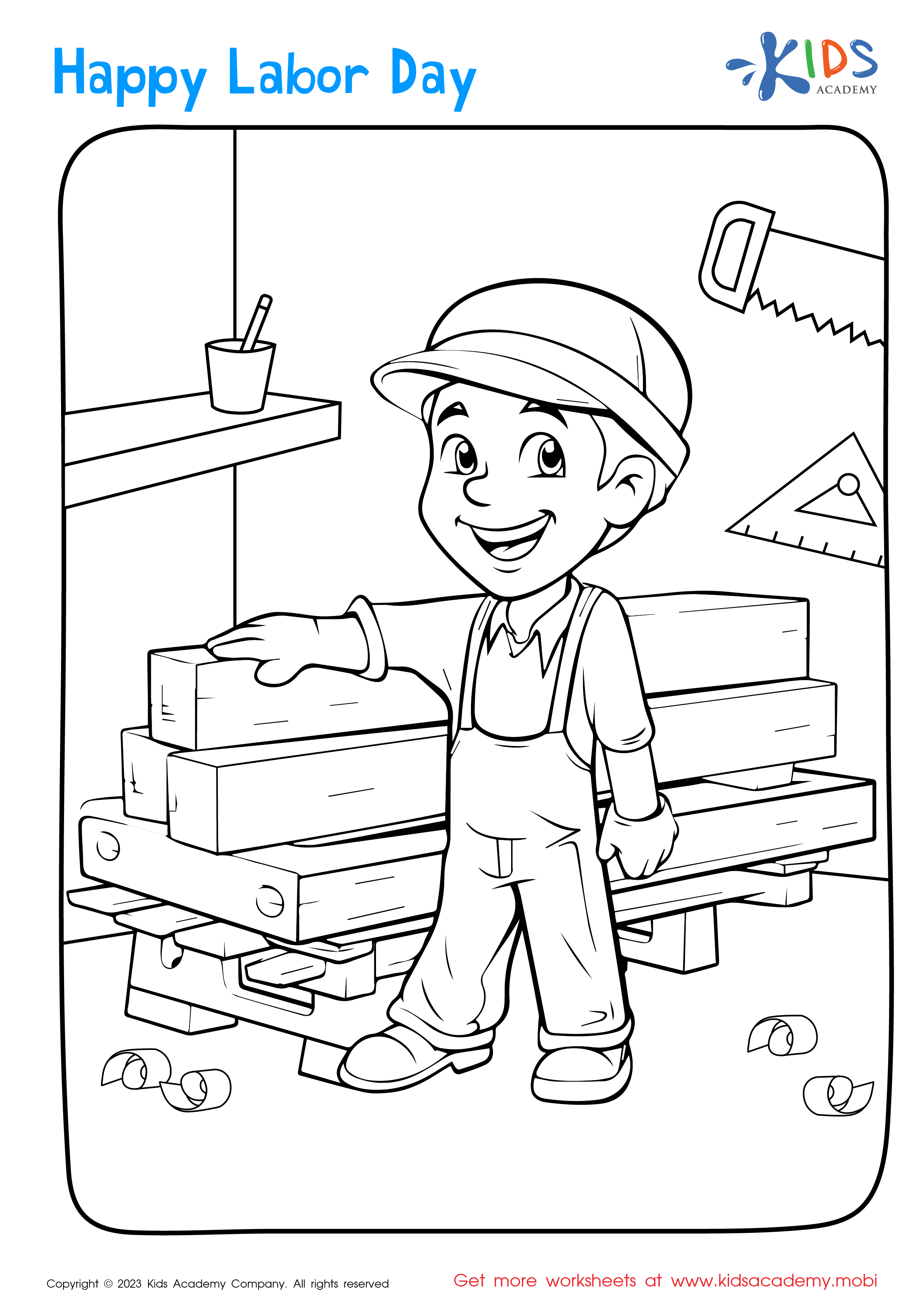
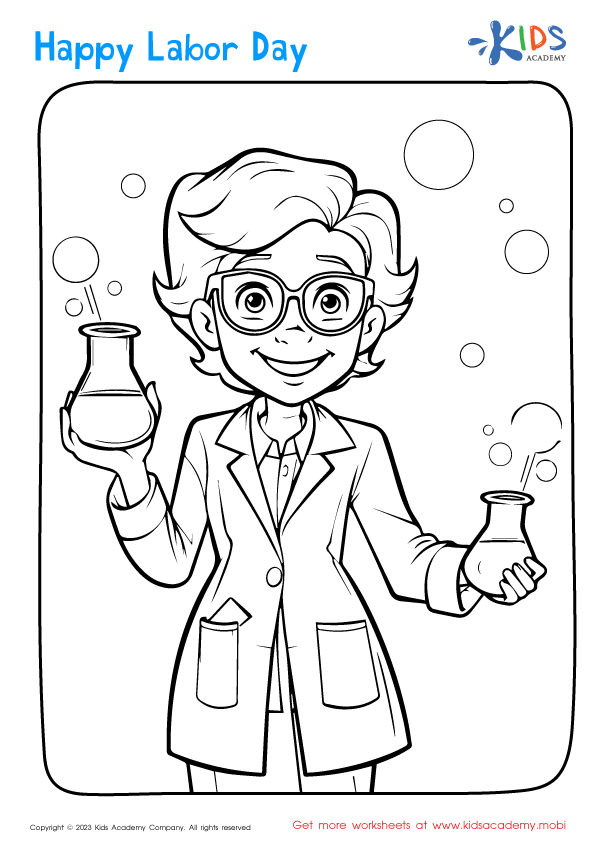
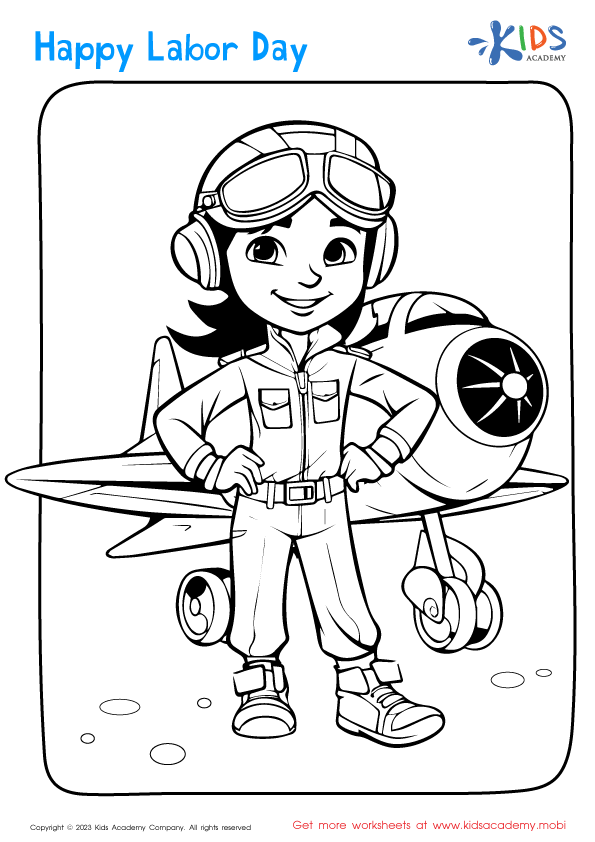
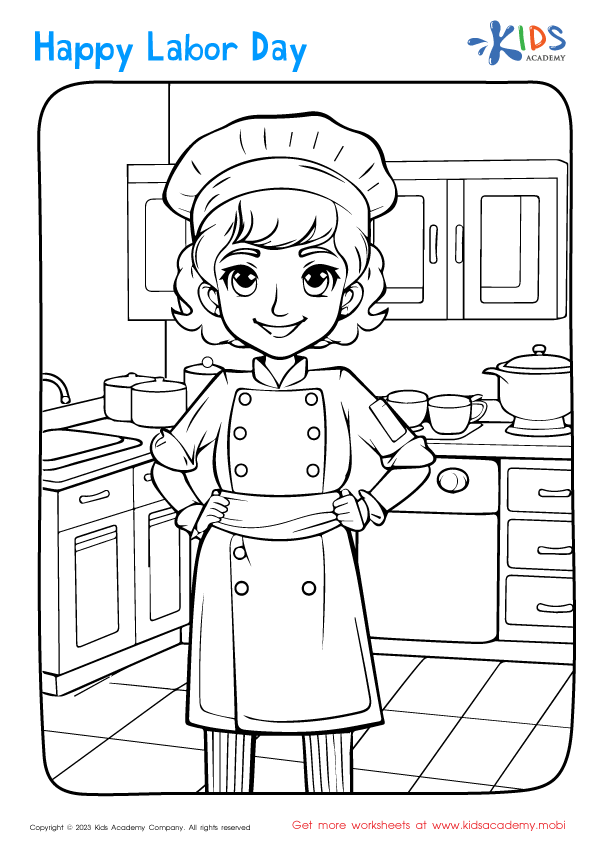
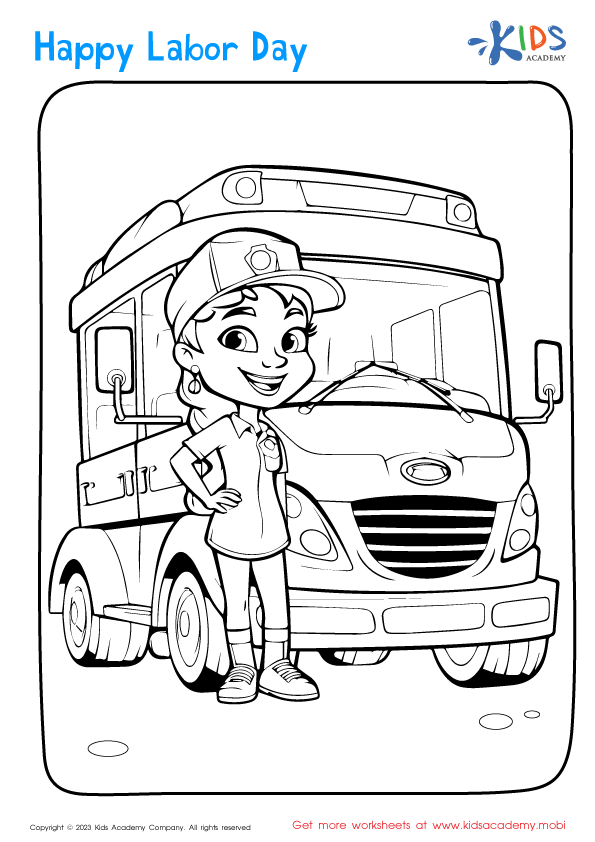
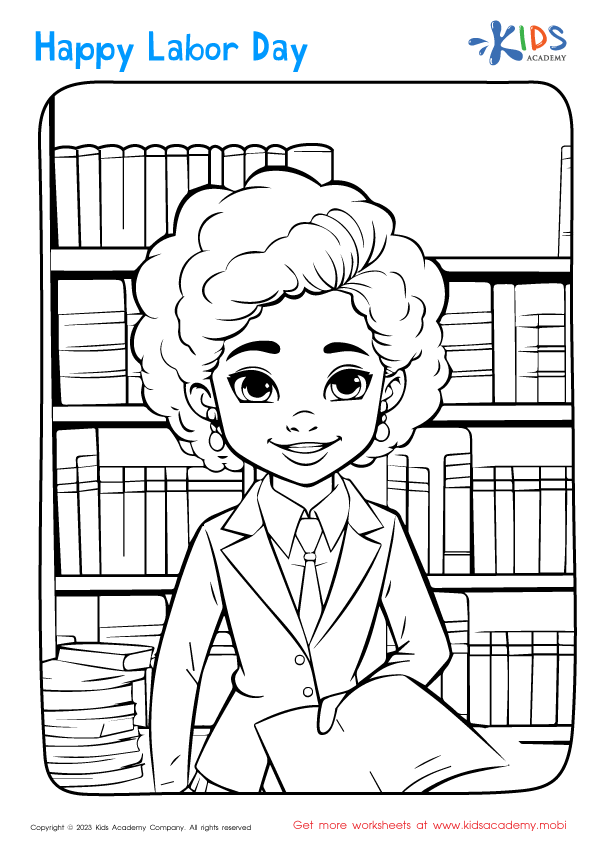
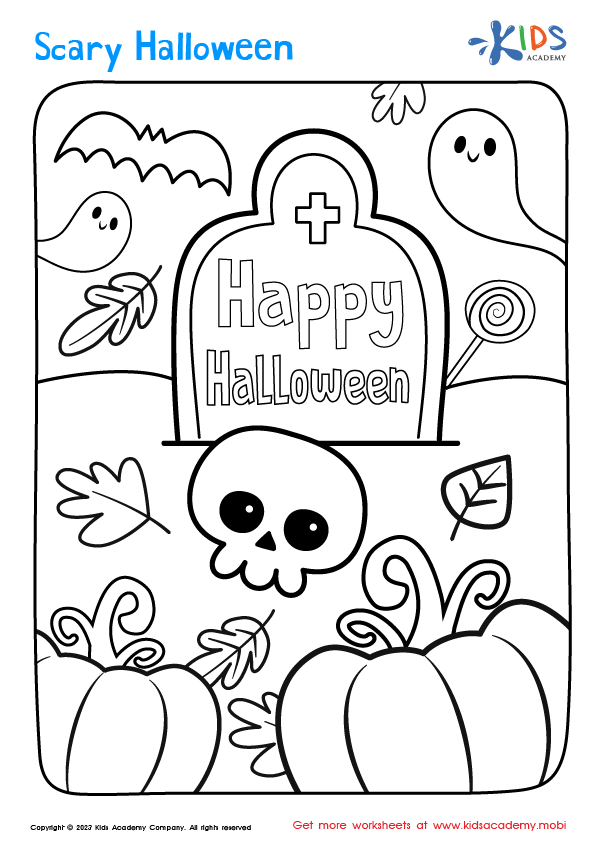
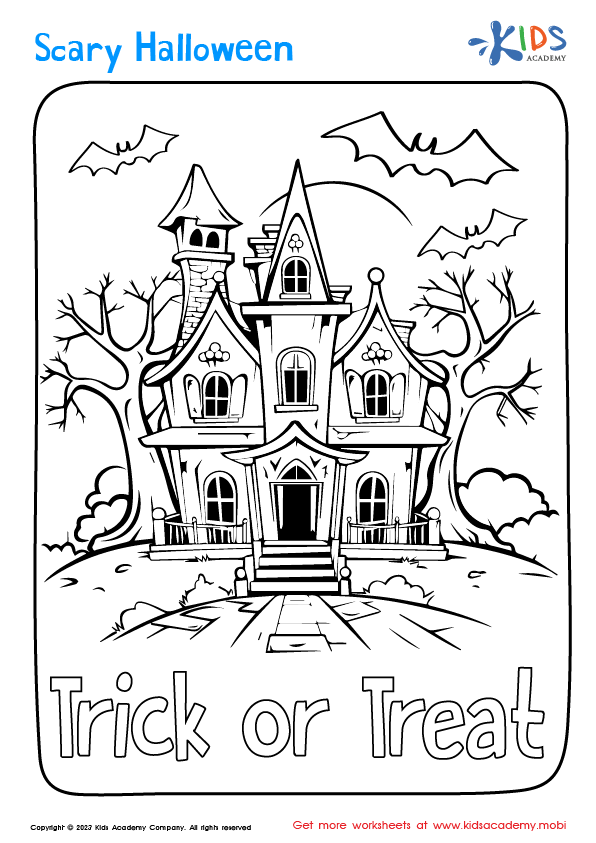


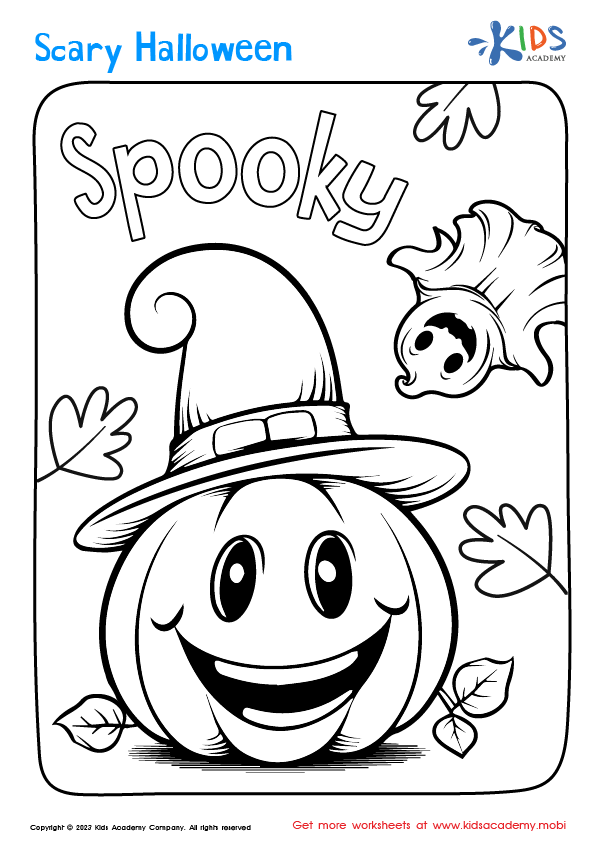
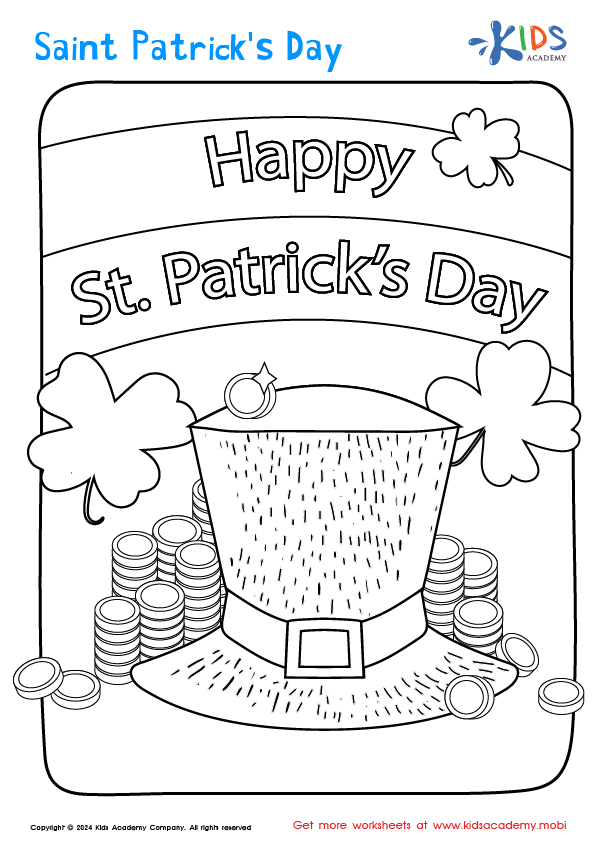
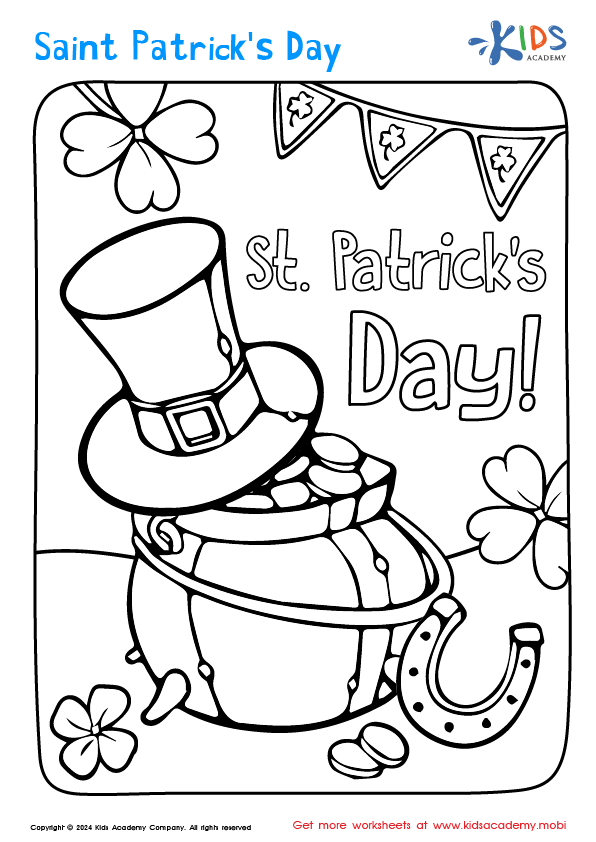
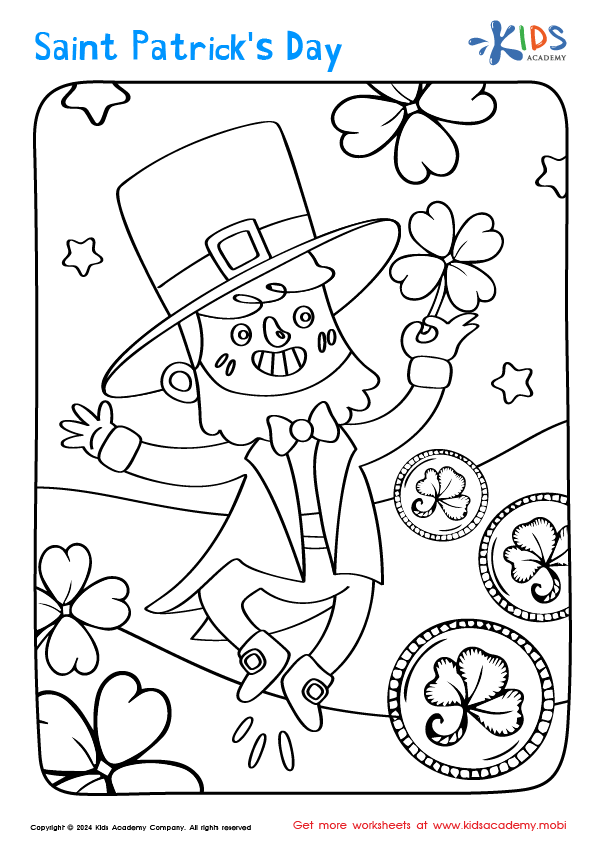
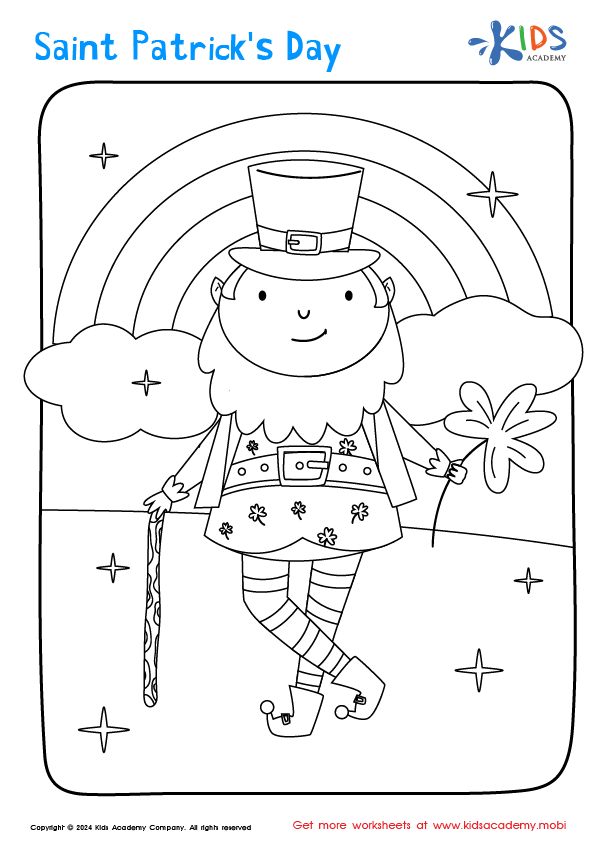
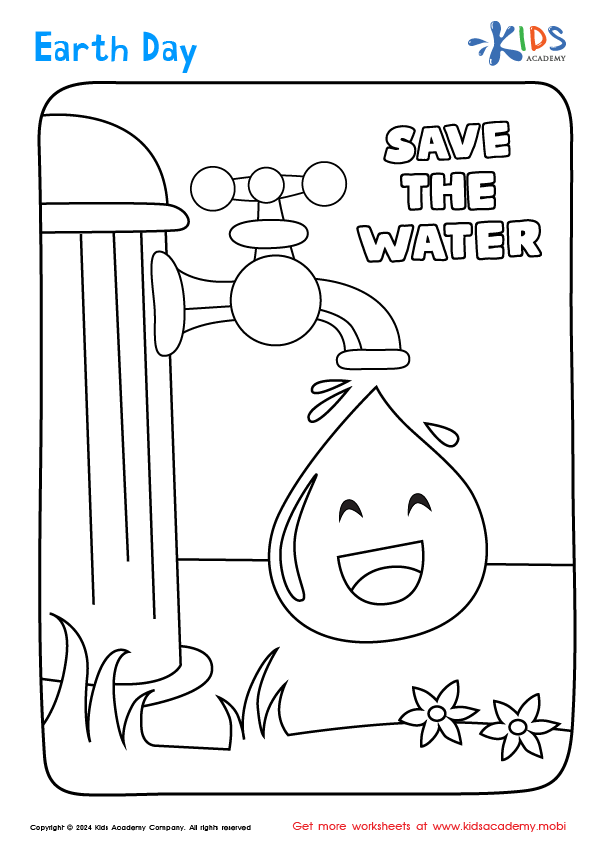



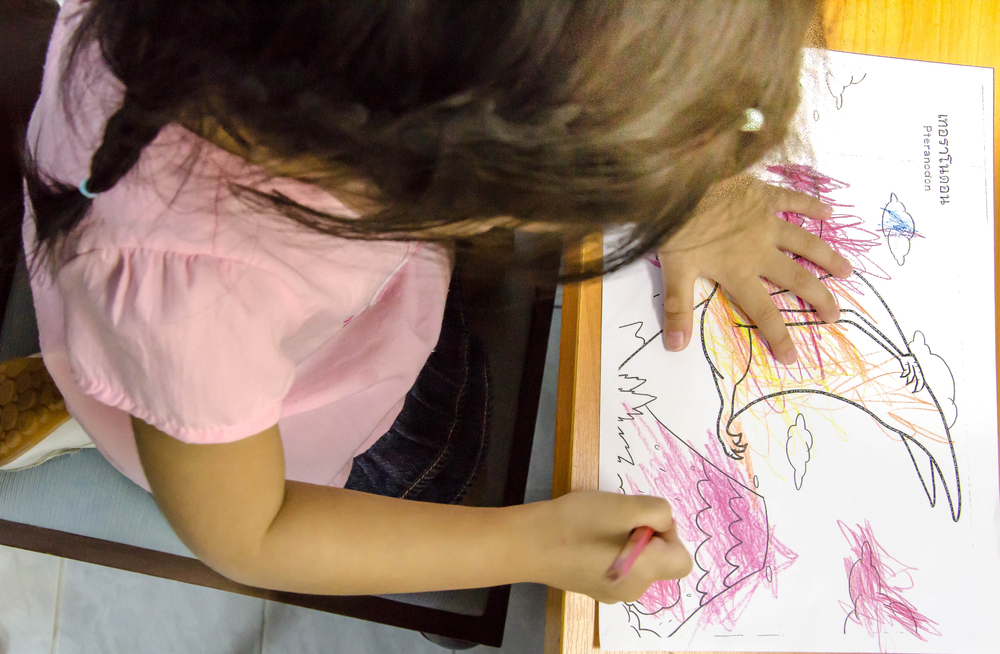




Coloring pages for ages 3-9 are more than just fun activities; they play a crucial role in a child's development. First, coloring helps develop fine motor skills, which are essential for tasks such as writing and gripping tools. The process of holding crayons or markers and controlling movements enhances hand coordination.
Furthermore, coloring encourages creativity and self-expression. This age group is marked by rapid imagination growth, and engaging in coloring allows children to explore their artistic abilities and express emotions in a healthy way.
Additionally, coloring aids in cognitive development. It introduces kids to concepts like colors, shapes, and patterns, fostering their understanding of visual recognition and categorization. Parents and teachers can also use coloring pages as an educational tool; for example, themed pages on animals, nature, or figures can enhance vocabulary and knowledge in a non-traditional manner.
Socialization is another benefit, as group coloring activities can foster communication and collaboration among peers. Ultimately, parents and teachers should care about coloring pages because they are not merely leisure activities—they contribute positively to various aspects of a child’s growth, setting the foundation for continued learning and development.