Logical thinking Worksheets for Ages 3-9
39 filtered results
-
From - To
Welcome to our engaging collection of Logical Thinking Worksheets designed specifically for children ages 3-9! These thoughtfully crafted resources foster critical thinking skills through fun and interactive activities suitable for young learners. Our worksheets include puzzles, pattern recognition, and sequencing challenges that appeal to various learning styles, encouraging creativity while enhancing problem-solving abilities. Ideal for at-home learning or classroom use, these materials support early childhood education by developing foundational logical reasoning skills essential for future success. Explore these dynamic worksheets and watch as your child’s confidence and intellectual curiosity grow! Begin the exciting journey to becoming a master thinker today!

Alexander the Great Maze Worksheet
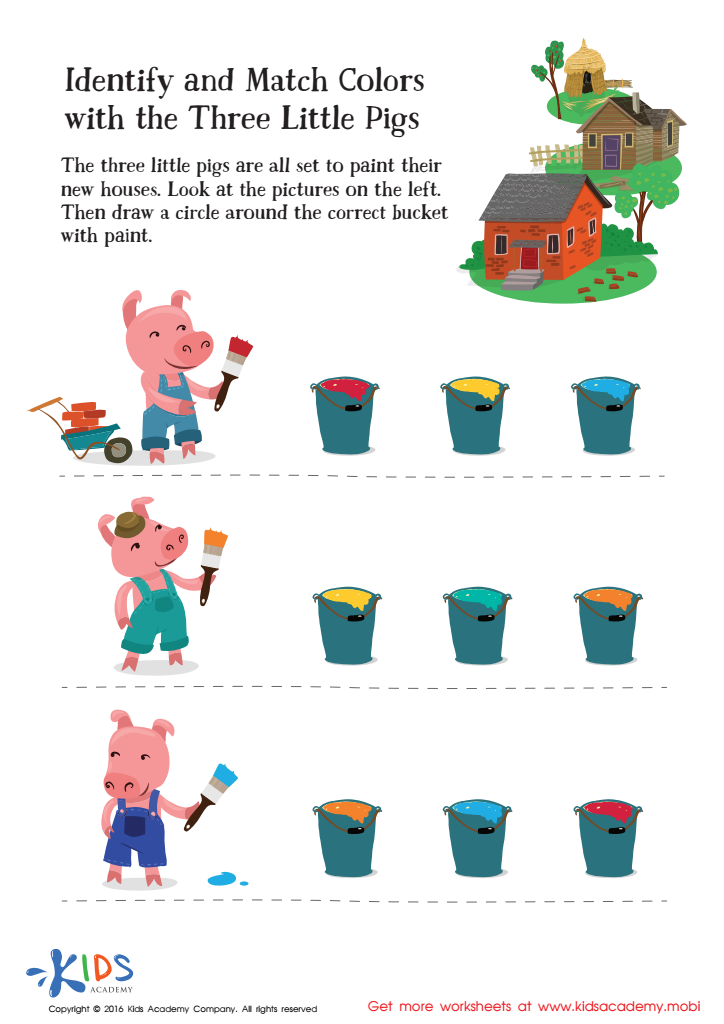
Fairy Tale Worksheet: Identify and Match Colors with Three Little Pigs
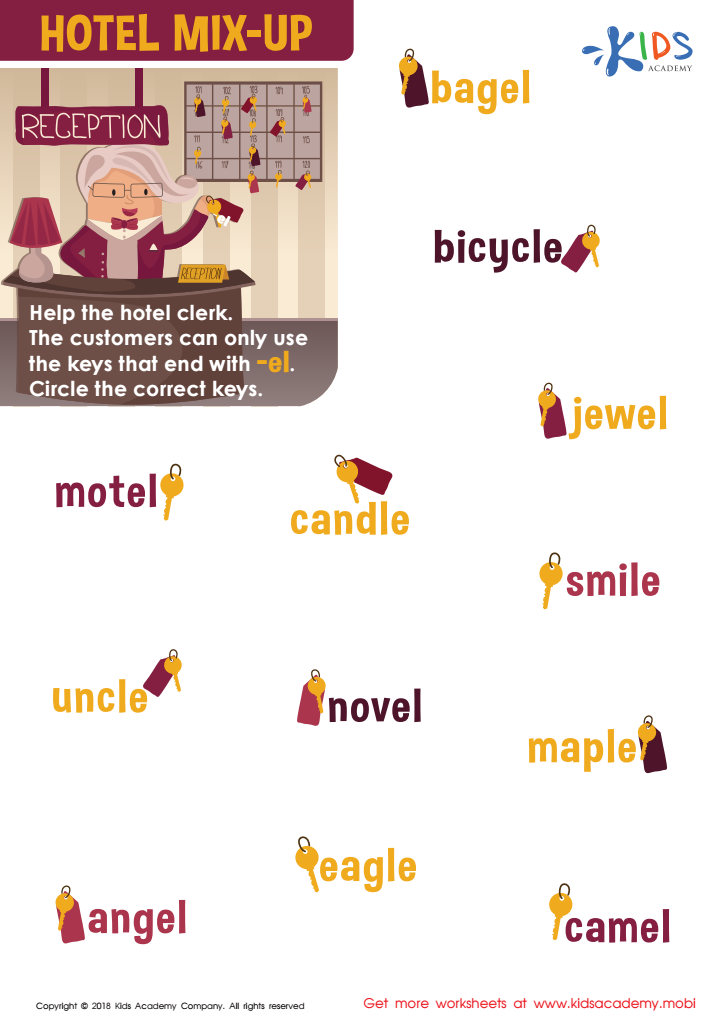
Hotel Mix-up Worksheet
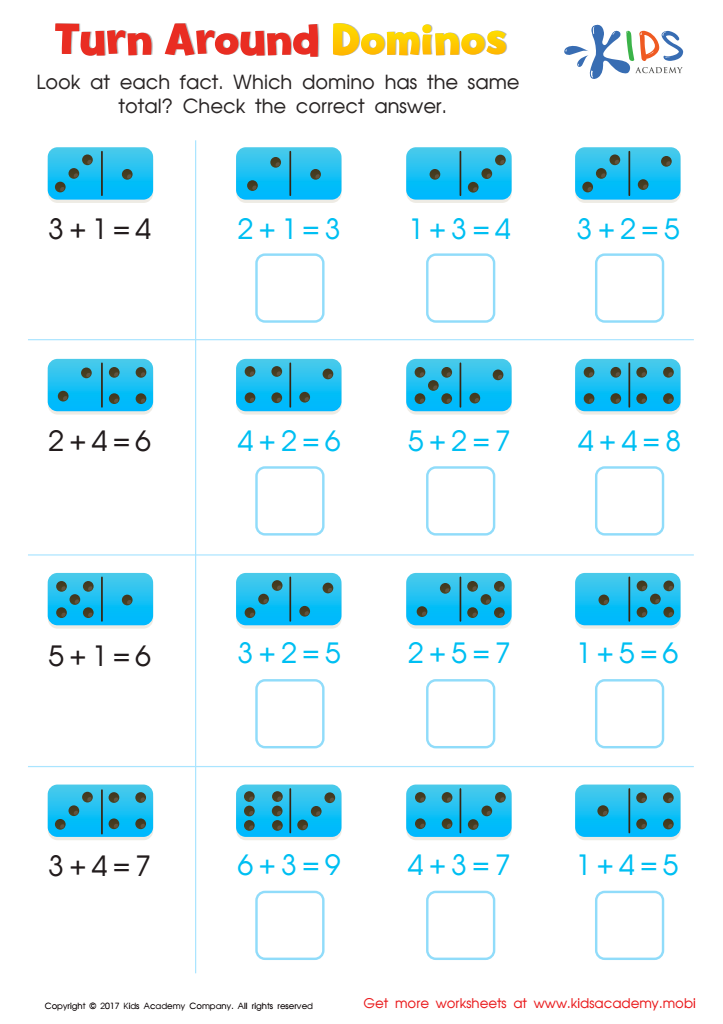
Turn Around Dominos Worksheet
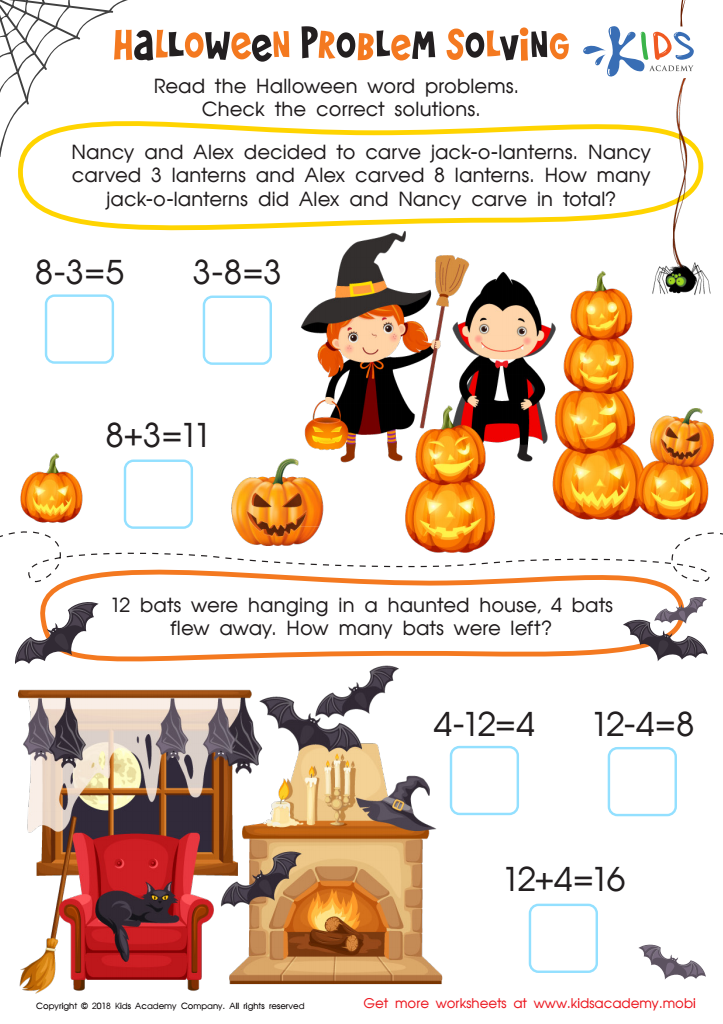
Halloween Problem Solving Worksheet
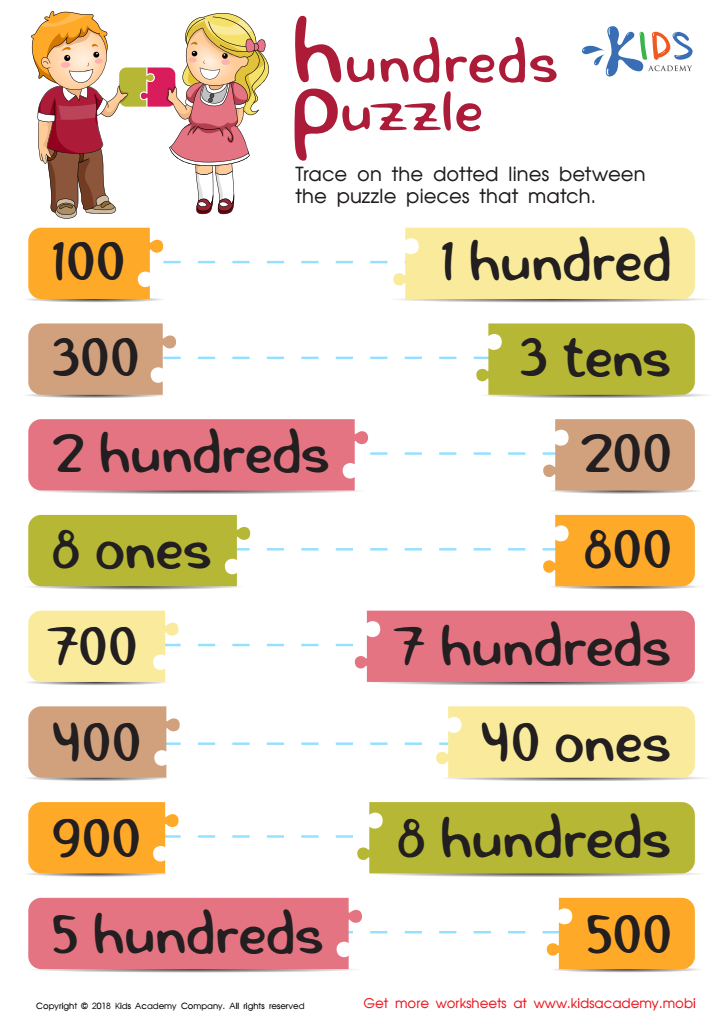
Hundreds Puzzle Worksheet

The Dog and His Bone Worksheet
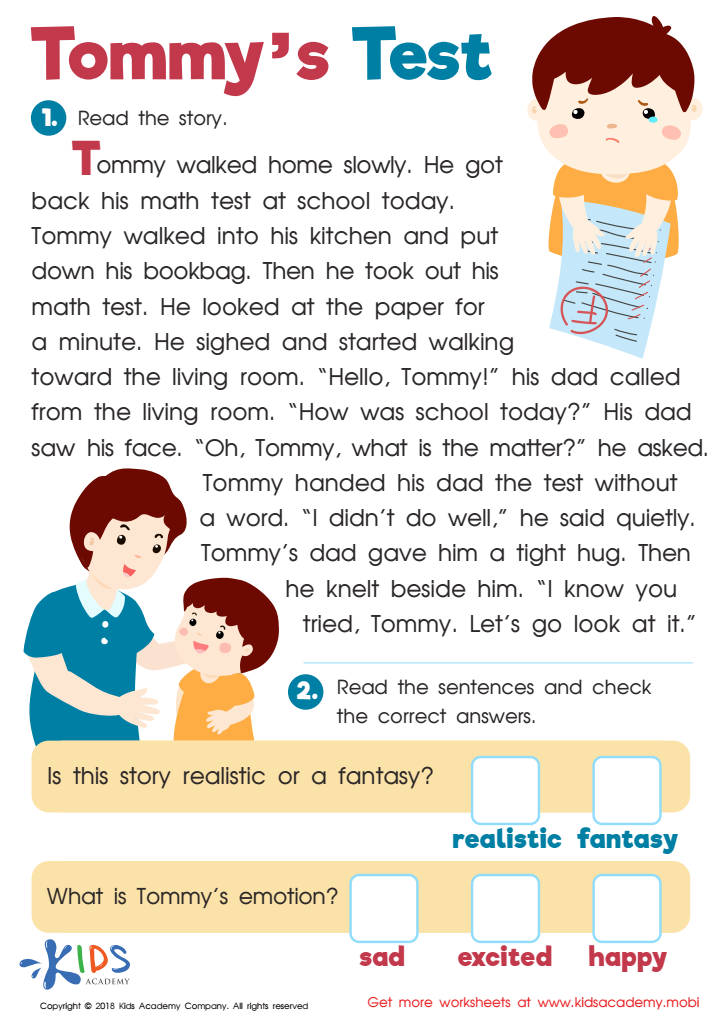
Tommys Test Worksheet
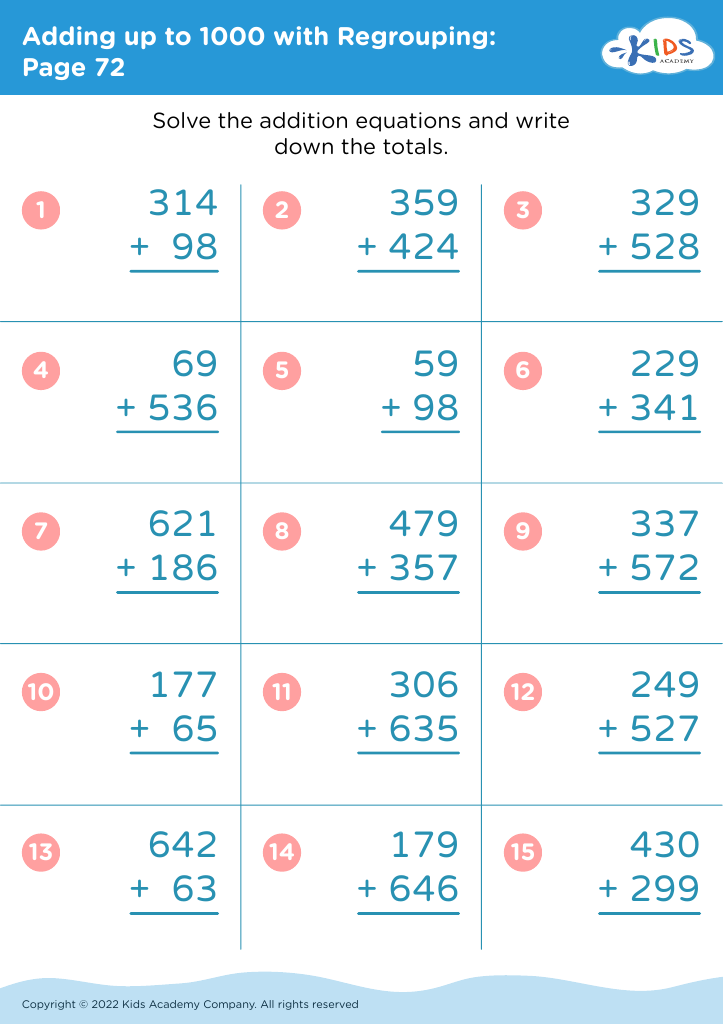
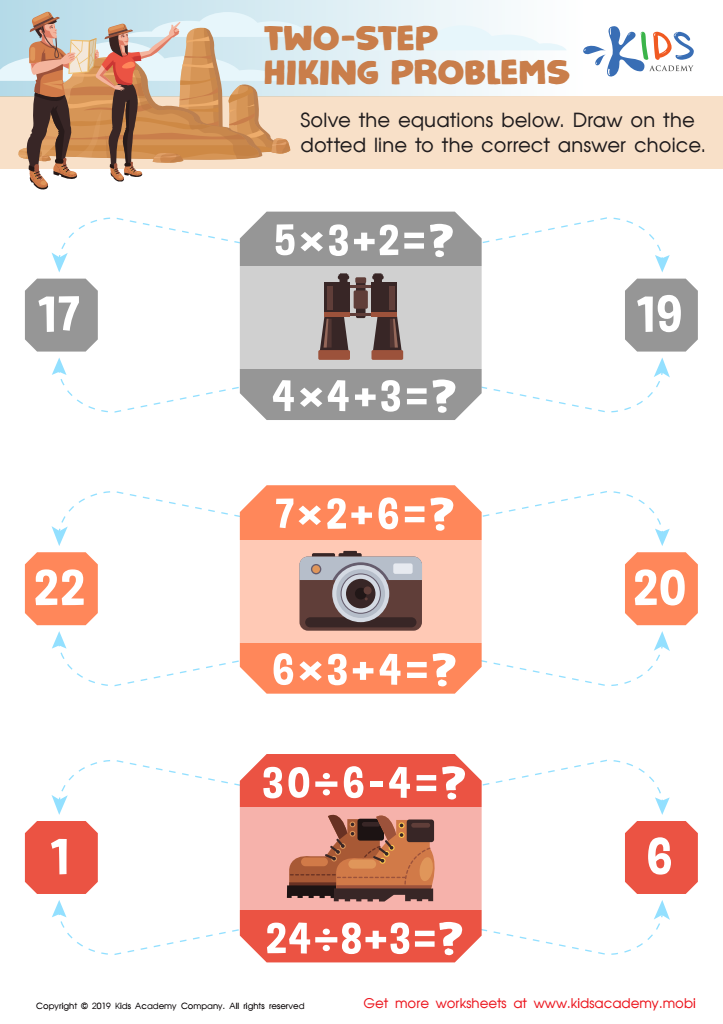
Two-Step Hiking Problems Worksheet
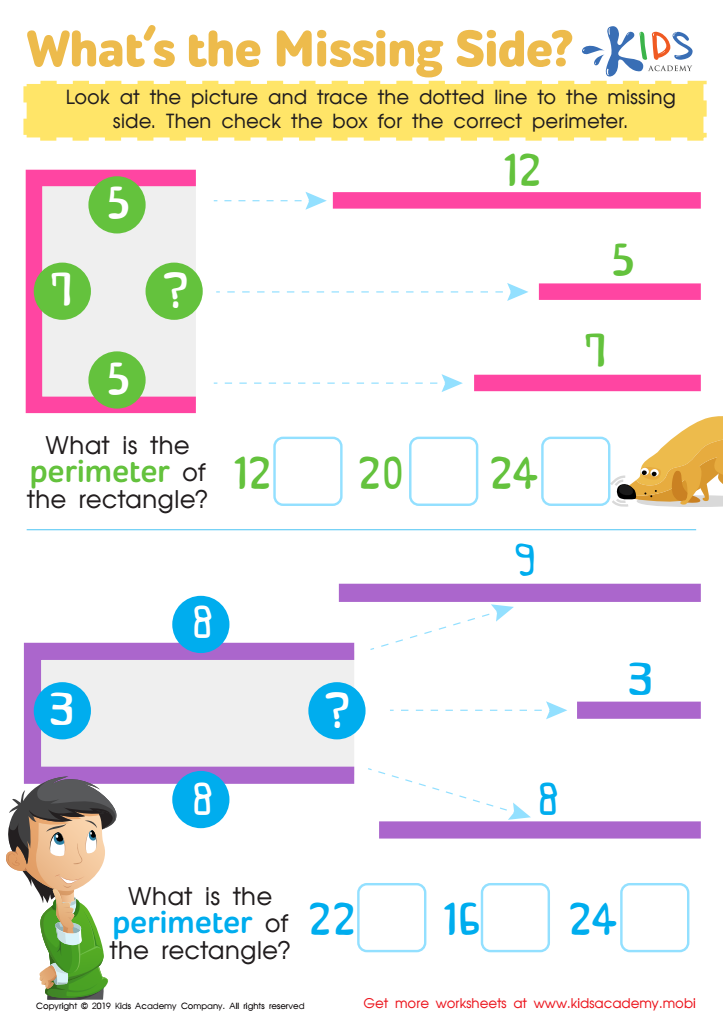
What's the Missing Side Worksheet
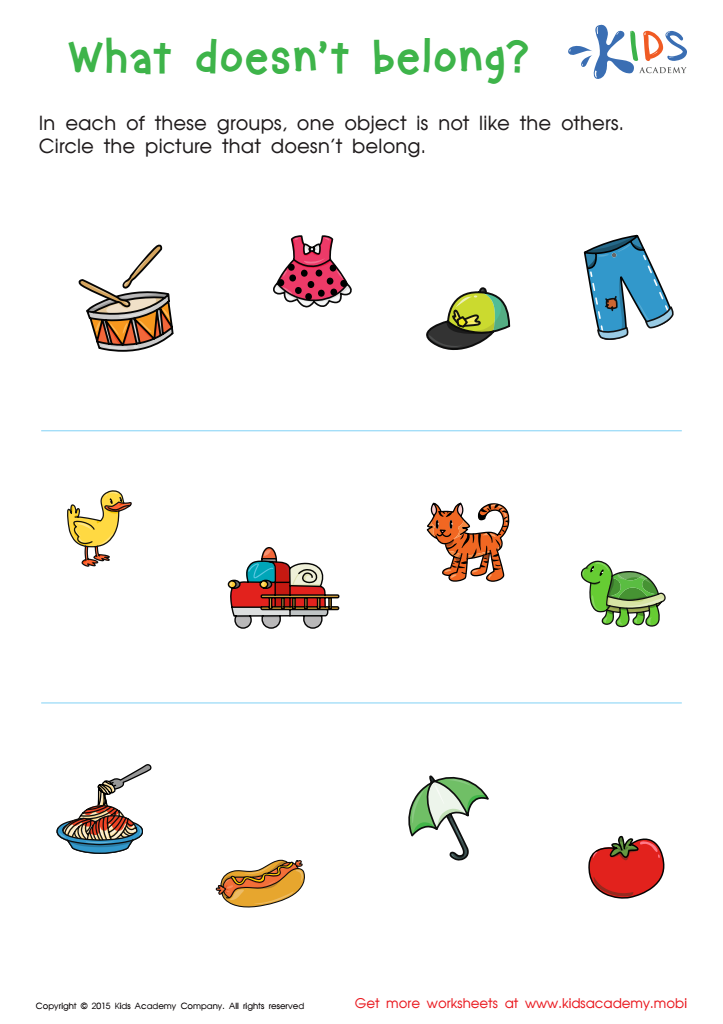
First Words: What Doesn't Belong Worksheet
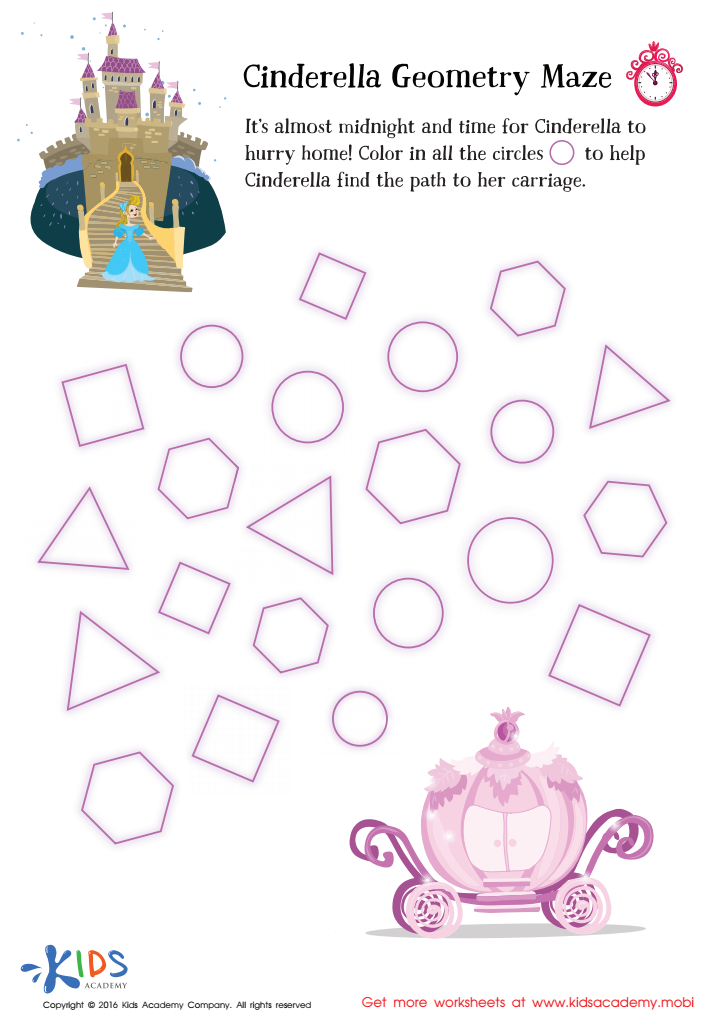
Cinderella Geometry Maze Worksheet
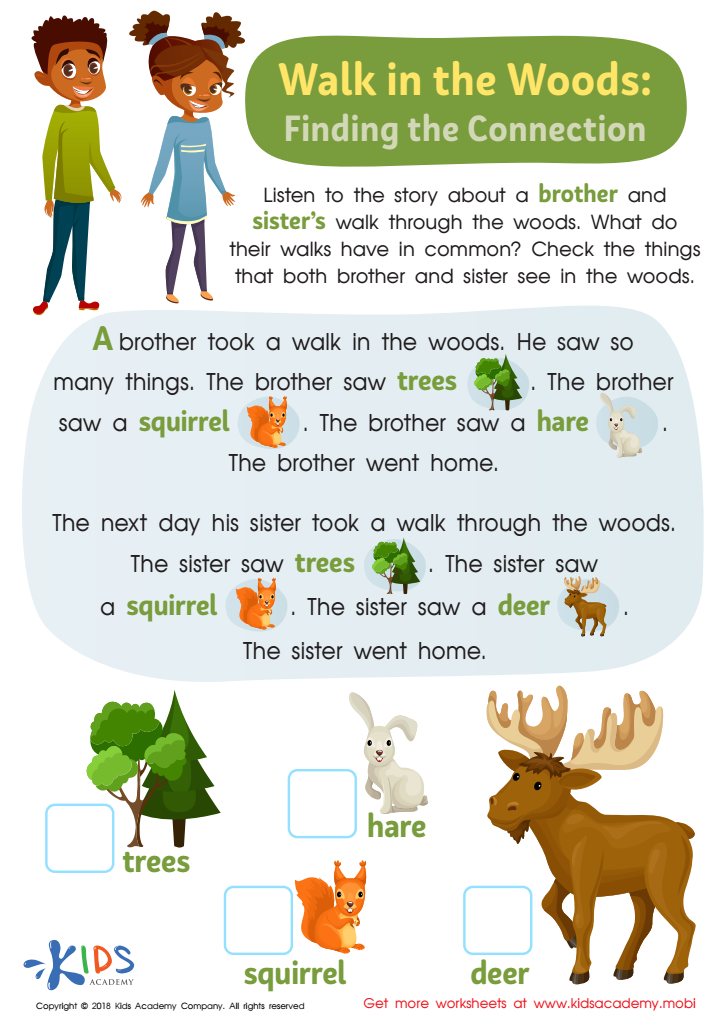
Walk In the Woods: Finding Connections Worksheet
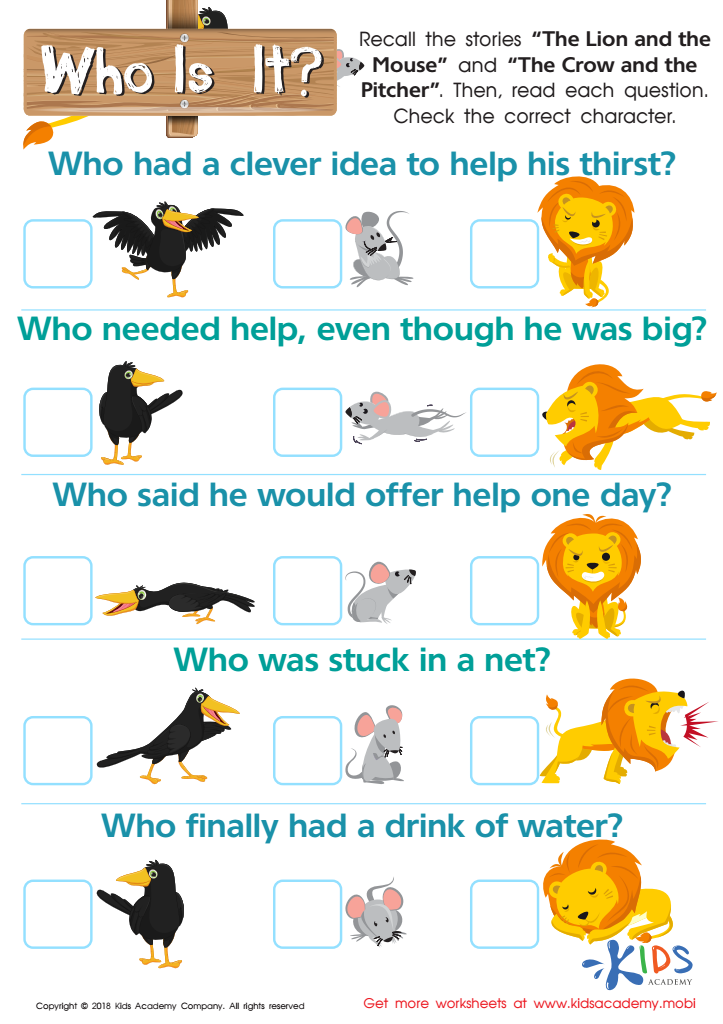
Who Is It? Worksheet
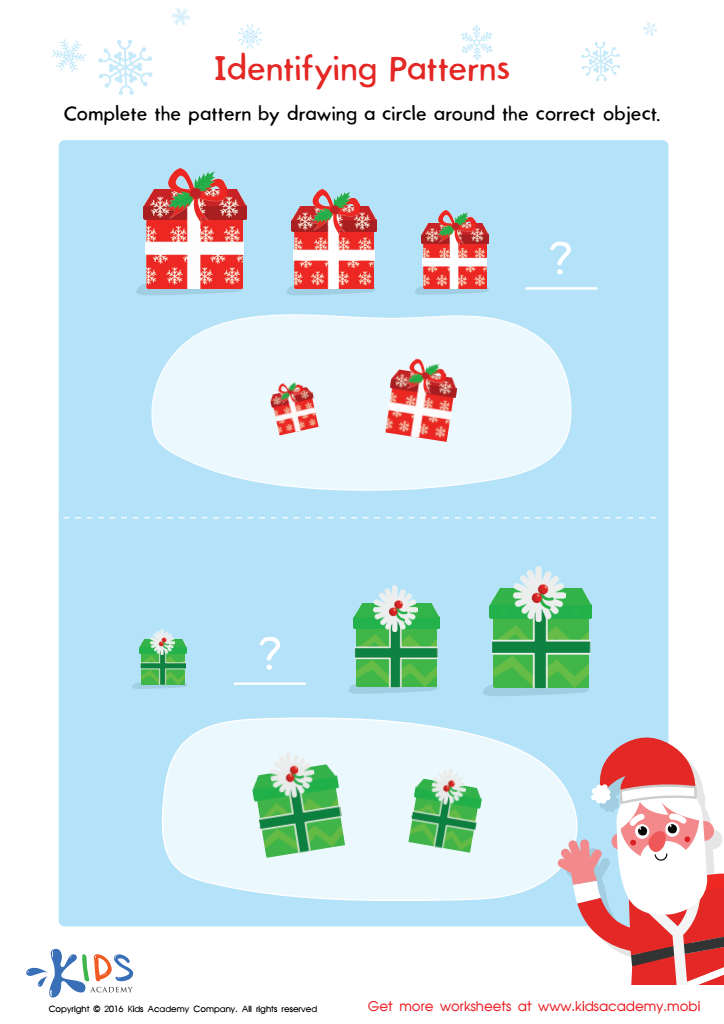
Identifying Patterns Worksheet
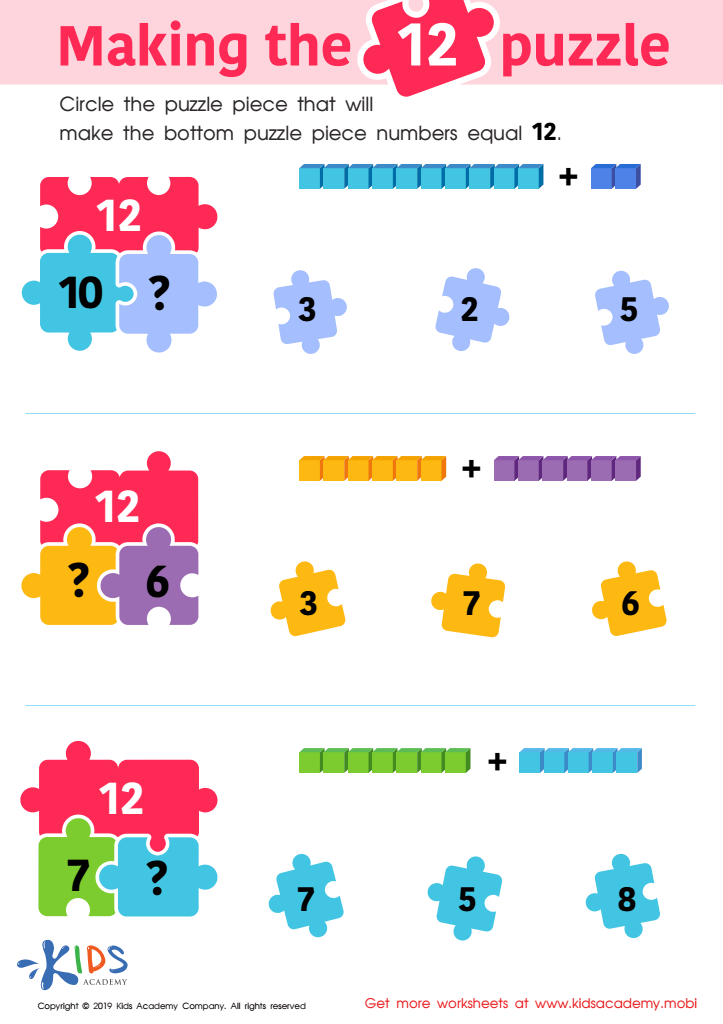
Making the 12 Puzzle Worksheet
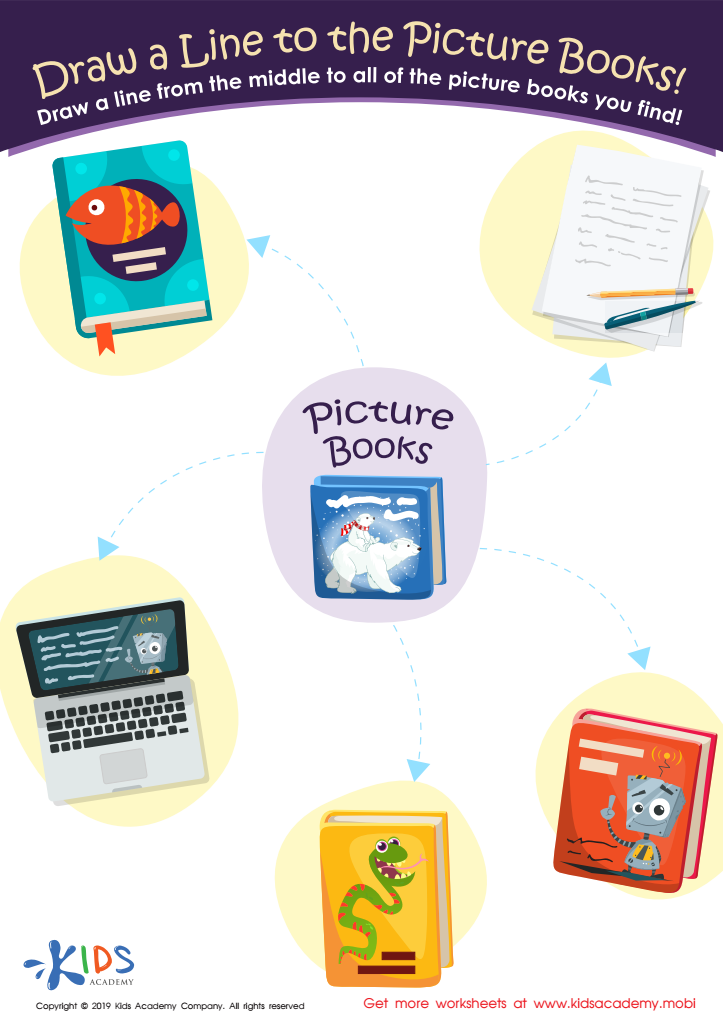
Draw a Line to the Picture Books Worksheet
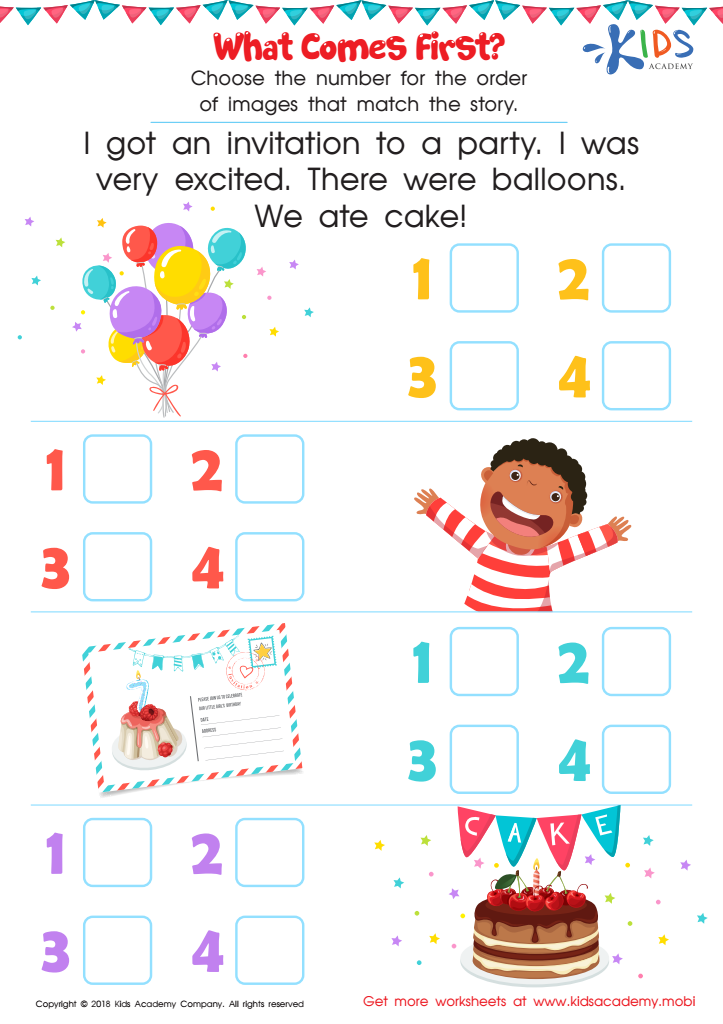
What Comes First Worksheet
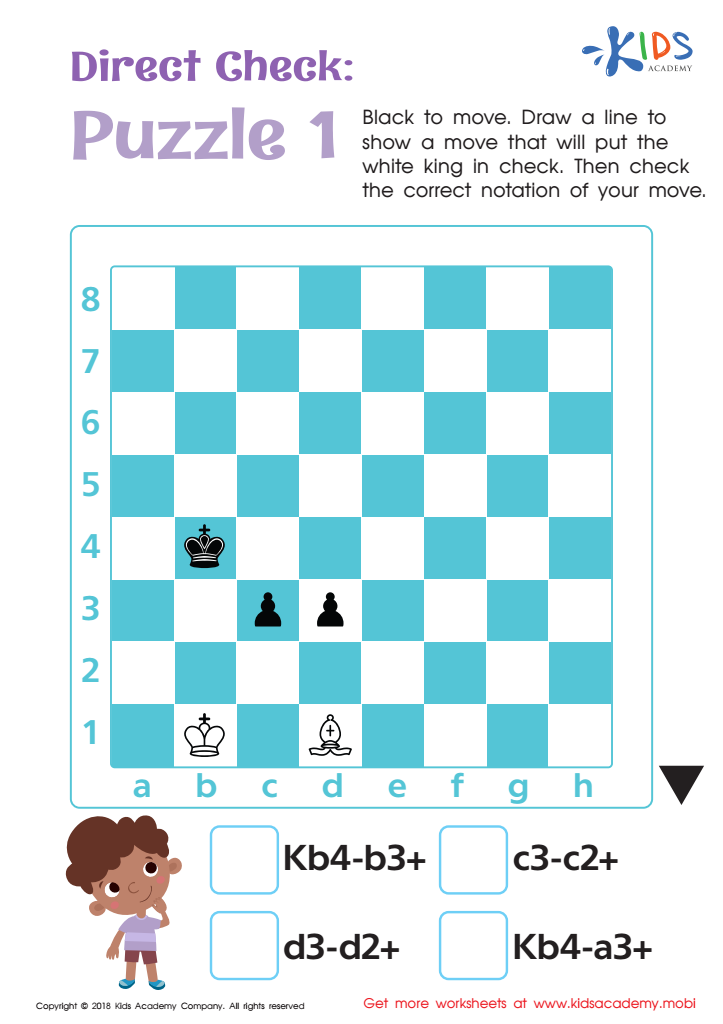
Direct Check: Puzzle 1 Worksheet
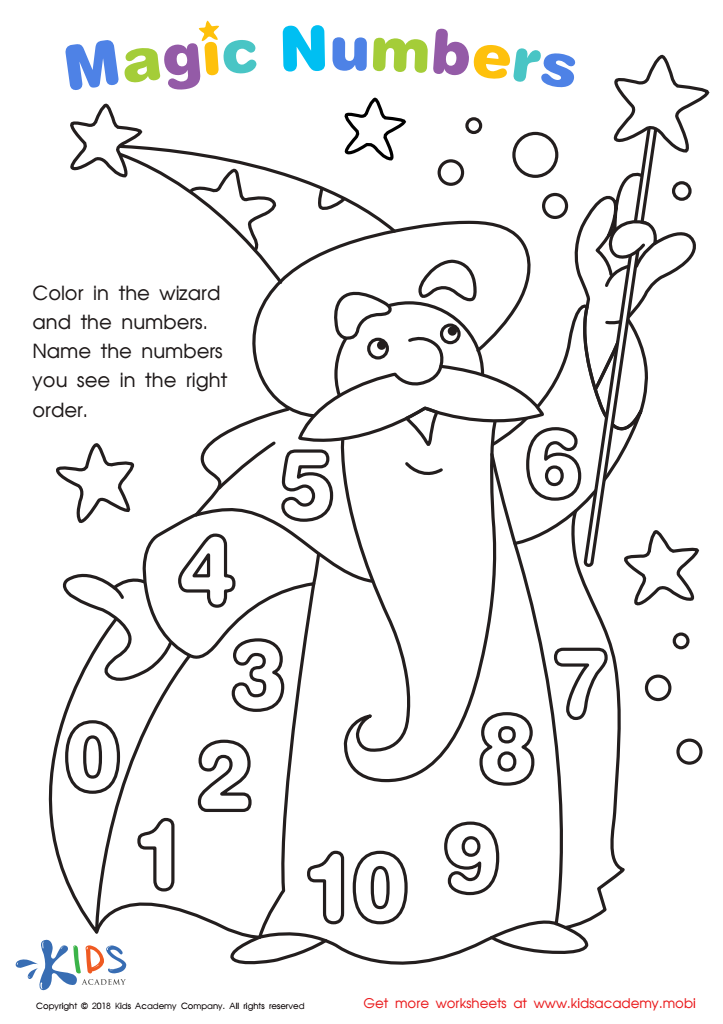
Magic Numbers Worksheet
 Assign to My Students







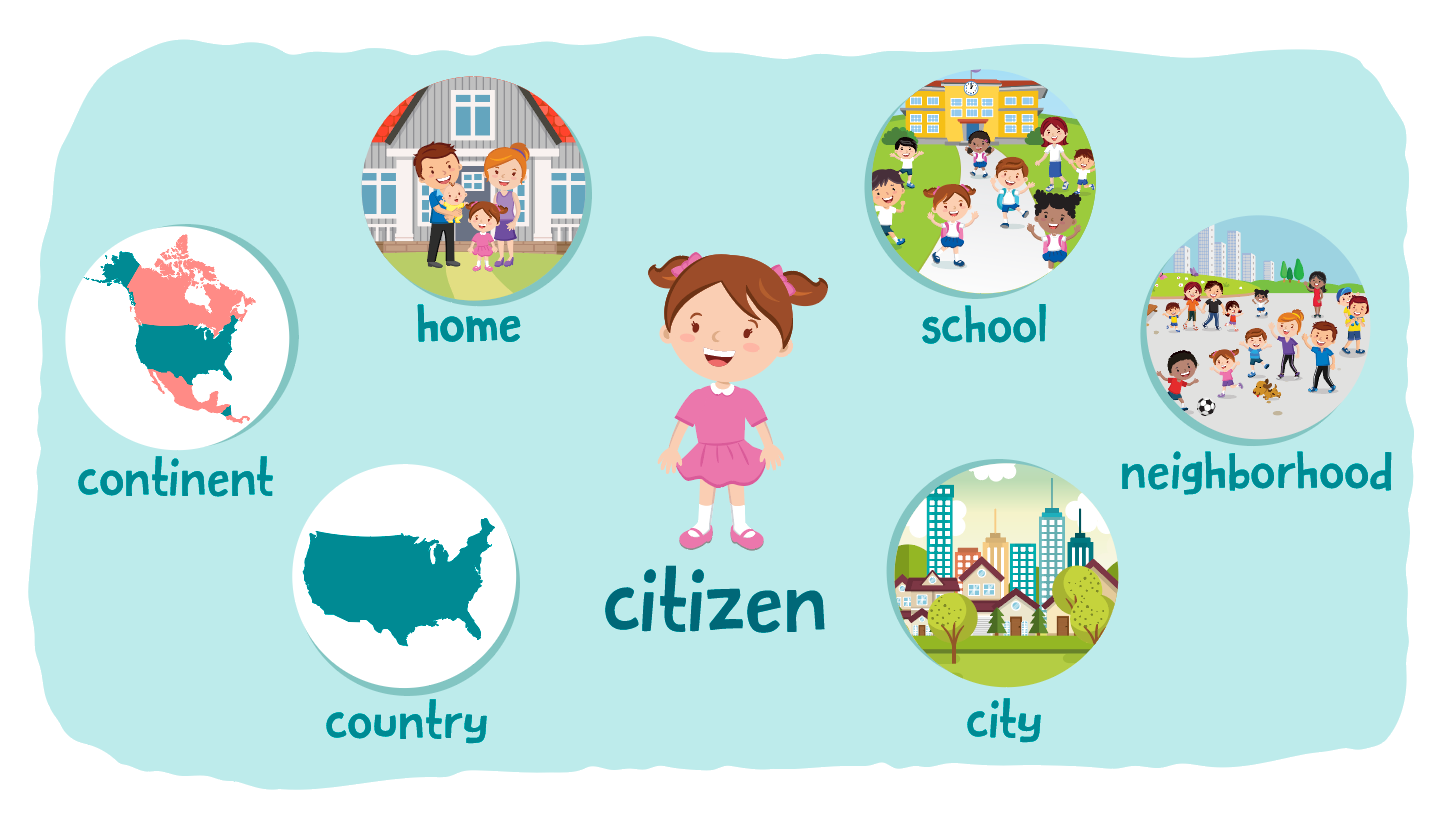
Logical thinking is a crucial skill for children ages 3-9, as it lays the foundation for problem-solving, critical thinking, and independent decision-making. During this formative stage, children are naturally curious and eager to explore their environment. Encouraging logical thinking helps them make sense of the world around them, fostering an understanding of cause and effect, patterns, and relationships.
Parents and teachers play a vital role in nurturing these skills through simple activities and age-appropriate challenges. Engaging in puzzles, games, and conversation can enhance children's ability to analyze situations, reason through problems, and anticipate outcomes. Such activities also stimulate cognitive development, which is essential for academic success later on.
Moreover, promoting logical thinking helps children build confidence in their abilities to tackle challenges and instills a growth mindset. When they learn to think critically, they become more equipped to navigate social interactions and make informed choices. Additionally, strong logical thinking skills are closely linked to improved performance in subjects like math and science, crucial through their educational journey.
In summary, fostering logical thinking in early childhood cultivates well-rounded, capable individuals who are prepared for academic challenges and real-world situations. Parents and teachers should prioritize this developmental aspect for long-term success.








