Math Worksheets for Ages 3-9 - Page 105
2519 filtered results
-
From - To
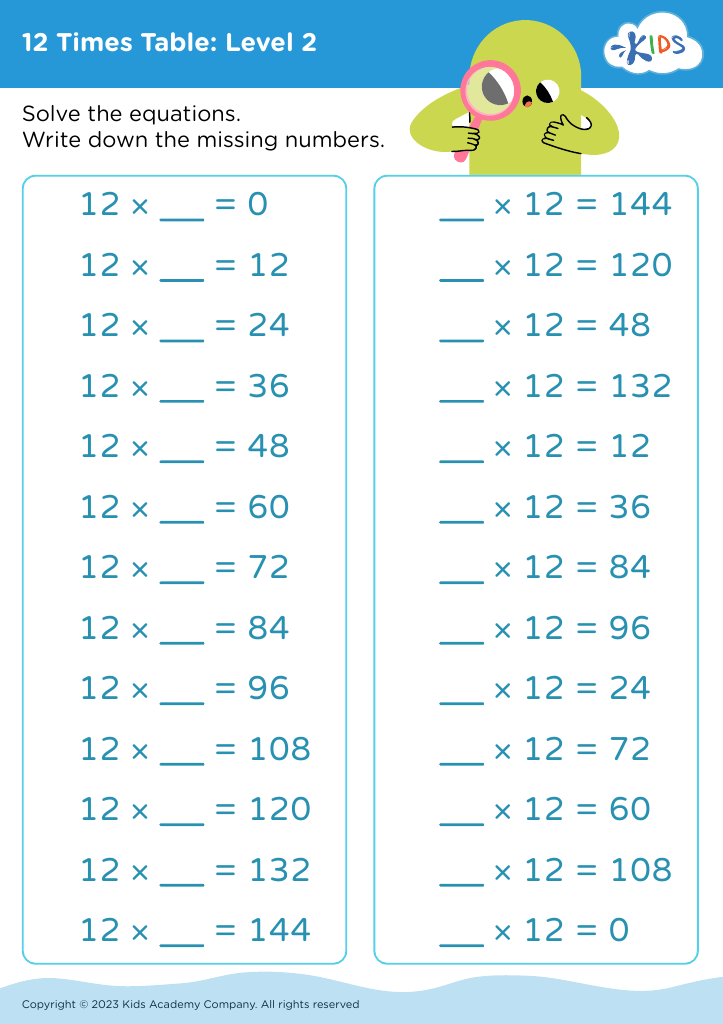
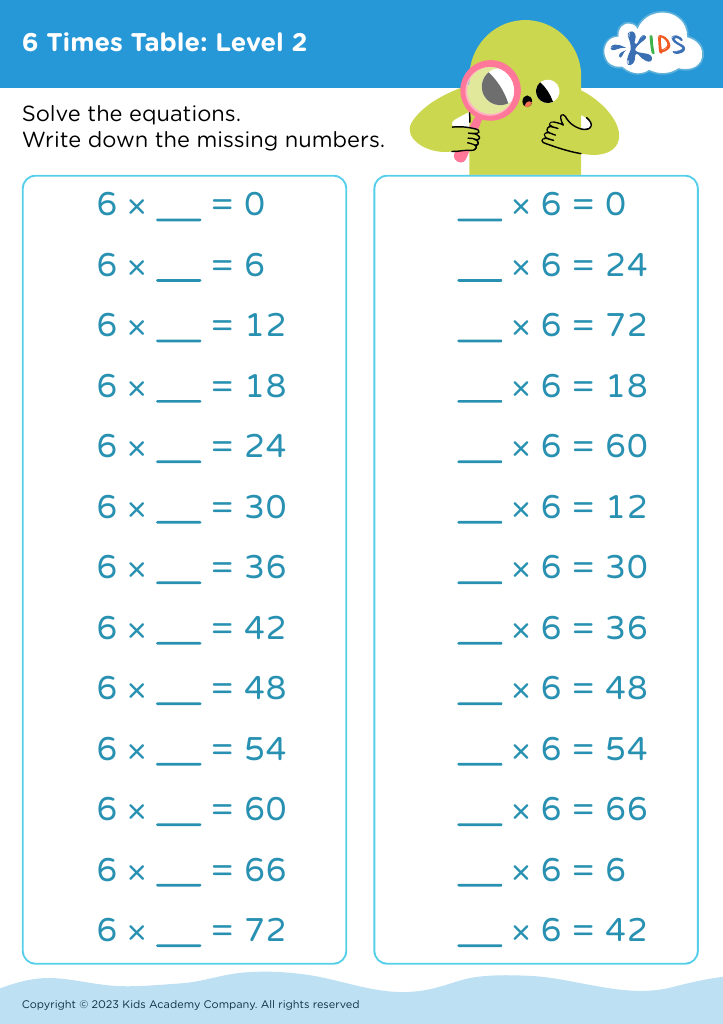
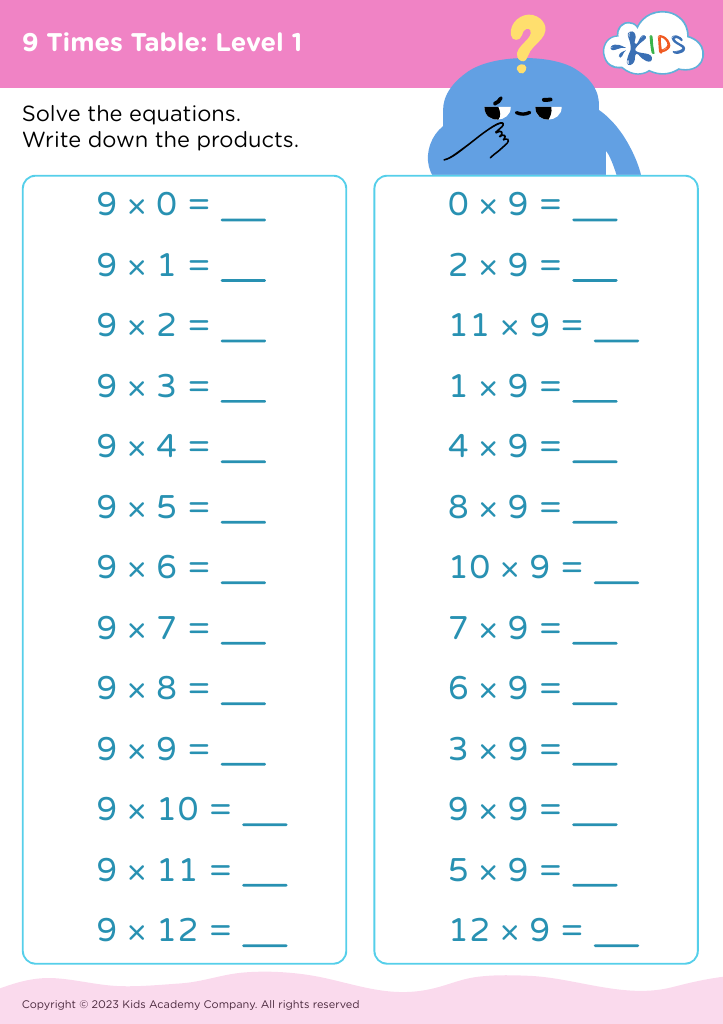
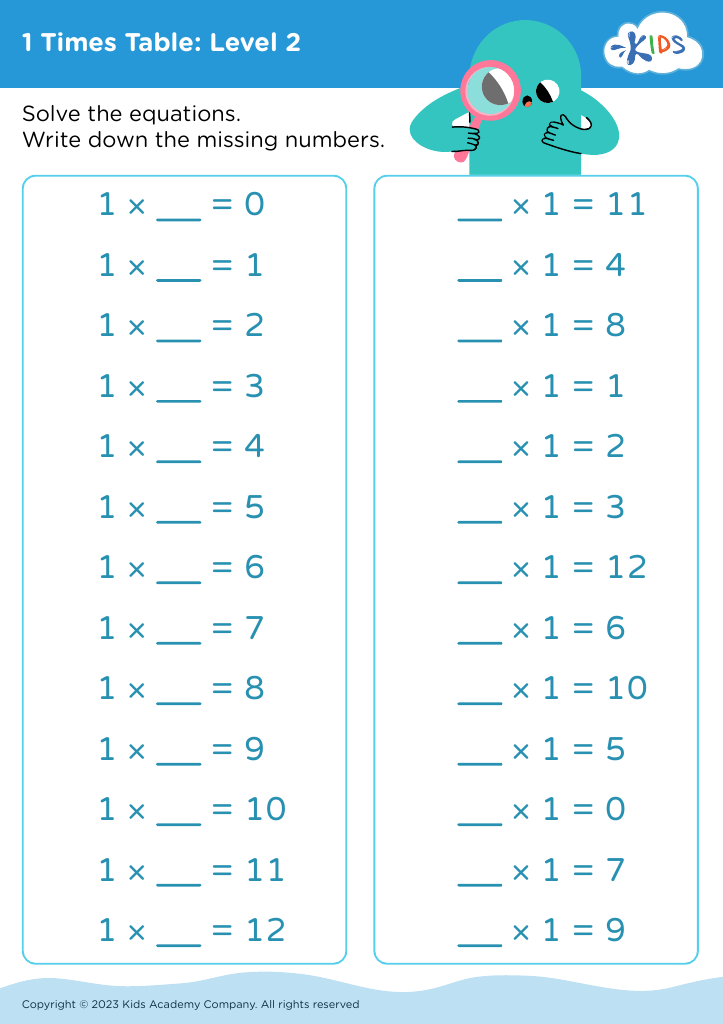
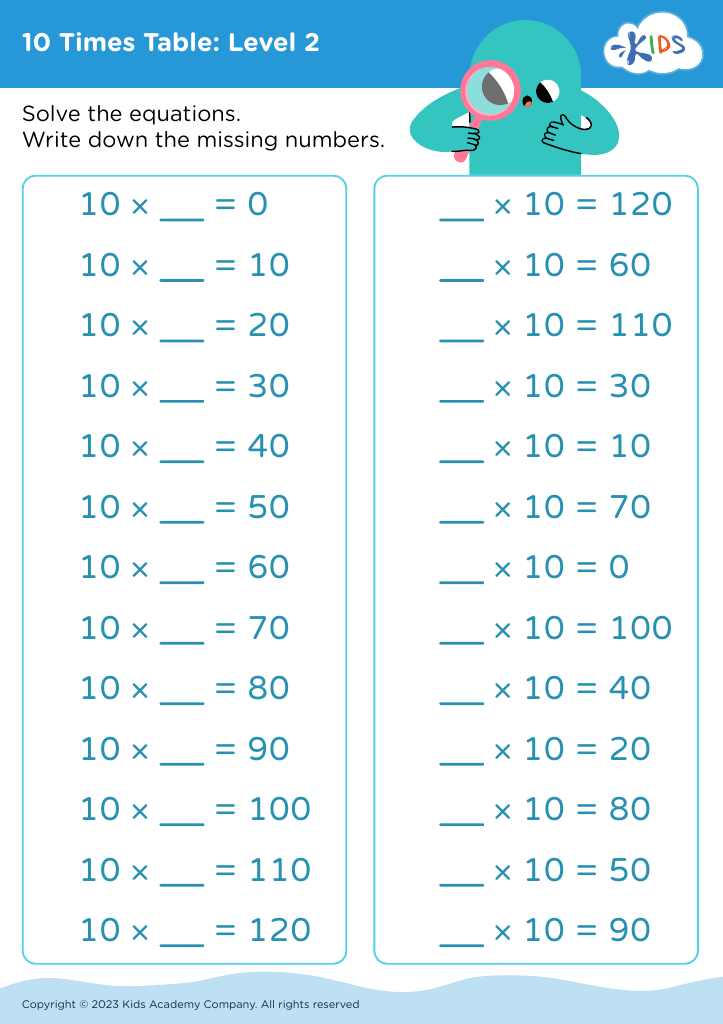
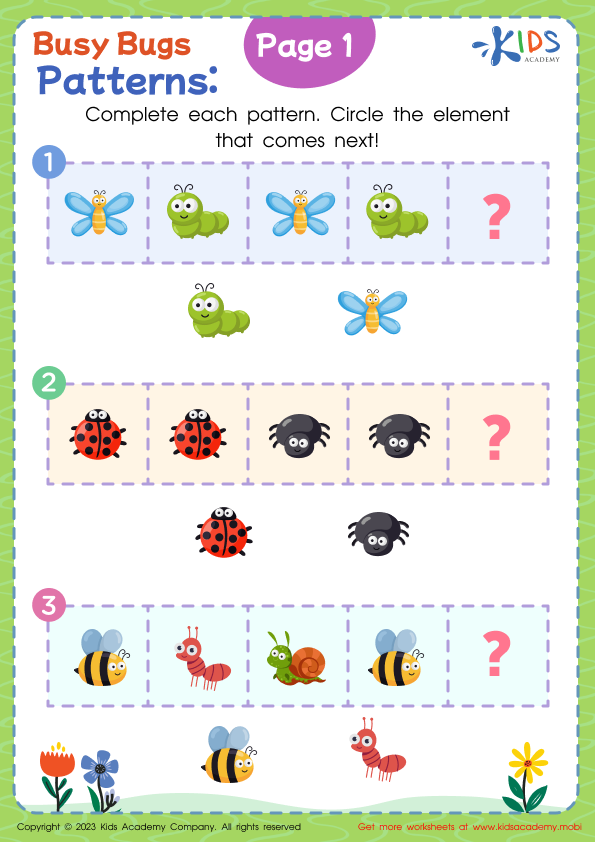
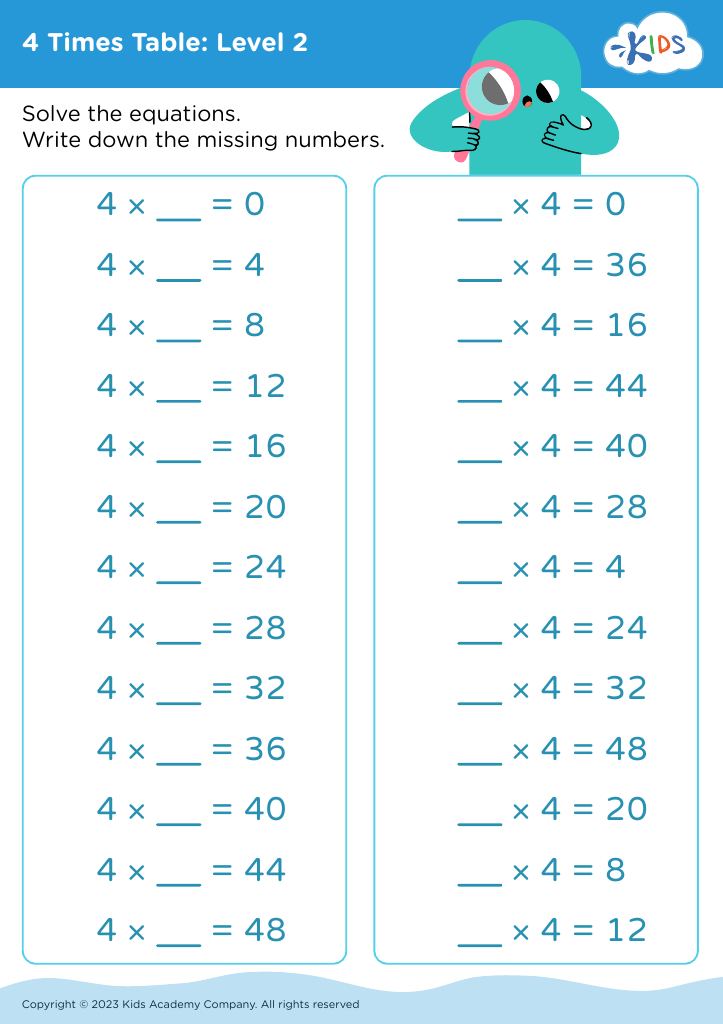
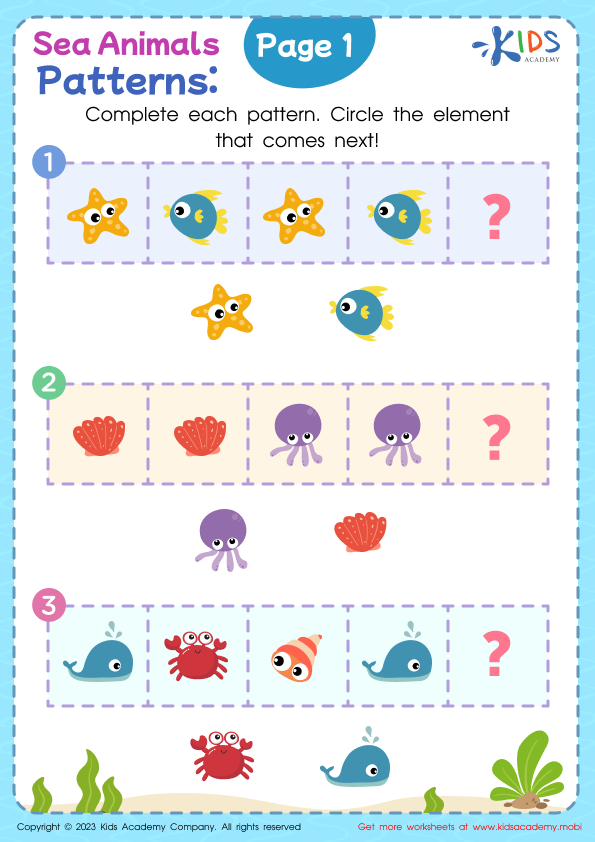
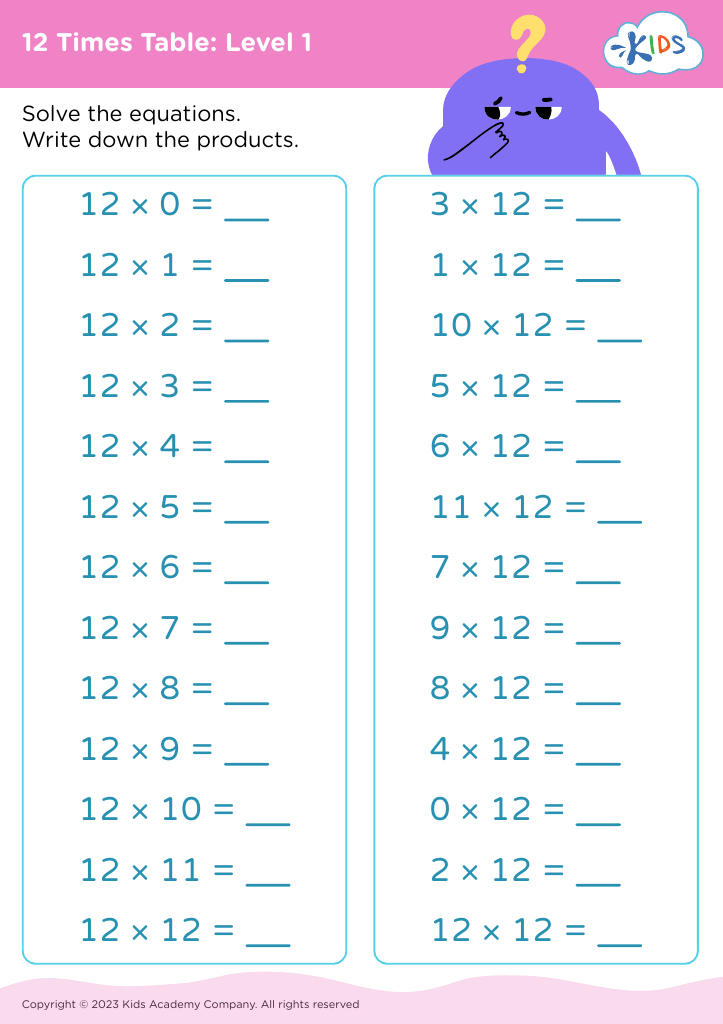
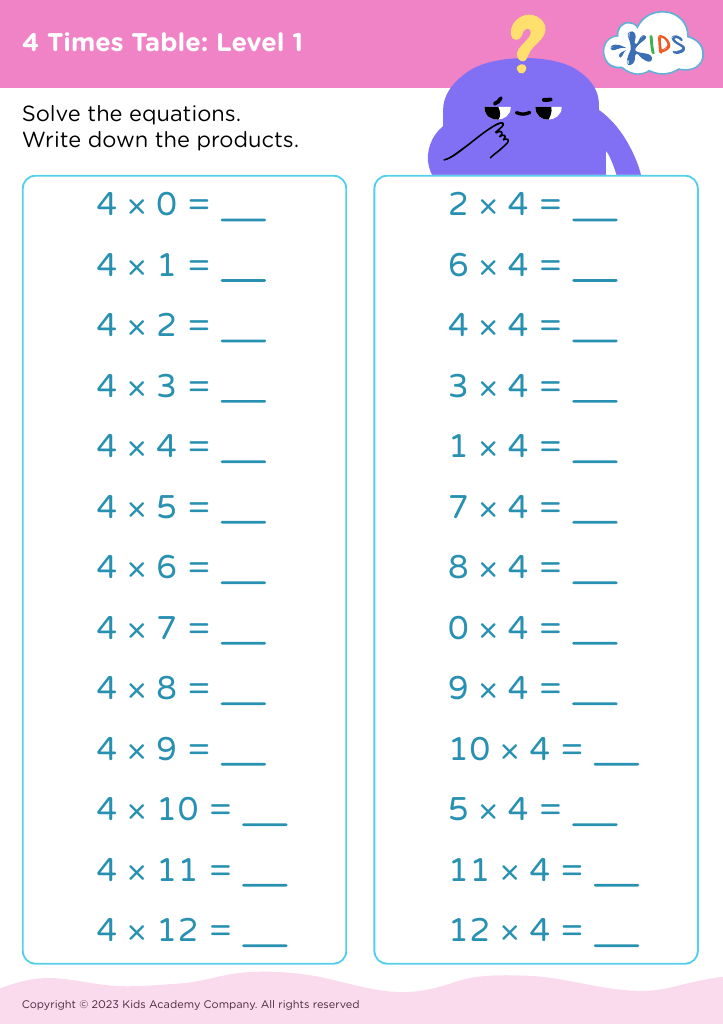
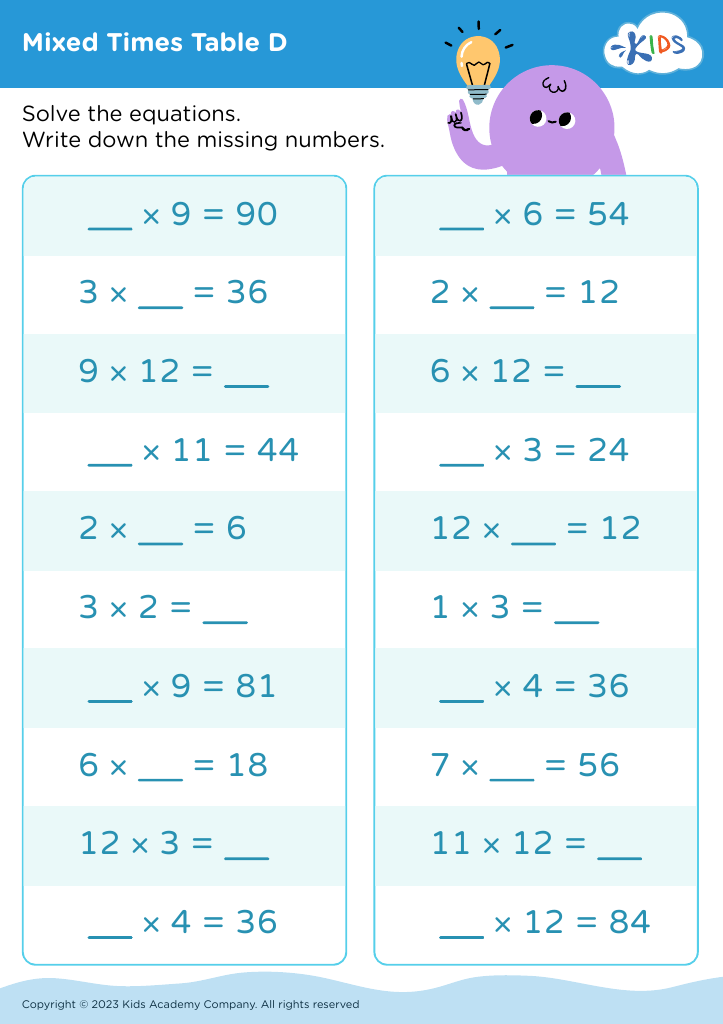
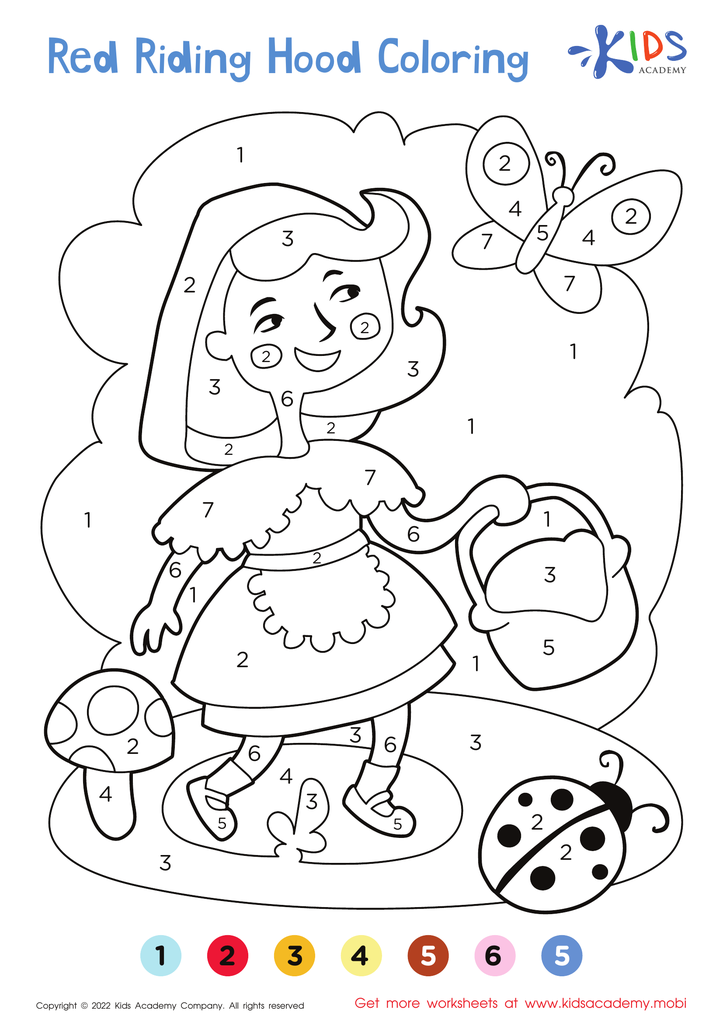
Little Red Riding Hood – Coloring by Numbers
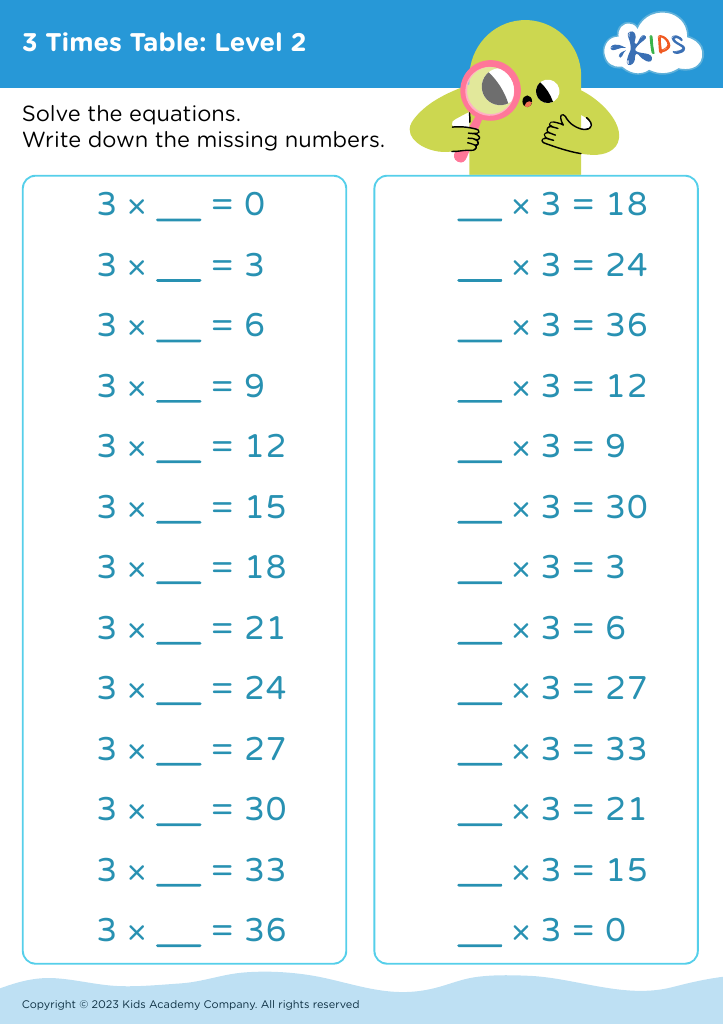
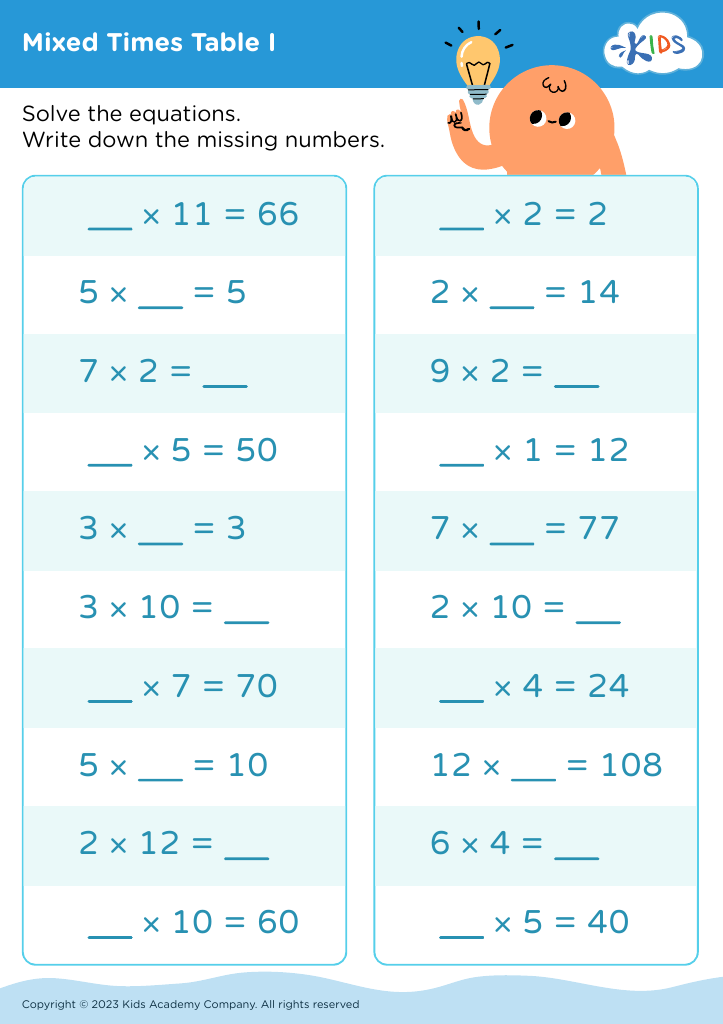
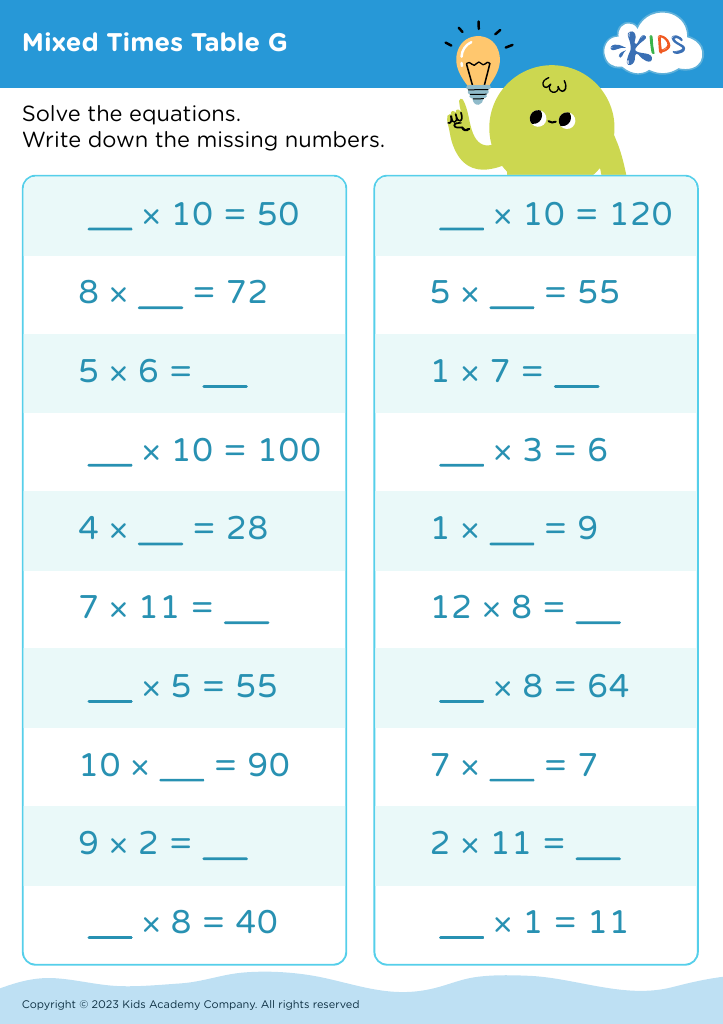








Parents and teachers should prioritize math learning for children ages 3-9 because this is a critical period for cognitive development. During these formative years, children develop foundational skills that set the stage for future academic success. Math nurtures critical thinking, problem-solving abilities, and logical reasoning, all essential skills for navigating daily life and future educational pursuits.
Engaging children in math-related activities can enhance their number sense, spatial awareness, and pattern recognition. These early experiences with math foster a positive attitude towards the subject, helping to dispel common myths about math being difficult or uninteresting.
Moreover, math is intertwined with other subjects, including science and engineering, which are imperative in our increasingly technological world. By prioritizing math, parents and teachers instill a sense of curiosity and confidence in their children, encouraging them to explore complex concepts as they grow.
Math also promotes social skills through collaborative games and problem-solving activities, helping children learn teamwork and communication. Overall, fostering a solid mathematical foundation in young children not only equips them with essential life skills but also paves the way for lifelong learning and success. Encouraging math literacy in these early years is a gift that will benefit them throughout their lives.








