Matching Worksheets for Ages 3-9 - Page 4
82 filtered results
-
From - To
 Assign to My Students
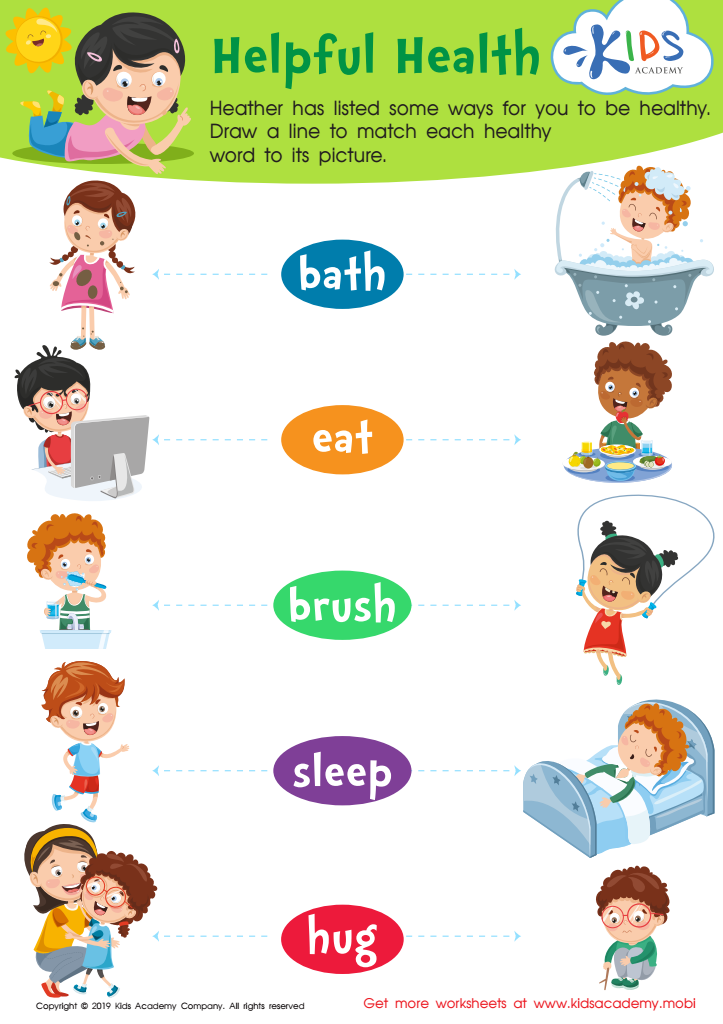
Helpful Health Worksheet
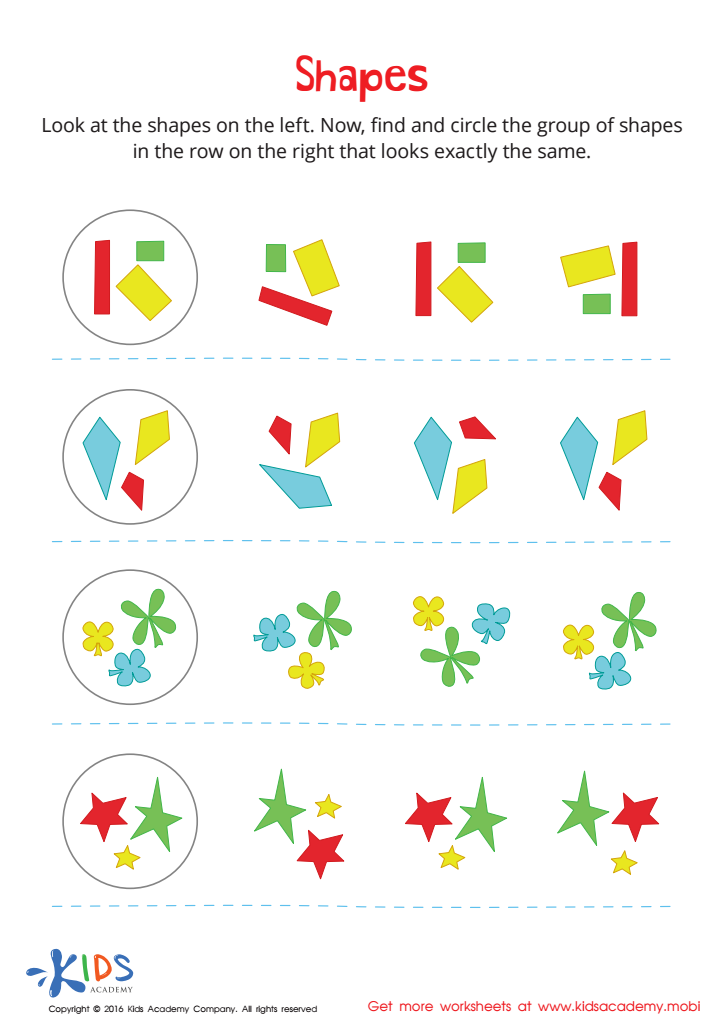
Shapes Worksheet
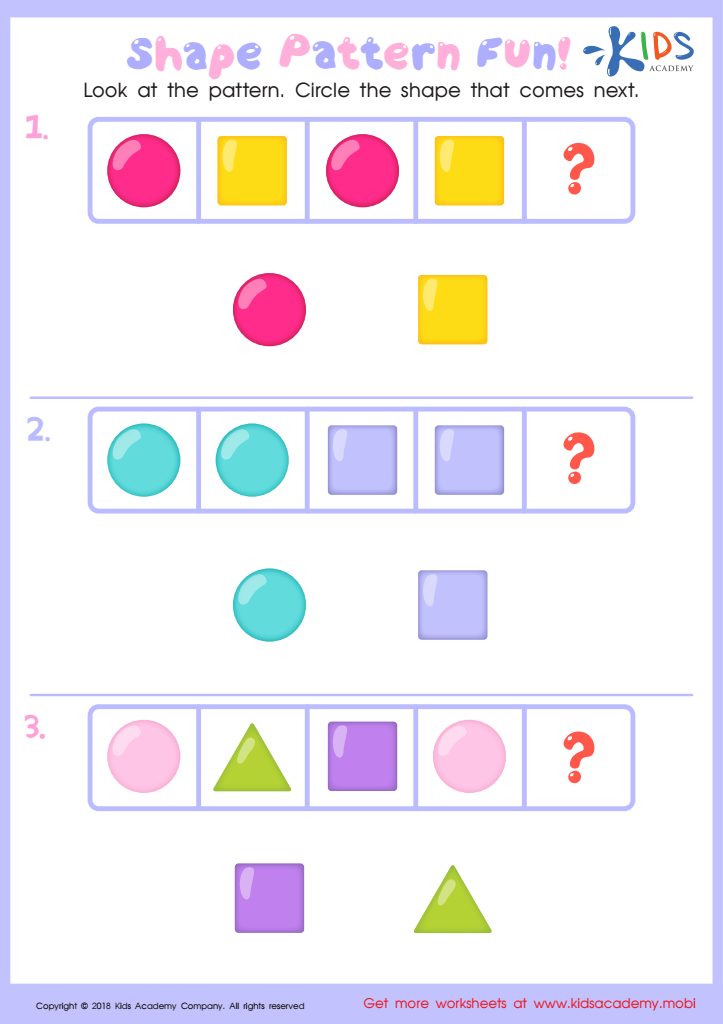
Shape Pattern Fun Worksheet
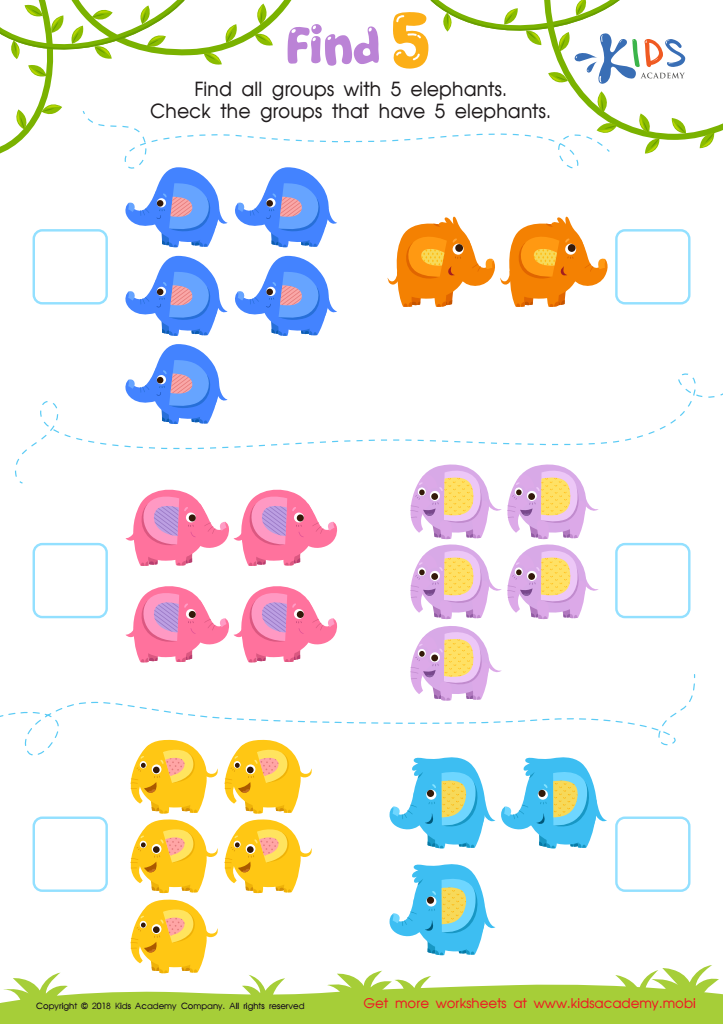
Find 5 Worksheet
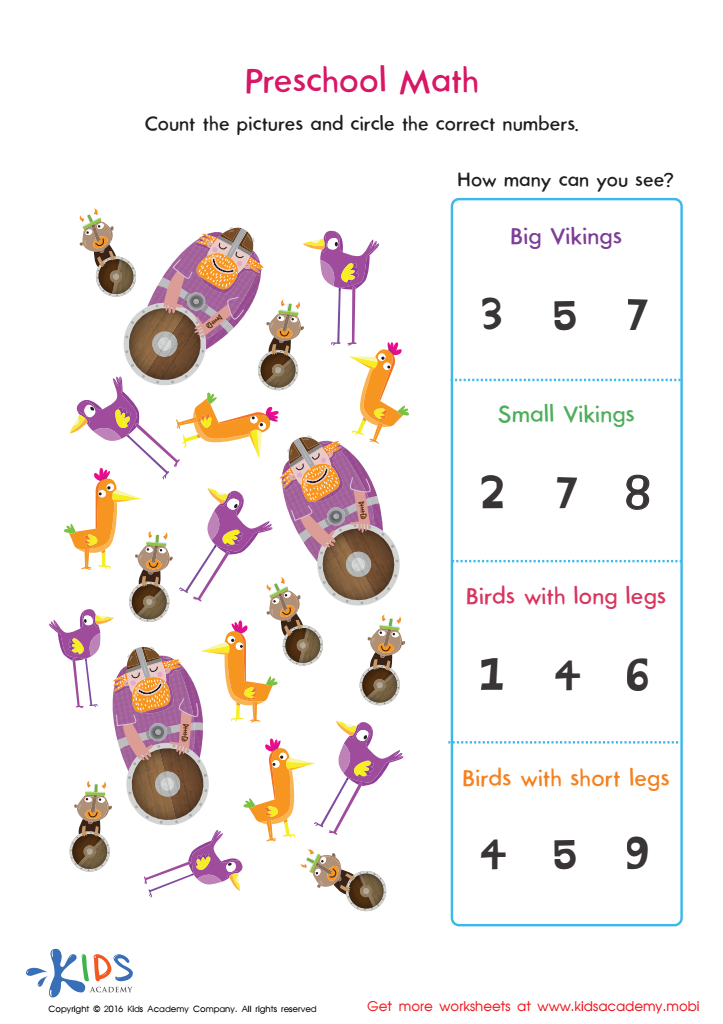
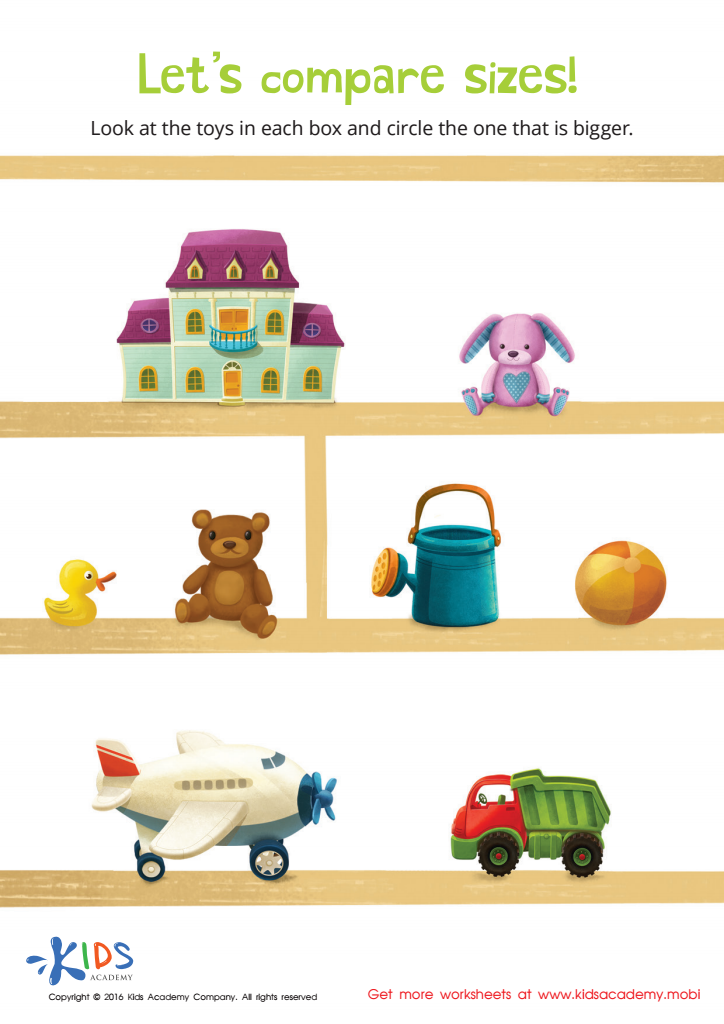
Classifying by Size Sorting Worksheet
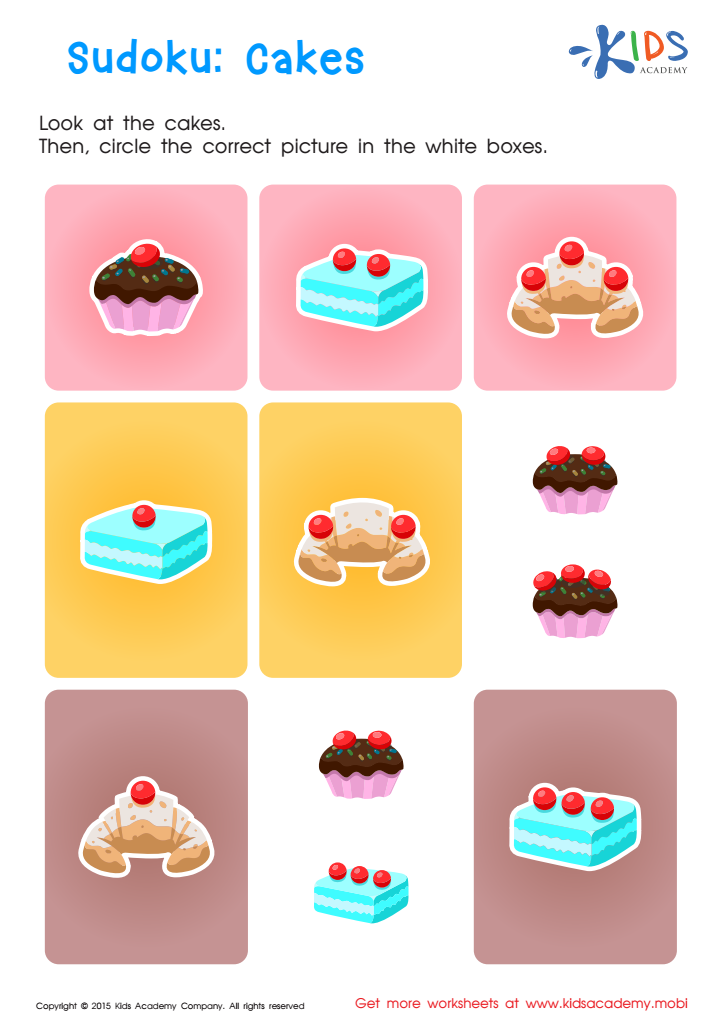
Sudoku Worksheet
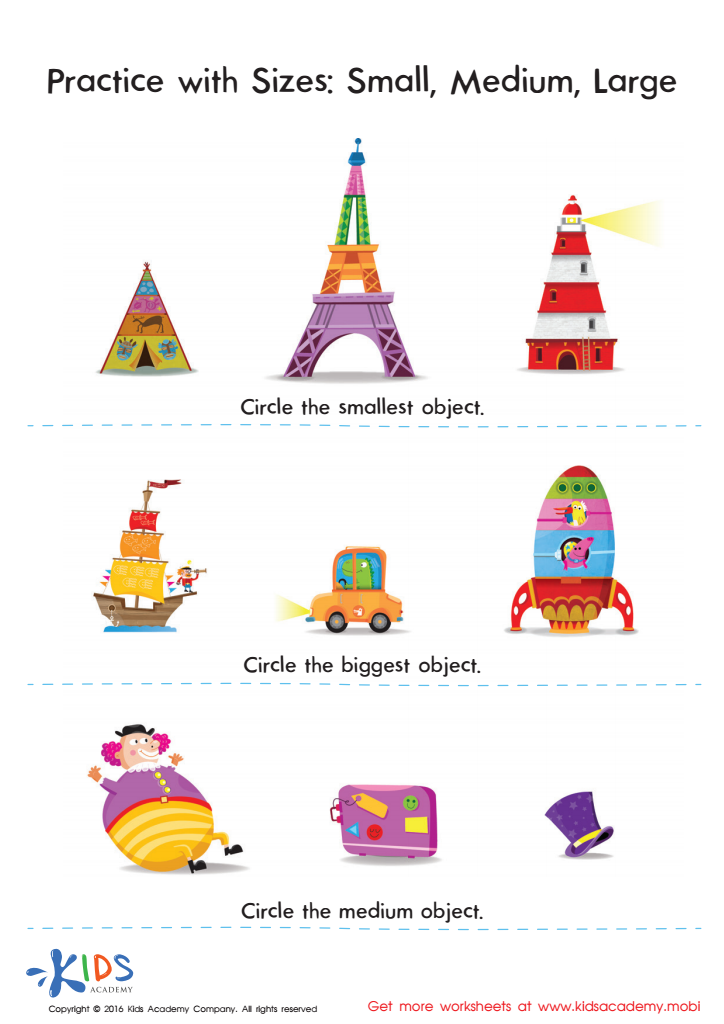








Matching activities are crucial for children aged 3-9 as they significantly contribute to cognitive, social, and emotional development. At this age, children are naturally curious and eager to learn. Engaging in matching exercises supports their ability to recognize patterns, enhance memory, and develop critical thinking skills. For instance, matching games help improve visual discrimination and concentration, paving the way for more complex problem-solving abilities later in life.
Moreover, these activities provide opportunities for social interaction, as children often collaborate or compete with peers or family members while matching. This interaction fosters communication skills, teamwork, and the ability to follow shared rules, all essential for healthy social development.
Matching can also address individual learning styles and provide a platform for tailoring education to meet diverse needs. Using various themes—such as animals, shapes, or colors—keeps children engaged and makes learning fun, which is essential for keeping this age group motivated.
Ultimately, parents and teachers should care about matching activities as they M promote foundational skills in a playful, engaging manner, helping children thrive both academically and socially. Implementing these activities can play a pivotal role in setting the stage for lifelong learning and overall well-being.








