Reading Worksheets for Ages 3-9 - Page 33
770 filtered results
-
From - To
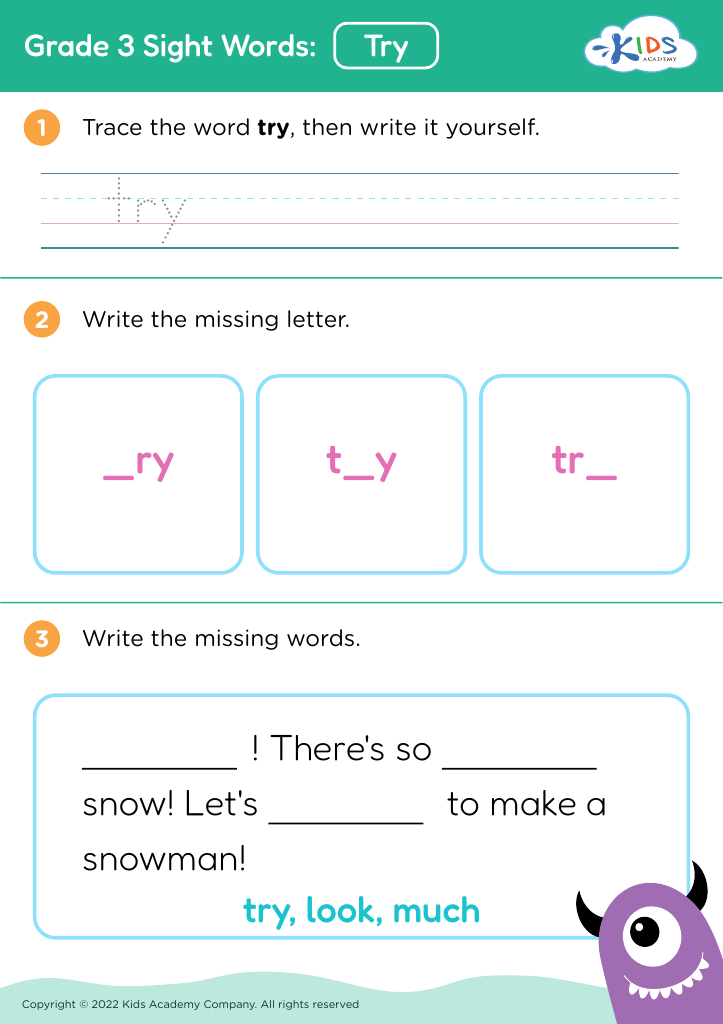
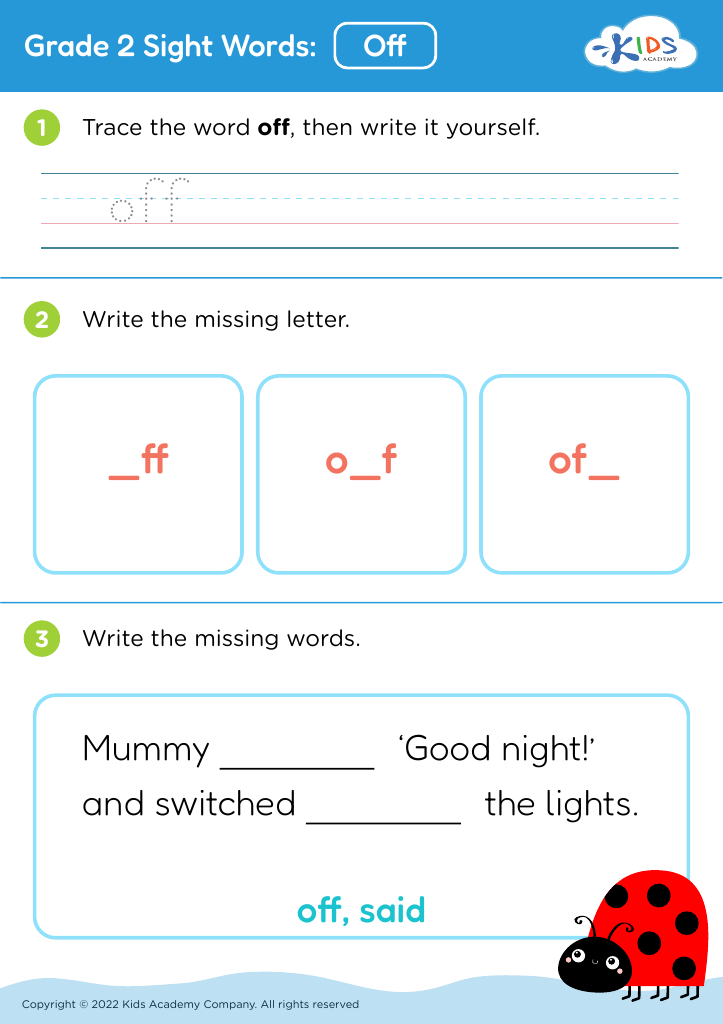








Parents and teachers should place a high importance on reading for children aged 3-9 because it serves as a cornerstone of early childhood development, nurturing crucial cognitive, emotional, and social skills. During these formative years, a child's brain is extremely receptive to learning new concepts, making it the perfect time to introduce reading. Reading to children enhances their language abilities, enriches their vocabulary, and helps them understand sentence structures, all of which lay the groundwork for academic success.
Moreover, reading fuels imagination and creativity, encouraging children to visualize, think critically, and develop problem-solving skills. It also fosters empathy and emotional intelligence by exposing kids to diverse characters, perspectives, and situations. Stories can help children identify and understand emotions, teaching important life lessons and moral values.
Additionally, sharing reading time strengthens the bond between parents and children or teachers and students. This close interaction promotes a deeper emotional connection and instills a lifelong love of learning. Making reading a regular habit fosters better concentration and patience, qualities essential for sustained academic activities.
In summary, promoting reading for children aged 3-9 offers multifaceted benefits, contributing to their cognitive development, emotional maturity, social skills, and academic prospects—coordinates an essential framework for future success.








