Reading Fiction Worksheets for Ages 3-9 - Page 5
172 filtered results
-
From - To
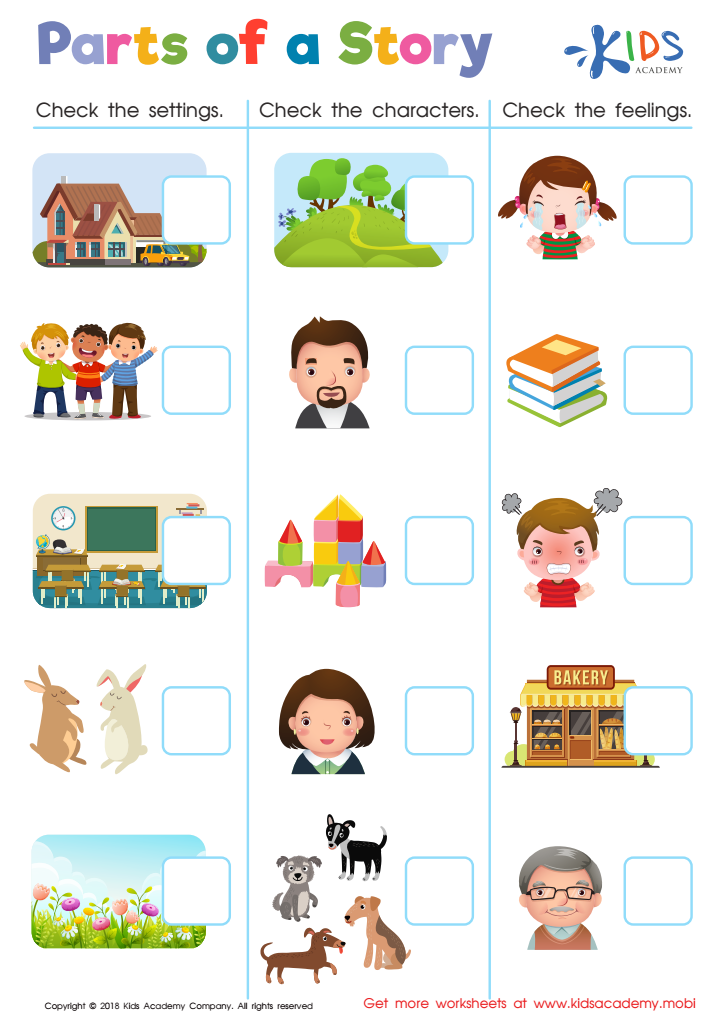
Parts of a Story Worksheet
 Assign to My Students
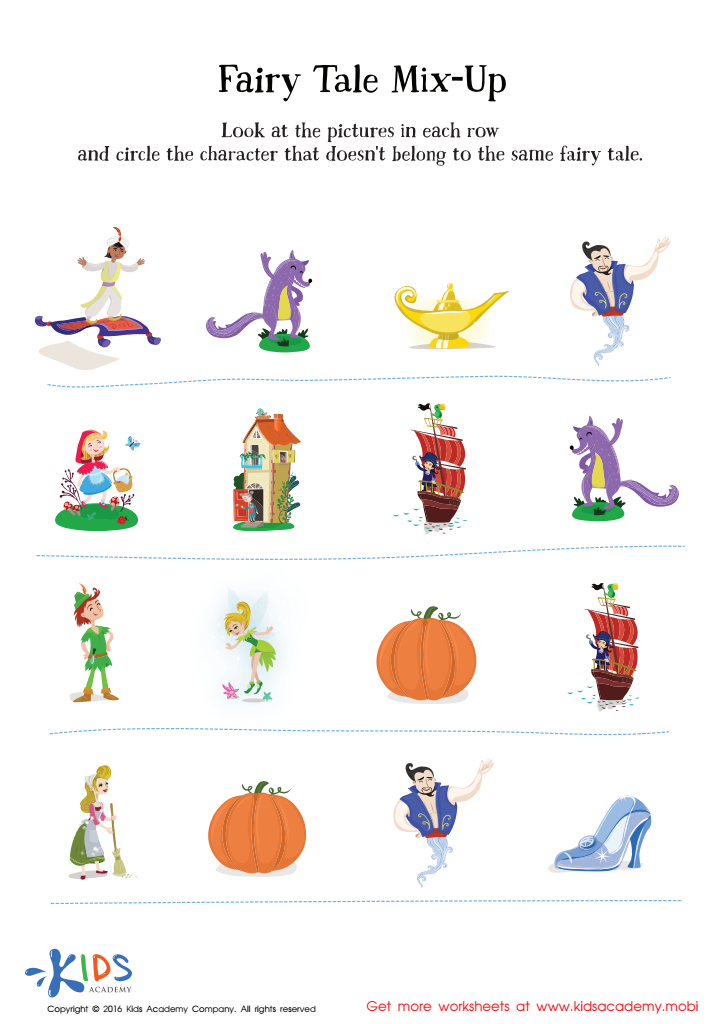
Fairy Tale Worksheet: Story Mix Up
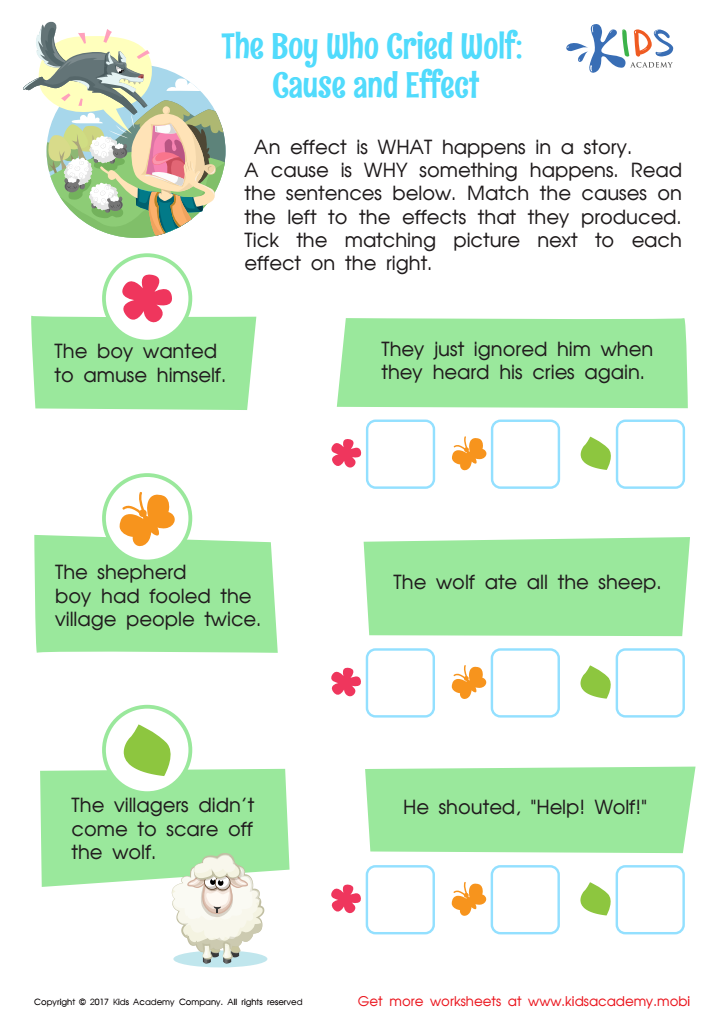
The Boy Who Cried Wolf: Cause and Effect Worksheet
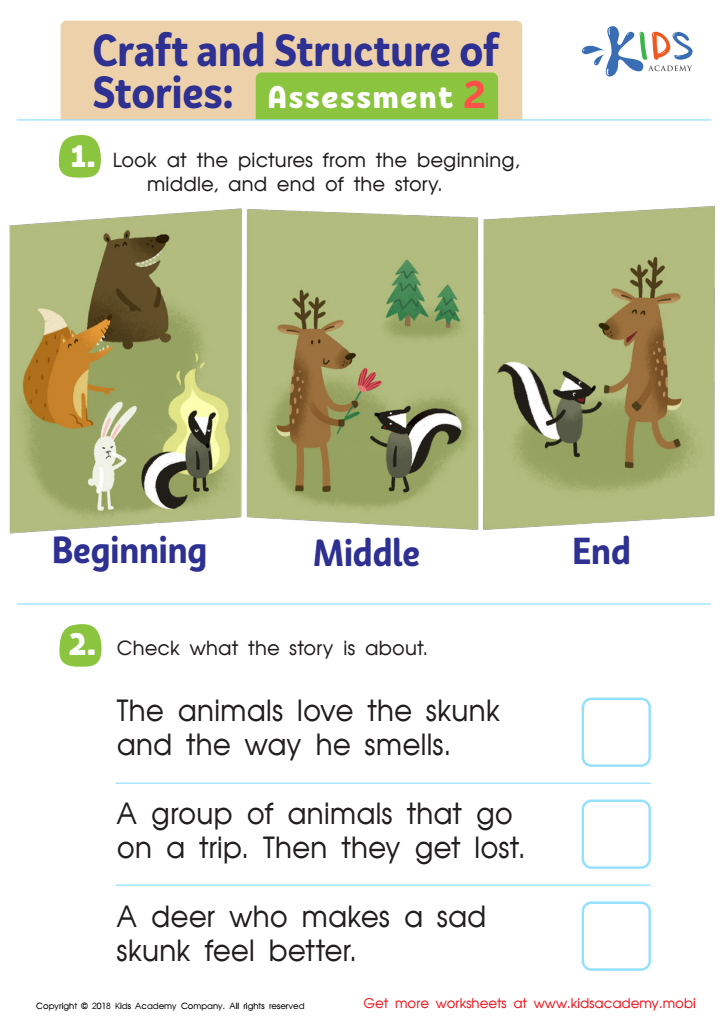
Craft and Structure of Stories: Assessment 2 Worksheet
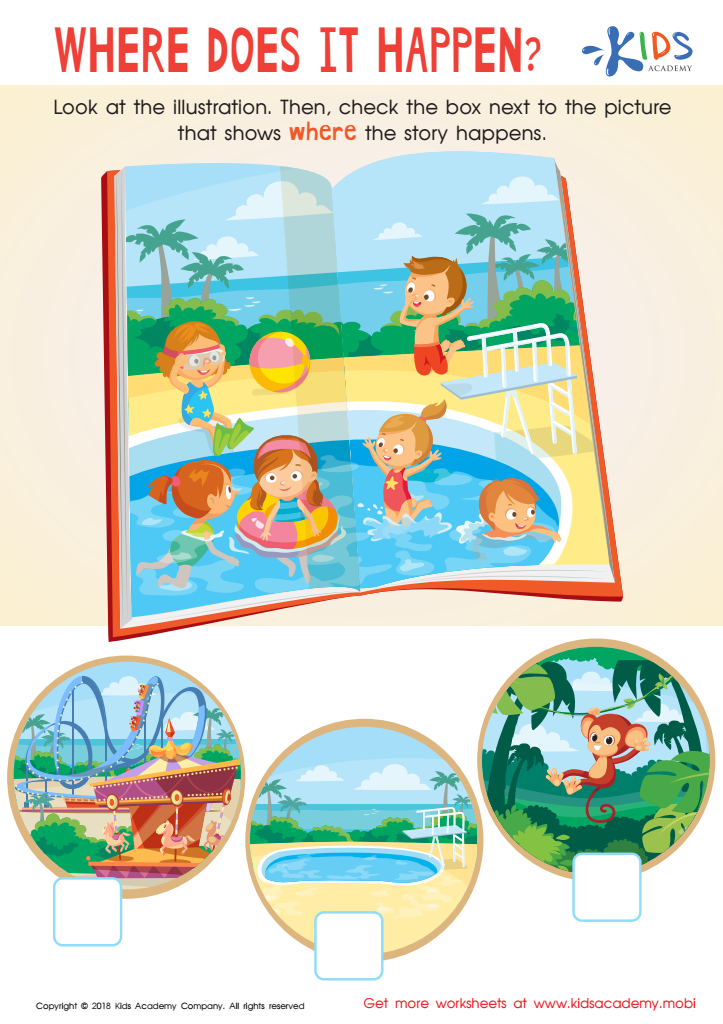
Where Does It Happen? Worksheet
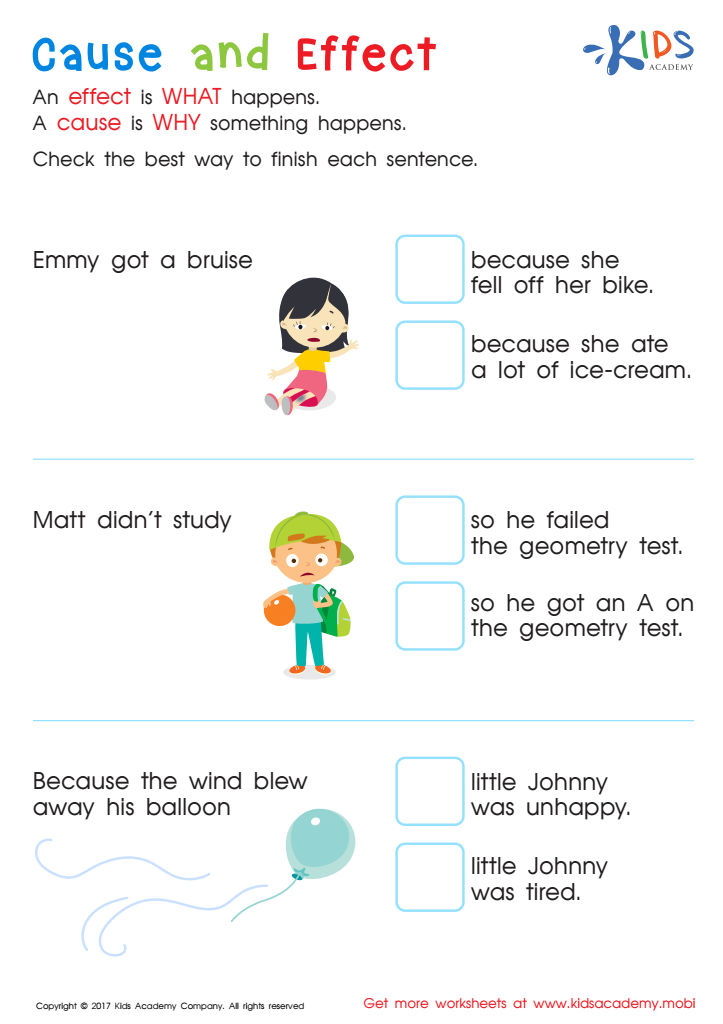
Cause and Effect Worksheet
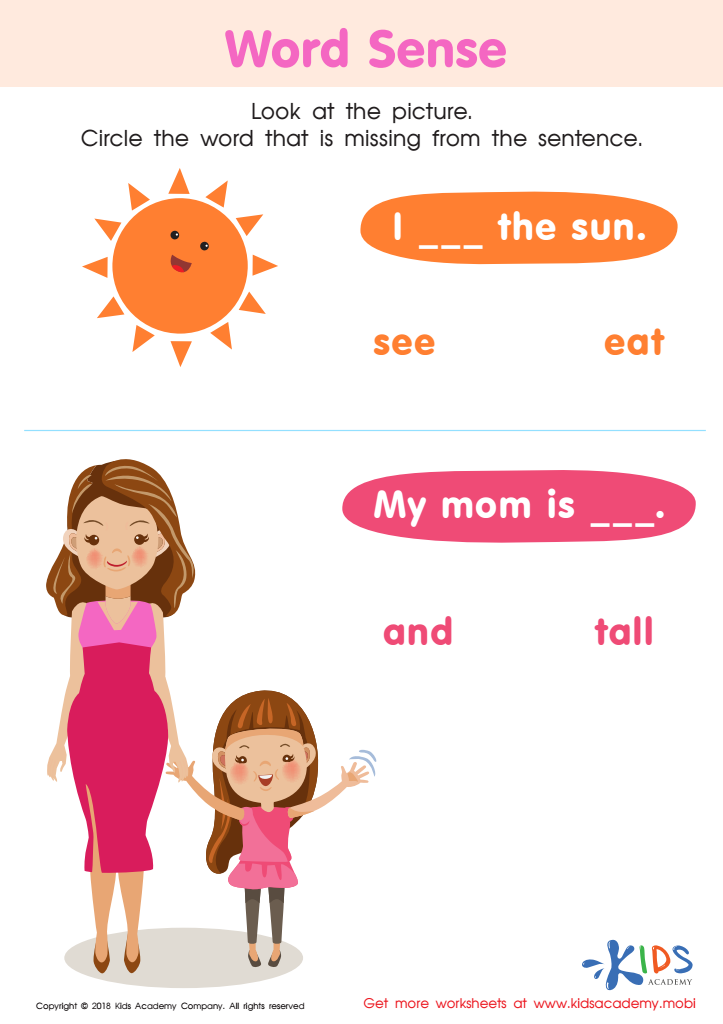
Word Sense Worksheet
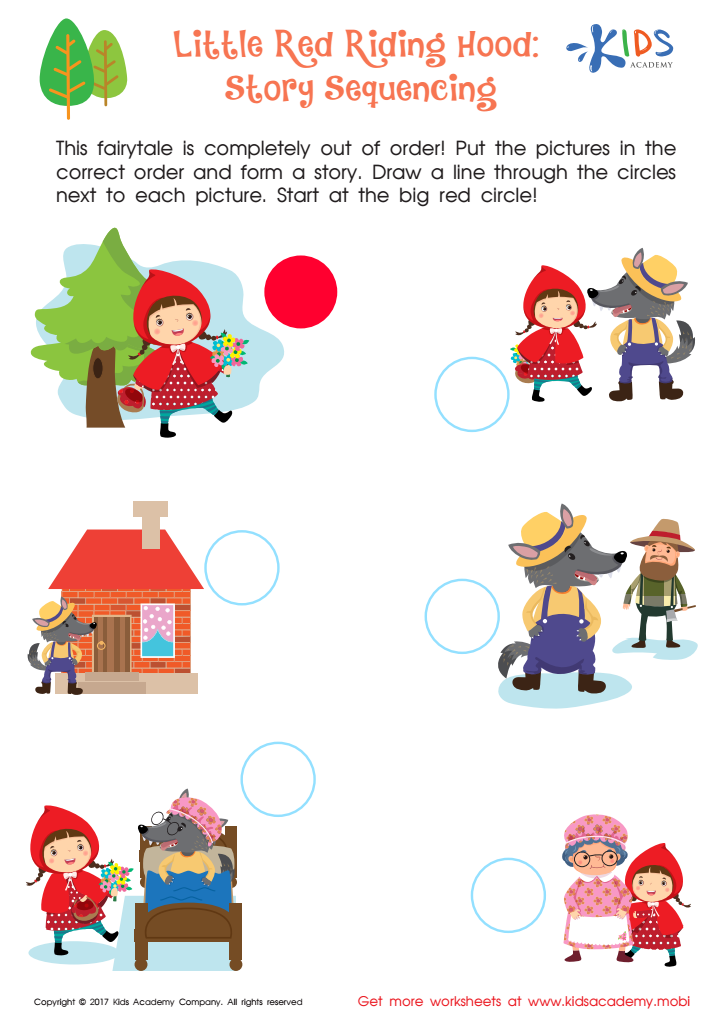
Story Sequencing Printable
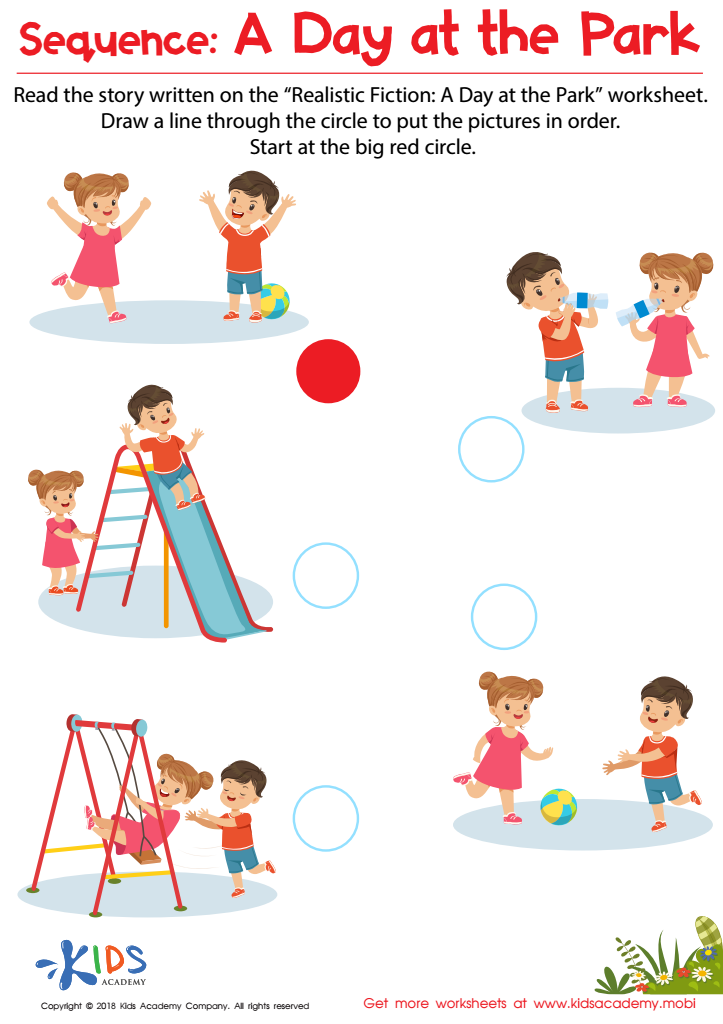
Sequence: A Day at the Park Worksheet
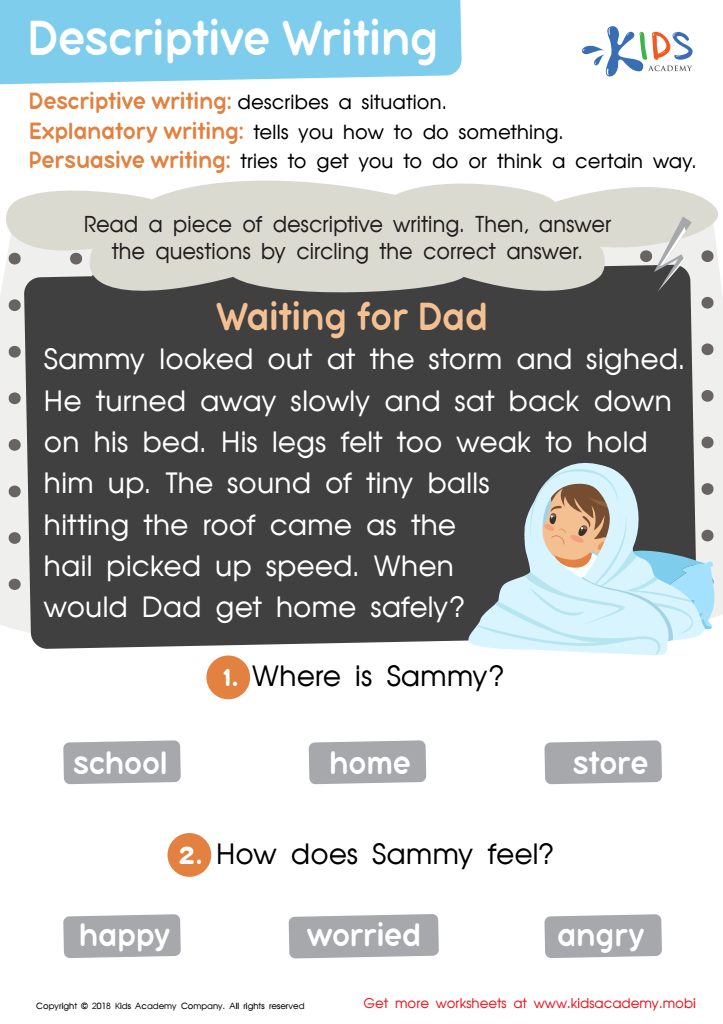
Descriptive Writing Worksheet: Part 2
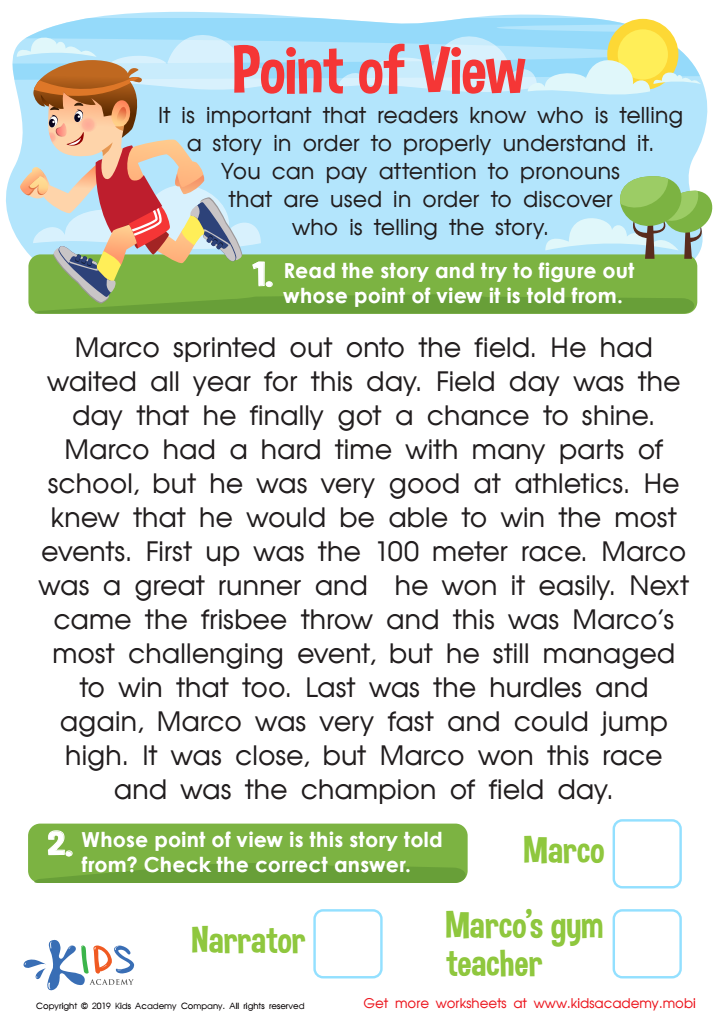
Point of View Worksheet
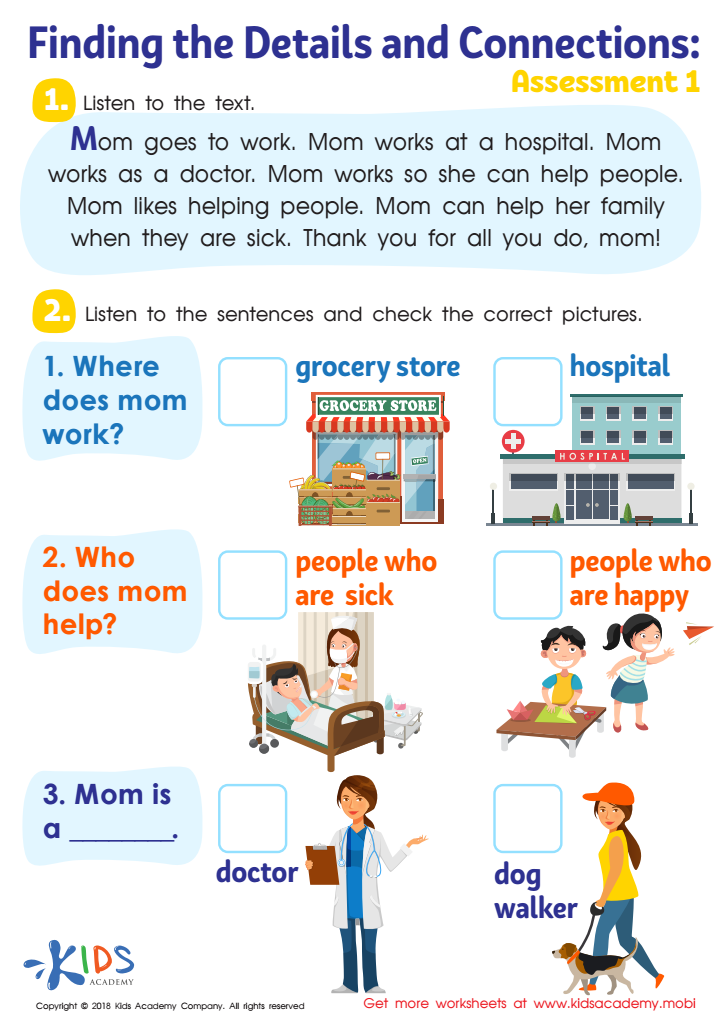
Finding the Details and Connections: Assessment 1 Worksheet
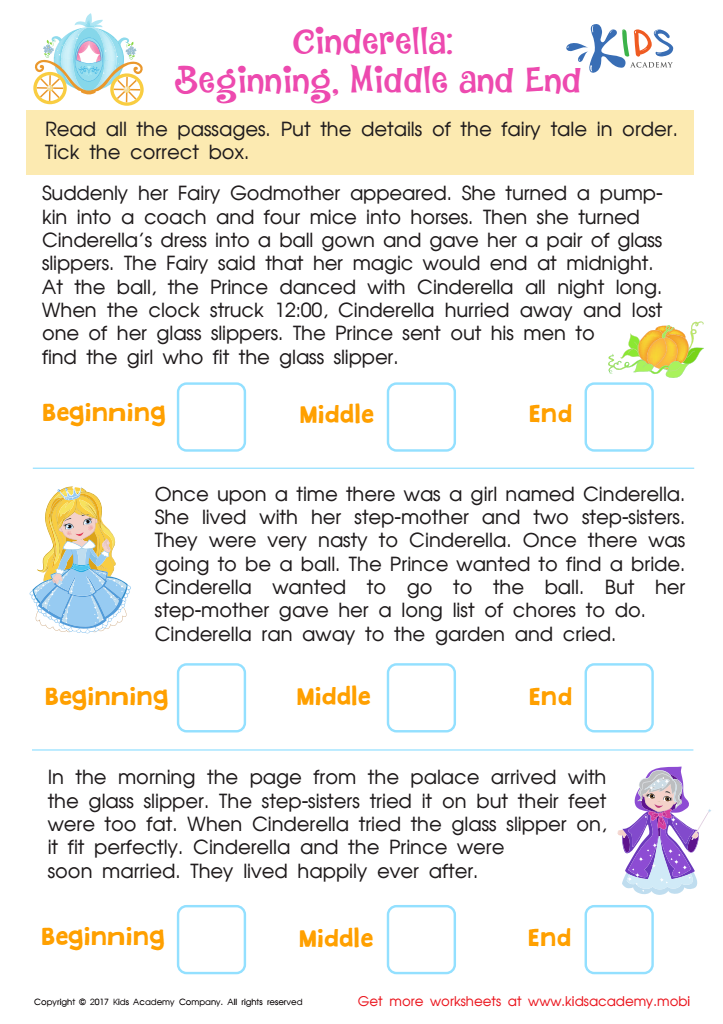
Cinderella: Beginning, Middle and End Worksheet
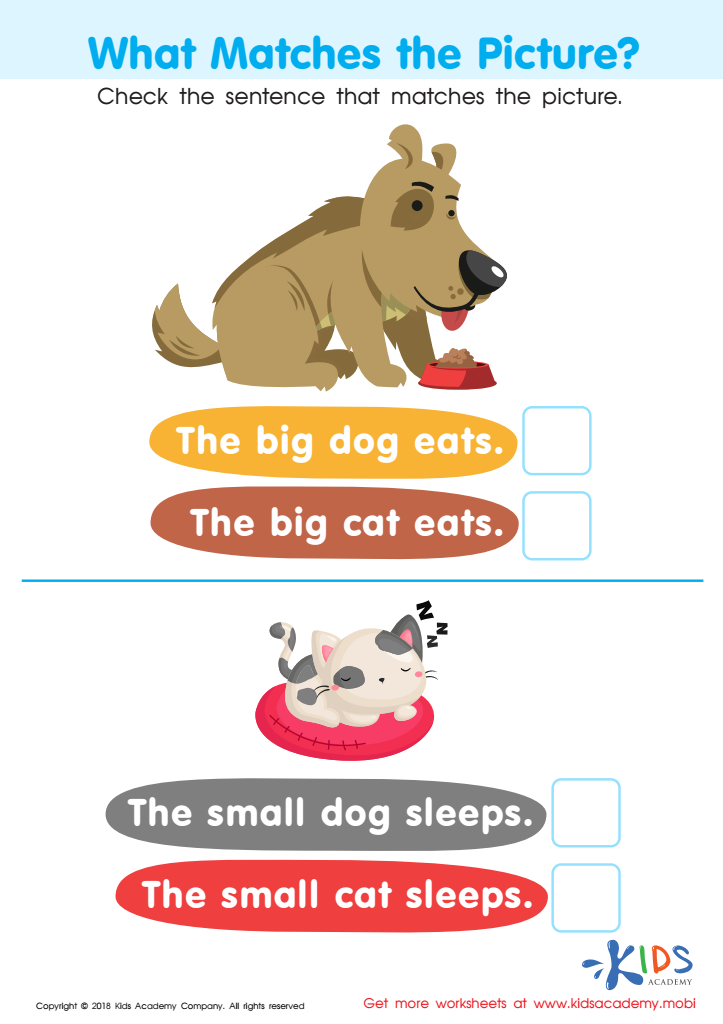
What Matches the Picture? Worksheet
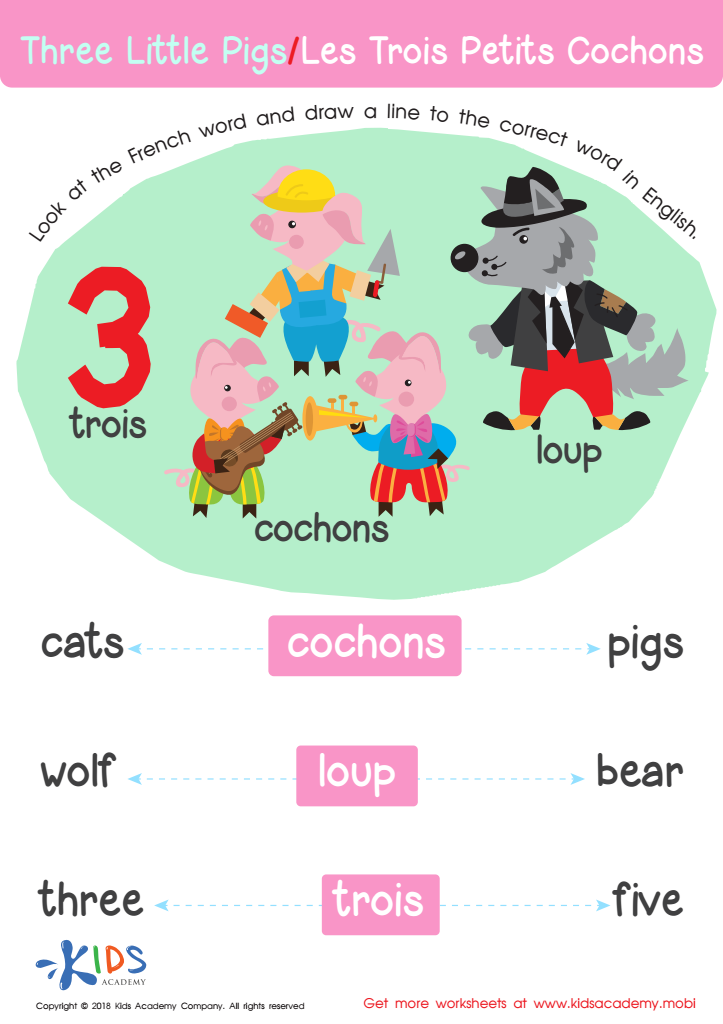
Three Little Pigs / Les Trois Petits Cochons Worksheet
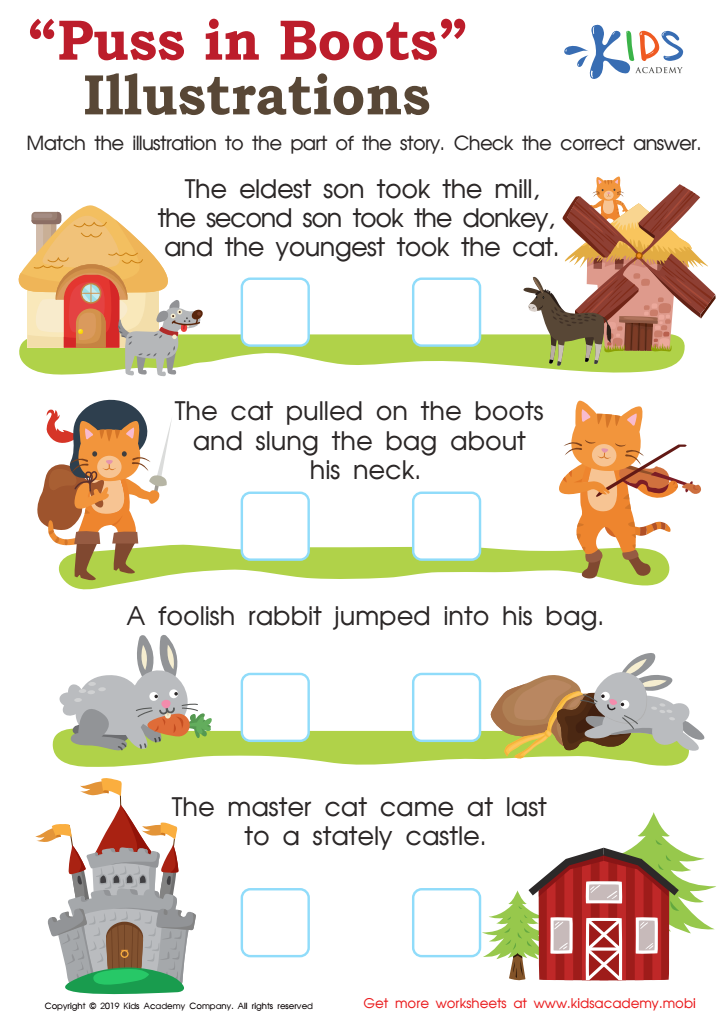
Puss in Boots Illustrations Worksheet
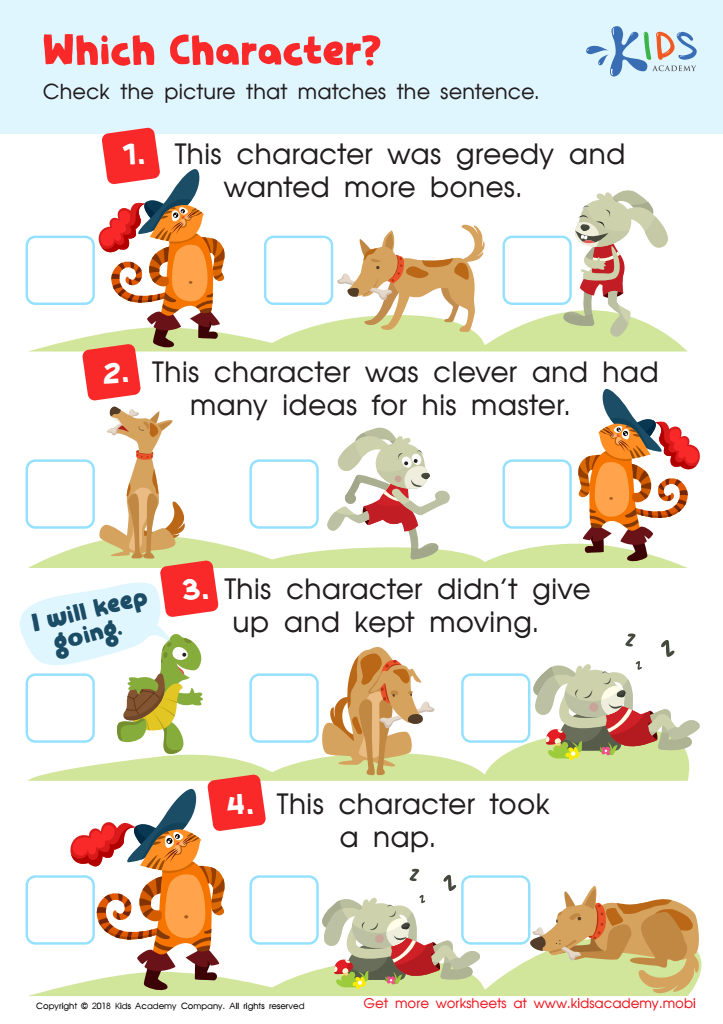
Which Character Worksheet
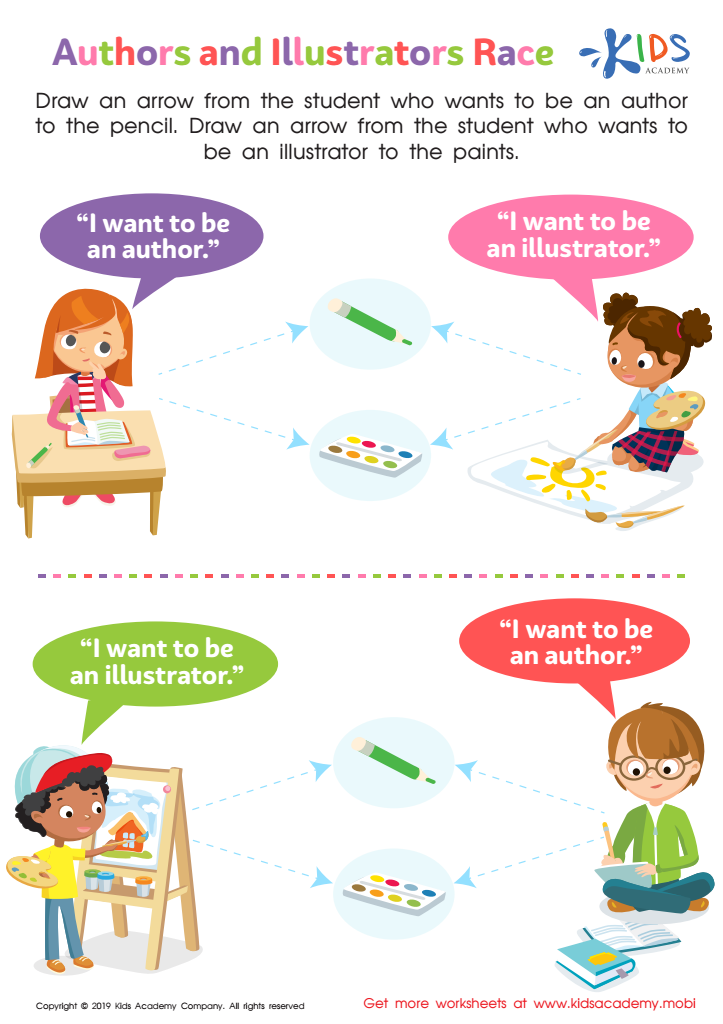
Authors and Illustrators Race Worksheet
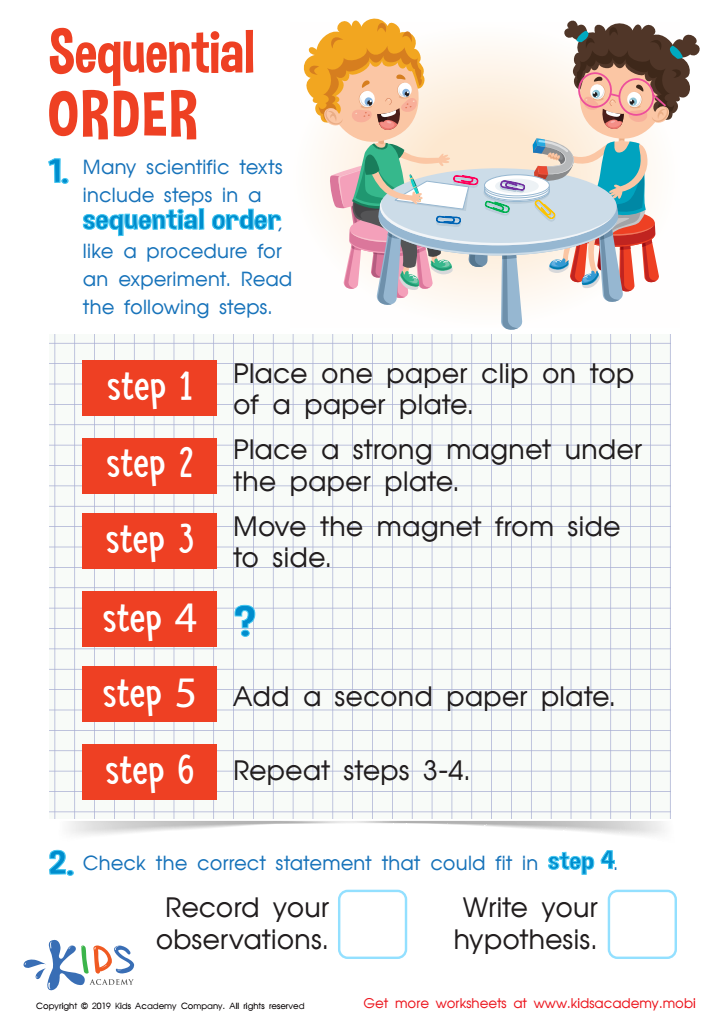
Sequencential Order Worksheet
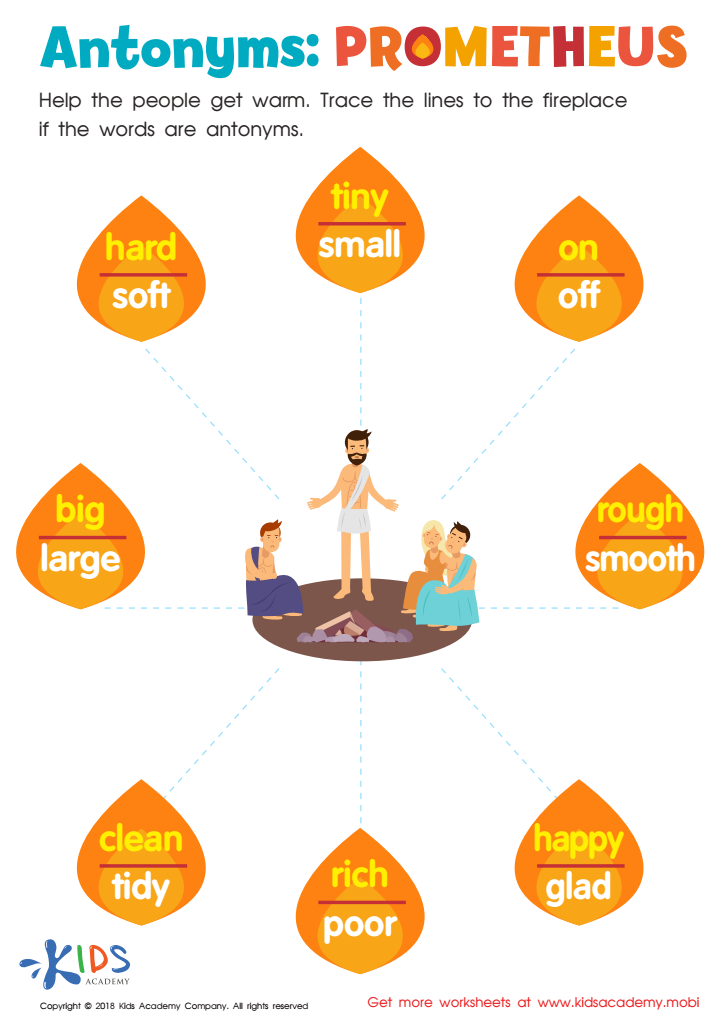
Antonyms: Prometheus Worksheet
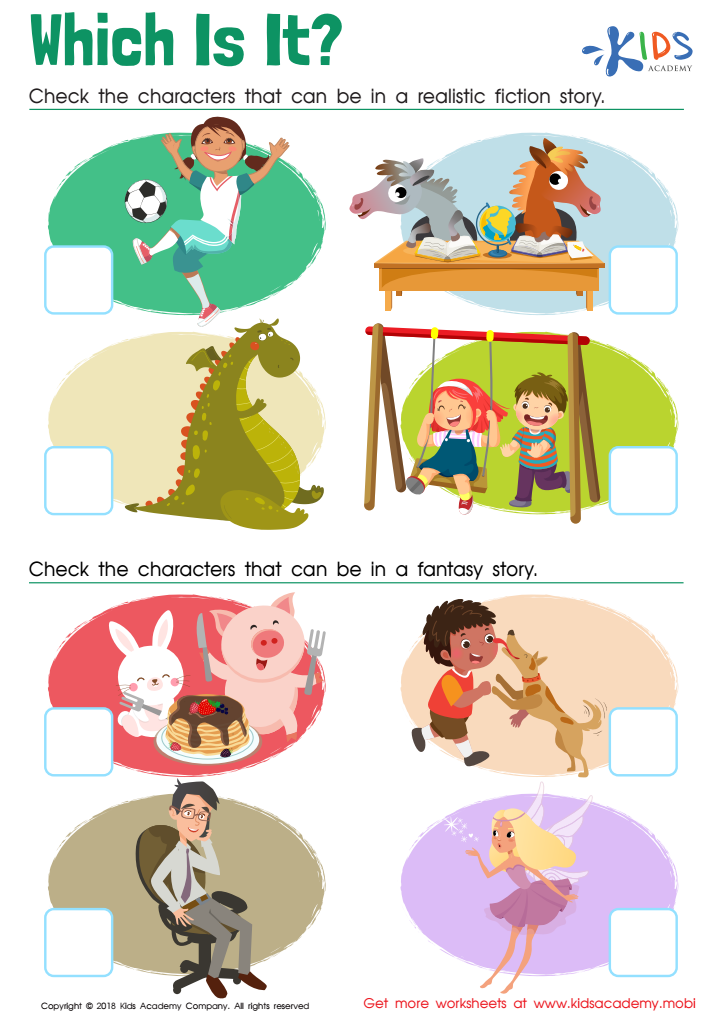
Which Is It? Worksheet
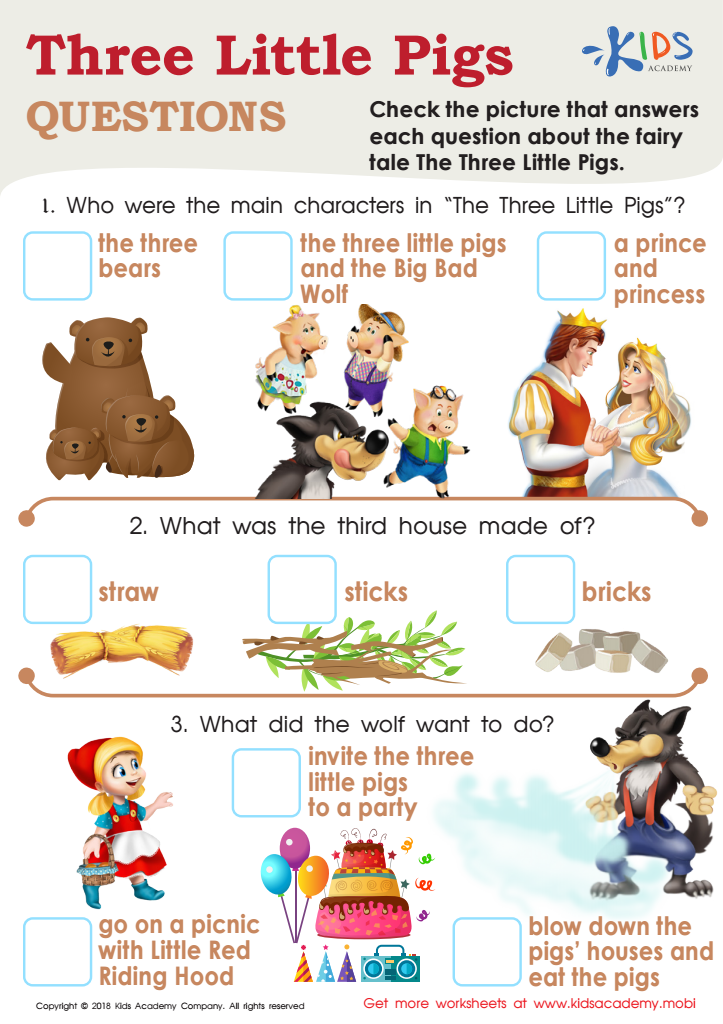
Three Little Pigs Questions Worksheet
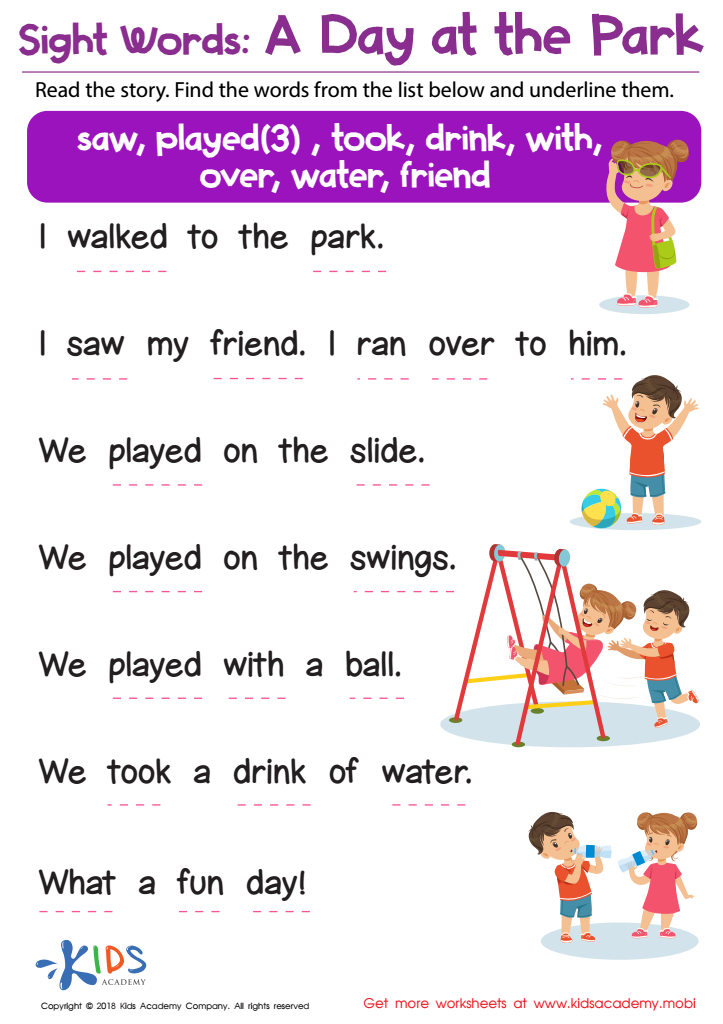
Sight Words: A Day at the Park Worksheet
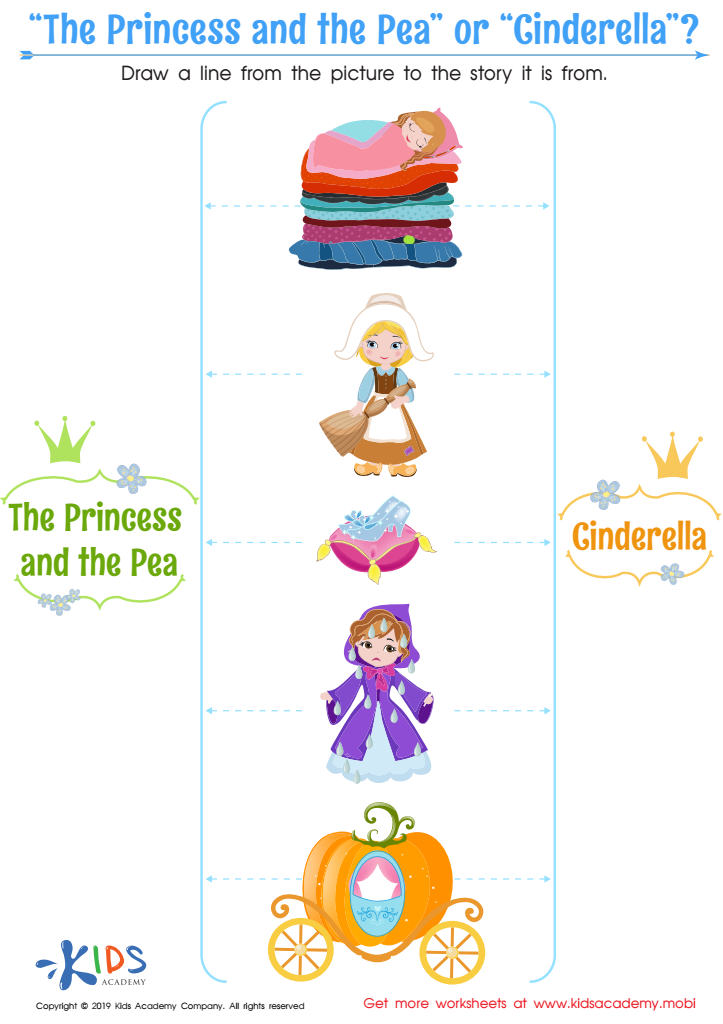
“The Princess and the Pea” or “Cinderella” Worksheet


.jpg)





Reading fiction to children aged 3-9 is an essential practice for parents and teachers, providing numerous cognitive, social, and emotional benefits. At this developmental stage, children's imaginations are blossoming, and exposure to fictional narratives enhances their creativity and critical thinking skills. Engaging with diverse characters and storylines helps children understand different perspectives and cultures, fostering empathy and a sense of belonging in a multicultural world.
Additionally, reading fiction plays a pivotal role in language development. Stories introduce new vocabulary, improve comprehension skills, and promote literacy, laying a strong foundation for future academic success. Through the rhythm and cadence of storytelling, children also develop phonemic awareness, which is crucial for learning to read and write.
Moreover, fiction teaches important life lessons and moral values, helping children navigate social situations and understand emotions. The connection between characters may inspire discussions about feelings and relationships, benefiting a child's emotional intelligence.
Finally, sharing fiction nurtures the bond between parents, teachers, and children, making reading a joyful experience that promotes a lifelong love for books. In summary, reading fiction from ages 3-9 enriches children’s minds and hearts, paving the way for a brighter future.








