History Worksheets for Ages 3-9 - Page 4
90 filtered results
-
From - To
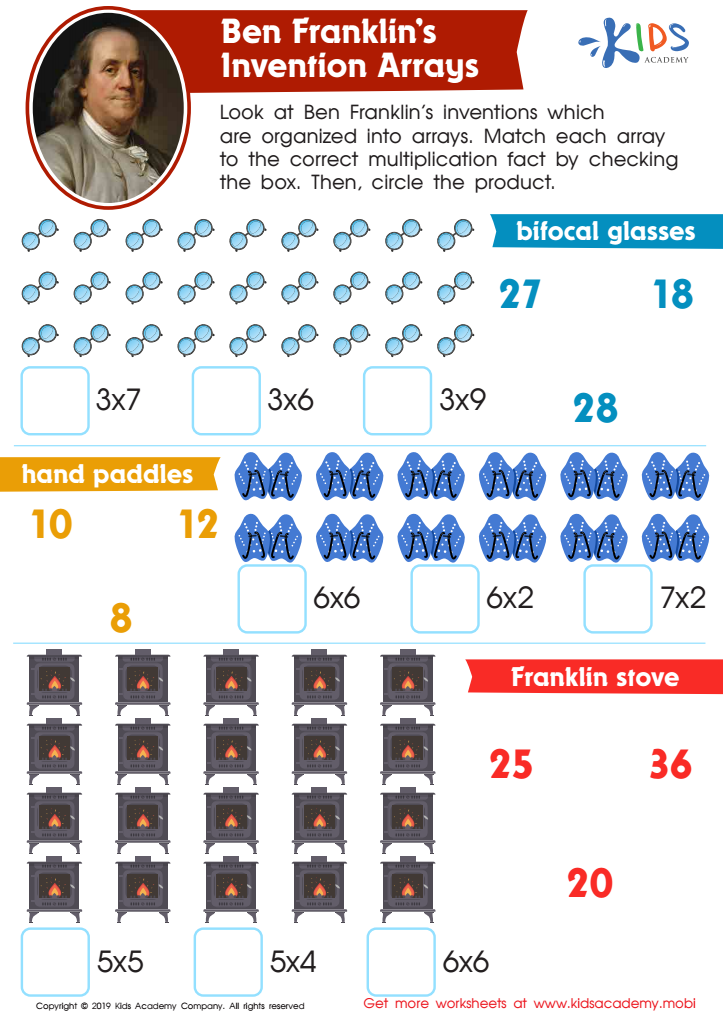
Ben Franklin’s Invention Arrays Worksheet
 Assign to My Students
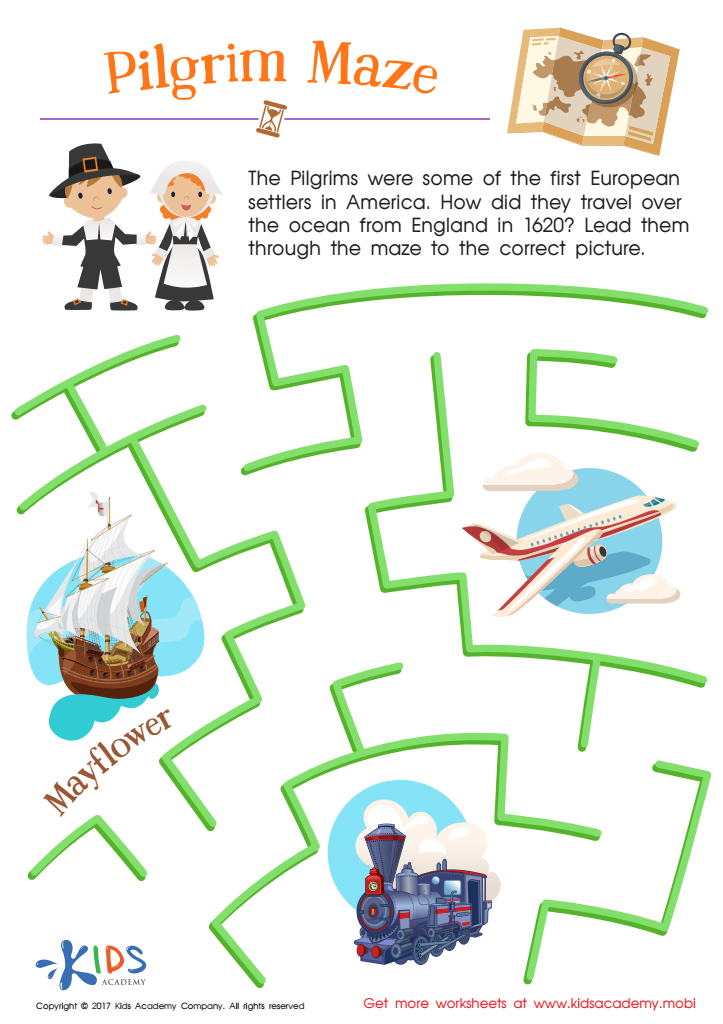
Pilgrim Maze Worksheet
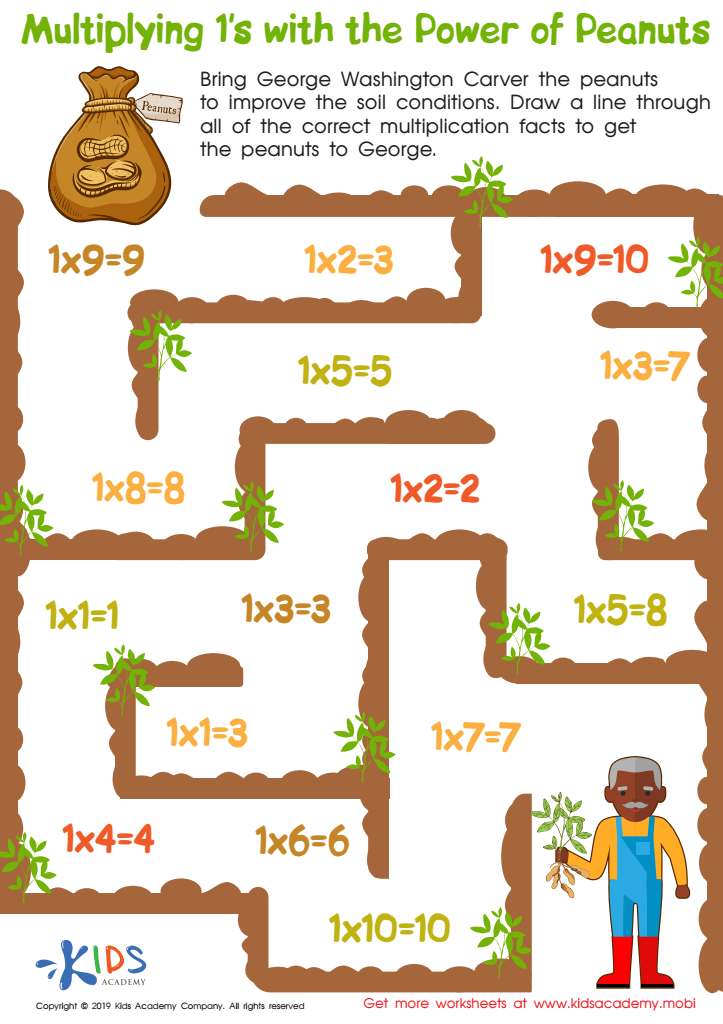
Multiplying 1’s With the Power of Peanuts Worksheet
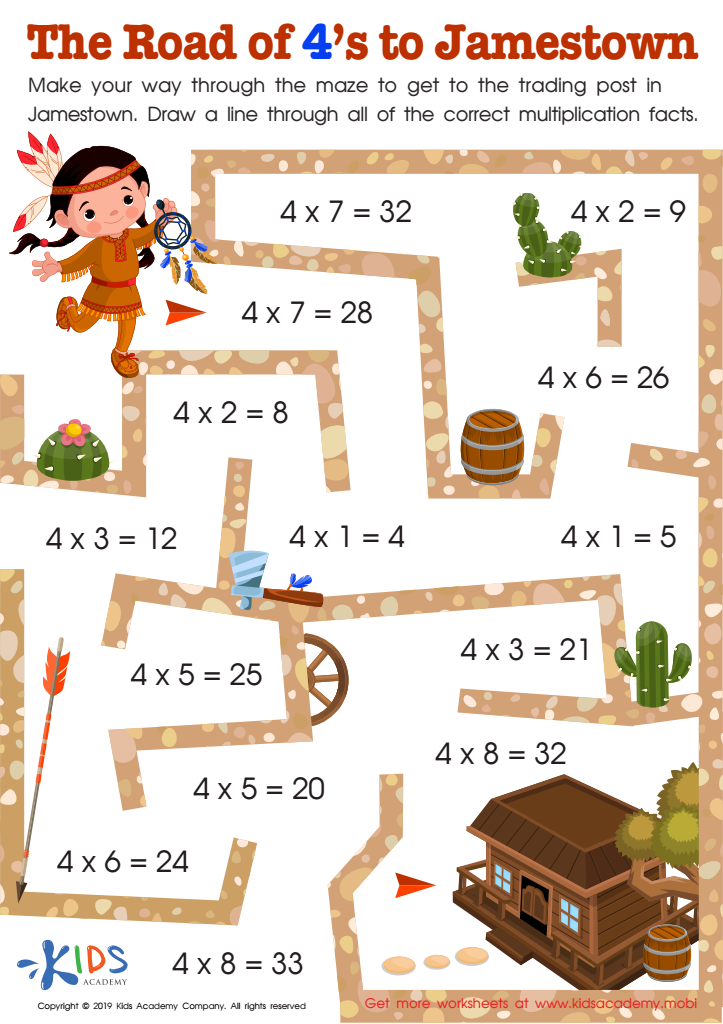
The Road of 4’s to Jamestown Worksheet
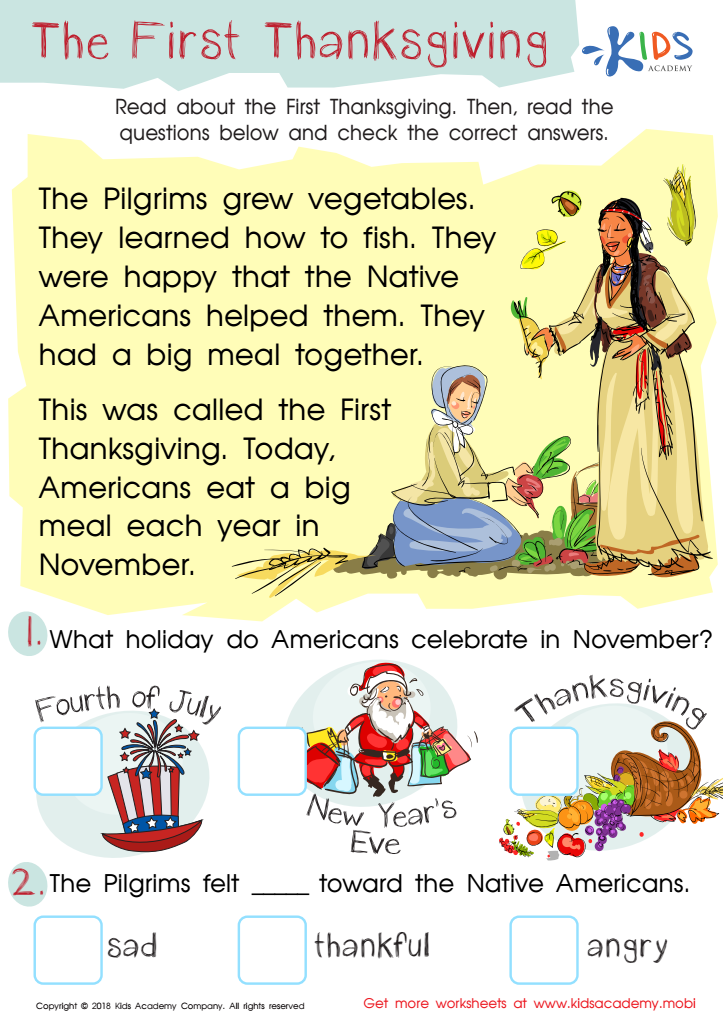
Assessment: First Thanksgiving Worksheet
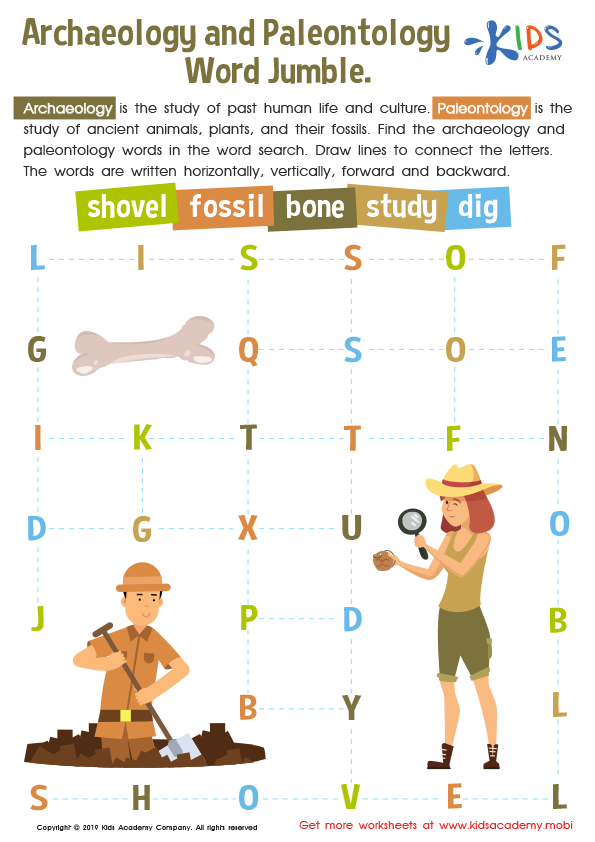
Archaeology and Paleontology Word Jumble Worksheet
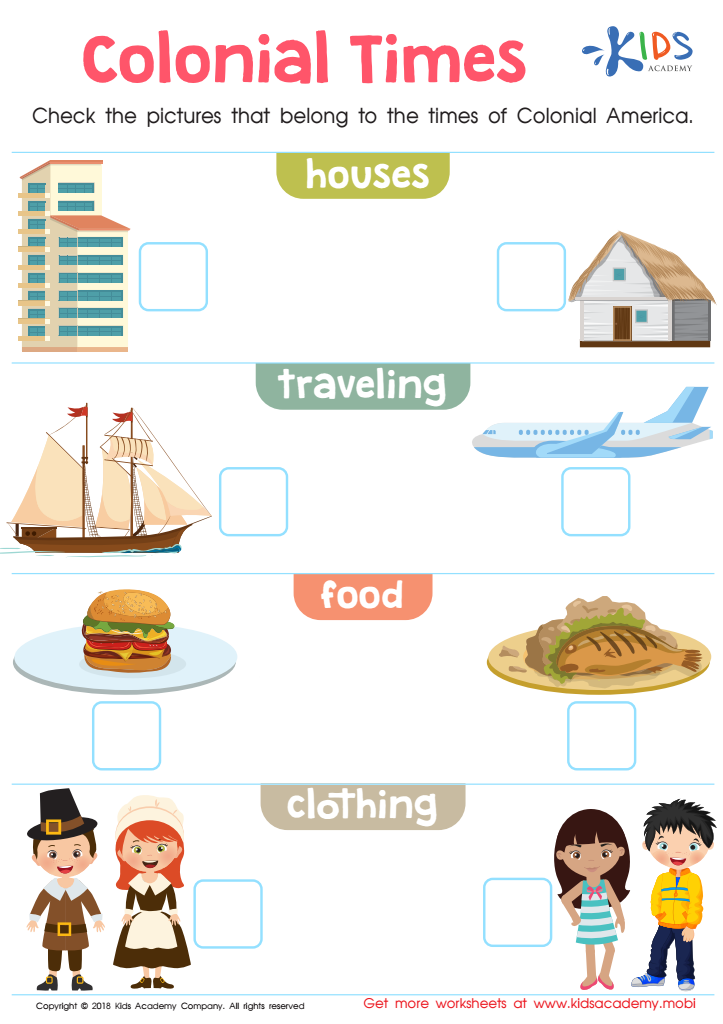
Colonial Times Worksheet
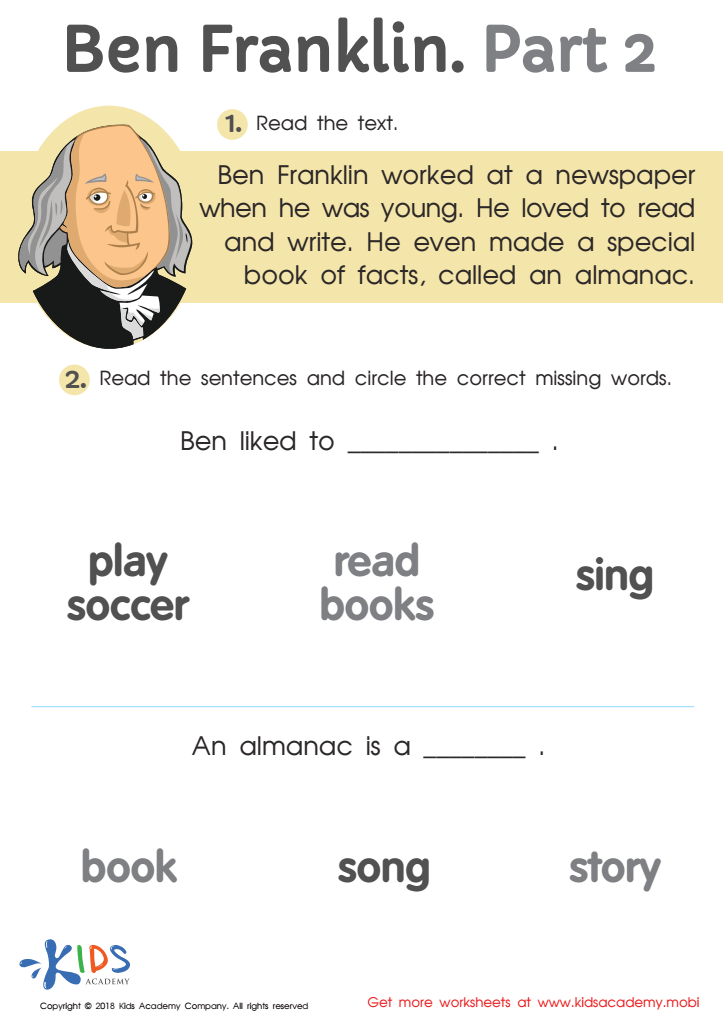
Ben Franklin Part 2 Worksheet
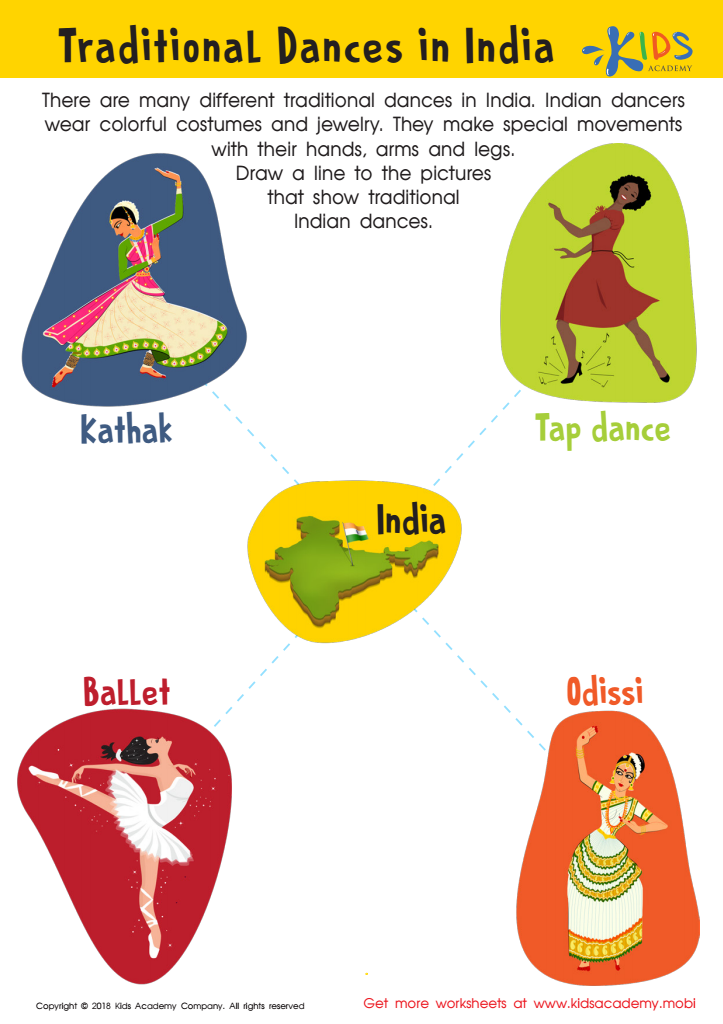
Traditional Dances in India Worksheet
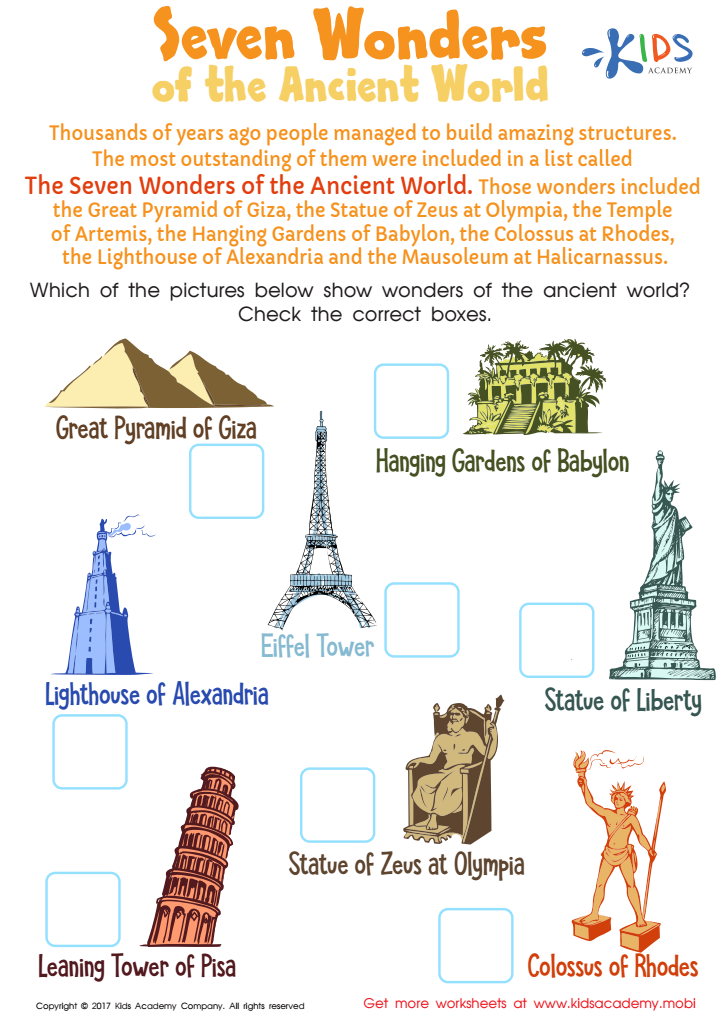
Seven Wonders of the Ancient World Worksheet
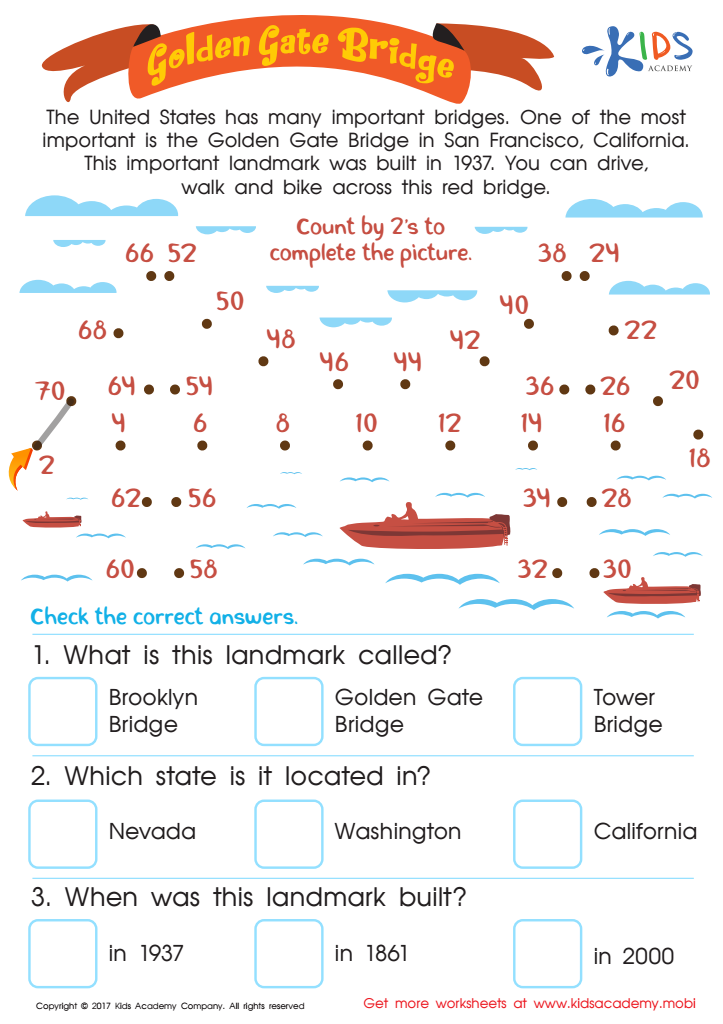
Golden Gate Bridge Worksheet
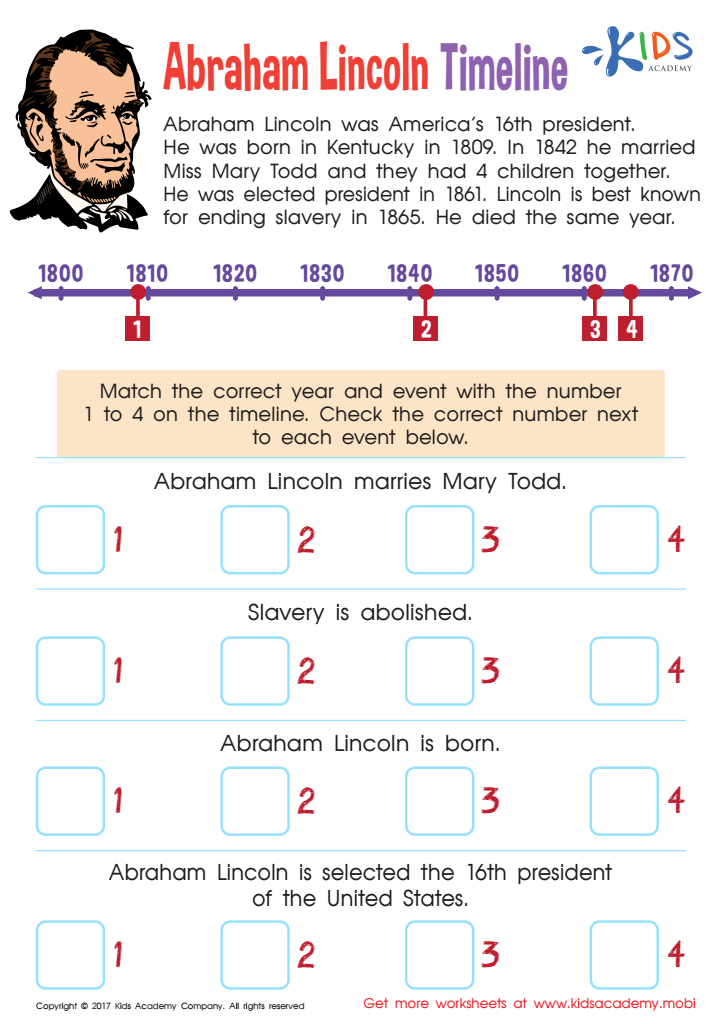
Abraham Lincoln Timeline Worksheet
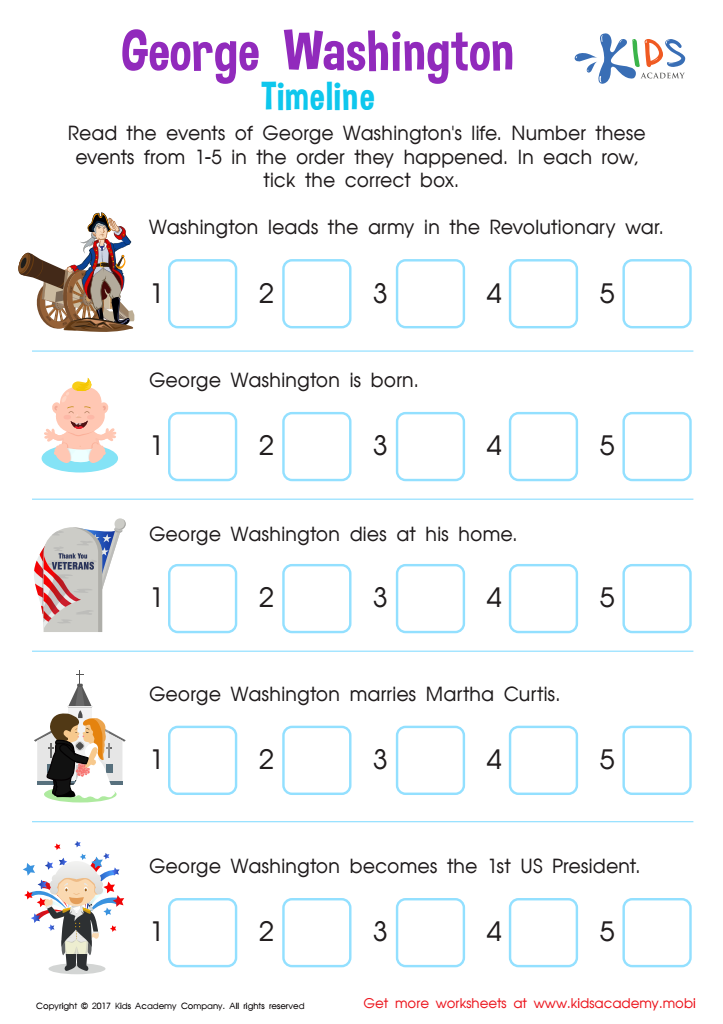
George Washington Timeline Worksheet
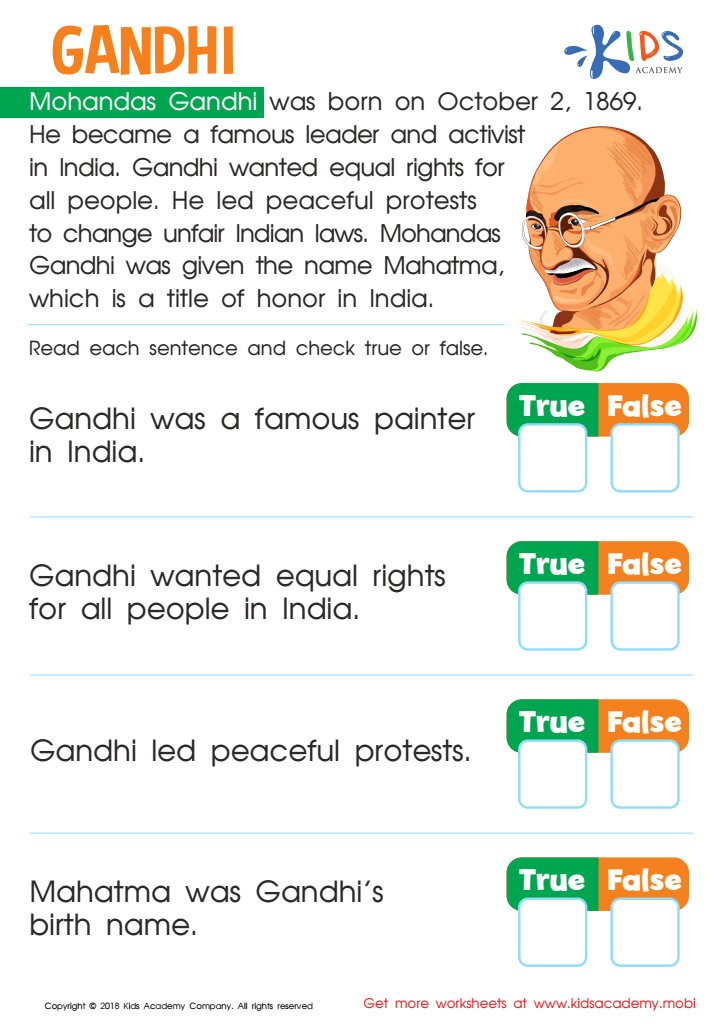
Gandhi Worksheet
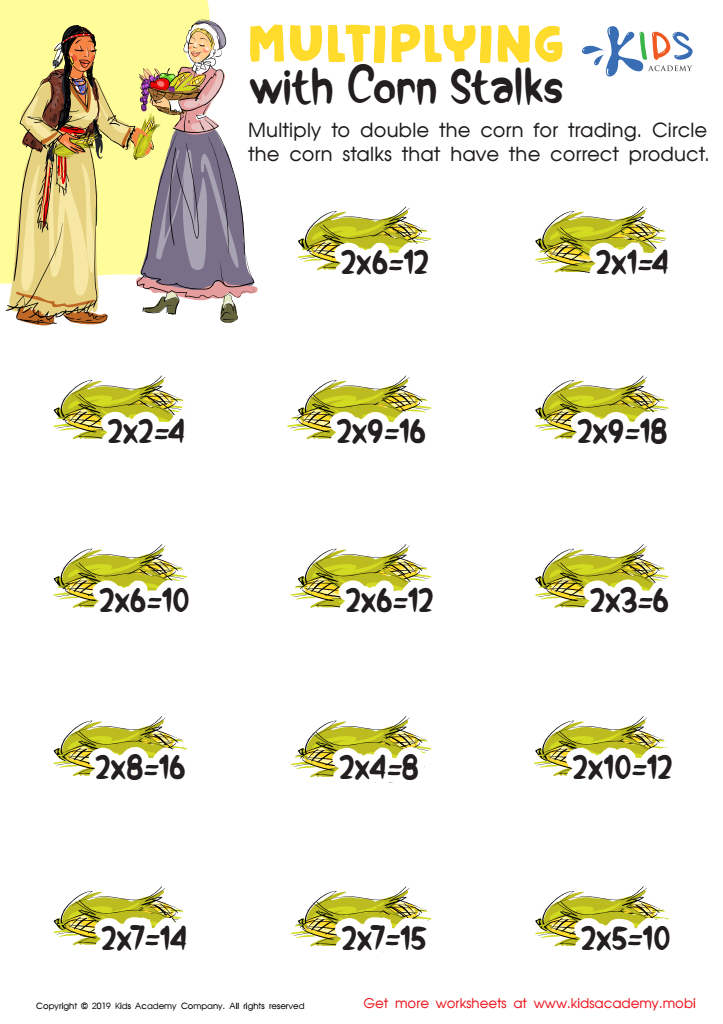
Multiplying With Corn Stalks Worksheet
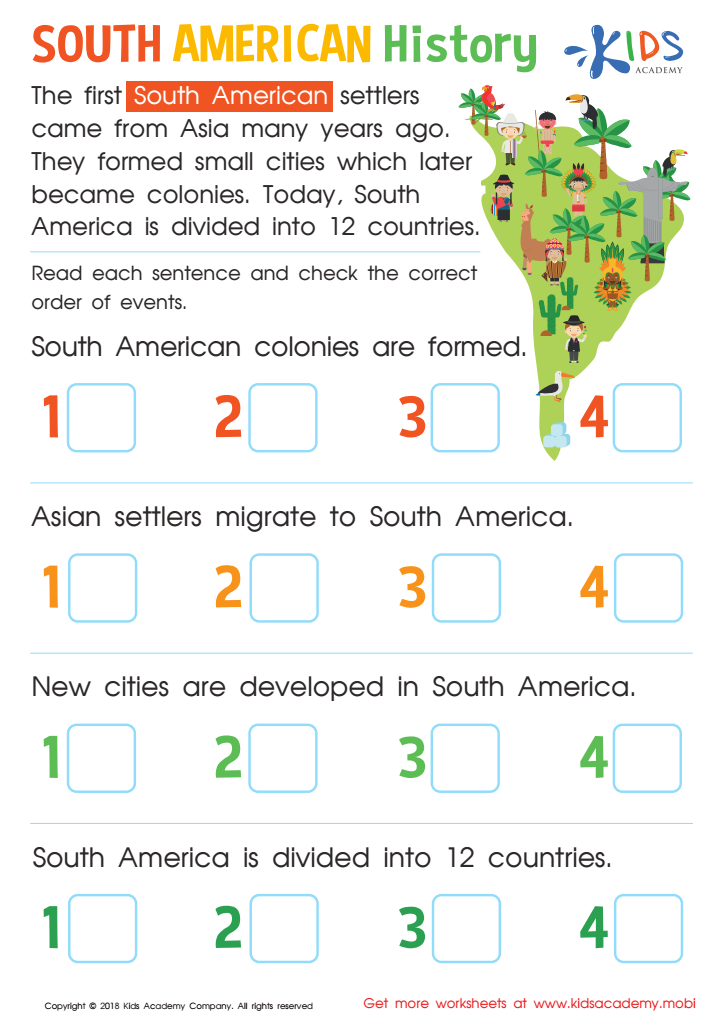
South American History Worksheet
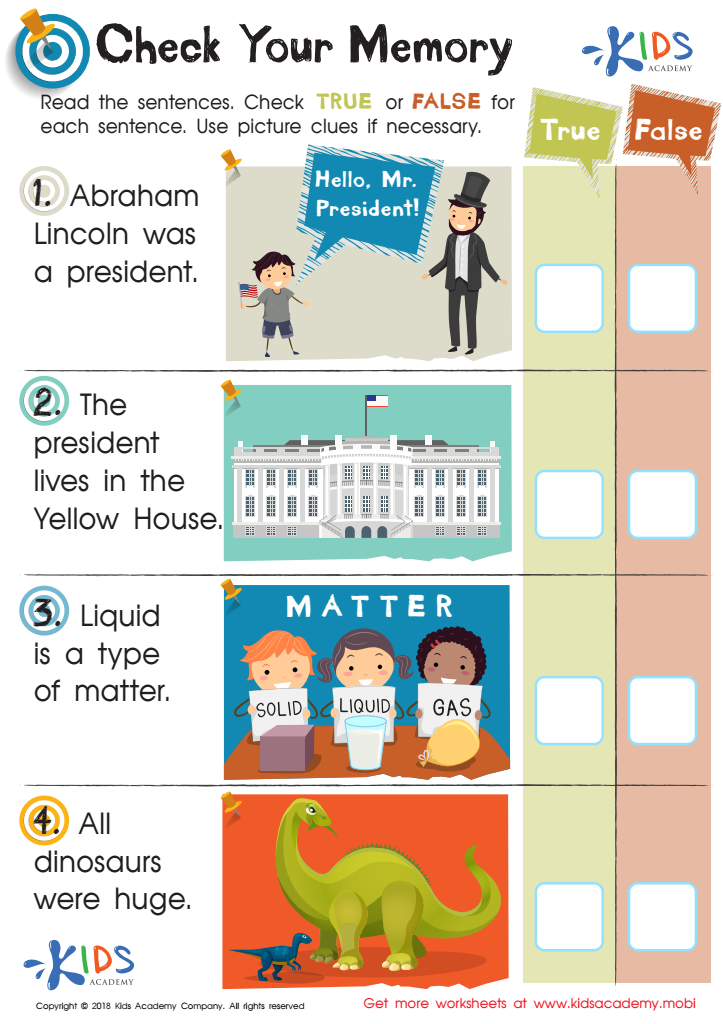
Check Memory Worksheet
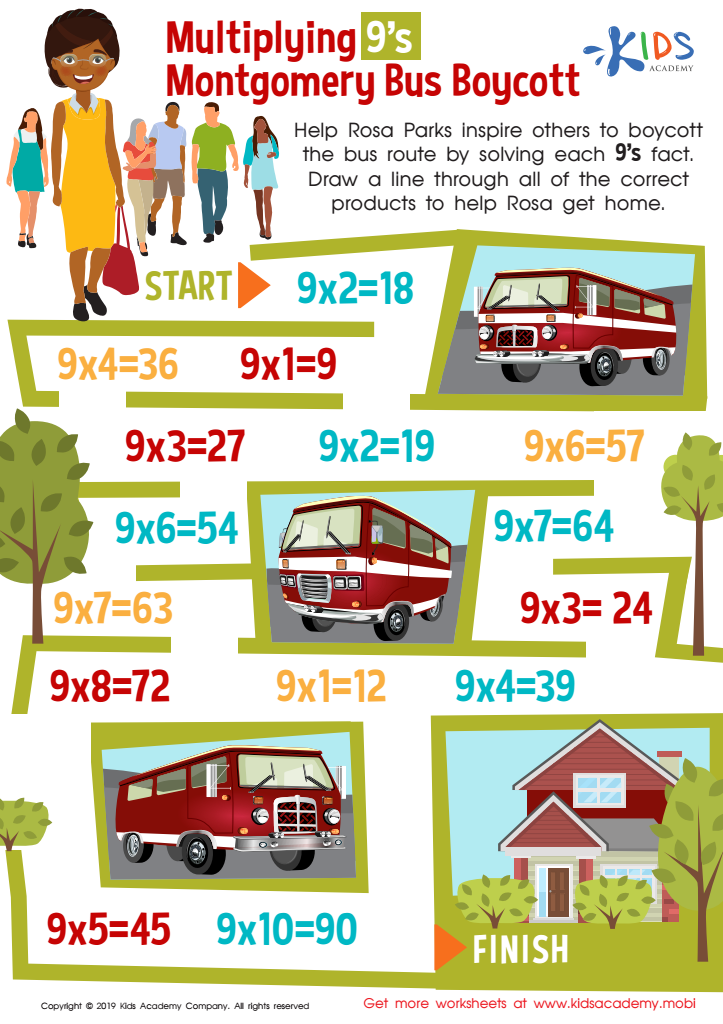
Multiplying 9’s Montgomery Bus Boycott Worksheet








Teaching history to children ages 3-9 is essential for several foundational reasons. First, it helps them develop a sense of identity and understand their cultural heritage. By learning about their own community, country, and world history, young children gain perspective on where they come from and how the past shapes their present and future.
Histories also amplify critical thinking skills. When children explore stories of the past, they learn to ask questions, analyze situations, and recognize the cause-and-effect relationships that shape events. These skills are indispensable for problem-solving across different areas of learning and life.
Moreover, stories of different cultures and time periods cultivate empathy and tolerance. Understanding diverse historical contexts enables children to appreciate differences and commonalities between people, fostering a more inclusive mindset.
Early lessons in history encourage curiosity and a love for learning. Fascinating stories, meaningful events, and dramatic figures capture young imaginations, making education a joyful experience. This encourages lifelong learning and imparts the idea that history is more than memorizing dates—it’s adventurous and informative.
Finally, history provides moral lessons. By seeing past heroes and mistakes, children can grasp essential values like bravery, fairness, resilience, and justice, guiding their own ethical development. Therefore, history is pivotal for well-rounded education, equipping young minds for a nuanced, informed future.