Addition Practice Addition & Subtraction Worksheets for Ages 4-5 - Page 3
88 filtered results
-
From - To
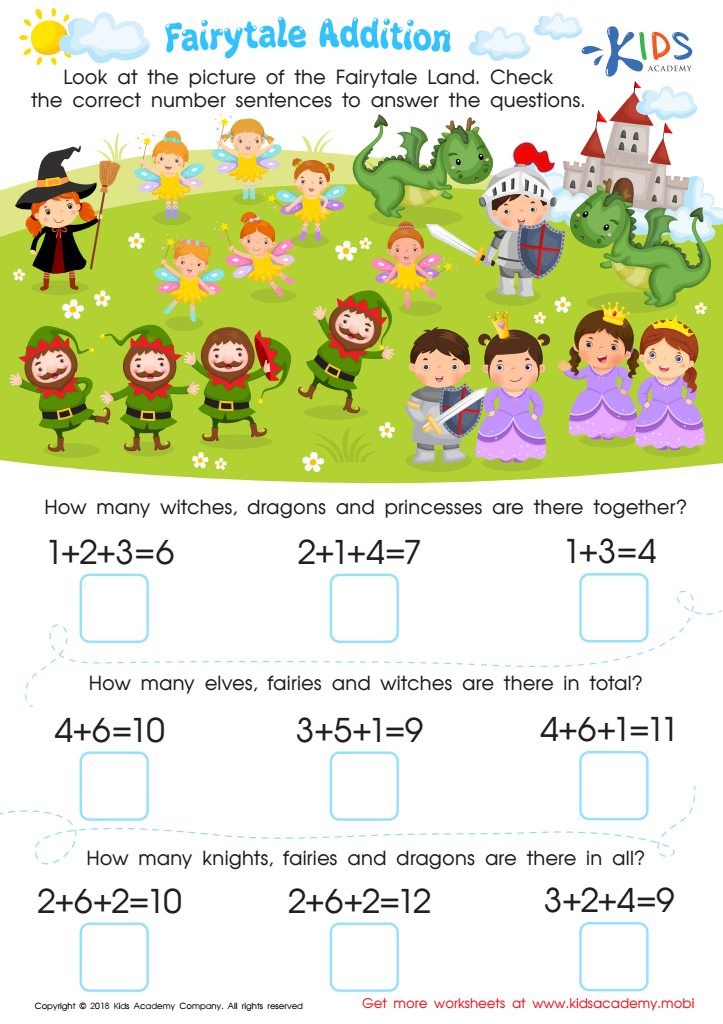
Fairytale Addition Worksheet
 Assign to My Students
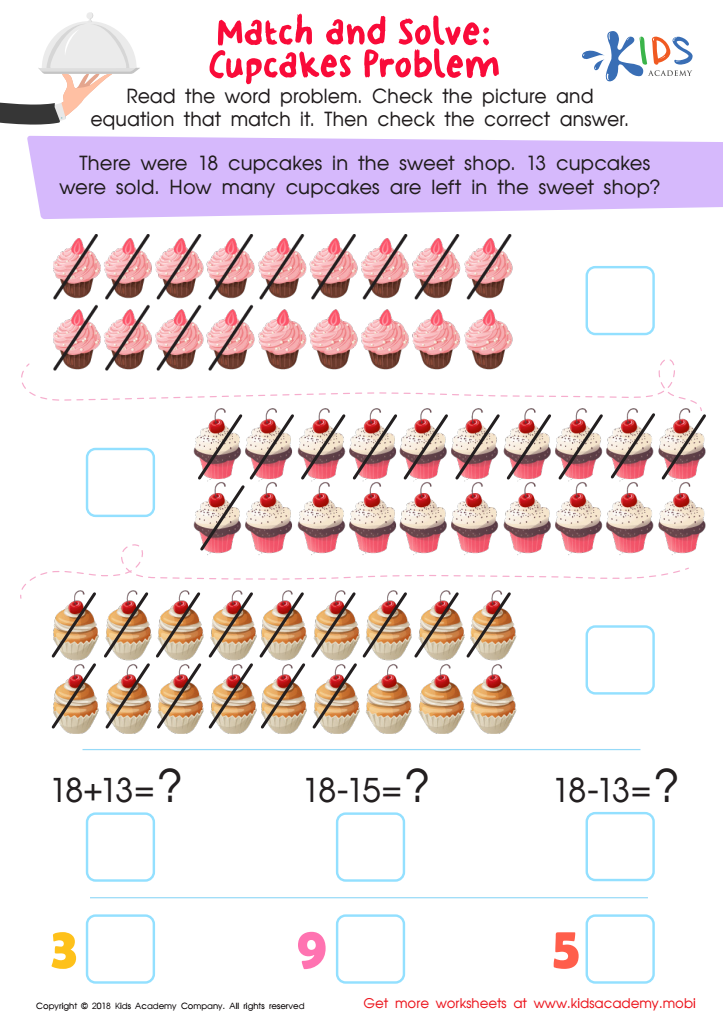
Match and Solve: Cupcakes Problem Worksheet
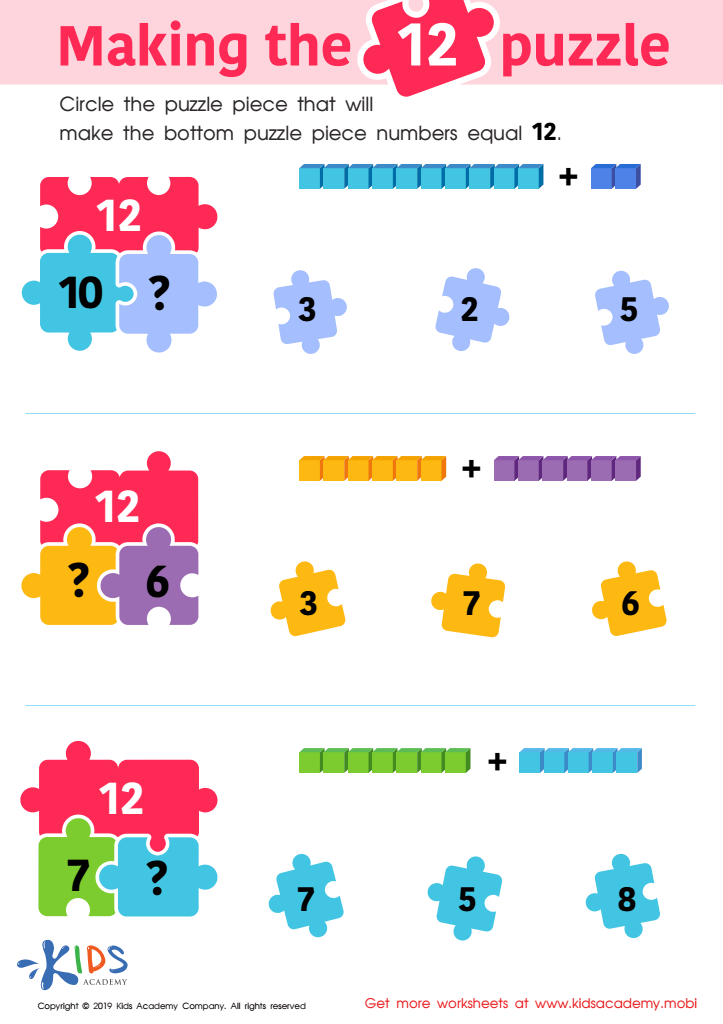
Making the 12 Puzzle Worksheet
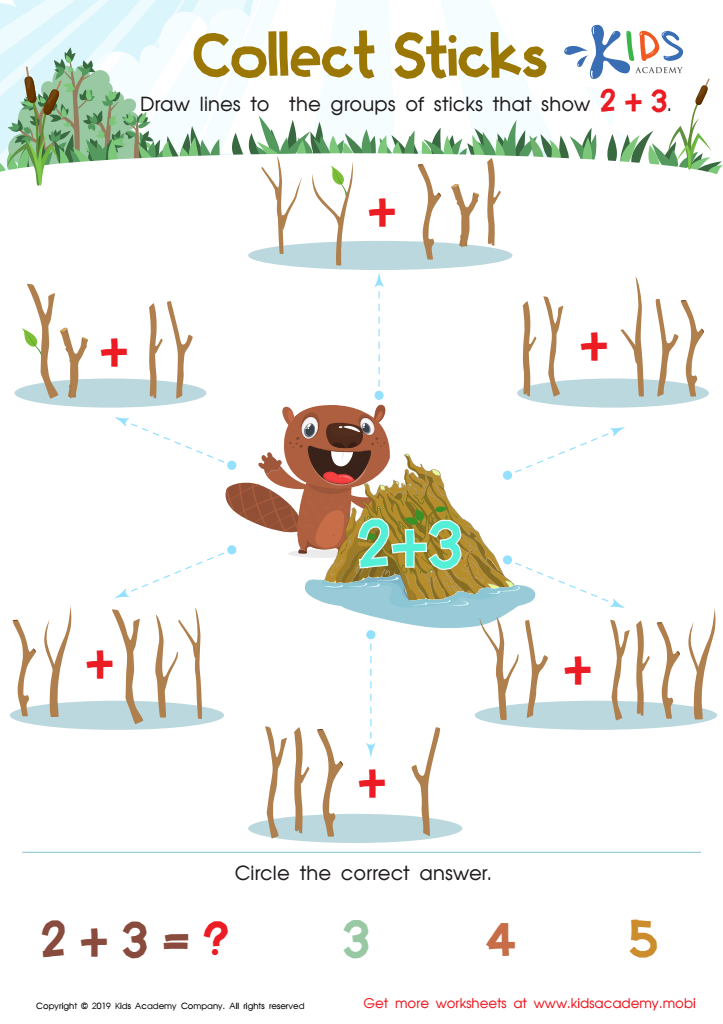
Collect Sticks Worksheet
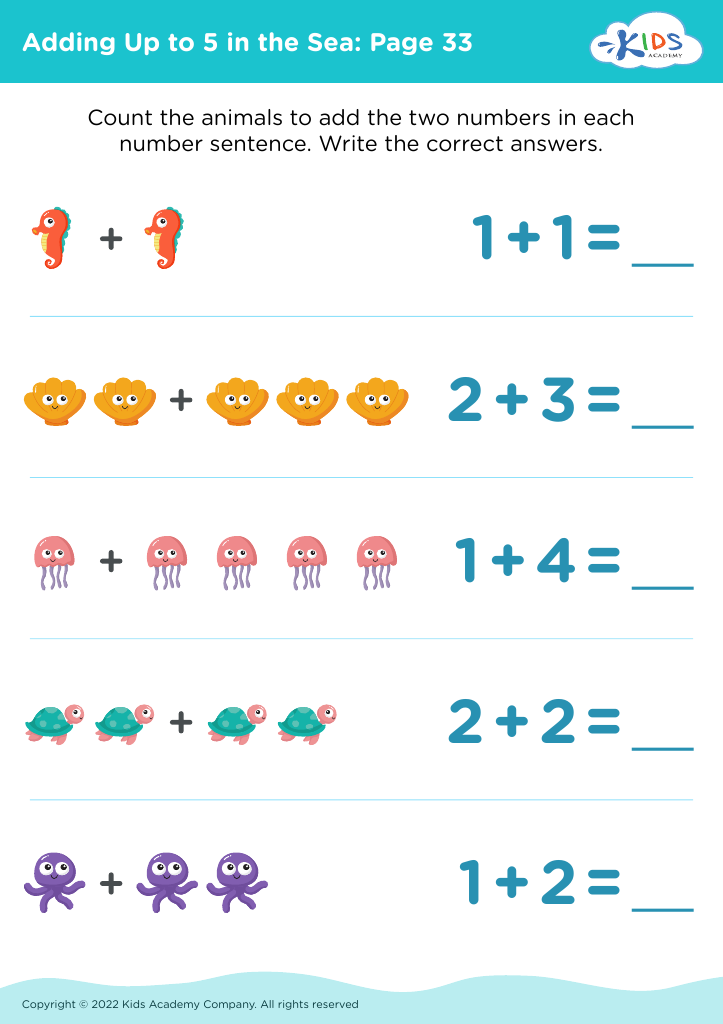
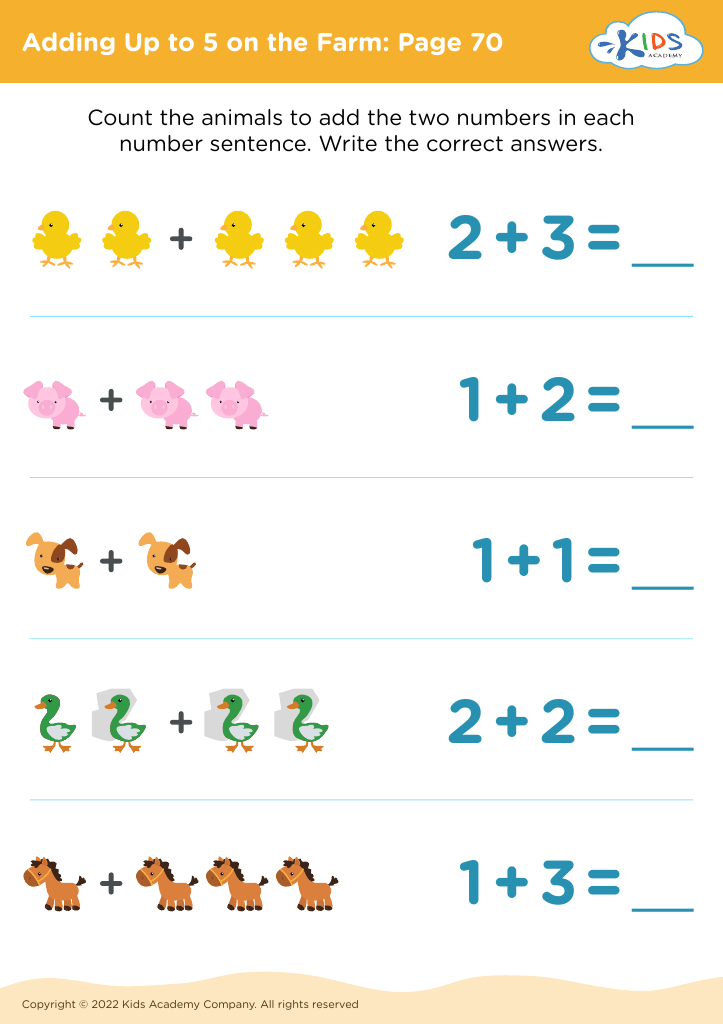
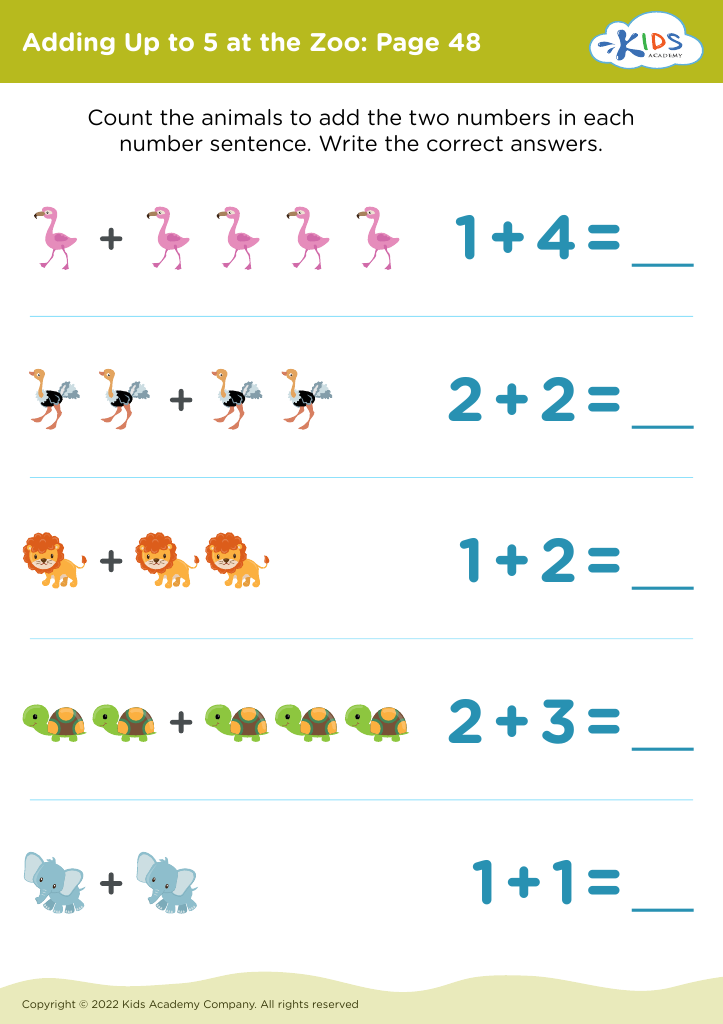
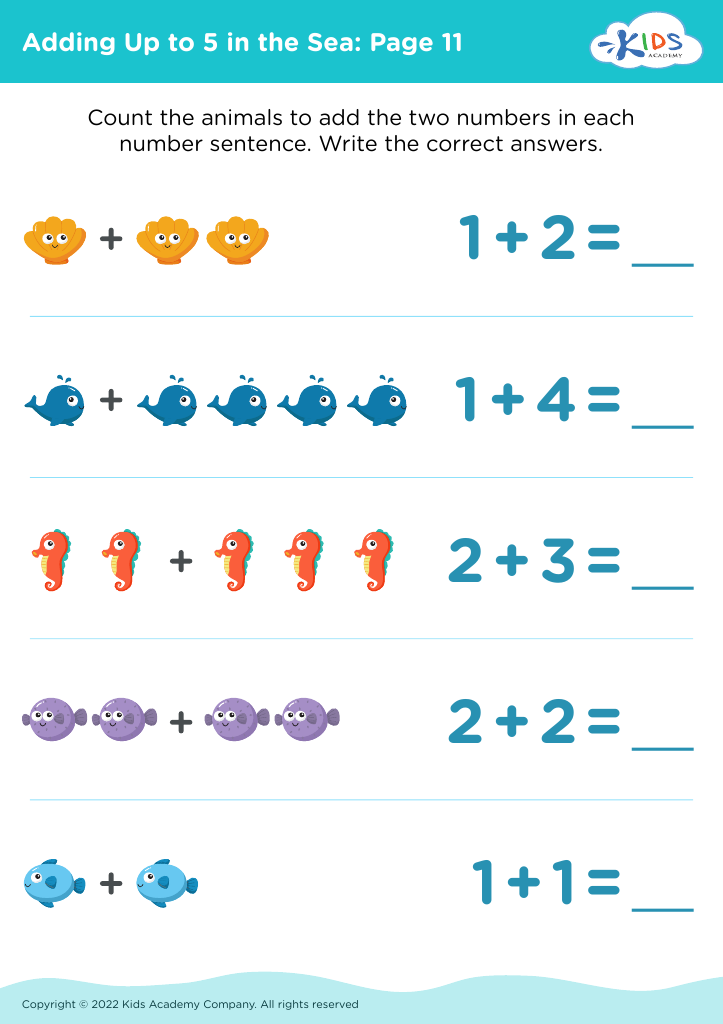
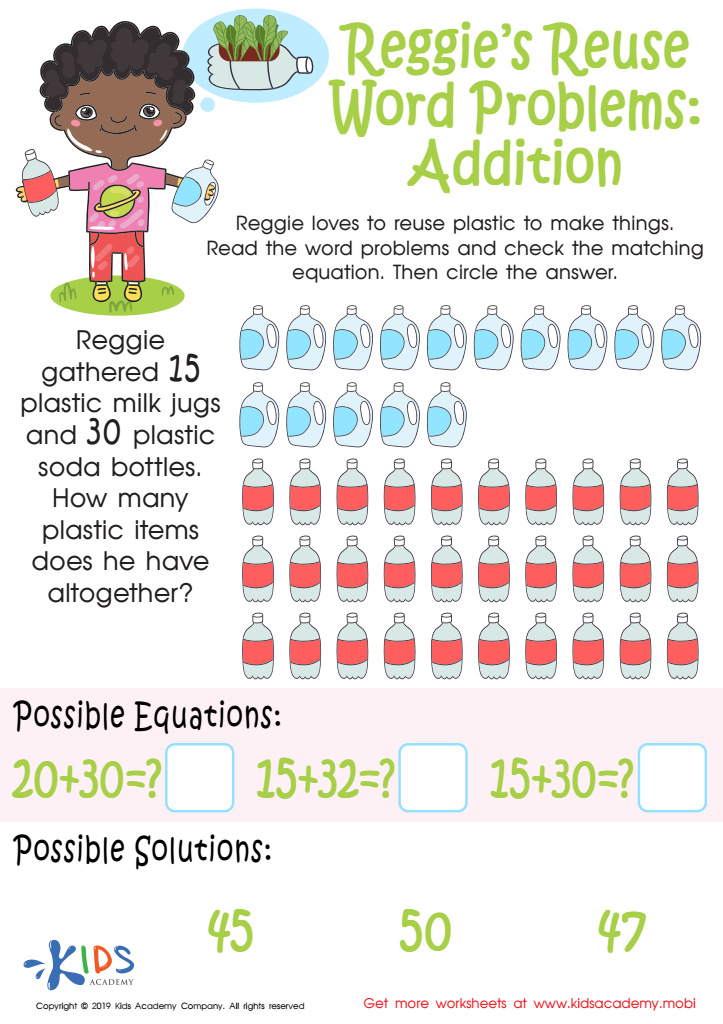
Reggie's Reuse Word Problems: Addition Worksheet
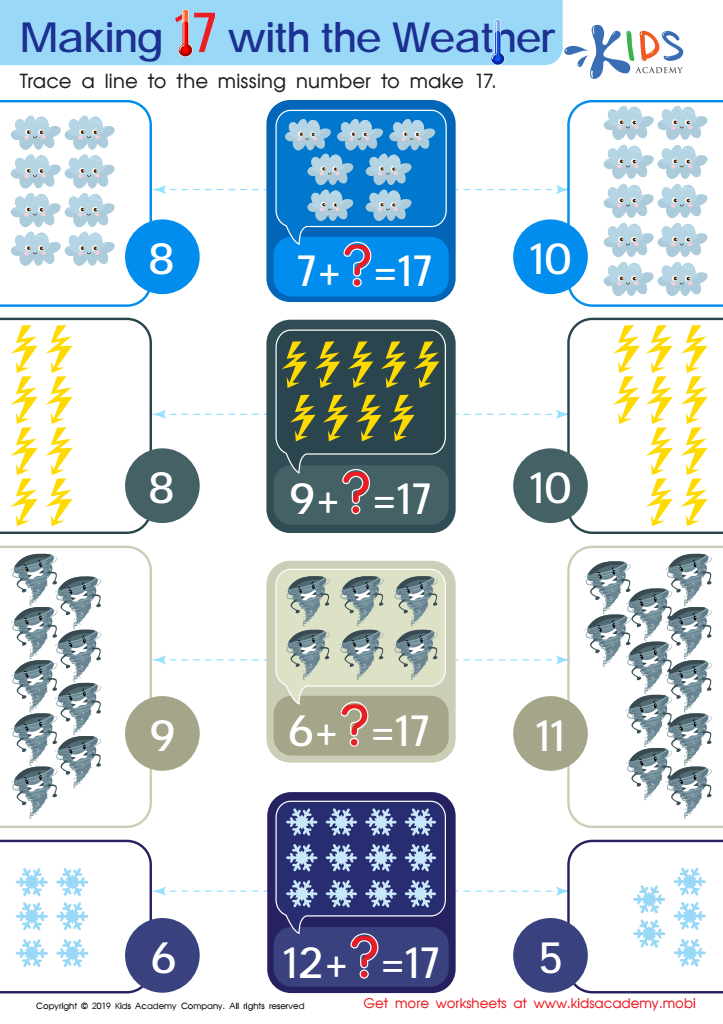
Making 17 with the Weather Worksheet
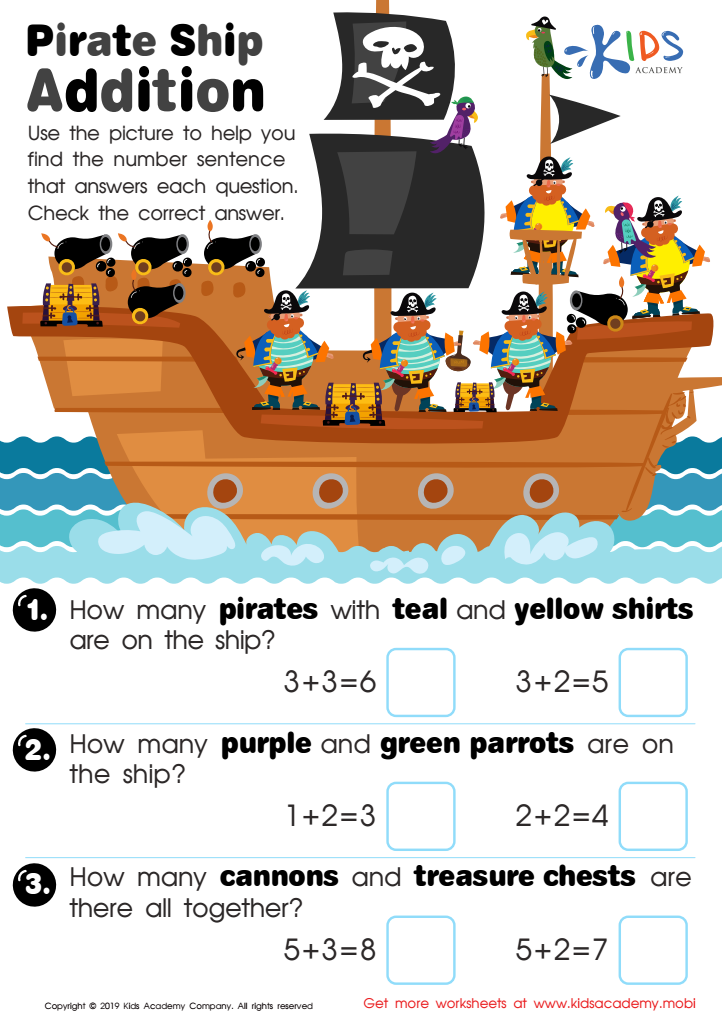
Pirate Ship Addition Worksheet
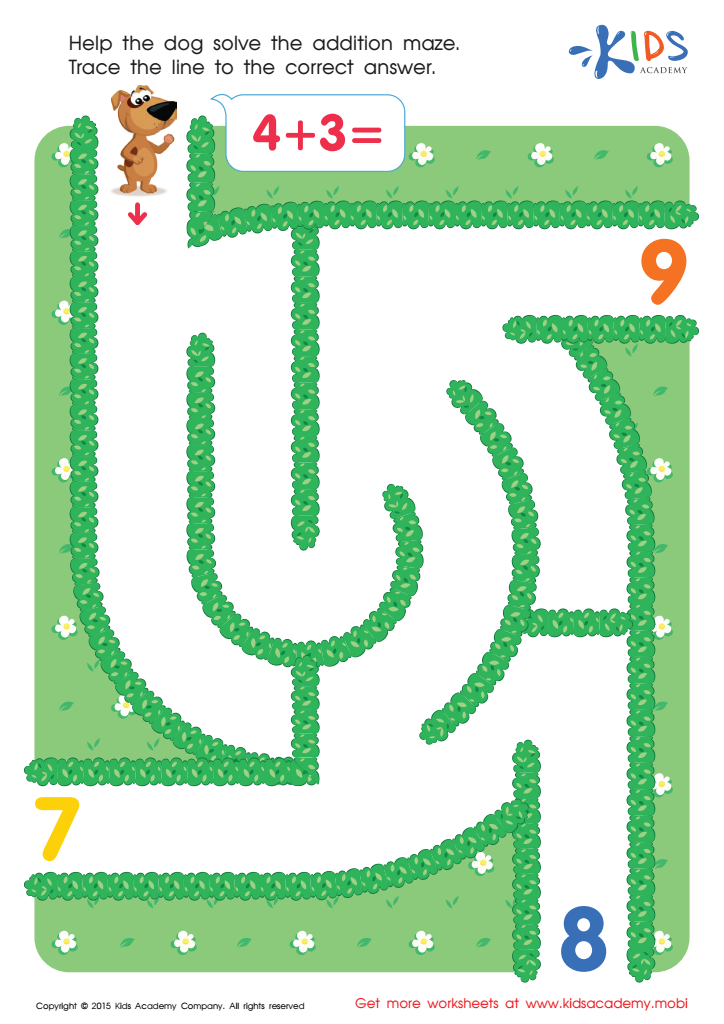
Addition Four And Three Worksheet
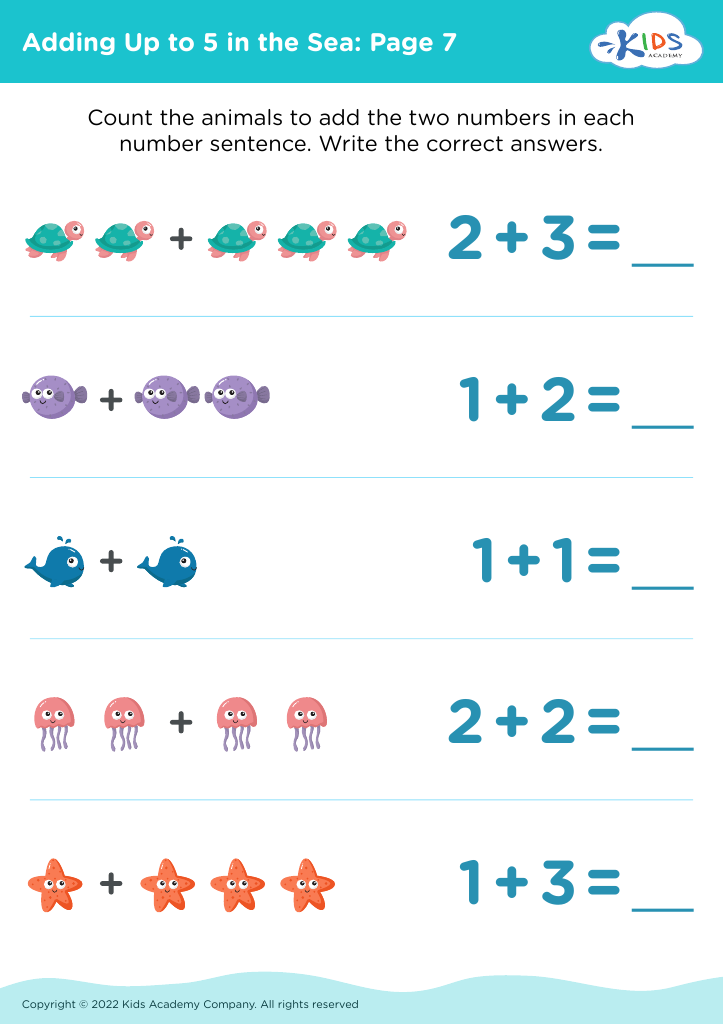
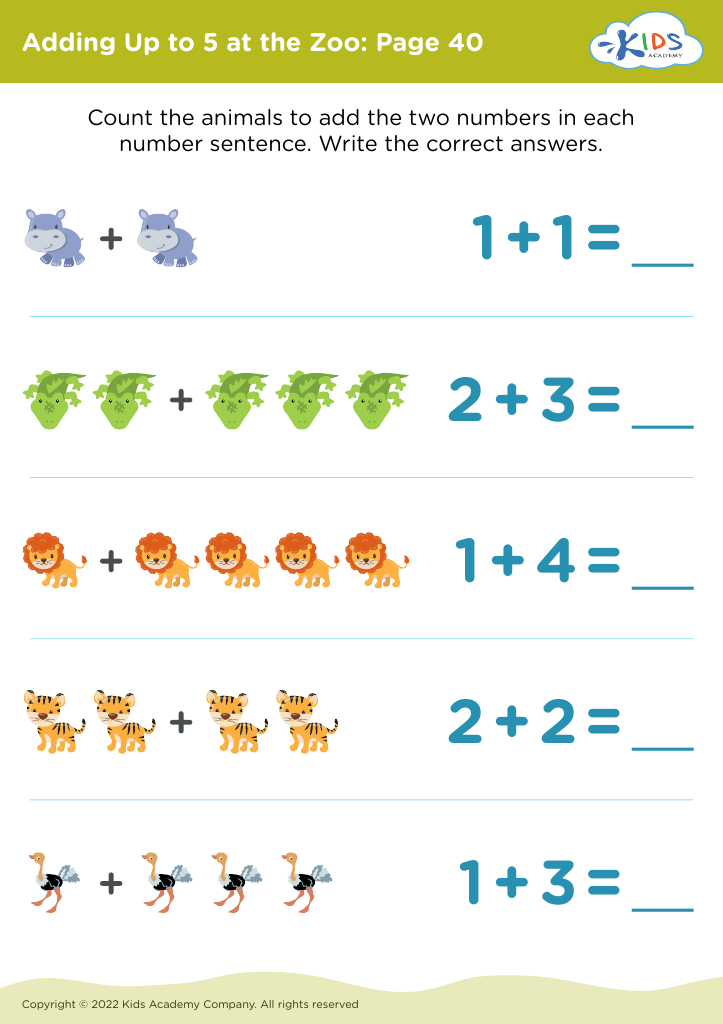
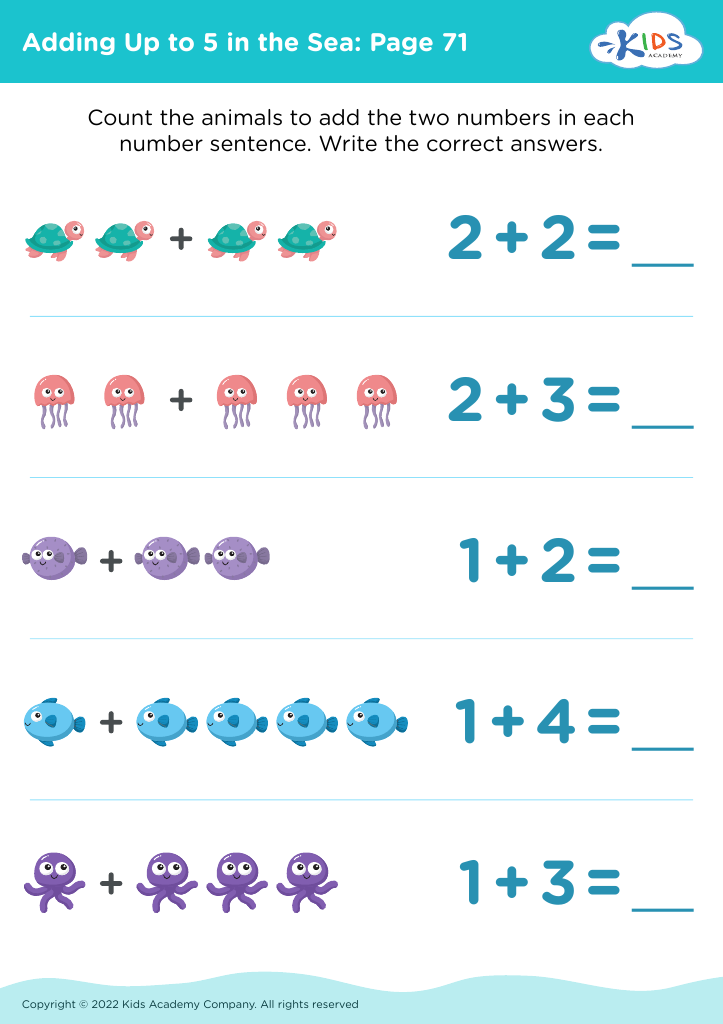
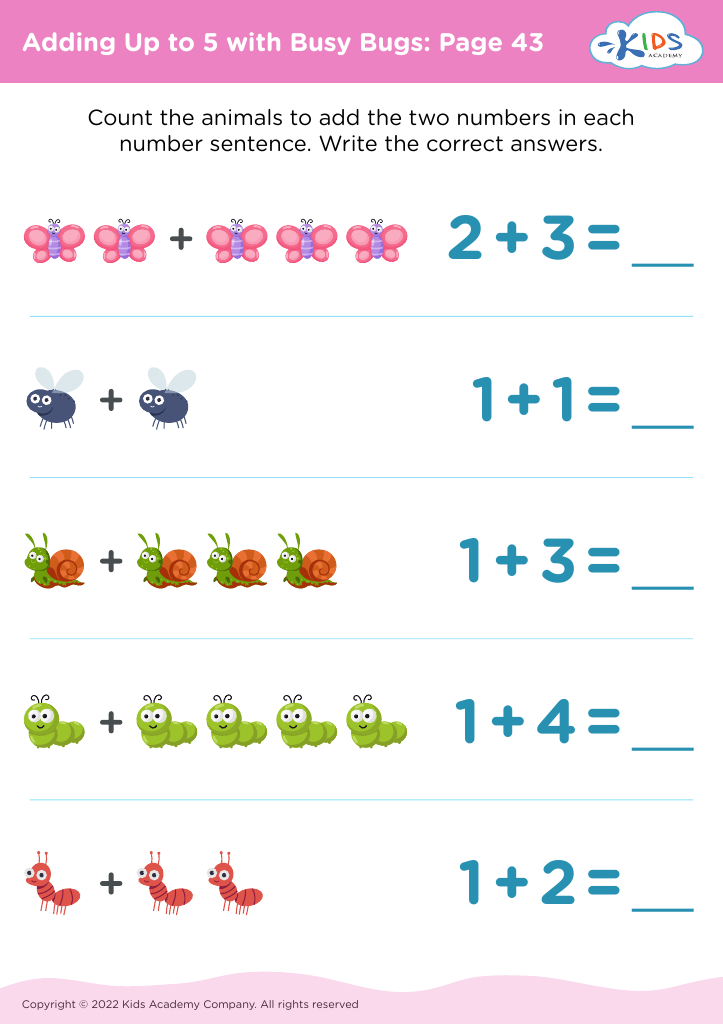








Parents and teachers play crucial roles in fostering foundational skills in young children, and engaging in addition and subtraction practice at ages 4-5 is particularly important. At this developmental stage, children’s brains are incredibly receptive to learning new concepts, especially through playful, hands-on activities. Introducing basic addition and subtraction helps them understand number sense, measurement, patterns, and the concept of quantity, which are fundamental to understanding more complex mathematical ideas later on.
Moreover, these early math experiences contribute significantly to cognitive development. Engaging with numbers enhances problem-solving skills, logical thinking, and the ability to understand relationships between different concepts. Practicing math also builds children’s confidence and fosters a positive attitude toward learning, making them more likely to succeed in future academic endeavors.
Additionally, developing early math skills prepares children for standardized education curriculums that they will encounter in kindergarten and beyond. It equips them with the tools to thrive in more structured learning environments. Early exposure to math through supportive and engaging activities ensures that children do not fall behind, which can have lasting impacts on their intellectual growth and academic self-esteem. Thus, parents and teachers nurturing these skills through addition and subtraction practice is instrumental for lifelong educational success.








