Hand-eye Coordination Numbers Worksheets for Ages 4-5
21 filtered results
-
From - To
Enhance your child's essential skills with our Hand-eye Coordination Numbers Worksheets, specially designed for ages 4-5. These engaging worksheets combine fun activities with learning, helping young learners improve their hand-eye coordination while familiarizing themselves with numbers. Your child will enjoy tracing, matching, and coloring tasks that boost their motor skills and cognitive development. These thoughtfully created resources encourage active learning, making math enjoyable and interactive. Perfect for both home and classroom settings, our worksheets aid in building a strong foundation for future learning. Explore our collection today and watch your child thrive as they master numbers with fun-filled hand-eye coordination exercises!
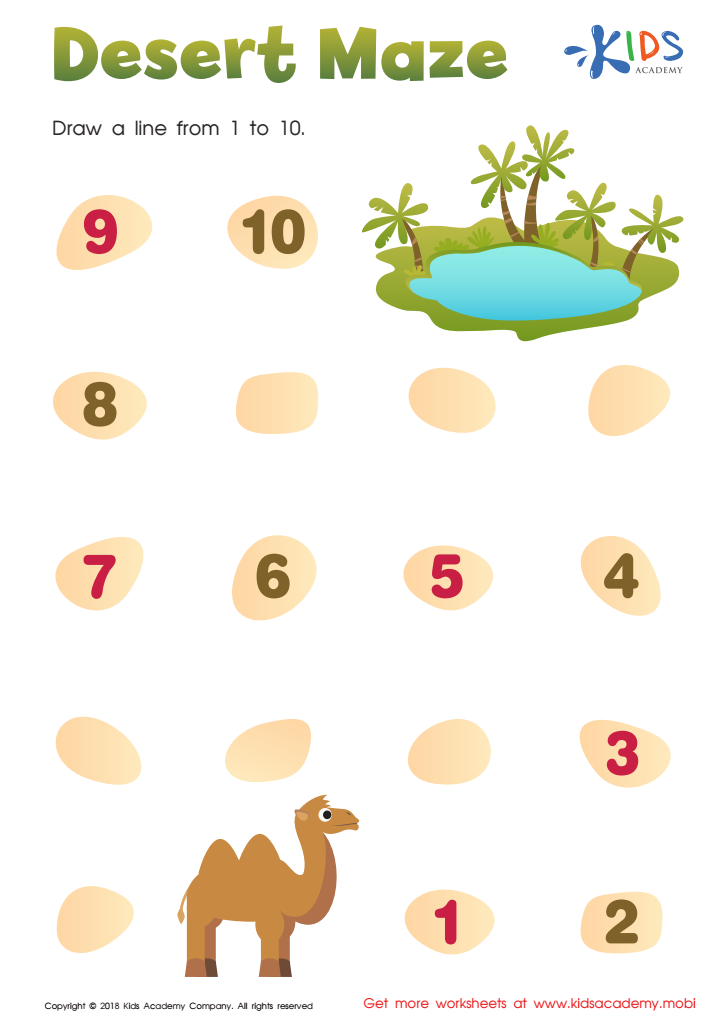
Desert Maze Worksheet
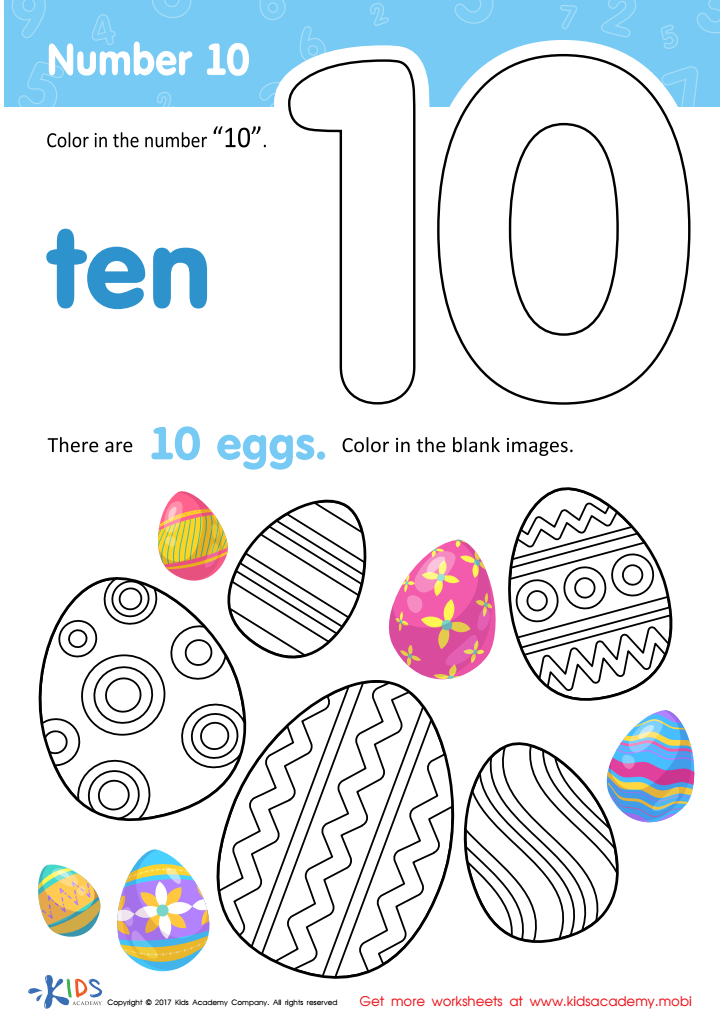
Number 10 Printable
 Assign to My Students
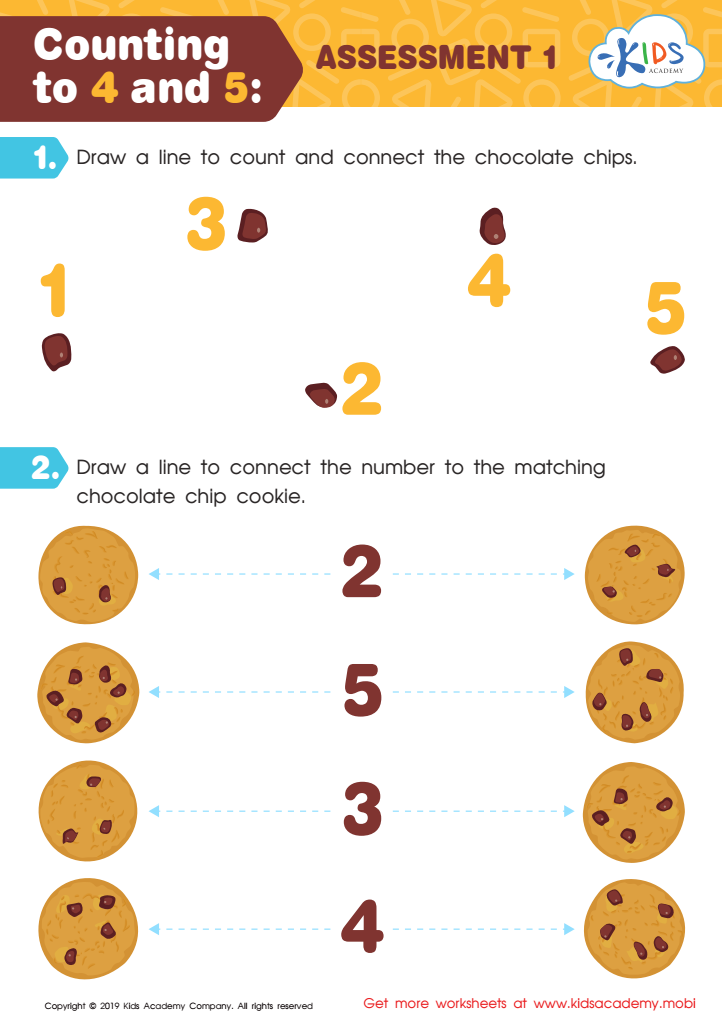
Counting to 4 and 5: Assessment 1 Worksheet
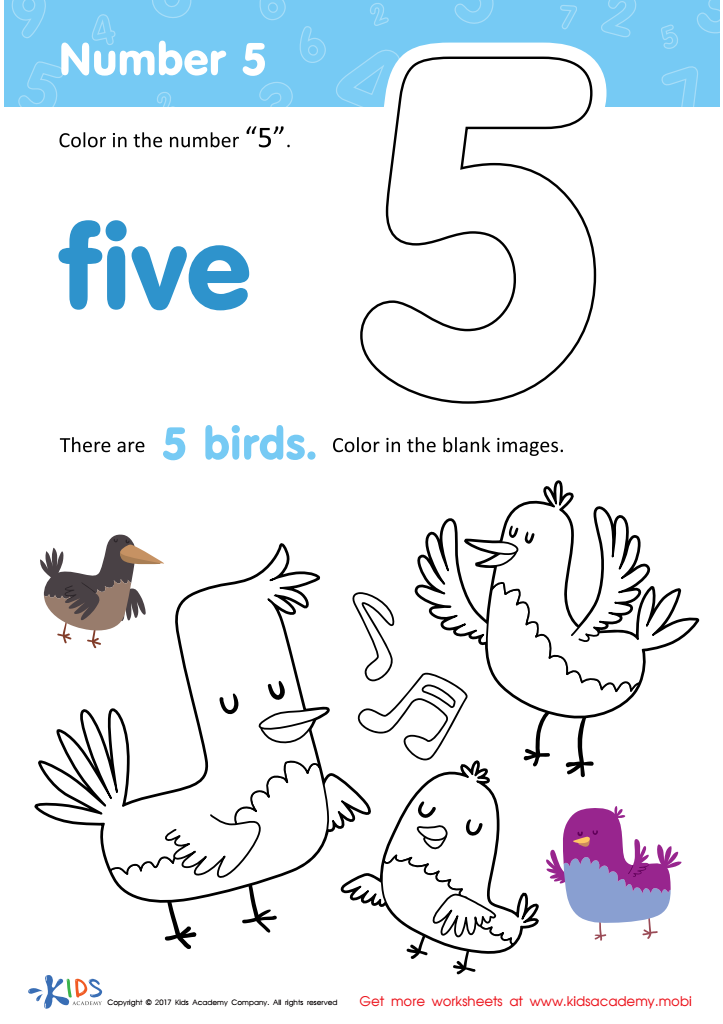
Number 5 Printable
Assign to My Students
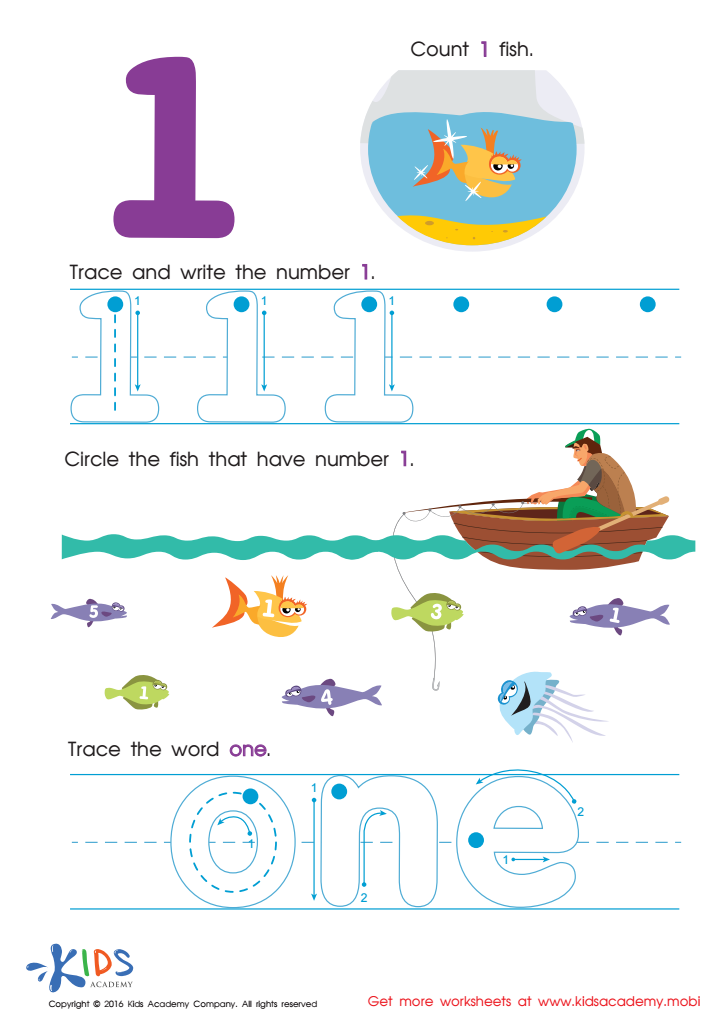
Learning to Write 1 Worksheet
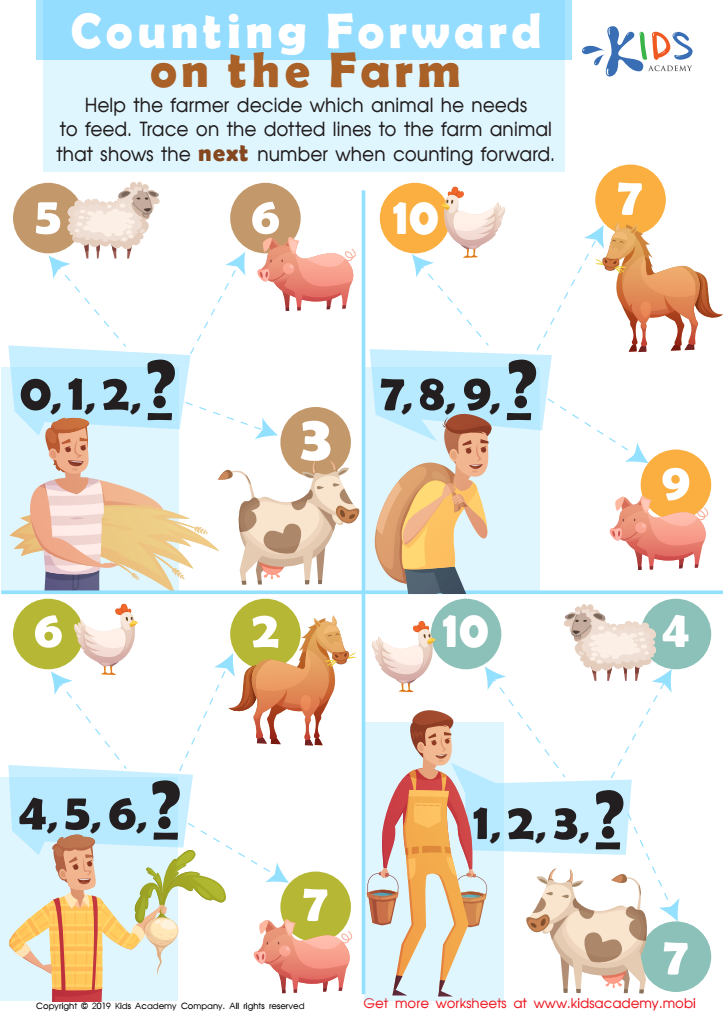
Counting Forward On the Farm Worksheet
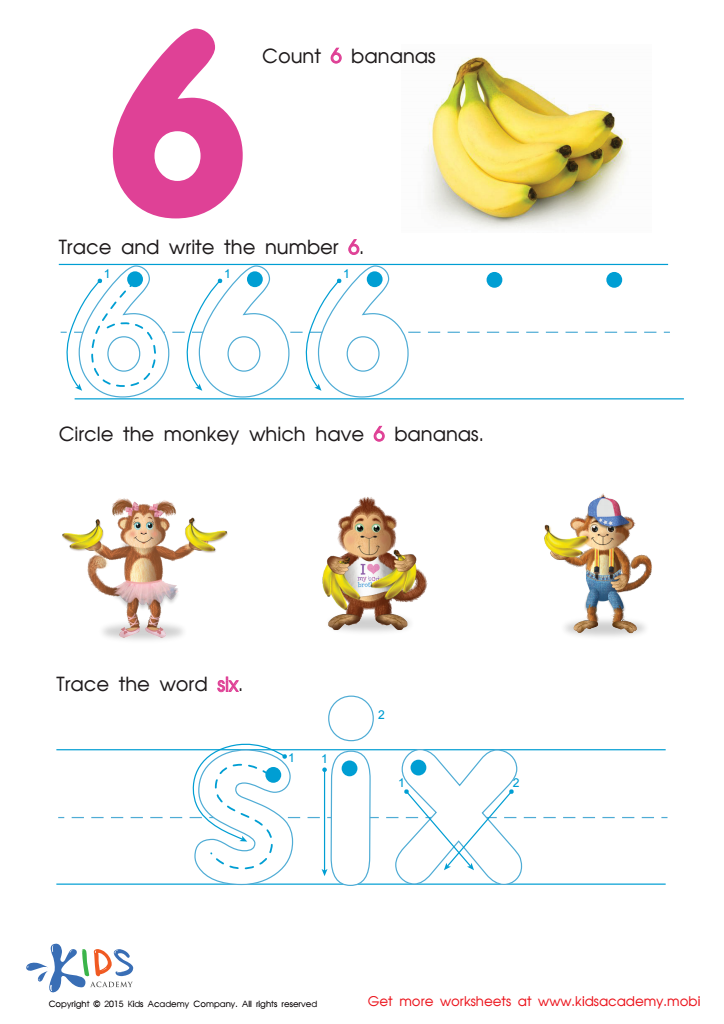
Tracing And Writing Number 6 Worksheet
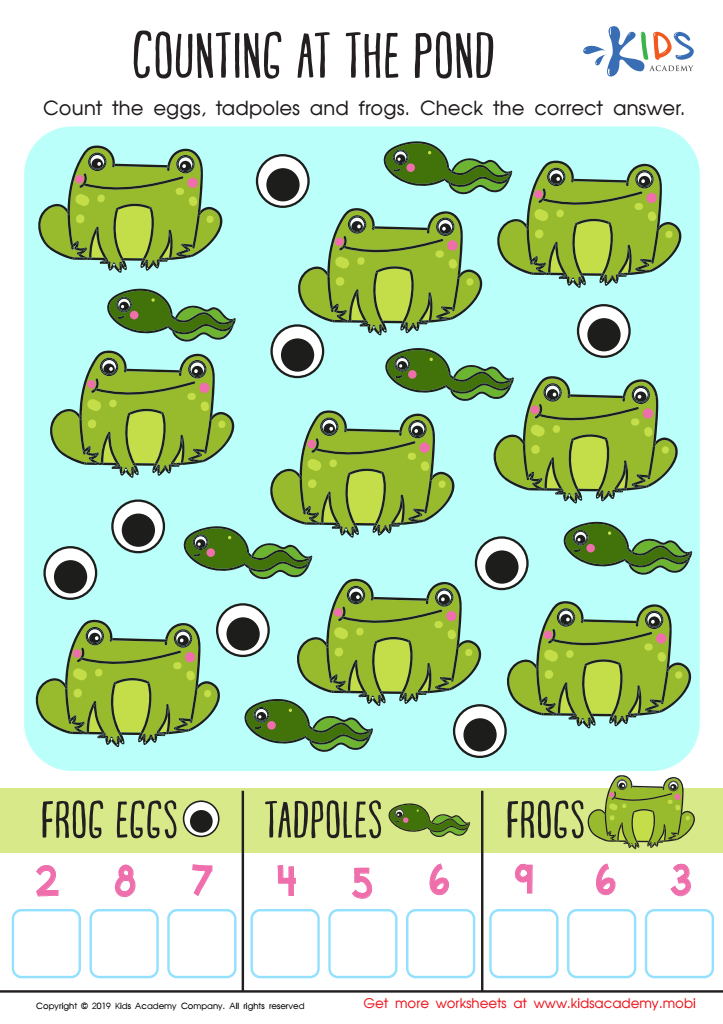
Counting at the Pond Worksheet
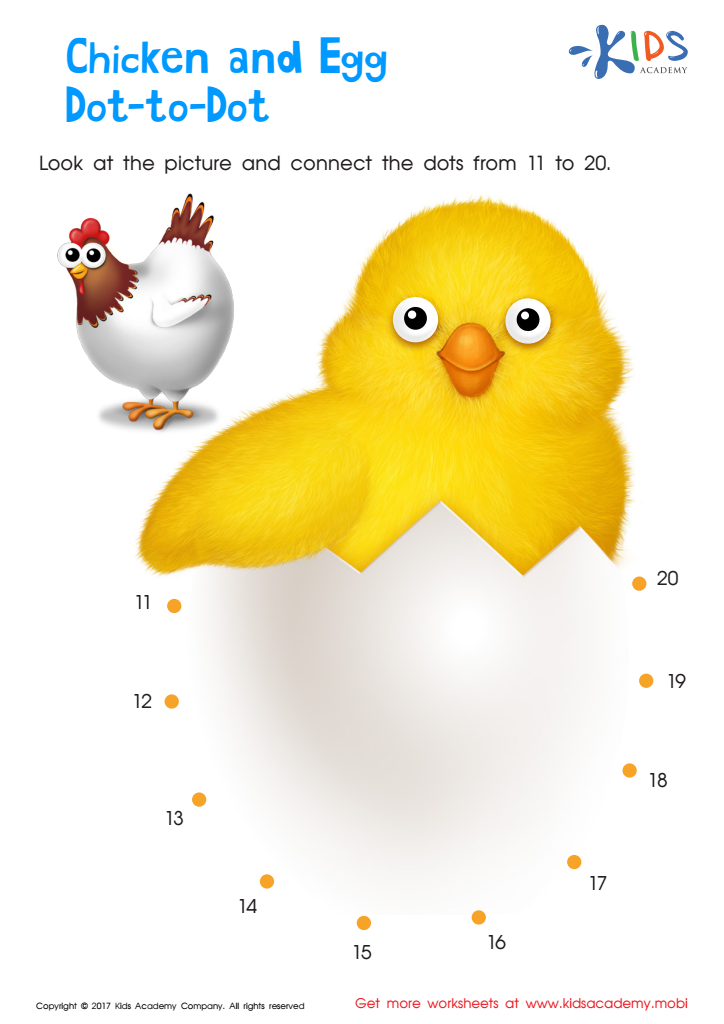
Ordering 11–20: Chicken & Egg Dot–to–dot Worksheet
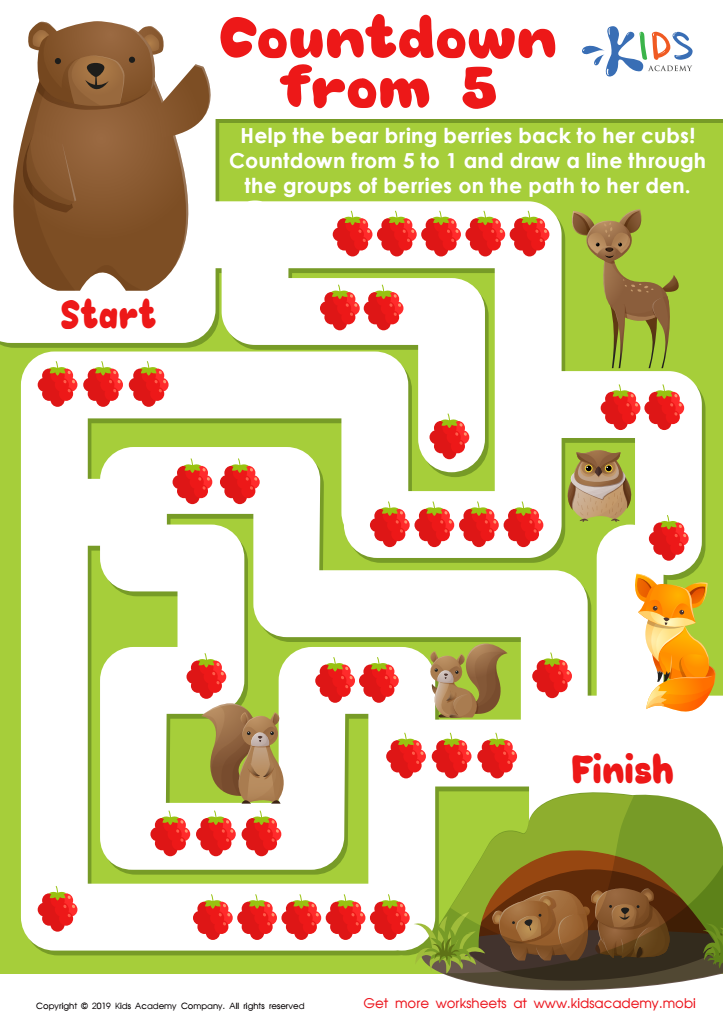
Countdown from 5 Worksheet
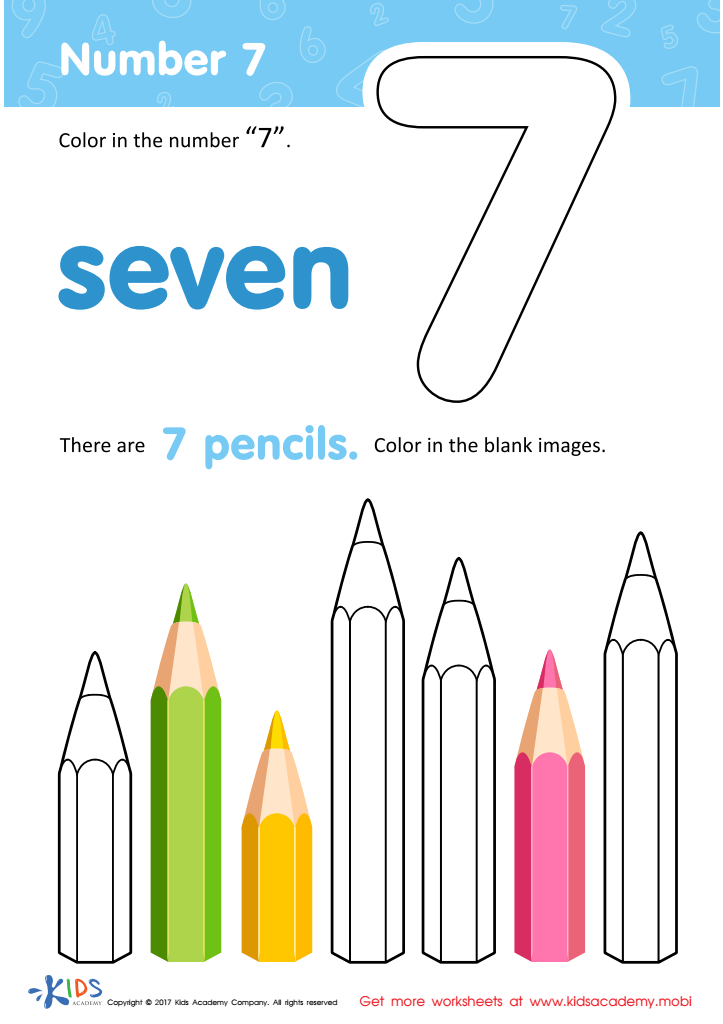
Number 7 Worksheet
Assign to My Students
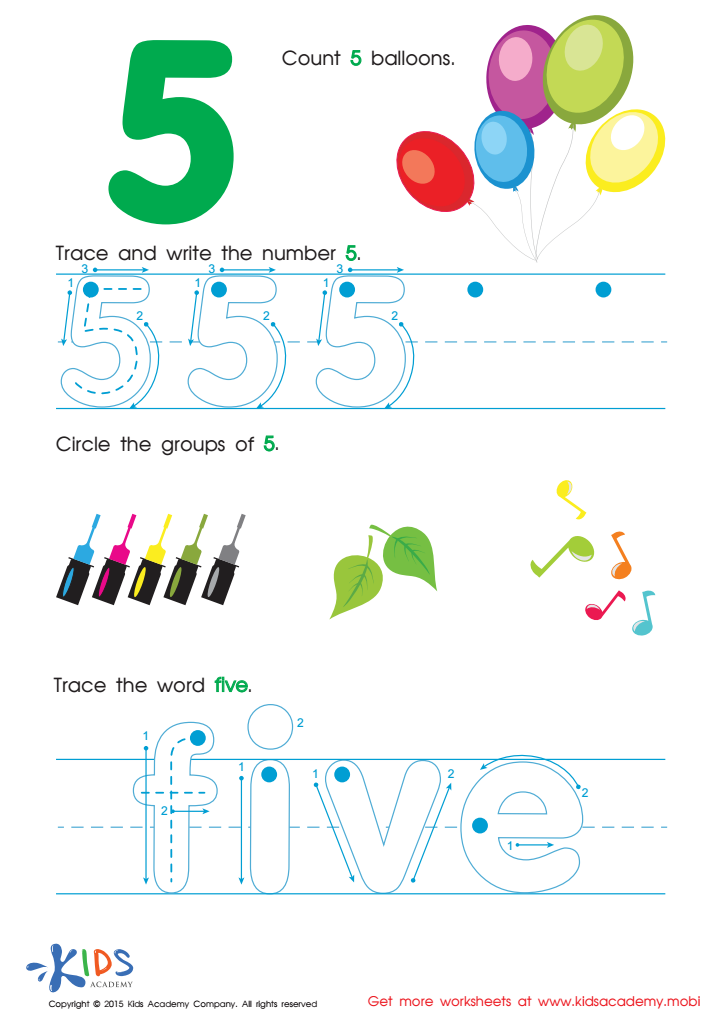
Practice Writing Number 5 Worksheet
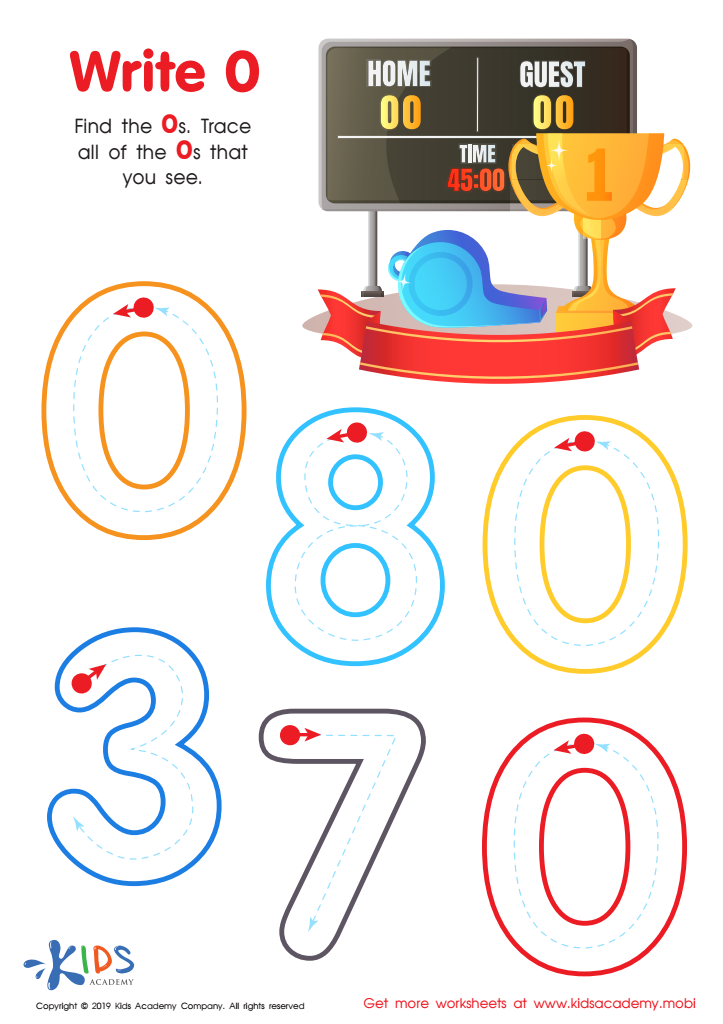
Write 0 Worksheet
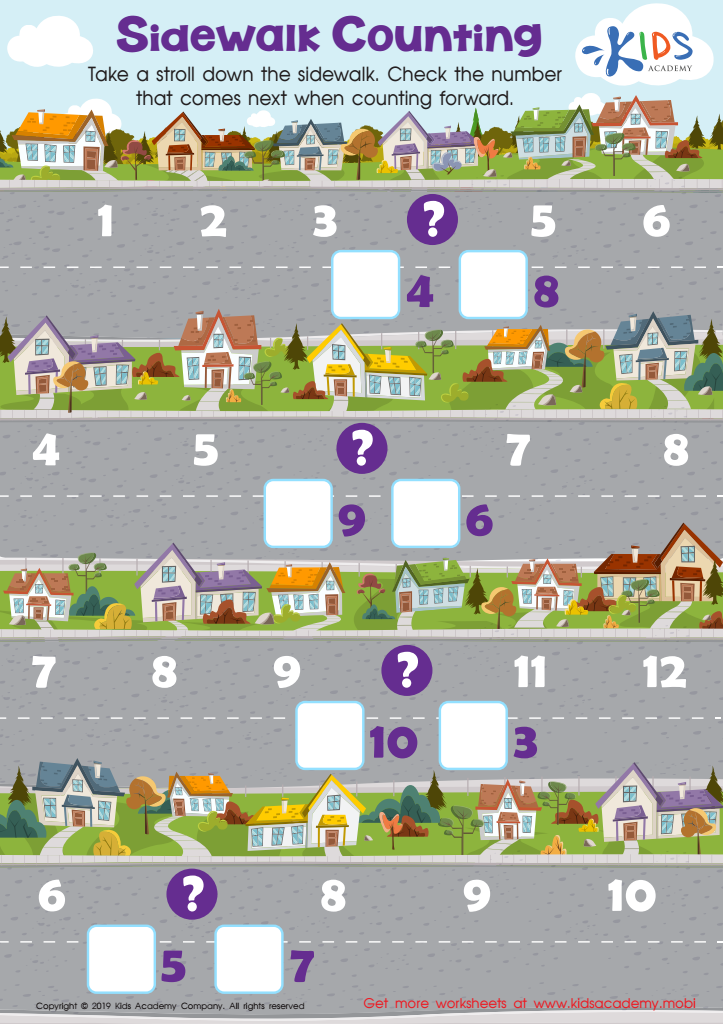
Sidewalk Counting Worksheet
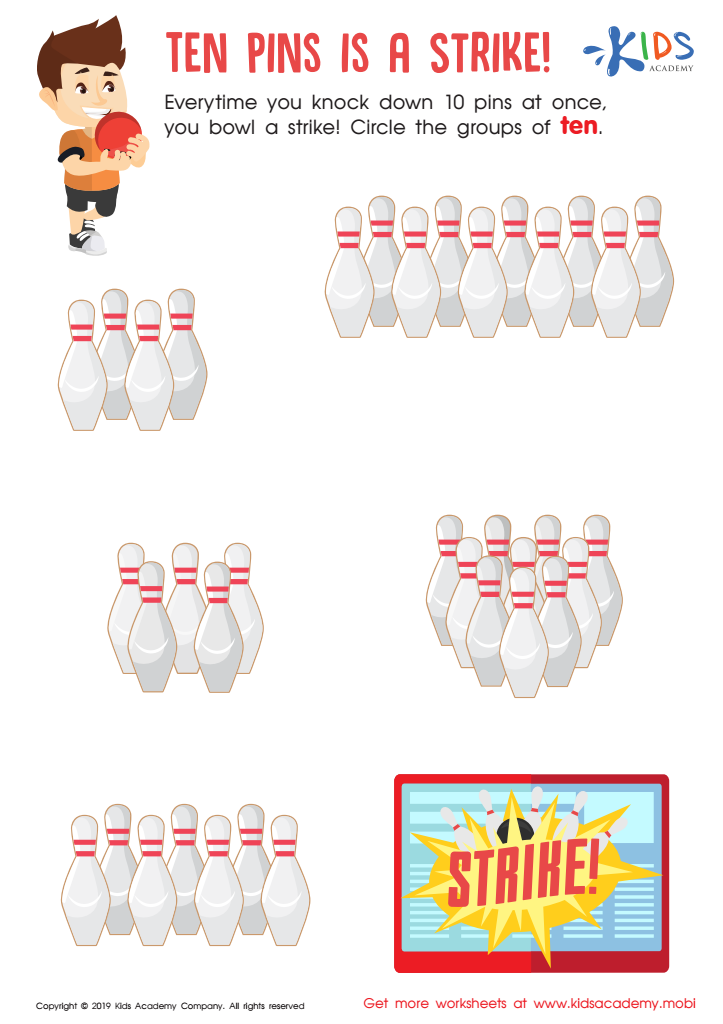
Ten Pins is a Strike Worksheet
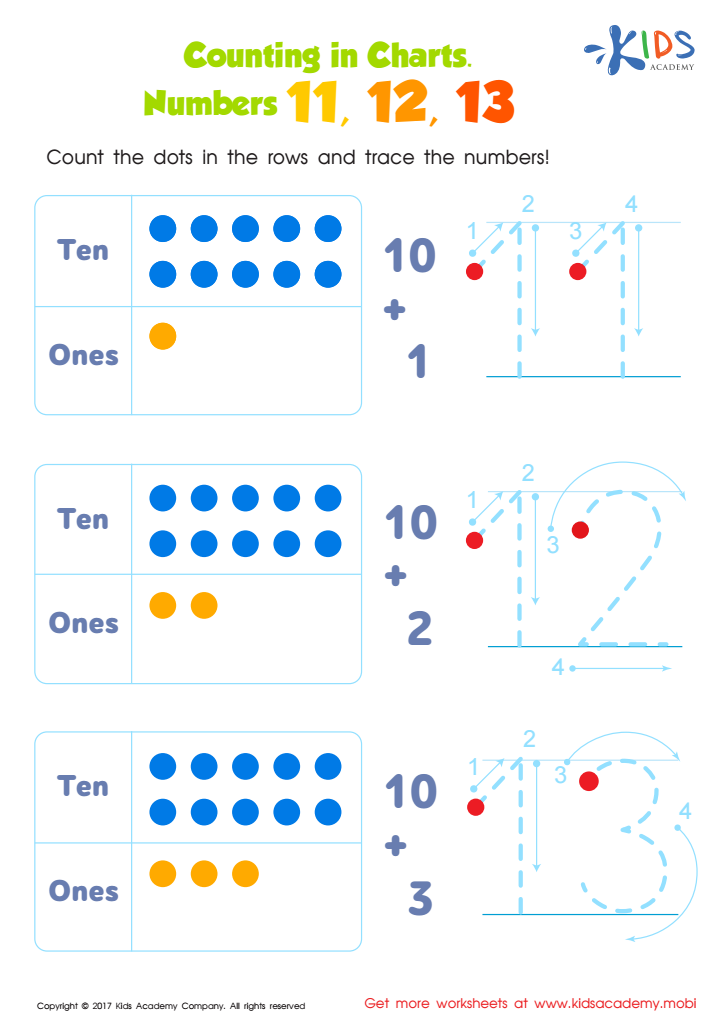
Number Tracing Worksheet For Kindergarten
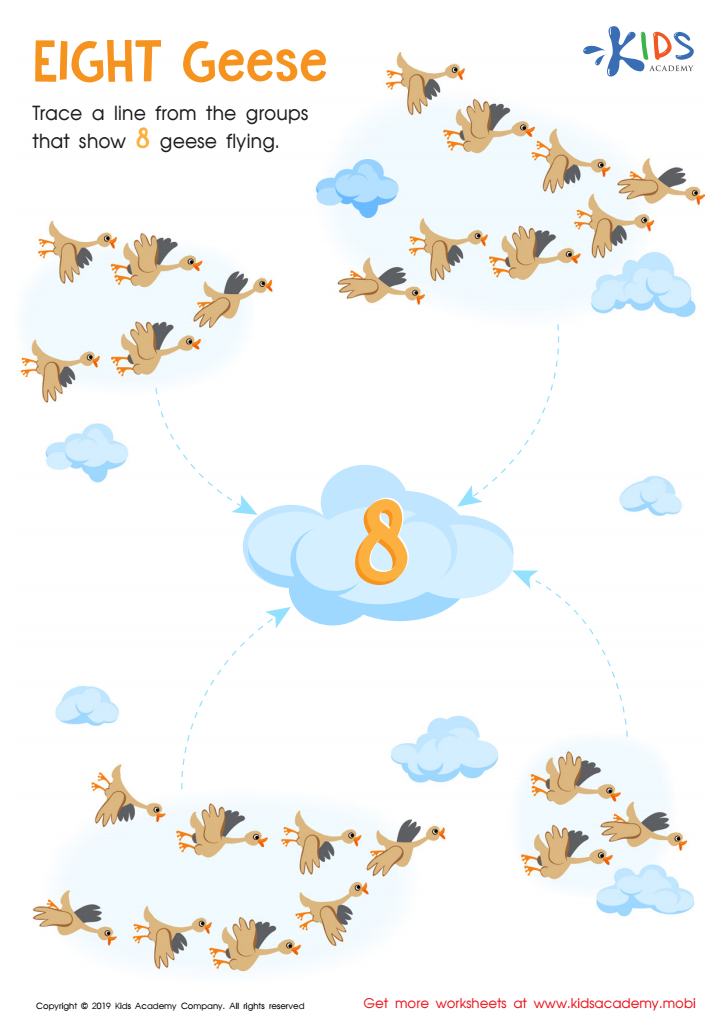
Eight Geese Worksheet
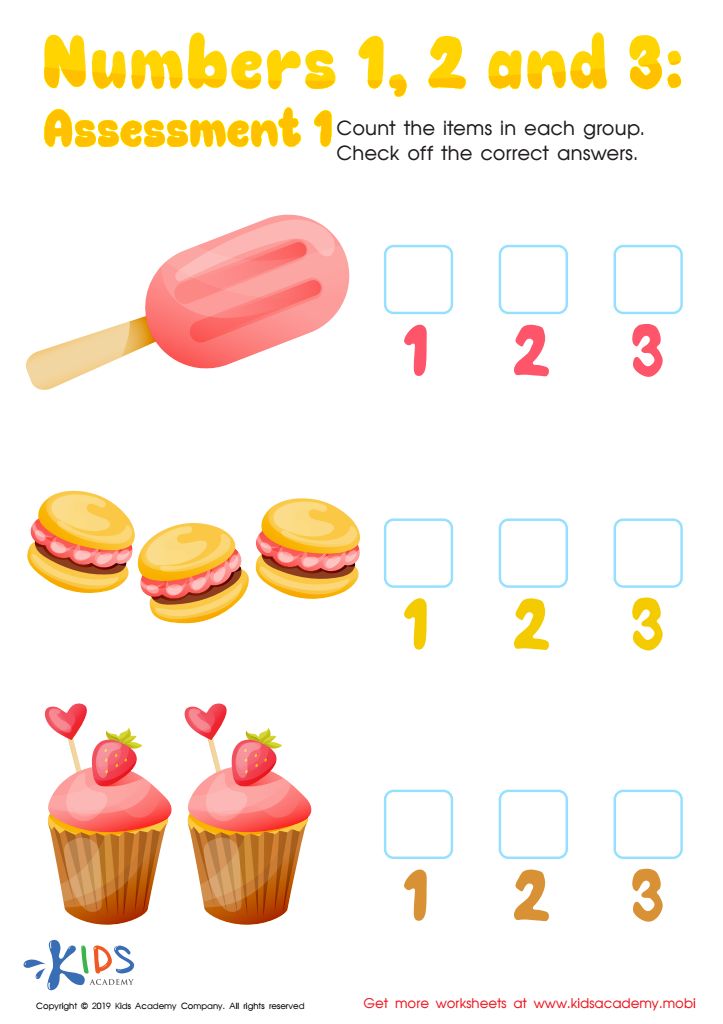
Numbers 1, 2 and 3: Assessment 1 Worksheet
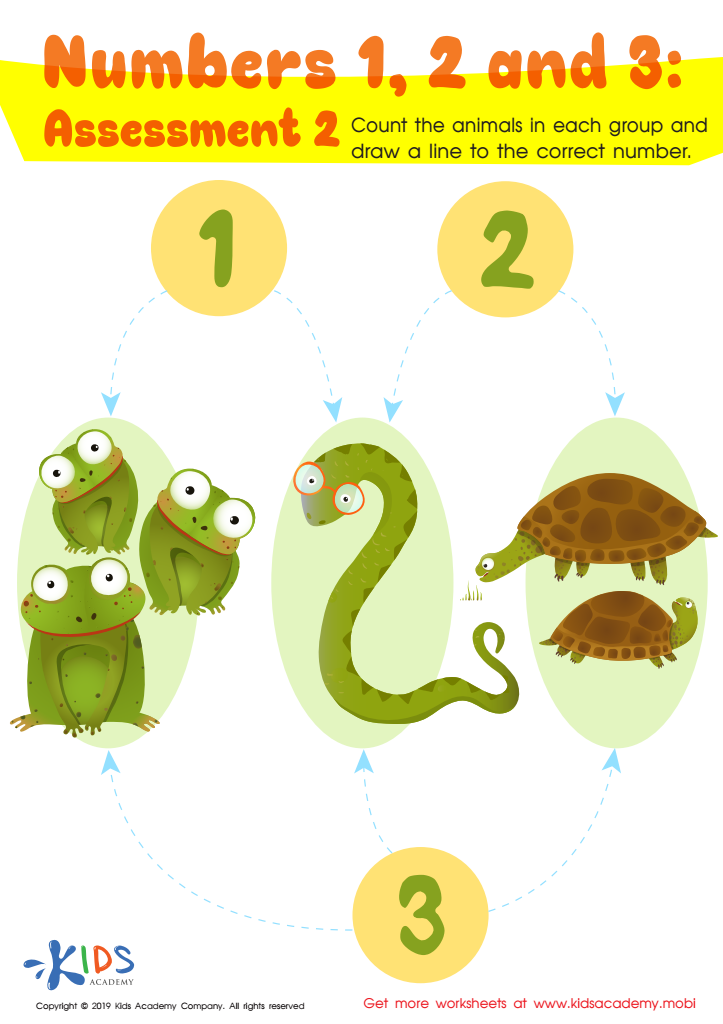
Numbers 1, 2 and 3: Assessment 2 Worksheet
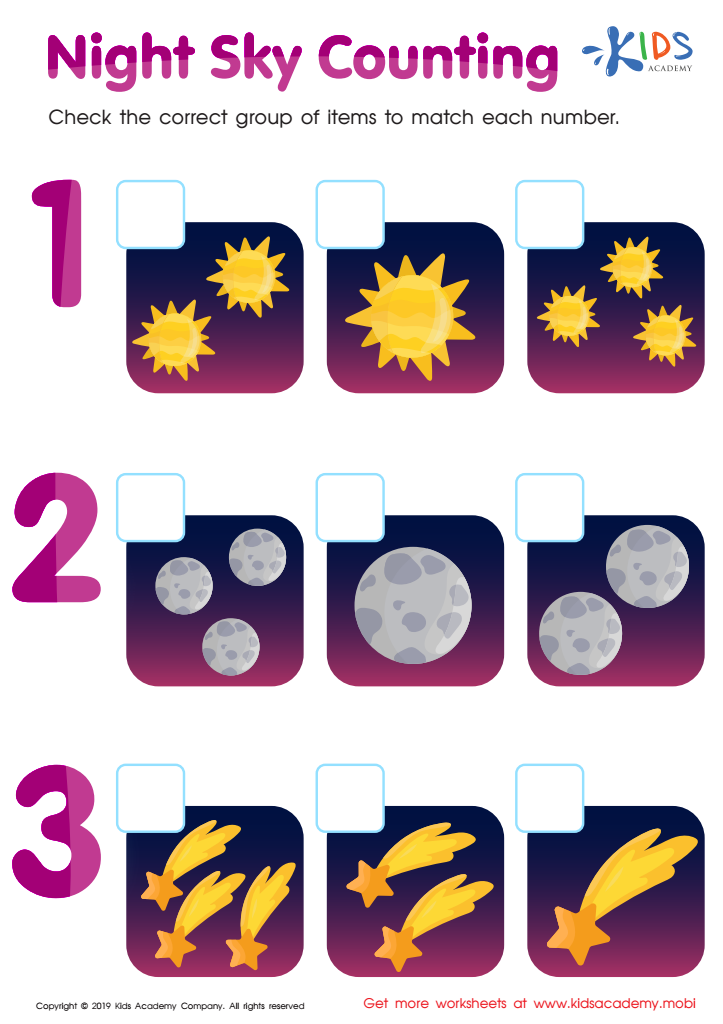
Night Sky Counting Worksheet
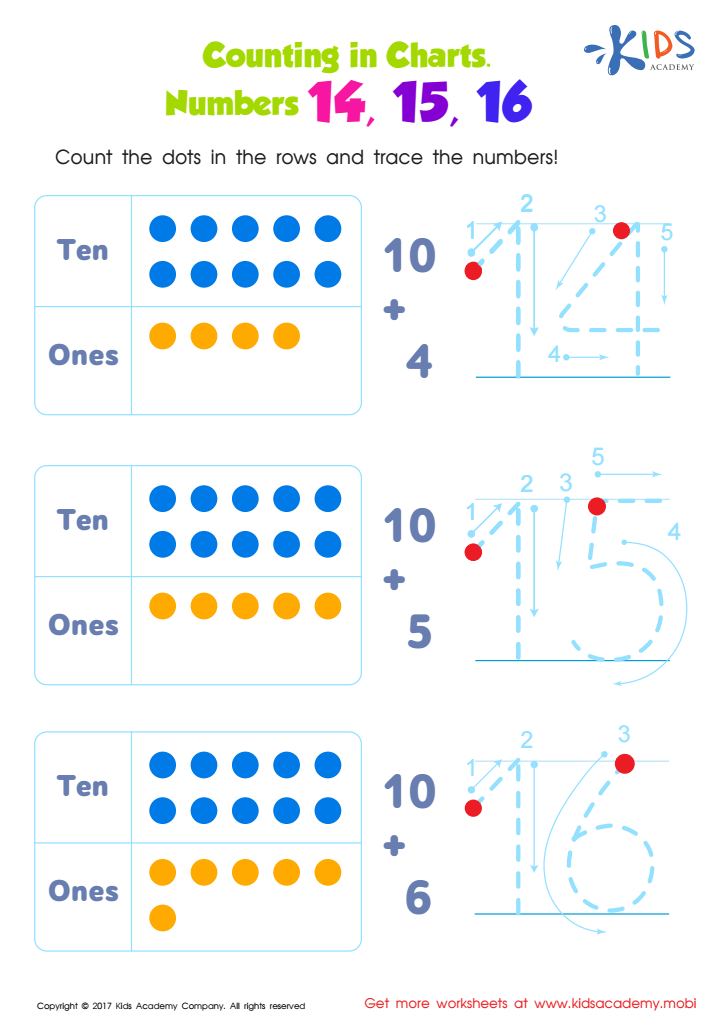
Number Tracing Worksheet







Hand-eye coordination is a crucial developmental skill in children ages 4-5, as it effectively lays the foundation for various physical, cognitive, and social skills. Firstly, this coordination is vital for everyday tasks, such as writing, drawing, and playing sports, all of which require at least some level of visual-motor integration. As children engage in these activities, they not only develop fine motor skills but also boost their creativity and self-confidence.
Moreover, strong hand-eye coordination is linked to early academic success. Activities like stacking blocks, completing puzzles, or using scissors aid in the development of spatial awareness and problem-solving skills. These skills are essential for mathematical reasoning and scientific thinking later in school.
Socially, children with good hand-eye coordination often participate more actively in group games and activities, enhancing their teamwork and communication skills. They learn to take turns, share, and interact positively with peers, fostering emotional intelligence.
For parents and teachers, fostering this skill through targeted play, practical activities, and encouragement is a worthwhile investment. Improved hand-eye coordination not only supports children’s current developmental milestones but also promotes holistic growth, preparing them for future educational challenges.








