Alphabet Worksheets for Ages 4-7 - Page 14
384 filtered results
-
From - To
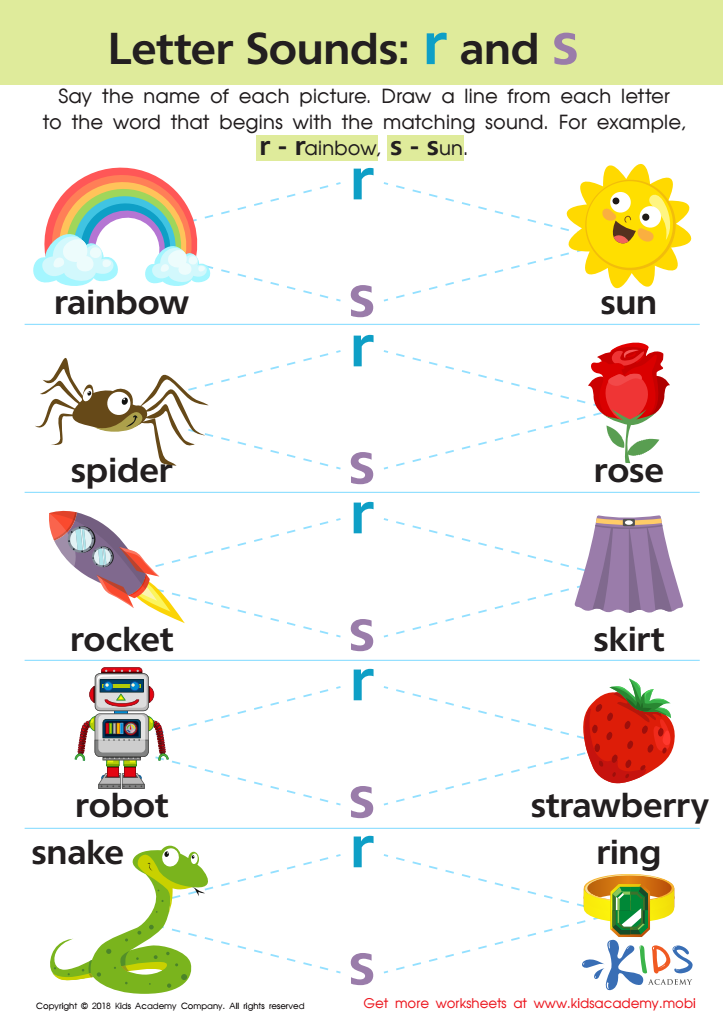
Letter R and S Sounds Worksheet
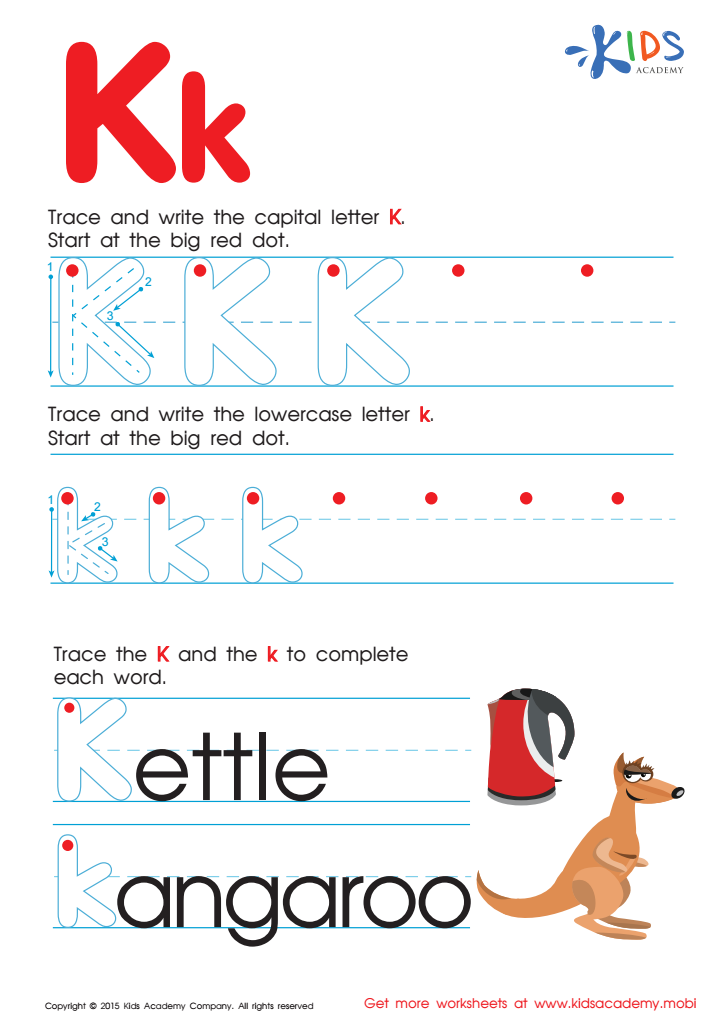
Letter K Tracing Page
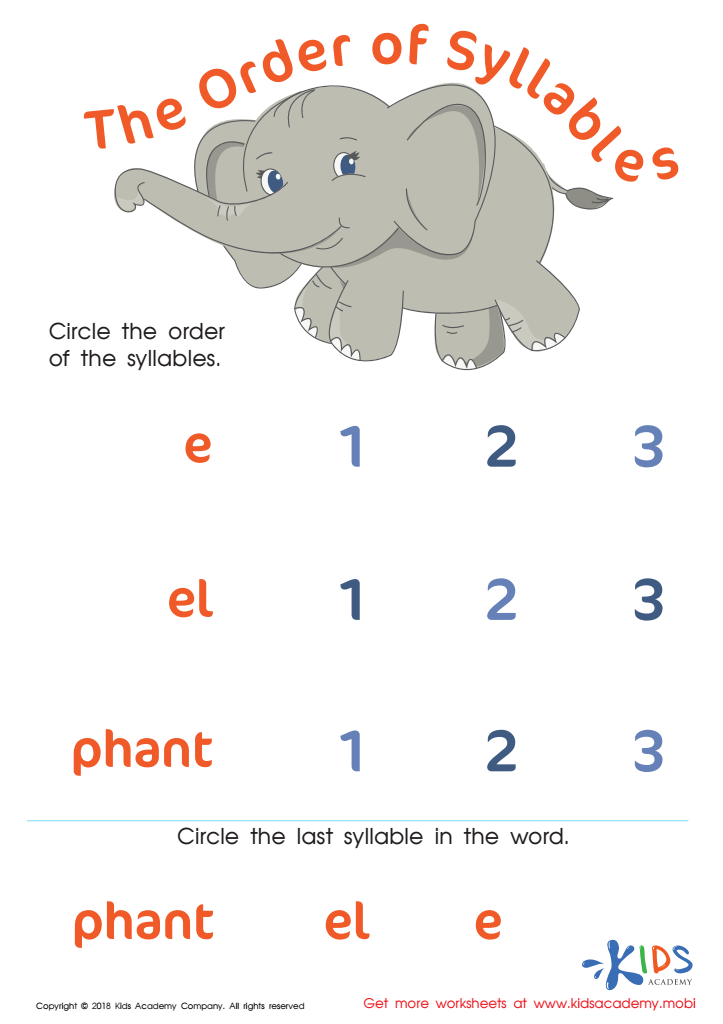
The Order of Syllables Worksheet
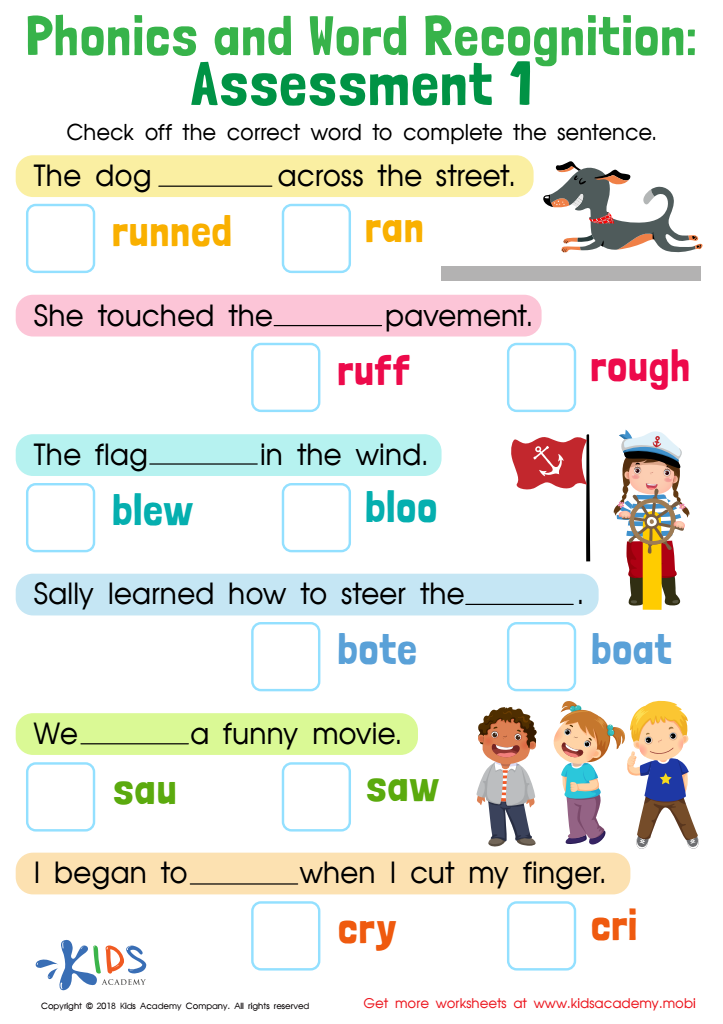
Phonics and Word Recognition: Assessment 1 Worksheet
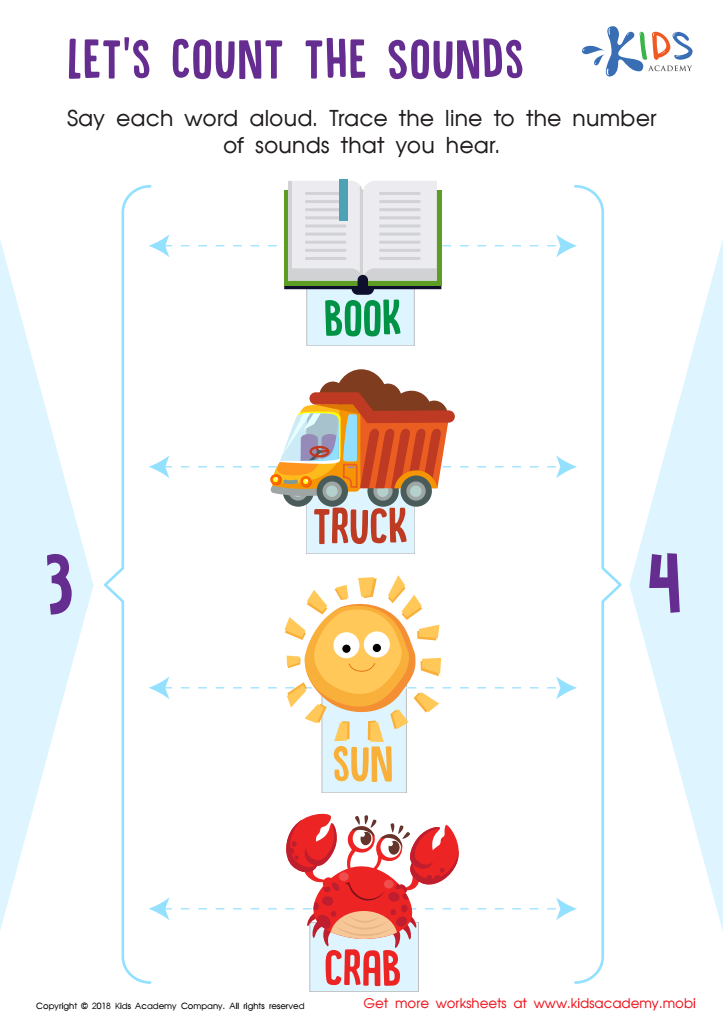
Let's Count the Sounds Worksheet
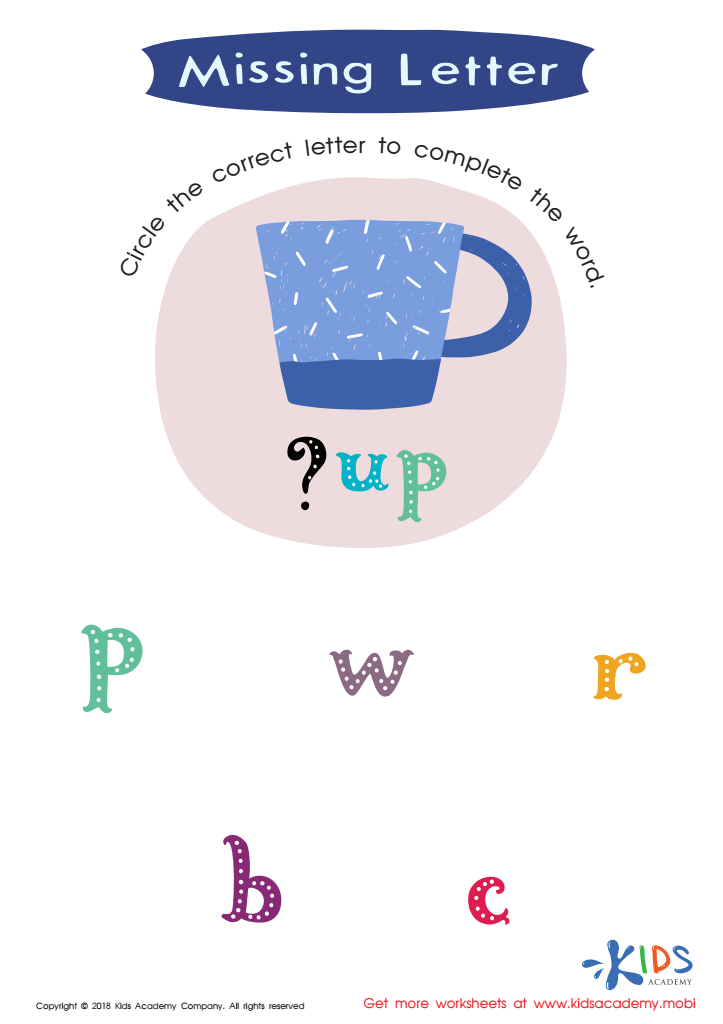
Missing Letter Worksheet
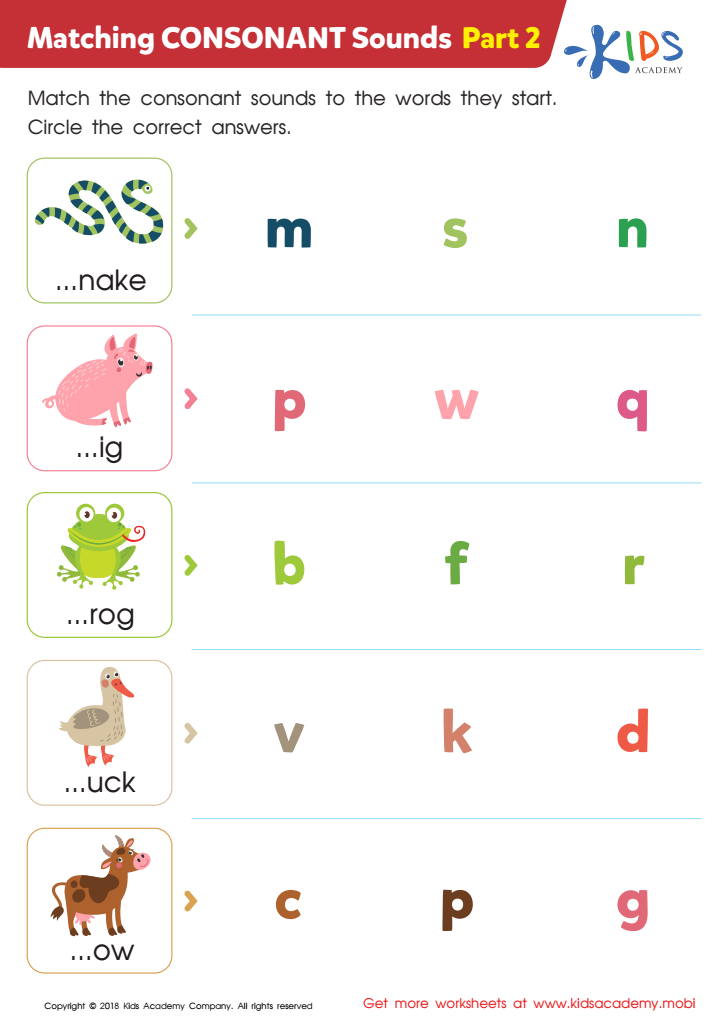
Matching Consonant Sounds: Part 2 Worksheet
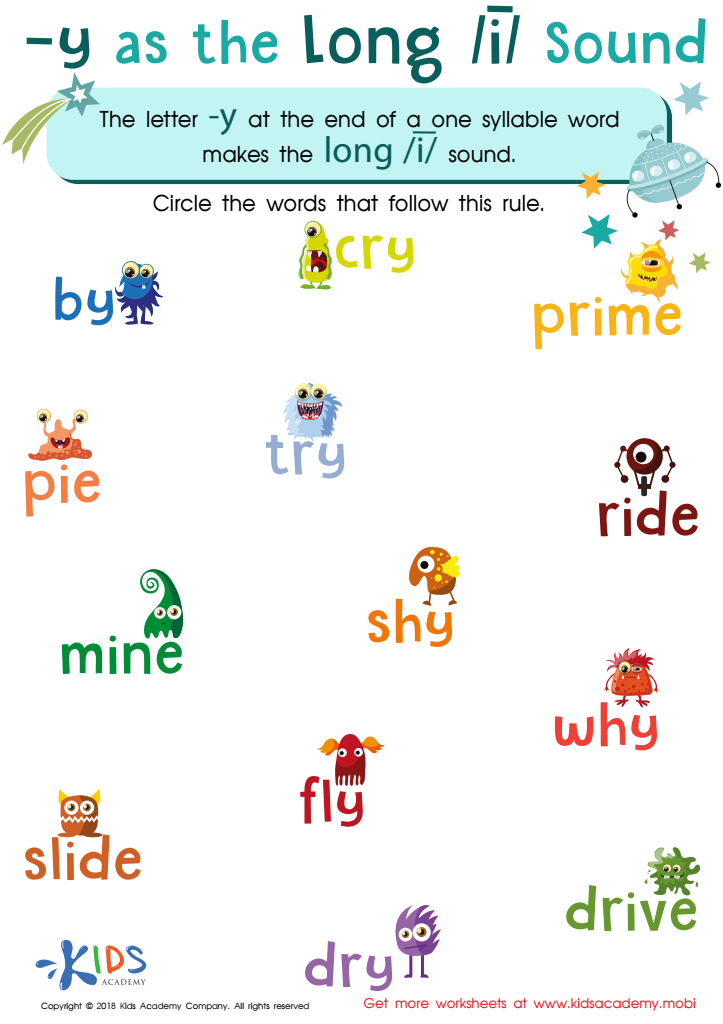
Reading: Y as Long I Worksheet
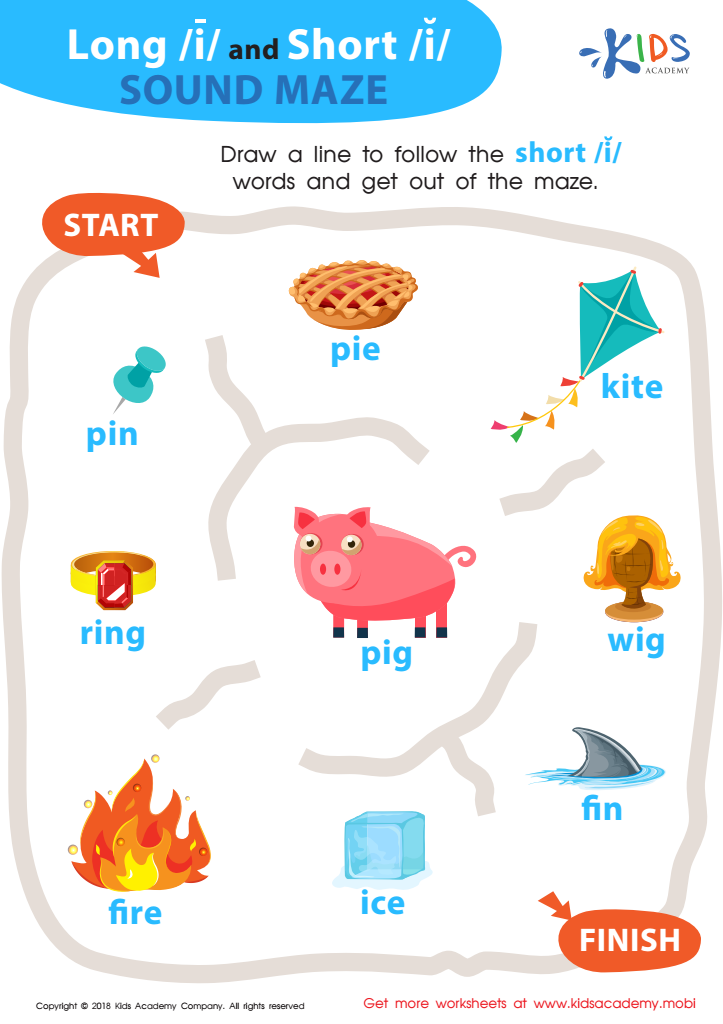
Reading: Long I and Short I Sound Maze Worksheet
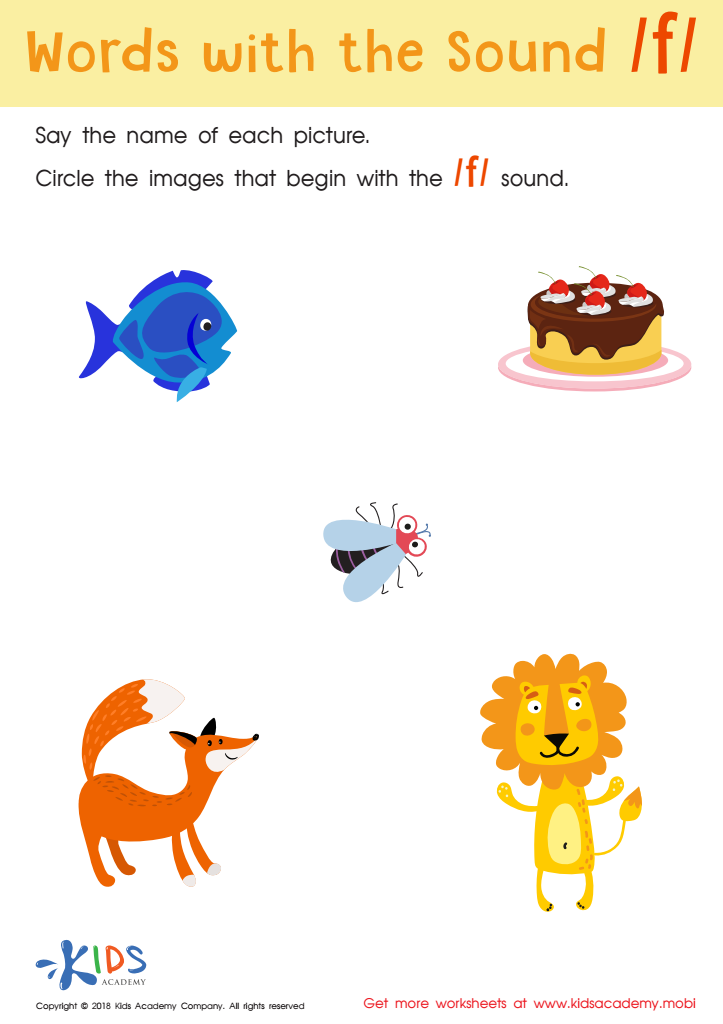
Words with sound f Reading Worksheet
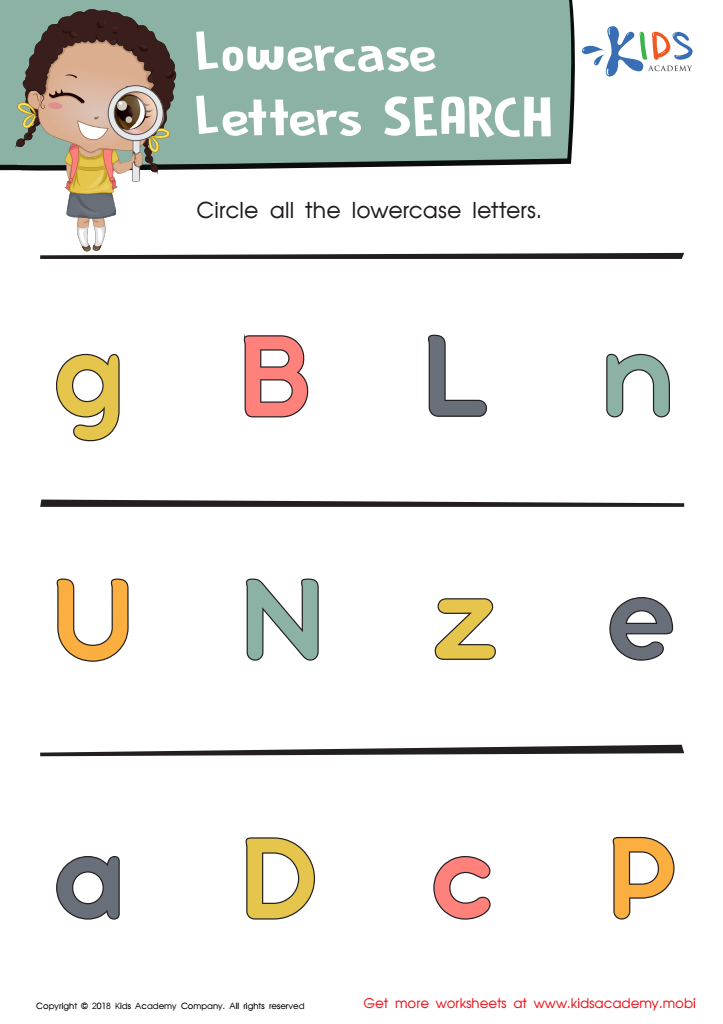
Lowercase Letters Search: Assessment Worksheet
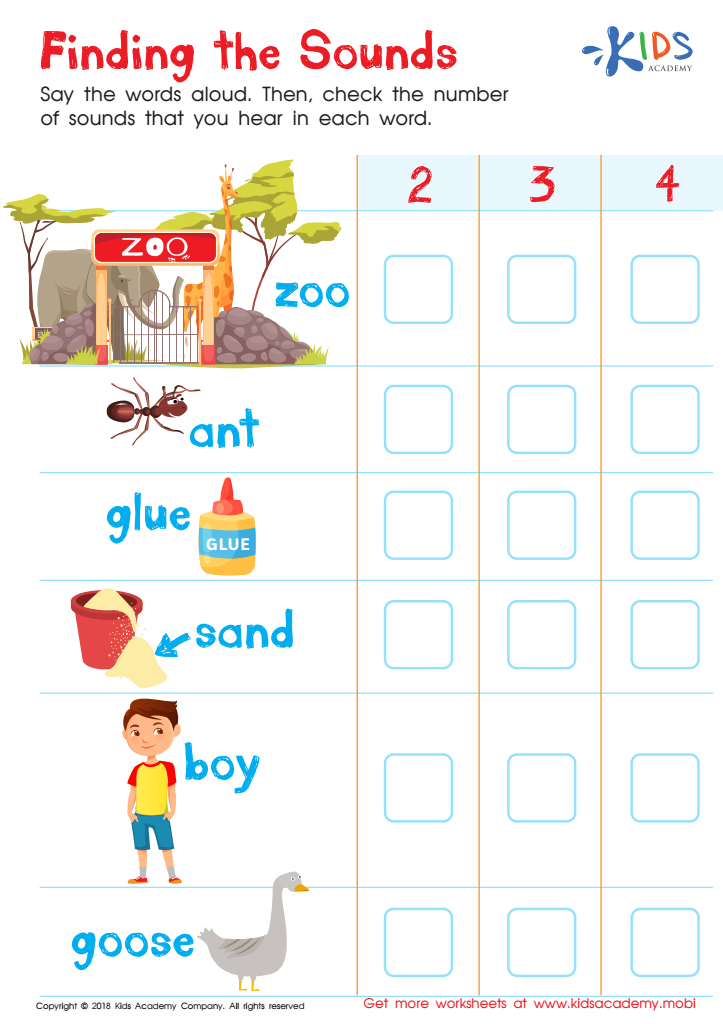
Finding the Sounds Worksheet
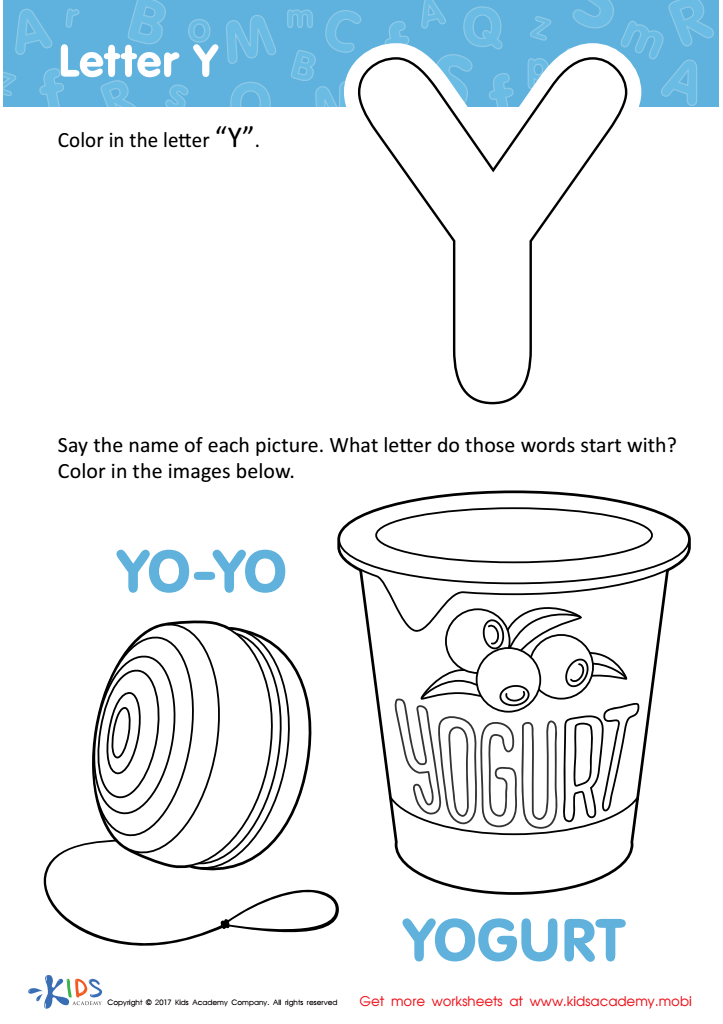
Letter Y Coloring Sheet
 Assign to My Students
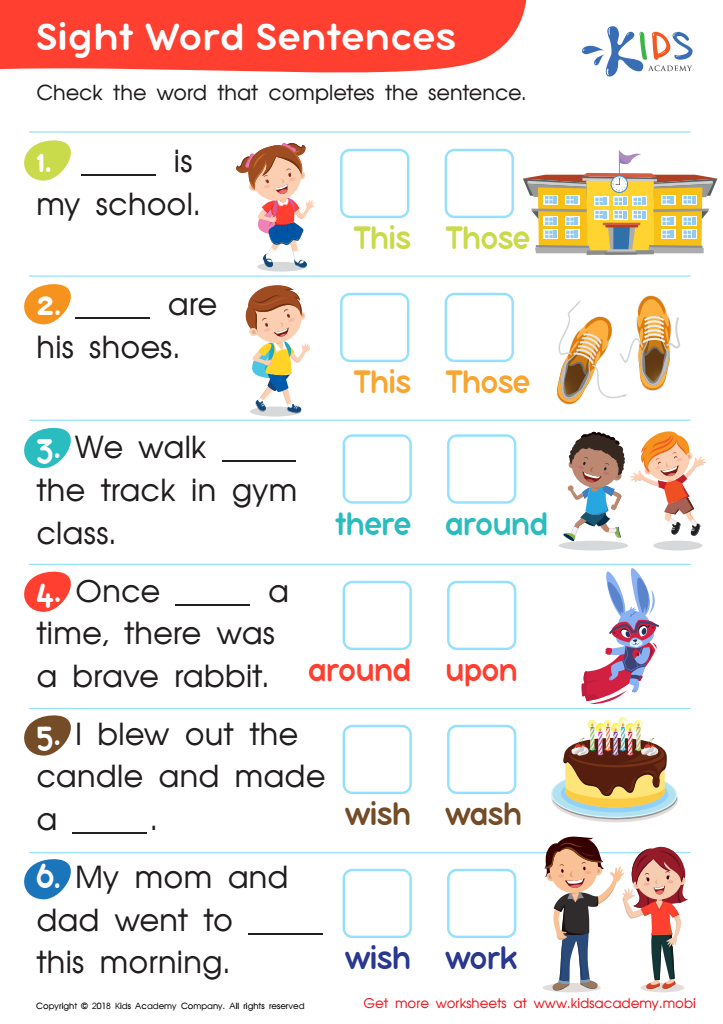
Sight Word Sentences Worksheet
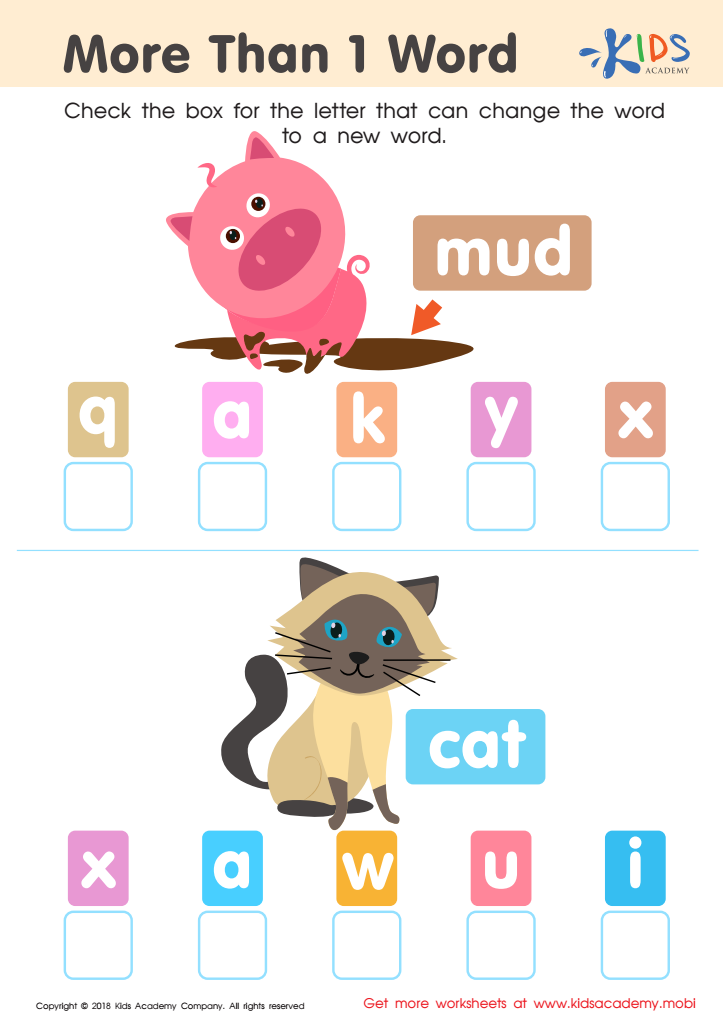
More than 1 word Worksheet
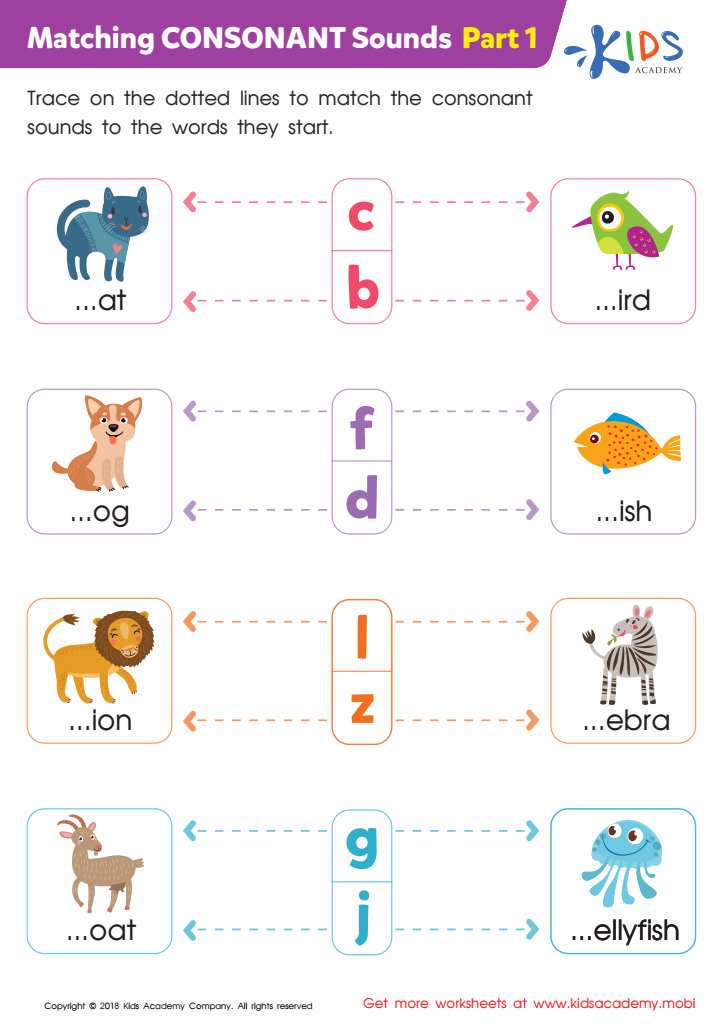
Matching Consonant Sounds: Part 1 Worksheet
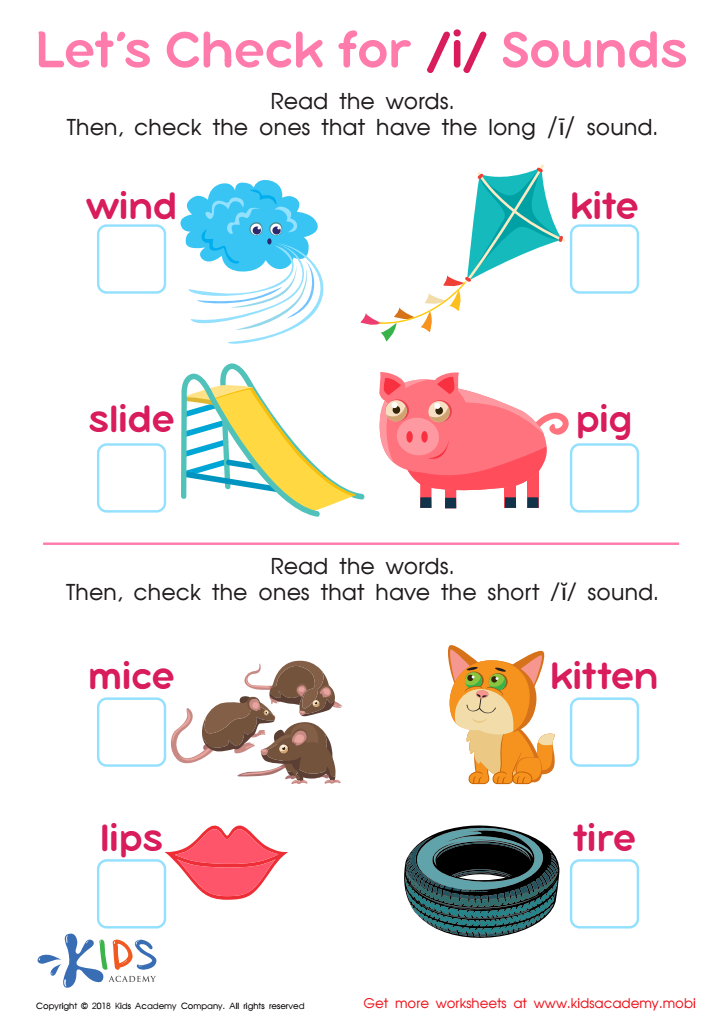
Let's Check for «i» Sounds Worksheet
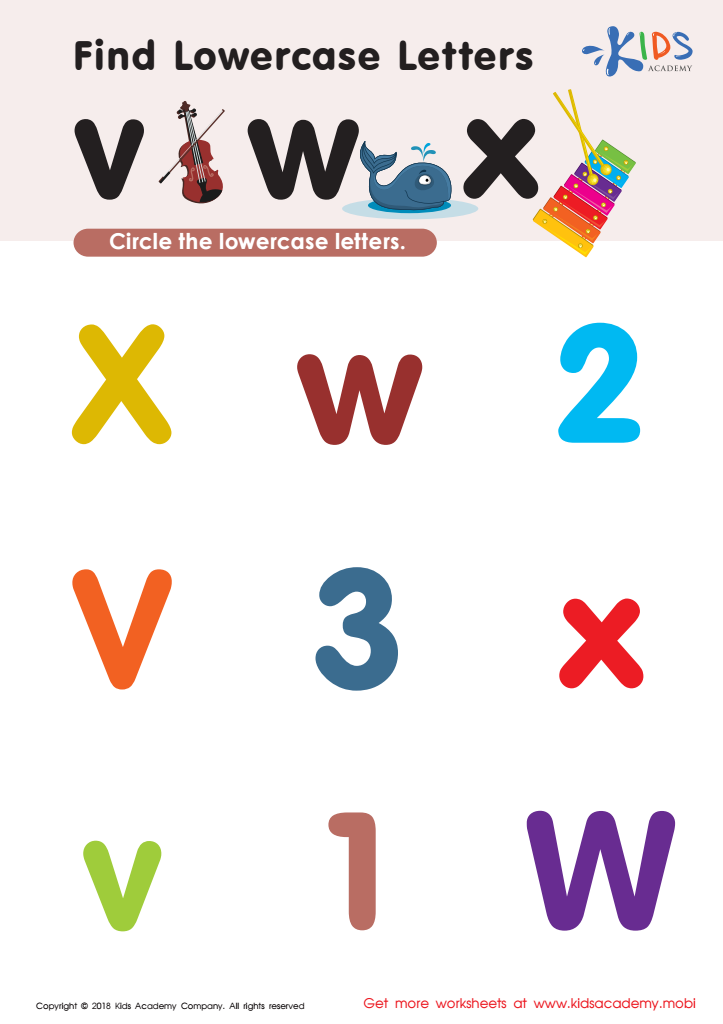
Find Lowercase Letters v w x Worksheet
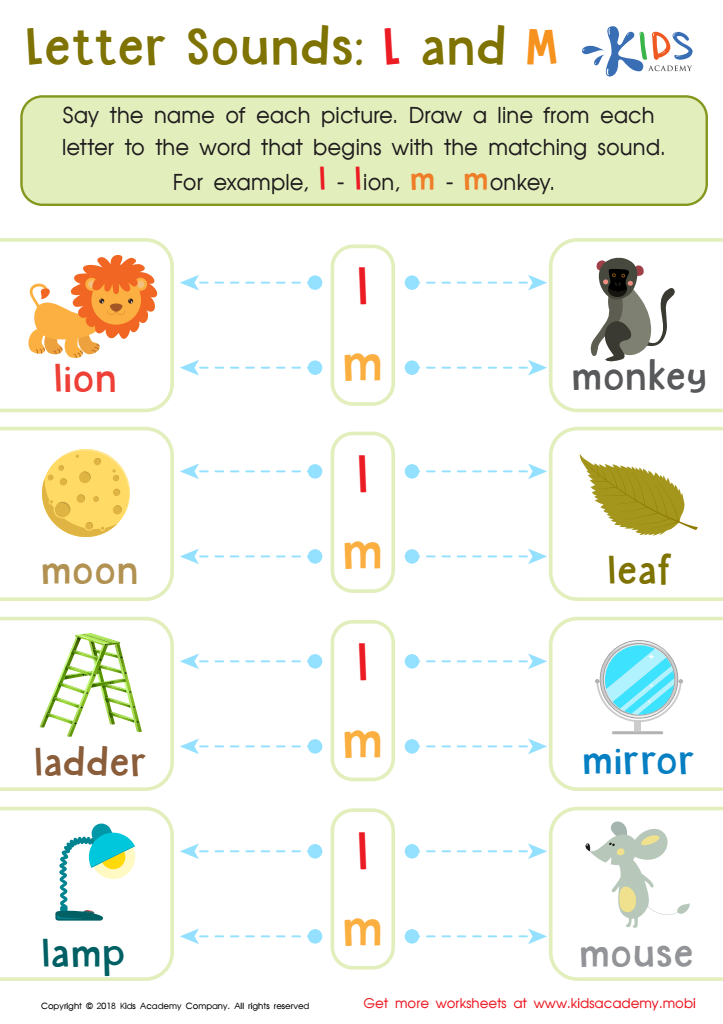
Letter l and M Sounds Worksheet
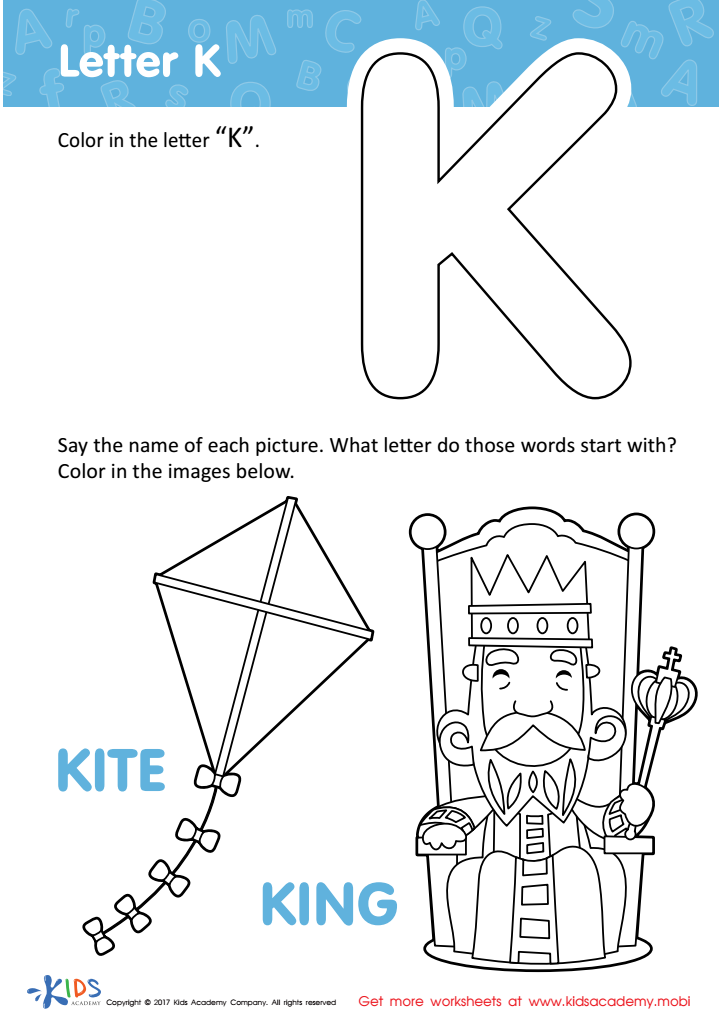
Letter K Coloring Sheet
Assign to My Students
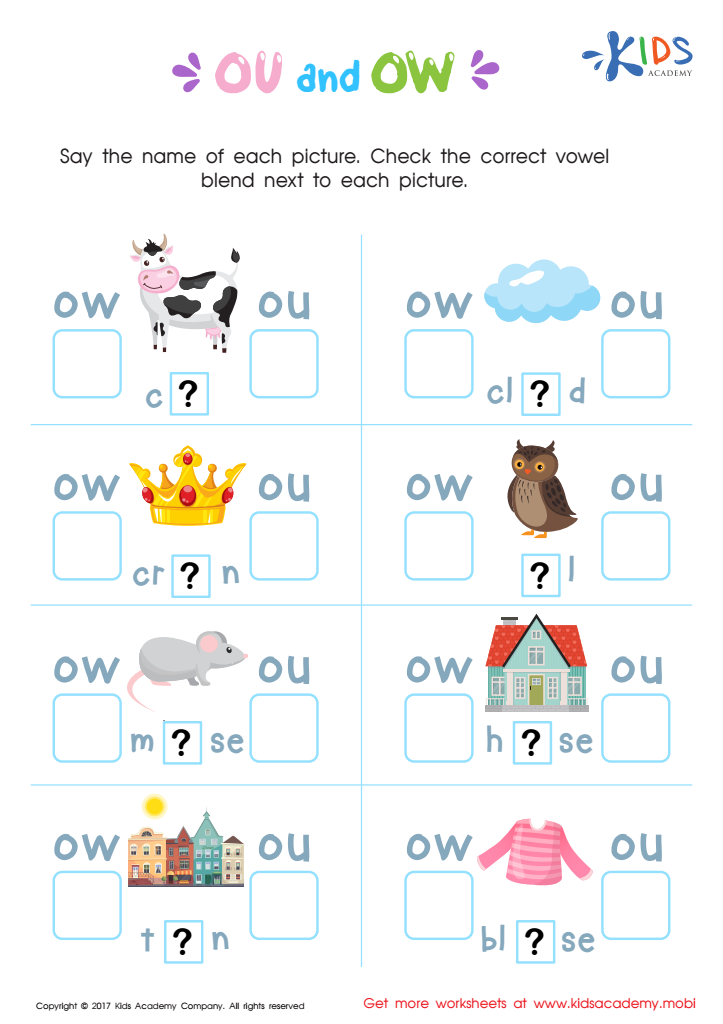
OU and OW Words Worksheet
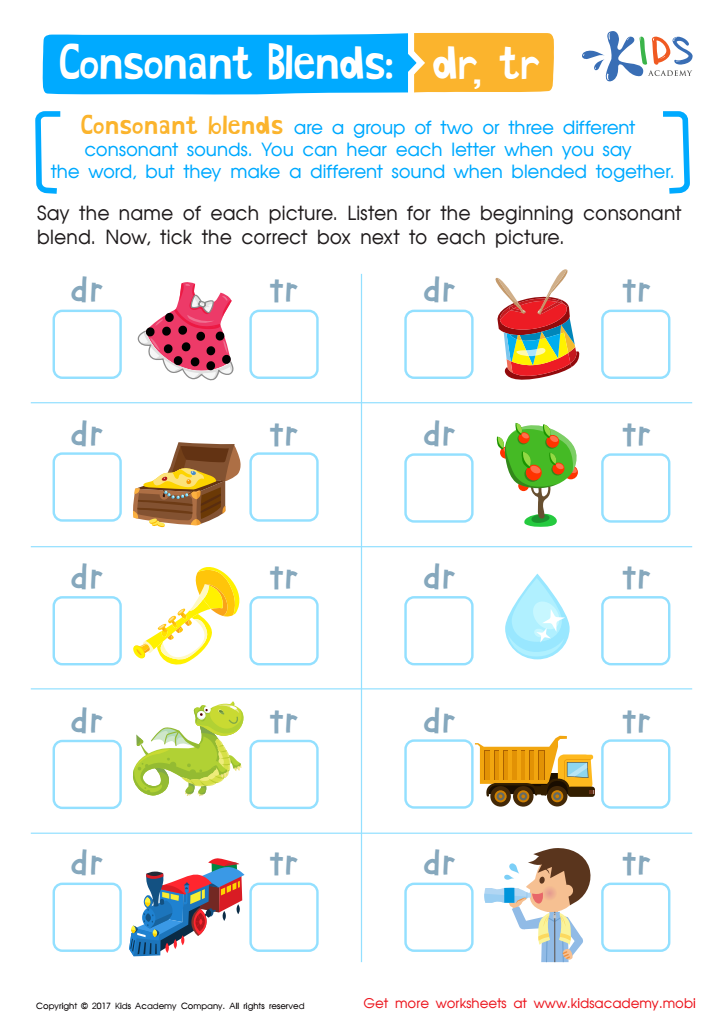
Consonant Blends: "Dr" and "Tr" Printable

Letter F Tracing Page
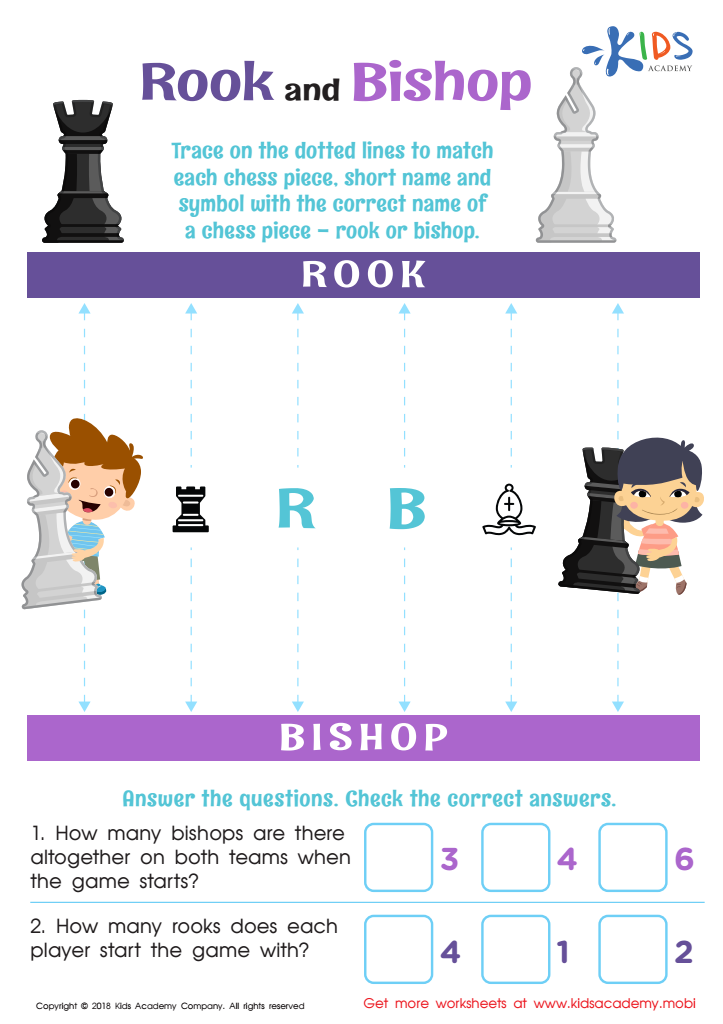
Rook and Bishop Worksheet







Parents and teachers should care deeply about introducing the alphabet to children aged 4-7 because it forms the foundational building block of literacy and language development. During these critical early years, children's brains are like sponges, highly receptive to learning new concepts. Mastery of the alphabet is the first step toward proficient reading and writing, skills that are essential for academic success and lifelong learning.
Learning the alphabet helps children recognize and understand that letters represent sounds, a concept known as phonemic awareness. This understanding enables them to begin decoding words, which is crucial for reading development. Moreover, identifying letters and their corresponding sounds assists in building vocabulary and comprehension, making it easier for children to express themselves clearly and effectively.
Furthermore, early alphabet education boosts cognitive skills, such as memory, attention, and logical thinking, while also supporting fine motor development through writing practice. Socially and emotionally, early literacy can enhance a child's confidence and eagerness to participate in classroom activities, fostering a positive attitude towards learning.
Early alphabet knowledge setS a strong academic foundation, giving children a head start and preparing them for more complex literacy tasks. Prioritizing this in early childhood education can significantly impact a child's future academic achievements and self-confidence.







