Reading Worksheets for Ages 4-7 - Page 27
631 filtered results
-
From - To
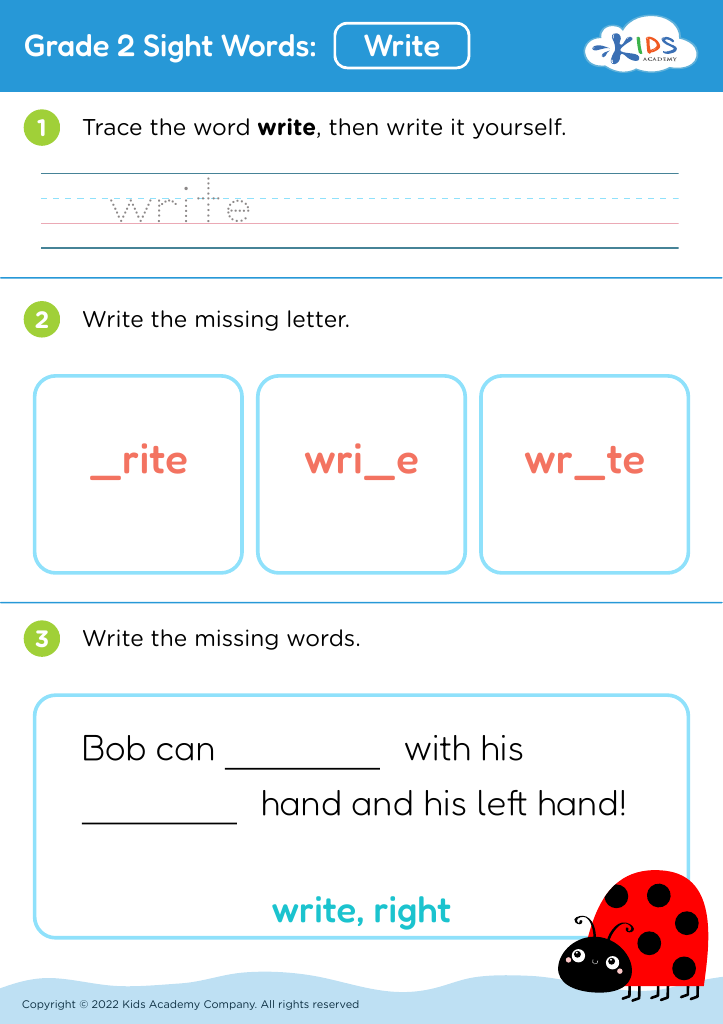
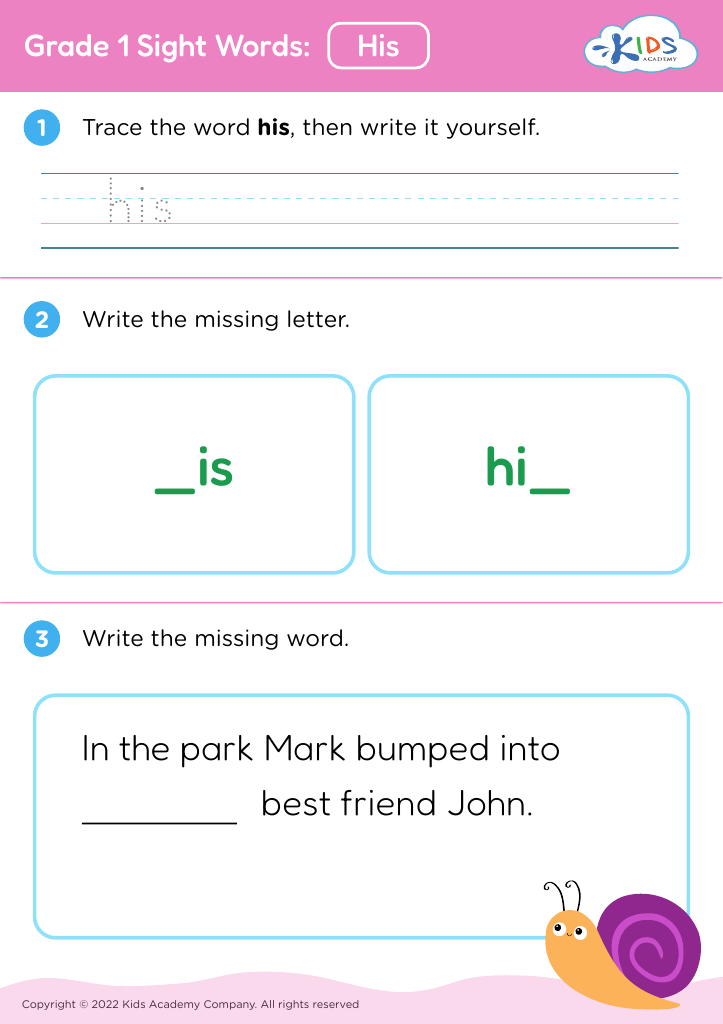
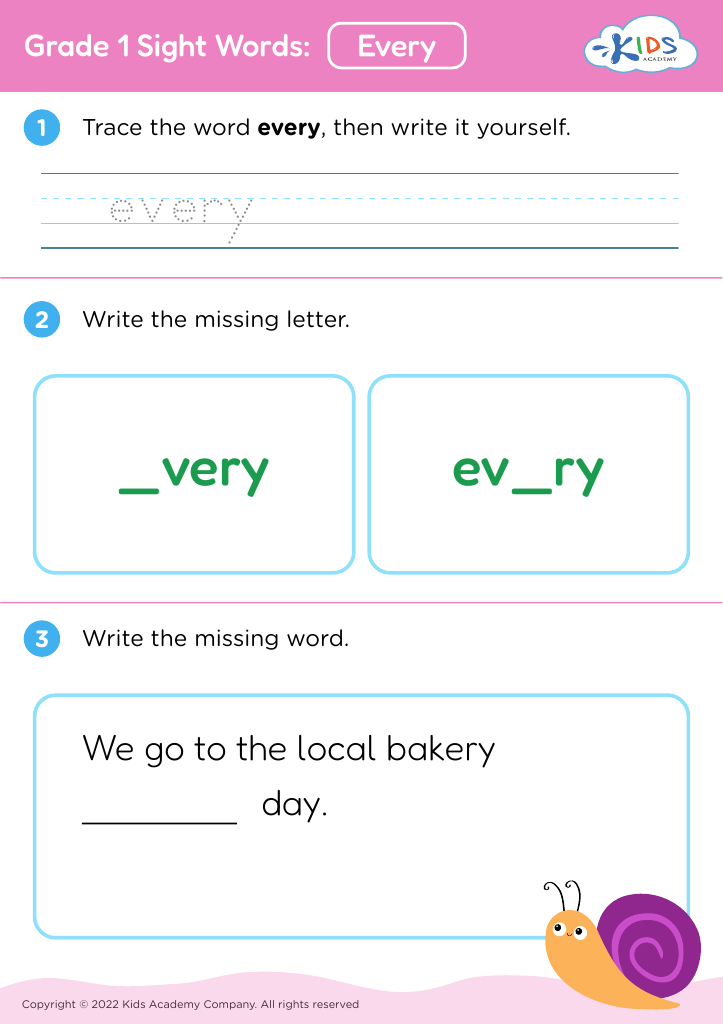
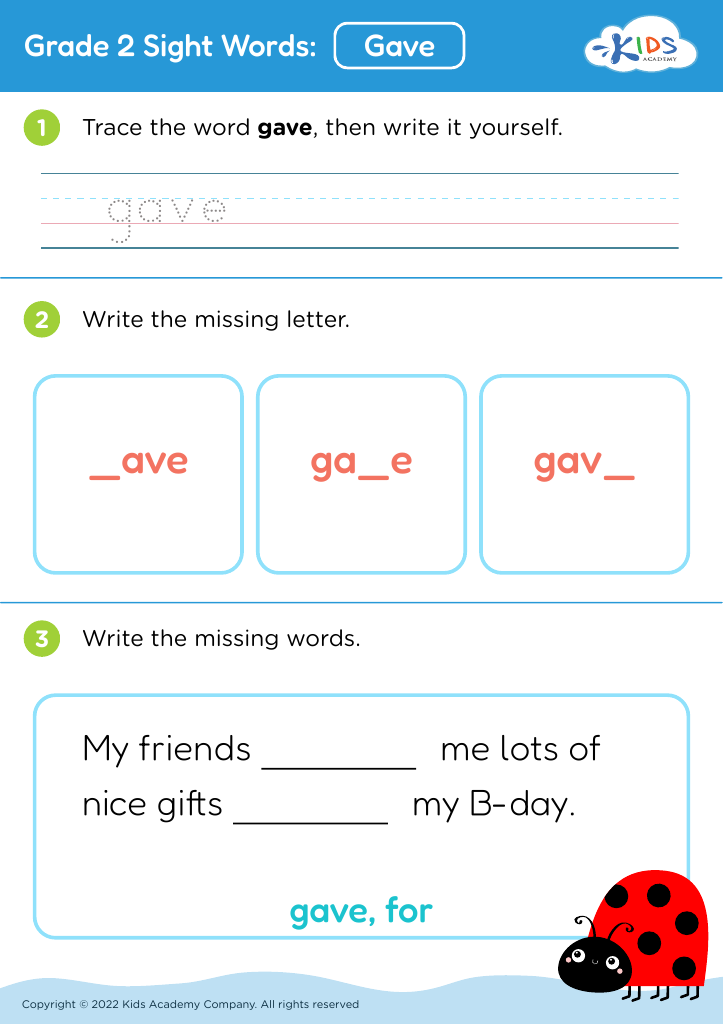







Reading for ages 4-7 is a critical period for children's development, significantly impacting their future academic and social success. At this stage, children are not just learning to read but are also beginning to understand the world around them through stories. Engaging in reading during these formative years helps build essential language skills, such as vocabulary development, comprehension, and phonemic awareness.
Moreover, reading aloud creates bonding experiences between parents or teachers and children, fostering discussions that deepen understanding and stimulate curiosity. Children exposed to literature during this age enjoy enhanced imagination and creativity, as stories spark an interest in various topics and cultures.
Incorporating reading into daily routines fosters a love for learning, laying the foundation for lifelong skills that extend beyond the classroom. Early reading influences critical thinking and empathy, as children relate to characters and situations, learning to understand diverse perspectives.
As advocates for a child’s holistic development, teachers and parents play a vital role by providing access to diverse and engaging literature, promoting not only literacy but also emotional growth. Investing in reading for young children ensures they are prepared for future challenges in both academic settings and everyday life.








