Number Sequencing Worksheets for Ages 4-8 - Page 2
44 filtered results
-
From - To
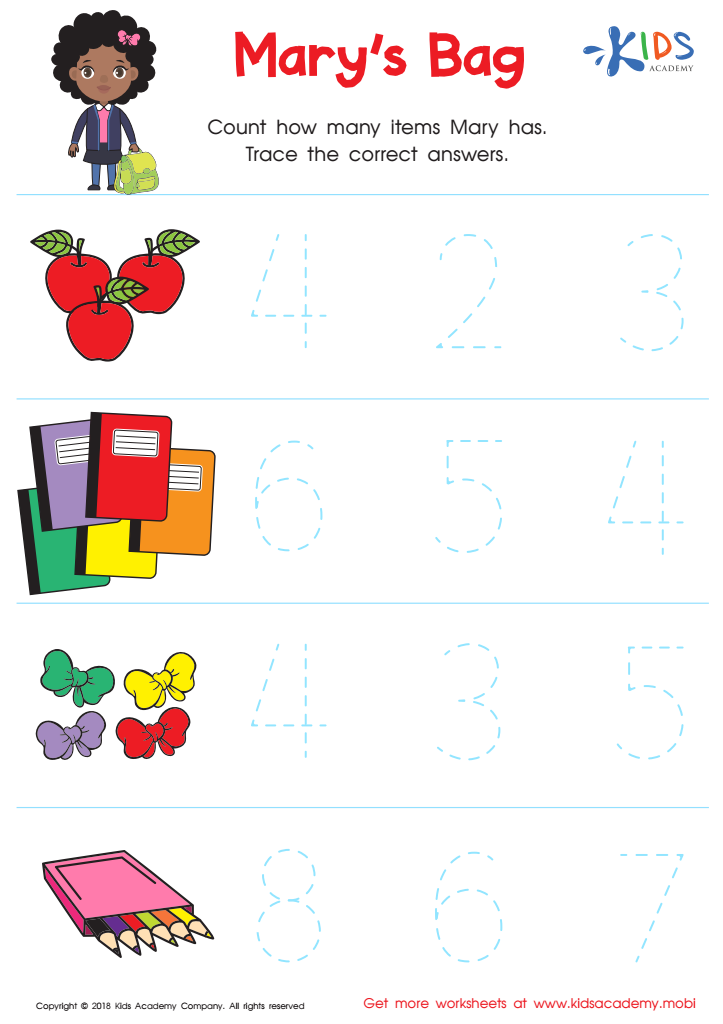
Kindergarten Number Tracing: Mary's Bag Worksheet
 Assign to My Students
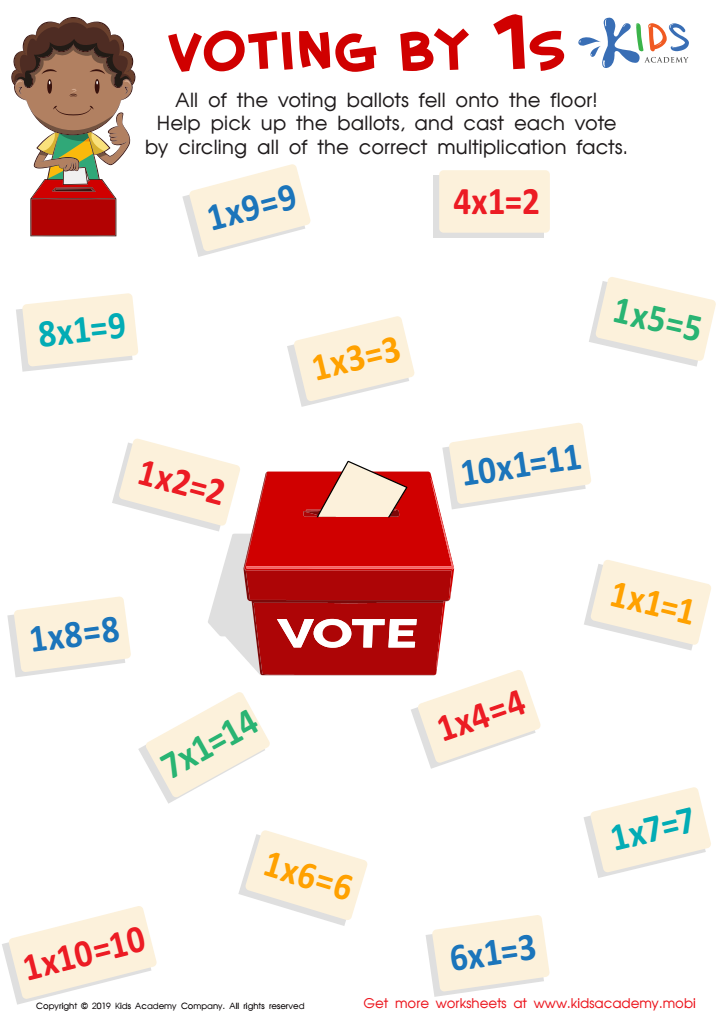
Voting by 1s Worksheet
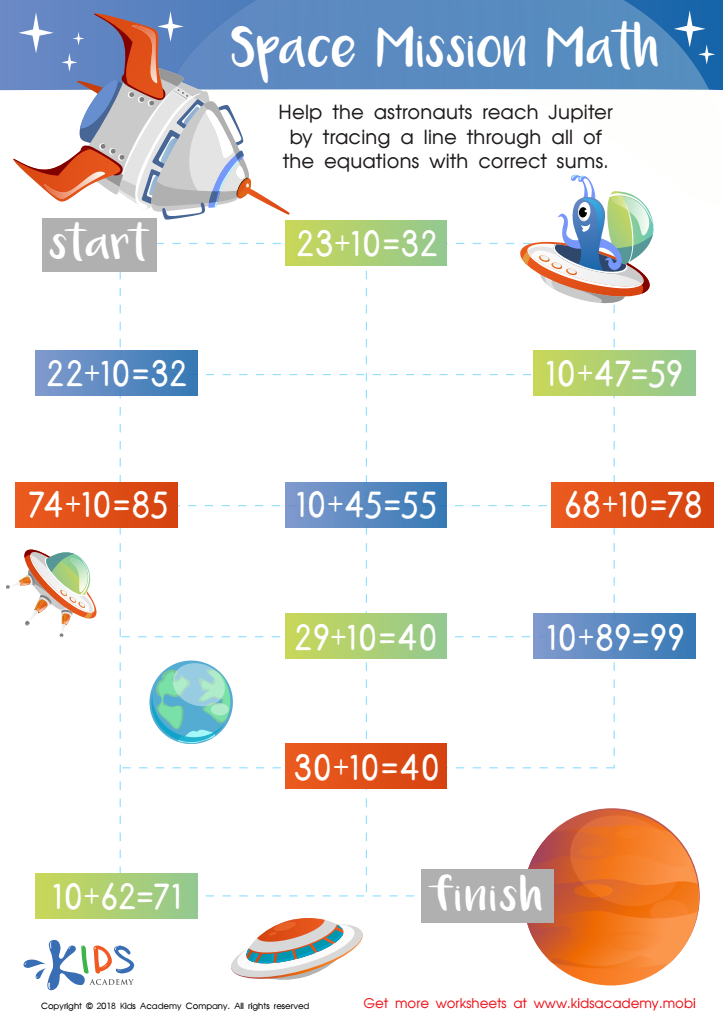
Space Mission Math Worksheet
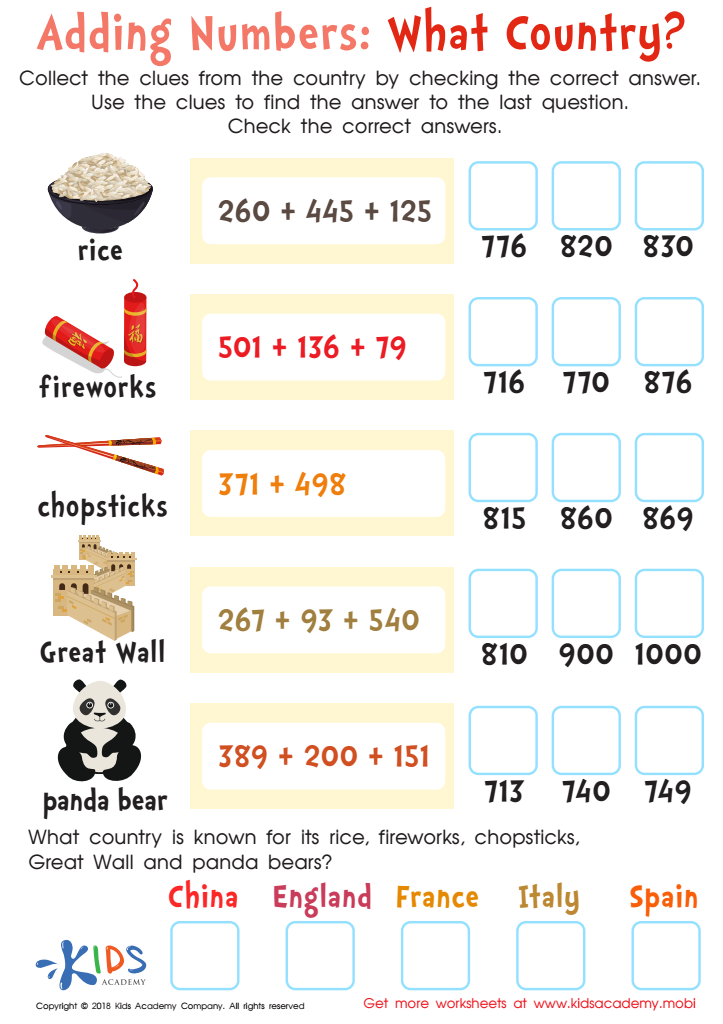
Adding Numbers: What Country Worksheet
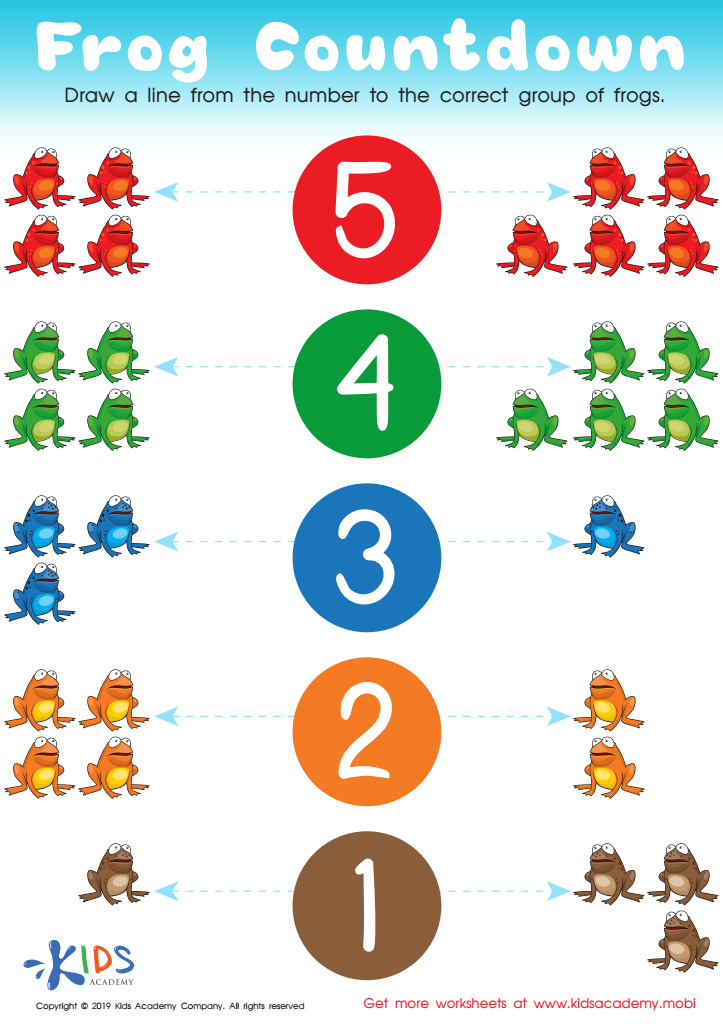
Frog Countdown Worksheet
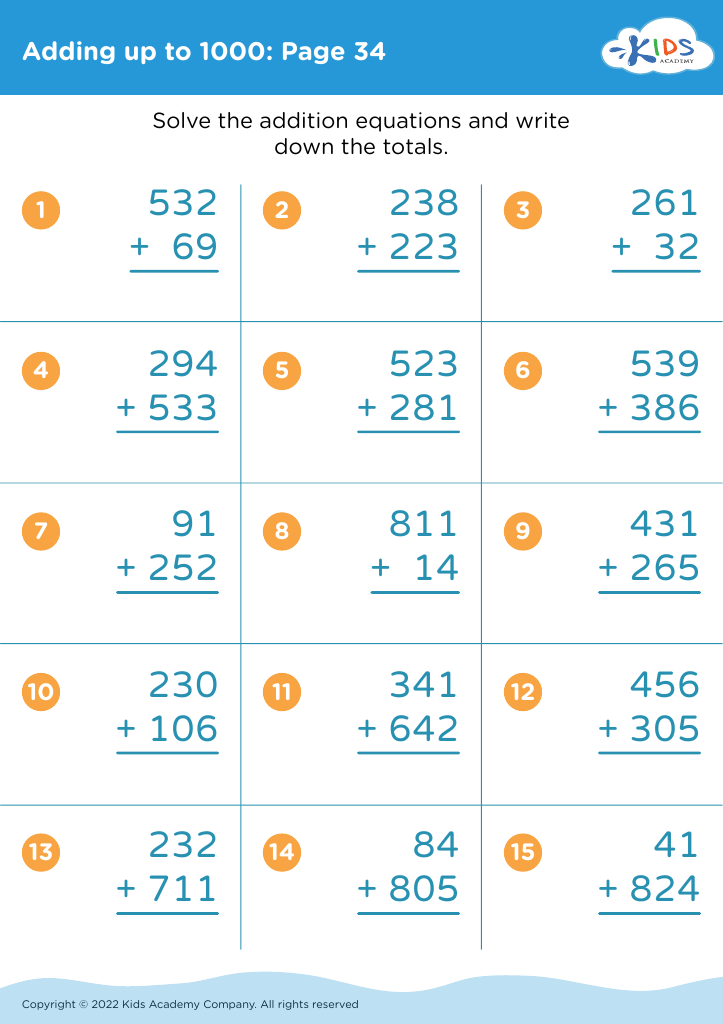
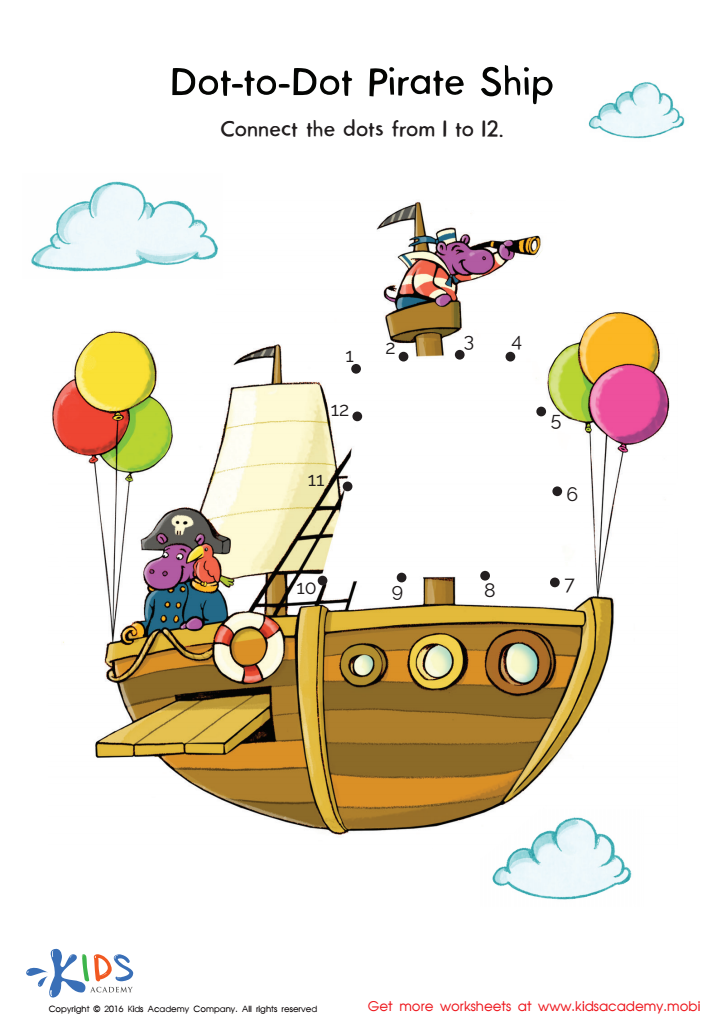
Pirate Ship Connect Dots Worksheet
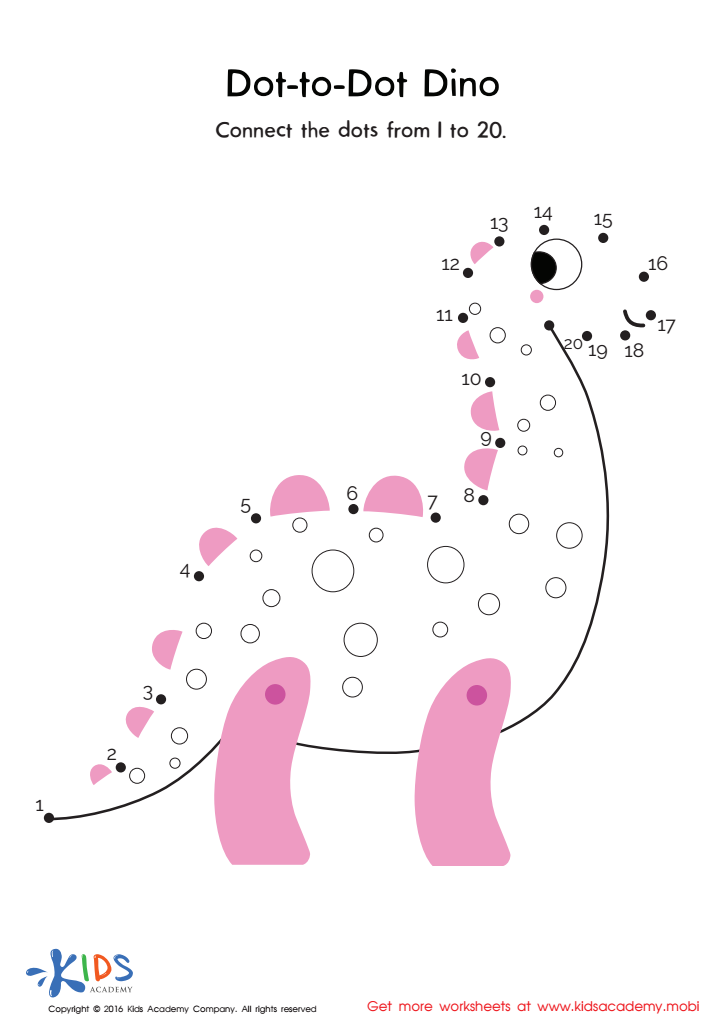
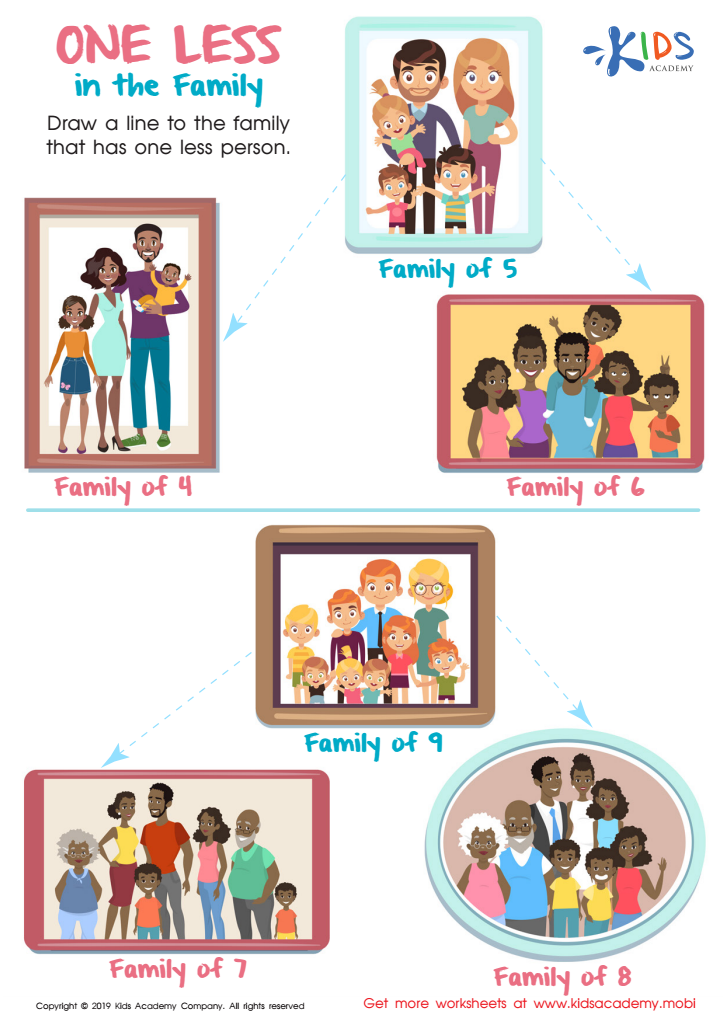
One Less in the Family Worksheet
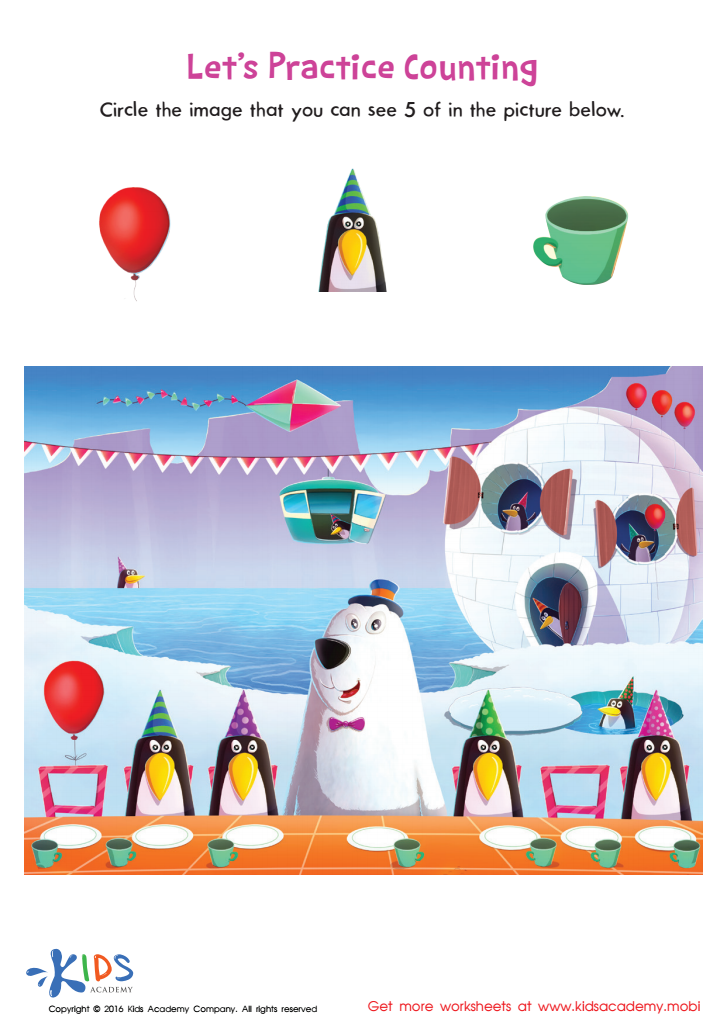
Counting Worksheet: Let's Practice Counting
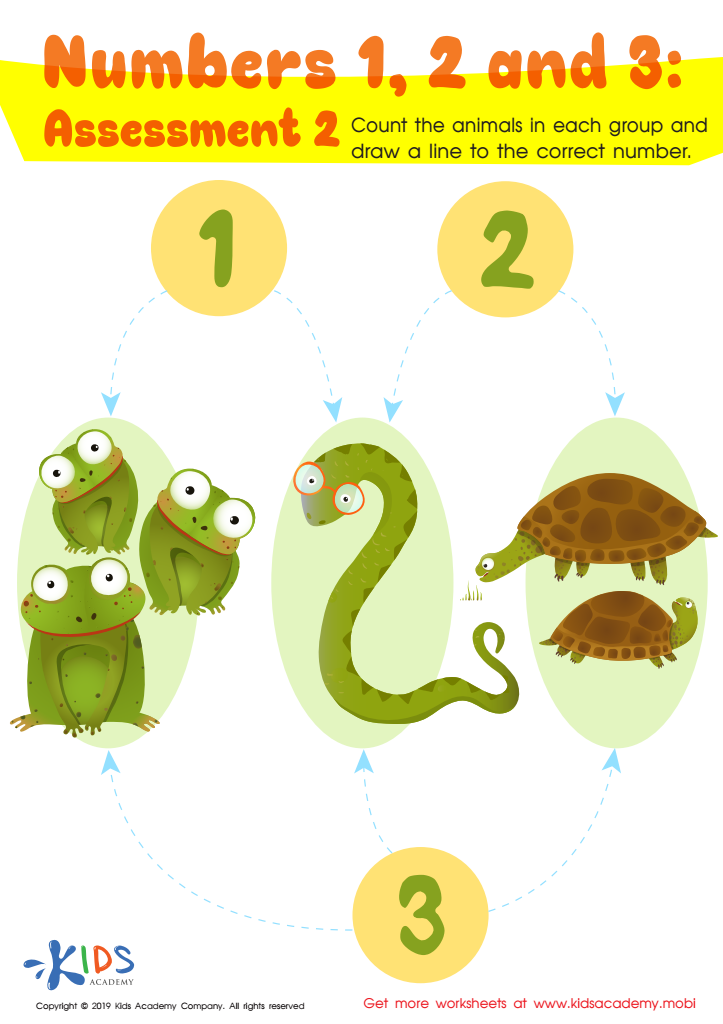
Numbers 1, 2 and 3: Assessment 2 Worksheet
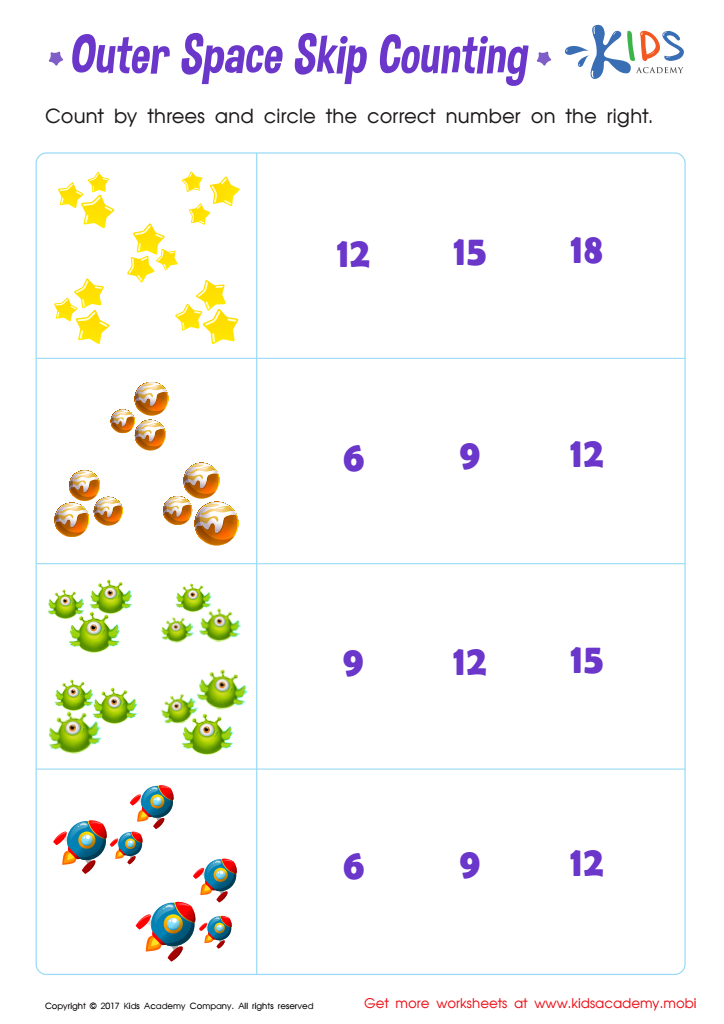
Skip Counting by 3s: Outer Space Skip Counting Printable
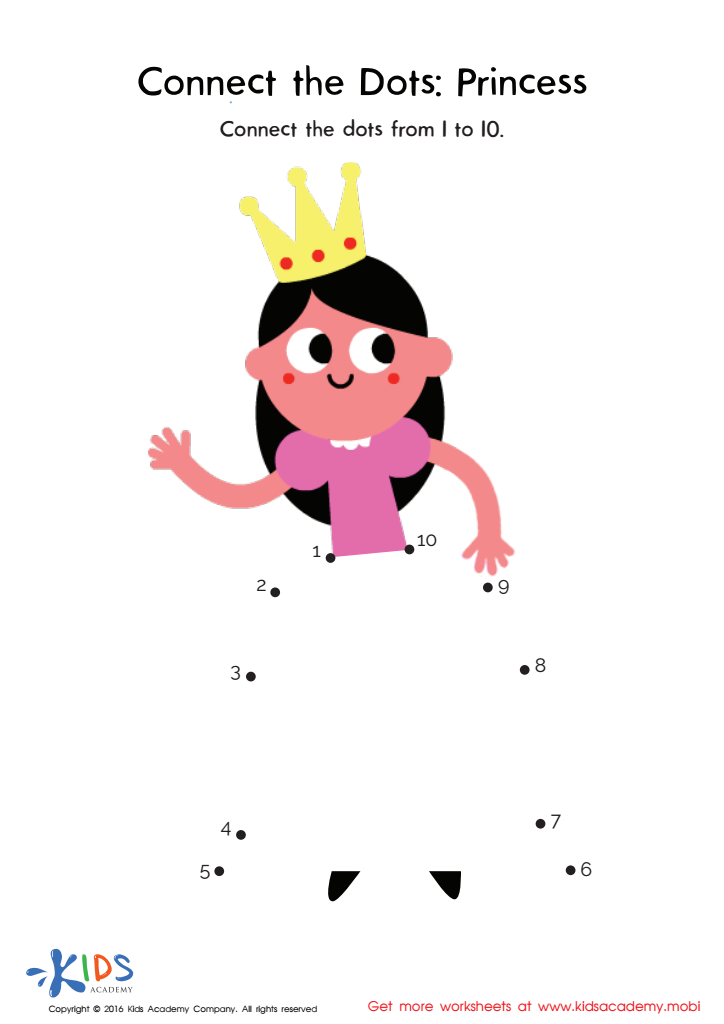
Princess Connect Dots Worksheet
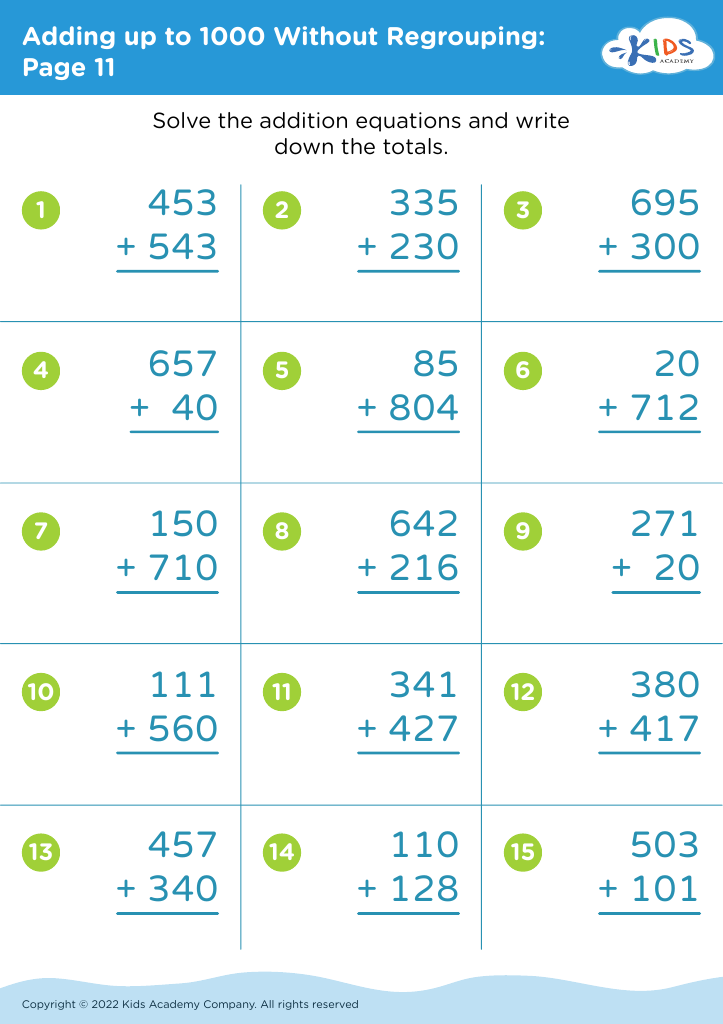
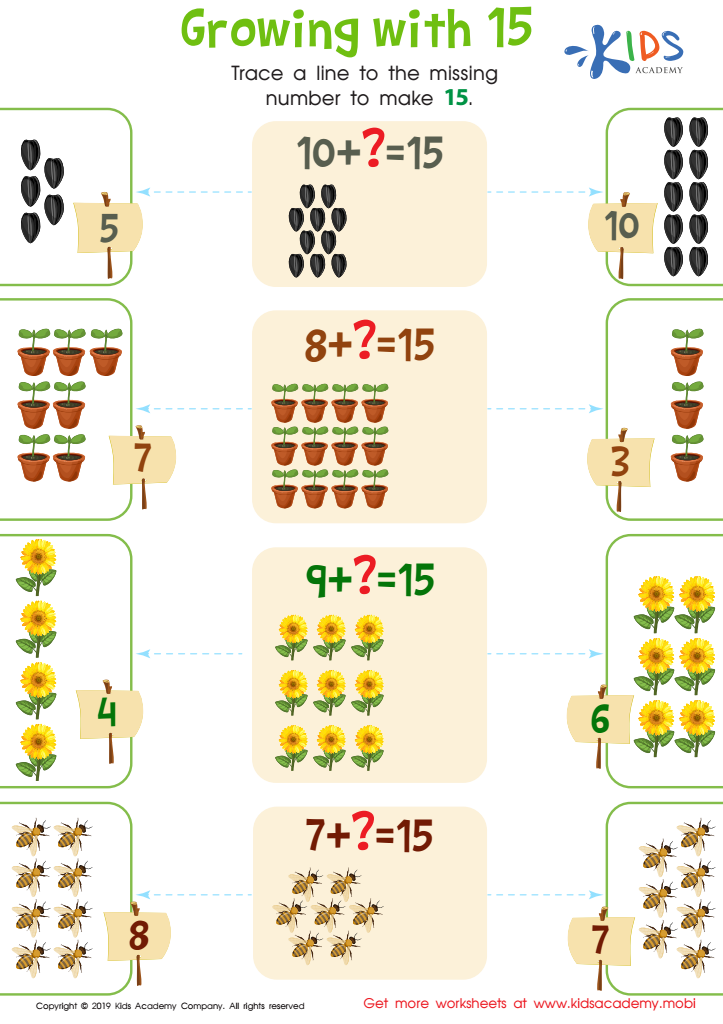
Growing with 15 Worksheet
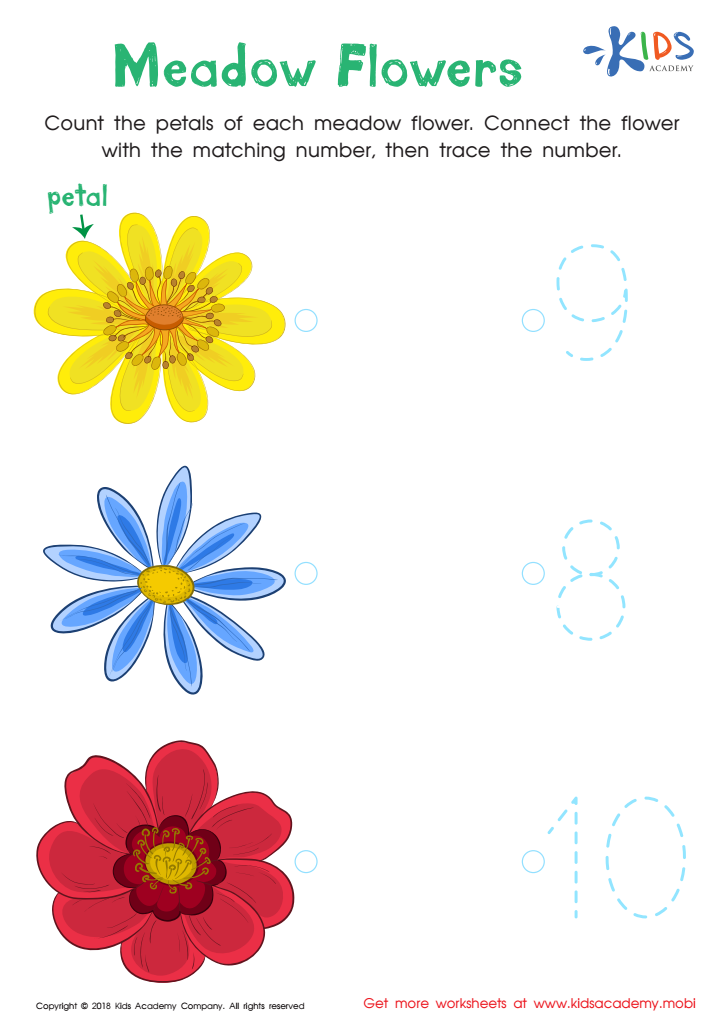
Kindergarten Number Tracing: Medow Flowers Worksheet
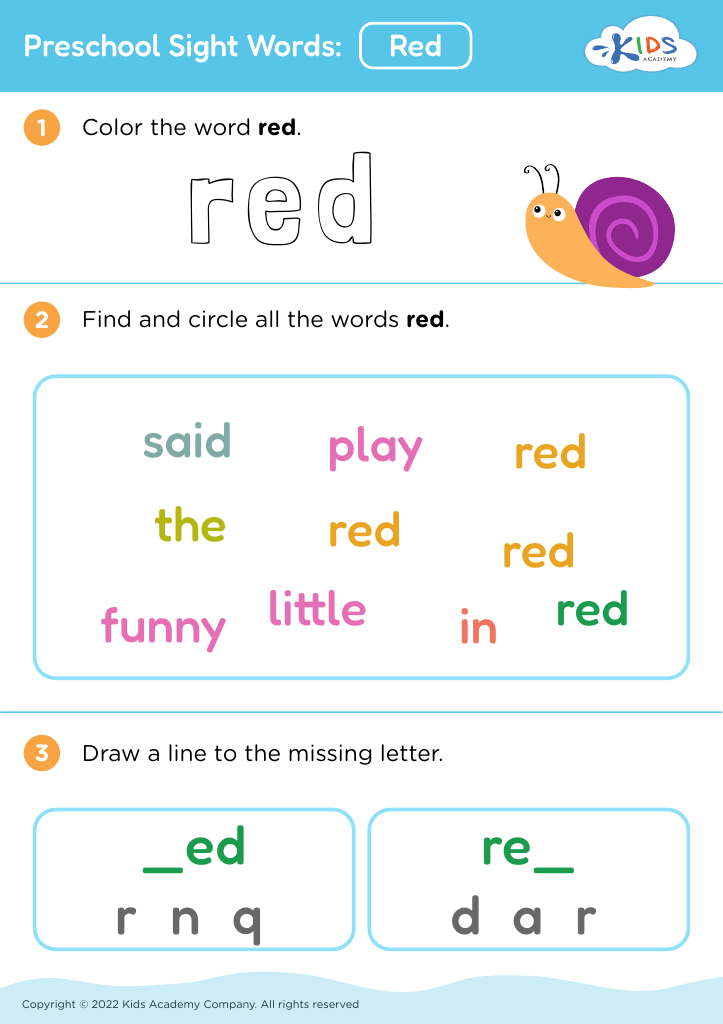
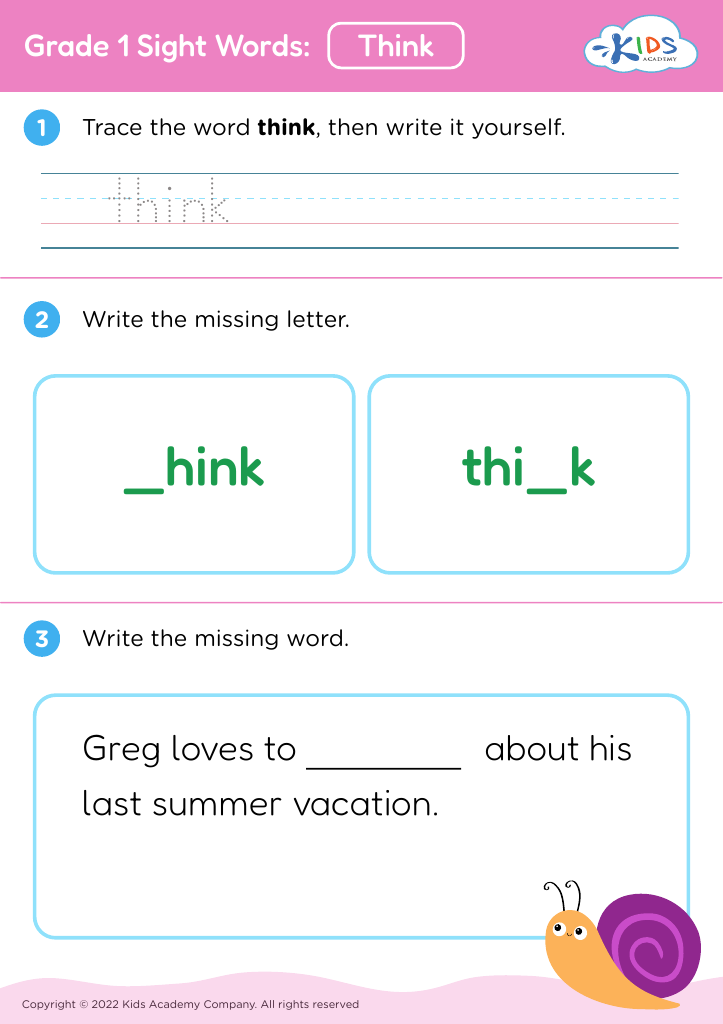







Number sequencing is a foundational skill vital for young learners aged 4-8, shaping their mathematical understanding and problem-solving abilities. When parents and teachers prioritize number sequencing, they equip children with essential cognitive tools.
First, sequencing enhances numerical fluency, allowing children to identify patterns and develop a stronger grasp of number relationships. This precursor to arithmetic ensures that learners can confidently tackle addition, subtraction, and eventually multiplication and division.
Second, number sequencing exercises critical thinking. As children arrange numbers and identify missing elements, they cultivate analytical skills that benefit them across all subjects, from math to reading comprehension.
Moreover, mastering sequencing fosters confidence. When children can sequence numbers effectively, they gain a sense of accomplishment, driving their motivation to explore more complex math concepts. They learn that mathematics is not just about memorization, but about understanding the relationships between numbers.
Finally, number sequencing supports everyday experiences. Whether it’s telling time, organizing events, or understanding simple numerical data, these skills are deeply integrated into daily life.
In summary, a focus on number sequencing nurtures mathematical readiness, critical thinking, and confidence, making it an essential aspect of early education that parents and teachers should value.








