Color Identification Science Worksheets for Ages 4-8
4 filtered results
-
From - To
Unlock the world of colors with our engaging Color Identification Science Worksheets for Ages 4-8! Tailored to spark curiosity in young learners, these vibrant worksheets make learning fun and interactive. By identifying and matching an array of colors, children enhance their observational skills and cognitive development. Perfect for classroom or at-home learning, each worksheet is designed to promote early scientific inquiry while building a strong educational foundation. With clear instructions and playful activities, Kids Academy ensures your child masters the basics of color recognition effortlessly and joyfully. Encourage a love for learning with these exciting, educational worksheets!
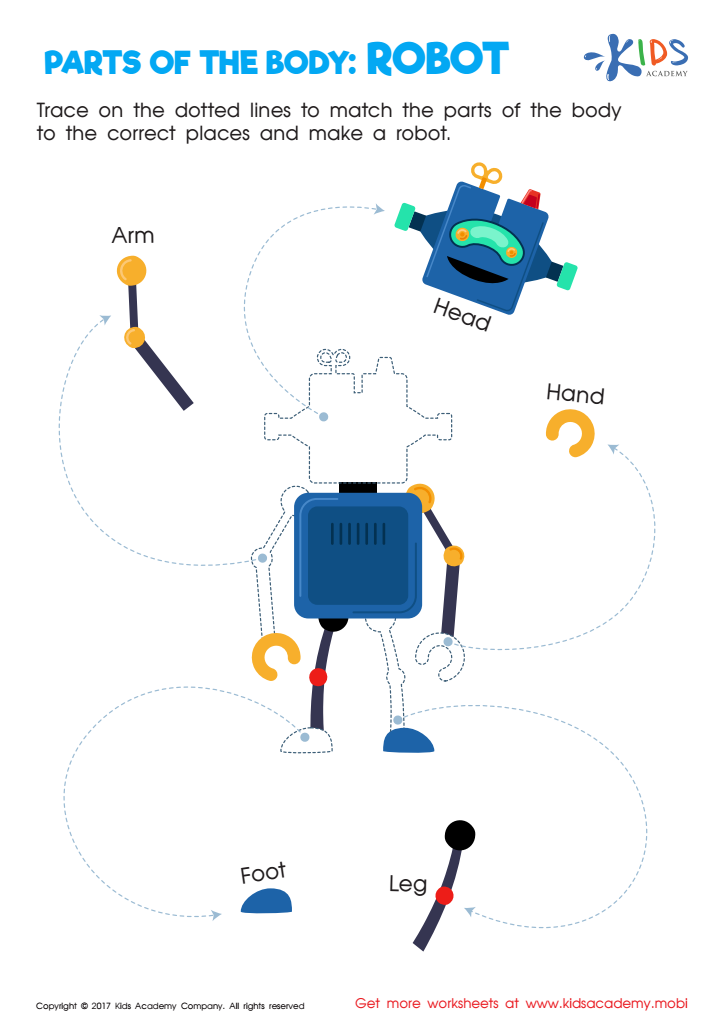
Robot Printable
 Assign to My Students
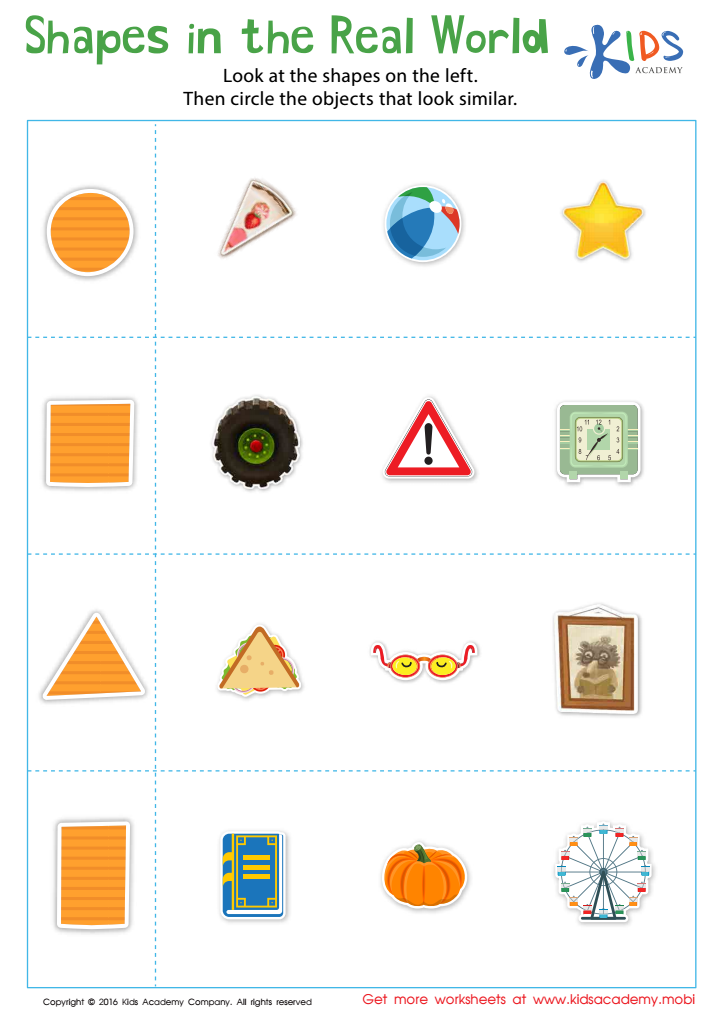
Shapes in the Real World Worksheet
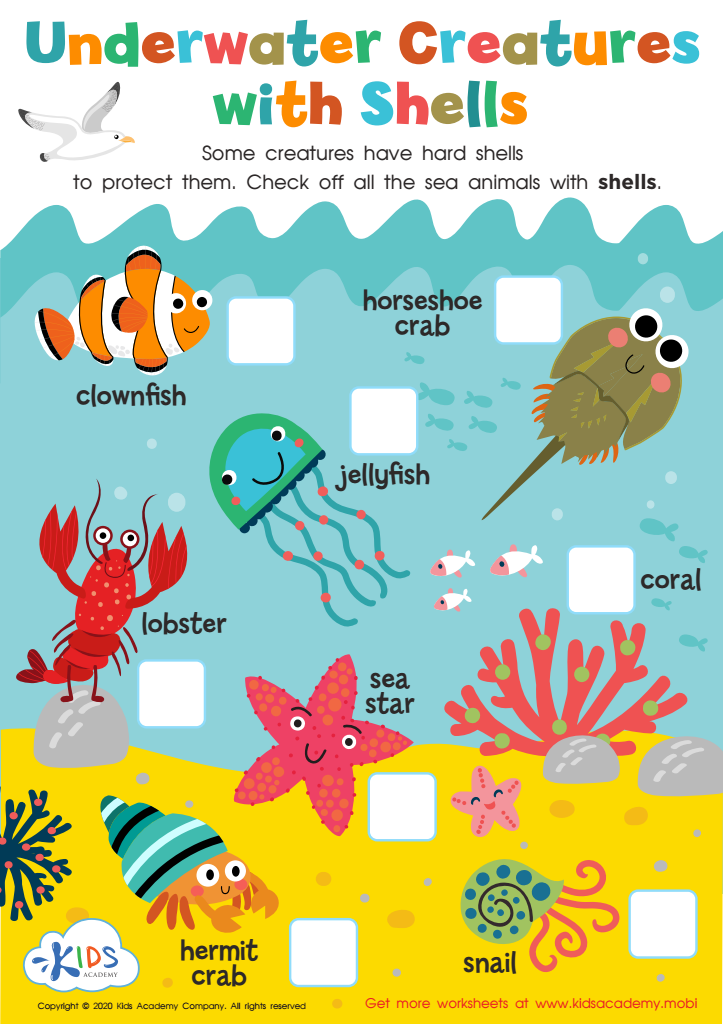
Underwater Creatures with Shells Worksheet
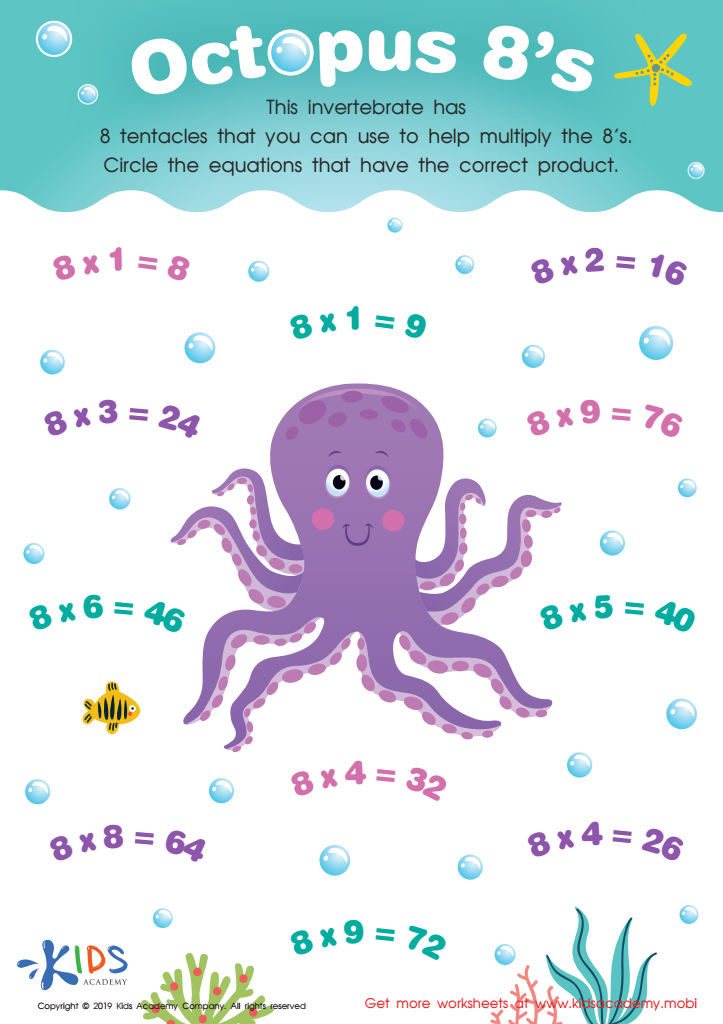
Octopus 8’s Worksheet


%20(1).jpg)





Color Identification Science for ages 4-8 is crucial in early childhood development. During these formative years, children undergo rapid brain development, and color recognition plays a significant role in their growth. Firstly, color identification enhances cognitive development. It helps children classify and differentiate objects in their environment, laying the foundation for critical sorting and categorizing skills.
From a language development perspective, learning colors enriches vocabulary. Children learn to describe their world more accurately and expressively, which aids in better communication and storytelling. Recognizing and naming colors also improve memory and attention to detail, as youngsters learn to discern and recall multiple hues and shades.
In terms of emotional development, colors are a powerful tool for understanding and expressing feelings. Young kids often associate different colors with emotions (e.g., red for anger, blue for sadness), which helps them articulate their inner experiences and manage emotions more effectively.
Finally, color knowledge is fundamental in arts and creativity. Engaging with different colors through drawing or crafts can boost imagination and enhance artistic skills.
Parents and teachers should embrace color identification activities—not just for immediate educational benefits but for nurturing well-rounded development that supports lifelong learning and emotional well-being.







