Fine Motor Skills Science Worksheets for Ages 4-9
13 filtered results
-
From - To
Nurture young minds and hands with our Fine Motor Skills Science Worksheets for ages 4-9! Designed to enhance your child's dexterity while making learning fun, these interactive activities blend scientific concepts with engaging tasks. From cutting and pasting to coloring and tracing, our worksheets help develop critical fine motor skills essential for writing and everyday tasks. Perfect for both classroom settings and homeschool adventures, they provide the ideal foundation for academic success and creative exploration. Explore our collection today and watch your child's coordination and scientific curiosity flourish together!
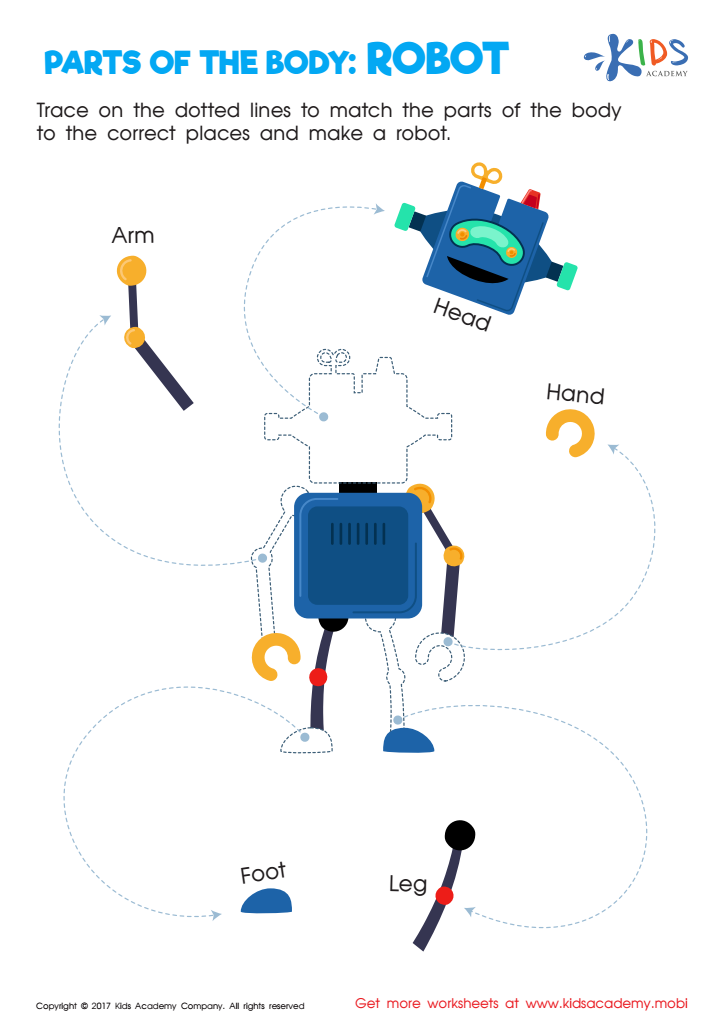
Robot Printable
 Assign to My Students
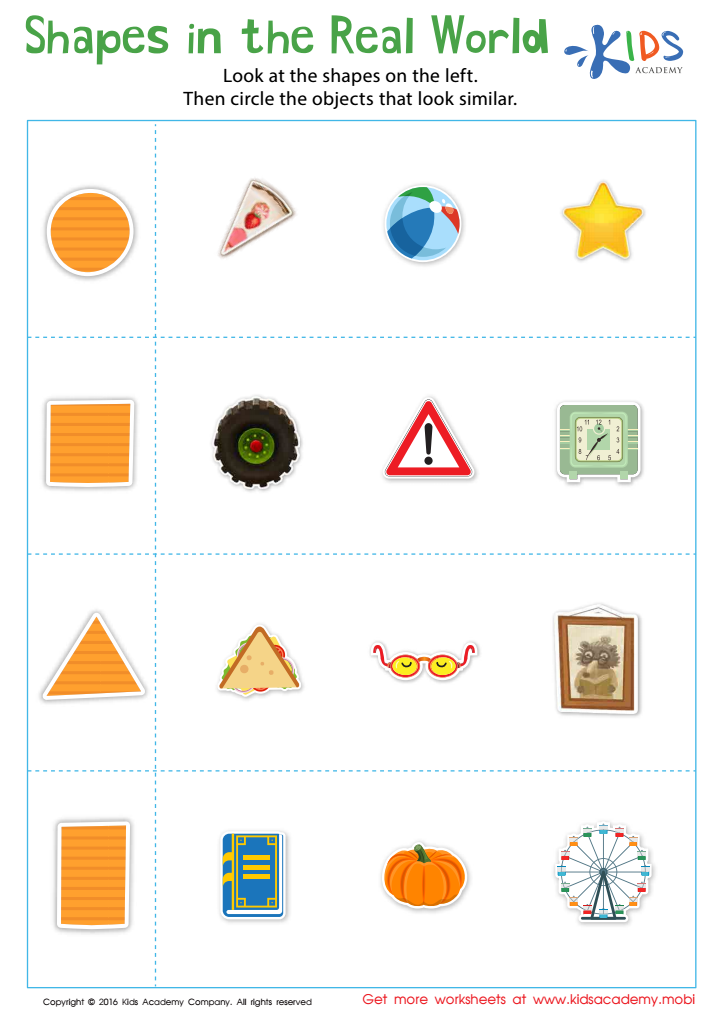
Shapes in the Real World Worksheet
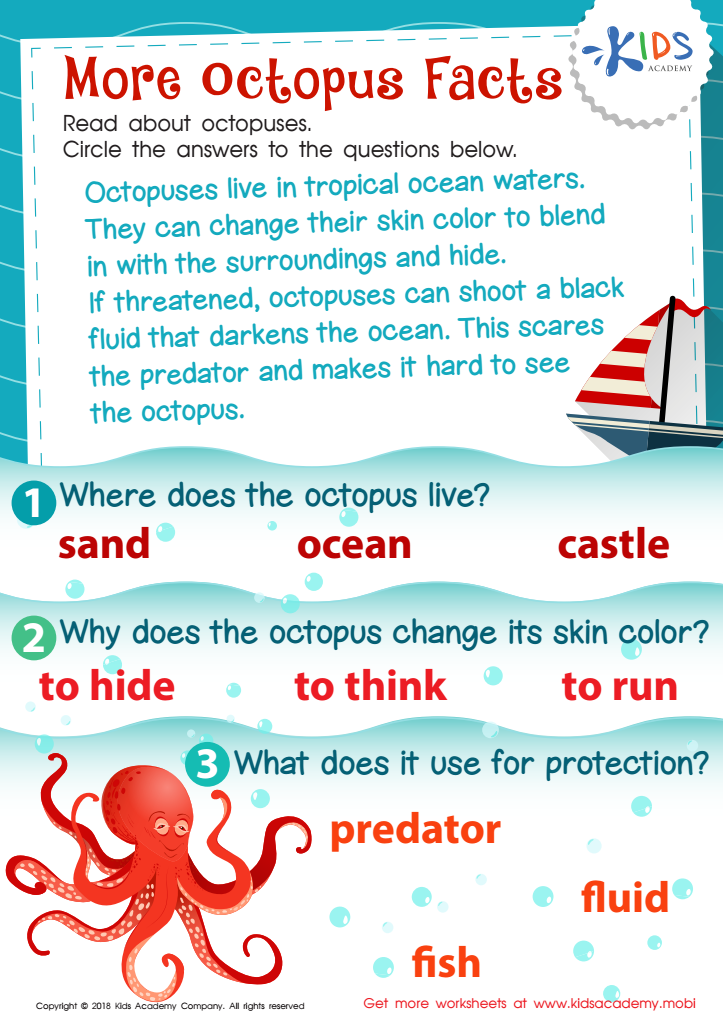
More Octopus Facts Worksheet
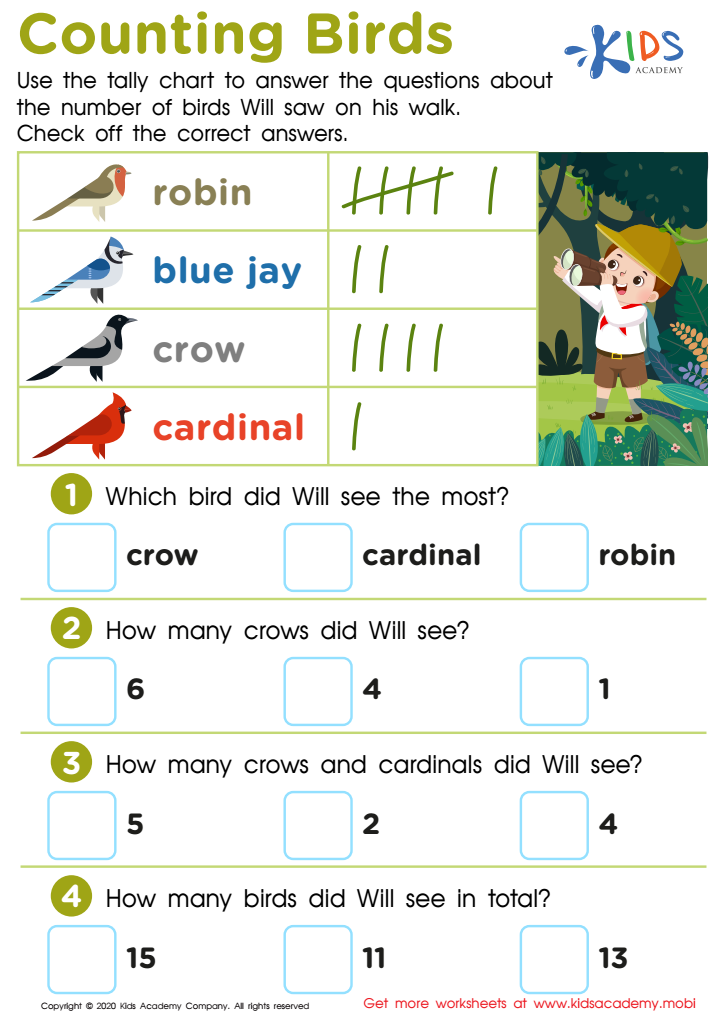
Counting Birds Worksheet
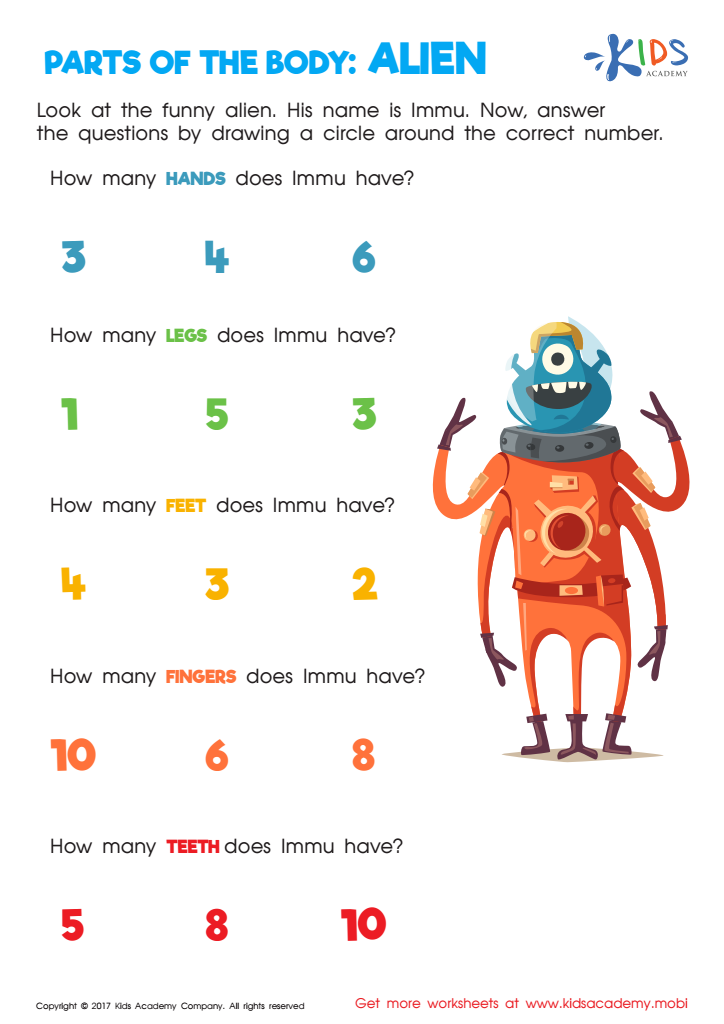
Alien Worksheet
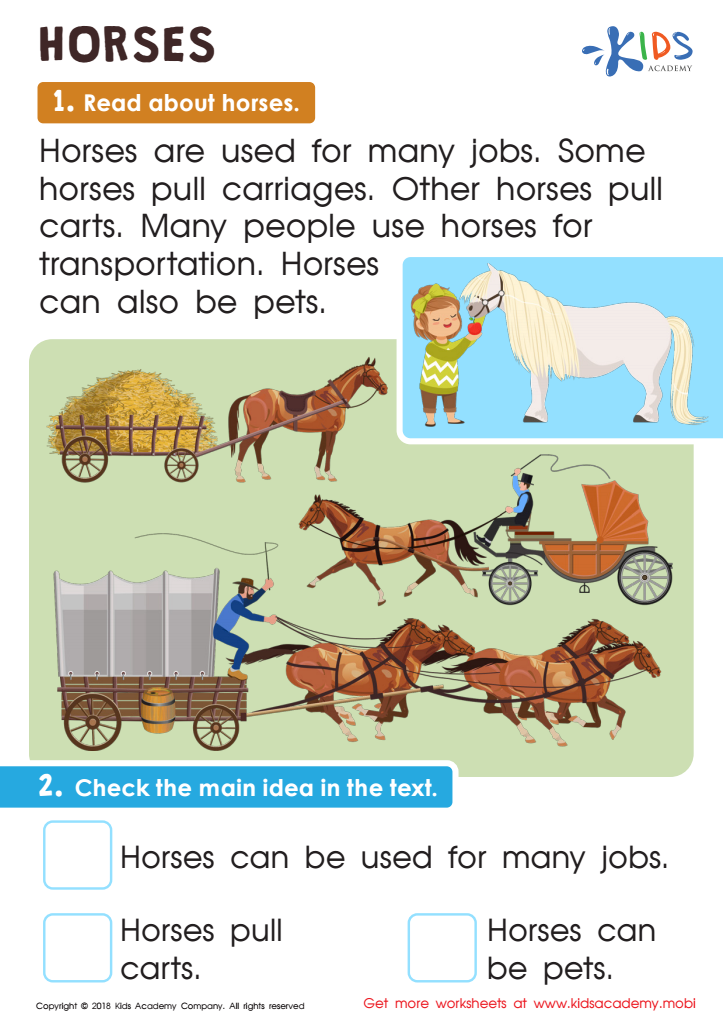
Horses Worksheet
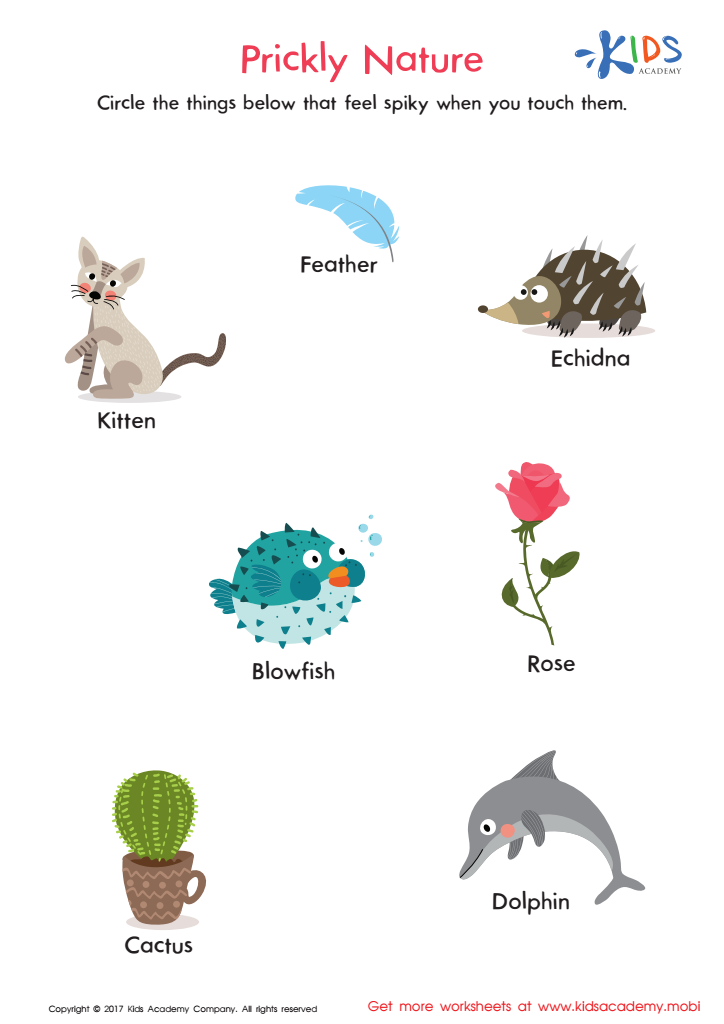
Prickly Nature Worksheet

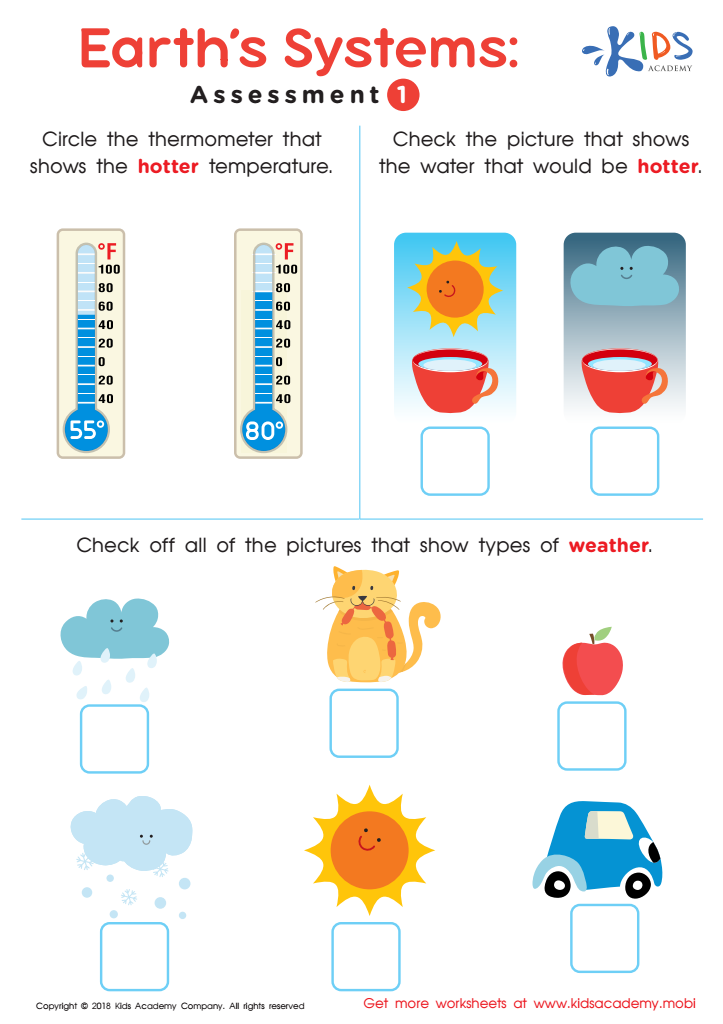
Earth's Systems: Assessment 1
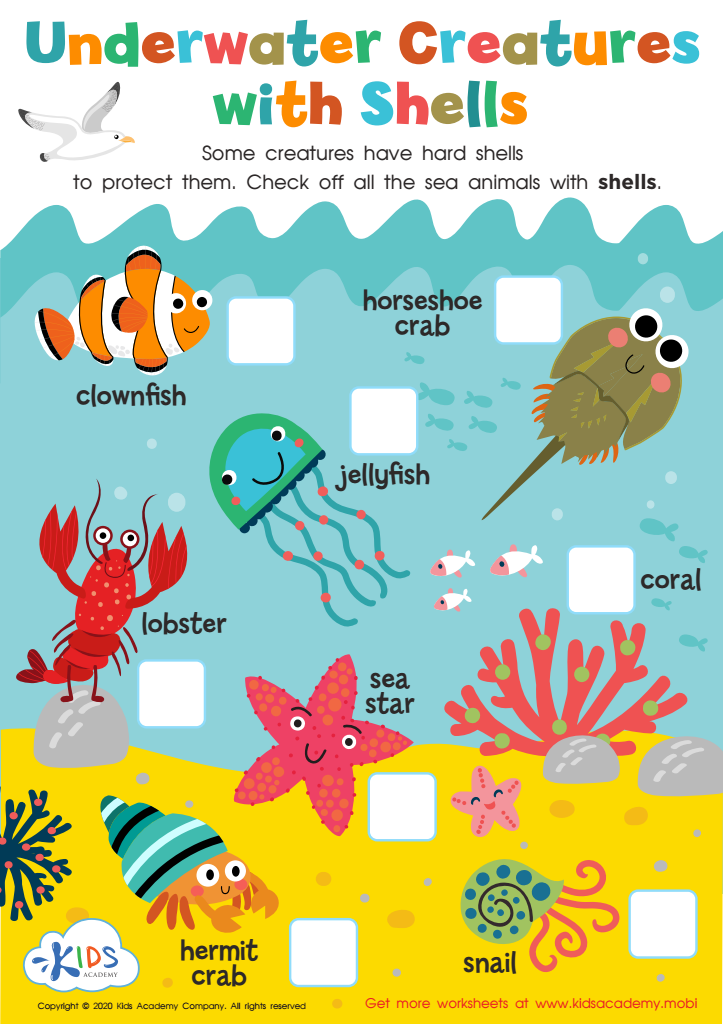
Underwater Creatures with Shells Worksheet
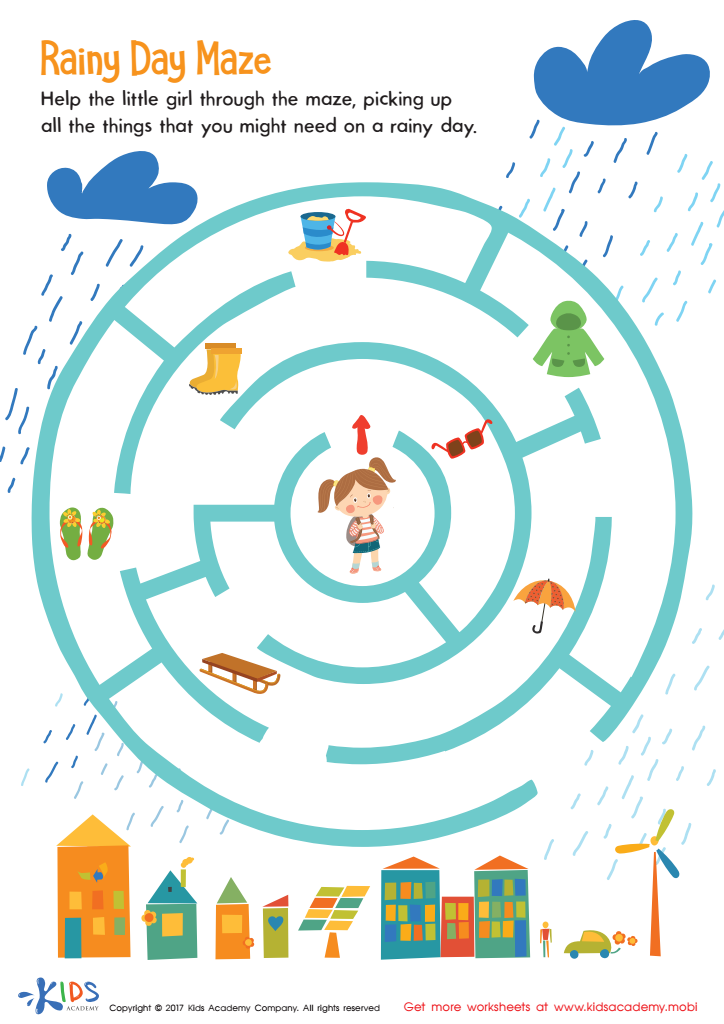
Rainy Day Maze Worksheet

Astronomer Maze: Telescope Worksheet
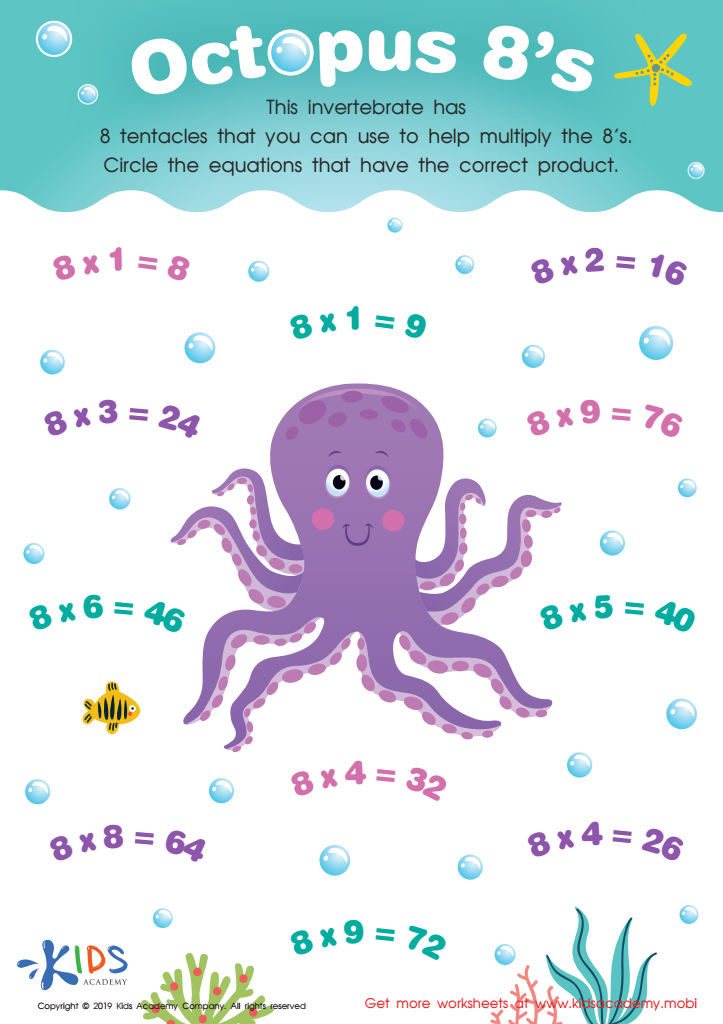
Octopus 8’s Worksheet








Fine motor skills are crucial for the overall development of children aged 4-9, as they involve the coordination of small muscles, particularly in the hands and fingers. For parents and teachers, understanding and nurturing these skills set the foundation for important everyday activities such as writing, buttoning clothes, and using utensils.
During the critical early years, children are also developing cognitive skills and hand-eye coordination, which are closely linked to fine motor proficiency. For instance, the act of writing not only helps in learning language but also enhances visual-spatial skills and memory. Supporting fine motor skills can reduce frustration and build confidence in kids as they master tasks that are part of daily routine and classroom activities.
Moreover, advancements in fine motor skills are indicators of healthy neurological and developmental growth. Regular practice through fun and diverse activities like drawing, cutting with scissors, and manipulating small objects encourages neural development and can even influence academics positively.
Engaging children in tasks that promote fine motor development, therefore, helps prepare them for schoolwork and instills a sense of accomplishment. For both parents and teachers, focusing on fine motor skill development is an investment in a child's overall physical, emotional, and intellectual growth, making it a valued and insightful aspect of early education.







